Why Mockingbirds Keep Returning To The Same Florida Yard Year After Year
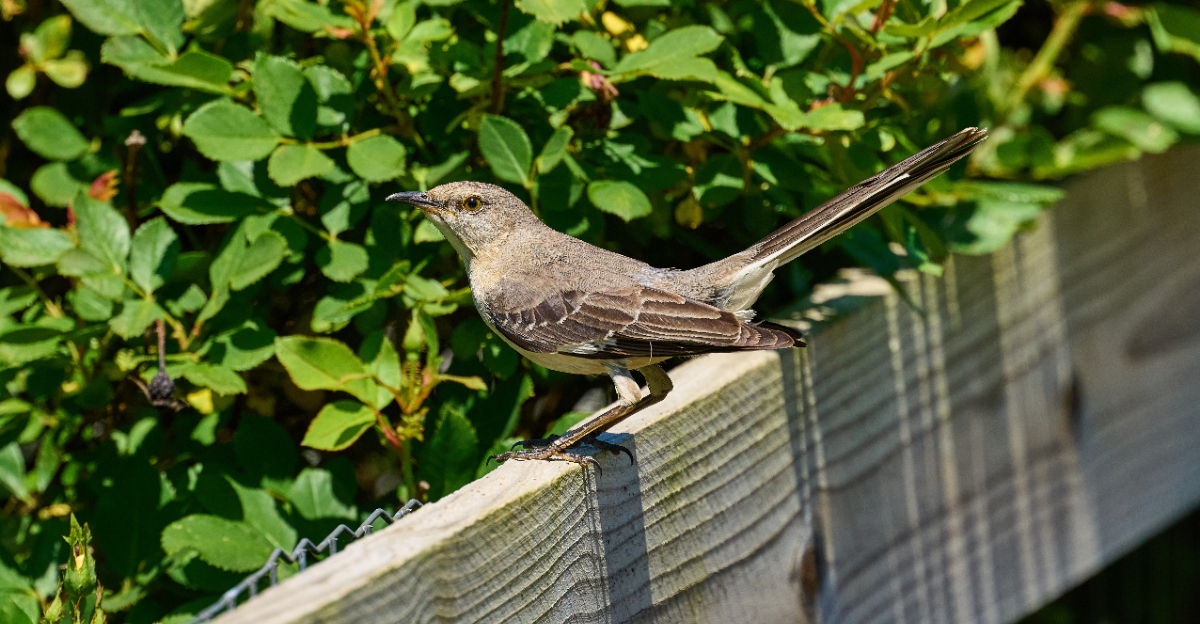
That same mockingbird landing on your fence post is not a coincidence. Something specific keeps pulling it back to this exact patch of Florida soil.
Researchers have traced this pattern across yards just like yours, and the results surprised even seasoned birders. Your yard holds clues most homeowners overlook, from the shape of your shrubs to the timing of your watering.
Florida’s climate plays a role, but so does something far more personal to your property. Birds remember far more than people assume, shaping how they choose your yard over every other option nearby.
Each returning visit tells a story about safety, food, and a bond most people misread entirely. Nothing about this behavior is random, even though it looks that way from your porch.
A small detail in your landscaping could be the deciding factor. What happens next explains why this bond keeps forming, and it will change how you look at your own yard for good.
Territory Loyalty Runs Deeper Than Instinct
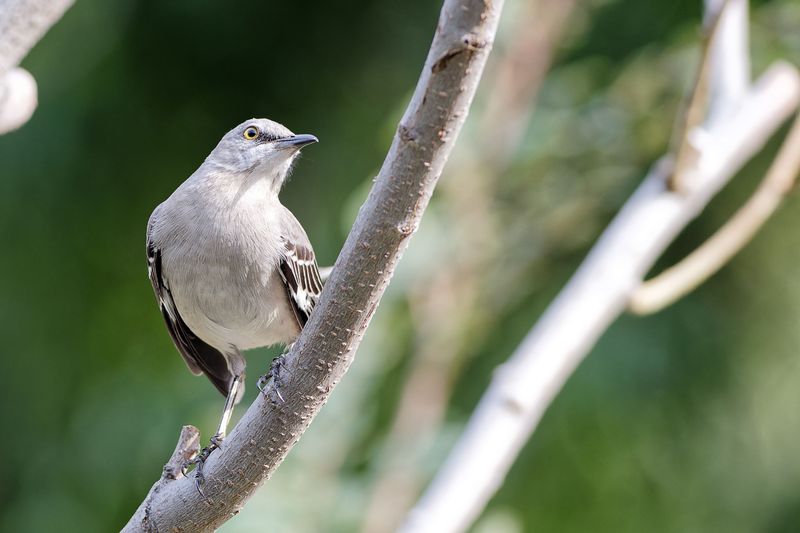
Mockingbirds are not casual visitors. Once a Northern Mockingbird claims a yard as its territory, that claim runs bone-deep.
Most people assume birds just follow food or warmth. The truth is far more fascinating than that simple explanation.
Mockingbirds are highly territorial creatures, and their attachment to a specific space is tied to instincts built for survival. A claimed yard is not just a resting spot. It is ground the bird actively defends.
Male mockingbirds, in particular, will sing from the same perches day after day. That repetitive, melodic performance is not entertainment. It is a loud, clear warning to rival birds that this space is taken.
Mockingbirds are known to chase away cats, hawks, and even humans who get too close. That boldness is not random. It reflects how strongly the bird is committed to holding that specific patch of land.
Florida yards that offer open sightlines, tall singing perches, and consistent shelter tend to attract the strongest territorial claims. Once a mockingbird stakes that claim, it defends it fiercely through every season.
Interestingly, both male and female mockingbirds hold separate winter territories. They reunite in the same yard come breeding season, reinforcing that original bond with the space.
Territory loyalty in mockingbirds is not just instinct. It is a learned, practiced behavior shaped by repeated seasons in the same space.
Food, Shelter, And The Pull Of A Familiar Yard
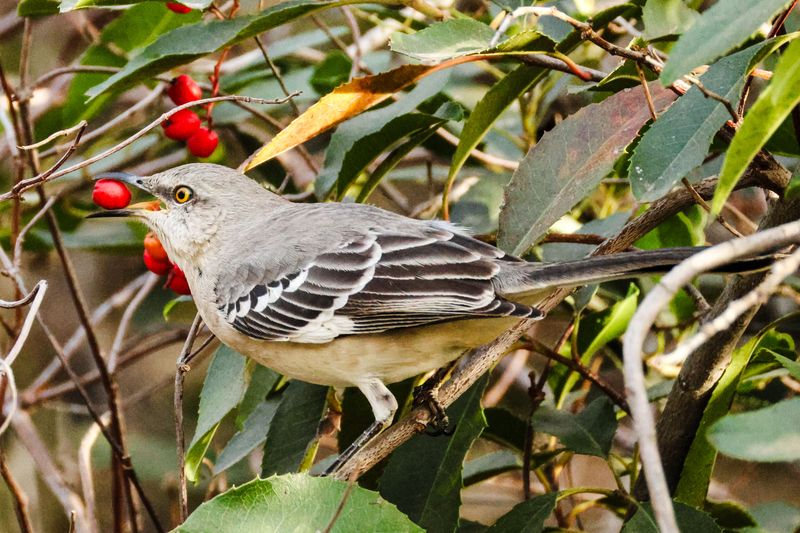
Hunger is a powerful compass. A mockingbird that found reliable food in your yard last spring has a very good reason to return this spring.
Florida yards are packed with natural food sources that mockingbirds seek out. Berries from beautyberry, holly, and wax myrtle shrubs are among their top picks throughout the year.
Insects also play a massive role in a mockingbird’s diet. Beetles, grasshoppers, and earthworms found in well-maintained lawns and garden beds keep these birds well-fed and energized for singing and nesting.
Shelter matters just as much as food does to a returning bird. Dense shrubs, low trees, and thick hedges offer safe nesting sites that mockingbirds return to with remarkable consistency each season.
Your Florida Garden Changes Every Week. Your Plan Should Too.
Gardening in Florida changes quickly throughout the season. Every Friday you’ll receive a simple weekly plan showing exactly what to plant, prune, fertilize, harvest, and protect so you never miss the right timing.
A yard that provided a safe, hidden nest one year becomes the first choice the next year. Birds are practical creatures, and they remember what worked before without overthinking the decision.
Water sources also pull mockingbirds back reliably. A clean birdbath or shallow fountain signals safety and abundance to a scout bird checking out potential nesting zones in early spring.
Florida homeowners who plant native species, maintain a birdbath, and avoid heavy pesticide use create an irresistible combination. That combination becomes a familiar, trusted home base for mockingbirds season after season.
The pull of a familiar yard is not sentimental for the bird. It is a smart, efficient survival strategy built on what already worked.
Memory And Recognition In Mockingbird Behavior
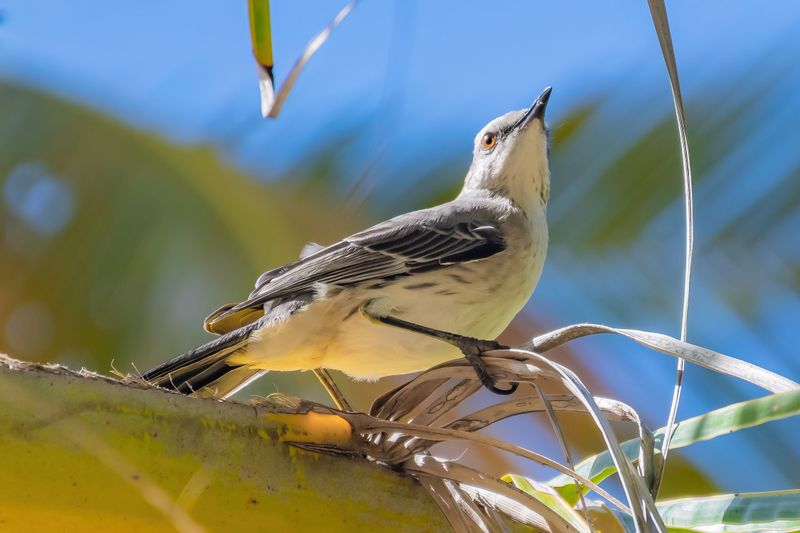
Mockingbirds have surprisingly sharp memories. Science backs this up in ways that will genuinely impress even the most skeptical backyard observer.
Researchers at the University of Florida discovered that mockingbirds can recognize individual human faces. They remember which people posed a threat and which ones were harmless, adjusting their behavior accordingly.
That level of cognitive ability means a mockingbird returning to your yard is not just following a vague instinct. It is making an informed decision based on stored experience and past outcomes.
Mockingbirds also memorize the songs of dozens of other bird species. Some individuals have been recorded mimicking over 200 distinct sounds, which requires serious mental storage and recall capacity.
This memory extends to physical spaces as well. A mockingbird that nested in your bottlebrush tree two summers ago likely remembers the branch itself and the food sources nearby.
Spatial memory in birds is linked to a brain region called the hippocampus, which tends to be more developed in species that rely heavily on memory for survival. Mockingbirds show many of the same memory-driven behaviors.
For Florida homeowners, this means consistency in your yard pays off over time. A stable, predictable environment reinforces positive memories for returning birds and makes your yard their first choice.
Mockingbird behavior is not random or impulsive. It is calculated, memory-driven, and far more intelligent than most people assume.
Signs The Same Bird Is Returning To Your Yard
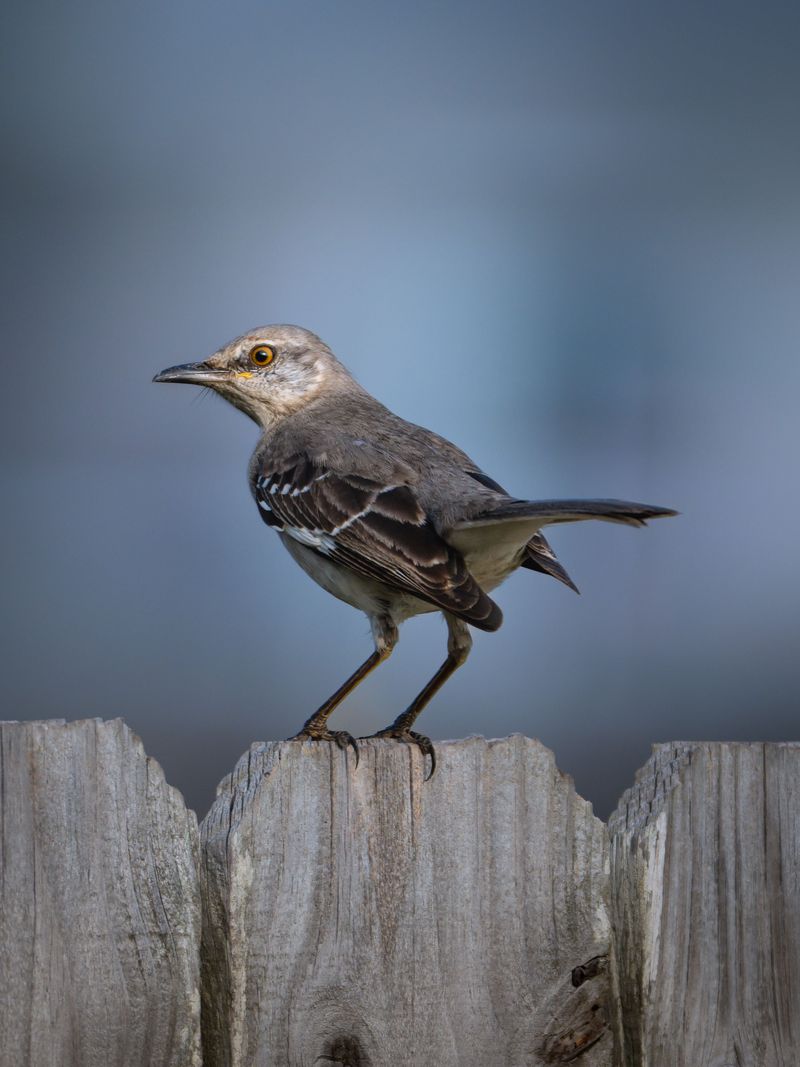
You might wonder if the mockingbird on your fence is the same one from last year. Spotting the signs is easier than most people expect.
One of the clearest indicators is song pattern. Mockingbirds develop highly individualized song repertoires, and experienced listeners can recognize a familiar bird by its specific sequence of mimicked calls.
Watch where the bird perches consistently. A returning mockingbird will gravitate toward the same favorite spots, from a specific fence post to a rooftop corner or tall shrub branch.
Timing also tells a story. If a mockingbird arrives in your yard around the same week each spring, that regularity strongly suggests the same individual bird is making the return trip.
Behavioral confidence is another clue worth noting. A bird that moves through your yard without hesitation, exploring familiar corners immediately, is almost certainly not a newcomer discovering the space for the first time.
Some homeowners have noticed that a returning bird seems unbothered by their presence. A bird that tolerates you at close range has likely built up trust through repeated, harmless interactions over previous seasons.
Leg bands placed by wildlife researchers occasionally help confirm individual bird identity. If you spot a banded mockingbird, you can report it to bird banding programs and potentially learn its full travel history.
Paying attention to these subtle signs transforms casual yard watching into a genuinely rewarding experience, connecting you personally to the specific wild bird sharing your space.
Creating A Yard They Want To Come Back To
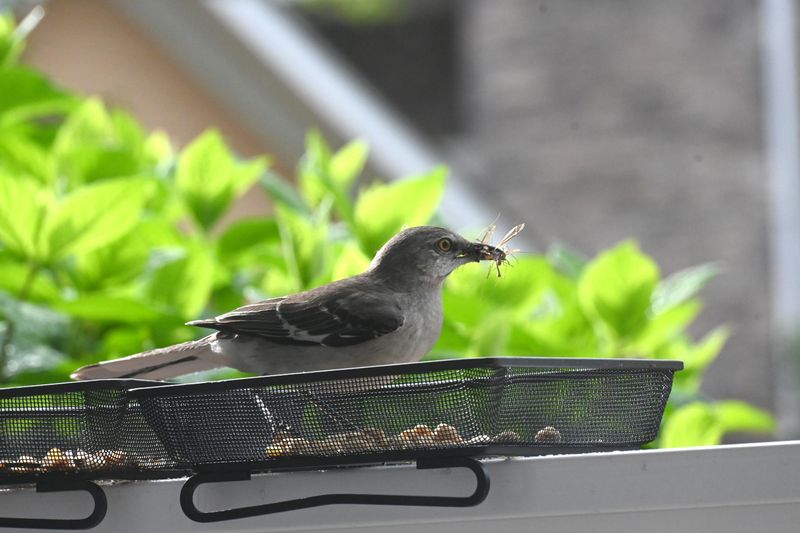
You have more influence over a mockingbird’s return than you might think. A few smart changes to your yard can make a big difference fast.
Start with native plants. Florida natives like Simpson’s stopper, firebush, and Walter’s viburnum produce berries that mockingbirds seek out during late summer and fall months.
Avoid over-manicuring your lawn. A slightly wild edge, with leaf litter and exposed soil, gives mockingbirds access to the insects and earthworms that make up a large part of their daily diet.
Add a shallow birdbath and keep it clean. Mockingbirds are picky about water quality, and a fresh, clean source signals that your yard is well-maintained and safe for extended stays.
Reduce pesticide use as much as possible. Chemical treatments wipe out the insect populations that mockingbirds depend on, making your yard far less attractive to a bird shopping for a reliable territory.
Provide singing perches at varied heights. Tall fence posts, decayed tree branches, and rooftop edges give mockingbirds the elevated vantage points they crave for both singing and watching for threats.
Dense, thorny shrubs like hawthorn or beautyberry offer ideal nesting cover. A mockingbird that finds a safe nesting site in your yard is far more likely to return and raise a second brood the following season.
Creating the right environment is not complicated. Small, consistent efforts turn an ordinary yard into a place mockingbirds trust and choose to stay.
When A Mockingbird Stops Coming Back
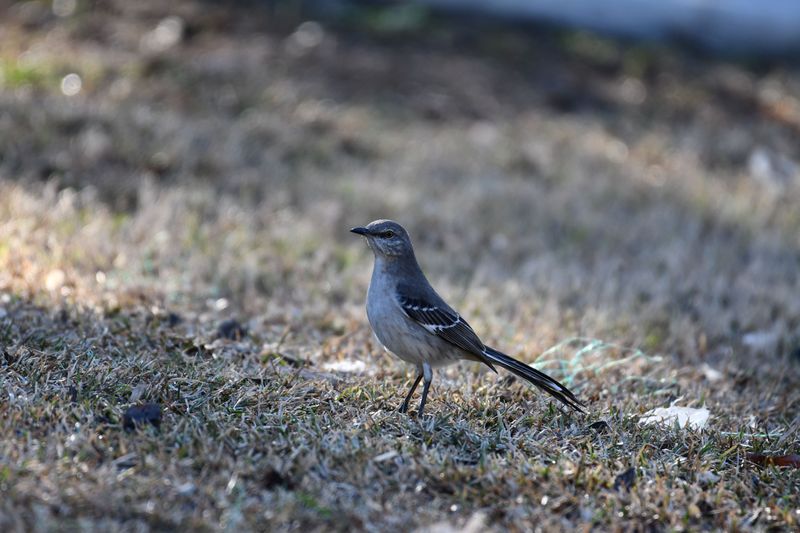
Sometimes the familiar song goes quiet. A mockingbird that visited faithfully for three seasons simply stops showing up, and the yard feels noticeably different without it.
There are several natural reasons a mockingbird might not return. Severe weather, a stronger rival bird claiming the territory, or a shift to a different area can all interrupt a bird’s seasonal pattern.
Older mockingbirds in the wild typically live between eight and fourteen years. A bird that claimed your yard for several seasons may simply have moved on after a long, active run in that territory.
When one mockingbird leaves a territory vacant, another bird often discovers and claims that same space within one to two seasons. Nature tends to fill open territories relatively quickly in Florida.
Homeowners sometimes notice a younger, less confident bird exploring the yard in the absence of the previous resident. That exploratory behavior is often a sign that a new mockingbird is sizing up the territory.
Keeping your yard well-maintained during the gap period matters. A yard that stays attractive through native plants, clean water, and minimal disturbance will draw a replacement bird much sooner.
Missing a familiar bird is a genuinely human response, and there is nothing silly about feeling that absence. Those birds become part of daily life in ways that sneak up on you quietly.
This pattern does not end with one bird. It continues with the next one that finds your yard and decides to stay.