Why Yellowjacket Swarms Are Getting Worse In Ohio Yards This September And What Gardeners Can Do
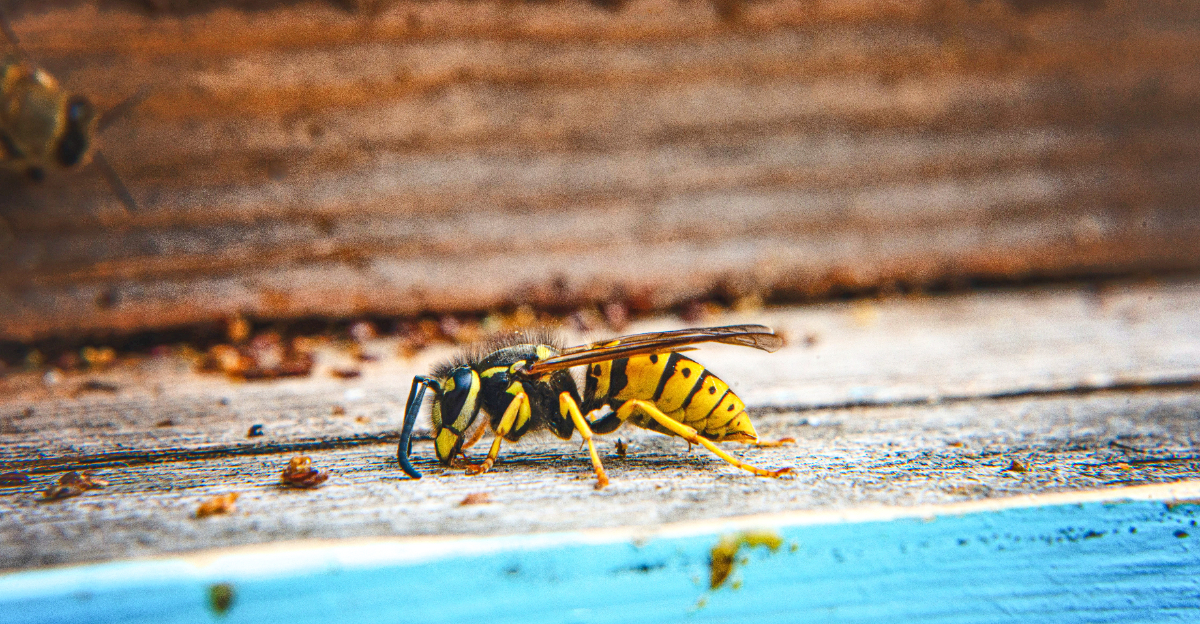
September can change the way your Ohio yard feels. A quiet garden path suddenly has yellowjackets darting around.
A fallen piece of fruit becomes a busy feeding spot. A simple afternoon outside can turn into a constant search for where the insects are coming from.
This late-season surge catches many gardeners off guard because the nest has often been active for months before the problem becomes obvious. As summer fades, yellowjackets shift their behavior, and the things they notice in your yard can change too.
Overripe fruit, exposed food, compost, and hidden nesting areas can all play a role. The challenge is figuring out why your property became the target before the activity grows harder to manage.
A few clues around the yard can reveal what is attracting them and which changes are worth making now. September is when those small details start making a much bigger difference.
1. Late Summer Colonies Reach Their Crowded Peak
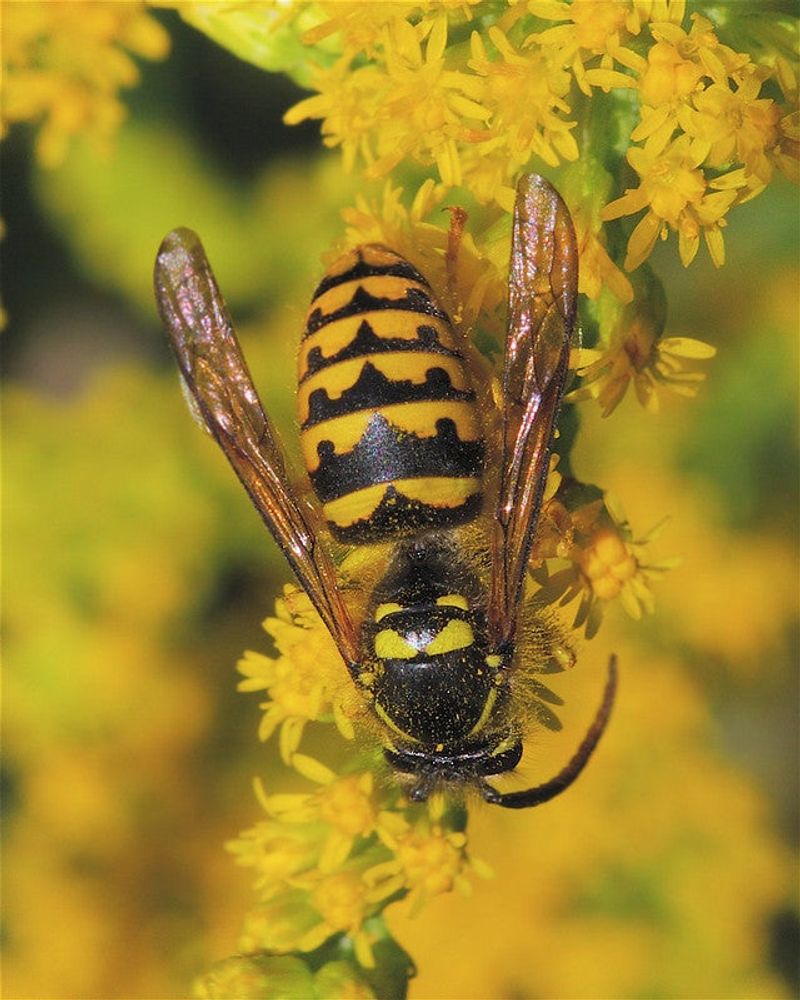
A single queen gets everything started each spring, emerging from winter shelter to build a small nest and lay the first eggs of the season. From that tiny beginning, a colony grows steadily through spring and into summer, adding workers with each new generation.
By the time September arrives, that original handful of workers has multiplied into a much larger population sharing the same nest.
According to guidance from Ohio State University Extension, yellowjacket colonies grow throughout the warmer months. They reach peak worker populations in late summer and early fall.
A mature colony can contain hundreds to over a thousand workers depending on conditions and the species involved. That population surge is completely normal for the annual cycle these insects follow.
Gardeners often feel like something has changed overnight when activity seems to jump in early September. The colony did not appear from nowhere.
It has simply been building steadily since spring, and the numbers are finally large enough to make the activity hard to ignore. More workers means more insects patrolling near the nest entrance and more foragers heading out across the yard.
It also means more visible buzzing around anything that smells like food. Recognizing that late-season peak as a natural part of the colony cycle, rather than a sign of an unusual infestation, helps gardeners respond with a clearer head.
2. Workers Start Searching Far Beyond The Nest
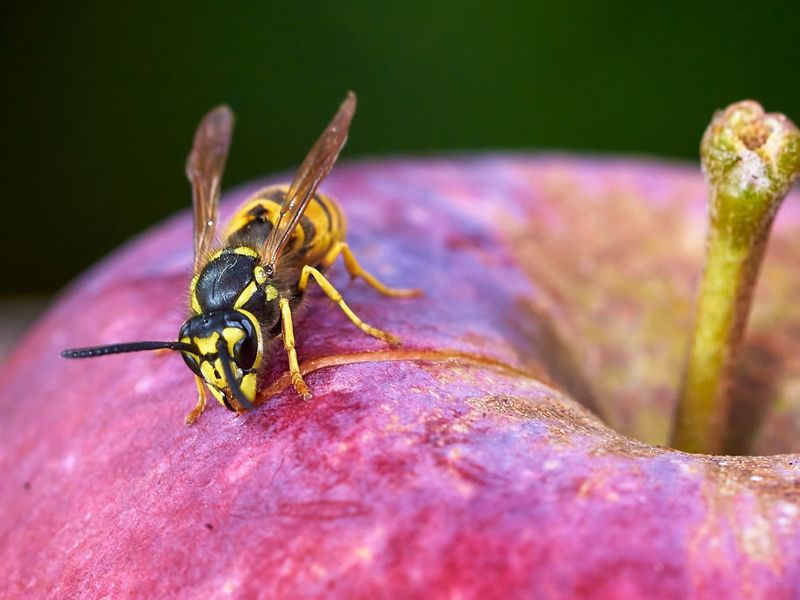
A colony with hundreds of hungry workers needs a steady supply of food, and that demand pushes foragers out in every direction. Earlier in summer, workers focused heavily on protein sources like insects and caterpillars to feed developing larvae inside the nest.
As the season shifts, the colony’s needs change, and workers begin searching more aggressively for sugary, carbohydrate-rich foods to fuel adult activity.
University entomology resources explain that this seasonal diet shift is a real behavioral change tied to where the colony is in its annual cycle. Adult yellowjackets run on sugars, while larvae need protein.
Late summer brings a point where larval rearing slows and adult workers are essentially foraging for themselves. That pulls them toward ripe fruit, sweet drinks, and exposed food scraps.
Your Ohio Garden Changes Every Week. Your Plan Should Too.
Gardening in Ohio changes quickly throughout the season. Every Friday you’ll receive a simple weekly plan showing exactly what to plant, prune, fertilize, harvest, and protect so you never miss the right timing.
Homeowners start noticing yellowjackets in spots that seemed quiet just a few weeks earlier. A garden corner that had no visible activity in July can feel busy in September simply because foragers are ranging farther from the nest to find enough food.
Away from the nest entrance, individual foraging workers are usually focused on food rather than defense. Most will move on without incident if they are not swatted at or trapped.
Understanding that difference between a foraging worker and a nest defender can make outdoor work feel a lot less stressful during these peak weeks.
3. Fallen Fruit Turns Yards Into Feeding Zones
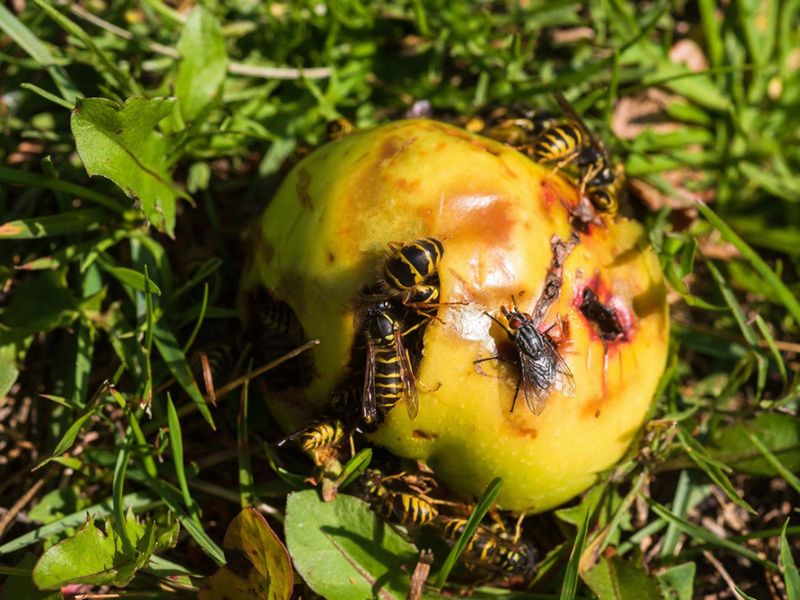
Ripe apples dropping beneath a backyard tree can quietly turn a peaceful corner of the garden into one of the busiest spots in the yard. Fruit that splits when it hits the ground releases sugars and begins fermenting quickly in the late-summer heat.
That fermenting smell carries well, and yellowjackets are very good at finding it.
Extension resources confirm that overripe and fallen fruit is a strong attractant for yellowjackets in late summer.
Apples, pears, grapes, plums, and similar sugary fruit that drops and sits on the ground can draw repeated visits from foraging workers throughout the day.
A single pile of rotting fruit near a garden path can keep workers returning to the same spot for as long as the food source lasts.
Practical management here is straightforward. Picking ripe fruit from the tree before it drops removes the food source before it becomes a problem.
Clearing fallen fruit from the ground every day or two, especially during peak season, reduces the attractant significantly. Fruit can be bagged and placed in a covered bin away from high-traffic areas.
Nobody needs to remove a healthy apple tree from their yard. Staying on top of cleanup is usually enough to keep that corner of the garden from becoming a yellowjacket buffet every afternoon.
Consistent effort through September makes a real difference in how busy that space feels.
4. Open Drinks And Trash Keep Them Coming Back
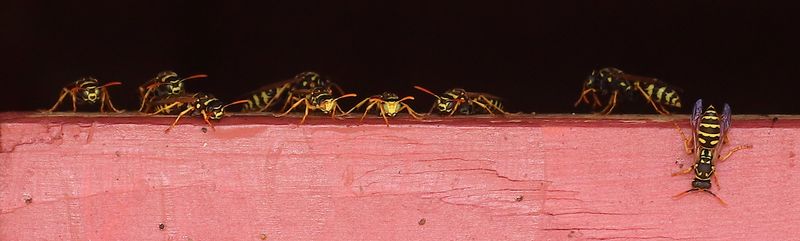
A cold drink left open on the patio table on a warm September afternoon is exactly the kind of opportunity a foraging yellowjacket is scanning for.
Sweet beverages, fruit juice, and even the sugary residue left in an empty can are enough to bring workers in for a closer look.
Once a forager finds a reliable food source, it tends to return to that same area repeatedly.
Outdoor trash cans and recycling bins with sticky residue from cans and bottles are common attractants that gardeners sometimes overlook.
Pet food left outside in a bowl, meat scraps from a grill, and uncovered compost bins can also draw workers looking for protein-rich scraps.
Reliable pest management guidance consistently points to exposed food and drink as a key factor in keeping foragers active around patios and eating areas.
Covering drinks and food while eating outdoors makes a noticeable difference. Rinsing cans and bottles before placing them in recycling bins removes the sugary film that draws insects in.
Keeping trash cans covered with a tight lid, especially near the garden or patio, cuts down on one of the easiest food sources available. One important habit worth building: always check an open beverage can or cup before taking a sip outdoors.
A yellowjacket that crawled inside looking for sugar can sting the inside of the mouth, which is far more serious than a sting on the arm.
5. Ground Nests Hide Beneath Busy Lawn Areas
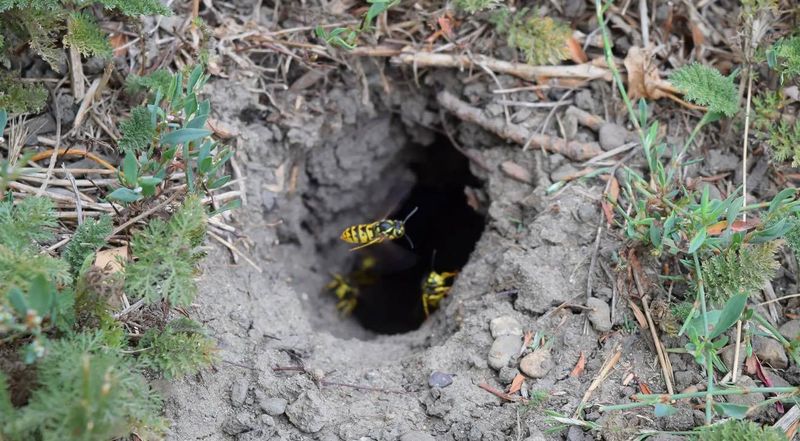
Somewhere in the lawn, near a garden bed edge, or along a slope in the backyard, there may be a small opening in the soil. It often goes almost unnoticed until a mower or a foot gets too close.
Eastern yellowjackets are well known for nesting in underground cavities, including old rodent burrows, gaps beneath tree roots, and natural voids in the soil. The entrance hole is often no larger than a quarter.
Ohio Department of Natural Resources guidance notes that ground nests are among the most common yellowjacket nesting sites. A single small opening with a steady stream of workers entering and leaving is the clearest sign that a nest is active below.
Bare patches in the grass, disturbed soil near a garden edge, or a spot where mowing always seems to stir up buzzing activity are worth paying attention to.
Not every hole in the ground belongs to a yellowjacket colony. Cicada hunters, ground beetles, and other insects also use soil cavities.
Consistent two-way traffic of yellowjackets moving in and out of one specific opening is a much stronger indicator than a hole alone.
Gardeners who spot what looks like an active entrance should mark the area with a small flag or stake and avoid disturbing the ground nearby.
Poking, digging, flooding, or blocking an active entrance can trigger an immediate and intense defensive response from the workers inside.
6. Mowers Can Trigger A Defensive Rush
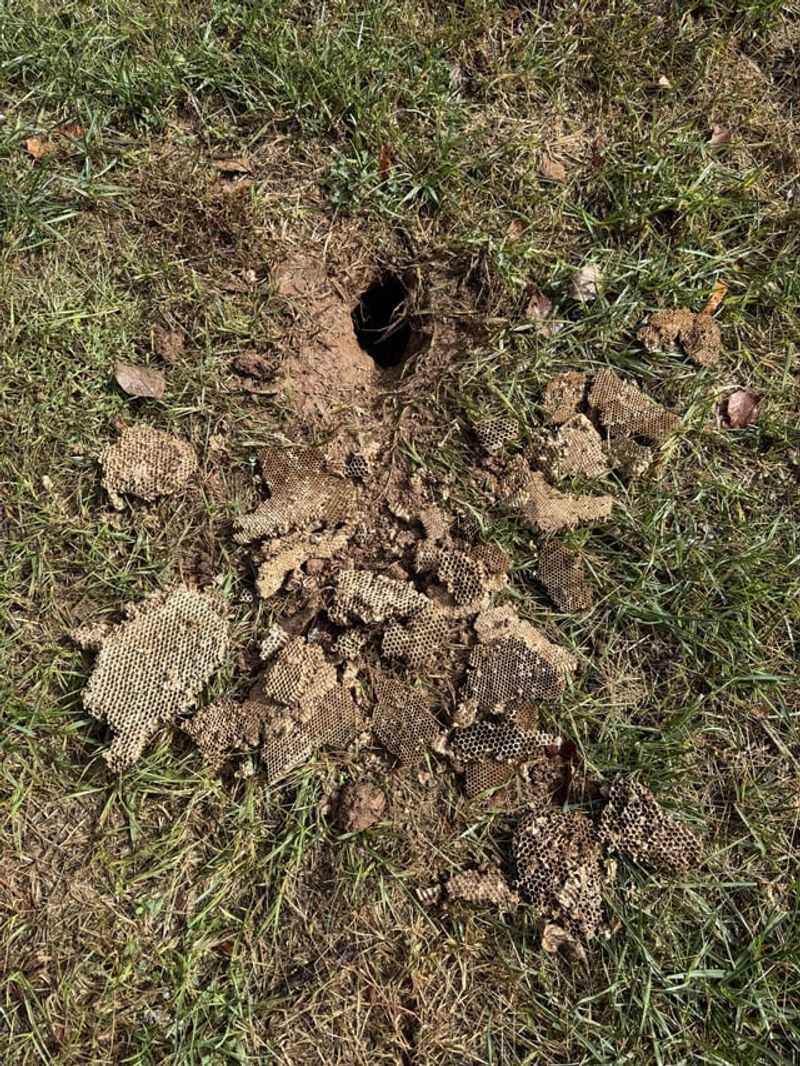
A push mower rolling across the lawn on a Saturday morning feels routine until it passes over a spot where hundreds of workers are living just below the surface.
Vibration from a mower engine or a string trimmer near an underground nest entrance can be enough to trigger a fast defensive response.
Even heavy foot traffic nearby can trigger that same response from the workers inside. The colony interprets that disturbance as a threat.
Entomology resources from university Extension programs explain that yellowjackets are highly defensive near their nest entrance. This is especially true when the colony is at peak population in late summer.
Workers that emerge in response to a disturbance are not randomly aggressive. They are protecting the colony from what feels, to them, like an attack.
The reaction can be fast and involve multiple stings before a person has time to move away.
Gardeners who notice insects rising from the ground near a mowing path should stop the equipment immediately and move away from the area calmly but quickly.
Running in a straight line away from the nest entrance puts distance between the person and the defensive workers.
Swatting at workers near the nest tends to make the situation worse, not better. Once a nest location is identified, marking it and avoiding that section of the lawn is often the safest short-term plan.
That holds true until the colony naturally declines with cooler weather. Do not attempt to treat an active nest without proper guidance.
7. Cover The Food And Clear Fallen Fruit Fast
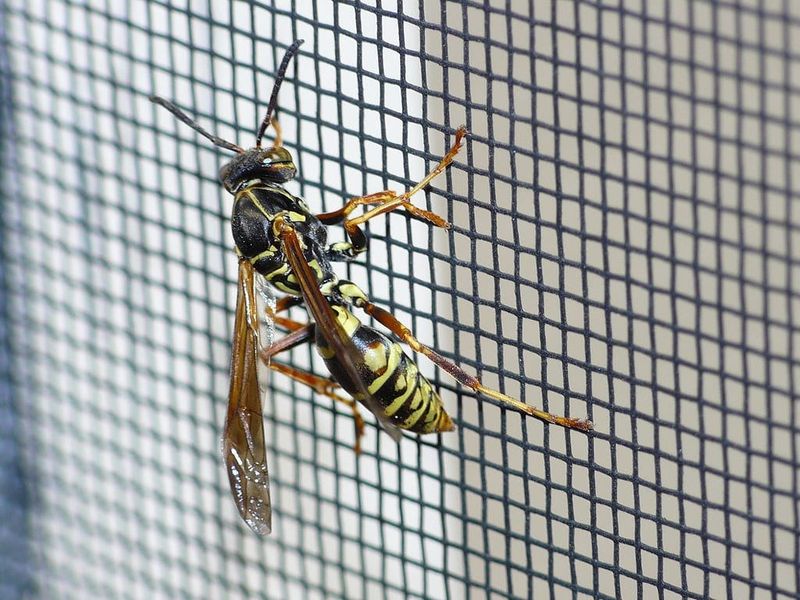
Changing what yellowjackets find in the yard is more effective than trying to chase individual workers away from a patio or garden space. Foraging insects are drawn by smell and availability.
Removing or covering food sources before workers can access them consistently reduces the number of insects visiting that area over time.
Ohio State University Extension and similar land-grant university programs recommend a sanitation-first approach. This approach is for managing yellowjacket activity around outdoor living spaces.
Covered trash cans, rinsed recycling containers, picked and cleared fruit, and covered outdoor pet food are all practical steps. Cleaned grill grates are another practical step that cuts down on what draws foragers in.
None of these steps require pesticides, and none of them harm the beneficial insect activity happening elsewhere in the garden.
Yellowjackets will still visit flowers to collect nectar and still hunt caterpillars and soft-bodied insects in the garden even when human food sources are removed. Sanitation does not eliminate all activity.
What it does is reduce the concentrated, repeated visits that make a patio or fruit tree area feel overwhelming. Clearing fallen fruit every day or two during September, keeping lids on bins, and covering food during outdoor meals are habits that add up quickly.
A yard that offers less easy food simply sees less forager traffic. That makes late-summer gardening and outdoor dining noticeably more comfortable without affecting the broader garden ecosystem.
8. Leave Low-Risk Nests Alone Until Cold Arrives
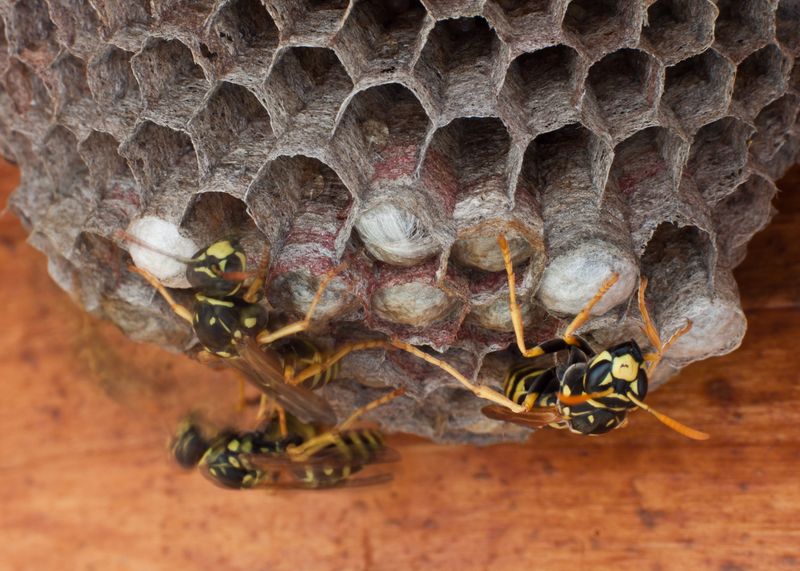
Not every nest in the yard requires immediate action. A colony tucked into a far corner of the property, away from foot traffic, play areas, garden paths, and mowing zones.
That kind of colony may pose little practical risk to the people and pets using the yard regularly. Yellowjacket colonies follow an annual cycle, and as temperatures drop in autumn, colony activity slows on its own.
University Extension resources confirm that yellowjacket colonies are annual. A new queen produced late in the season will overwinter and start a fresh colony elsewhere the following spring.
The workers that make up the current colony do not survive through winter. Waiting for natural seasonal decline is a reasonable option when a nest is located somewhere that does not create a hazard for regular yard activity.
Nests that sit close to doorways, children’s play equipment, garden paths, pet areas, or anywhere that people and animals pass regularly create a different situation. A nest in a high-traffic location where stings are likely is worth addressing through proper channels.
Follow current guidance from Ohio State University Extension or a licensed pest management professional if removal becomes necessary. Avoid gasoline, boiling water, bleach, or any other improvised treatment.
Late-season yellowjacket activity almost always reflects a mature, well-established colony responding to abundant late-summer food. It rarely reflects any mysterious new arrival in the neighborhood.