Why Moss Keeps Coming Back on Your Ohio Lawn and Roof in Fall
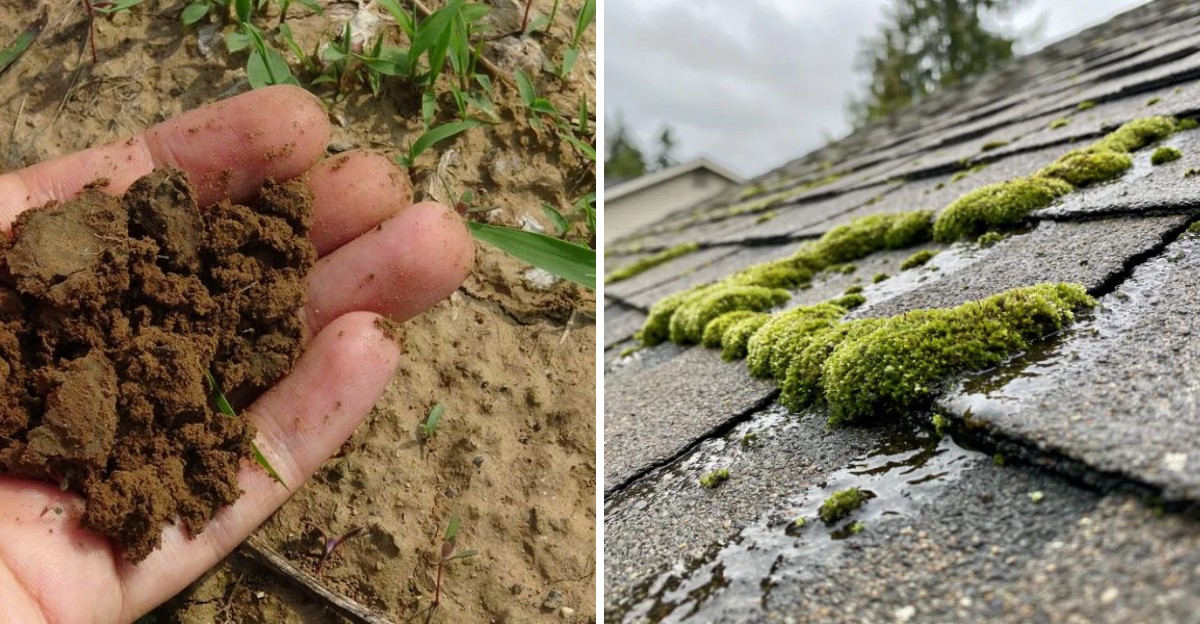
Some of the green velvet creeping across your yard has no roots at all. It grips the ground with tiny threads and sips water straight through its leaves.
I find that wonderfully sneaky. Here in Ohio, cool autumn nights, heavy dew, and falling leaves give this little plant everything it craves.
Meanwhile, your grass is busy slowing down and storing energy for winter.
I’ve been known to scrape the patches off every October and call it done. You can guess how that worked out.
By spring, the soft green carpet was back, thicker than before, and creeping toward the shingles on the shady side of the house.
Ever wonder what keeps inviting it back to the same exact spots, year after year? The answer sits in your soil, your trees, and your gutters, and some of it might surprise you.
1. Those Soft Green Moss Patches Are Sending You a Message
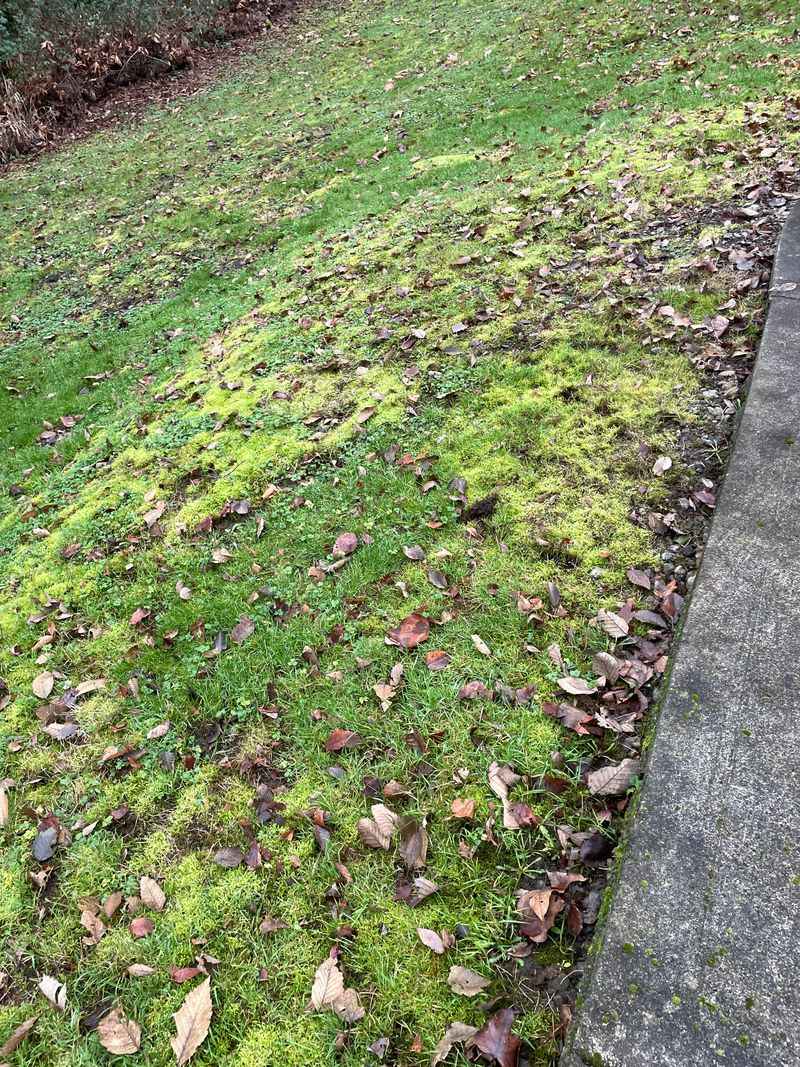
Moss is a bit like a smoke alarm for your yard. It rarely pushes healthy grass out of the way.
Instead, it moves into spaces where grass has already given up.
Ohio State University Extension points to a handful of usual suspects. Shade, soggy soil, compaction, low fertility, and acidic pH all weaken turf.
When grass thins out, moss happily fills the gaps.
I like to think of every moss patch as a little note from the ground. It says the conditions here favor something other than grass.
Raking the green stuff away without reading that note means you will be back with the rake next fall.
Fall is when many homeowners first notice the problem. Lower sun angles stretch tree shadows across the lawn.
Cool nights bring heavy dew that lingers into late morning. Moss loves that steady dampness and keeps growing while grass slows down.
Try a quick walk around your yard this week. Note where moss shows up and what those spots have in common.
Is it under a big oak, along the north side of the house, or near a downspout? That pattern is your best clue, and it points straight to the fix.
2. Shady Corners Under Big Trees Give Grass a Rough Time

Shade is the number one reason moss settles into Ohio lawns. Most turfgrasses need around four to six hours of direct sun each day to stay thick.
Under maples, oaks, and spruces, many lawns get far less than that.
Trees also compete with grass for water and nutrients. Their roots spread wide and grab moisture before your lawn can.
Add poor airflow under a dense canopy, and you have a cool, damp hideout that moss adores.
You have a few honest options here. Prune lower limbs to let more light and air reach the ground.
A certified arborist can thin the canopy safely without harming the tree.
Overseeding with shade-tolerant grasses helps too. Fine fescues, such as creeping red, chewings, and hard fescue, handle shade better than Kentucky bluegrass.
Early fall, roughly mid-August through mid-September in the state, is the sweet spot for seeding.
Sometimes the shade wins, and that is okay. In deep shade, I would rather plant native woodland groundcovers like wild ginger or create a mulched bed.
Some gardeners even embrace moss as a lawn alternative. A soft green carpet under a tree can look lovely when you choose it on purpose.
3. Packed Clay Soil Keeps Your Lawn Soggy for Days
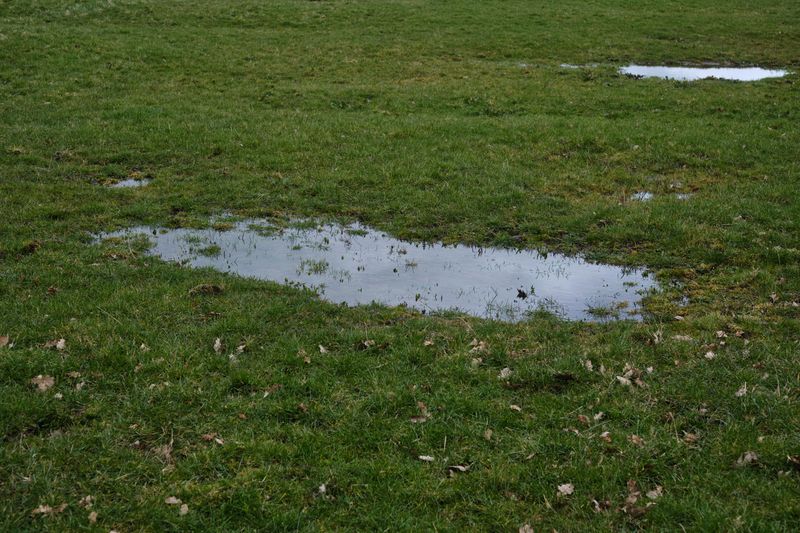
Ohio has a lot of heavy clay, especially across much of the central and northwest parts of the state. Clay holds water well, sometimes too well.
After a fall rain, these soils can stay squishy for days.
Foot traffic, mowers, and kids playing tag all press the soil tighter. Compacted ground blocks air and water from moving down to grass roots.
Water sits near the surface, and moss takes full advantage.
Here is a simple test I use. Push a long screwdriver into the lawn when the soil is moist.
If it fights you after an inch or two, compaction is likely part of your moss story.
Core aeration is the classic remedy. The machine pulls small plugs of soil out of the ground, opening channels for air, water, and roots.
Early fall is an ideal time in Ohio because cool-season grasses are actively growing and recover quickly.
Leave those soil plugs on the lawn to break down naturally. Pair aeration with overseeding for even better results.
Also look for low spots where water pools, since regrading or improving drainage there can stop moss from returning. A spongy, breathing soil makes grass far tougher.
4. A Simple Soil Test Can Explain Stubborn Lawn Moss
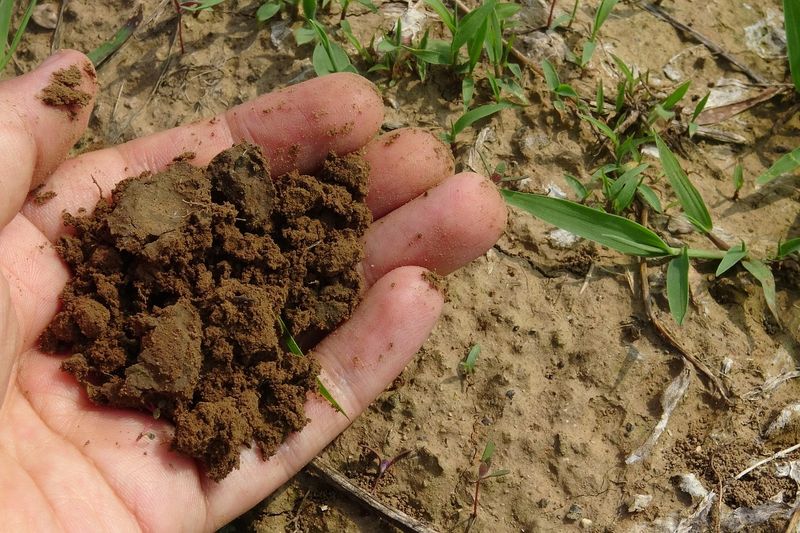
Guessing at soil problems is a lot like guessing your blood pressure. You might be right, but probably not.
A soil test takes the mystery out of it for just a few dollars.
Most Ohio lawn grasses, like tall fescue and Kentucky bluegrass, grow best with a soil pH around 6.0 to 7.0. Moss tolerates more acidic soil and low fertility much better than grass does.
When pH drops or nutrients run thin, grass weakens and moss gains ground.
Your county OSU Extension office can point you to approved soil testing labs. Collect small samples from several spots about three inches deep, mix them in a clean bucket, and send off the blend.
Results usually come back with clear recommendations.
Only add lime if the test says your soil is acidic. Plenty of Ohio soils are already neutral or even slightly alkaline, so liming blindly can create new problems.
Lime also works slowly, often taking months to shift pH.
Fertility matters just as much. Fall is the most valuable time to feed cool-season lawns in the state.
A well-timed fall fertilizer application builds roots and thickens turf, leaving moss far less room to sneak back.
5. North-Facing Roof Shingles Stay Damp the Longest
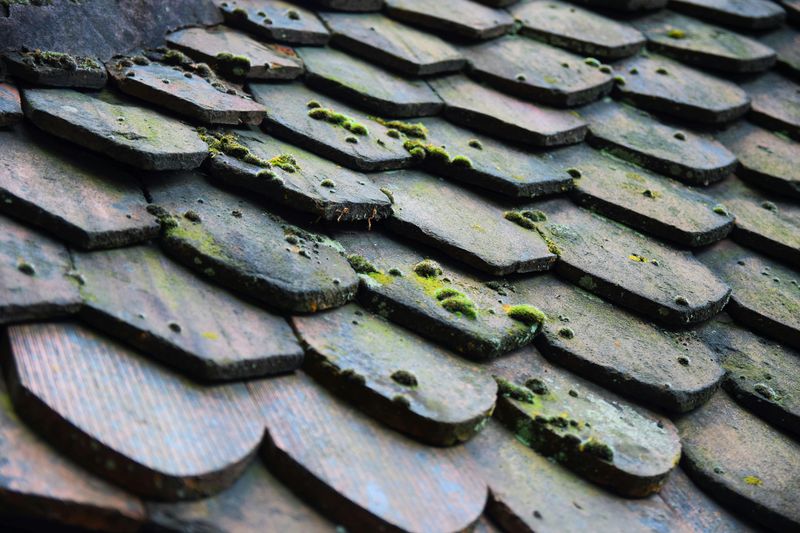
Walk around your house on a cool October morning and look up. Odds are good the moss is thickest on the north side of the roof.
That slope gets the least sun, so dew and rain hang around much longer.
Moss spores float in the air and land on just about every roof. They only take hold where moisture stays steady.
Shingles shaded by trees, chimneys, dormers, or roof valleys often stay wet well into the afternoon during fall.
Leaves and twigs make things even cozier. As Ohio trees drop their foliage, debris collects in valleys and along the edges of shingles.
That soggy organic layer holds water and gives moss a tiny bit of soil to grip.
Asphalt shingles have a gritty, textured surface, which gives moss plenty of places to anchor. Wood shakes are even more welcoming.
Older roofs with worn granules tend to grow moss faster than newer ones.
So the pattern is no accident. Shade plus moisture plus debris equals moss, whether it is on your lawn or ten feet above it.
Spotting which slopes stay damp is your first step toward keeping your roof clean.
6. Thick Roof Moss Can Lift Shingles and Invite Leaks
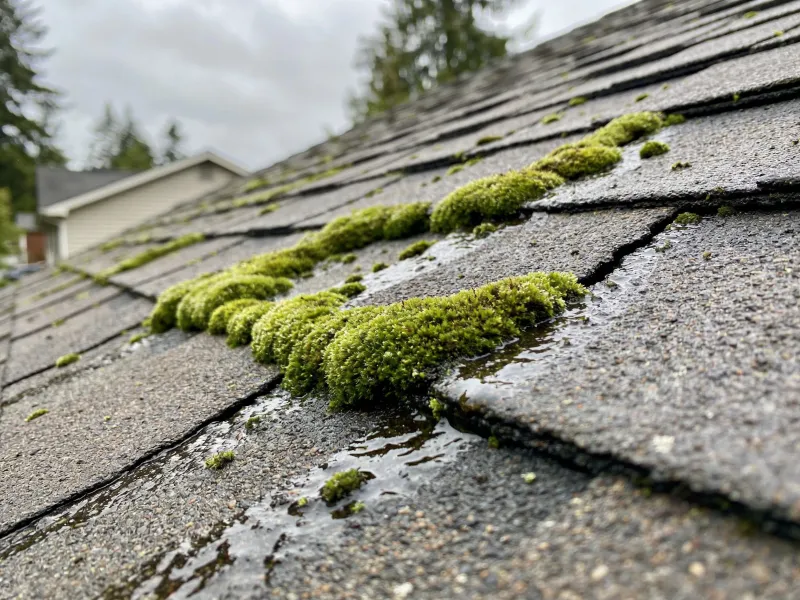
A little roof moss can look charming, almost like a fairy-tale cottage. Left alone for a few years, though, it can shorten the life of your shingles.
Your wallet will notice long before the moss does.
Moss works like a sponge. It soaks up rain and dew, then holds that moisture right against the roof surface.
Constant dampness can loosen protective granules and speed up wear on asphalt shingles.
As clumps grow thicker, they can wedge under shingle edges and push them upward. Ohio winters bring plenty of freeze-thaw cycles, and trapped water expands as it freezes.
That repeated stress can lift or crack shingles over time.
Once edges curl, wind-driven rain can slip underneath. Small leaks may stay hidden for a while, slowly soaking the roof deck or attic insulation.
By the time you spot a ceiling stain, repairs often cost much more.
Gutters suffer too. Chunks of moss break off and clog downspouts, which can send water spilling over the edges near your foundation.
I recommend a quick look at your roof with binoculars each fall. Catching moss early keeps cleanup simple and affordable.
7. Gentle Cleaning Beats a Pressure Washer on Mossy Shingles
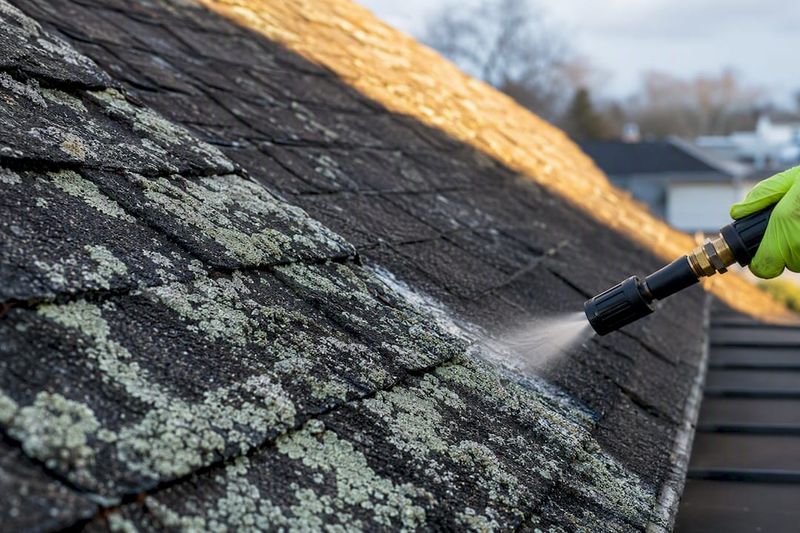
Grabbing the pressure washer feels tempting. Please resist the urge.
High-pressure water can blast granules off asphalt shingles, strip away their protection, and even force water underneath.
Many roofing pros use a method called soft washing. It relies on low-pressure spraying with cleaning solutions made for roofs.
The moss loosens over time and rinses away with rain, rather than being scraped off hard.
If you tackle it yourself, choose a product labeled for moss on roofs and follow every label direction. Protect nearby plants by wetting them first or covering them, since runoff can harm foliage.
A soft brush can help nudge loose moss, but skip wire brushes and metal scrapers.
Safety matters most here. Wet, mossy shingles are slick, and fall mornings add dew to the mix.
Steep roofs, two-story homes, or shaky ladders are good reasons to hire a professional with proper harness equipment.
Timing helps as well. A dry stretch in early fall gives treatments time to work before winter.
Check your shingle manufacturer’s guidance too, since some warranties list approved cleaning methods. A careful approach protects both you and the roof over your head.
8. Clean Gutters and Zinc Strips Help Keep Moss From Returning

Prevention is where the real wins happen. Once your lawn and roof are clean, a few steady habits keep the green guest from moving back in.
None of them are complicated.
On the roof, start with debris. Clear leaves from valleys and gutters several times through an Ohio fall, especially after big leaf drops.
Trim branches that hang over the roof so sunlight and breezes can dry the shingles faster.
Zinc or copper strips installed near the ridge are another popular option. When rain washes over them, tiny amounts of metal flow down the roof and discourage moss and algae.
They work best on the shingles just below the strip, so wide roofs may need more coverage. Some newer shingles also come with algae-resistant granules.
For the lawn, keep the grass thick and happy. Mow cool-season turf around three to four inches tall, since taller grass shades out moss and weeds.
Rake fallen leaves so they do not smother the lawn through winter.
My favorite takeaway is simple. Moss follows dampness, shade, and weak growth.
Fix those conditions bit by bit each fall, and your yard and roof will stay greener in all the right places.