Why Moss Keeps Creeping Back Onto Your New York Lawn and Roof
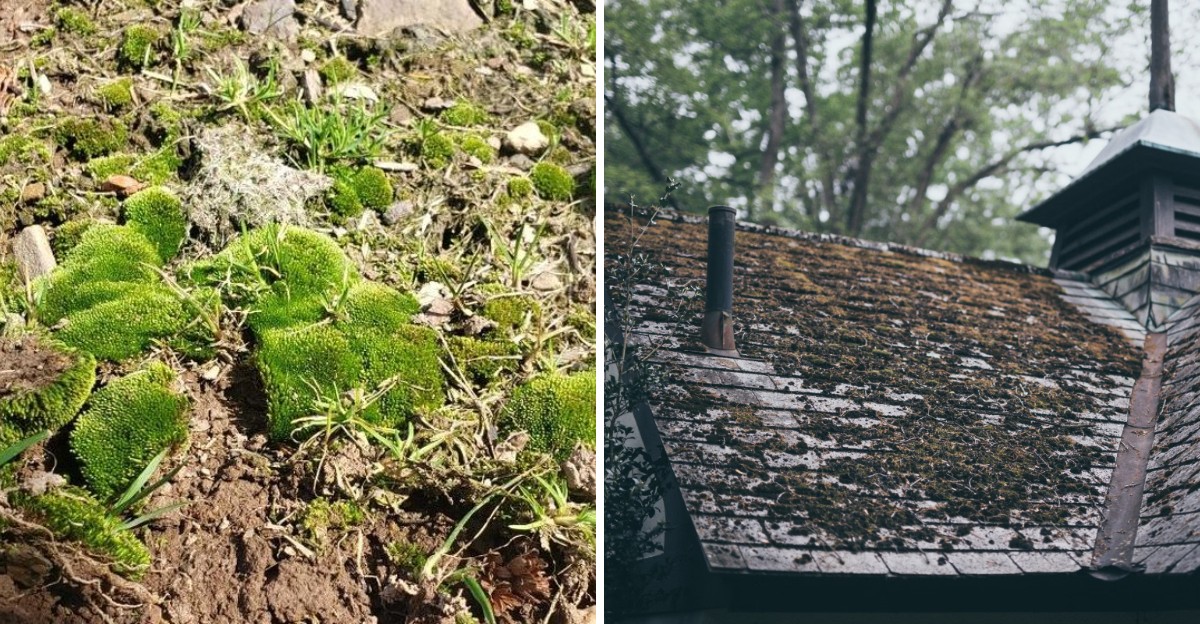
A single clump of moss can hold many times its own dry weight in water. That spongy talent is exactly why it feels so impossible to evict from a yard or a row of shingles.
I learned this the hard way. I raked out a fuzzy green patch one spring, felt very proud of myself, and watched it return by fall like a houseguest with a spare key.
Here in New York, our cool, damp springs and shady old trees give this little plant plenty of reasons to stick around. It has no true roots, no flowers, and no seeds, yet it outlasts so much of what we plant on purpose.
So what is it quietly telling you about your soil, your shade, and your gutters? I believe the answer is more useful than any rake.
That Green Carpet Under Your Shade Tree Is Sending You a Message
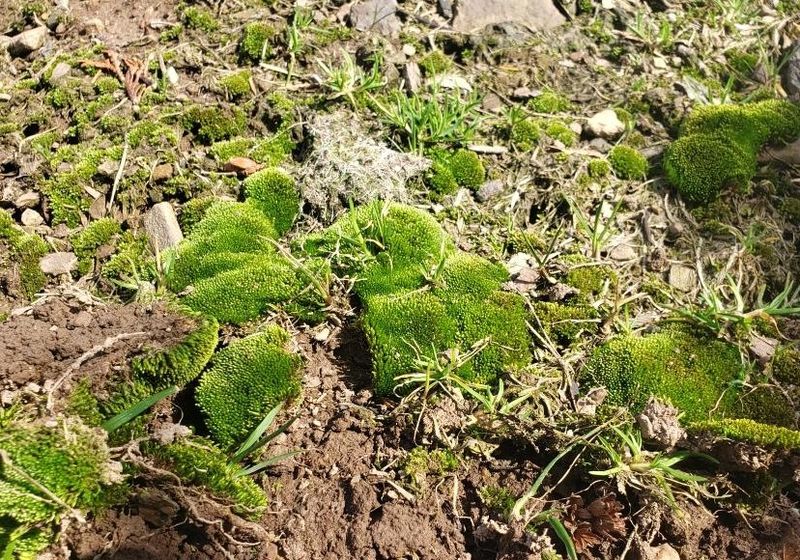
Moss rarely wins a fair fight with healthy grass. It wins when the grass has already started losing, and that is the clue most of us overlook.
Extension experts at Cornell and other universities describe moss as a symptom, not the root problem. It moves into bare or thin spots that turf has left behind.
Remove the moss without fixing the cause, and it slips right back into the same gap.
Let me be straight with you. I spent two seasons scraping moss off one corner of my yard before I admitted the grass there was struggling for its own reasons.
The moss was simply filling an empty seat.
The usual suspects come in a small group. Heavy shade, soil that stays wet, compacted ground, low fertility, and acidic soil top the list.
Most problem spots have two or three of these working together.
Your roof follows a similar logic. Shingles that stay cool, shaded, and damp give tiny moss spores a place to settle and grow.
So before you buy anything, take a slow walk around your property. Notice where moss shows up and where it does not.
Shady sides, low dips, and spots near downspouts tell a story. Once you can read that story, you can finally change the ending instead of repeating the same chore every spring.
Shady Lawns Starve Grass of the Sunlight It Needs
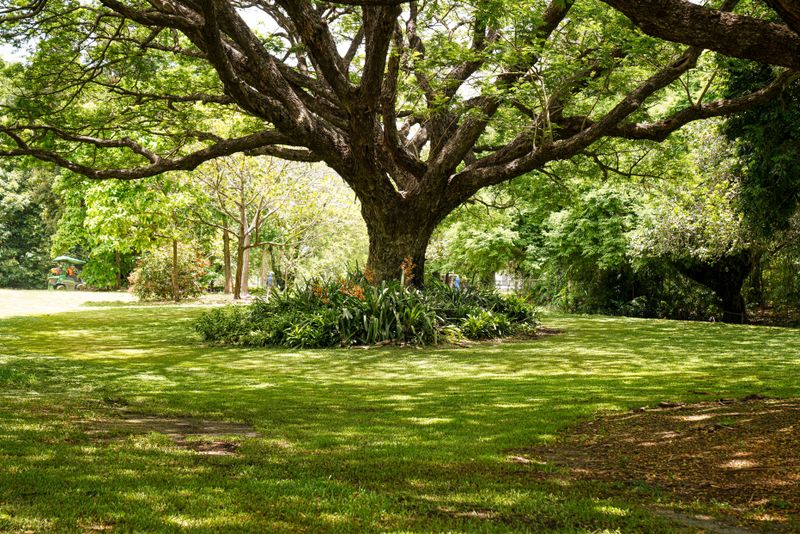
Grass is a sun eater, plain and simple. The cool-season grasses that cover most New York lawns, like Kentucky bluegrass and perennial ryegrass, perform best with several hours of direct sun each day.
Moss, meanwhile, is perfectly content in dim light. Give it a shady corner beside a fence or under a big Norway maple, and it settles in like a cat on a warm windowsill.
I tried it all in my shadiest spot. More seed, more fertilizer, more water.
Nothing changed until I looked up and saw how thick the branches had become over the years.
Trees grow slowly, so we forget they keep stealing light a little more each season. A lawn that looked fine ten years ago may now sit in near-constant shade.
Thinning lower branches can let more light reach the ground. For large trees, hire a certified arborist so the work stays safe and healthy for the tree.
Removing a few limbs can make a surprising difference.
Choosing the right grass helps, too. Fine fescues, such as creeping red, chewings, and hard fescue, handle shade far better than bluegrass.
Many extension guides recommend them for shady lawns, and they need less fertilizer as a bonus.
Soggy Soil and Puddles Roll Out a Welcome Mat for Moss
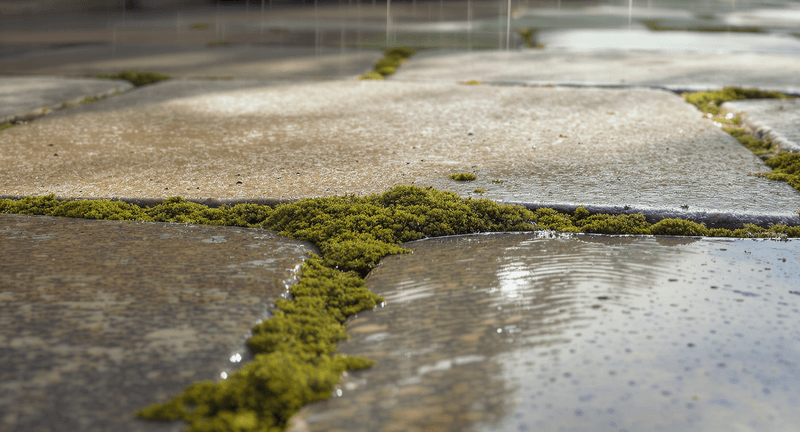
Every spring, one low corner of my yard turns into a tiny pond. By May, it is also the greenest moss patch on the block.
That is no coincidence.
Moss absorbs water right through its leaves, so it loves surfaces that stay wet. Grass roots, on the other hand, need oxygen in the soil.
When ground stays saturated, those roots weaken and the turf thins out.
Plenty of New York yards sit on heavy clay or have low spots where snowmelt and rain collect. Add our long, cool springs, and the soil can stay damp for weeks.
Start by watching where water goes after a heavy rain. Downspouts that dump onto the lawn are a common cause.
A simple extension or splash block can carry that water several feet away.
Overwatering plays a role, too. Sprinklers that run every evening keep the surface wet overnight.
Watering deeply but less often, in the early morning, gives grass what it needs while letting the top layer dry.
For stubborn wet spots, regrading or a rain garden filled with native moisture-loving plants can turn a soggy headache into a handsome feature. Swamp milkweed and blue flag iris both enjoy damp feet.
Compacted Soil Leaves Grass Roots Gasping
Try pushing a screwdriver into your lawn. If it barely goes in, your soil may be packed tighter than a subway car at rush hour.
Compacted soil squeezes out the air pockets that roots need. Water and nutrients struggle to move down, so grass grows shallow and weak.
Moss does not care, since it sits on the surface and never needs to dig deep.
Foot traffic is a big cause. Kids, dogs, and that favorite shortcut to the garage all press the ground down over time.
Heavy mowers and parked vehicles add to the problem, especially on wet soil.
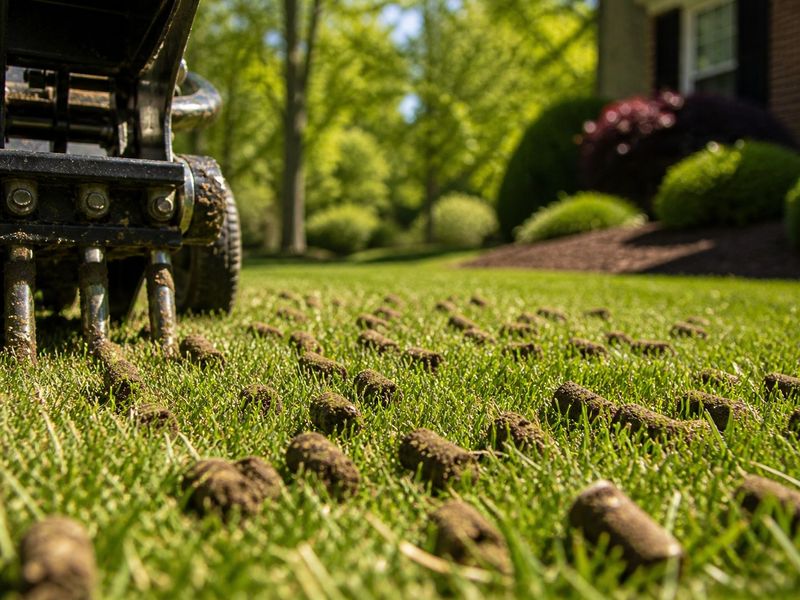
Core aeration is the fix most turf specialists recommend. The machine pulls out small plugs of soil, opening channels for air and water.
You can rent one or hire a lawn service.
As a rule, I aerate in early fall. In New York, late August through September is ideal for cool-season grasses.
The soil is still warm, nights are cooler, and grass recovers quickly.
Pair aeration with overseeding for the best results. Seeds drop into those fresh holes and get great soil contact.
Within a few weeks, thicker grass begins crowding moss out of the spaces it once claimed.
A Simple Soil Test Can Reveal Sour or Hungry Ground
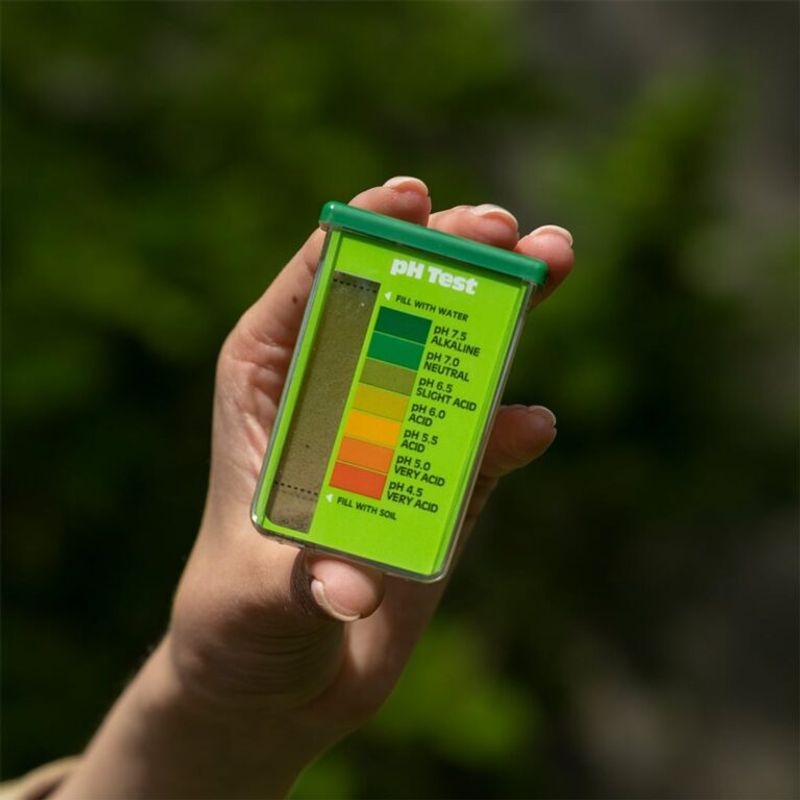
Guessing about soil is like guessing about your blood pressure. You might be right, but a test tells you for sure.
Much of New York naturally has acidic soil, partly because of rainfall and the region’s geology. Moss tolerates acidic, low-fertility ground well.
Most lawn grasses prefer a pH of roughly 6.0 to 7.0 and struggle to take up nutrients when soil gets too sour.
Here is the catch, though. Acidity alone rarely causes moss, and Cornell guidance notes that lime will not fix a shade or drainage problem.
Adding lime without testing can even push pH too high.
Don’t make my mistake. I once spread lime on a hunch, and my test later showed the pH had been fine all along.
I wasted a weekend and a few bags.
Your local Cornell Cooperative Extension office can point you to affordable soil testing. You will get pH levels, nutrient readings, and specific advice on how much lime or fertilizer to apply.
Low nitrogen also leaves grass thin. A fall feeding helps cool-season turf build strong roots before winter.
Follow test results so you feed what the lawn needs and avoid runoff into nearby streams and lakes.
North-Facing Roof Shingles Stay Damp Longer Than You Think
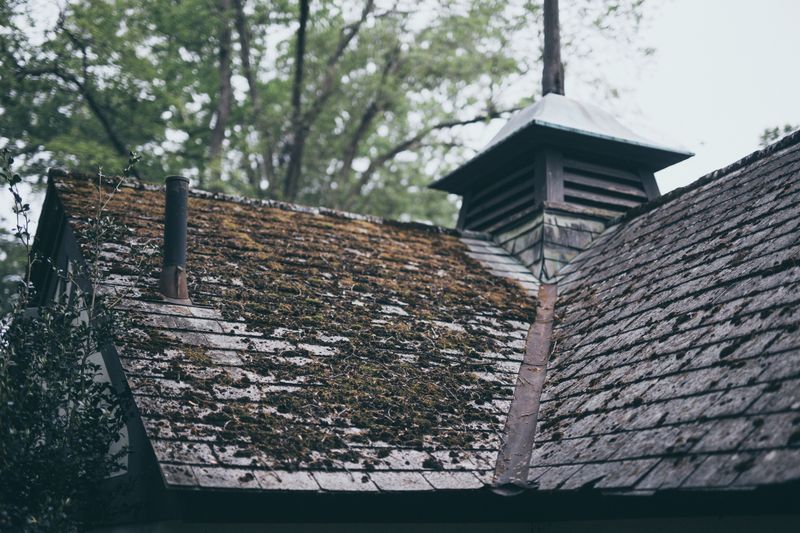
Walk around your house on a sunny morning and look up. Chances are the moss lives mostly on the north side or right under the trees.
Those roof sections get little direct sun, especially from fall through spring. Dew, rain, and melting snow linger for hours or even days.
That slow drying is exactly what moss spores need to take hold.
Overhanging branches make it worse. Leaves, seeds, and twigs pile up on shingles and in valleys, holding moisture like a wet sponge.
That debris also breaks down into a thin layer of organic matter for moss to anchor in.
Moss on a roof is more than a looks issue. Thick clumps can lift shingle edges, trap water, and speed up wear.
Water may then work its way underneath, and New York’s freeze-thaw cycles can widen those small gaps over winter.
Trimming branches back from the roof lets in light and air. Clean gutters and valleys at least twice a year, usually in late spring and after the leaves drop in fall.
Please skip pressure washers. They can strip granules off asphalt shingles and shorten roof life.
A soft brush from a safe position or a roofing pro is the smarter path.
Zinc Strips and Gentle Roof Cleaning Keep Moss From Returning
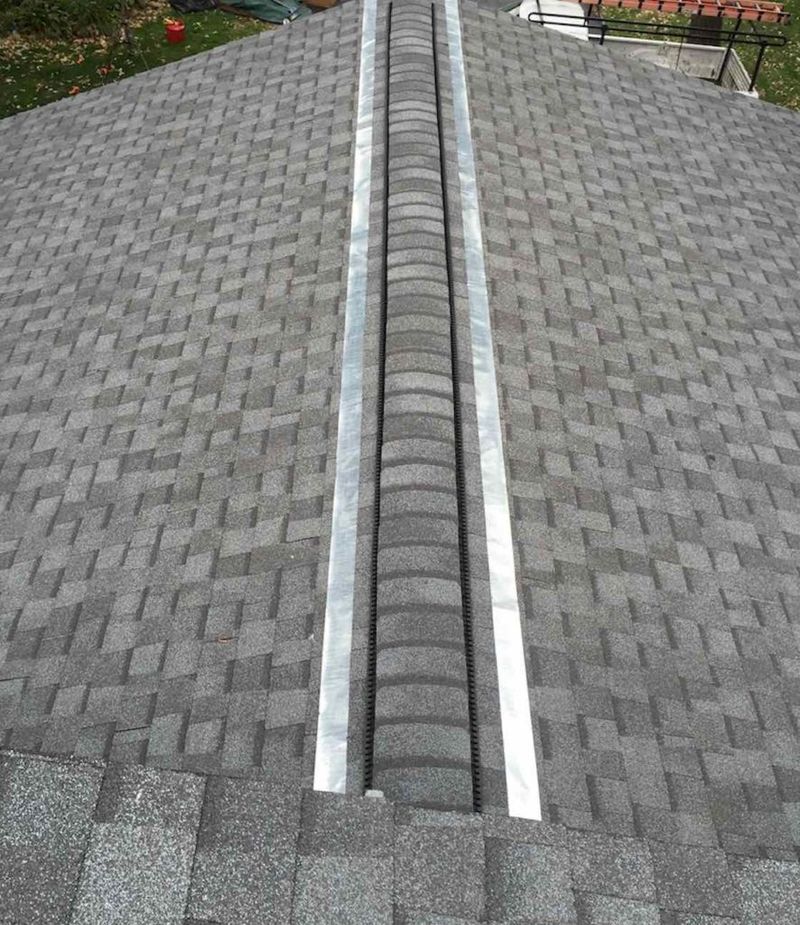
Ever noticed clean stripes on an otherwise mossy roof right below a metal flashing or chimney cap? That pattern inspired one of the handiest roof tricks around.
Zinc and copper strips installed near the roof ridge release tiny amounts of metal when rain washes over them. That runoff discourages moss and algae on the shingles below.
They work best as prevention, and their effect fades farther down the roof.
Some roofing shingles even come with copper-coated granules built in to resist algae streaks. If you are planning a roof replacement, ask your contractor about them.
For moss already growing, start gentle. A soft-bristled brush can loosen clumps when you work from top to bottom, so you avoid lifting shingle edges.
Moss-control products labeled for roofs can help, but read and follow every label direction.
One mistake I won’t repeat is climbing a slick, mossy roof on my own. Wet moss is surprisingly slippery.
Hiring an insured roofer is often worth every penny.
Also think about what lies below. Treatment runoff can reach flower beds, lawns, and drains.
Protect nearby plants with tarps, and keep products away from storm drains and waterways. A cleaner roof should not cost you a healthy garden.
Deep Shade Spots Might Look Better as a Moss Garden
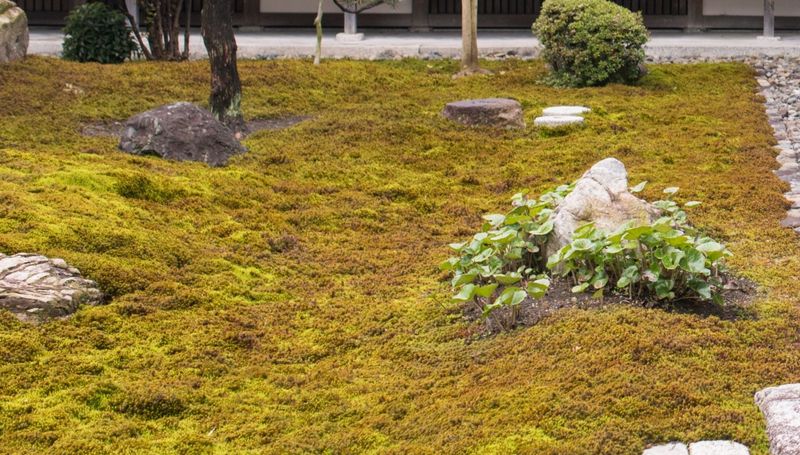
My garden taught me that some battles are not worth fighting. After years of reseeding a dark corner under old oaks, I finally let the moss have it.
Now it is my favorite part of the yard.
Some spots simply lack the light for any lawn grass, even the toughest fescues. Instead of buying seed every spring, consider working with the conditions you have.
A moss garden stays green through much of the year, rarely needs mowing, and asks for no fertilizer. Native moss species already suit New York’s climate.
Add a few flat stepping stones, and it starts looking like a quiet forest path.
Native shade plants make good partners, too. Wild ginger, foamflower, Christmas fern, and Pennsylvania sedge all handle low light.
Please avoid English ivy, pachysandra, and vinca minor, since they can spread aggressively into natural areas.
For the rest of your lawn, the plan is simple. Let in more light where you can, improve drainage, aerate in early fall, test your soil, and overseed with grasses that fit your conditions.
Moss is honest feedback from your landscape. Listen to it, fix what you can, and welcome it where it truly belongs.
Your weekends will feel a whole lot lighter.