Why North Carolina Soil Struggles After This Summer’s Record Drought

This summer’s severe drought left a mark on North Carolina soil that goes well beyond dry-looking dirt on the surface.
Extended dry stretches cause soil to lose the organic matter and microbial activity that keep it structurally healthy, and once that balance breaks down, soil can become compacted, crumbly, or slow to absorb water even after rain finally returns.
Many gardeners are noticing this now, watering beds that still seem to drain poorly or dry out faster than they used to before the drought hit.
Because rebuilding healthy soil structure takes time, the effects of a dry summer like this one often linger well into fall planting season.
Understanding what’s really happening below the surface helps explain why some North Carolina gardens are struggling more than expected, even with regular watering back in place.
1. Drought Can Turn Soil Hard And Compacted

Ever tried to push a shovel into ground that feels more like concrete than dirt? That is exactly what long dry spells do to North Carolina soil, especially in areas packed with clay.
Clay holds a lot of water when things are normal, but during a drought it shrinks and pulls together tightly. As the moisture leaves, tiny spaces between soil particles collapse.
Those spaces once held air and let roots stretch out, but now they close up and leave the ground stiff and dense.
You may even notice cracks running across the surface. These cracks are a sign that the soil has pulled apart from itself.
While they look dramatic, the bigger problem is hidden below, where roots need loose ground to grow.
Compacted soil blocks roots from reaching deeper layers. It also makes it tough for water and nutrients to move around once rain finally comes. Plants end up struggling even after the weather improves.
To ease the problem, avoid walking on garden beds when the ground is bone dry. Adding compost and mulch over time helps loosen tight soil naturally. Earthworms and organic matter do the slow work of opening up those tiny channels again.
Patience matters here. Soil that hardened over one dry summer will not soften overnight, but steady care brings it back.
Think of it as a slow rebuild rather than a quick fix, and your garden will thank you next season with healthier, deeper roots.
2. Dry Soil Can Reject Water Instead Of Absorbing It

Here is something that surprises many gardeners: when soil gets extremely dry, it can actually push water away instead of soaking it up. It seems backwards, but it happens all the time after a drought.
The reason comes down to how dry particles behave. When soil loses too much moisture, especially soil rich in organic matter, the surface becomes water repellent.
Scientists call this hydrophobic soil. Water lands on top, beads up, and rolls off rather than sinking down to the roots.
You might water your garden and think you did a great job, only to dig down and find the ground still powdery underneath. That top layer tricks you into believing the plants got a good drink when they really did not.
Your North Carolina Garden Changes Every Week. Your Plan Should Too.
Gardening in North Carolina changes quickly throughout the season. Every Friday you’ll receive a simple weekly plan showing exactly what to plant, prune, fertilize, harvest, and protect so you never miss the right timing.
Slow and steady watering fixes this better than a quick blast from the hose. When you water gently over a longer time, the moisture has a chance to break through that stubborn surface and travel deeper.
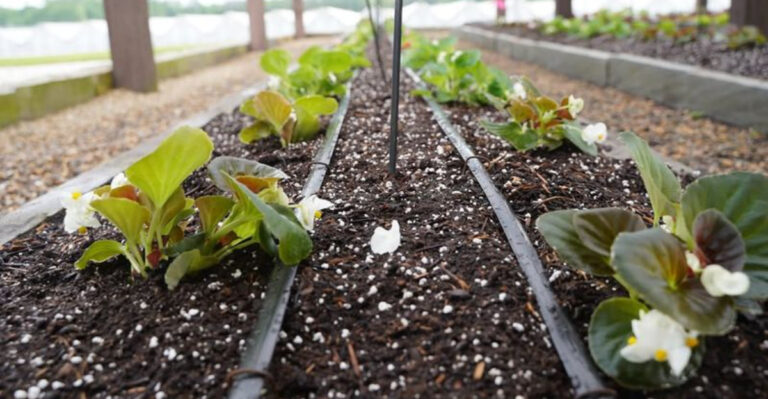
Fast watering just runs off and wastes both your time and water. Try watering in the early morning when it is cooler and less evaporates. Soaker hoses and drip lines work wonderfully because they release water slowly right at the base of plants.
Adding mulch also keeps the surface from drying out so severely in the first place. Over a few weeks of careful watering, the soil relearns how to accept moisture. Once it does, your plants can finally drink deeply again and start recovering their strength.
3. Soil Microbes Slow Down During Dry Conditions

Beneath every healthy garden lives a busy hidden world. Billions of tiny microbes, fungi, and bacteria work around the clock to keep soil alive. When drought hits, though, this underground crew slows way down.
These little helpers need moisture to move, feed, and do their jobs. As the ground dries out, many of them go dormant or shrink in number. Their activity nearly grinds to a halt, and that has big effects you cannot see from above.
Microbes are the ones that break down leaves, roots, and other organic material into food plants can use. When they stop working, nutrients stay locked up and unavailable.
Your plants may look hungry even though the nutrients are technically there, just not in a form they can absorb.
The good news is that most of these organisms bounce back once moisture returns. They are tough and patient, waiting quietly for better days. Your job is to give them a friendly place to recover.
Adding compost is one of the best ways to welcome them back. Compost is packed with living organisms and the food they love.
Mulch helps too, since it keeps the ground moist and cool, exactly the conditions microbes prefer.
Avoid harsh chemical fertilizers while the soil recovers, because they can stress the biology even more. Instead, think about feeding the soil life rather than just the plants.
When your underground workforce wakes up and gets busy again, your whole garden grows stronger from the ground up.
4. Plant Roots Become More Vulnerable

Roots are the lifeline of every plant, quietly pulling up water and nutrients day after day. A long drought puts these hidden lifelines under serious strain, and the effects ripple all the way up to the leaves.
When water runs short, roots stop growing outward and downward the way they should. Instead of spreading into a strong, wide network, they stay small and shallow.
A weak root system means the plant cannot gather enough food or moisture even after conditions improve.
Shallow roots also leave plants shaky when the weather swings. A sudden hot spell or cold snap hits harder because the plant has no deep anchor to rely on.
It is like trying to stand tall on a wobbly foundation. Weakened roots open the door to trouble too. Pests and diseases often target stressed plants because they cannot fight back as well.
A garden that once shrugged off problems may suddenly struggle with bugs and fungal issues.
Helping roots recover starts with consistent, deep watering rather than frequent light sprinkles. Deep watering encourages roots to reach down where moisture lasts longer. Over time, this builds a sturdier plant.
Mulch around the base keeps roots cool and slows evaporation, giving them a calmer place to rebuild. Avoid heavy pruning during recovery, since plants need their leaves to gather energy.
Give your plants time and steady care, and their roots will slowly stretch out again. A strong, deep root system is the best insurance for whatever next summer brings your garden.
5. Organic Matter Breaks Down More Slowly

Organic matter is like a slow-cooking meal for your garden. Leaves, roots, and old plant bits gradually break down and feed the soil. During a drought, though, this natural recycling almost stops.
Breaking down organic material takes moisture and active soil life. When both are missing, decomposition crawls to a standstill.
Fallen leaves and dried stems just sit there instead of turning into rich, dark humus that plants crave.
This slowdown matters more than it might seem. Organic matter is what gives soil its crumbly, sponge-like texture.
It holds water, feeds microbes, and keeps everything working smoothly. Without a steady supply, soil loses its bounce and richness over time.
You can help by adding materials that are already partly or fully broken down. Finished compost is perfect because it does not need much moisture to benefit the soil right away. It brings nutrients and living organisms in one easy step.
Shredded leaves are another great choice, especially in the fall when they pile up everywhere in North Carolina. Chopping them small helps them break down faster once moisture returns.
Grass clippings and aged manure work well too. Spread these materials across your beds and let them settle in. As rain comes back and microbes wake up, all that organic goodness starts working again.
The soil slowly regains its softness and strength. Think of it as restocking the pantry after a lean season. The more organic matter you add now, the faster your garden bounces back and thrives in the months ahead.
6. Sudden Heavy Rain Can Cause Problems

After weeks of dry skies, a big rainstorm feels like a blessing. But for drought-hardened soil, that sudden downpour can actually create a whole new set of headaches.
When the ground is baked hard, it cannot soak up water quickly. North Carolina storms often dump a lot of rain in a short time, and that water has nowhere to go. Instead of sinking in, it runs across the surface and rushes away.
This runoff carries valuable topsoil with it. That top layer is the richest part of your garden, full of nutrients and organic matter.
Watching it wash into the street or down a slope is a real loss for any gardener. Erosion is not the only issue. Water often pools in low spots while higher areas stay dry underneath.
This uneven soaking means some plants drown while others still go thirsty, all from the same storm.
Mulch is your best friend here. A good layer softens the impact of falling rain and helps water seep in gently instead of blasting the surface. It also holds soil in place so it does not wash away.
Building healthy soil with compost improves how well water absorbs over time. You can also create small berms or shallow trenches to slow runoff and guide water where you want it.
Planting ground covers and keeping roots in the soil helps hold everything together. With a few smart steps, you can turn that heavy rain from a threat into the drink your garden really needs.
7. Tilling Dry Or Damaged Soil Can Make Things Worse

When soil looks rough after a drought, the instinct is to grab a tiller and fix it fast. Hold on though, because working stressed soil at the wrong time often does more harm than good.
Dry, damaged soil has a fragile structure. Those tiny clumps and channels that let air and water move around are already weakened.
Tilling into bone-dry ground shatters what little structure remains and turns it into fine, lifeless dust.
That dust looks loose at first, but it packs down hard the moment rain arrives. You end up with soil that is even more compacted than before. All that effort actually sets your garden back.
Aggressive digging also disturbs the soil life that survived the drought. Microbes and fungi living in delicate networks get torn apart.
These are the very helpers you need to rebuild healthy ground. Timing makes all the difference. Wait until the soil holds a bit of moisture, not soaking wet and not powder dry.
A simple test is to squeeze a handful. If it crumbles gently, the moisture is about right. If it turns to dust or forms a sticky ball, hold off.
Often the gentlest approach works best anyway. Instead of heavy tilling, layer compost and mulch on top and let nature mix it in slowly. Earthworms and roots do the digging for you.
Patience really pays here. By choosing the right moment and the softer method, you protect your soil and give it a real chance to heal.
8. Fall Is The Time To Help Soil Recover

As summer heat fades and cooler days roll in, your garden gets a golden chance to heal. Fall is honestly the perfect season to repair soil that struggled through a dry summer.
The weather works in your favor now. Milder temperatures and more regular rain make it easier for soil to hold moisture.
Microbes wake back up, roots stretch out, and everything underground starts buzzing with life again.
Start by spreading a generous layer of finished compost across your beds. This feeds the soil, adds living organisms, and improves how well the ground holds water. It is one of the simplest and most powerful steps you can take.
Mulch belongs on top of that compost. A blanket of shredded leaves or straw keeps moisture in, protects soil from harsh weather, and slowly breaks down into more organic matter.
In North Carolina, fallen leaves are free and everywhere, so put them to work. Cover crops are another smart move where you have open space.
Plants like clover, rye, or vetch protect bare ground, add nutrients, and keep roots holding the soil together through winter. When spring comes, you can turn them in for an extra boost.
Keep watering steady and gentle so the ground never dries out completely again. Consistent moisture helps the soil rebuild its healthy structure bit by bit.
By the time next planting season arrives, your once-tired soil can feel soft, rich, and full of life. A little care this fall sets up a thriving garden for years to come.