Why Pulling Creeping Charlie in Pennsylvania Never Works and What to Do This Fall Instead
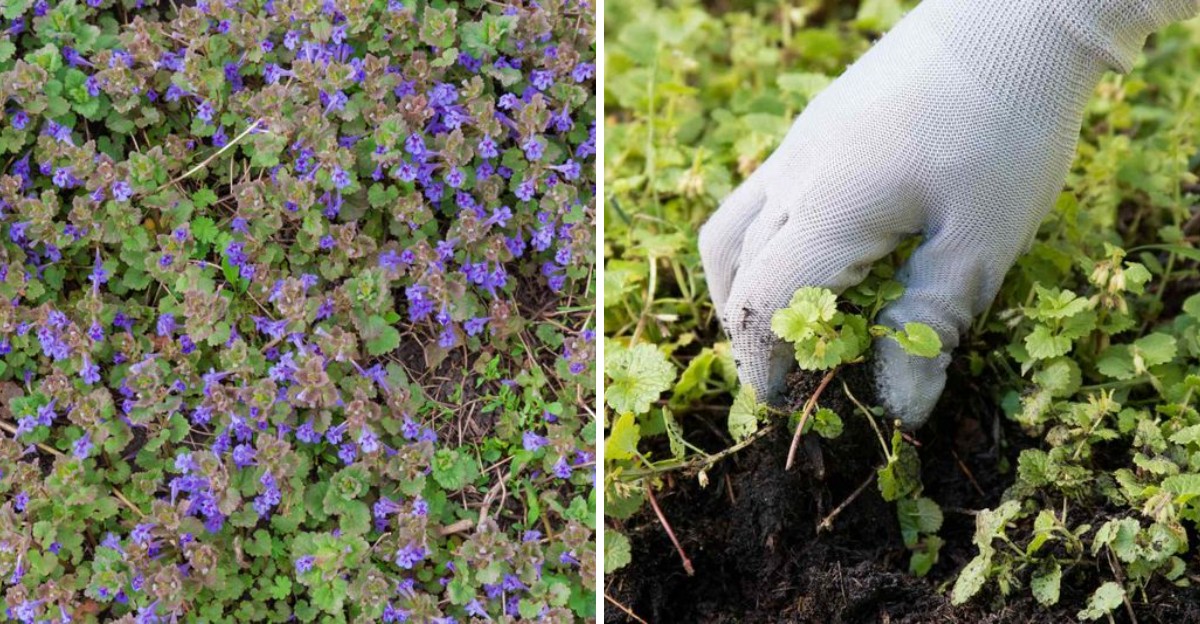
A single broken stem segment with one leaf joint can root and start a brand new plant. That tiny detail explains a lot about the weed taking over shady corners of so many yards.
I have spent whole afternoons on my knees tugging at those scalloped leaves. The pile in my bucket looked impressive, and the patch looked thinner for about two weeks.
Then it crept right back, greener than before.
What I find fascinating is how clever this plant is about survival. It belongs to the mint family, and you already know how pushy mint can be.
It smells minty when crushed, blooms in tiny purple flowers in spring, and hugs the ground so low that mowers glide right over it.
Here in Pennsylvania, autumn hands gardeners a real opening. The plant shifts its energy in a way you can use against it.
Ready to find out how?
1. Those Snapped Creeping Charlie Runners Leave Plenty Behind

Grab a handful of this weed and pull slowly, and you will feel the stems snap. That little snapping sound is the whole problem in a nutshell.
Creeping Charlie, also called ground ivy, spreads by long stems that crawl across the soil surface. These stems are called stolons.
At many leaf joints, or nodes, they send down small roots that grip the ground. When you tug, the stem usually breaks somewhere in the middle instead of coming up in one piece.
Every rooted node left in the soil can grow into a new plant. Even loose stem bits that fall onto damp ground may root again.
So the patch you thought you cleared often contains dozens of fresh starts hiding under the grass.
Purdue and Iowa State extension specialists both point to this habit as the reason hand pulling rarely gives lasting control. It can help in a small flower bed, but only if you are patient and thorough.
If you do pull, water the area first so the soil loosens. Follow each runner with your fingers back to its rooted spots and lift them gently.
Bag the pieces instead of tossing them on the compost pile, since they can sprout there too.
2. Fall Is When Ground Ivy Sends Its Energy Down to the Roots
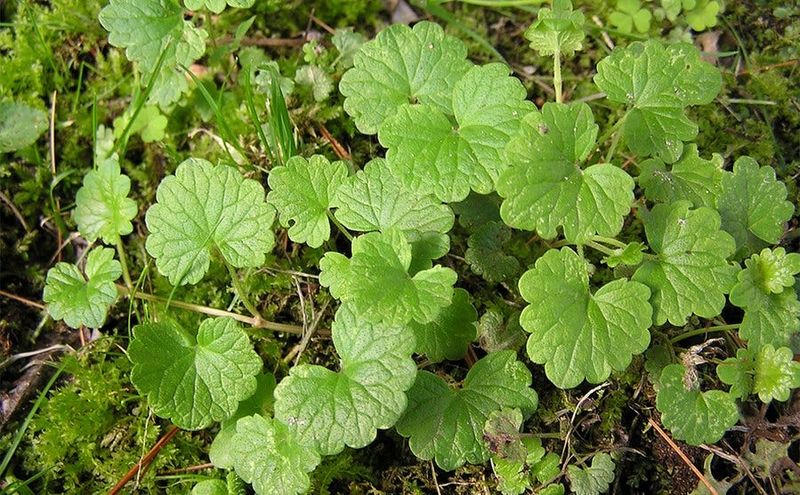
Plants have a seasonal rhythm, and this one follows it closely. In spring, ground ivy pushes energy up into leaves and those little purple blooms.
Come autumn, the flow reverses.
As days shorten and nights cool, perennial weeds move sugars and stored food down into their roots and stems to prepare for winter. Weed scientists have known about this pattern for a long time.
It matters because systemic herbicides travel along with that downward flow of food.
Spray in fall, and the product rides that current into the runners and rooted nodes. Spray in late spring, and much of it stays in the top growth while the plant keeps pushing out new shoots.
Many university extension programs, including Iowa State and Penn State, list fall as the most effective window for controlling broadleaf perennial weeds in lawns.
In most of Pennsylvania, that means aiming for roughly mid-September through October. Southeastern counties and the Philadelphia area may stay workable a bit later.
Northern and higher-elevation spots cool off sooner, so earlier is smarter there.
The key sign is that the weed is still green and actively growing. Once a hard freeze shuts it down, the window is mostly closed until next year.
3. Triclopyr and Three-Way Weed Sprays Handle This Stubborn Lawn Weed Best
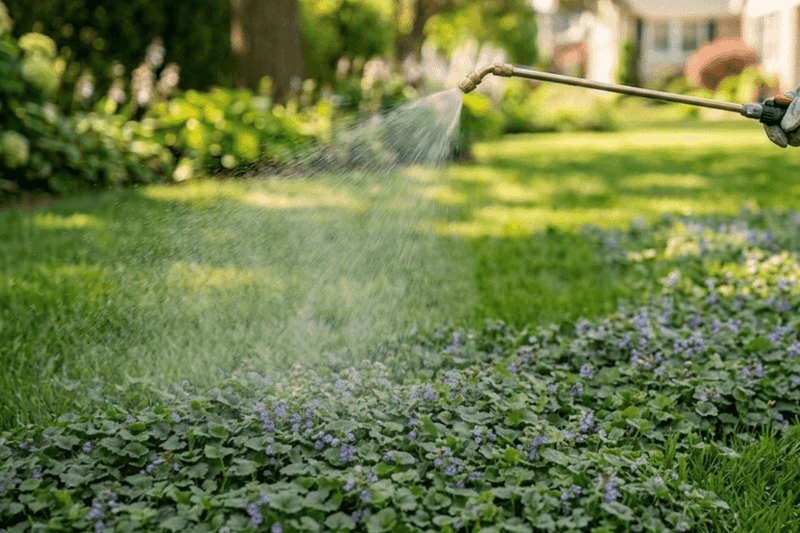
Not every weed spray on the store shelf will touch this plant. Ground ivy shrugs off some products that easily handle dandelions.
Research from Purdue and other extensions shows triclopyr is one of the strongest options for lawns. It is often sold as a broadleaf product labeled for violets, clover, and ground ivy.
Three-way mixes containing 2,4-D, dicamba, and mecoprop, sometimes called MCPP, are another common choice that works reasonably well.
Fun fact for the curious: years ago, people tried borax on this weed. Extension experts now discourage it, because boron builds up in soil and can harm grass and garden plants.
Read the label before you buy. Make sure it lists your grass type and ground ivy among the target weeds.
Most products work best when temperatures sit roughly between 60 and 85 degrees, with no rain expected for at least a day.
Spot treat patches instead of blanketing the whole yard. Keep spray away from flower beds, vegetable gardens, and tree roots, since these products affect broadleaf plants of all kinds.
Skip windy days so the mist stays where you aim it. Store leftovers safely, away from kids and pets.
4. A Second Pass a Few Weeks Later Catches the Creeping Stragglers
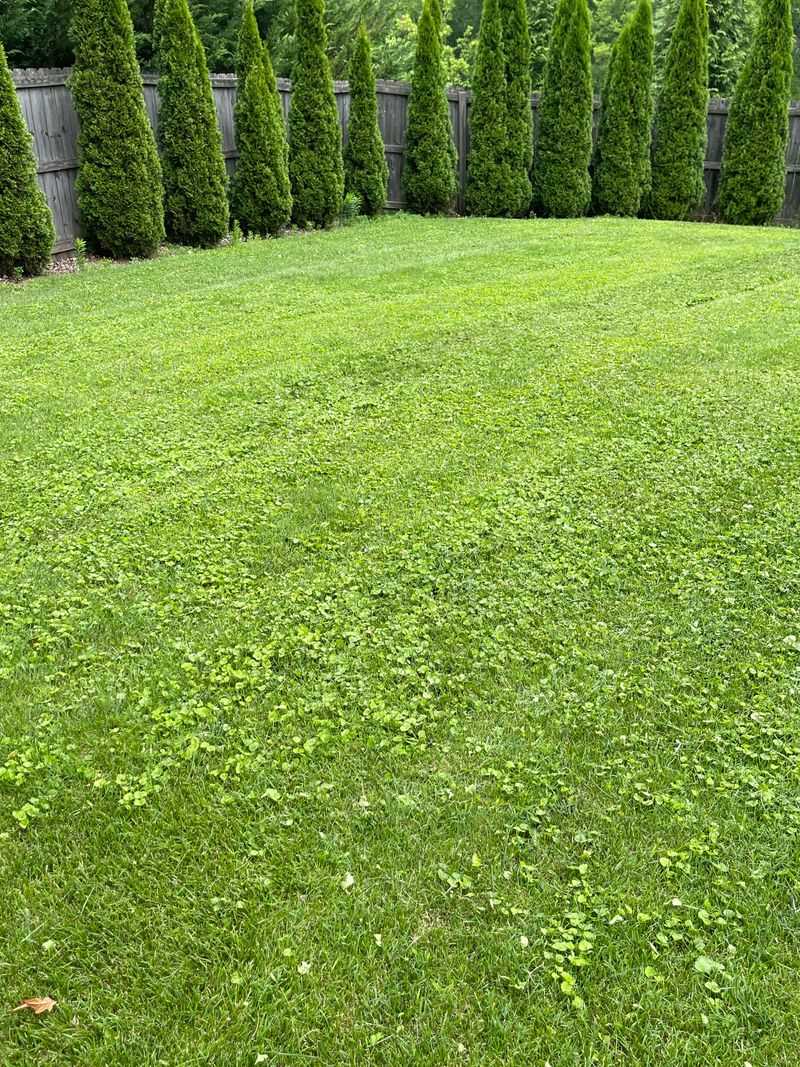
Patience pays off with this weed. One spray rarely finishes the job, and that is completely normal for such a tough plant.
Many extension guides suggest a follow-up treatment about two to four weeks after the first. The first round weakens the main patch.
The second one picks up runners that were shaded by grass, missed by the spray, or just slow to respond.
Timing it right in Pennsylvania usually looks like this. Treat in mid to late September, then return in October while the weed is still green.
If you start late, try to fit the second pass in before the first hard freeze.
Mowing matters too. Hold off mowing for a couple of days before you spray so there is plenty of leaf surface to soak up the product.
Wait a few days after, too, so the plant has time to move it down toward the roots.
Expect slow results. Leaves may curl, twist, and turn yellow or brown over a week or two.
Some leftover patches may show up again in spring. Mark those spots on a phone photo so you know exactly where to look next fall.
5. Thick Grass Gives Creeping Charlie Far Less Room to Crawl
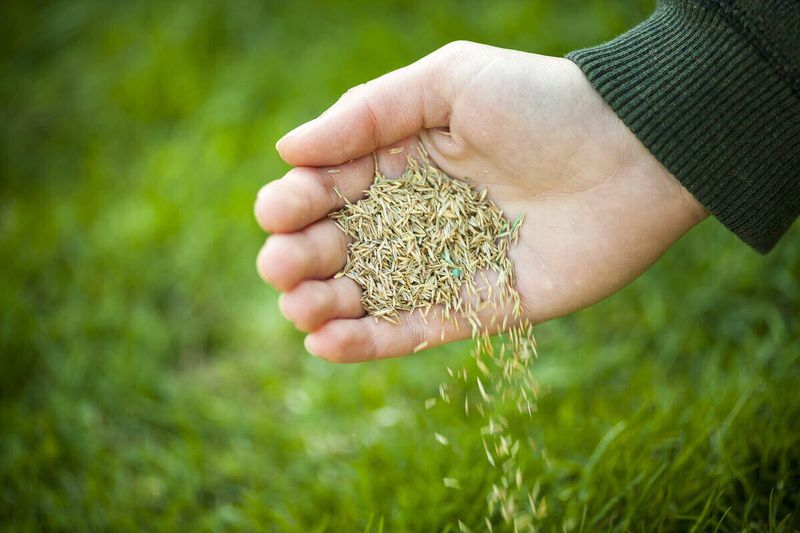
Sprays control what is there now. Healthy grass keeps the weed from coming back.
Ground ivy loves bare and thin spots. A thick lawn shades the soil and crowds out those creeping stems before they settle in.
Early fall happens to be the best time to grow cool-season grass in Pennsylvania, so the timing lines up beautifully.
Overseed thin areas from late August through September. In shady spots, choose fine fescues, which handle low light better than Kentucky bluegrass.
Tall fescue works well in areas with partial sun. Keep the seed moist with light, regular watering until it sprouts.
One catch worth planning around: many weed products can harm young grass seedlings. Check the label for how long to wait between spraying and seeding.
Some people spray first, then seed afterward, while others seed in early fall and treat weeds the following year.
Mow higher, around 3 to 4 inches, so grass blades shade out sprouting weeds. A fall feeding, guided by a soil test, helps roots grow strong before winter.
Penn State offers affordable soil test kits through county extension offices, and the results take the guesswork out of fertilizing.
6. Damp, Shady Corners Under Trees Are Where Ground Ivy Loves to Hide
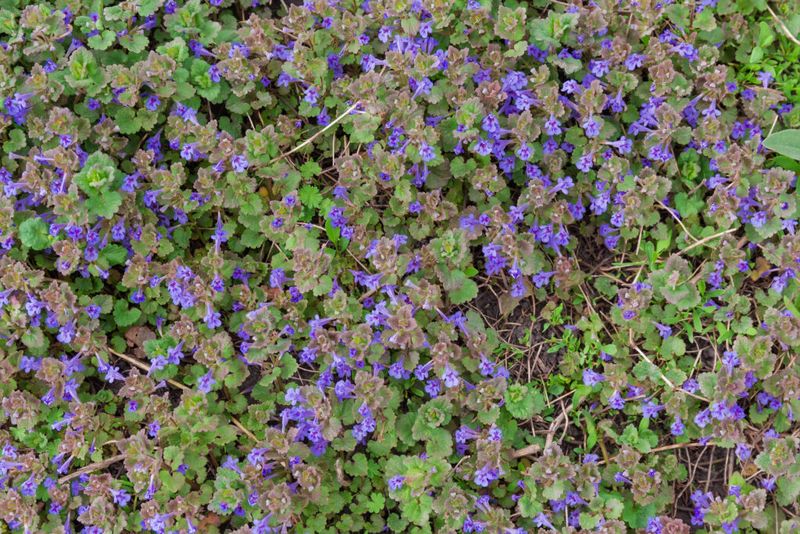
Walk around your yard and notice where this weed grows thickest. Odds are good it sits under a big maple, along a north-facing wall, or in a soggy low spot.
Ground ivy handles shade and moist soil far better than most lawn grasses. Where grass struggles, it simply moves in and takes over.
Treating the weed without fixing those conditions is like mopping the floor while the faucet still runs.
Start with light. Thinning lower tree branches lets more sun reach the ground, and late fall or winter is a fine time to prune most shade trees.
For large trees, hiring a certified arborist keeps both you and the tree safe.
Next, look at drainage. Compacted, wet soil favors this weed.
Core aeration in early fall loosens the ground and helps water soak in. Redirecting downspouts away from the lawn can also dry out persistently damp patches.
Some spots will stay too shady for grass no matter what you do. Those places are perfect for something other than turf, which brings up a smarter way to think about those tricky areas.
7. Mulched Beds and Native Groundcovers Can Replace the Toughest Patches
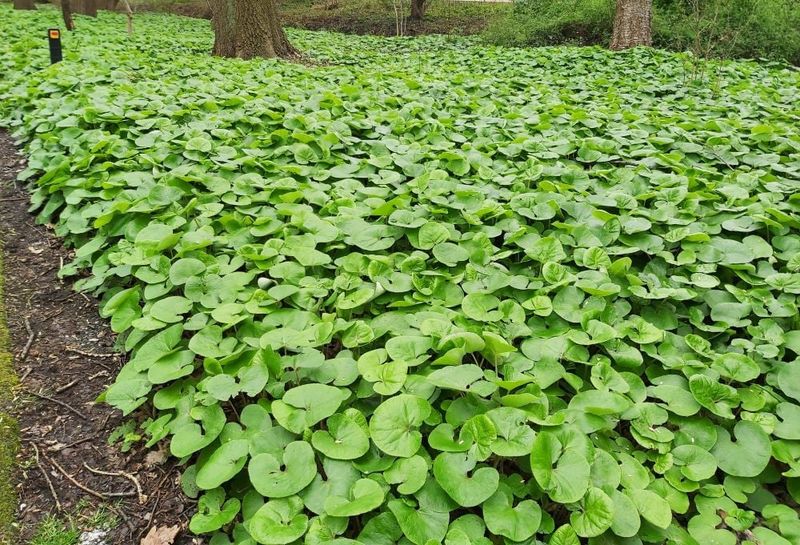
Sometimes the best move is to stop fighting grass battles you cannot win. Deep shade under trees can become a lovely planting bed instead.
In garden beds, smothering works well. After removing as much ground ivy as you can, lay down cardboard and cover it with two to three inches of shredded bark mulch.
Fall is a great time for this project, since the cardboard breaks down over winter.
Watch the edges closely. Runners love to sneak in from nearby lawn areas, so pull any stems that creep across the border while they are still small.
A simple edging strip helps slow them down.
Then fill the space with native plants that enjoy shade. Pennsylvania sedge, wild ginger, foamflower, and woodland phlox are good choices.
They support local pollinators and other wildlife, and they grow dense enough to cover bare soil over time.
Avoid planting English ivy, periwinkle, or Japanese pachysandra as replacements. These spread aggressively and are considered invasive or problem plants in many parts of the state.
Trading one creeping problem for another is not much of a win.
8. A Simple Fall Checklist Keeps Creeping Charlie From Winning Next Spring

Lasting control comes from stacking small wins, not one heroic weekend. A short plan makes the whole job feel far less overwhelming.
Here is a fall routine that works for most Pennsylvania yards. In late August or September, test your soil and overseed thin areas.
From mid-September through October, treat ground ivy with a labeled product, then follow up a few weeks later.
Keep mowing high until the grass stops growing. Rake or mulch fallen leaves so they do not smother the lawn and leave bare spots behind.
Prune shade trees and core aerate where soil stays packed and wet.
Next spring, take a slow walk around the yard when those purple blooms appear. That makes leftover patches easy to spot.
Pull small sprigs by hand while the soil is moist, and save stronger treatments for the following fall.
Expect this weed to need a couple of seasons of attention. Each year, the patches should shrink as your grass grows thicker.
Some gardeners even decide a little ground ivy is fine, since bees visit its early flowers. However you choose to manage it, working with fall timing gives you the upper hand.