Why Seeing A Roadrunner Around Your Arizona Home Is Usually A Good Sign
Some days bring the kind of surprise you end up talking about long after it happens. You are busy with your normal routine when something unexpected steals your attention for just a few seconds.
Those small moments often become the ones you remember most. They also leave you with questions that are hard to ignore.
Was it simply good luck, or did it happen for a reason? That curiosity is completely natural because wild visitors rarely appear without a purpose.
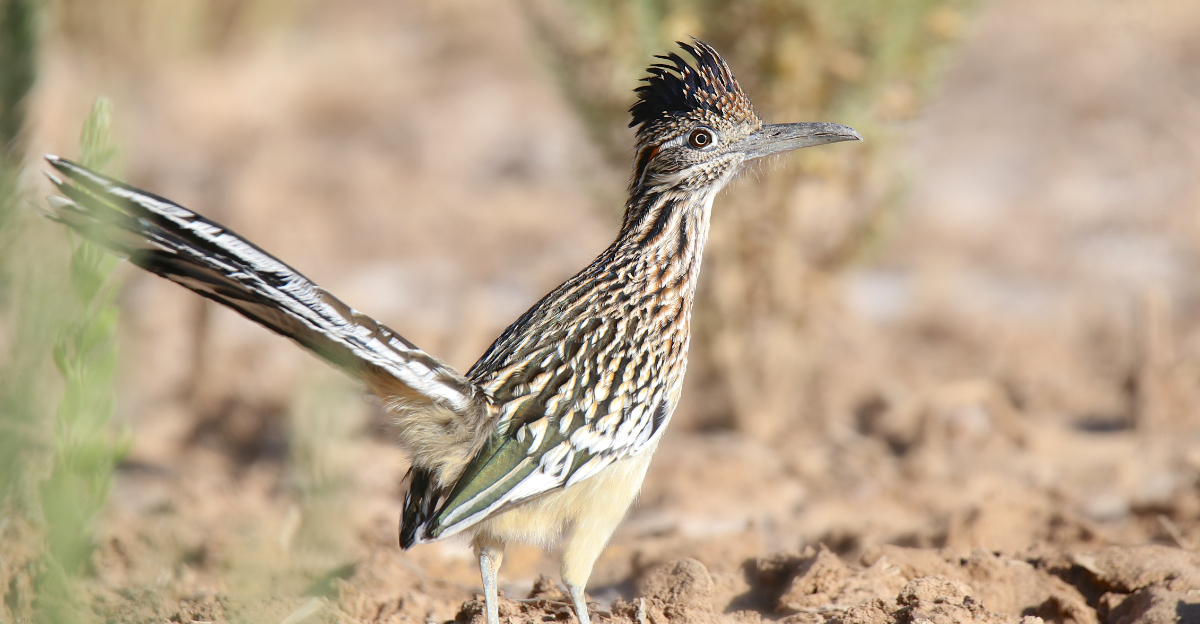
Around many neighborhoods in Arizona, one bird creates that reaction more than almost any other.
A roadrunner is exciting to spot, but it is also worth paying attention to. Its appearance is usually more meaningful than people expect.
There is often a good reason it decided your home was worth visiting, and that reason is better than most people think.
1. They Help Keep Scorpion Numbers Down
Scorpions are one of the most unwanted surprises in any desert yard. Finding one inside your home or under a rock near your patio is never a comfortable moment.
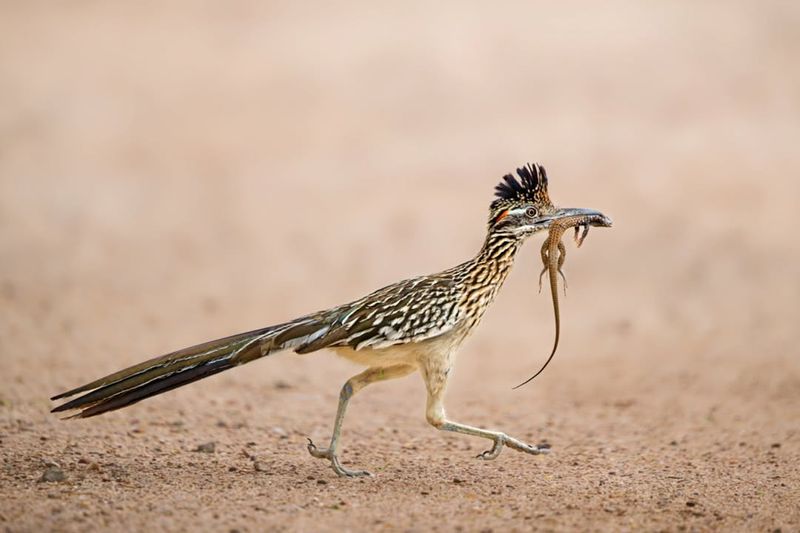
Roadrunners actively hunt scorpions. They have quick reflexes and thick skin around their legs and feet, which gives them a physical advantage when going after venomous prey.
A roadrunner will pin a scorpion down, beat it against a hard surface, and swallow it whole. It is a fast and efficient process that happens without any effort on your part.
Scorpions tend to be most active in warm months, which lines up with peak roadrunner activity. That overlap is not a coincidence.
Roadrunners go where the food is.
Having one or two roadrunners patrolling your property does not mean you will never see a scorpion again. But regular roadrunner activity in your yard can contribute to lower scorpion sightings over time.
Fewer scorpions near your doors and walls means a slightly safer environment for kids and pets. That alone makes a roadrunner a welcome visitor.
If you notice one hunting near your home, there is no reason to scare it off.
2. Many Common Yard Pests Become Prey
Beyond scorpions, roadrunners have a broad appetite that covers a surprising range of common yard pests. Grasshoppers, beetles, centipedes, and large spiders are all fair game.
Grasshoppers alone can cause real damage to garden plants and grass. Roadrunners chase them down with ease and eat them quickly.
It is natural pest management without sprays or traps.
Centipedes are another pest that roadrunners handle well. Desert centipedes can grow large and deliver a painful bite.
Roadrunners are not deterred by that. They snatch them up without hesitation.
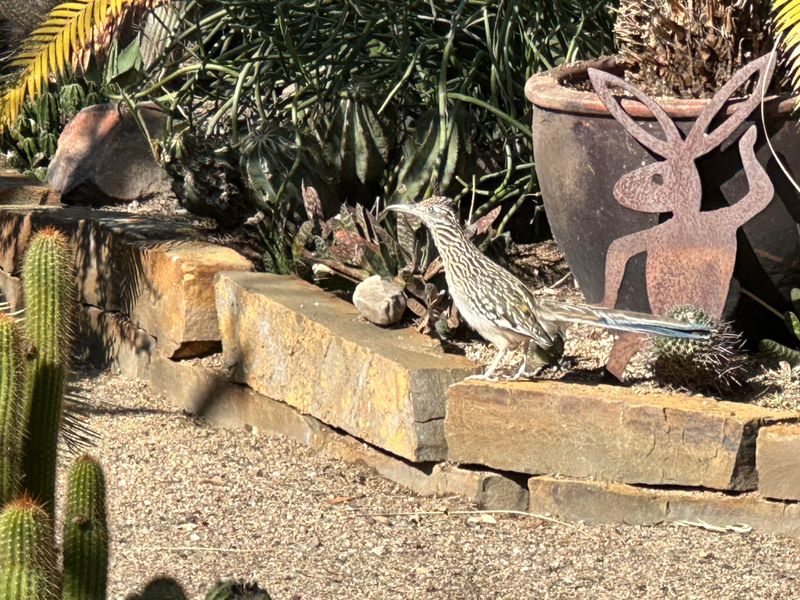
Large spiders, including some of the more aggressive desert varieties, also end up on the roadrunner menu. Watching one hunt across dry ground near a rock wall is a good reminder of how capable these birds actually are.
Roadrunners hunt by sight and speed. They move in short bursts, pause to scan, and then strike with precision.
That hunting pattern covers a wide area of your yard over the course of a day.
Your Arizona Garden Changes Every Week. Your Plan Should Too.
Gardening in Arizona changes quickly throughout the season. Every Friday you’ll receive a simple weekly plan showing exactly what to plant, prune, fertilize, harvest, and protect so you never miss the right timing.
No bird will clear a yard of every pest. But consistent roadrunner presence around your property means that many of the insects and crawlers you would rather not deal with are being regularly reduced.
It is a natural balance that works in your favor.
3. Small Rodents Are Part Of Their Diet
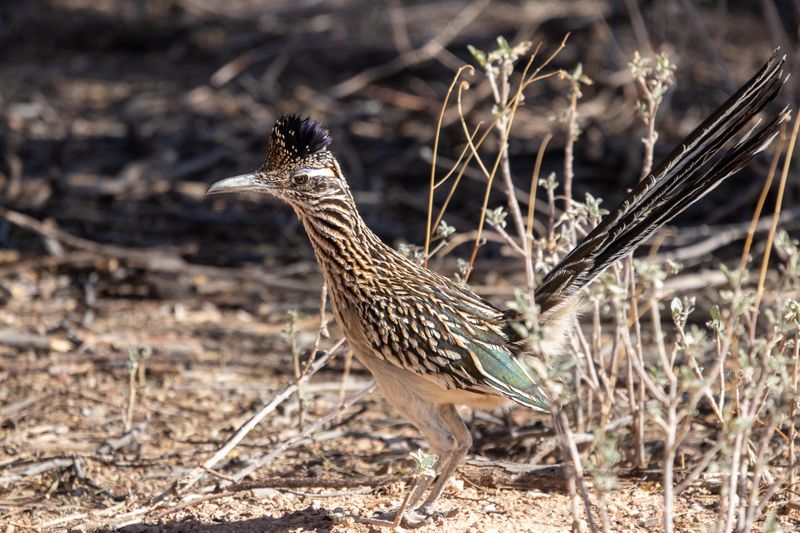
Rodents around the house are a persistent headache in desert communities. Mice and small rats can find their way into walls, garages, and storage areas surprisingly fast.
Roadrunners are capable of taking small rodents. Young mice, in particular, are vulnerable to roadrunner predation.
A bird that patrols your yard regularly can help reduce the local rodent population over time.
Roadrunners do not hunt rodents the way a cat might. They are opportunistic.
If a small mouse crosses open ground within striking range, the roadrunner will go for it.
Open desert yards with minimal ground cover tend to expose rodent movement more easily. Roadrunners take advantage of that visibility.
Less hiding space for rodents means more opportunities for the bird to intercept them.
Rodent activity near your home can attract snakes looking for a meal. Reducing rodent pressure with natural predators like roadrunners can have a ripple effect on the broader wildlife activity around your property.
Traps and bait stations are still useful tools for serious rodent problems. But a roadrunner working your yard adds an extra layer of natural deterrence.
It is not a complete solution, but it is a meaningful one that costs you nothing.
4. Roadrunners Rarely Damage Gardens
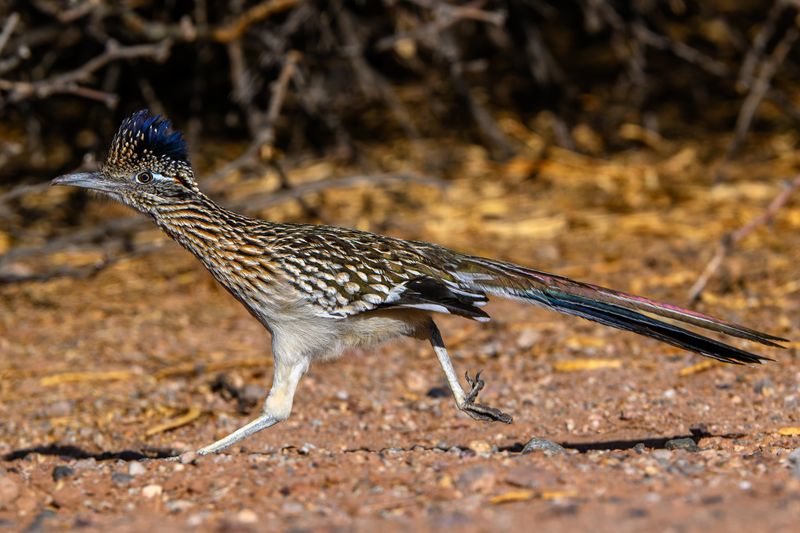
Some backyard birds are beautiful visitors that come with a cost. Certain species tear up mulch, pull out seedlings, or peck at fruit.
Roadrunners are not in that category.
Roadrunners are carnivores. Plants simply do not interest them as food.
They move through gardens and landscaped areas in search of live prey, not vegetation.
A roadrunner walking through your garden beds is scanning the ground for insects, lizards, or anything else that moves. Your plants are essentially invisible to it from a feeding standpoint.
Some gardeners in the desert Southwest have noted that roadrunners occasionally disturb light gravel or mulch while chasing prey. That is minor and easily smoothed over.
It is not the kind of damage that warrants concern.
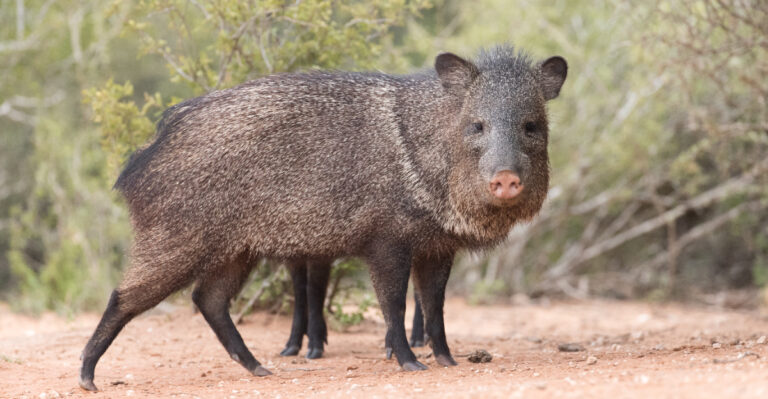
Compared to javelinas, rabbits, or certain songbirds, roadrunners rank among the least destructive wildlife visitors a desert yard can attract. They move through, hunt, and leave.
That is the full extent of their interaction with your landscaping.
If you have worked hard on a native plant garden or a xeriscape setup, a roadrunner visiting regularly should not cause you stress. It is one of the few wild visitors that brings genuine benefit without creating new problems.
That balance is rare and worth appreciating.
5. Open Ground Makes Hunting Easier
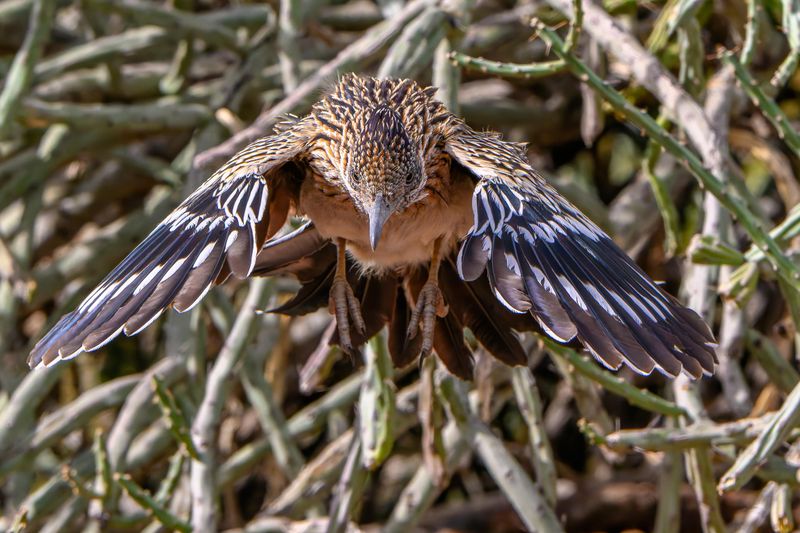
Roadrunners are built for open ground. Their long legs, low center of gravity, and sharp eyesight make them highly effective hunters in flat, sparsely covered terrain.
Desert yards with gravel paths, open patios, or minimal ground cover offer exactly the kind of visibility roadrunners prefer. They can spot movement from a distance and close the gap in seconds.
A yard that feels too tidy for some wildlife is often ideal for a roadrunner. Wide open spaces are not a limitation for this bird.
Open ground is where it performs best.
Roadrunners use speed as their primary hunting tool. Across open terrain, they can reach surprising velocities in short bursts.
Prey has very little time to react once the bird has locked on.
If your property has a mix of open ground and scattered cover, you have created a natural hunting corridor. Roadrunners tend to patrol these kinds of edges repeatedly throughout the day.
Understanding what draws a roadrunner to your yard helps you see your outdoor space differently. Open ground is not just aesthetically clean.
It is functional habitat for one of the desert’s most capable hunters. Letting some areas stay clear and uncluttered can quietly encourage more roadrunner activity near your home over time.
6. Native Shrubs Give Them Better Cover
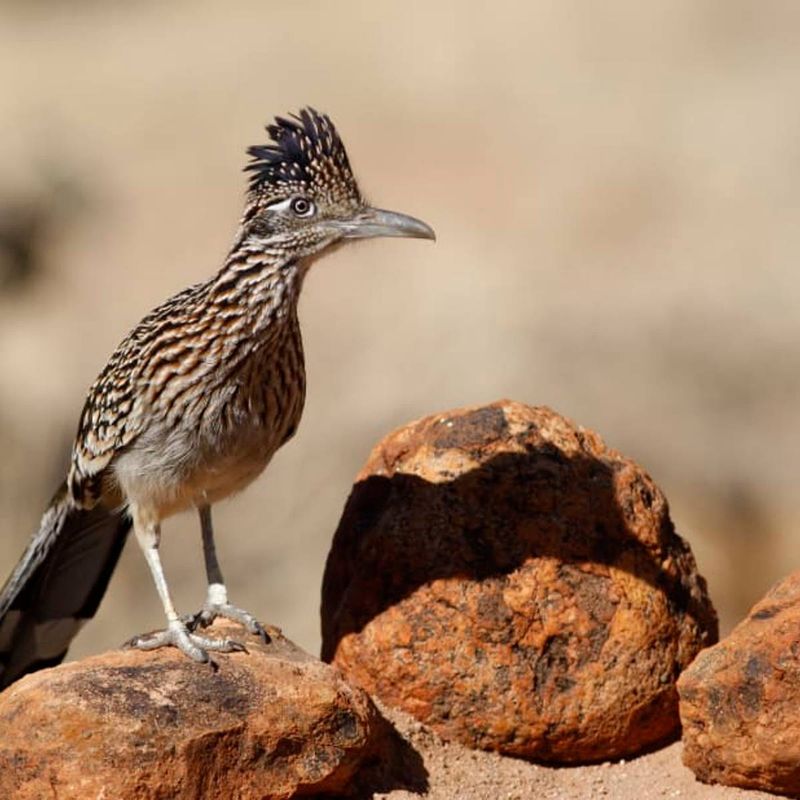
Open hunting ground matters, but roadrunners also need spots to rest, hide from heat, and watch for prey without being exposed. Native shrubs fill that role well.
Plants like desert broom, wolfberry, and brittlebush provide low, dense cover that roadrunners use throughout the day. These shrubs are sturdy, drought-tolerant, and require little maintenance once established.
Roadrunners are not shy birds, but they do appreciate cover when temperatures spike. Desert afternoons can get intense, and a shaded shrub gives the bird a place to wait out the worst heat before resuming activity.
Native shrubs also attract insects, which draws prey closer to where roadrunners rest.
That overlap between shelter and food source creates a convenient hunting setup the bird can use repeatedly.
Landscaping with native plants has benefits beyond roadrunner support. Native species use less water, support local pollinators, and tend to be more resilient in dry conditions.
Adding them to your yard improves the overall ecological value of your outdoor space.
If roadrunners are already visiting your property, adding a few native shrubs near open areas can encourage them to stay longer. You are essentially refining the habitat to match what the bird naturally seeks.
Small landscaping choices can have a real impact on which wildlife feels comfortable using your yard regularly.
7. Suitable Habitat Helps Support Roadrunners
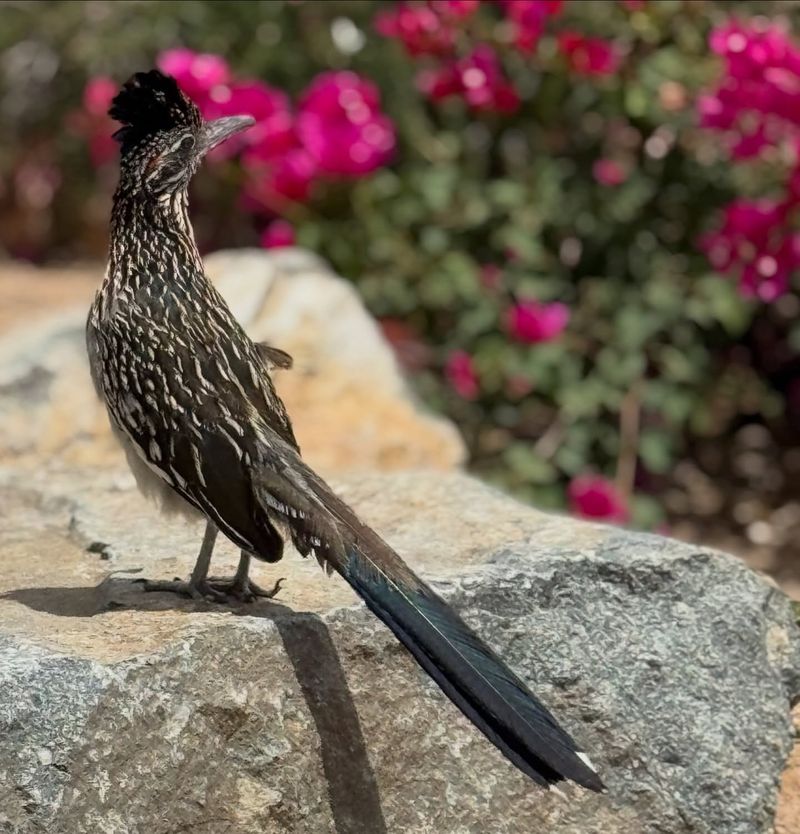
Roadrunners do not show up randomly. A bird that keeps returning to your yard is finding what it needs there.
That says something real about the condition of your outdoor space.
Suitable habitat includes a combination of open hunting ground, available prey, water sources, and some natural cover. When those elements align, roadrunners treat a property as part of their regular territory.
Providing a shallow water dish in a shaded spot can make your yard more attractive, especially during hot, dry stretches. Roadrunners drink water and will visit reliable sources consistently if they feel safe doing so.
Avoiding heavy pesticide use helps maintain the insect and lizard populations that roadrunners depend on.
A yard that has been heavily treated may have fewer pests, but it also offers less food for the wildlife that naturally manages those pests.
Supporting roadrunner habitat does not require major changes.
Small adjustments like reducing chemical use, adding native plants, and keeping some open ground can meaningfully improve conditions for these birds over a single season.
Roadrunners are a natural fit for desert living. Seeing one around your home regularly is a sign that your yard has something worth coming back to.
That kind of ecological signal is worth paying attention to and worth preserving.