Why Some California Evergreens Turn Brown In Winter And How To Prevent It
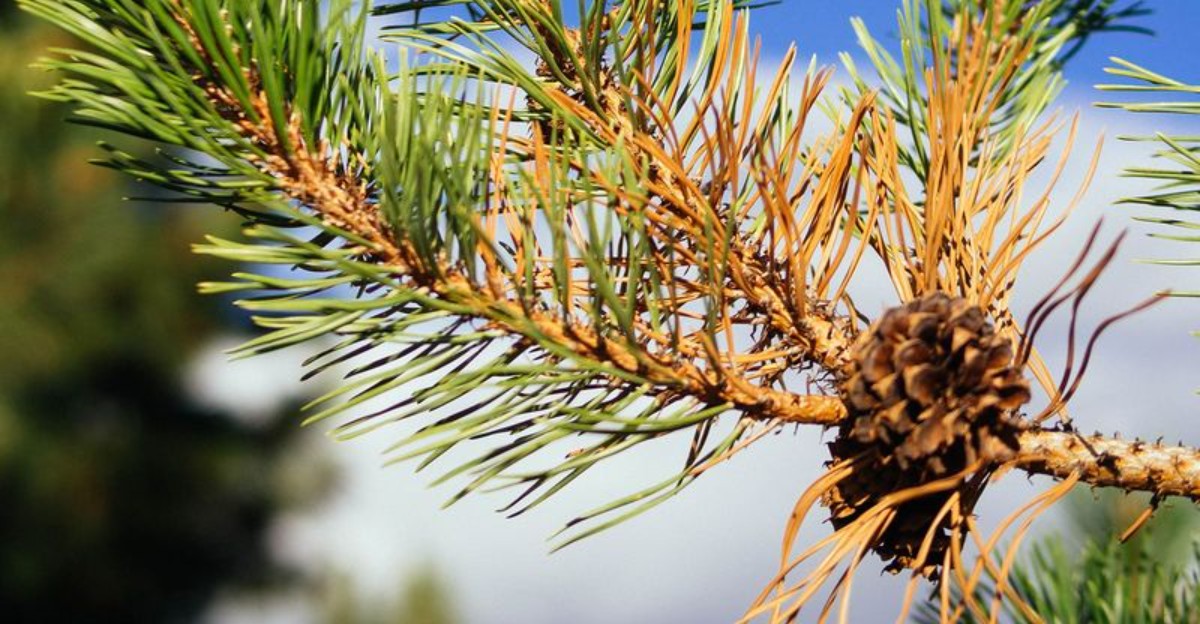
Whole flat sprays of older inner foliage on one native California mountain conifer turn golden orange each autumn, then drop like little feathers. Arborists call it flagging, and it’s simply the tree retiring tired, shaded greenery.
Frozen ground can also lock water away while bright sun keeps warming exposed needles, a problem called winter desiccation. One-sided browning on the windward face of a shrub, meanwhile, usually points to dry winter gusts.
Don’t make my mistake of reaching for the shovel the moment a hedge turns bronze. You might notice that gently bending a twig tells you more than the color, since flexible wood usually means healthy buds below.
Plenty of brown foliage in winter turns out to be harmless housekeeping rather than real trouble. A few simple clues in the pattern, the location, and the season could reveal whether your shrub needs help or just a little patience.
1. Dry Santa Ana Winds Scorch Exposed Juniper Needles
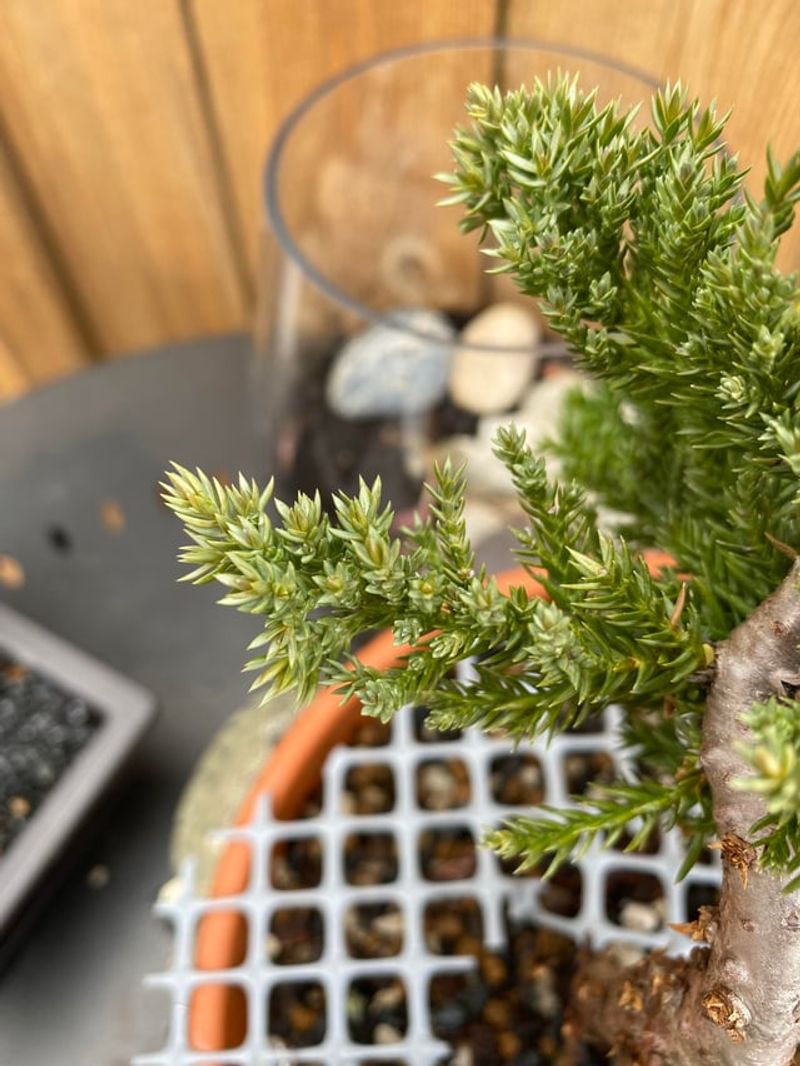
Ever notice how your lips crack after a windy day outdoors? Junipers feel something similar when hot, dry Santa Ana gusts blast across Southern yards in winter.
These winds often arrive between October and March, carrying desert air with very little moisture inside it. Needles keep releasing water vapor, and the roots simply cannot pump enough replacement water upward fast enough.
The result usually shows up as tan or rusty patches on the side facing the wind. I find the pattern oddly helpful, because one-sided browning points straight at wind as the main suspect.
You can soften the blow by giving shrubs a deep soak a day or two before forecast wind events. Moist soil gives roots a reserve to draw from, so foliage holds up better during those blustery stretches.
Placement matters too, especially for new plantings that have not yet grown deep roots into surrounding soil. Tucking young junipers near a fence or larger shrub can break the force of gusts quite a bit.
Watch the forecast from your local weather service, since red flag warnings often signal very low humidity ahead. Those alerts make a handy reminder to check soil moisture around evergreens before the dry air rolls in.
Light browning on tips often grows out by spring, so resist ripping out a shrub too quickly. Patience and steady watering usually bring back that fresh blue-green color by the time warmer weather returns.
2. Frozen Mountain Soil Leaves Pine Roots Thirsty
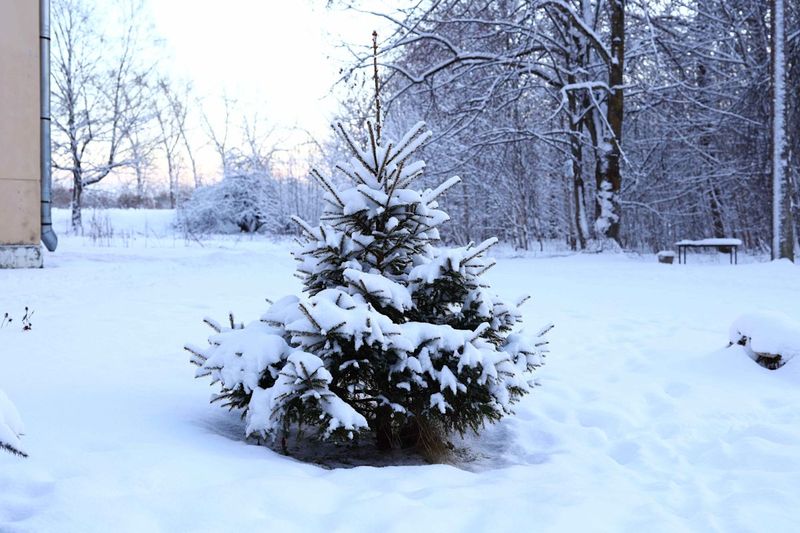
Snow on the ground can look like plenty of water, yet pine roots in frozen soil cannot sip a drop. Gardeners in mountain towns like Truckee and Big Bear see this puzzle play out every winter.
Experts call it winter desiccation, and it happens when needles lose moisture while ice locks water in the ground. Bright sunshine bouncing off snow warms the foliage and speeds up that water loss even more.
Damage often appears as reddish brown needles near branch tips, especially on young trees with shallow roots. Older trees with wide root systems usually cope better, since some roots reach soil that stays unfrozen.
Your best defense starts in autumn, before the ground hardens for the season. Slow, deep watering in October and November fills the soil profile and gives trees a moisture bank for winter.
During midwinter thaws, it helps to water again when daytime temperatures climb above freezing for several days. Aim for the area beneath the outer branches, where most of the feeding roots actually spread.
I like adding a thick blanket of mulch over the root zone in mountain gardens for extra insulation. That layer slows freezing and thawing cycles, which reduces stress on fine roots near the surface.
Browned tips may look alarming in February, yet buds underneath often stay healthy and green. Check by gently bending a twig, because flexible wood usually means the branch will push new growth this spring.
3. Afternoon Sun Bronzes South-Facing Arborvitae
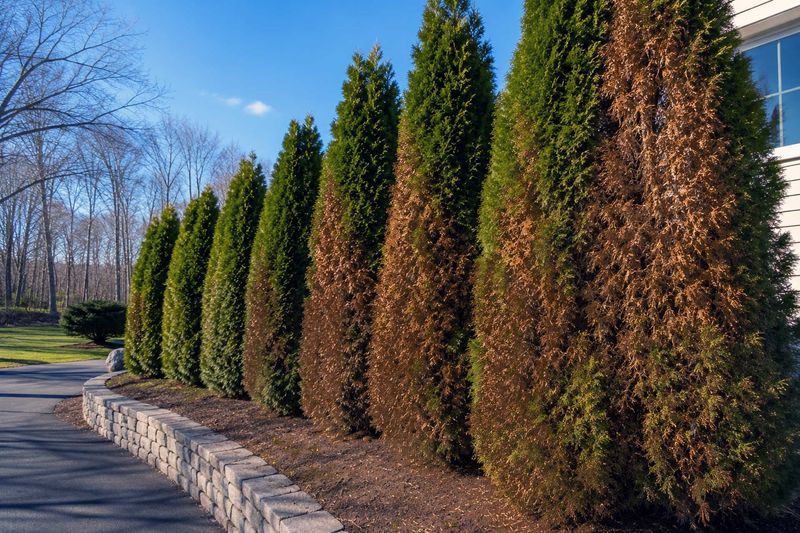
Your arborvitae may be getting a winter sunburn, believe it or not. Low winter sun hits south and west sides hard, especially when light bounces off nearby walls or pale driveways.
Foliage on those sunny faces warms up during the day, then loses more moisture than shaded branches nearby. Some arborvitae varieties also turn bronze naturally in cold weather, which can add to the confusion.
Here is a simple trick I use to tell the difference between the two causes. Seasonal bronzing looks even across the plant, while sun damage clusters heavily on the brightest, most exposed sides.
Reflected heat from stucco, glass, or concrete can make that exposure much stronger than you might expect. If your hedge sits against a light wall, consider shading it with a temporary screen during the coldest months.
Choosing the right spot from the start saves plenty of headaches later on. Morning sun with some afternoon shelter suits many arborvitae, especially in hot inland valleys and high desert towns.
Keep the roots evenly moist without drowning them, since thirsty plants scorch faster in bright light. A soaker hose running slowly once a week during dry spells usually works nicely for established hedges.
Bronzed foliage that stays flexible often greens up again once days lengthen and growth resumes. Brittle, crispy sections are a different story, and you can trim those back after new shoots appear.
4. Old Interior Pine Needles Drop Naturally Each Fall
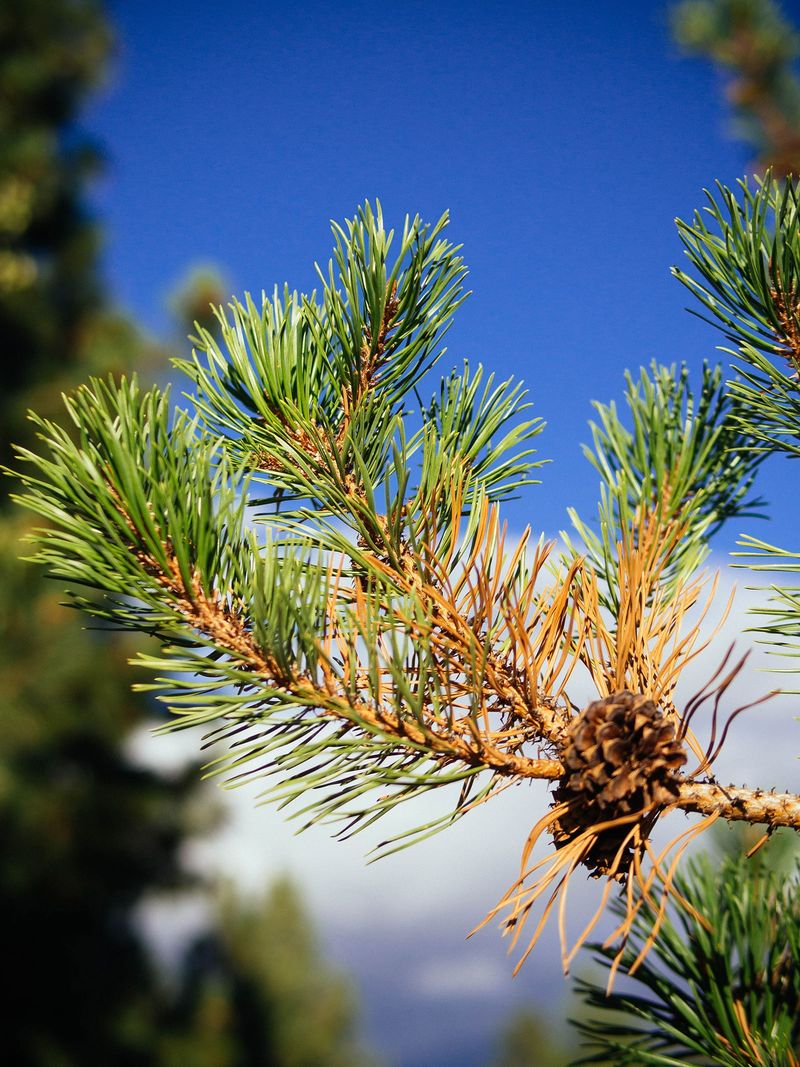
Relax for a second, because some browning is just your pine doing a little housekeeping. Pines hold their needles for a few years, then shed the oldest ones closest to the trunk.
Most of this seasonal drop happens in late summer and fall, though some needles hang on into early winter. The browning shows up deep inside the canopy, while the outer branch tips stay bright and green.
I remember worrying the first time my Aleppo pine looked patchy inside, so I called a local nursery. They laughed kindly and told me the tree was simply making room for younger, more efficient needles.
The pattern is the key clue you should look for each season. Even yellowing on older inner needles is normal, while brown tips on new growth suggest a different problem.
Fallen needles make an excellent free mulch, so you can leave many of them under the tree. They break down slowly, hold soil moisture, and add a pleasant woodsy smell to the garden.
Fire-prone areas need a different approach, since dry needles near homes can raise risk significantly. CAL FIRE recommends clearing needles from roofs and gutters and keeping the zone near buildings fairly clean.
Healthy trees usually finish this shedding cycle without any help from you at all. Just keep an eye on the outer growth, and you will know your pine is in good shape.
5. Incense Cedar Sheds Its Inner Sprays Too
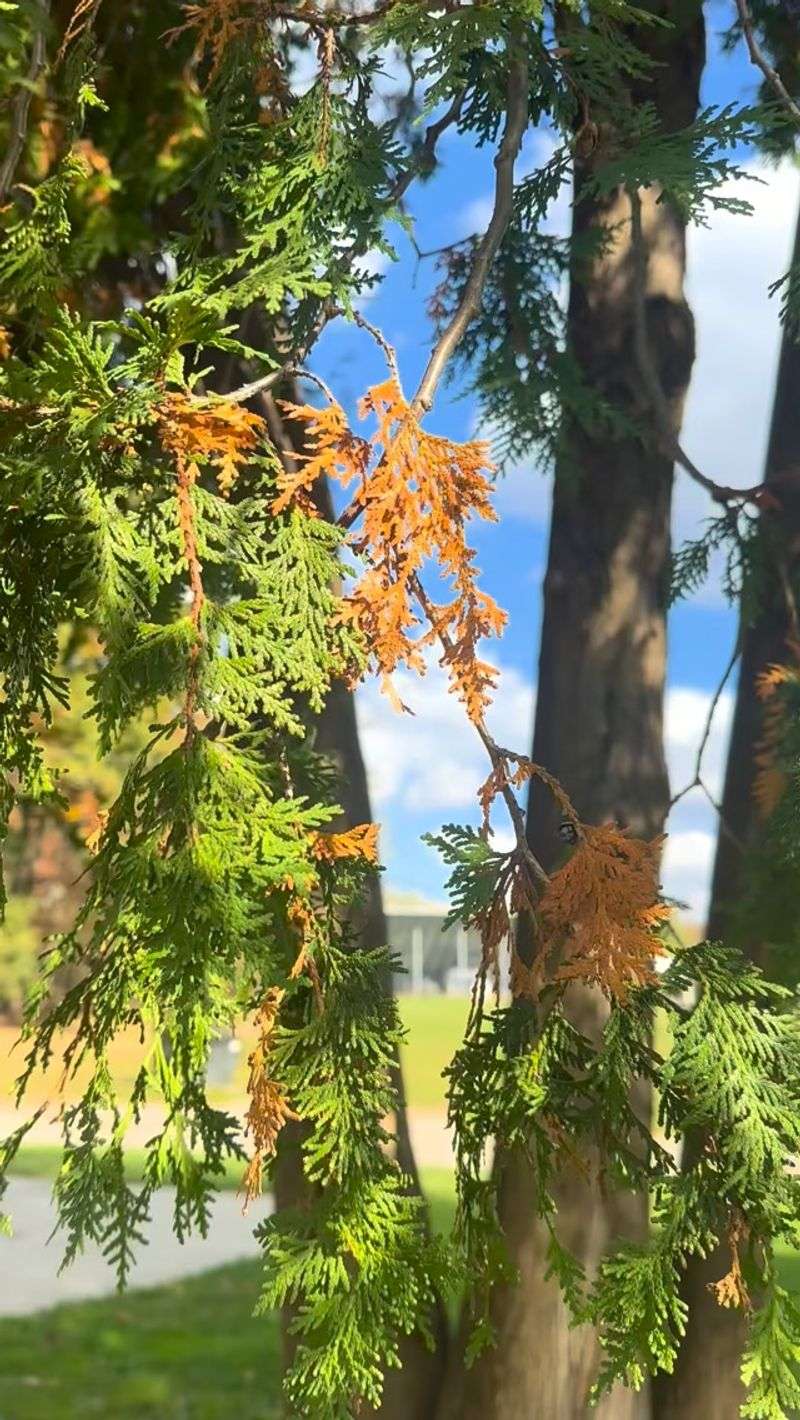
Incense cedar has a funny habit that surprises plenty of homeowners every autumn. Whole flat sprays of older inner foliage turn golden orange, then drop like little feathers around the trunk.
Arborists sometimes call this flagging, and it is a normal part of the tree’s yearly rhythm. Like pines, the cedar is retiring tired foliage that sits too deep in the shade to be useful anymore.
This native tree, known scientifically as Calocedrus decurrens, grows wild across mountain slopes throughout the state. Many people plant it in yards for its fragrant wood, reddish bark, and tidy upright form.
A sudden flush of orange inside the canopy can look scary after a dry year. Usually, the shedding becomes more noticeable when the tree has been short on water during summer.
You can help by giving established cedars a deep drink every few weeks during long dry periods. Water slowly around the drip line, where roots spread outward well beyond the trunk itself.
I always check the outer branch tips before deciding anything is wrong. If those tips look green and supple, the tree is most likely just tidying up its interior.
Browning that spreads to new growth at the top deserves a closer look from a certified arborist. Pests or root problems can mimic natural shedding, so a professional opinion helps you avoid guesswork.
6. Summer Drought Leaves Evergreens Weak By Winter
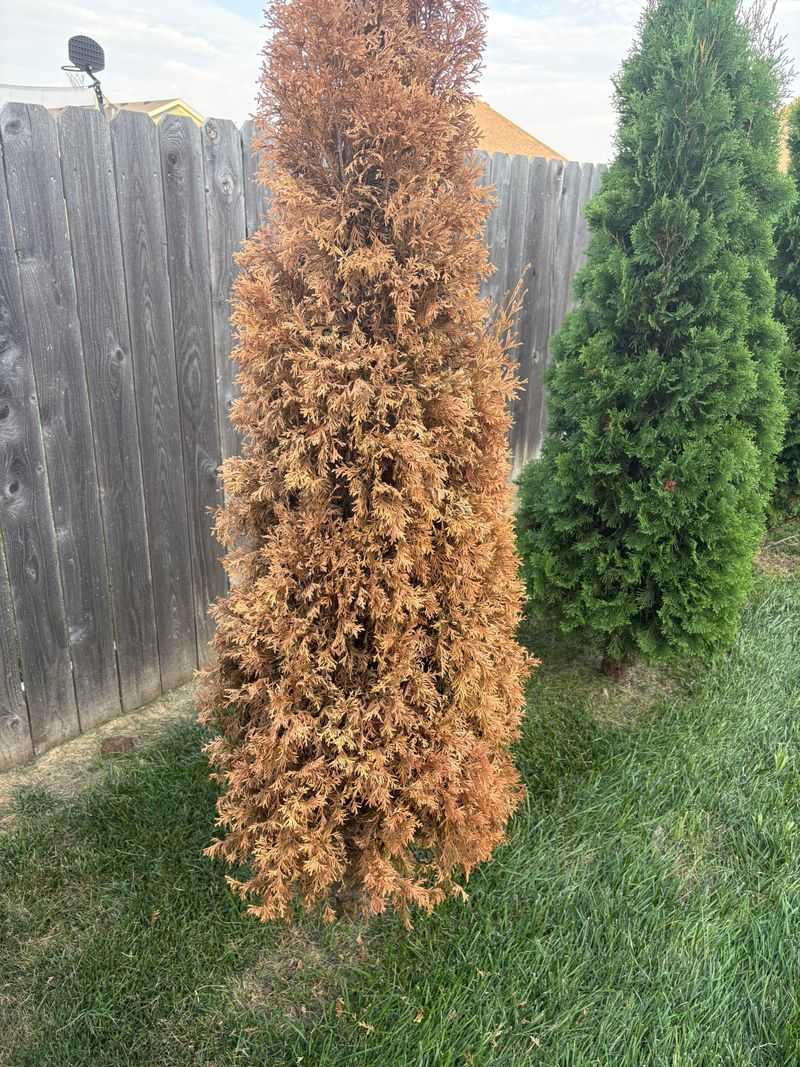
Winter browning often starts months earlier, back during those long, scorching summer stretches. A tree that went thirsty in August can carry that stress straight into the cooler season.
Drought-stressed evergreens have fewer healthy fine roots and lower energy reserves to protect themselves. When winter winds or frost arrive, these weakened plants show damage faster than well-watered neighbors.
Here in the Golden State, the dry season can stretch from late spring through fall. Even native species appreciate occasional deep watering when rain skips a season or arrives unusually late.
I like checking soil moisture with a long screwdriver pushed into the ground near the drip line. If it slides in easily several inches deep, the roots likely have enough water for now.
Deep, infrequent watering trains roots to grow downward, where soil stays moist longer. Light daily sprinkling does the opposite, keeping roots shallow and much more vulnerable to heat and cold.
Watch for clues like thinning canopies, small new growth, or needles dropping during summer. Those signs suggest your tree needs better support before the next winter arrives in your area.
A little attention during hot months pays off nicely when temperatures drop later in the year. Healthy, hydrated trees simply handle winter stress with far more grace and far less browning.
7. Coast Live Oak Leaves Brown From A Sneaky Pathogen
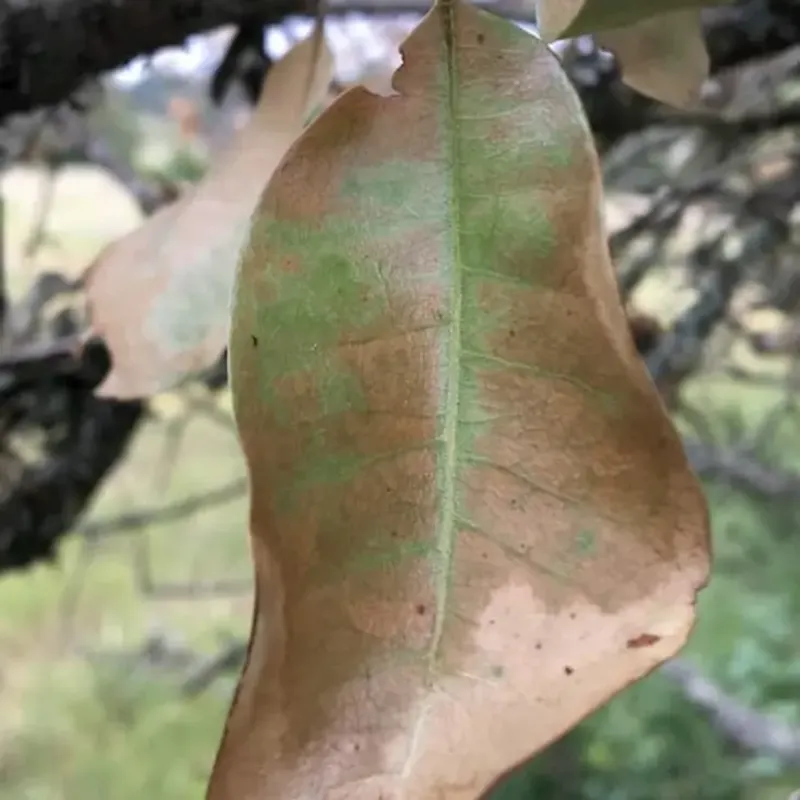
Coast live oaks keep their glossy leaves year round, so a sudden brown canopy feels shocking. One microscopic culprit, Phytophthora ramorum, has affected oaks in coastal counties for over two decades.
This water mold spreads easily during wet, mild weather, which makes rainy winters a higher risk period. California bay laurel often carries the pathogen on its leaves without suffering much harm itself.
Spores splash from infected bay leaves onto nearby oak trunks, where bleeding cankers can form. Those cankers ooze dark reddish sap, and the canopy may brown quickly once damage becomes severe.
Researchers from UC Berkeley recommend removing small bay laurels growing close to valuable oak trunks. Doing this during the dry season reduces the amount of spores splashing around once rains return.
Phosphonate treatments applied by a trained professional can help protect healthy high-value oaks. These products work best as prevention, so talk with an arborist before symptoms appear on your trees.
Clean soil and leaf debris from tools, boots, and tires when leaving infested areas. That small habit helps slow the spread of spores to new neighborhoods and wild places nearby.
I find it reassuring that local agencies track this problem closely and share updated guidance. Your county agricultural office or the California Oak Mortality Task Force website offers helpful maps and advice.
8. Hard Frost Browns Tender Citrus And Pittosporum Leaves
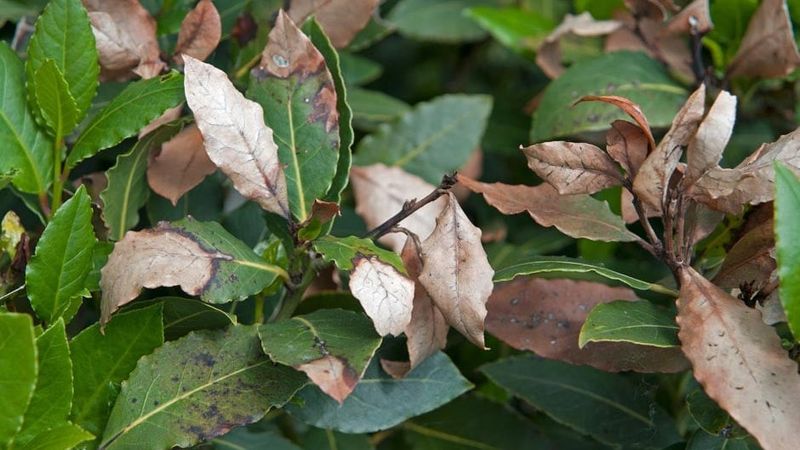
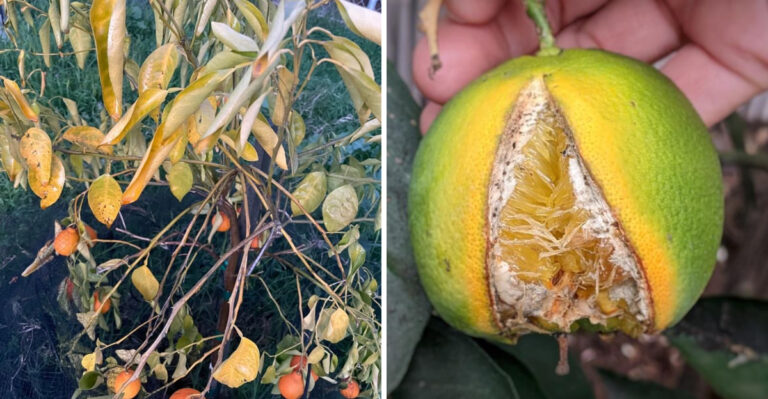
Some evergreens simply prefer sunny beaches over chilly valleys on winter nights. Lemons, limes, and some pittosporums can suffer leaf damage when temperatures dip into the upper twenties.
True freeze injury happens when ice crystals form inside leaf tissue and rupture plant cells. Affected leaves often look water-soaked at first, then turn brown and crispy within several days.
Unlike wind damage, frost injury tends to show evenly on the outer canopy and exposed tops. Lower branches tucked under the canopy often stay greener because they trap a little warmth.
When frost is forecast, cover tender shrubs overnight with frost cloth or old bedsheets. Let the fabric reach the ground so it traps warmth rising from the soil underneath.
Watering the soil a day before a cold snap can help too, since moist ground holds heat better. Remove covers in the morning so plants do not overheat once the sun warms things up.
Personally, I keep a few outdoor holiday lights with old incandescent bulbs for extra warmth. Newer LED strings give off very little heat, so they will not offer much frost protection.
Leave the browned leaves alone until spring, even if they look ragged for a while. They shield inner growth from later cold, and pruning too early can expose tender shoots.