A Practical Fall Step for Arizona Citrus: Check Your Irrigation
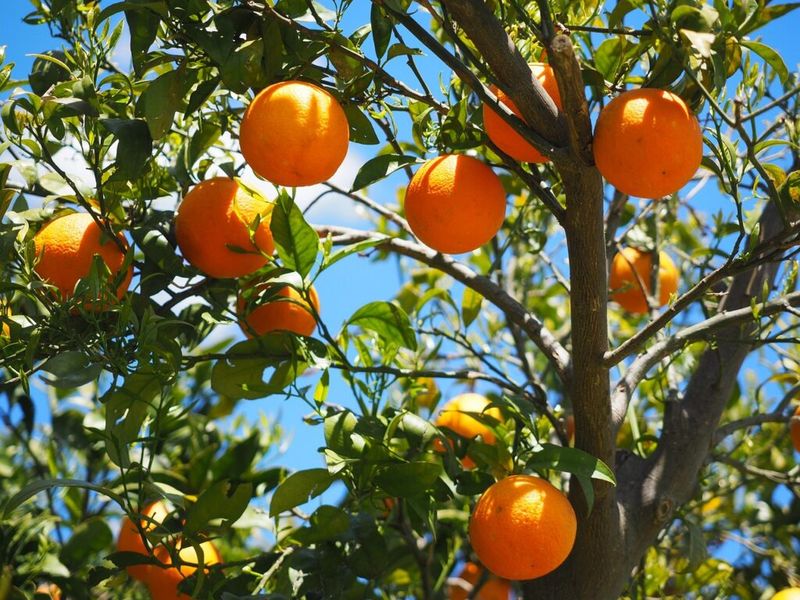
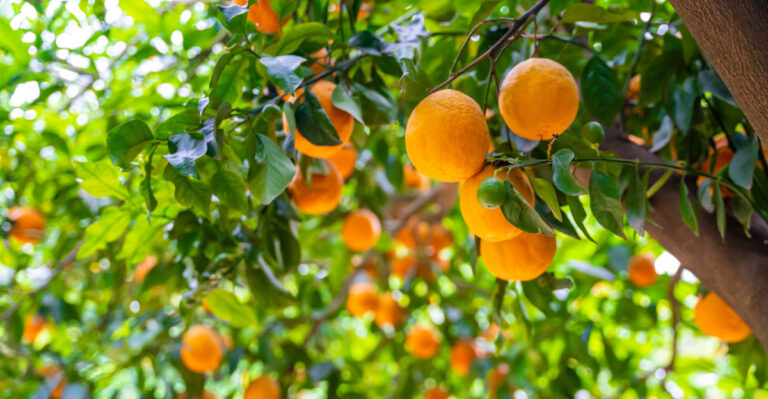
Cooler nights are rolling into Arizona, and your citrus tree is quietly changing how much water it uses. Many owners keep watering on a summer schedule without noticing.
A quick irrigation check is one of the easier fall chores, and it fits most yards. Here is how to do it, plus what to know about fertilizer and frost so you do not follow advice meant for a different tree.
Fall fertilizer timing depends on the kind of citrus
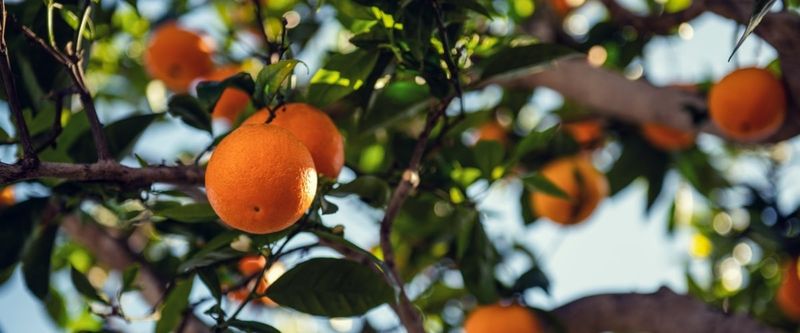
Not every Arizona citrus tree gets fed in fall. The University of Arizona fertilizer chart puts the last yearly feeding for lemons and limes in August to September.
Oranges, tangerines, and grapefruit follow a different plan, with feedings from January through June.
The chart bases amounts on tree size and the nitrogen percentage on the fertilizer label, so the bag you buy matters. It also says to apply fertilizer to the soil and irrigate afterward.
Keep in mind that this is local guidance dating to 2015, not new research, and it does not promise any particular yield.
If you run a lemon or lime and missed that August or September feeding, skip the catch-up. Late nitrogen is not recommended, and a special fall fertilizer is not needed either.
For oranges, tangerines, and grapefruit, fall is simply not a feeding season on the chart.
Review irrigation as the weather cools
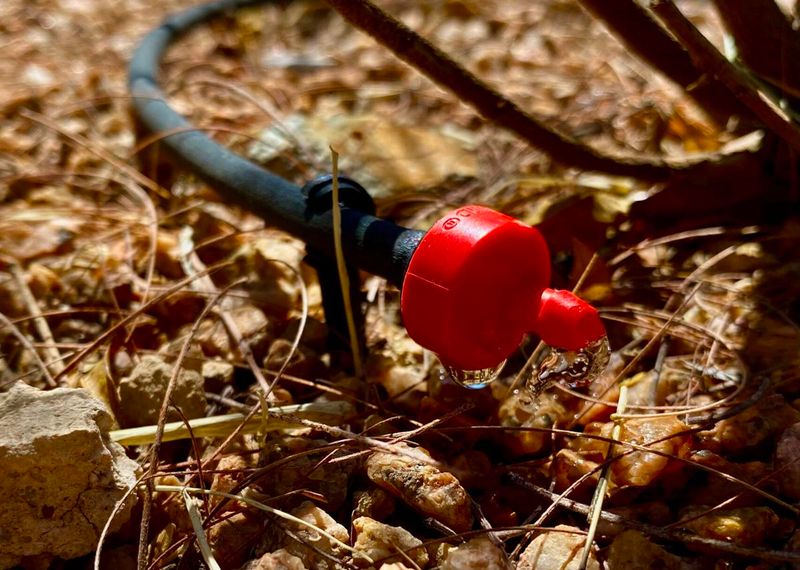
Walk out to your tree this week and look at how you are watering it. Summer heat pulls a lot of moisture out of the soil, but as days shorten and nights cool, an established tree generally needs water less often.
A timer left on its hot-season setting can keep the root zone wetter than it needs to be.
Treat this as a useful check rather than a deadline.
University of Arizona irrigation guidance describes watering needs that shift with the season, and your own yard decides how that plays out.Look at your controller, your emitters, and the soil itself. Ask whether the tree is getting water as often as the weather calls for.
Then adjust to fit your tree, your soil, and your setup. A good watering check supports healthy care, but it does not guarantee next year’s crop.
Use seasonal watering intervals as a starting point
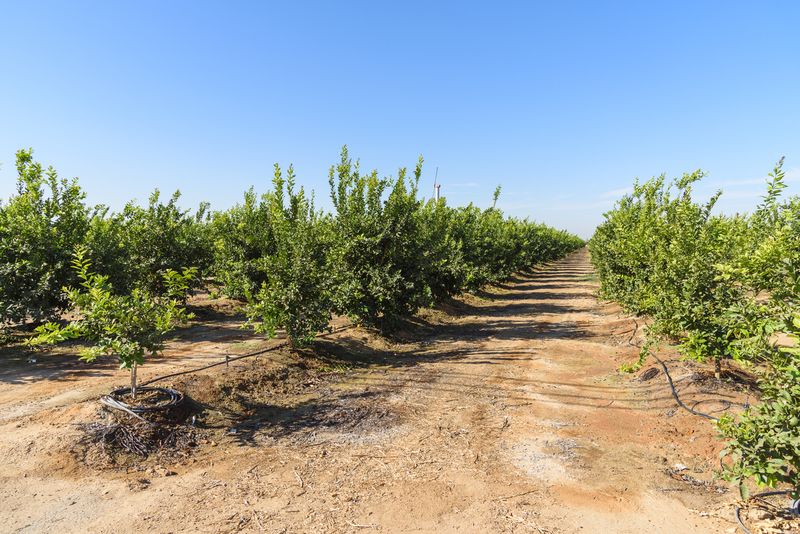
For established trees, Extension guidelines suggest watering about every 14 to 21 days in October and November. In December through February, the interval stretches to about every 21 to 30 days.
Think of those numbers as a starting point, not a rule.
Several things can move the schedule. Rainfall can let you skip a watering, and a warm, dry spell may call for one sooner.
Tree age matters, since young trees have smaller root systems. The irrigation method matters too, because a drip line and a flood basin deliver water differently.
Soil is a big one. Sandy or gravelly ground generally calls for more frequent watering than heavier soil, because water drains through it faster.
Caliche layers can complicate things as well.
Your Arizona Garden Changes Every Week. Your Plan Should Too.
Gardening in Arizona changes quickly throughout the season. Every Friday you’ll receive a simple weekly plan showing exactly what to plant, prune, fertilize, harvest, and protect so you never miss the right timing.
If your neighbor waters on one schedule and your tree looks happy on another, that is no surprise. Use the range as a guide, then let your soil and tree tell you what fits.
Wet the root zone and check soil moisture
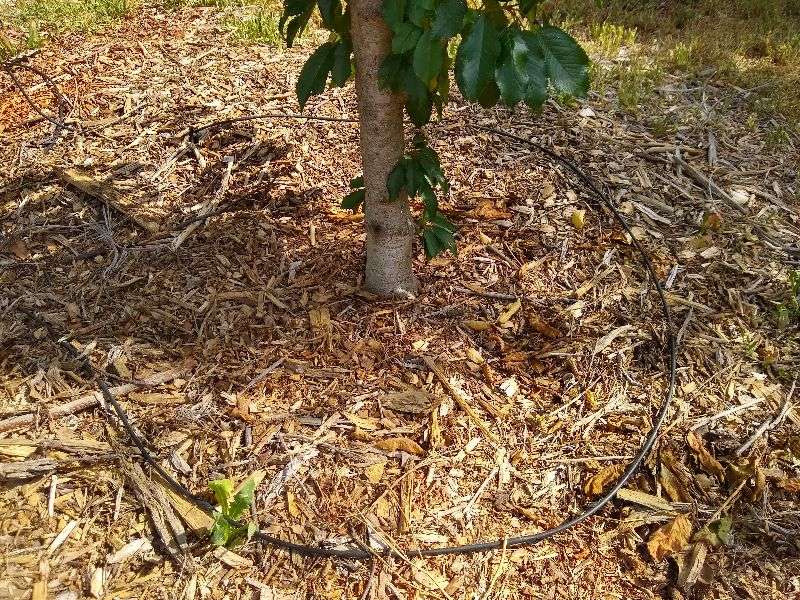
Where the water lands counts as much as when. Citrus roots reach well past the trunk, so aim to wet the soil from near the trunk to beyond the canopy’s drip line.
A trickle at the base alone leaves much of the root zone dry.
For timing, let the soil tell you. Extension guidance suggests letting the soil dry about six inches down between irrigations.
A simple check works well. Push a long screwdriver or soil probe into the ground a day or two before you plan to water.
If it slides in easily and comes out damp, hold off. If the soil is dry at that depth, it is time.
Assess frost risk separately
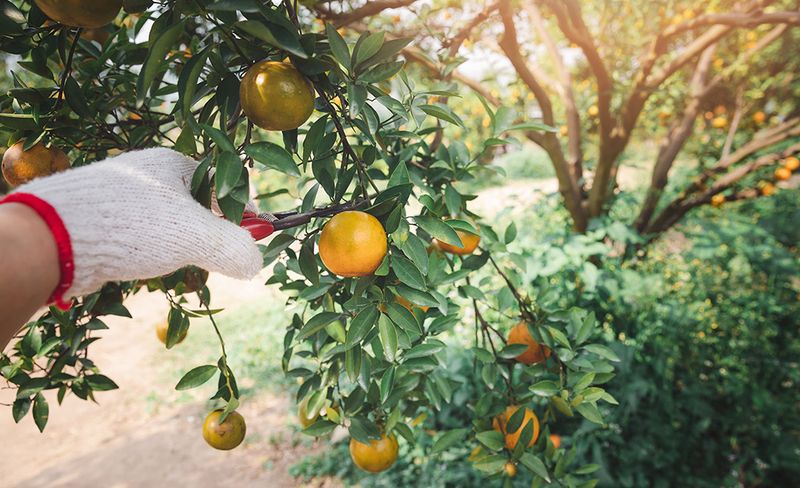
Frost is its own question, and the answer depends on where you live and what you grow. University of Arizona cold-protection guidance notes that lemons and limes are less cold-tolerant than oranges, grapefruit, and mandarins.
A lemon in a low, cold pocket faces more risk than an orange on a warmer slope.
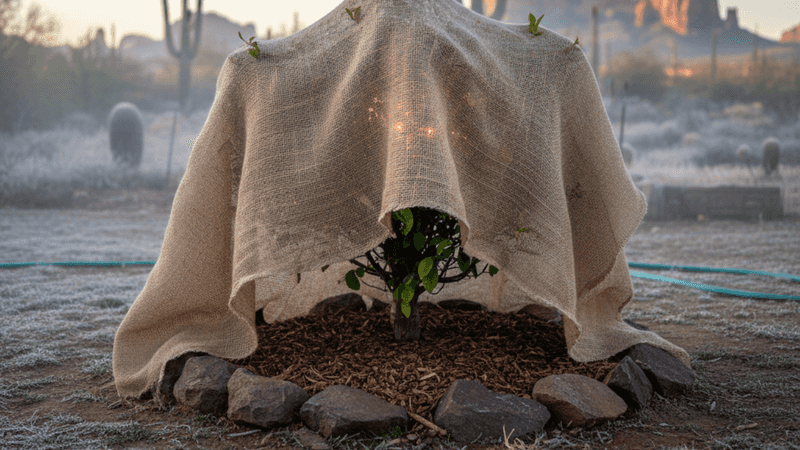
When a frost forecast shows up, respond to the actual event and the tree in front of you. Covering small trees and keeping the soil moist are possible measures.
They are options, not promises.
Protection is generally less successful during a prolonged, windy freeze. So watch the forecast, know your own yard’s cold spots, and set realistic expectations for how much a cover can do.
Choose care for your tree, not a promised harvest
Good citrus care comes down to a few matched habits: review your watering as the weather cools, follow the fertilizer schedule for your specific citrus type, and think about frost risk where you live.
None of this locks in next year’s crop, and the guidance never says one late-season action will. Your tree, your soil, and your weather all have a say.
Citrus rewards steady attention far more than any single big move.