Why Suet Attracts Raccoons In Pennsylvania And How To Prevent It
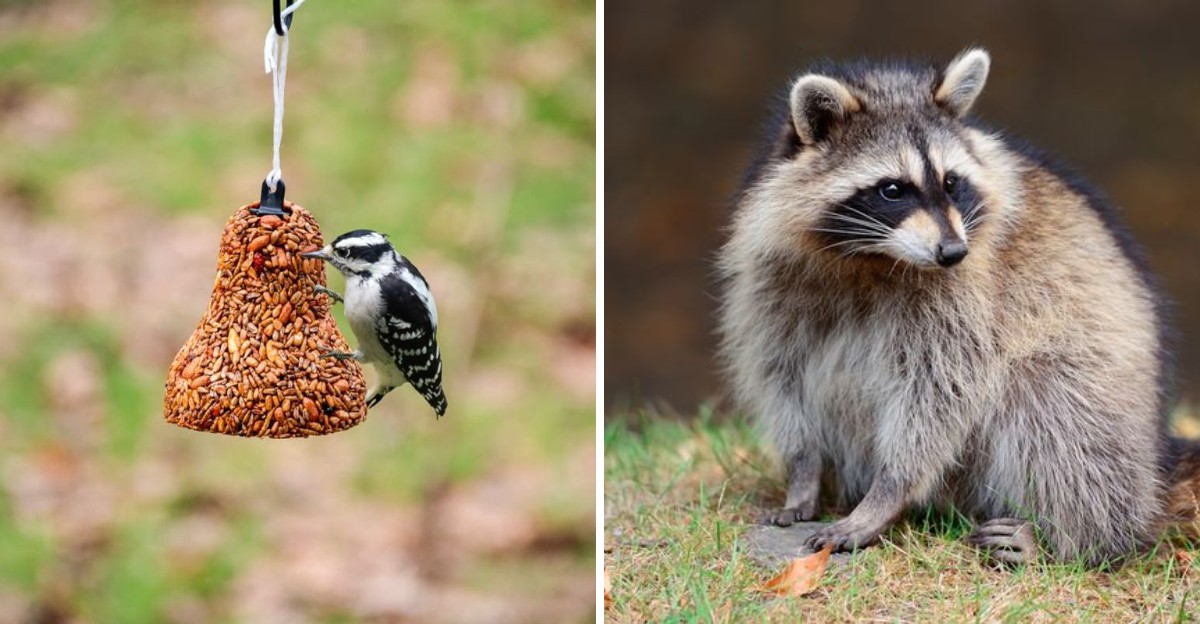
A single raccoon can pull a wire cage open with front paws that work almost like small human hands. I learned that the hard way one October morning. My feeder was empty, the clip was bent, and muddy little handprints decorated the deck rail.
To my surprise, the culprit was not after birdseed at all. It wanted the greasy cake I hung for woodpeckers and chickadees. Pennsylvania backyards make a perfect late-night buffet for these clever climbers.
You are not alone if your feeders keep getting raided after dark. The bandits have a sharp nose, strong fingers, and plenty of patience. Personally, I think they deserve a little respect for their skills.
Still, nobody wants to refill a feeder every single morning. So what makes that block of fat so irresistible, and how do you keep those masked visitors out for good?
1. That Greasy Woodpecker Cake Smells Like Dinner To A Raccoon
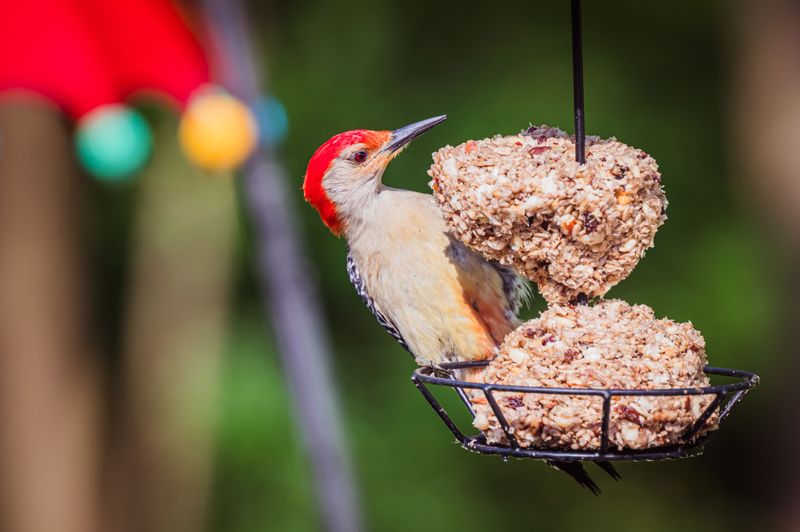
Suet is basically pure energy wrapped in a wire cage. Made from animal fat, often mixed with seeds, oats, or dried fruit, it packs far more calories per bite than most foods a raccoon finds in the wild.
Raccoons are omnivores with a very flexible menu. They happily eat insects, fruit, nuts, eggs, frogs, crayfish, and our leftovers. A rich block of fat fits right into that grab-anything lifestyle.
Their noses do most of the work. A raccoon has an excellent sense of smell, and suet gives off a strong, fatty scent that drifts across the yard on a calm night. Once one finds a reliable source, it tends to come back.
Timing matters too. In fall, raccoons pack on fat to get through the cold months, since they slow down and rest in dens during harsh winter weather. In late spring, mother raccoons need extra calories while nursing and raising their young.
So that cake you hung for downy woodpeckers might look like a free energy bar to a hungry raccoon. Knowing what draws them is the first step toward outsmarting them.
2. Bring The Suet Feeder Inside Before The Sun Goes Down
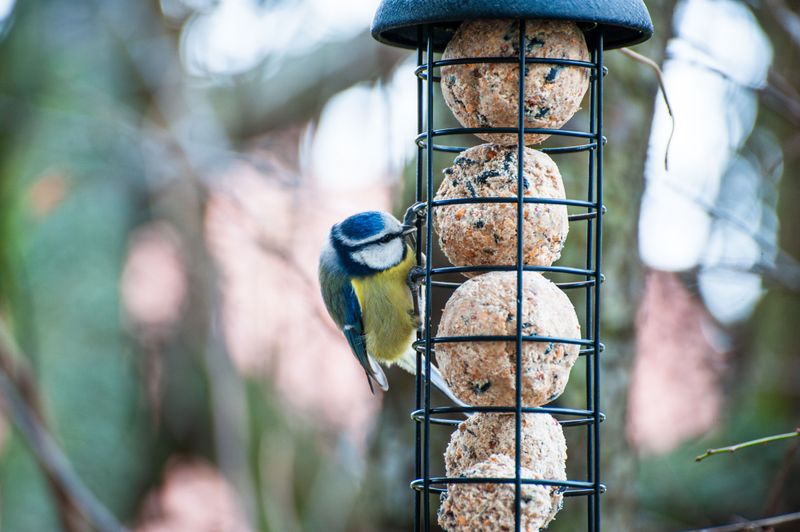
My favorite fix costs nothing at all. Raccoons are mostly nocturnal, so taking your suet feeder indoors at dusk removes the prize right when they start their rounds.
Store the feeder somewhere secure, like a garage, shed, or closed porch. A flimsy plastic tub outside will not stop curious paws, and the smell can still lure them close to your house.
Then hang it back up in the morning. Woodpeckers, nuthatches, titmice, and chickadees feed during daylight, so your birds miss very little. Many of them visit heavily in the early morning, so try to rehang the feeder soon after sunrise.
I keep my feeder on a hook right by the back door. It takes about ten seconds each evening, and it quickly becomes part of the routine, like locking up or turning off the porch light.
One tip from experience: be consistent. A raccoon that scores a meal even once or twice a week will keep checking.
When the feeder disappears every single night, the visits usually fade as the animal learns your Pennsylvania yard is a no-snack zone.
3. A Wide Raccoon Baffle On The Pole Stops Climbers Cold
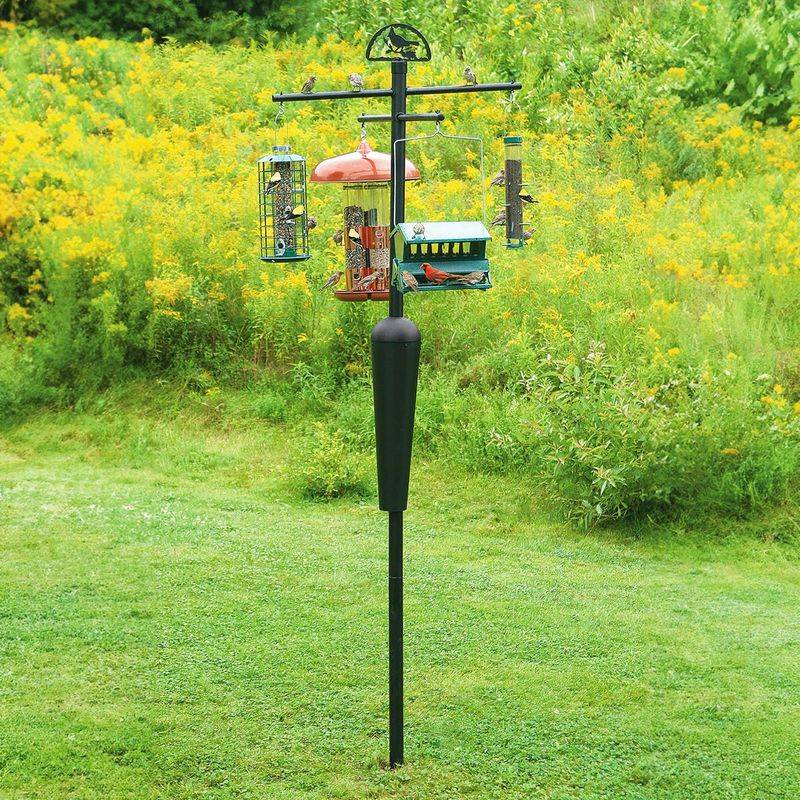
Raccoons climb like furry little acrobats. Trees, fences, wooden posts, and thin poles give them plenty of grip, so a feeder on a simple shepherd’s hook is an easy target.
A proper baffle changes the game. Look for a cylinder or stovepipe style baffle made for raccoons, at least 24 inches tall and wide enough that they cannot wrap their arms around it.
Height is the secret. Mount the baffle so its bottom sits roughly 4.5 to 5 feet above the ground. Too low, and a raccoon can stand up or hop over it. Too high, and it climbs the pole beneath and reaches past the baffle.
Pick a smooth metal pole rather than wood. Raccoons have trouble gripping slick metal, which adds another hurdle.
Small dome baffles sold for squirrels often fail against raccoons. These mammals are heavier, smarter, and can reach farther, so a squirrel baffle may only slow them down.
Once my baffle went up, the late-night raids stopped within a week. I still smile picturing a puzzled raccoon staring up at that shiny tube, trying to figure out the next move.
4. Move That Feeder Away From Fences, Decks, And Tree Branches
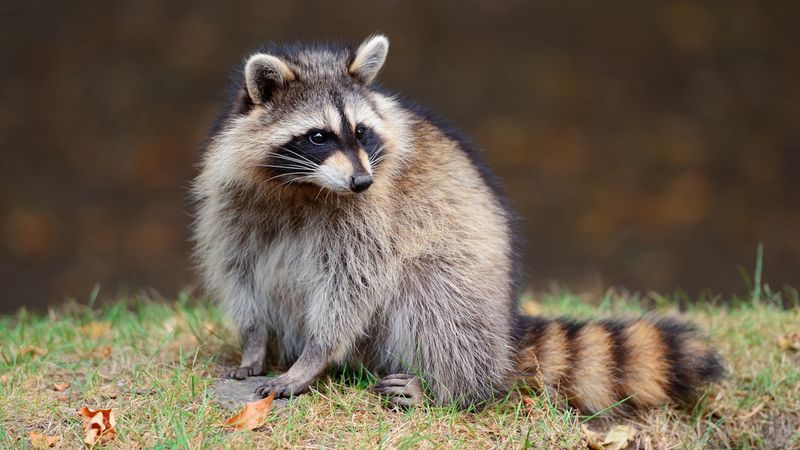
Even the best baffle fails if a raccoon can simply jump past it. These animals use decks, railings, roofs, fences, and overhanging branches as launch pads.
Aim to keep your feeder at least 10 feet away from anything a raccoon could climb or leap from. Measure across the ground and also look up for low limbs that stretch toward the pole.
An open spot in the lawn works great. Birds still like having shrubs or trees nearby for quick cover from hawks, so try to strike a balance. A spot about 10 to 12 feet from a bush gives birds a nearby hideout without handing raccoons a ladder.
Hanging suet straight from a tree branch is asking for trouble. Raccoons climb tree trunks with ease, then walk the branch or lean down to grab the feeder.
Walk your yard at dusk and think like a raccoon. Where would you climb? What could you jump from?
I found a forgotten wheelbarrow leaning near my pole, and it turned out to be the perfect step stool. Small tweaks in placement often solve problems that gadgets alone cannot fix.
5. Hot Pepper Suet Cakes Burn Raccoons But Not Your Birds
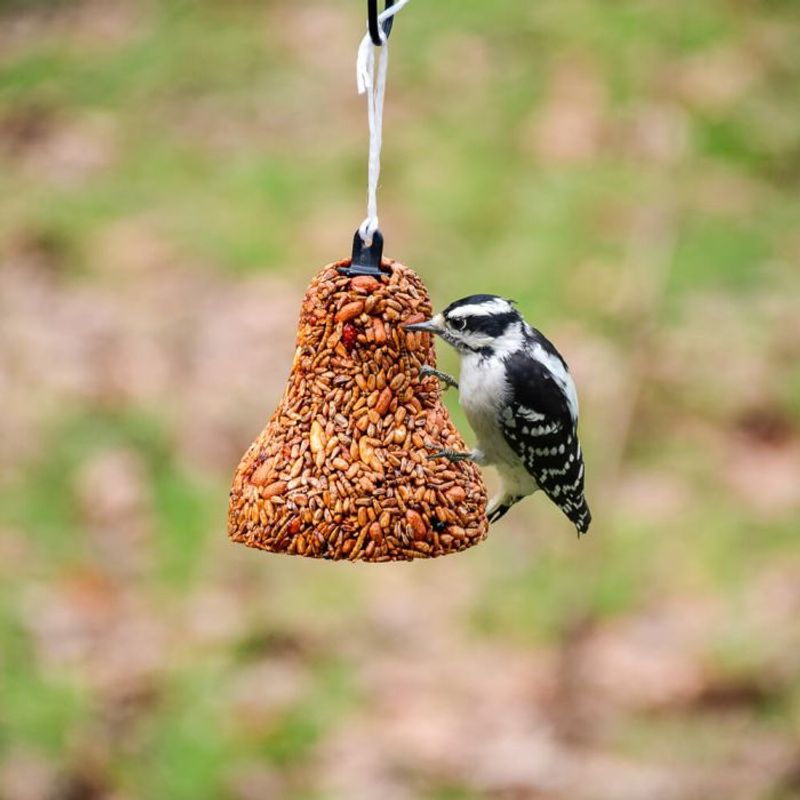
Here is a fun twist from biology class. Birds do not feel the burn of capsaicin, the compound that makes hot peppers spicy, but mammals like raccoons and squirrels do.
Many companies sell suet cakes already blended with hot pepper. Woodpeckers, nuthatches, and chickadees eat it like normal food, while furry raiders often get one mouthful and back off.
Choose a pre-made pepper suet rather than sprinkling chili powder on regular cakes. Loose powder can blow around, get into birds’ eyes, and irritate them. It can also get on your own hands and face while you refill the feeder.
Results can vary from one raccoon to the next. A very hungry animal may keep eating anyway, especially during a cold snap or when other food is scarce. That is why pepper suet works best as one layer of defense, not the only one.
I pair mine with a baffle and nightly removal. The combination has worked better for me than any single trick.
Fun fact: birds actually helped spread wild pepper seeds in nature, since the seeds pass through them unharmed and land in new places to sprout.
6. Smaller Suet Portions Leave An Empty Cage By Nightfall
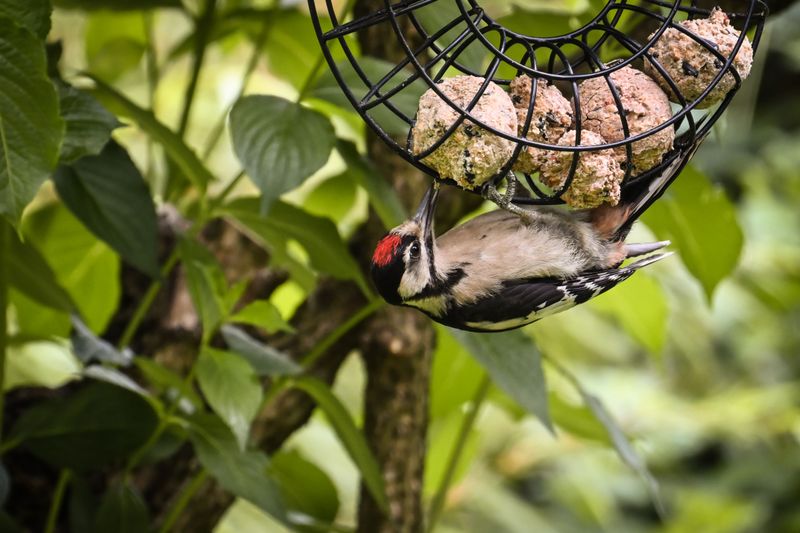
Sometimes the smartest move is simply offering less. If your birds finish the suet before dark, the raccoons arrive to an empty cage.
Watch how fast your flock eats for a few days. Note how much is left by late afternoon. Then cut cakes in half, use smaller suet plugs, or refill only part of the feeder each morning.
Winter usually brings bigger crowds and faster eating, so your portions may need to grow when the temperatures drop. In milder weather, birds have more natural food like insects, so a small amount often goes a long way.
Warm-weather tip: soft suet can melt or spoil in summer heat. If you feed suet in the warmer months, pick no-melt dough types and offer modest portions so nothing sits out too long.
I keep leftover halves wrapped in the freezer. It feels like meal prep for my backyard birds, and it keeps the cakes fresh longer.
Rationing also helps you notice other visitors. If food vanishes overnight even with careful portions, you know someone furry is still finding a way in, and you can adjust your setup.
7. Trash Cans, Pet Bowls, And Fallen Fruit Keep Raccoons Coming Back
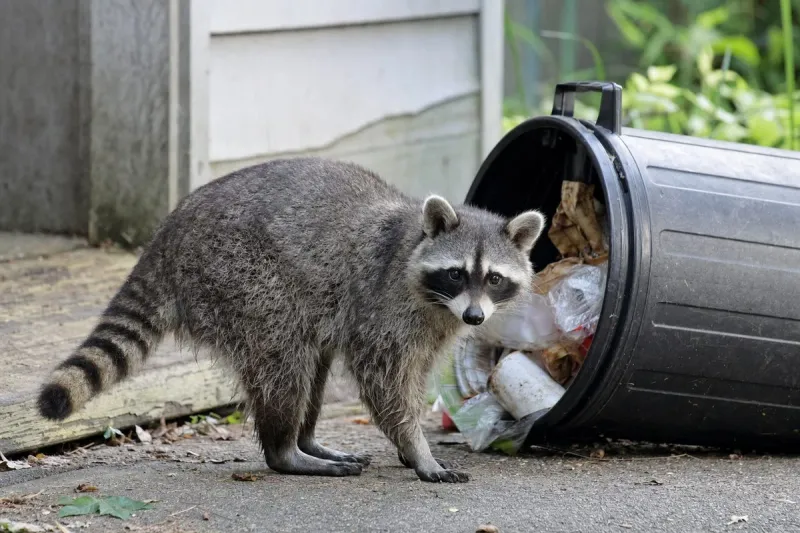
A raccoon rarely visits a yard for just one snack. Usually it is running a whole route, and your suet might be only one stop.
Garbage tops the list. Use sturdy cans with tight or locking lids, and consider strapping them shut or storing them in a garage until pickup day. Rinse out food containers before tossing them to cut down on smells.
Pet food is another big draw. Feed cats and dogs indoors when you can, and bring bowls inside before evening. Store bags of kibble and birdseed in metal bins with snug lids.
Do not forget the garden. Pick up dropped apples, pears, and nuts, and harvest ripe sweet corn and berries promptly. Raccoons love these treats, and they quickly learn which yards offer them.
Compost bins can attract them too, especially if they hold meat or greasy scraps. Stick to plant material and use a closed bin.
Across Pennsylvania, raccoons thrive in towns and suburbs largely because food is so easy to find. Take away the extras, and your yard becomes far less interesting to these masked night shoppers.
8. Keep Your Distance From That Masked Backyard Visitor
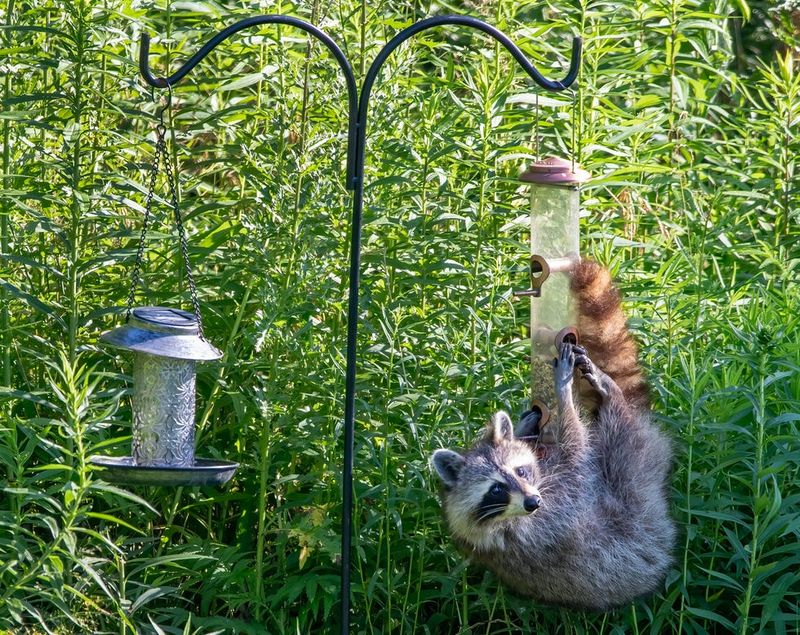
Cute as they are, raccoons are wild animals and deserve plenty of space. Never try to hand-feed, pet, or corner one.
The Pennsylvania Department of Health lists raccoons as a major rabies vector species in the state. Most raccoons you see are healthy, but any bite or scratch should be taken seriously. Wash the wound well and contact a doctor right away.
Watch for odd behavior, such as stumbling, circling, unusual tameness, or aggression. Raccoons are sometimes out during the day for normal reasons, like a mother gathering food, but strange movement is a warning sign.
Call your local animal control or the Pennsylvania Game Commission if something seems wrong.
Thinking about trapping and moving one? Pause first. State rules generally do not allow relocating trapped raccoons, partly to slow the spread of rabies, so a licensed wildlife control operator is the safer choice for serious problems.
Keep pets current on rabies shots, too. The best takeaway is simple. Remove the food, block the climb, and stay consistent. Raccoons will move on to easier pickings, and you can enjoy your woodpeckers in peace.