Why Texas Fort Worth Botanic Garden Is Worth The Fall Drive
Some places are worth a few extra hours on the road. In the fall, the Fort Worth Botanic Garden is one of them.
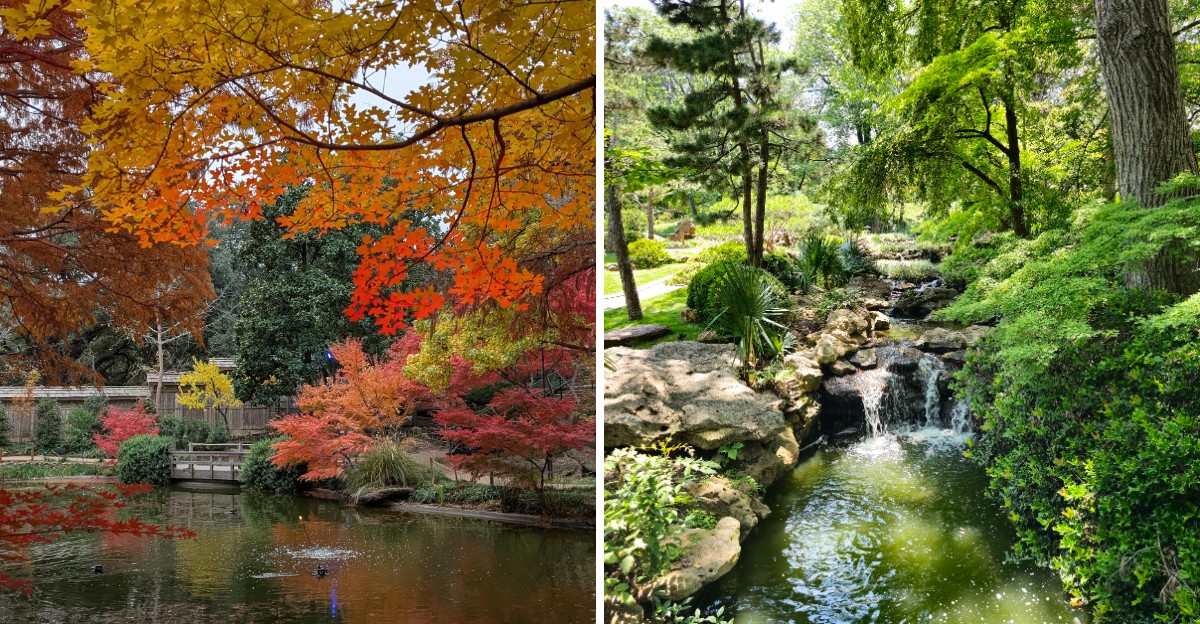
As the Texas heat finally fades, this garden settles into its best season. The air turns crisp, and the Japanese Garden comes alive as its maples cover the walkways in bright orange leaves.
A slow stroll past koi ponds and stone paths feels miles away from the busy city outside.
There’s plenty more to explore, too. As the oldest botanic garden in Texas, it spreads across 120 acres with 23 specialty gardens, from the Rose Gardens to the Native Texas Boardwalk.
Grab your walking shoes, clear your Saturday, and plan to stay a while. One visit this fall might turn into a yearly tradition.
1. A Historic Garden With 23 Specialty Gardens
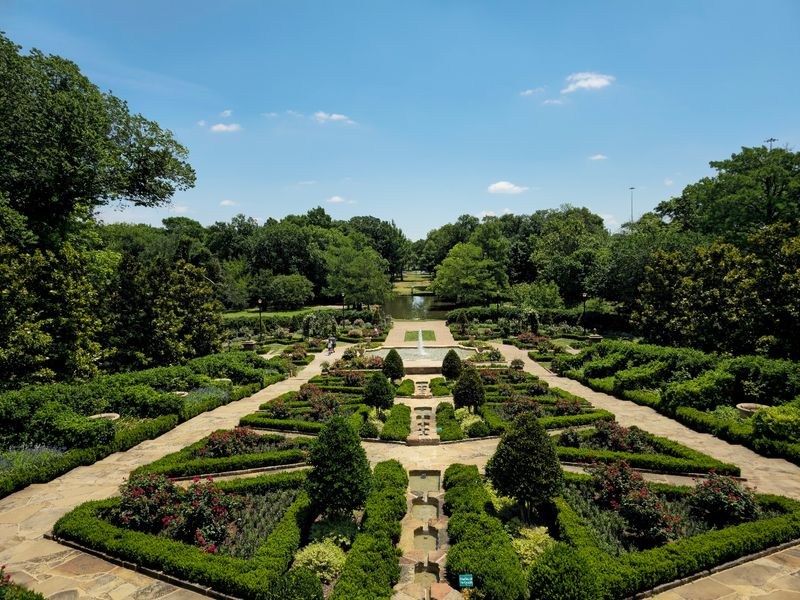
Texas has plenty of green spaces, but only one is the oldest major botanic garden in the state. The Fort Worth Botanic Garden officially began in December 1934.
That is when the 37.5-acre Rock Springs Park, which dates to 1912, joined the newly dedicated Rose Garden from 1933.
The garden earned a spot on the National Register of Historic Places in 2009. Today the campus covers 120 acres. You will find it at 3220 Botanic Garden Blvd., Fort Worth, TX 76107.
Inside, 23 specialty gardens wait to be explored. Together they hold more than 2,500 plant species. Each area has its own mood, so a walk here never feels repetitive.
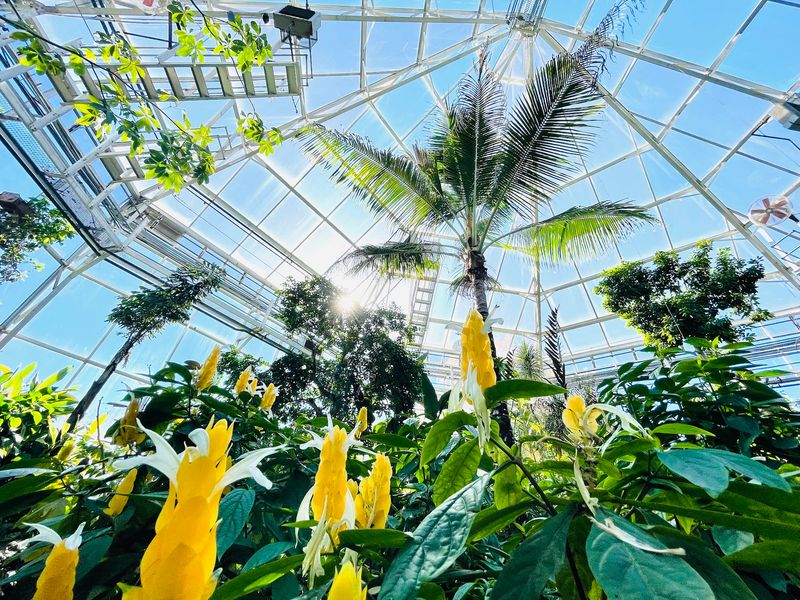
The tropical conservatory is a warm retreat when the weather turns cool. The native boardwalk winds through shady woods and shows off local plants. The water conservation garden is a great classroom for anyone who wants a tough, thrifty yard.
Then there is the historic Rose Garden, where brick and wooden arbors lead the way. The Perennial Garden adds layers of color and texture. Visitors often say every section feels like its own little world.
Here is a handy tip for home gardeners. Bring a notebook and snap photos of plants that look happy in the Texas climate. One reviewer called it a great place to get ideas on plants that will do well here.
Plan on at least two hours. Many guests stay longer and still feel there is more to see. Wear comfy shoes, carry water, and take your time.
2. The Japanese Garden In Fall
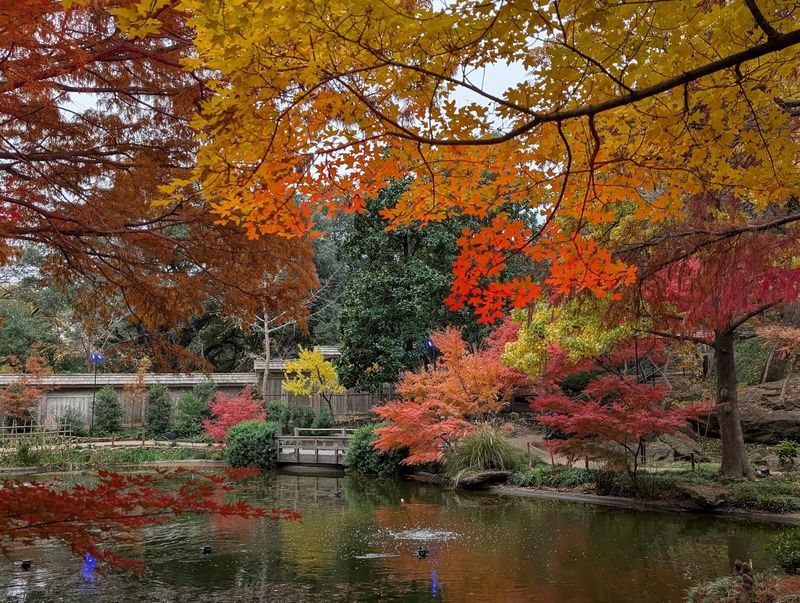
Red leaves reflecting on still water can slow down even the busiest mind. That is the magic of the 7.5-acre Japanese Garden, dedicated in 1973. Reviewers often call it the highlight of the whole visit.
The space blends several traditional styles, including Hill-and-Pond, Dry Landscape, Tea Garden, and Enclosed-Garden types.
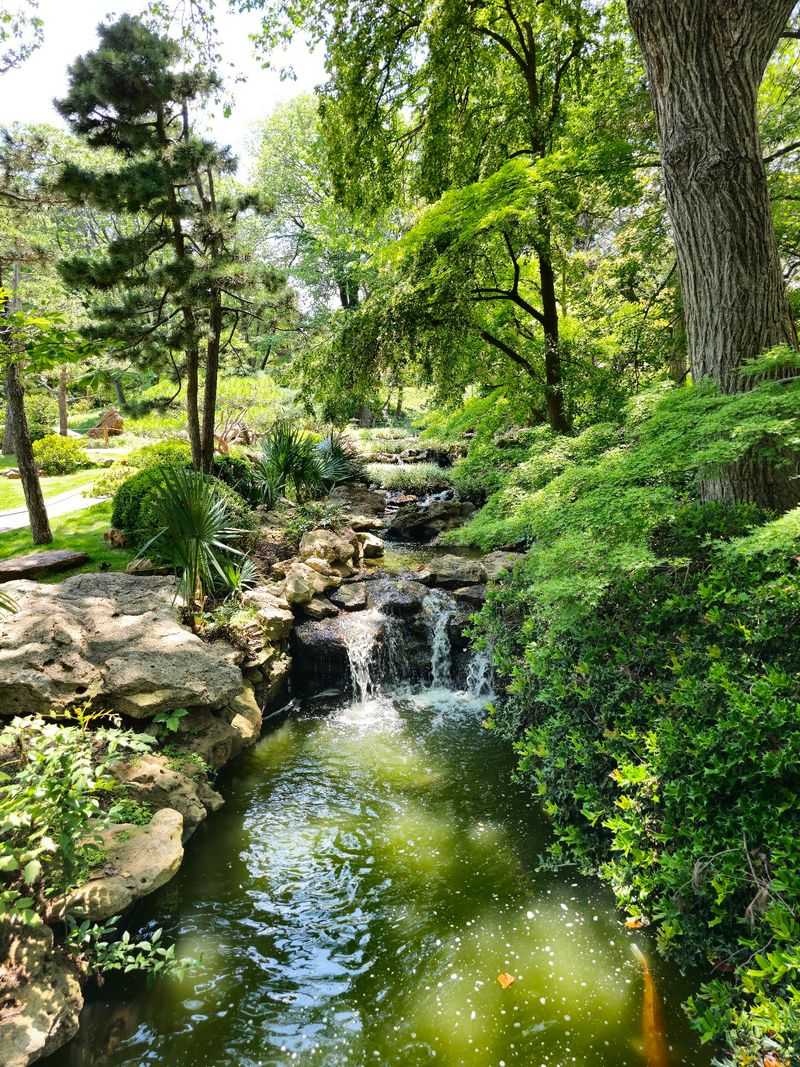
The result is a stroll garden, built for wandering. Winding paths lead to koi-filled ponds, waterfalls, bamboo groves, and a traditional pagoda.
As fall arrives, the Japanese maples glow in bold reds. The design also reflects an idea called Mono no Aware, which celebrates the bittersweet beauty of changing seasons. Stand on a bridge for a minute and you will understand it.
Want to learn more? Guided open tours meet in the Japanese Garden Courtyard on select Saturday mornings from 10 to 11 a.m.
Your Texas Garden Changes Every Week. Your Plan Should Too.
Gardening in Texas changes quickly throughout the season. Every Friday you’ll receive a simple weekly plan showing exactly what to plant, prune, fertilize, harvest, and protect so you never miss the right timing.
Fall dates are October 17 and November 21, 2026. Docents share stories about the garden’s history and the plants and animals that live there.
Tours are first come, first served and hold up to 15 guests. They come with paid admission and are free for members. Arrive a little early to claim your spot.
Gardeners can pick up design ideas here too. Notice how rocks, water, and evergreens balance each other. Many visitors also enjoy feeding the huge koi, which is relaxing and fun.
3. The Fall Japanese Festival
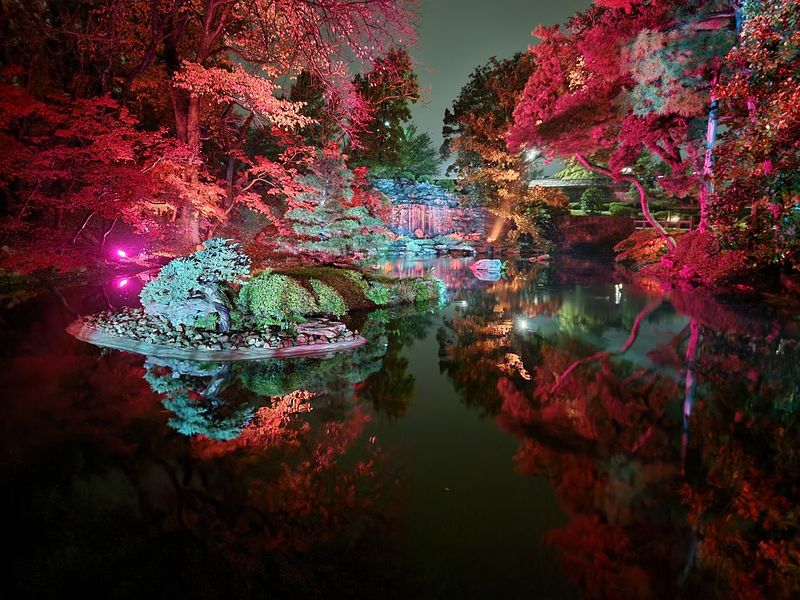
Thousands of people can be wrong about a lot of things, but not about this festival. Past spring festivals drew over 14,000 visitors, and fall events have welcomed more than 8,000 guests. It ranks among the garden’s biggest yearly events.
The Fall Japanese Festival is presented with the Fort Worth Japanese Society. This year it runs November 7 and 8, 2026, from 9 a.m. to 5 p.m. each day. Last entry is at 4 p.m.
Expect powerful taiko drumming that you can feel in your chest. Graceful traditional dance, martial arts, and sword demonstrations fill the stages. Tea ceremonies offer a quiet look at a treasured custom.
Wander the vendor area for art and gifts. Some items range from origami jewelry to crafts made from vintage kimonos. Food trucks keep hungry crowds happy.
Kids can try origami, calligraphy, and Japanese games. These hands-on crafts make the day easy for families. Everyone leaves with something new to remember.
Members get in free, while non-members attend with paid garden admission. Come early to beat the lines and see the Japanese Garden before the biggest crowds arrive. Bring a hat and a light jacket, since November weather can swing from warm to chilly.
4. The Fall Plant Sale
Ask any gardener and they will tell you fall is the best time to plant. Roots grow strong in cool soil, and spring blooms come out stronger. The garden’s Fall Plant Sale gives you the perfect excuse to shop.
Members get first pick on Thursday, October 1, 2026, from 2 to 6 p.m. They also save 10 percent on purchases.
The public sale opens Friday, October 2, from 2 to 6 p.m., and continues Saturday, October 3, from 9 a.m. to 2 p.m.
The sale happens at The Grove. Horticulture experts hand-pick the plants, so you are not buying random leftovers. Choices include native perennials, annuals, trees, and shrubs.
Pollinator-friendly favorites are a big draw. Bees, butterflies, and birds will thank you for adding them to your yard. Native plants also handle Texas heat and dry spells better.
Staff and volunteers are on hand to answer questions. Tell them about your sunlight, soil, and space. They can steer you toward plants that will actually thrive.
Bring a wagon or sturdy boxes for your haul. Measure your garden beds before you go. A short list keeps you from buying more than you can plant in a weekend.
5. Live Music And Seasonal Events
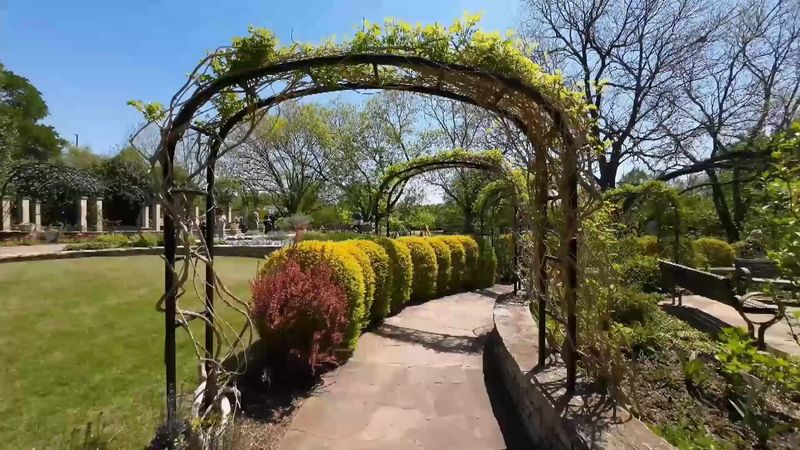
Grab a blanket and let the evening do the work. Blooms & Beats turns the Horseshoe Garden into an open-air concert venue. Local artists play while the fall scenery fades into dusk.
The October session is Friday, October 9, 2026, from 6:30 to 8:30 p.m. Joseph Neville is scheduled to perform. Tickets cost $18 for the general public and $15 for members.
Food and drinks come from the Flora House Cafe. Adult beverages are available too. Yard games keep kids and grown-ups busy between songs, and you are welcome to bring lawn chairs and blankets.
The calendar holds plenty more. Dog Days, set for October 10 and 11, 2026, lets pups explore during regular hours for an extra $5. Hydration stations help keep four-legged guests cool.
The Blessing of the Animals takes place October 18, 2026, from 5 to 6 p.m. at the Garden Center. Día de los Muertos is observed on November 1. A Hispanic heritage celebration called ¡Celebramos! runs from late September through October.
Its kickoff on Saturday, September 19, 2026, is a free admission day. Expect a Latin American Flag Parade, a dance party, and food. Check the garden’s website before you go, since dates and prices can change.
6. A Brand-New Family Garden
Kids rarely hear the word yes in a garden, and that is exactly the point here. The new Baker Martin Family Garden is called a garden of yes. Touching, splashing, and exploring are all encouraged.
This two-acre space is the first major addition in nearly two decades. It is a cornerstone of the garden’s 20-year master plan. Terra Design Studios created the design.
A 150-foot shallow creek lined with Texas limestone is the star. Children can float leaves and build small dams. A living Texas pond holds native amphibians, fish, and dragonflies.
Eleven themed gallery spaces spark curiosity. Sky-inspired zones add misters and music. Open lawns make room for running, while classrooms and reading nooks offer quiet breaks.
There is also a Flower Burst Kaleidoscope and interactive art. Members get early access starting this fall, with full member access in mid-November. The public opening is expected in late March 2027, timed with spring blooms.
The garden honors Louella Baker Martin, a Fort Worth Garden Club member whose lead gift helped fuel a $20 million campaign. The City of Fort Worth added $6 million for infrastructure. The project is aiming for LEED Platinum certification.