Northern Mockingbirds Do More For Texas Gardens Than Many Homeowners Realize
Many people hear it before they see it.
A bold, complicated song coming from somewhere on the fence line, switching melodies every few seconds like the bird is shuffling through a playlist.
That is the Northern Mockingbird, and it is one of the most common backyard birds in Texas. It is also one of the most overlooked in terms of what it actually does for a garden.
Not in a vague, nature-is-beautiful kind of way. In a specific, measurable, this-bird-is-actively-patrolling-your-beds kind of way.
Texas gardeners who pay attention to where mockingbirds spend their time start to notice patterns that are genuinely interesting.
The spots they return to. The way they work a bed before many people are even outside with their coffee. The fact that a yard with a resident mockingbird tends to function a little differently than one without.
There are eight reasons for that, and none of them require you to do much at all.
1. Welcome A Steady Insect Scout
A gray bird perched low on a shrub branch, head tilting left, then right, watching the garden floor with focused attention.
That bird is not resting. It is actively scouting for insects, and it is surprisingly good at the job.
Northern Mockingbirds eat a wide range of insects throughout the year, including beetles, grasshoppers, ants, and caterpillars, making them one of the more versatile insect feeders visiting a Texas yard on any given day.
Mockingbirds shift their diet seasonally, eating more insects in warmer months when bug populations surge. This makes spring and summer their most active hunting seasons, which also happens to be when Texas gardens face the heaviest insect pressure.
A single bird can cover a surprising amount of ground in one day, hopping and pausing across beds, borders, and open soil with methodical efficiency.
Mockingbirds are not picky about where they hunt. They work mulched beds, bare soil patches, lawn edges, and the base of shrubs with equal enthusiasm.
Gardeners who notice fewer grasshoppers around certain areas of their yard might have a resident mockingbird to thank, and they may not even realize the connection.
Keeping low-growing native plants and some open soil patches near garden beds gives these birds easy access to the insects hiding just below the surface.
A garden that looks tidy to you looks like a well-stocked pantry to a mockingbird, and once a bird learns where the reliable food is, it comes back every single morning without needing any encouragement from you.
2. They Patrol Open Lawns For Movement
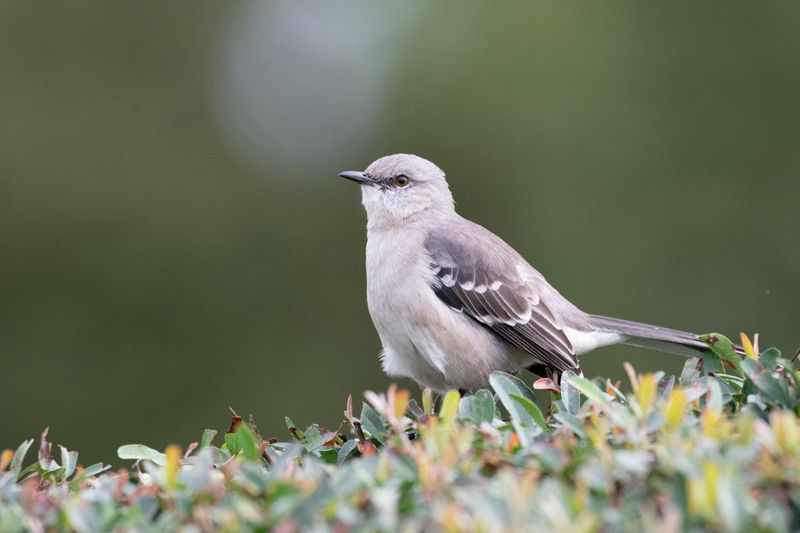
A lawn that looks empty to human eyes is full of signals to a mockingbird.
These birds are remarkably skilled at reading subtle movement in grass and soil, spotting beetles, grubs, and other insects that most people would walk right past without noticing.
Open lawn areas are prime foraging territory, and Northern Mockingbirds use them with impressive efficiency.
The way they move is part of what makes them effective. A mockingbird walks a short distance, stops sharply, and stares at the ground before lunging forward to snatch something.
Your Texas Garden Changes Every Week. Your Plan Should Too.
Gardening in Texas changes quickly throughout the season. Every Friday you’ll receive a simple weekly plan showing exactly what to plant, prune, fertilize, harvest, and protect so you never miss the right timing.
This stop-and-go pattern is not random. It is a calculated search method that helps the bird detect movement below the grass blades. Open turf areas with short grass are especially attractive to foraging birds because prey has fewer places to hide.
Homeowners who maintain some open lawn space near garden beds are essentially creating a hunting corridor for mockingbirds.
You do not need a large yard to make this work. Even a narrow strip of short grass between a bed and a fence can serve as a regular patrol route.
Mowing regularly, avoiding heavy thatch buildup, and keeping at least one open section of lawn near planted areas gives mockingbirds the visibility they need to work efficiently.
They return to the same patrol routes day after day once they learn where the food is, which is the kind of reliable garden ally that requires absolutely nothing from you except not blocking their view. Pretty good deal, honestly.
3. Berry Shrubs Keep Them Visiting Longer
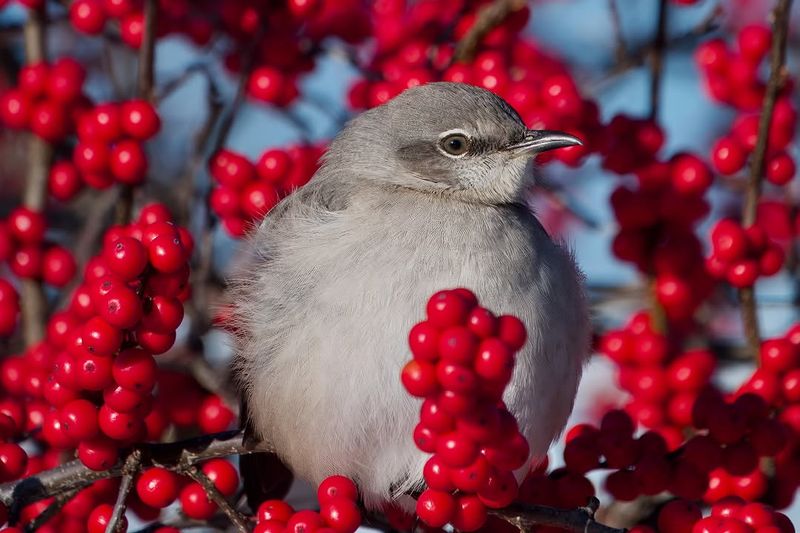
Walk past a beautyberry or yaupon holly in late summer and you might catch a mockingbird working the branches like it owns the place.
Fruit is a major part of the Northern Mockingbird diet, especially in cooler months when insects become less available.
The right berry-producing shrubs can turn your yard into a reliable seasonal stop that keeps birds coming back week after week rather than just passing through.
Fruit can make up more than half of a mockingbird’s diet during fall and winter.
In Texas, native fruiting shrubs like Texas beautyberry, elderberry, American beautyberry, and yaupon holly are particularly attractive.
These plants produce berries that ripen at staggered times, which means a well-planted yard can offer fruit across multiple seasons rather than just one short window.
Planting even two or three fruiting shrubs near each other creates a small food hub that mockingbirds will defend and return to regularly.
You may notice territorial behavior around these shrubs, with a resident bird chasing off other species to protect the food source.
That might sound aggressive, but it also means the bird is spending significant time in your yard, which translates directly to more insect scouting across the rest of your garden beds.
Native shrubs do double duty here, feeding birds during fruiting season while also supporting pollinators when they flower.
Two ecological benefits from one plant is the kind of math that makes a gardener feel genuinely clever about their choices.
4. Dense Shrubs Give Them Nesting Cover
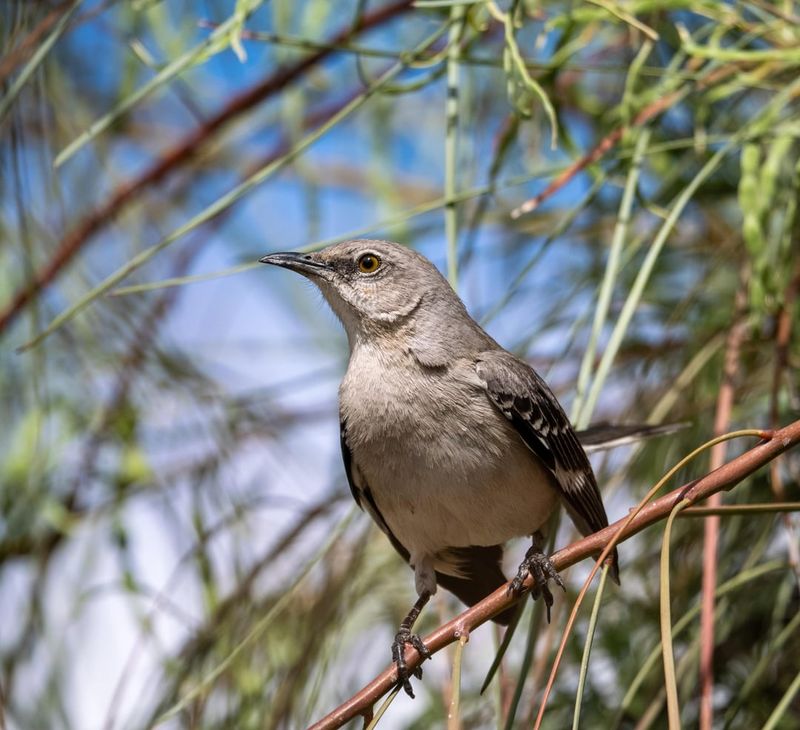
Somewhere in the middle of a thorny yaupon or a thick hawthorn, a mockingbird pair might already be raising a brood.
These birds are particular about where they build nests, preferring dense shrubs and small trees that offer both concealment and structural support.
A yard with the right nesting cover is far more likely to host a resident pair, which means year-round garden activity rather than just occasional visits during migration.
Northern Mockingbirds build cup-shaped nests using twigs, grasses, and plant fibers, placing them in shrubs or small trees between three and ten feet off the ground.
In Texas, common nesting plants include yaupon holly, hawthorn, roses, and dense native shrubs with branching structures that support a nest from multiple angles.
Mockingbirds often raise two to three broods per season, so a single nesting pair can be active in your yard from early spring through late summer.
Keeping a few dense, unpruned shrubs in a corner of the yard gives birds safe options without requiring any special effort from the homeowner.
Avoid heavy pruning during nesting season, which typically runs from March through August in most Texas regions.
Leaving some natural structure in the garden rather than trimming everything into tidy geometric shapes creates the layered habitat mockingbirds prefer when choosing a home base.
A yard that feels a little wild in exactly the right places is not a yard that needs more work. It is a yard that is doing more work than its owner realizes.
5. Wing Flashes Help Stir Up Insects
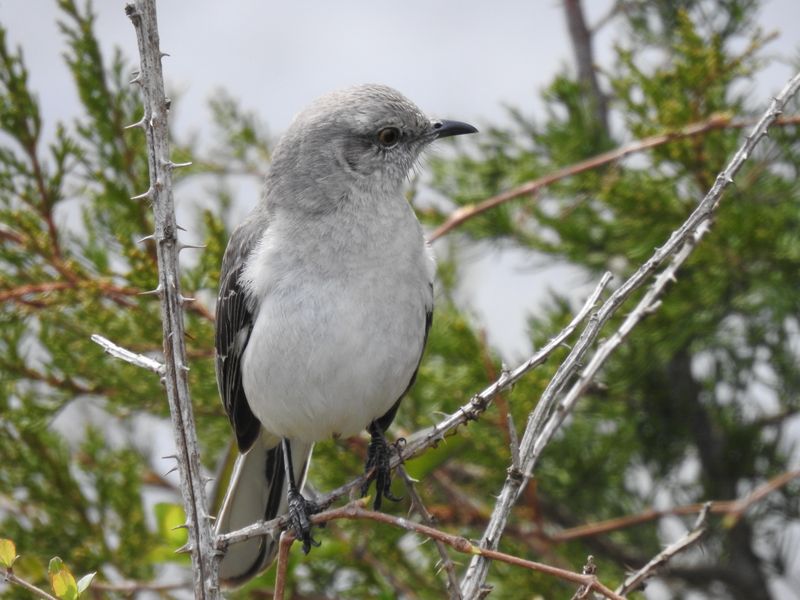
One of the stranger things you might see a mockingbird do is suddenly spread its wings wide, flash the white patches, hold the pose for a second, then snap them shut and lunge at the ground.
It looks theatrical. It is actually a clever foraging technique, and once you know what it means, you will watch for it every time you are in the garden.
This behavior is called wing flashing. One widely supported explanation is that the sudden white flash startles insects hiding in grass or leaf litter, causing them to move.
That movement gives the bird a precise target. Research has found that wing flashing is associated with foraging success, though it may serve multiple purposes depending on context.
What is clear is that the bird is not doing it randomly.
For gardeners, wing flashing is a useful signal. If you see a mockingbird wing flashing repeatedly in one spot, that area likely has concentrated insect activity worth paying attention to.
It could mean beetles, caterpillars, or other garden feeders are present in the soil or mulch just below the surface.
Watching where mockingbirds wing flash regularly can help you identify pest activity in the garden before the damage becomes obvious above ground.
Very few things in the yard offer that kind of free, real-time pest monitoring. A mockingbird doing its wing flash routine near your vegetable bed is essentially pointing at a problem and waiting for you to notice.
At that point, ignoring it feels almost rude.
6. Caterpillar Hunting Helps Balance The Garden
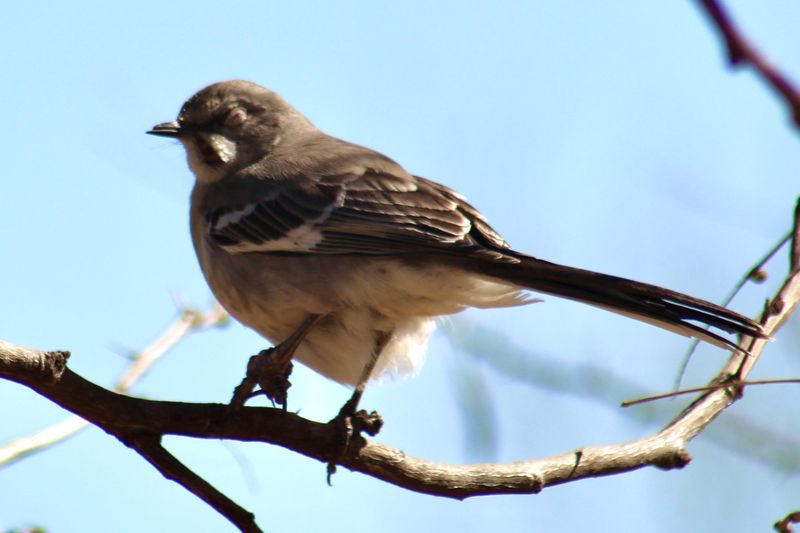
Caterpillars are some of the most damaging feeders in a Texas vegetable or flower garden, capable of working through leaves, stems, and fruit before many gardeners notice the problem.
Northern Mockingbirds eat caterpillars regularly during the warmer months, and their presence adds a layer of natural pressure that can make a real difference over time even if it does not eliminate every outbreak.
Mockingbirds tend to hunt caterpillars by sight, scanning plant surfaces and the ground below host plants for movement or color contrast.
They are particularly active in garden beds during morning hours when caterpillars are most exposed.
Texas gardens commonly host hornworm caterpillars, cabbage loopers, and various moth larvae that can cause significant leaf damage, and mockingbirds take these when they find them within reach.
It would overstate things to say mockingbirds solve caterpillar problems entirely. Pest populations can still grow faster than any single bird can manage, especially during warm, wet seasons.
But a resident mockingbird adds consistent daily pressure that complements other garden practices rather than replacing them.
Keeping garden beds accessible, avoiding heavy ground cover that hides caterpillars from view, and maintaining open sightlines between perches and planting areas helps mockingbirds do their part more effectively.
A bird that can see the bed clearly hunts it more often, more systematically, and with better results. That is a partnership worth encouraging, even if the bird never officially agreed to the arrangement.
7. Fewer Sprays Keep Their Food Available
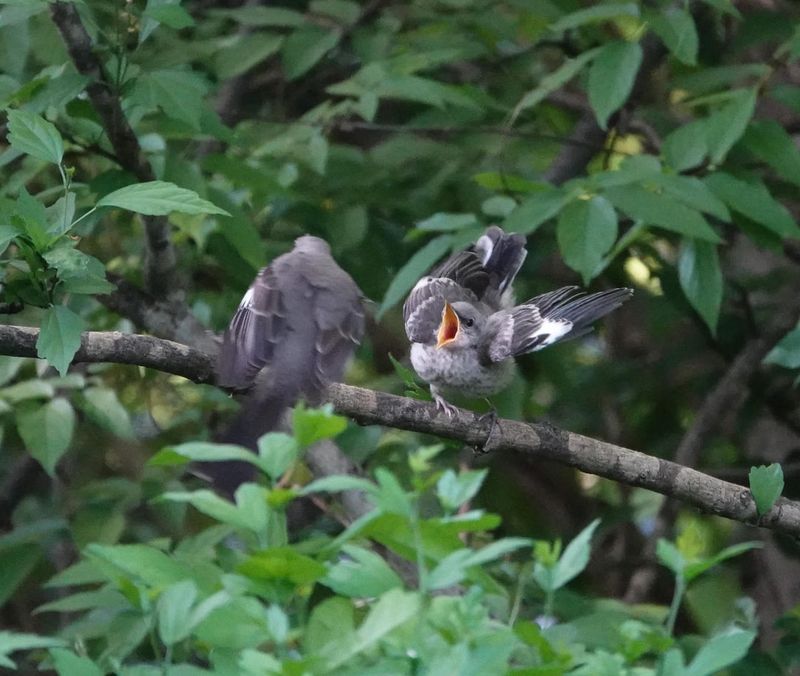
Broad-spectrum insecticides reduce pest populations effectively, but they do not distinguish between harmful insects and the ones birds depend on for food.
When a yard is sprayed heavily and repeatedly, the insect community drops sharply and birds like mockingbirds lose a major portion of their diet.
A garden that supports mockingbirds takes a more selective approach to pest management.
This does not mean ignoring pest problems entirely. Targeted treatments, physical barriers, and hand-removal methods can address specific issues without wiping out the broader insect population.
Integrated pest management strategies that combine multiple low-impact approaches tend to preserve more of the insect diversity that supports birds and other beneficial wildlife across the season.
A yard that consistently uses heavy insecticide applications can actually become less attractive to mockingbirds over time.
If a bird visits and finds little insect activity, it shifts its territory to areas with better food availability.
Reducing spray frequency, choosing targeted products when treatment is truly necessary, and allowing some natural insect activity to continue gives mockingbirds a reason to stay.
A yard with a healthy, balanced insect population functions more like a working ecosystem, and mockingbirds fit naturally into that system.
Fewer sprays is not just better for birds. It tends to build a more resilient garden overall, one where natural checks on pest populations do some of the work for you.
That is fewer products to buy and fewer mornings spent spraying, which sounds like a reasonable trade.
8. The Right Perches Turn Your Beds Into Lookout Points
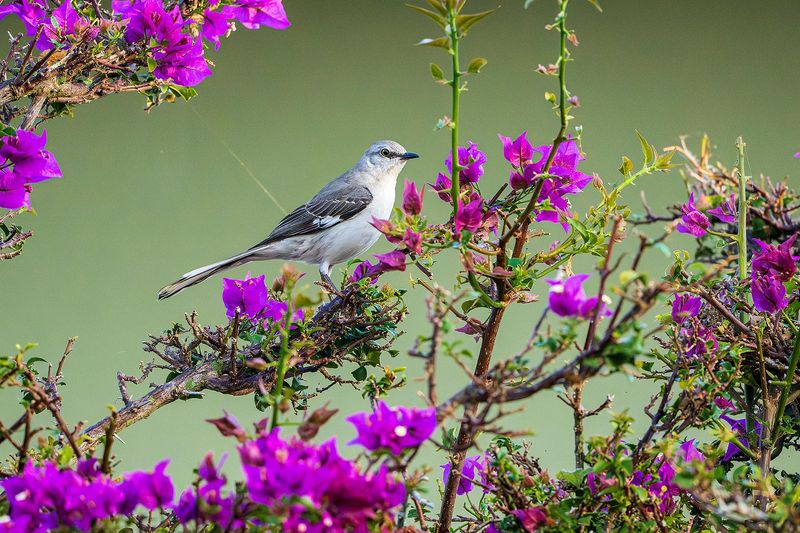
A fence post, a low tree branch, or even a tall tomato cage can become a mockingbird command post. These birds rely heavily on elevated perches to scan the ground below before dropping down to forage.
Without good perch points near garden beds, mockingbirds have a harder time working those areas efficiently, and they tend to spend less time there as a result.
Perches serve a dual purpose. Beyond hunting, elevated spots are used for singing, territory display, and watching for threats.
A mockingbird singing loudly from a rooftop or fence line is not just making noise. It is announcing its presence to other birds and reinforcing its claim over a patch of yard.
This territorial behavior actually helps keep competing species from dominating the same space, which benefits gardeners who want consistent, familiar visitors rather than a rotating cast of unpredictable ones.
Adding perch-friendly features does not require major changes to the garden.
A few sturdy stakes near raised beds, a simple wooden trellis, or a small ornamental tree planted near a garden border can all serve as effective lookout points.
Even a decorative shepherd hook positioned at the edge of a bed gives a mockingbird the elevation it needs to survey the area below.
The closer the perch is to active garden beds, the more likely the bird is to hunt those areas regularly. Placement matters more than aesthetics when it comes to making perches work.
A strategically positioned stake is more useful to a mockingbird than a beautiful trellis installed on the wrong side of the yard, and at this point in the article, you probably already know which one to prioritize.