Why Your Arizona Rosemary Is Blooming in November and What It Means
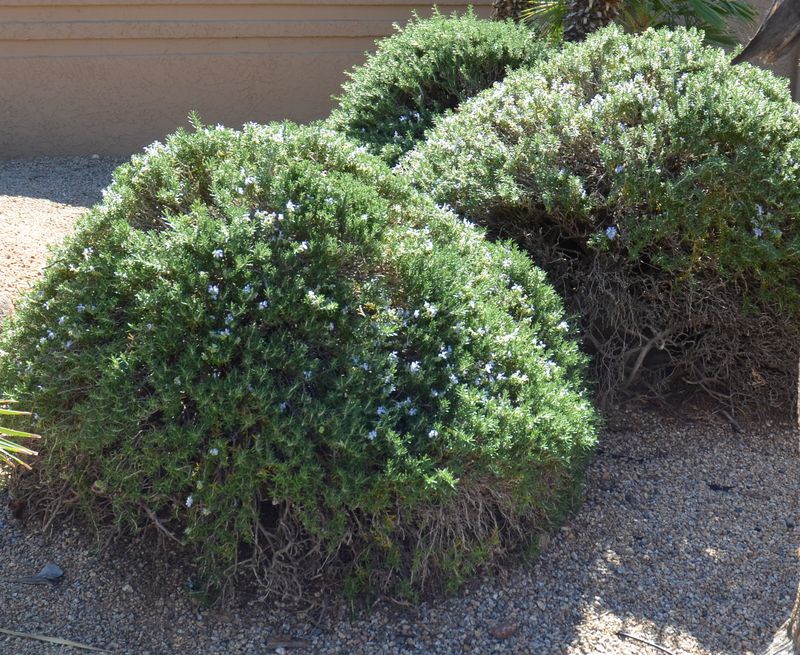
Rosemary flowers can show up in places and months that surprise people. If you spotted pale blue blossoms on your Arizona rosemary in November, you are not imagining things.
Published sources describe flowering seasons that stretch well beyond spring. Let’s look at what that bloom can tell you and what it cannot.
Rosemary Can Bloom Outside a Spring-Only Window
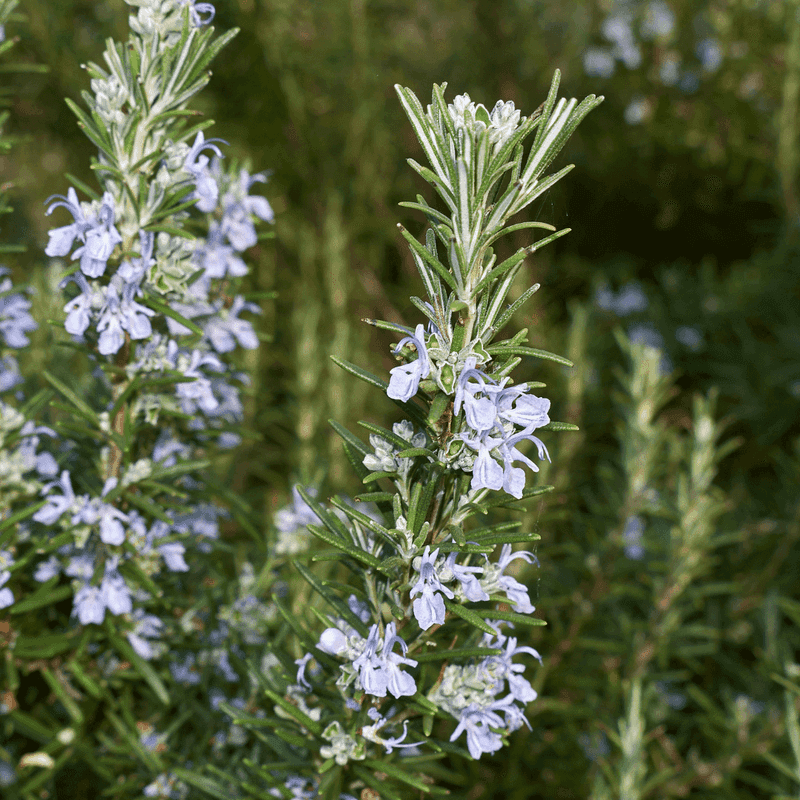
Ask three good garden sources when rosemary blooms and you may get three answers. UC Master Gardeners list its bloom season as late fall through spring.
Arizona Extension, in its pruning guide, groups rosemary with the spring-flowering shrubs. North Carolina Extension describes bloom in spring and summer.
That mix of answers is the real story here. Rosemary does not seem to follow one fixed calendar in the published descriptions, so a few flowers in November fit comfortably inside what gardeners have written down.
One of those sources even names late fall as part of the season.
Here is the careful part. Plausible does not mean standard.
None of these sources says November is a regular bloom month for every rosemary plant, and none gives a statewide Arizona bloom calendar. Think of your November flowers as a pleasant seasonal curiosity, not a signal that something is off, and enjoy the color while it lasts.
Arizona Does Not Have One Growing Climate
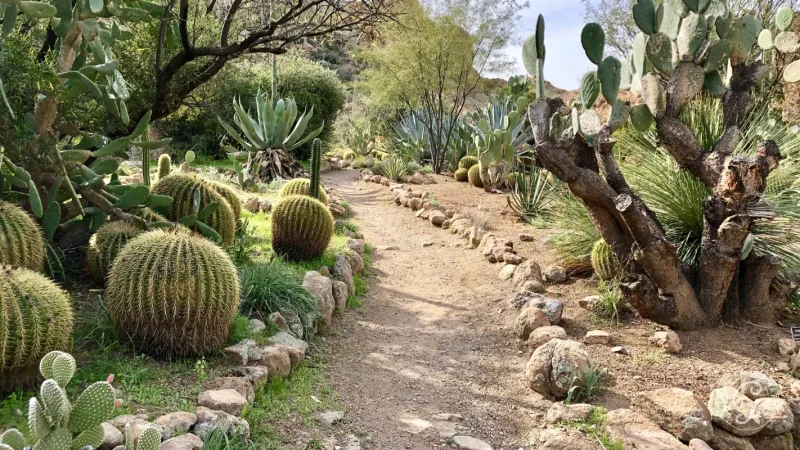
Arizona gardening is really several kinds of gardening wearing one state flag. The University of Arizona’s climate zone guide describes big differences in frost, growing season length, and climate across the state.
Warm desert zones sit on one end, while colder, shorter-season high-elevation areas sit on the other.
That variety is why a single statewide gardening calendar does not work. A Phoenix yard and a Flagstaff yard can be having very different Novembers, and advice written for one may not fit the other.
So what does that mean for rosemary bloom dates? Honestly, the sources we have do not show how rosemary flowering timing differs from place to place in Arizona.
We know the climates vary, but nobody has handed us a location-by-location bloom chart. Treat your own yard as the best evidence you have, and skip any claim that promises a tidy schedule for your zip code.
What a November Bloom Can—and Cannot—Tell You
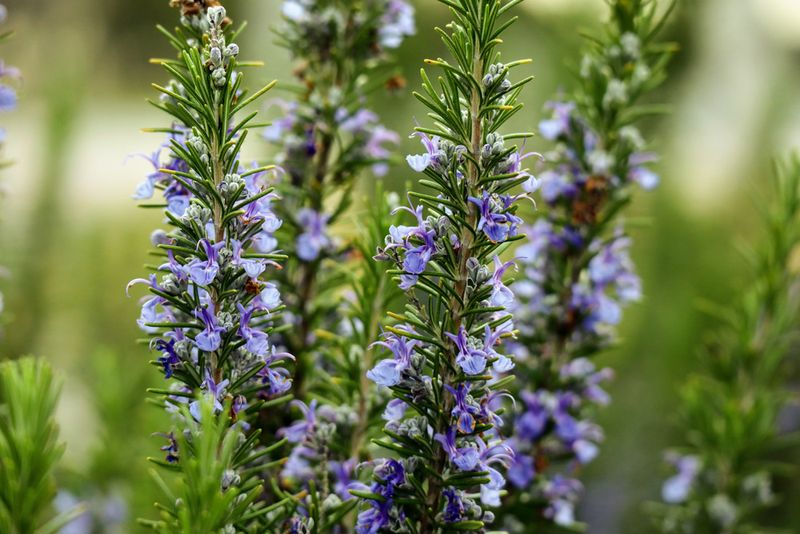
Your rosemary is flowering right now, and that is the plain, solid fact. A late fall bloom also fits at least one published description, since UC Master Gardeners list late fall through spring as its season.
Other sources, including North Carolina Extension, describe different periods, which tells us timing is flexible.
Now for what the flowers cannot tell you. The sources do not name a trigger for any one plant’s bloom, so no particular temperature, day length, watering event, or cultivar can be blamed.
That also means the bloom is not proof of a weather oddity, a coming cold snap, or a warm winter.
Arizona’s climates differ a lot, as the state’s climate guide makes clear, so what you see in your yard is local. Enjoy the flowers as a note about this plant, this month, and this spot.
Nothing more needs to be read into them.
Check the Plant and Site Before Changing Care
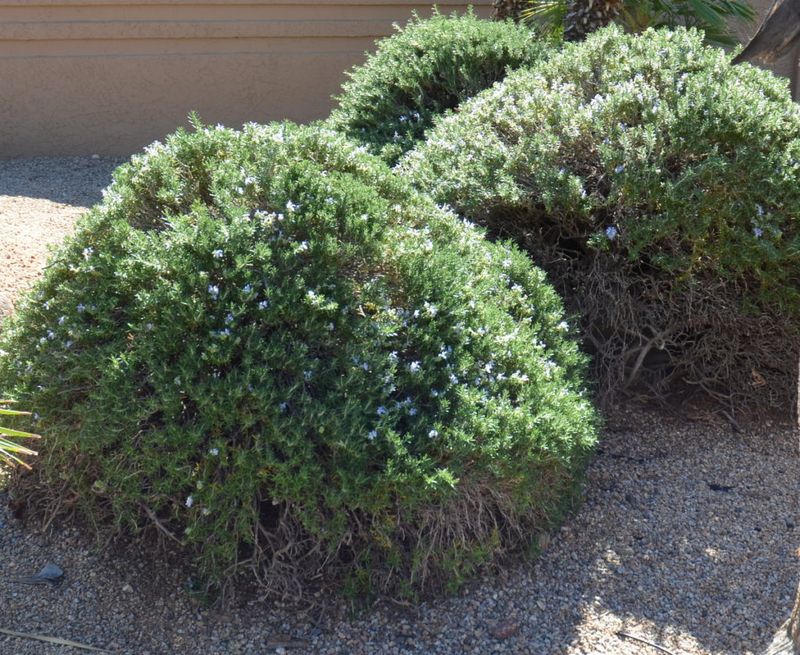
Flowers are not a symptom. A blooming rosemary does not call for extra water, fertilizer, protection, or a heavy haircut, so put the watering can down for a moment.
Look at the plant and the spot it grows in instead.
Start with drainage, because Arizona Extension’s rosemary guide recommends well-drained soil. Then ask how old the plant is, since young plants still settling in need different care than established ones.
Recent rainfall and local conditions matter too.
Walk around the plant and note what you can actually see: the color and firmness of the leafy shoots, how the soil around it behaves after rain or irrigation, and how much sun and wind it gets. In Tucson, University of Arizona guidance points to intense summer sun, drainage, and occasional frost as the things to account for.
If the plant looks healthy and the site drains well, the flowers are simply flowers. Change care only when the plant or the site gives you a real reason.
Match Watering and Frost Decisions to Your Setting
Established rosemary planted in native soil usually needs minimal supplemental irrigation, according to Arizona Extension. Young plants are different and need more frequent watering while they establish.
No single schedule fits every yard, so let plant age, drainage, and recent rain guide you.
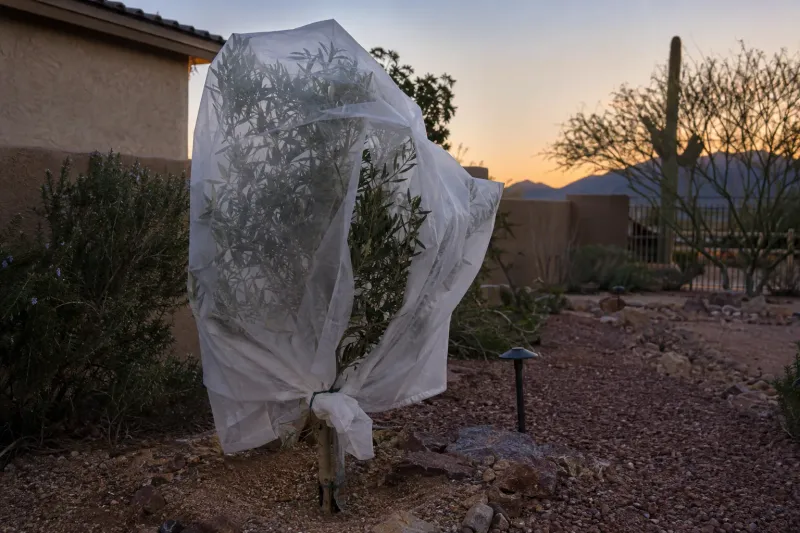
Frost is where location really counts. Tucson guidance from University of Arizona Extension mentions intense summer sun, good drainage, and occasional frost, and notes that potted plants can be moved to change exposure or give protection.
That is Tucson advice, not a statewide rule.
Prescott gets its own treatment in the rosemary guide, which says cold hardiness depends on fall acclimation. Add the state’s broad elevation differences from the climate zone guide, and the lesson is clear.
Learn your own frost exposure, then decide whether a pot needs a new spot.
Flowers Are No Reason for a Heavy Pruning Cut
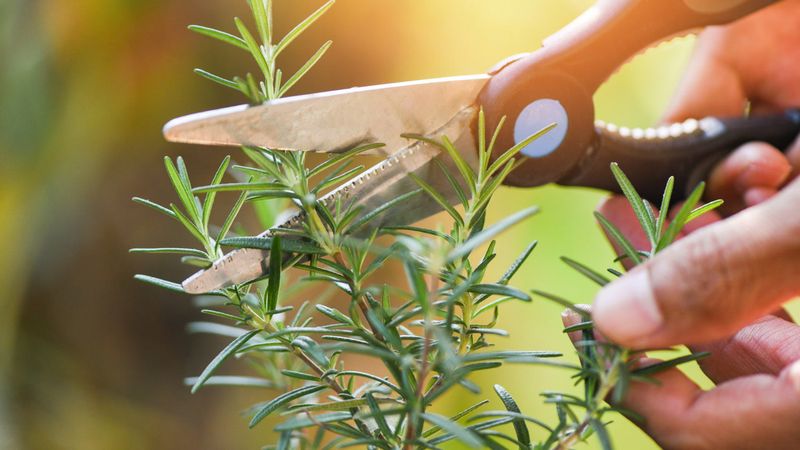
Blossoms can tempt you to grab the loppers, but the flowers are not a reason to cut hard. Arizona Extension’s pruning guide for low and mid-elevation deserts advises frequent light pruning as needed rather than big cuts.
The reason is how rosemary regrows. It sprouts back from leafy shoots, not from bare wood, so a deep cut into the woody center can leave you with stubs that stay stubs.
If your plant needs shaping, trim the green tips a little at a time and stay in the leafy growth. Step back after a few snips and look at the overall form.
If it does not need shaping, leave it alone and let the flowers finish. A plant in bloom is not asking for surgery.
The Bloom Can Offer a Potential Pollinator Resource
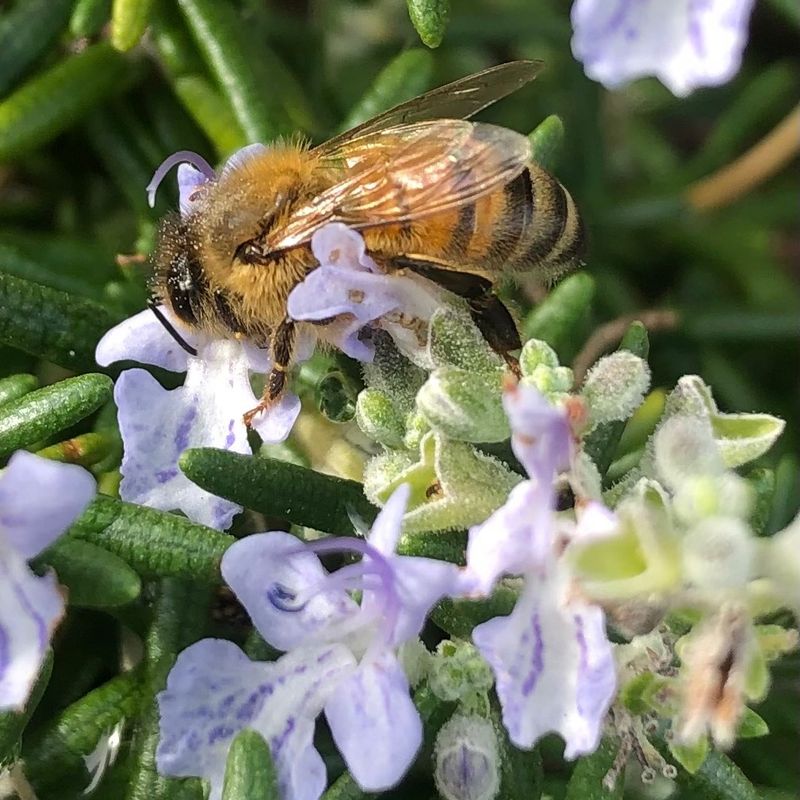
Small flowers can have big visitors. UC Master Gardeners report that rosemary attracts bees, hummingbirds, and other pollinators, which makes a fall bloom a possible bonus for your yard.
Notice the word possible. No source promises that a particular bee or bird will visit your Arizona garden, and results depend on what else is nearby.
Still, flowers in a season when fewer plants are blooming are worth a quick look.
Take a few quiet minutes on a sunny day and watch the blooms. You might spot a visitor, or you might not, and either result is fine.
The flowers are a nice extra, not a guarantee or a pest-control plan.
Let Your Site Guide the Next Step
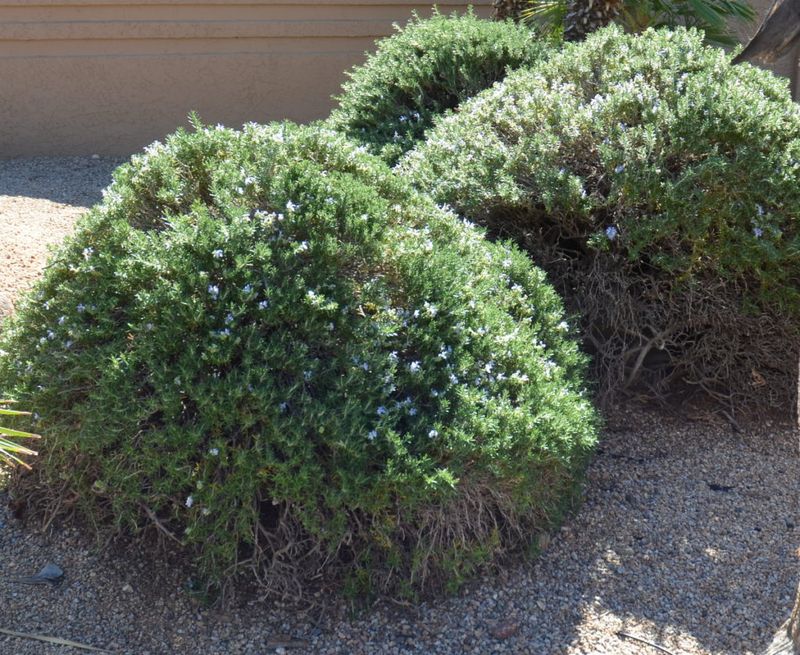
November flowers on rosemary are plausible, since UC Master Gardeners include late fall in its season. The bloom does not reveal its cause, and it does not diagnose a problem.
Base any change on what you can see: the plant’s condition, drainage, age, and your local exposure. Arizona’s climates vary, and the state’s rosemary guide points to well-drained soil and minimal irrigation once plants are established.
Sometimes a shrub just blooms when it blooms. Let it.