Why Your Florida Garden Looks Exhausted In Mid July And What Actually Helps
Mid-July is the point in the Florida gardening season where reality sets in hard. Plants that looked great in June are drooping, struggling, and showing the kind of stress that no quick fix is going to solve overnight.
Intense heat, relentless humidity, rainy season storms that are never quite predictable, fast-draining sandy soil, and pest pressure have a way of hitting several plants at the same time, and the result is a yard that looks collectively worn out.
The temptation to jump in and fix everything at once is real, but that approach rarely helps and sometimes makes things worse.
Careful checking, steady moisture management, and honest decisions about what actually belongs in a Florida summer garden are the most practical places to put your energy right now.
1. Heat Is Outpacing Root Uptake
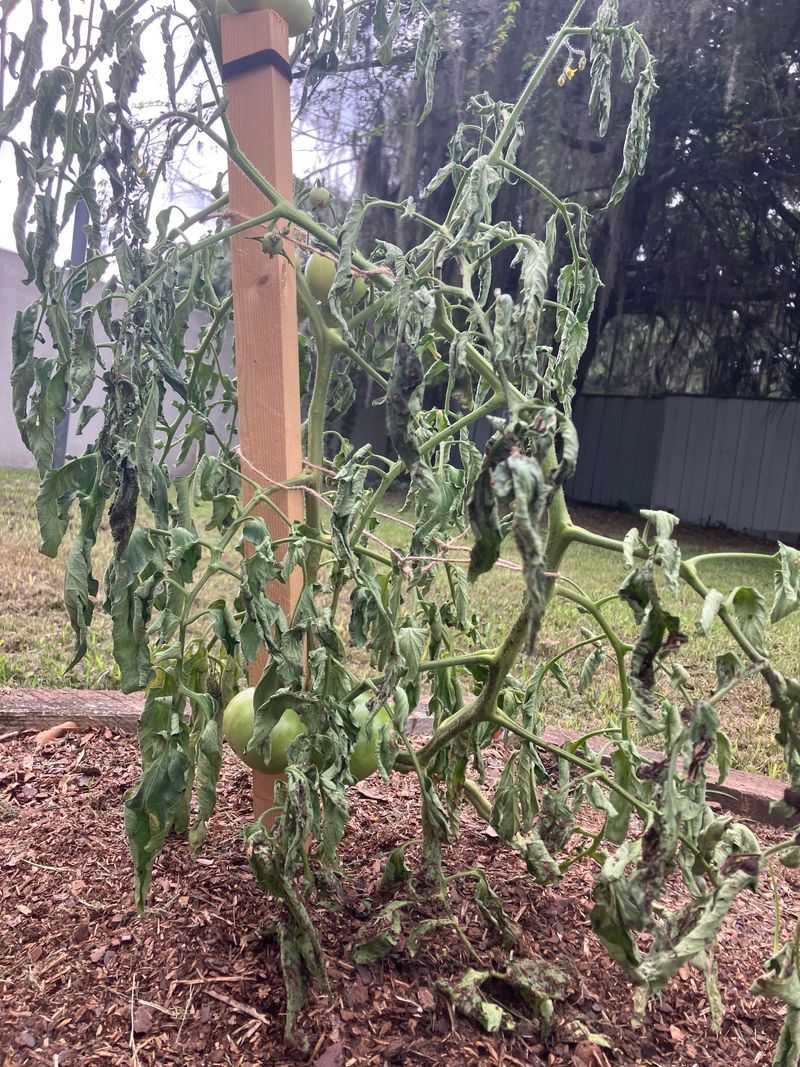
Wilting leaves during a hot Florida afternoon do not always mean a plant is thirsty. In mid-July, air temperatures can climb high enough that leaves lose water through their surfaces faster than roots can pull moisture up from the soil.
That gap between water loss and water supply is what makes foliage look dull, soft, or collapsed by early afternoon, even when the soil still holds some moisture.
Before reaching for the hose, press two fingers about an inch into the soil near the root zone. If it still feels damp, the plant may just be reacting to heat load rather than drought.
Watering over already-moist soil can create other problems, especially in Florida’s sandy ground where drainage varies from bed to bed.
Shade cloth stretched over sensitive containers or raised beds during the peak afternoon hours can reduce heat stress noticeably. Even a temporary setup using lightweight fabric can cut the intensity enough to give roots a chance to keep up.
Grouping containers together also helps because the pots shade each other slightly and the surrounding soil stays a little cooler.
Ornamentals, vegetables, and herbs all benefit from a short break from direct exposure during Florida’s most intense summer hours, roughly between noon and four in the afternoon.
2. Rainy Season Watering Is Getting Confusing
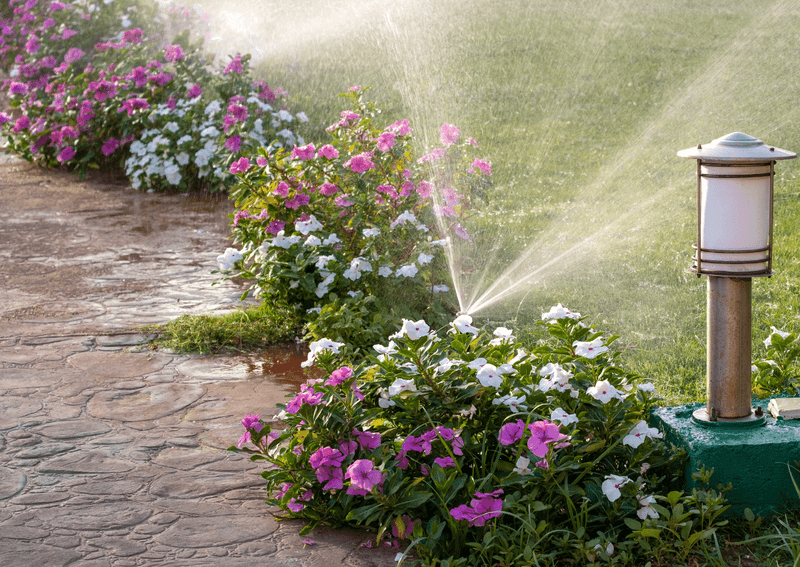
Summer rain in Florida can be unpredictable enough to make irrigation scheduling feel like a guessing game. One afternoon brings a soaking downpour, and two days later the soil near the surface is dry and crumbly again.
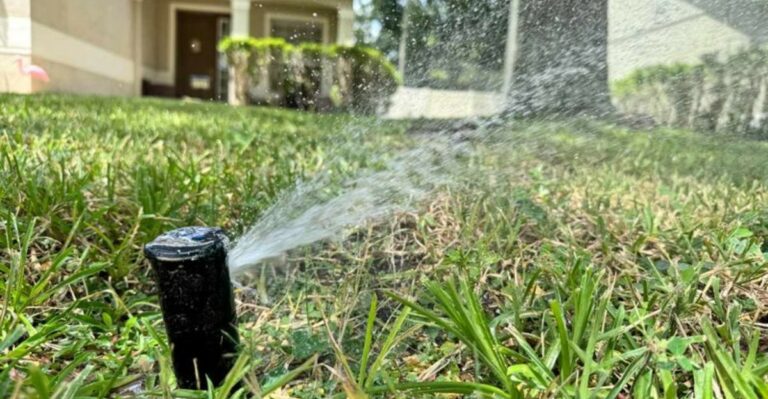
Leaving an irrigation timer on its usual schedule during rainy season means some beds get watered twice when they need it once, and others stay dry because the rain missed that corner of the yard entirely.
A simple rain gauge placed in the garden gives a much clearer picture than guessing. Florida’s rainy-season storms are often intense but localized, so what falls on the front yard may not reach the backyard at all.
Checking the gauge after each storm before running irrigation helps avoid overwatering, which is one of the quieter stressors that makes mid-July gardens look worse than they should.
Soil moisture meters are another affordable option for gardeners who want a more precise read before watering. Most vegetables, annuals, and container plants in Florida prefer consistent moisture rather than swinging between soggy and bone dry.
Your Florida Garden Changes Every Week. Your Plan Should Too.
Gardening in Florida changes quickly throughout the season. Every Friday you’ll receive a simple weekly plan showing exactly what to plant, prune, fertilize, harvest, and protect so you never miss the right timing.
Adjusting irrigation zones individually, rather than running the whole system on one setting, gives different plant types what they actually need.
Sandy Florida soil drains quickly, so deep and less frequent watering generally encourages roots to grow deeper, which helps plants handle summer heat and dry spells more steadily over time.
3. Mulch Has Thinned Around The Roots
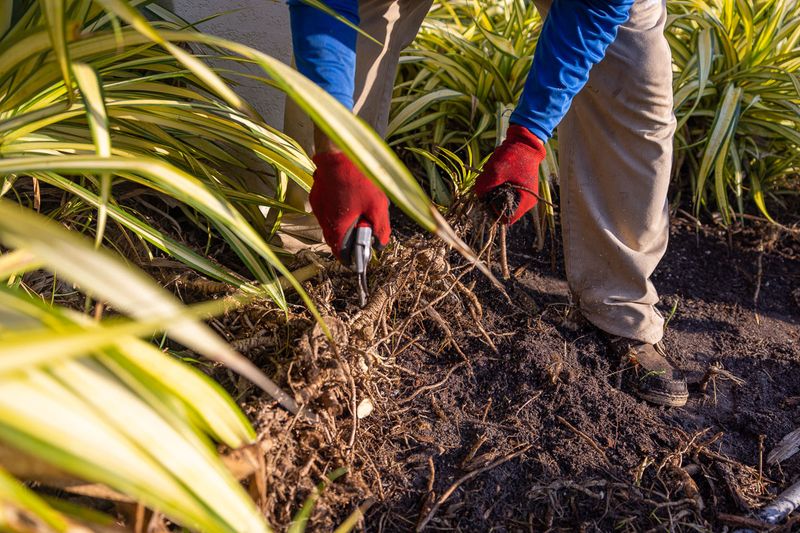
Mulch that looked generous in spring can fade, compact, wash away, or break down surprisingly fast once Florida’s rainy season gets going.
By mid-July, what started as a three-inch layer may have thinned to barely an inch in spots, leaving soil exposed to direct sun and heavy rain.
Exposed soil heats up faster, dries out faster between rains, and loses structure more quickly than soil that stays covered.
Refreshing mulch in summer is one of the more straightforward steps a Florida gardener can take. A layer somewhere between two and three inches deep helps moderate soil temperature, slow moisture evaporation, and reduce weed pressure at the same time.
Pine bark, shredded leaves, and wood chip mulches all work reasonably well in Florida garden beds, and each breaks down gradually to add some organic matter to the sandy soil beneath.
One detail worth keeping in mind is that mulch should not be piled tightly against plant stems, crowns, or tree trunks.
Mulch mounded against the base of a plant can trap moisture against the stem and invite fungal problems, which are already more likely during Florida’s humid July weather.
Pulling mulch back an inch or two from stems before adding a fresh layer keeps things tidy and reduces that risk. Checking mulch depth every few weeks during summer is a small habit that pays off steadily through the rest of the season.
4. Pests Are Building Up Fast
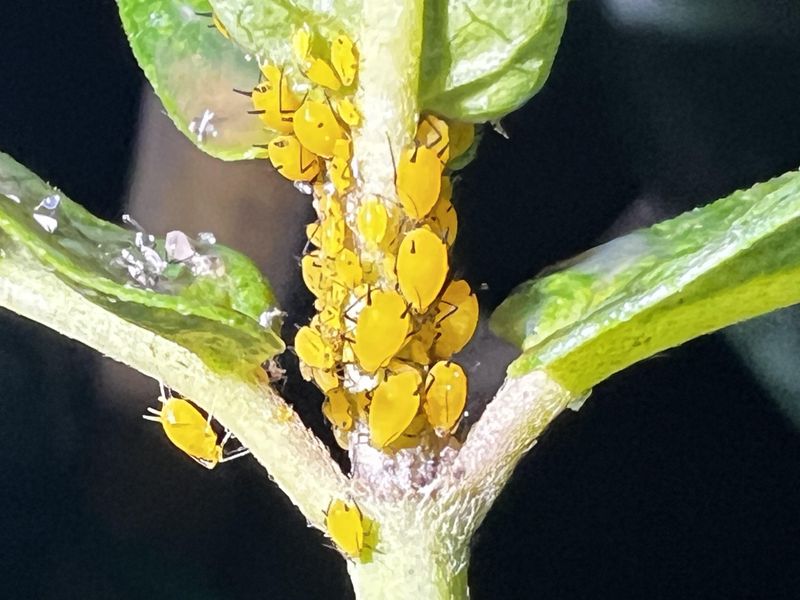
Warm Florida summers give pest populations nearly ideal conditions to multiply quickly.
Aphids, whiteflies, spider mites, caterpillars, and other common garden insects can move from a minor nuisance to a noticeable problem within a week or two during mid-July, especially when plants are already under heat or moisture stress.
Stressed plants are generally less able to bounce back from feeding damage than healthy ones.
Scouting is the most practical first step before reaching for any treatment. Turning leaves over to check the undersides, looking at new growth where soft tissue attracts many feeders, and inspecting soil-level areas around stems can reveal what is actually happening.
Knowing which pest is present, and how many, helps a gardener decide whether the situation needs attention right away or can be managed with targeted action.
Recognizing beneficial insects is just as important as spotting problem pests. Ladybugs, parasitic wasps, lacewings, and ground beetles all help keep pest numbers lower naturally.
Spraying broadly without knowing what is present can reduce beneficial populations and actually make pest problems worse over the following weeks.
When treatment is needed, starting with the least disruptive option, such as a strong water spray to dislodge soft-bodied insects, or an appropriate targeted product, tends to preserve the garden’s natural balance better than a broad application.
Florida gardens with diverse plantings often support more beneficial insect activity, which helps slow pest buildup through the summer.
5. Disease Pressure Is Rising In Humidity
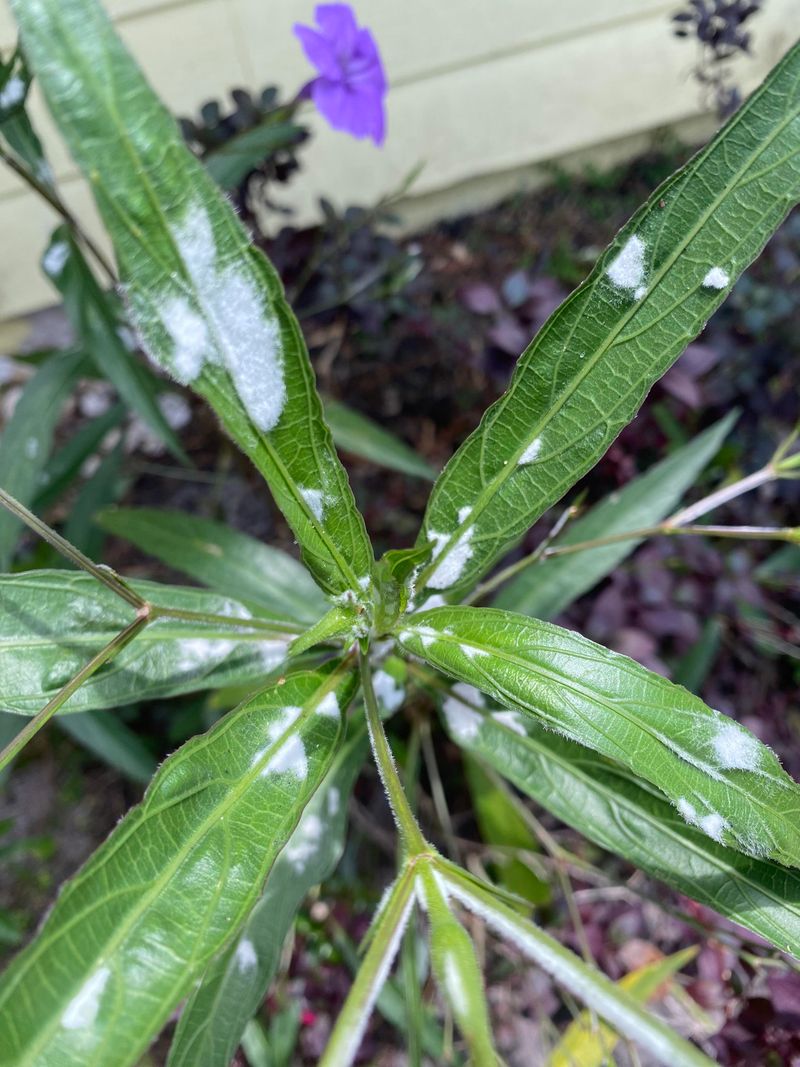
Hot, humid air combined with frequent rain and crowded plantings creates conditions where fungal and bacterial diseases can spread more easily in Florida gardens.
Powdery mildew, leaf spots, stem rots, and root diseases tend to show up or worsen during July, when overnight humidity stays high and foliage may stay wet for hours after a storm.
Plants that are already stressed by heat or poor drainage are often the first to show visible symptoms.
Improving airflow around plants is one of the more effective ways to reduce disease pressure without using any products at all.
Thinning crowded stems, removing leaves that are touching the soil, and spacing new transplants generously all help moisture evaporate from foliage more quickly after rain or irrigation.
Wet leaves sitting in still, humid air for extended periods give fungal spores a better chance to establish.
Sanitation matters too. Removing fallen leaves, spent flowers, and debris from the soil surface reduces the amount of material where disease spores can linger and spread.
Avoiding overhead watering when possible, or watering early enough in the morning that foliage has time to dry before evening, also helps.
Florida’s rainy season makes complete leaf dryness hard to achieve, but reducing unnecessary leaf wetness from irrigation is a reasonable step.
Raised beds and containers with good drainage dry out faster between events, which gives roots and crowns slightly better conditions during the most humid weeks of summer.
6. Heavy Rain Is Stressing The Root Zone
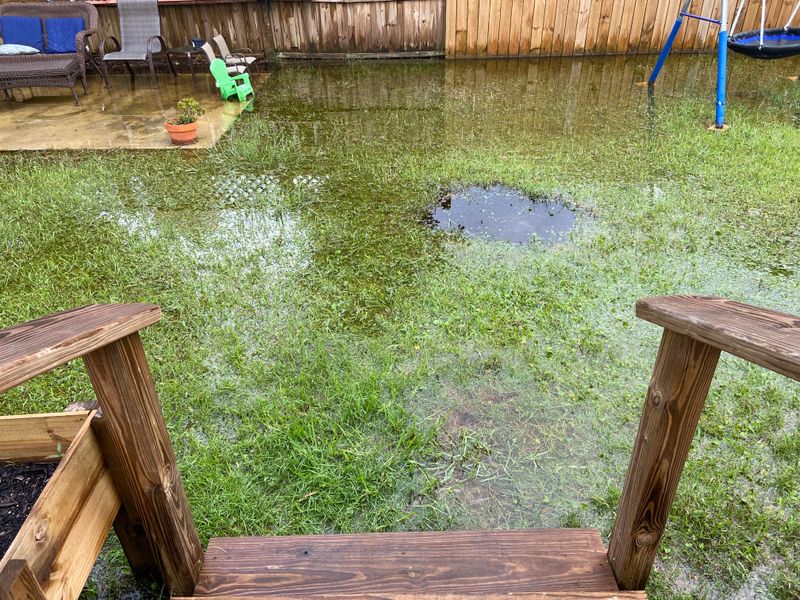
Back-to-back afternoon storms can leave Florida garden soil saturated for longer than most people expect, especially in low spots or beds that do not drain freely.
Roots that sit in waterlogged soil for extended periods have trouble accessing the oxygen they need to function normally, which shows up as wilting, yellowing, or a general tired look even when the soil is clearly wet.
It can feel counterintuitive to see a plant struggling after all that rain, but too much water can be just as stressful as too little.
Checking how quickly water drains from a bed after rain is a useful habit in July. If puddles sit for more than an hour or two in the same spot regularly, that area may need better drainage before planting season continues.
Adding organic matter over time, building slightly raised rows, or redirecting water away from low spots are all reasonable steps depending on the situation.
Avoid walking on wet or muddy garden beds whenever possible. Foot traffic on saturated soil compresses the spaces between soil particles, which makes drainage and root growth harder over the following weeks.
Pulling back mulch temporarily from areas that stay soggy can also help the surface dry out a little faster between storms.
Florida’s summer rain pattern tends to bring intense bursts rather than slow steady rain, so beds that drain well in spring may still struggle when storms stack up across several days in a row.
7. Summer Crops Need Better Timing
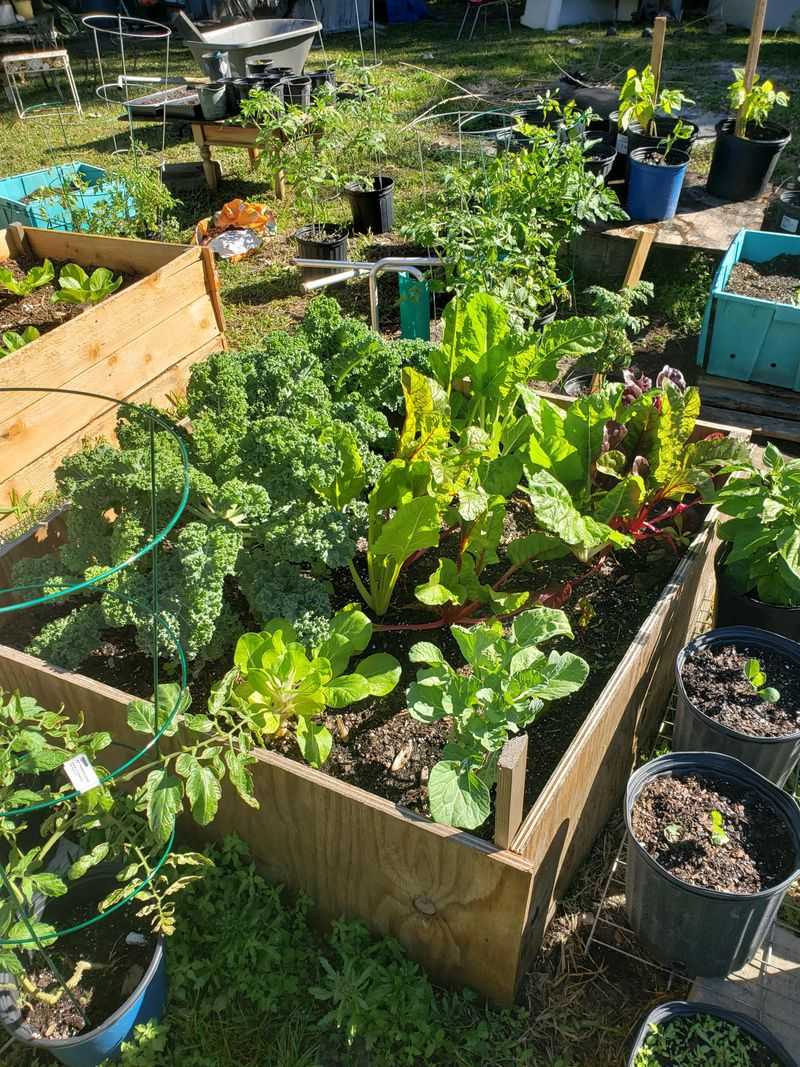
Some vegetables simply are not built for the middle of a Florida summer, and pushing them through July often results in the tired, struggling rows that make a garden look like it has given up.
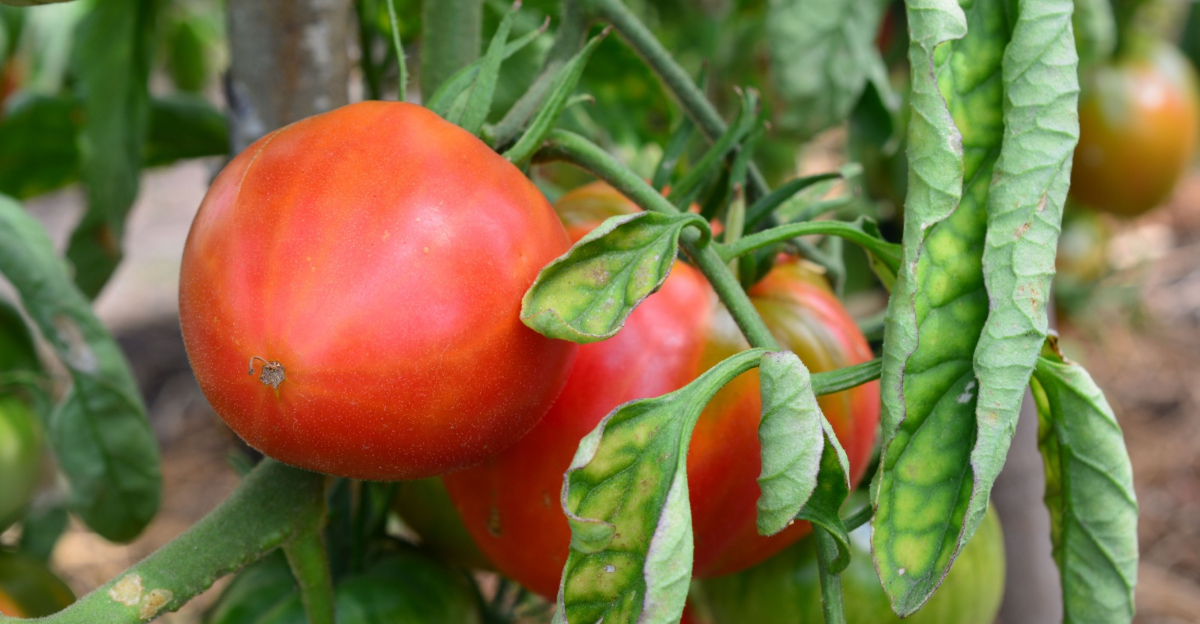
Tomatoes, beans, and cool-season greens that were planted in spring may have already peaked and are now running out of energy in the heat.
Recognizing when a crop has finished its productive period is more useful than trying to coax more from plants that are past their best.
Replacing worn-out spring crops with heat-tolerant summer options can shift the whole mood of a Florida garden. Okra thrives in July heat and produces steadily through the summer.
Southern peas, sweet potatoes, Malabar and Okinawa spinach, basil, and lemongrass are genuinely built for Florida’s mid-summer growing conditions.
Cool-season plants pushed through temperatures they were never meant to handle almost always struggle, and the results are rarely worth the effort.
Timing new plantings thoughtfully also matters. Starting transplants or seeds during a slightly cooler stretch, or getting them in the ground early enough in the morning to reduce transplant shock, gives new plants a better start.
Florida’s late summer and early fall planting window opens up again as temperatures begin to ease in September.
Mid-July is actually a reasonable time to plan ahead and order seeds for the next round of cool-season crops while managing current summer beds with realistic expectations.
8. Gardeners Are Working During The Hottest Hours
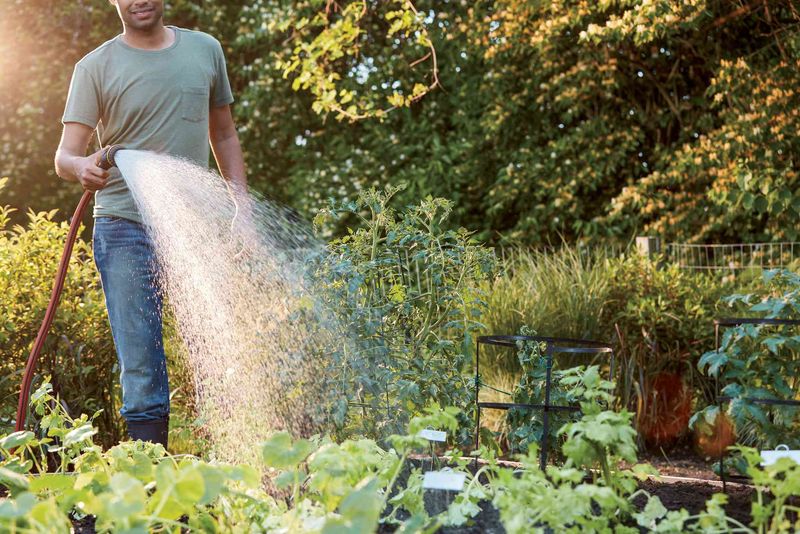
Spending time in a Florida garden in mid-July is its own kind of challenge, and the hours a gardener chooses to work make a real difference in both comfort and safety.
Mid-morning through mid-afternoon brings the most intense heat and humidity of the day, and working through those hours can lead to fatigue, overheating, and the kind of rushed decisions that sometimes make garden problems worse rather than better.
Early morning, roughly between sunrise and nine or ten in the morning, is generally the most comfortable and productive window for outdoor garden work in Florida summer.
Temperatures are lower, light is softer, and soil moisture from overnight or previous-day irrigation is easier to assess before the heat of the day changes conditions again.
Evening hours after five can also work well for lighter tasks like scouting, deadheading, or checking irrigation.
Staying hydrated, wearing light-colored and loose-fitting clothing, and using a wide-brimmed hat are practical habits worth building during summer gardening.
Taking breaks in shade or indoors every thirty to forty-five minutes helps the body manage heat load, especially for tasks that involve bending, lifting, or moving quickly.
A Florida garden in July rewards patience more than effort.
Slowing down, working in shorter sessions, and focusing on the most important tasks first, such as watering checks and pest scouting, keeps both the garden and the gardener in better shape through the rest of summer.