Why Your Florida Persimmons Taste Awful (You’re Picking Them Too Soon)
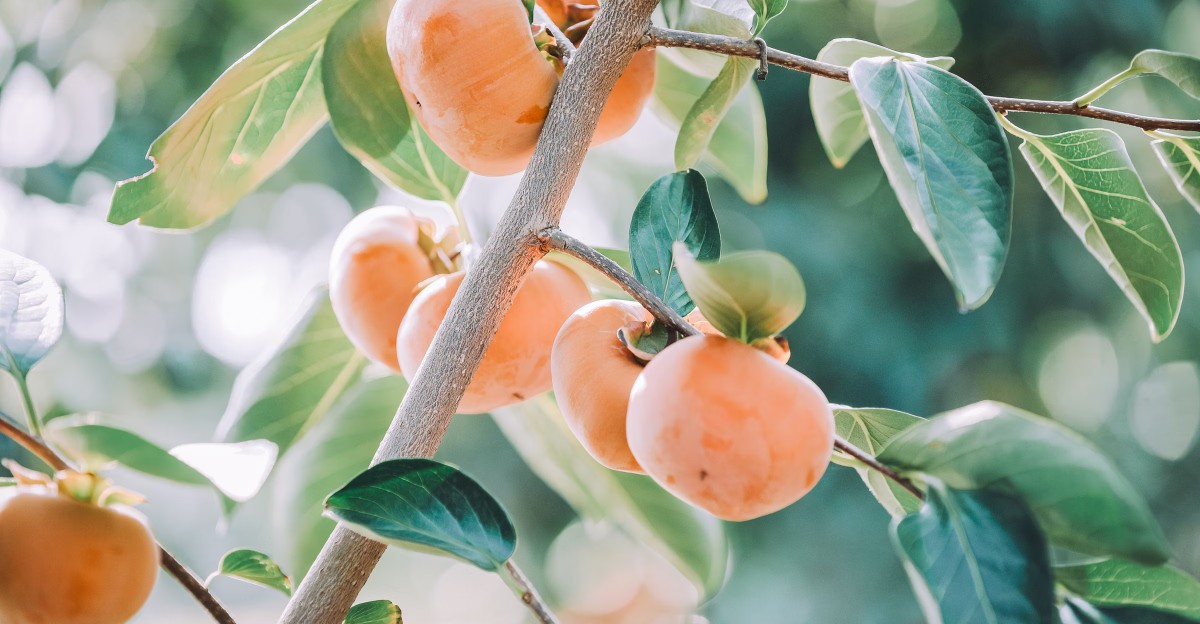
One unripe bite of a certain orange fruit can make your mouth feel like it is full of chalk and cotton. That fuzzy, dry shock comes from natural compounds that grab the proteins in your saliva.
Your tongue feels coated, your cheeks pucker, and you wonder what went wrong.
I remember my first homegrown harvest in Florida. The fruit looked glossy, plump, and ready for a magazine cover. One bite later, I was rinsing my mouth at the kitchen sink.
You need to know that the tree probably did nothing wrong. The fruit was simply following its own clock, guarding its seeds until they matured. Wildlife gets the same rude surprise, and that is the whole point.
I’ve grown fond of a fruit that plays hard to get until the very last minute. Knowing which type hangs in your backyard is the secret to skipping that chalky surprise for good.
That Fuzzy Feeling From Your Persimmon Has a Real Cause
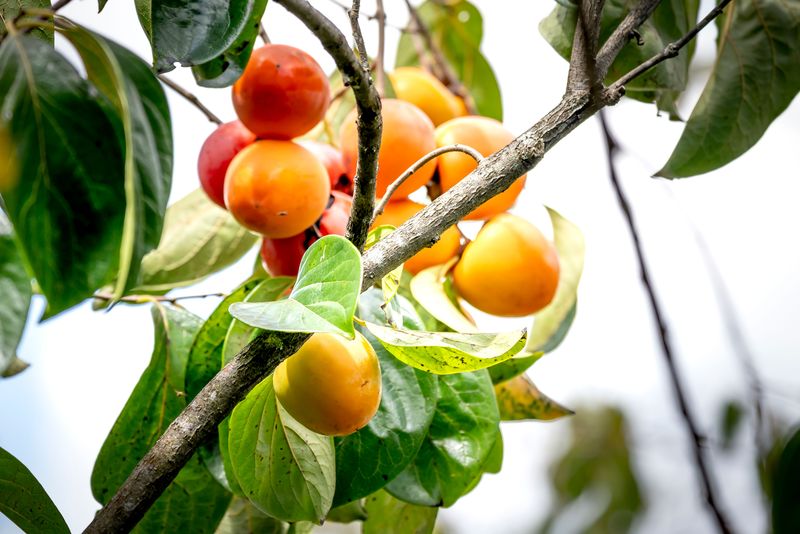
Blame tannins. These natural plant compounds sit inside the fruit in a soluble form while it is still developing.
When you bite in, they latch onto proteins in your saliva and leave that dry, sandpaper feeling behind.
Scientists call this sensation astringency, and it is different from sourness or bitterness. Your mouth is not tasting a flavor so much as feeling a texture change.
That is why the sensation lingers even after you swallow.
The tree has a smart reason for this trick. Unripe fruit holds seeds that are not ready to spread yet.
By making the fruit unpleasant early, the tree discourages birds, raccoons, and curious gardeners from eating it too soon.
As the fruit matures, those tannins change into an insoluble form. Once that happens, they stop reacting with your saliva, and the sweetness finally shines through.
Nothing about the sugar content magically appears overnight, but the fuzzy mask lifts.
So when your persimmon tastes awful, read it as a message rather than a failure. The fruit is telling you it needs more time.
Your job is to learn how to read its signals before you take another brave bite.
Astringent and Non-Astringent Persimmon Trees Play by Different Rules
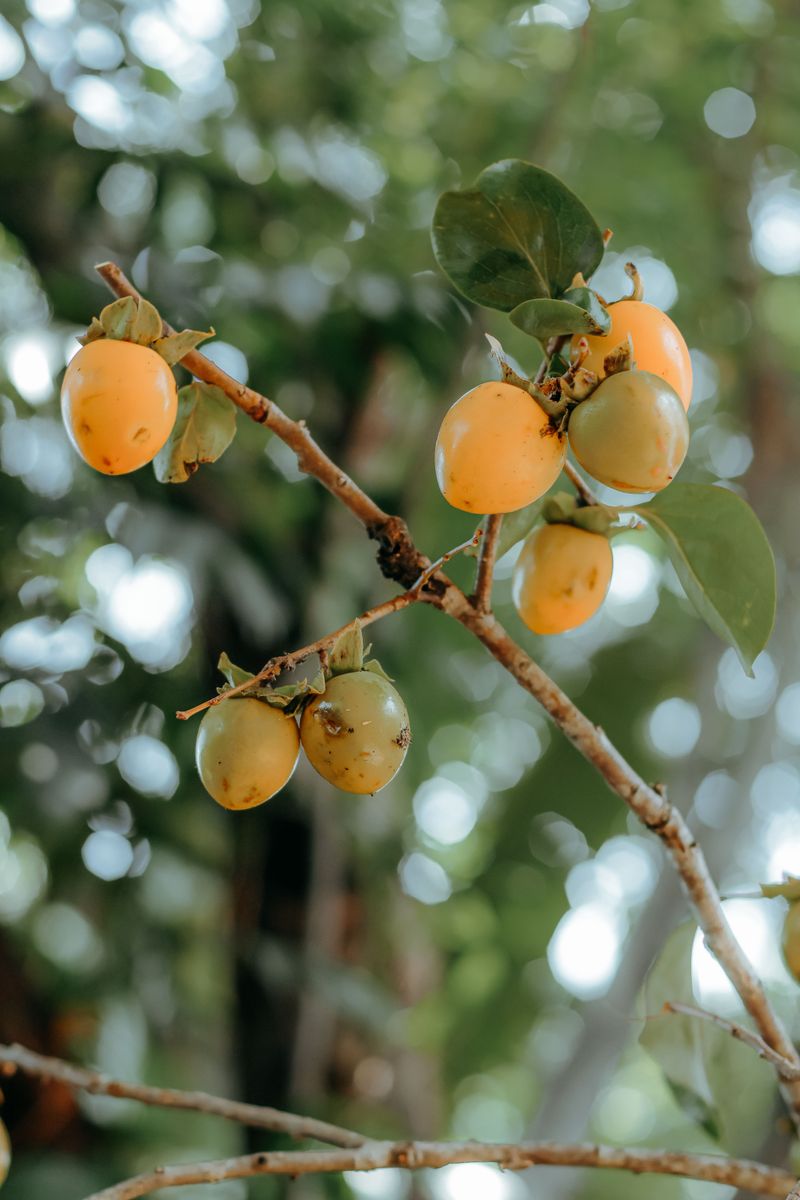
Two families of persimmons grow in Florida backyards, and mixing them up causes most of the trouble. Astringent types stay mouth-puckering until they turn soft.
Non-astringent types lose that harshness early and can be eaten firm.
Shape offers a handy first clue. Hachiya, a popular astringent variety, is often longer with a pointed, acorn-like bottom.
Fuyu, the best-known non-astringent type, looks flatter and squat, a bit like a tomato.
Our native American persimmon, Diospyros virginiana, is astringent too. Its small fruits grow wild across much of the state and need full softness before they taste good.
Opossums and deer know this well and often beat people to the ripe ones.
UF/IFAS notes that both types grow in North and Central Florida, while astringent kinds tend to do better in South Florida. Popular non-astringent picks include Fuyu, Jiro, and Izu.
Astringent choices include Hachiya, Tanenashi, and Saijo.
Check your plant tag, nursery receipt, or ask the person who planted it. If you have no records, wait for one fruit to soften fully and compare it with a firm one.
That simple taste test can settle the mystery.
Hachiya Persimmons Should Feel Like a Water Balloon Before You Bite
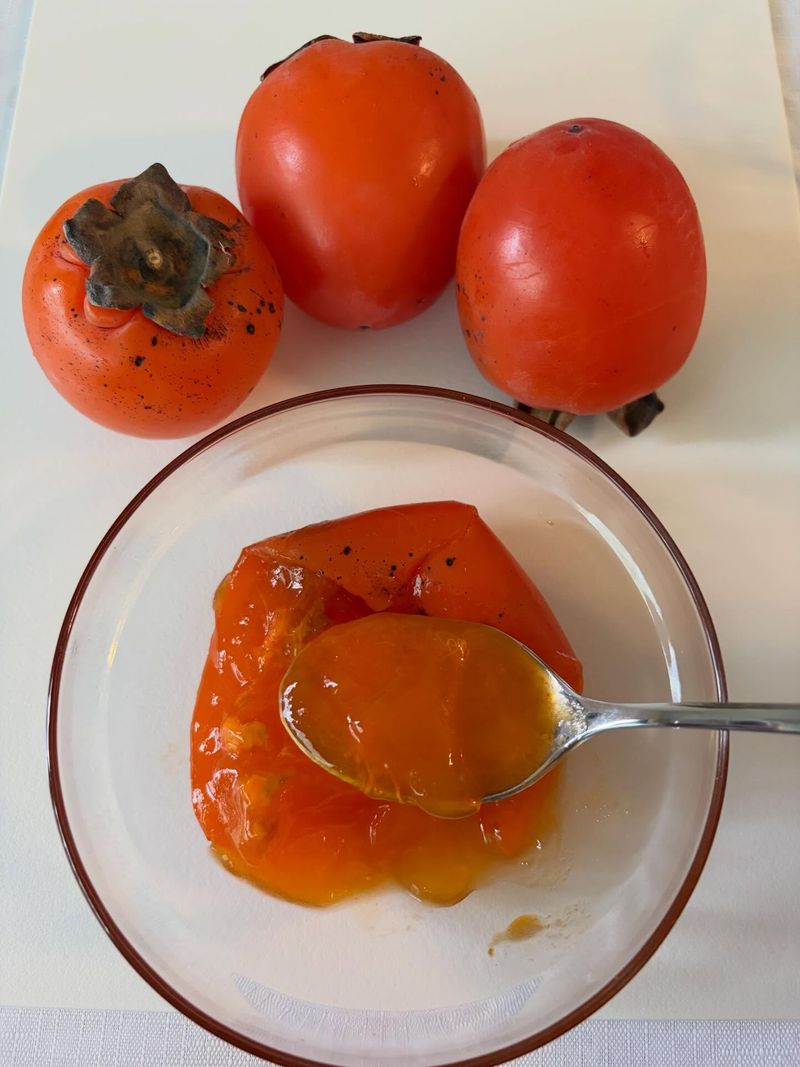
Patience is the secret ingredient with Hachiya and other astringent varieties. A firm one is basically inedible, no matter how bright it looks.
You want it squishy, jelly-soft, and almost ready to burst.
Give the fruit a gentle squeeze. A ripe one feels like a small water balloon, with flesh that slumps under light pressure.
The skin often turns deep orange or reddish and may look slightly translucent, dull, or wrinkled.
Many people toss these fruits because they look past their prime. That is a sad mistake.
At this stage the inside tastes like honey, apricot jam, and a hint of spice all mixed together.
An old story claims astringent persimmons need frost to ripen. In reality, they soften on their own once they mature, and gardeners here rarely get a hard frost anyway.
Warm days are not holding your fruit back.
To eat one, slice off the top and scoop out the pulp with a spoon. It also works beautifully in breads, puddings, and smoothies.
Once you taste a fully soft Hachiya, you will wonder why anyone rushes them.
Firm Fuyu Persimmons Are Ready When the Color Says So
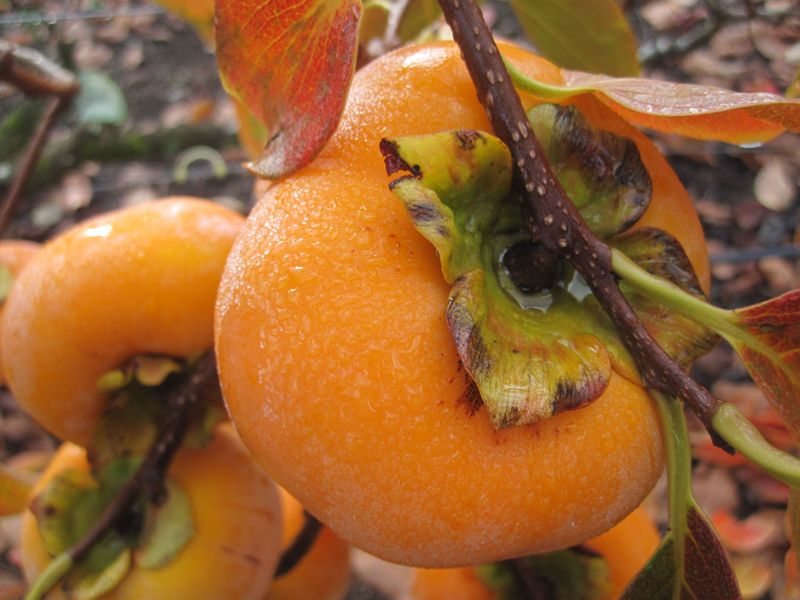
Crunch lovers, this one is for you. Fuyu, Jiro, and Izu persimmons lose their astringency while still firm.
You can slice them like an apple and snack away.
Color is your best guide here. Wait until the skin turns a full, even yellow-orange to deep orange with no green patches.
Fruit with greenish shoulders near the cap usually needs more time on the branch.
Even non-astringent types can taste a little flat or faintly chalky if picked too early. That might explain a lackluster bite from a tree you thought was the easy kind.
Letting them color fully boosts sweetness and that mild, cinnamon-pear flavor.
A fun bonus is flexibility. Firm Fuyus keep longer than soft types and handle travel better, which is why they show up in grocery stores more often.
You can also let them soften slightly for a richer, sweeter taste.
Try them sliced into salads, layered on cheese boards, or simply eaten out of hand in the garden. Leave the skin on if you like, since it is thin and edible.
A ripe Fuyu makes a sweet reward for watching your tree all season.
Persimmon Trees in Florida Ripen Over Several Months
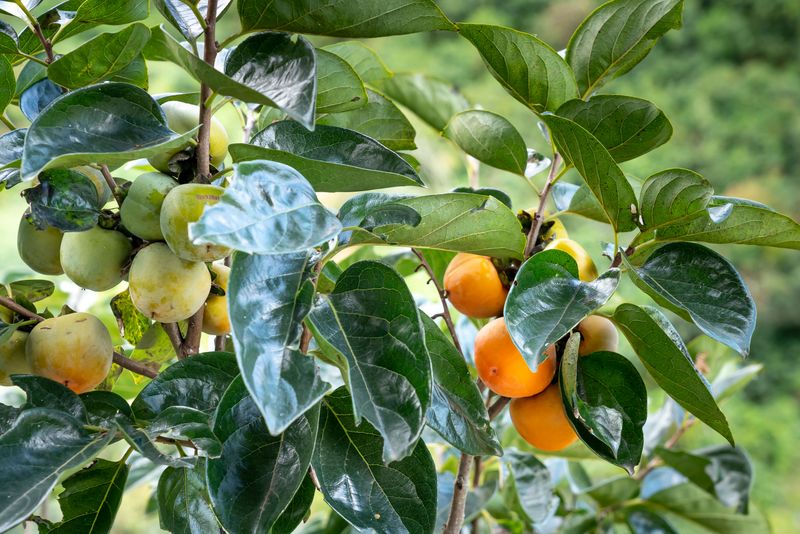
Calendars can trick you. In Florida, persimmons ripen roughly from August through December, depending on the variety and your location.
Early types like Izu may color up in late summer, while others hang on into early winter.
North Florida trees tend to ripen a bit later than those farther south. Weather swings from year to year can also shift timing by a week or two.
So the date you picked last year might not match this year.
Fruit on one tree rarely ripens all at once. Sunny outer branches often finish first, while shaded interior fruit lags behind.
Walk around your tree every few days instead of harvesting everything in one big session.
I like to keep a small notebook by the back door. Writing down when the first fruits soften or color up helps me plan the next season.
It also reminds me which variety actually lives in my yard.
Leaves often turn yellow or orange and drop as fall arrives, leaving fruit dangling like ornaments. That bare-branch look is a lovely cue to start checking closely.
It means your harvest window is wide open.
Hungry Squirrels and Birds Might Be Forcing Your Hand

Raccoons, squirrels, opossums, and birds adore soft, ripe persimmons. Many gardeners pick early simply to save their crop from these bold visitors.
That decision makes sense, but it explains plenty of awful bites.
A clever compromise works well for astringent types. Harvest them once they show full color but are still firm.
Then let them finish softening indoors on the counter, where critters cannot reach.
Fruit picked green, though, rarely ripens well. It may soften a little but often keeps some harshness.
Full color on the skin is the minimum you want before taking fruit inside.
Bird netting can help on smaller trees if you drape it carefully and check it often. Tuck the edges so birds and other wildlife do not get tangled.
Pruning trees to a manageable height also makes protection and picking much easier.
Fallen fruit attracts even more animal traffic, so tidy the ground under your tree. Ripe drops spoil fast in warm weather and can draw ants and flies too.
Keeping things clean encourages visitors to move on and leaves more sweet fruit for your kitchen.
Clip Persimmon Stems Instead of Twisting the Fruit
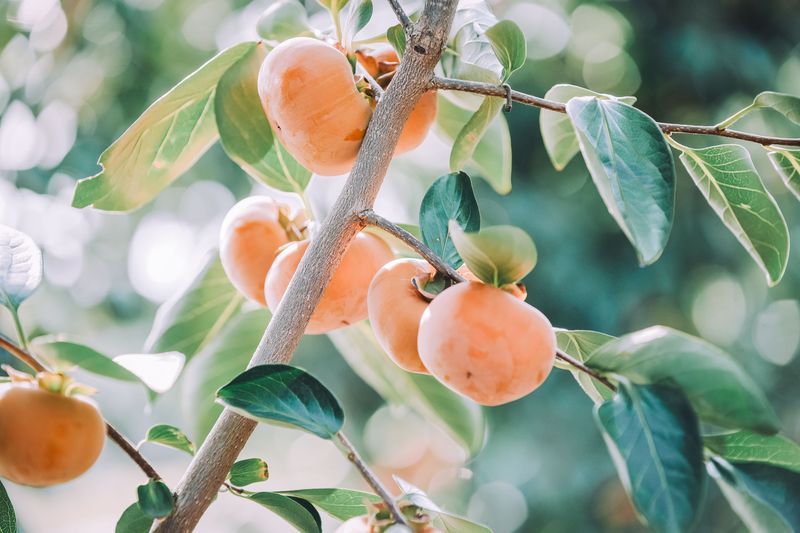
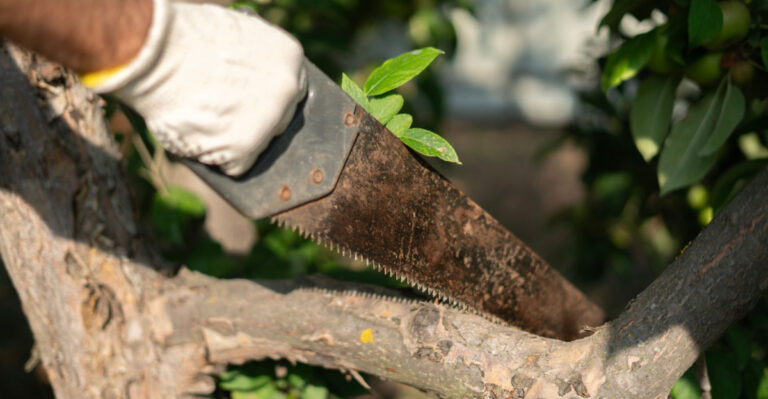
Grab your hand pruners before you head outside. Persimmons hold tight to their branches, and yanking can tear bark or bruise the fruit.
A clean snip is kinder to everyone involved.
Cut the stem just above the green cap, called the calyx, and leave a small piece attached. That little stub helps the fruit store better and keeps the skin from tearing.
A sharp knife works too if your pruners are missing.
Soft astringent fruit needs extra care. Cradle each one in your palm while you clip so it does not drop and split.
Some gardeners place a padded basket right under the branch as a safety net.
Once picked, lay the fruit in a shallow tray in one single layer. Stacking leads to dents and mushy spots that spoil quickly.
Keep the tray out of direct sun while you finish harvesting.
Wipe your pruners clean between sessions to keep tools in good shape. A quick rinse and dry prevents sticky sap buildup and rust.
Treat your harvest gently, and every piece of fruit arrives in the kitchen looking as good as it tastes.
A Banana in a Paper Bag Can Rescue Firm Persimmons
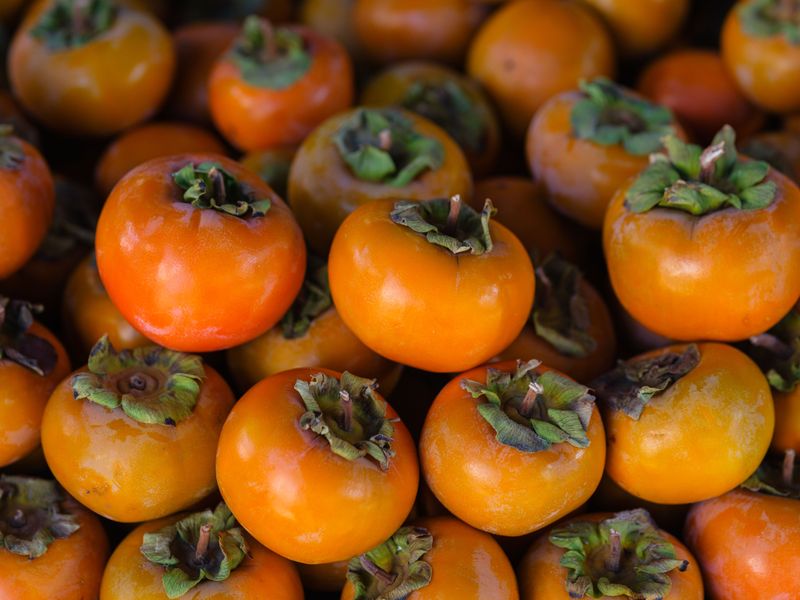
Picked a few too soon? Your kitchen can fix that.
Ripening fruit like bananas and apples release ethylene gas, which speeds up softening in many fruits, including persimmons.
Place fully colored but firm persimmons in a paper bag with a banana or apple. Fold the top closed and leave it at room temperature.
Check daily, since softening often happens within several days.
Freezing offers another handy trick. Freeze firm astringent fruit overnight, then thaw it, and the texture often turns soft and less puckery.
Results vary, so taste a small bite first before using a whole batch.
Once fruit reaches the right stage, eat it soon or move it to the refrigerator for a few days. Ripe Hachiya pulp freezes beautifully in containers or ice cube trays.
Pull out portions for muffins, oatmeal, or holiday breads months later.
The biggest lesson is simple. Know your variety, watch the color, and give the fruit the time it asks for.
Do that, and the chalky surprise turns into a sweet, honeyed treat that makes every season of waiting feel worth it.