Why Your Spider Plant Is Struggling In A California Home This Winter
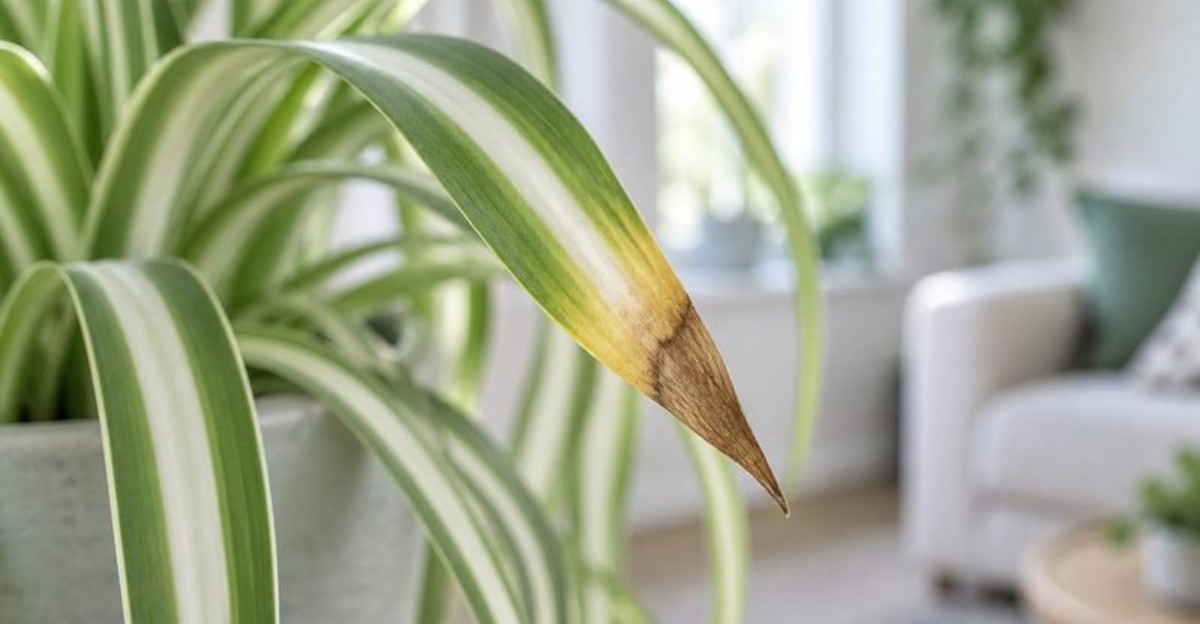
Roots on one arching houseplant grow so thick and strong that they can crack a thin plastic pot from the inside. Those fleshy storage roots hold water, which makes winter overwatering a bigger threat than a missed drink.
Letting tap water sit overnight may help chlorine escape, yet it won’t remove fluoride or chloramine, both common in California water. Even sunny homes get weaker, lower light in the darkest winter months, which can dull those crisp white stripes.
Let me be straight with you: a bucket of winter rainwater did more for my plant than any fancy fertilizer. You might notice baby plantlets dangling from the stems again once the fixes kick in.
Plenty of winter struggles come from cozy indoor habits, like a hot vent or a chilly windowsill. A few simple changes with water, light, and pot size could bring that arching green back to full strength.
1. Dry Heater Air Gives Spider Plant Leaves Brown Tips
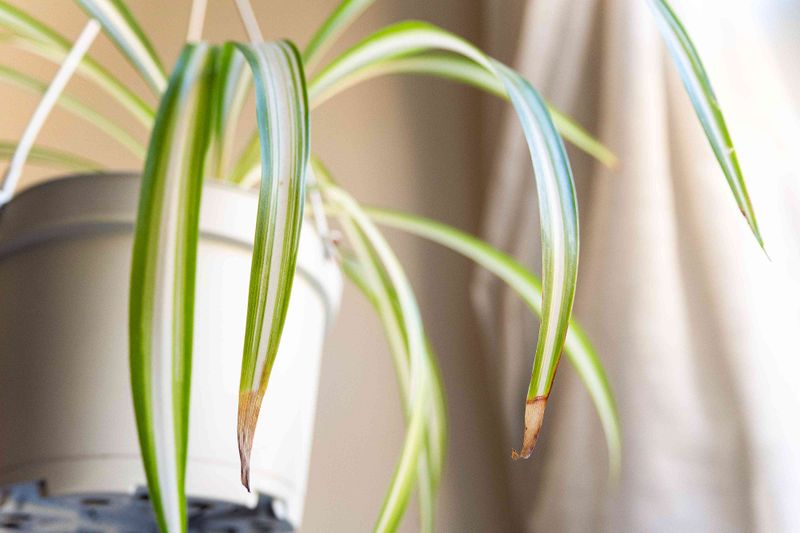
Crispy brown tips feel like a tiny insult after all your careful plant care, and dry winter air often deserves the blame. Spider plants come from shady, humid African habitats, so a warm, dusty living room feels foreign to them.
Forced-air heaters pull moisture from indoor air, and many homes drop well below comfortable humidity during chilly weeks. I notice my own skin and lips getting dry at the same moment my plant starts browning at the edges.
Spider plants handle average household humidity fairly well, so you rarely need a steamy greenhouse to keep them happy. They simply struggle when air turns very dry for weeks while the heater runs morning and night.
A small humidifier placed nearby makes the biggest difference, and it helps your sinuses through the dry season too. Pebble trays help a little, though the moisture they release mostly stays close to the tray itself.
Grouping several houseplants together creates a cozy pocket of shared moisture as their leaves release water into the air. Bathrooms with a bright window can also become a pleasant winter vacation spot for one restless spider plant.
Misting feels nice and looks charming, but the water evaporates within minutes and offers only brief relief for leaves. I treat misting as a fun ritual rather than a real fix for stubborn browning on the foliage.
Trim the brown tips with clean scissors if they bother you, following the natural pointed shape of each leaf. New growth should stay greener once the air around your plant carries a bit more moisture each day.
2. Soggy Winter Soil Rots Spider Plant Roots
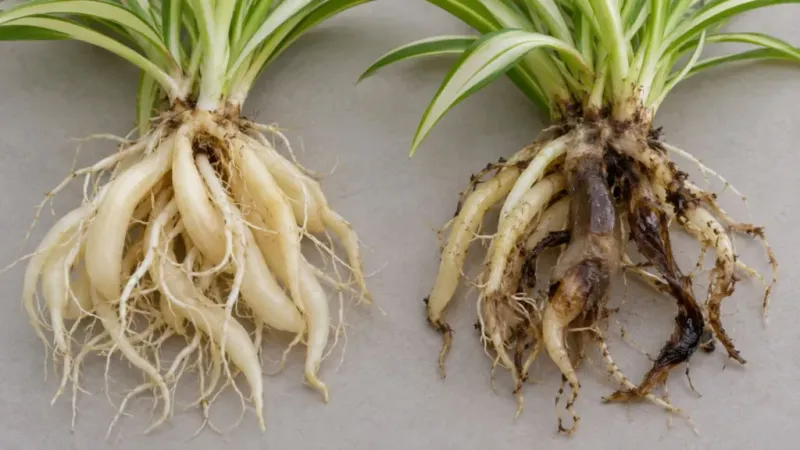
Love sometimes arrives in the form of a watering can, and spider plants can drown in that affection during winter. Their growth slows down as days shorten, so the soil stays wet much longer than it did in summer.
Underneath the soil, spider plants store water in thick, pale roots that look almost like little fleshy tubers. Those storage roots let the plant handle short dry spells, which makes overwatering a bigger threat than forgetting.
Soggy soil starves roots of oxygen, and rot can set in quietly before you notice anything above the surface. Yellowing leaves and a sour smell from the pot are two warning signs worth taking seriously right away.
Personally, I stopped watering on a calendar schedule and started poking my finger into the soil before each drink. Wait until the top inch or two feels dry, then water slowly until extra liquid drains from the bottom.
Empty the saucer after a few minutes so the roots are not sitting in a puddle for days afterward. A pot without drainage holes turns every watering into a gamble, so switch containers if yours lacks them.
Underwatering causes trouble too, with pale, limp leaves that look tired and droop over the edge of the pot. The trick is finding a rhythm that matches the slower winter pace instead of copying your summer routine.
If rot has started, trim away mushy brown roots and repot into fresh, well-draining mix right away for recovery. Healthy roots look firm and white, and a spider plant with even a few good ones usually bounces back.
3. Fluoride In Tap Water Burns Spider Plant Leaf Tips
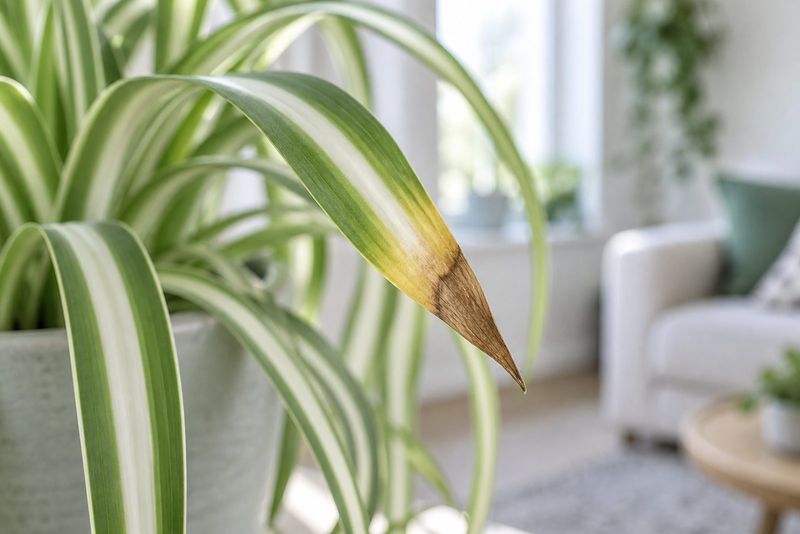
Your kitchen faucet might be the sneakiest culprit in this whole story, and it surprised me when I first learned about it. Spider plants are known for being sensitive to fluoride, a mineral many cities add to drinking water.
Many large California water systems add fluoride to protect teeth, which is great for people but less great for spider plants. The mineral builds up in leaf tips over time, and those tips slowly turn brown and dry.
Plenty of utilities also use chloramine instead of plain chlorine, and that matters for one popular piece of plant advice. Letting water sit overnight can help chlorine escape, but it does not remove fluoride or chloramine from your tap water.
Rainwater makes a wonderful free option, and winter storms often fill a bucket on the patio within a single afternoon. Distilled water or water from a reverse osmosis filter also works nicely for this picky but rewarding houseplant.
Hard water adds another layer, since dissolved minerals and salts gather in the soil with every watering session. You might spot a white crust along the pot rim, which tells you minerals are piling up below.
Flushing the pot every few months helps wash out those extra salts before they cause more trouble for roots. Pour plenty of clean water through slowly, then let the pot drain fully in a sink or bathtub.
I also avoid potting mixes heavy in perlite for this plant, since some perlite releases small amounts of fluoride. Switching to a gentler water source made a bigger difference for my spider plant than any fancy fertilizer ever did.
4. Short Winter Days Fade Spider Plant Stripes
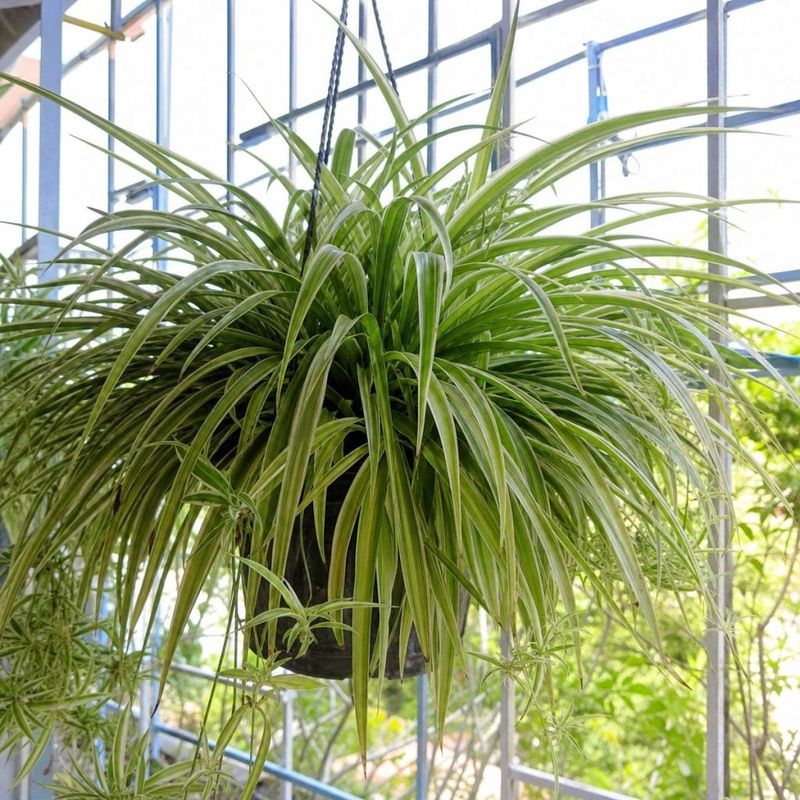
Those cheerful white stripes on a variegated spider plant need light to stay crisp, and winter days run short. Even sunny homes get weaker, lower sunshine from November through February because the sun sits lower in the sky.
Bright, indirect light suits spider plants best, and they can handle some gentle morning sun near an eastern window. In low light, the leaves may turn a duller green as the plant tries to capture every available ray.
Growth slows down too, and you may notice fewer of those adorable baby plantlets hanging from long arching stems. I love those dangling babies, so a plant without them feels like a party that ended a little early.
Moving the pot closer to a bright window can help, even if it only shifts a few feet each season. Just keep the leaves from pressing against cold glass, which brings its own set of chilly problems for tender foliage.
Intense afternoon sun through a western window can scorch leaves and bleach them, even during the cooler months. Sheer curtains soften harsh rays nicely, giving your plant brightness without turning its slender leaves pale and crispy.
A simple LED grow light makes a huge difference in darker rooms or apartments facing a shady side street. Running it about twelve hours a day on a cheap outlet timer keeps the routine easy and consistent.
Rotate the pot every week or two so all sides of the plant get their fair share of light. Otherwise, the leaves lean toward the window and the whole plant starts looking lopsided by late winter.
5. Cold Window Glass And Heater Vents Stress Spider Plants
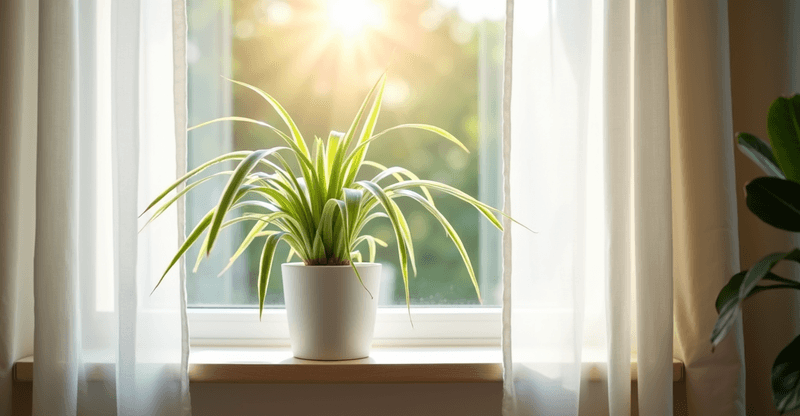
Even on mild coastal nights, a single pane of window glass can turn surprisingly icy before sunrise warms the room. Spider plant leaves touching that glass can develop limp, darkened patches that look almost water-soaked at first.
Spider plants feel most comfortable when indoor temperatures stay roughly between sixty and seventy-five degrees Fahrenheit through the day. They handle slightly cooler nights fine, but temperatures dipping toward fifty degrees start causing visible stress and slowed growth.
Inland valleys and desert towns in California can see frosty nights, and windowsills there get chilly in a hurry. Older homes with drafty frames or sliding doors let cold air sneak in along the floor and windowsill.
Heater vents create the opposite trouble, blasting hot dry air that crisps leaves faster than you might expect. I once parked a hanging spider plant above a floor vent, and the leaves browned within a couple weeks.
The ideal spot sits a little back from the window, out of drafts, and nowhere near direct streams of heat. A plant stand a foot or two from the glass often gives plenty of light without the nighttime chill.
Watch for sudden swings, like a sunny afternoon followed by an unheated room dropping cold at night. Steady conditions help spider plants stay calm, while constant temperature changes leave them sulking with droopy, tired foliage.
A cheap indoor thermometer near your plant tells you more than guessing ever could during these winter months. You might be surprised how much colder that cozy-looking windowsill gets at three in the morning.
6. Winter Fertilizer Builds Salt In Spider Plant Pots
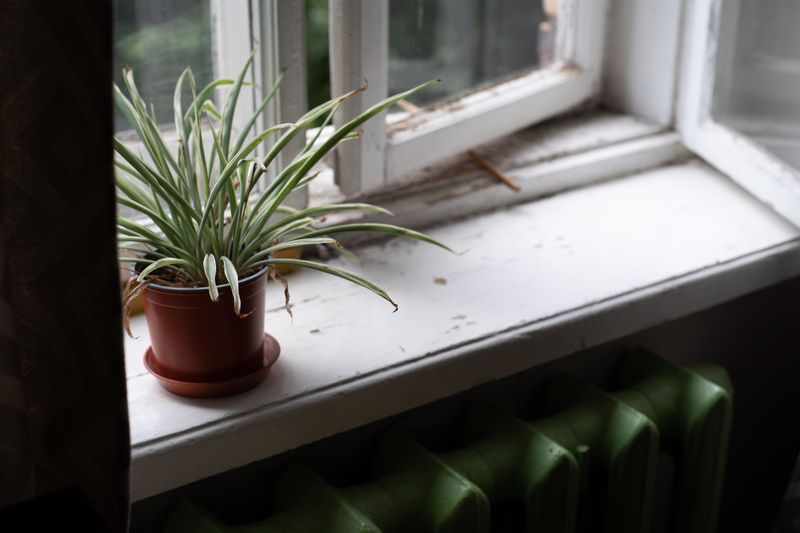
Feeding a sluggish plant feels helpful, yet extra fertilizer in winter often does more harm than good for spider plants. Their growth slows down when days shorten, so they simply cannot use much of the food you offer.
Unused fertilizer leaves behind salts that gather in the soil and around the roots over several weeks. Those salts pull moisture away from root tissue, and the leaf tips often brown as a frustrating result.
Spring and summer are the real feeding seasons, when new leaves and runners appear at a steady, cheerful pace. A balanced liquid fertilizer mixed at half strength works well during those warmer months for most indoor growers.
Personally, I put my fertilizer bottle on a high shelf from late fall until early spring arrives again. It keeps me from absent-mindedly feeding a resting plant just because the watering can is already in my hand.
Spider plants are light feeders anyway, and too much food can actually reduce the number of baby plantlets. More fertilizer rarely means more growth here, so a gentle hand pays off better over the long haul.
If you see white crust on the soil surface or pot rim, salts have probably built up below. Scrape off the crusty top layer, then flush the pot with plenty of clean water until it drains freely.
Once longer days return, you can start feeding again with weaker doses and watch how the plant responds. Fresh green leaves and new runners tell you the timing is right and the roots are ready again.
7. Spider Mites Spread Across Leaves In Dry Indoor Air
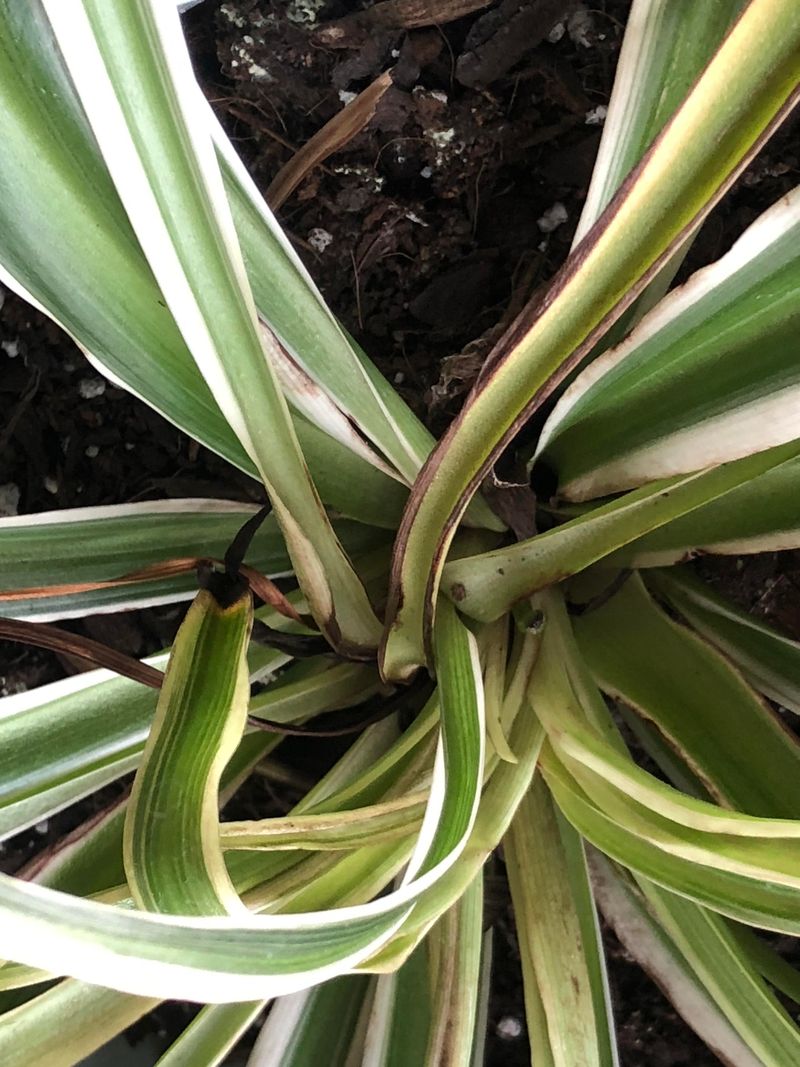
Ironically, spider plants can host spider mites, and these tiny pests love the warm dry air of heated homes. They are so small that most people notice the damage long before they ever spot the mites themselves.
Look for faint pale speckles on the leaves, which appear where mites have been sucking out plant juices. Fine silky webbing tucked along leaf undersides or where leaves meet the stems is another clear warning sign.
I like to hold a white sheet of paper under a leaf and tap it gently a few times. If tiny moving dots appear on the paper, you have found your culprits and can start treatment right away.
Mites multiply quickly in dry conditions, so raising humidity helps slow them down while you handle the problem. A strong shower of lukewarm water in the sink or tub knocks many of them off the leaves.
Insecticidal soap or horticultural oil can help manage larger populations, as long as you follow the label directions carefully. Spray the undersides of leaves thoroughly, since that is where mites prefer to hide and lay their eggs.
Mealybugs and aphids sometimes show up too, leaving cottony clumps or sticky residue on the leaves and stems. A cotton swab dipped in insecticidal soap removes mealybugs nicely when you spot just a handful of them.
Keep an infested plant away from your other houseplants until the problem clears up after several weeks. New plants from the store deserve a short quarantine as well, since pests often hitch a ride home.
8. Crowded Roots Burst From Spider Plant Pots
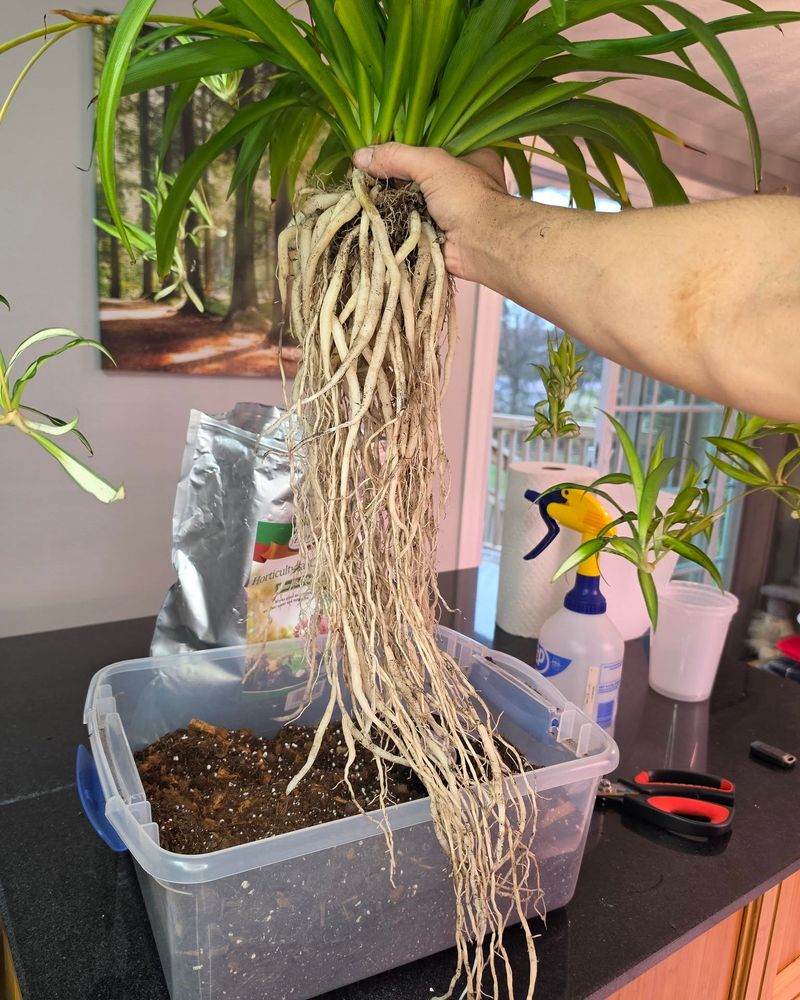
Spider plant roots are so thick and strong that they can actually crack a thin plastic pot from the inside. I found one of mine bulging like a stuffed suitcase, with roots poking out of every drainage hole.
A crowded root ball holds very little soil, so water rushes straight through without soaking in much at all. The plant then struggles to drink, and leaves may turn pale or yellow even with regular watering.
Winter is not the ideal moment for major repotting, since spider plants prefer moving house during active spring growth. If your plant is badly crowded or rotting, though, careful repotting now is better than waiting several more months.
Choose a container just one or two inches wider than the old one, with good drainage holes in the bottom. A huge pot holds too much wet soil around small roots, which invites the soggy problems mentioned earlier.
Spider plants like a light, well-draining potting mix that stays slightly moist without turning heavy or muddy. Terracotta pots breathe nicely and dry faster, which suits anyone who tends to water a little too generously.
Dividing an oversized plant is surprisingly easy, since the clumps often separate into smaller sections with gentle tugging. You end up with extra plants to share, and friends usually love receiving a ready-made houseplant gift.
California gardeners in mild coastal areas can even move potted spider plants outdoors to shade once frost risk passes. Until then, a roomier pot indoors gives those hungry roots a fresh start for the coming season.