The Final Mowing Height That Protects New York Lawns From Snow Mold And Voles
A tiny meadow vole can eat close to its own body weight in plant material every single day. Under a deep winter snowpack, it does that eating in secret, safe from hawks and foxes.
I learned this the hard way one March. The snow melted and my yard in upstate New York looked like someone had scribbled on it with brown crayon. Winding trails ran everywhere, and matted gray patches sat beside them like old felt.
You might notice the same mess on lawns all over New York each spring. Turns out the cause often starts months earlier, with one simple choice made on a chilly autumn afternoon.
That choice costs nothing and takes no special tools. The mower already sitting in your garage holds the answer, and the last cut of the season helps decide how much winter cover voles find in your lawn.
That Last Autumn Mower Pass Shapes Your Spring Lawn
Most of us treat the final mow of the year like taking out the trash. We do it fast, we put the mower away, and we stop thinking about the yard until April.
I used to work the same way. Then I learned that the length of grass you leave going into winter decides a lot about what greets you after the thaw. Grass that sits under snow for weeks behaves very differently depending on how tall it is.
Leave it too long, and the blades flop over into a soft, damp mat. That mat holds moisture against the crowns and gives small critters a cozy roof.
Cut it too short, and you stress the plant right when it needs stored energy for the cold months.
Somewhere between those two extremes sits a sweet spot. Lawn experts across the Northeast point to the same general range, and it is easier to hit than most people expect.
The best part is that the fix is free. You do not need sprays, traps, or fancy gear. You just need to know the number, the timing, and a few simple habits that work alongside your mower deck.
Set Your Mower Deck to Roughly Two and a Half Inches
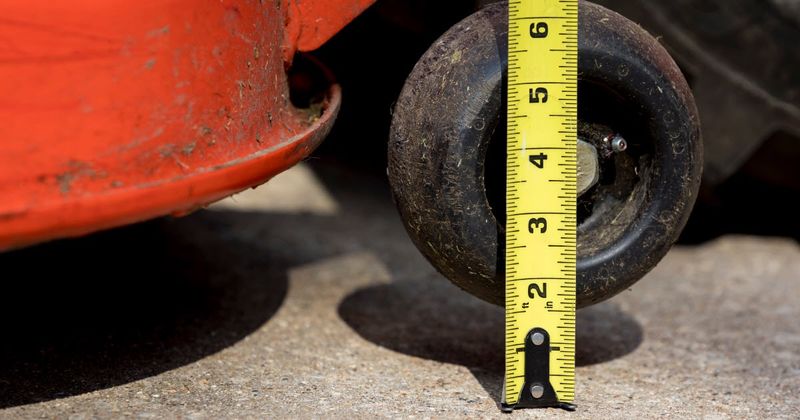
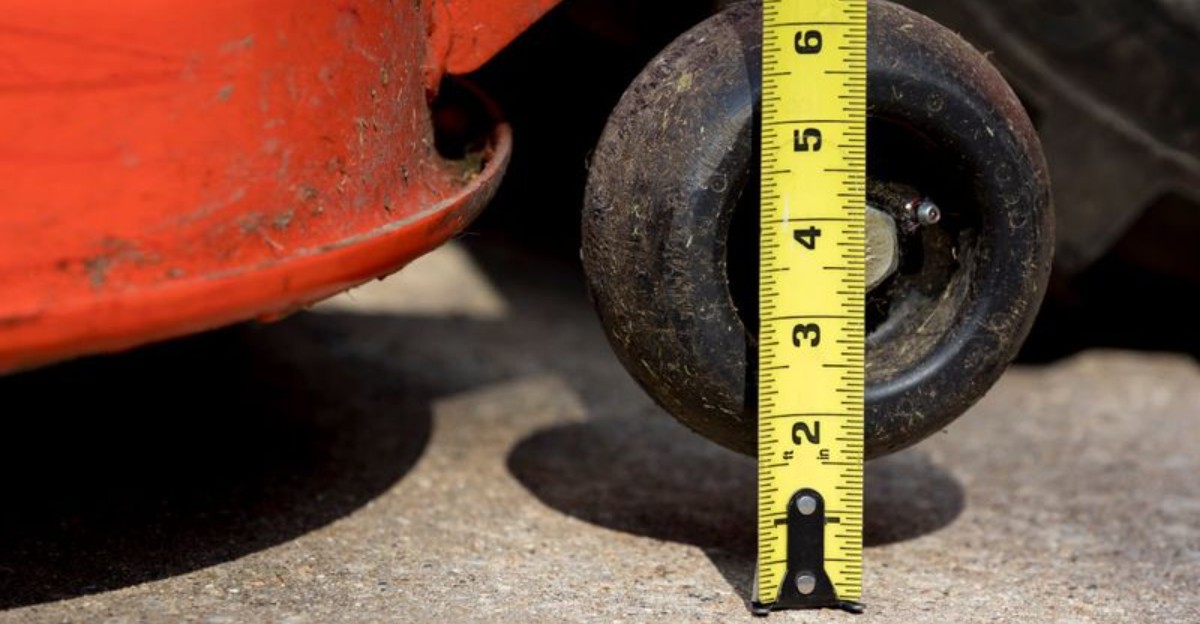
Two to three inches. That is the range many university turf specialists suggest for cool-season lawns in fall, and around 2 to 2.5 inches works well for that final winter cut.
Kentucky bluegrass, perennial ryegrass, and fine fescues cover most New York yards. These grasses handle that height nicely.
It is short enough to stay upright under snow, yet tall enough to keep healthy leaves for feeding the roots. Here is the trick I wish someone had told me sooner. Do not drop the deck all at once.
If your lawn sat at 3.5 inches all summer, lower it a little over your last two or three mowings instead. Why bother? Grass follows the one-third rule.
Removing more than a third of the blade in one cut shocks the plant and can leave brown, scalped spots. A slow step-down keeps things calm.
Tall fescue lawns can sit a bit higher, closer to three inches, without much trouble. Check your mower manual, since deck settings rarely match real blade height exactly. A quick measure with a ruler after one test strip clears up any guesswork.
Gray Snow Mold Patches Love Long Matted Grass
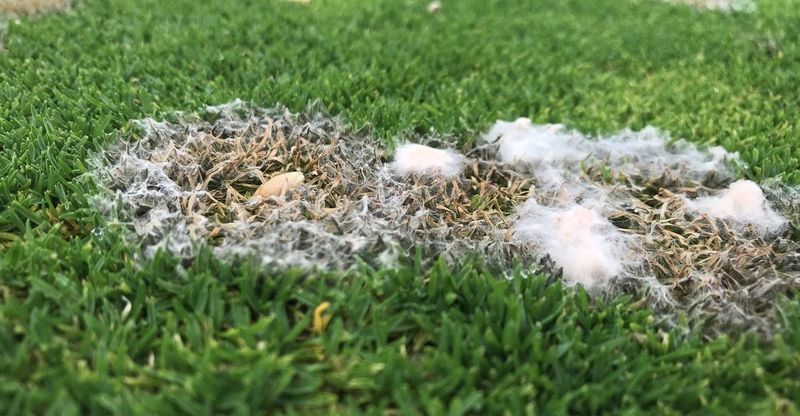
Ever spotted crusty, grayish-white circles on your lawn right as the snow pulls back? Those are classic signs of snow mold, a fungal problem that loves cold, wet, dark spots.
Two main types show up in New York. Gray snow mold usually needs long-lasting snow cover, often 60 days or more.
Pink snow mold, also called Microdochium patch, can appear with or without snow during cool, damp weather.
Long grass gives both types a boost. Tall blades bend and pack down under heavy snow, creating a soggy blanket where fungi thrive. A shorter cut stays more open, so air reaches the surface once the snow melts.
Mowing height is not the only factor, though. Heavy fall nitrogen, thick thatch, and deep snow piles from shoveling also raise the risk. Spreading out those piles helps a lot.
Most home lawns recover on their own as spring warms up. Gently rake matted spots to fluff the grass and let it dry.
In rare cases, the crowns get hurt and you may need to overseed bare areas. Fungicides are usually reserved for golf courses, not backyards.
Meadow Voles Build Secret Runways Under Tall Turf
Meet the sneaky lawn artist of winter. Meadow voles are small, chunky rodents with short tails, and they stay busy all season long without hibernating.
Snow gives them a perfect hiding spot from owls and hawks. Underneath, they chew shallow paths through the grass, nibbling blades and roots as they go.
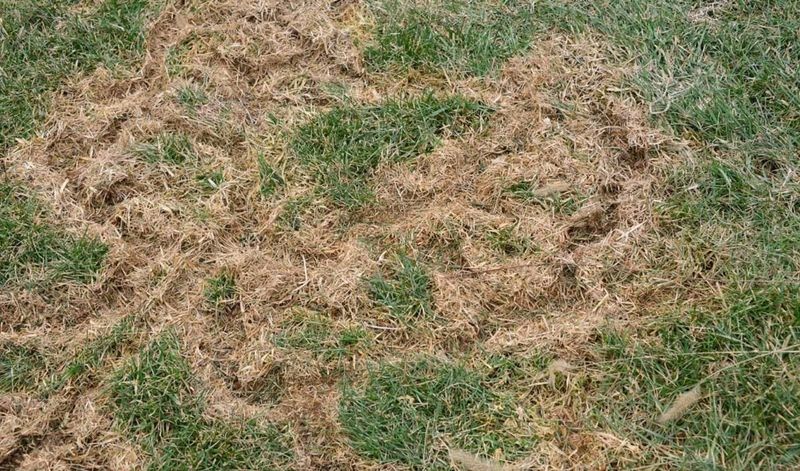
When the snow melts, you see the result, a maze of trails about two inches wide. Long grass makes this setup even cozier. Tall blades fold over and form a roof that adds extra cover.
Shorter turf gives voles less shelter, which may push them toward thicker spots instead. Fun fact for you. A single female meadow vole can have several litters in one year, so populations can jump quickly when conditions suit them.
Honest truth time. A short final cut helps, but it will not stop voles alone. Mowing tall grassy edges, trimming weedy borders, and pulling mulch away from shrubs and tree trunks all reduce hiding places.
The trail damage usually looks worse than it is, and most grass grows back after light raking and a little time.
Watch the Grass, Not the Calendar, Before Your Final Cut
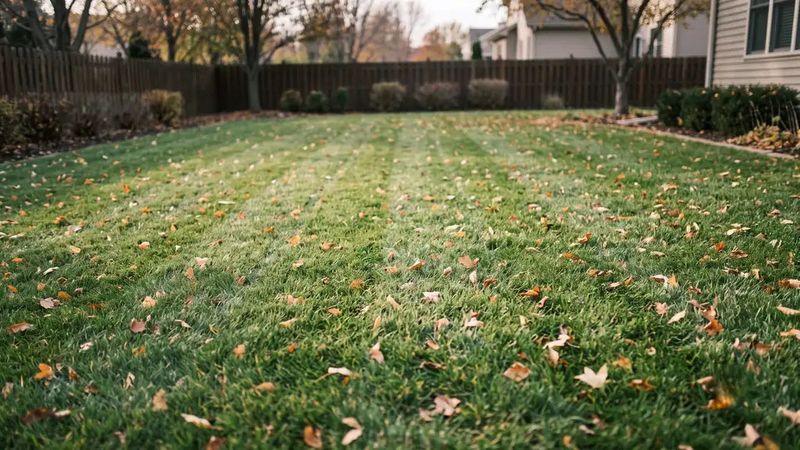
My first winter in the area, I quit mowing in early October. Big mistake. The grass kept growing for weeks and went into winter way too shaggy.
Cool-season grass keeps growing slowly until soil temperatures drop and hard frosts settle in. Across most of New York, that last mow often lands somewhere between late October and late November.
Timing shifts a lot by region. Lawns in the Adirondacks or Tug Hill area may stop growing weeks earlier than yards on Long Island or in New York City.
Watch your own grass instead of a date on the calendar. A simple test works well. If a week passes and the grass barely looks taller, you are probably close to done.
Make that last pass at your target height. One warning matters here. Avoid mowing frosty or frozen grass.
Frozen blades snap and bruise, and wheels can leave brown tracks that last for weeks. Wait until the frost melts and the lawn dries out by midday.
Sharp blades help too. A clean cut heals faster than a ragged tear, so a quick sharpening before your final rounds pays off.
Soggy Fallen Leaves Can Undo a Perfect Mowing Height
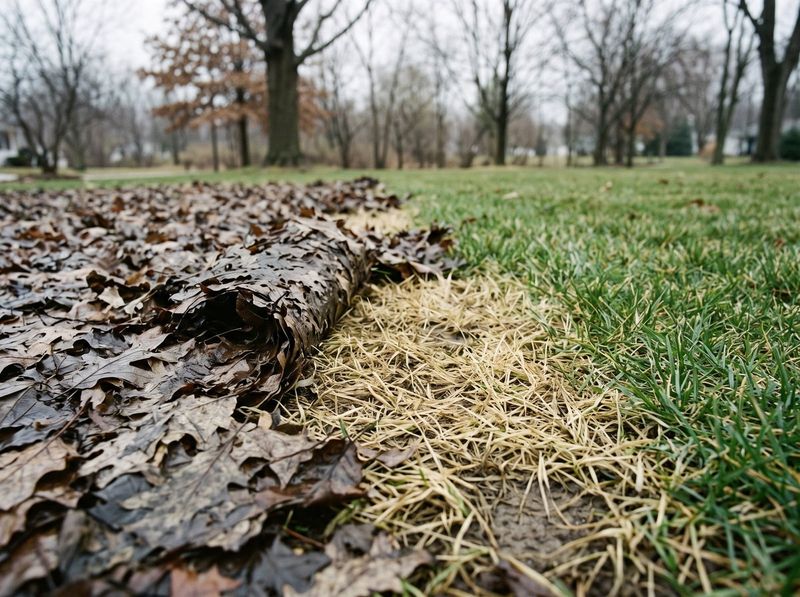
Leaves look charming on a lawn for about a week. After that, they turn into a soggy quilt that smothers grass and invites trouble.
A thick layer of wet leaves under snow creates the same damp, dark conditions that long grass does. Snow mold enjoys that setup, and voles appreciate the extra cover too.
All your careful mowing can get canceled out by one heavy leaf drop. You do not need to make every single leaf disappear. A light scattering is fine.
Many extension experts suggest shredding leaves with your mower so the small pieces fall between grass blades and break down over winter.
Heavy piles are different. Rake them up or bag them before the first lasting snow arrives. Shredded leaves make great mulch for garden beds or compost bins.
Fertilizer timing matters as well. Big doses of fast-release nitrogen late in fall can push soft new growth that handles winter poorly.
Stick with moderate feeding in early fall and follow local rules, since some New York counties limit fertilizer use near water. Also, pull leftover garden mulch at least a few inches back from tree trunks.
A Quick Spring Rake Helps Your Winter-Ready Lawn Bounce Back
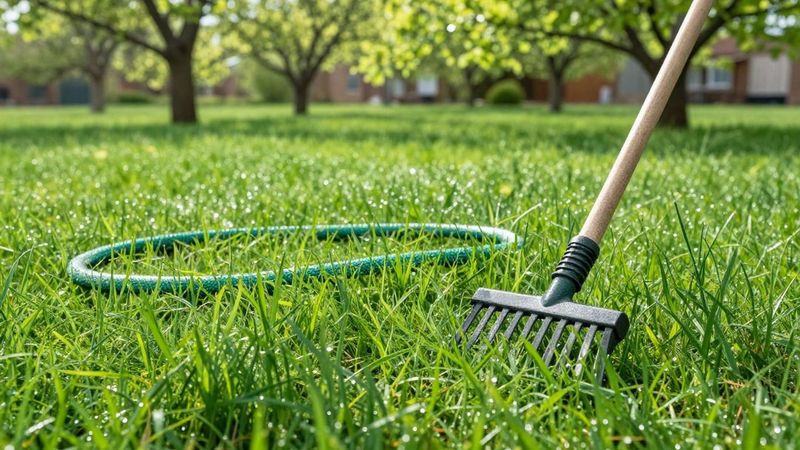
Spring is your reward round. When the snow finally melts, walk the yard and take a good look before doing anything else. Spot a few matted gray patches or some vole trails? Stay calm.
Once the ground dries enough to walk on without squishing, rake those areas lightly. Lifting the flattened blades lets sunlight and air in, and most of the grass greens up within a few weeks.
Bare spots that stay brown into May may need some seed. Loosen the soil, sprinkle a cool-season grass mix suited to your yard, and keep it moist.
Early fall still beats spring for big seeding jobs, but small patches fill in fine. Jot down what you noticed. Did trouble show up near the driveway snow pile, along a weedy fence line, or under the maple?
Those clues tell you where to focus next autumn. My own routine is simple now. I lower the deck slowly, finish around two and a half inches, clear the leaves, and spread out snow piles.
That small checklist turned my spring lawn from scribbled mess into something I actually enjoy seeing.