Right now Wisconsin gardeners are dividing these 8 crowded perennials for free plants next year
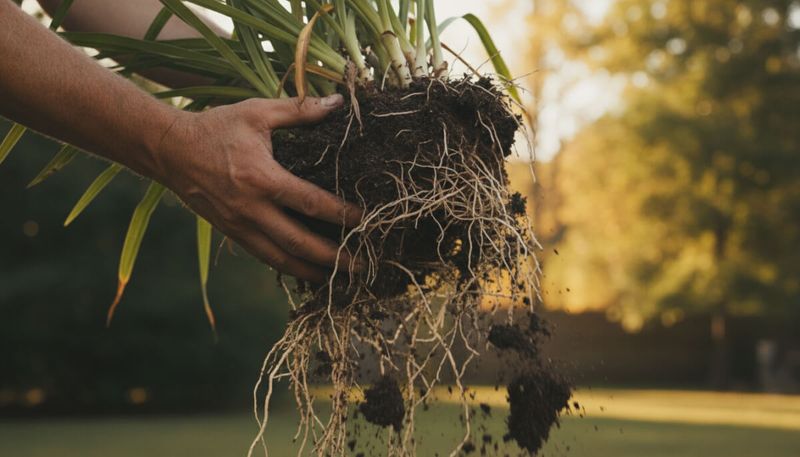
As the cool days of early fall settle across Wisconsin, gardeners are grabbing their shovels for one of the smartest jobs of the season. Dividing crowded perennials right now gives tired plants new life and hands you free plants to fill next year’s garden beds.
The soil is still warm enough for roots to settle before winter, making September a perfect window across the state. Here are eight perennials worth splitting up before the ground freezes.
1. Hostas
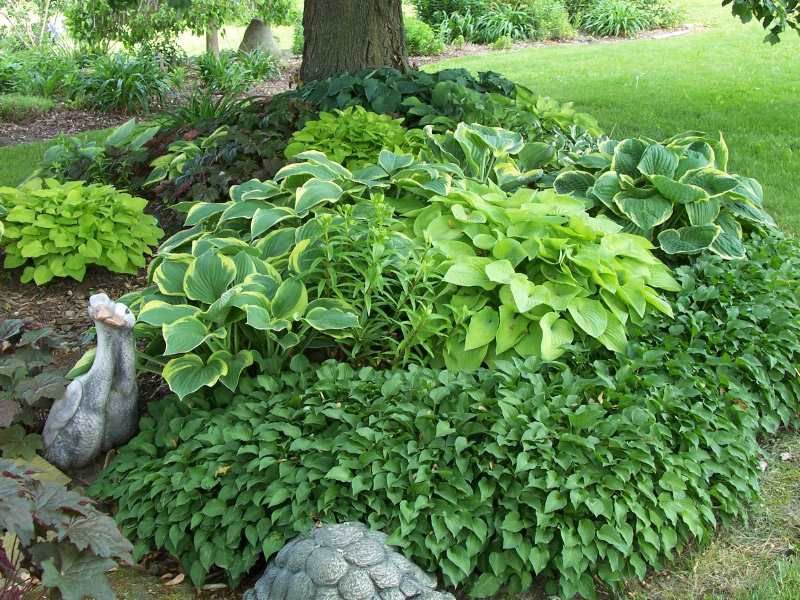
Few plants shrug off division as easily as the hosta, and Wisconsin shade gardens are usually full of them. When the leafy mounds grow so wide they crowd their neighbors or start dying out in the middle, that is your green light to dig in.
September works beautifully across Wisconsin because the newly split crowns have time to grip the soil before the cold arrives. Lift the whole clump, slice it into sections with a sharp spade, and make sure each piece keeps a few healthy eyes.
Every division becomes a fresh plant for another shady corner, so a single overgrown hosta can quietly fill an entire border. Wisconsin gardeners who do this every three or four years keep their hostas vigorous and their plant budget close to zero.
2. Daylilies (Hemerocallis)
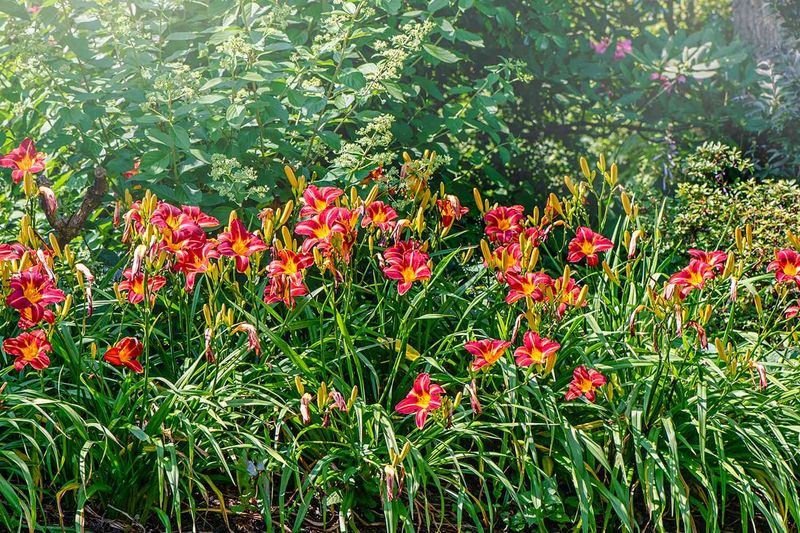
Daylilies are the workhorses of many Wisconsin flower beds, blooming their hearts out until the clumps get too thick to perform. After three to five years, the flowers thin out and the center gets woody, a sure sign the plant wants breathing room.
Early September, right after the main bloom finishes, is the sweet spot in Wisconsin. The soil still holds summer warmth, so the fans you pull apart can rebuild their roots before frost.
Tease the clump apart into fist-sized chunks, each with roots and a few leaves attached. Replant them around the yard or share extras with neighbors, and next summer those Wisconsin daylilies will reward you with stronger, more generous blooms.
3. Siberian Iris (Iris sibirica)
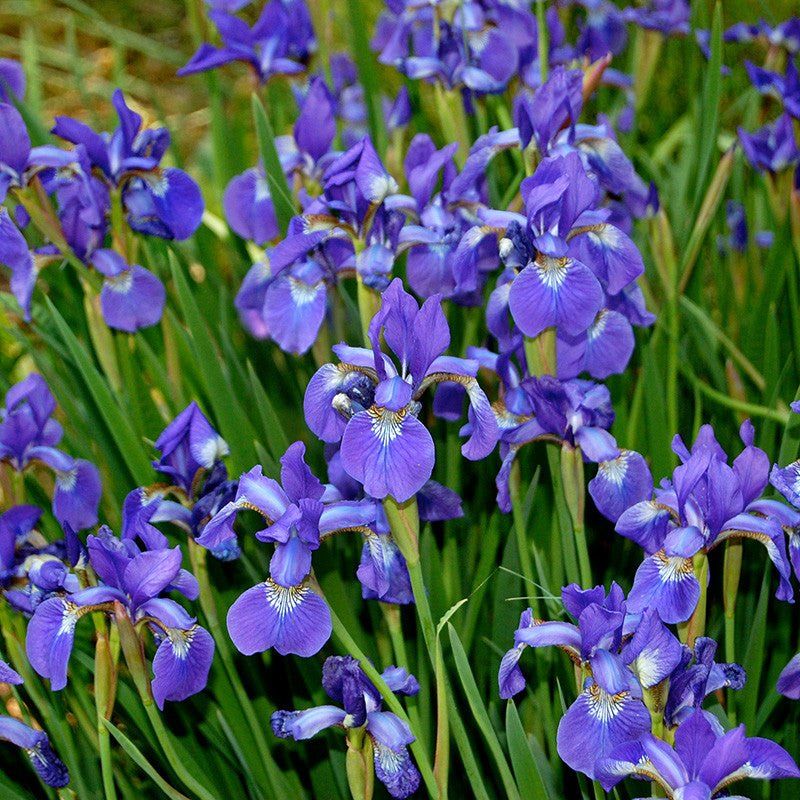
Grassy, elegant, and tough as nails, Siberian iris can fool you into thinking it never needs attention. Then one year the blooms drop off and the clump develops a hollow, bare middle that looks more like a doughnut than a flower.
That doughnut is the plant asking for division, and late summer into early fall gives Wisconsin gardeners the perfect timing. The pieces you separate need a few weeks of warm soil to root before the ground locks up for winter.
Because Siberian iris roots grow tight and fibrous, you may need a serrated knife or two forks back to back to pry the clump apart. Split them every three to five years, and your Wisconsin iris stands stay lush and full of spring color.
4. Coneflowers (Echinacea)
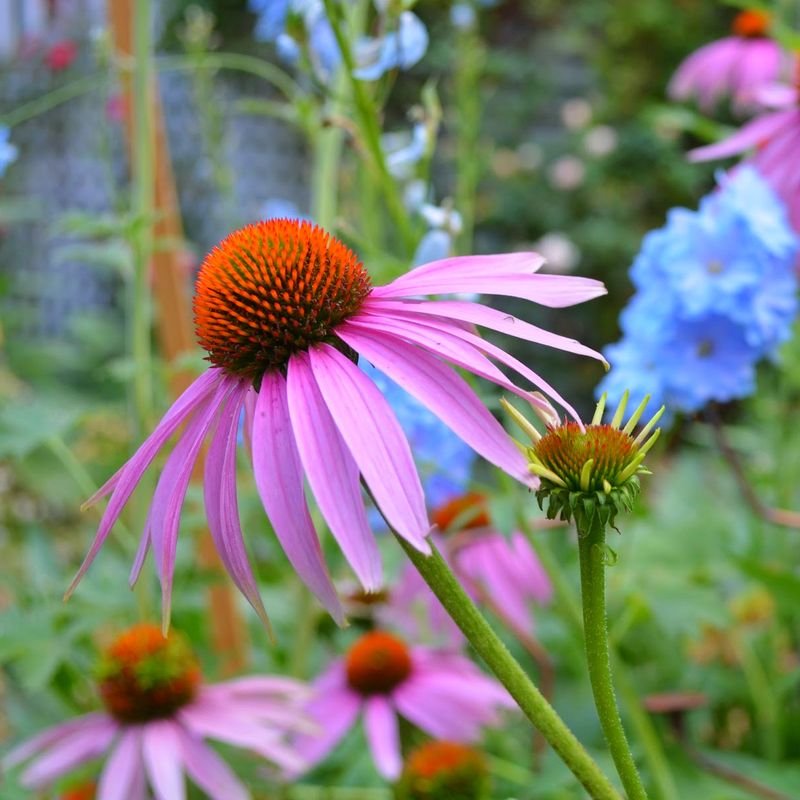
Purple coneflowers bring pollinators buzzing into Wisconsin gardens all summer, but even these prairie natives slow down when they get crowded. Fewer flowers and a floppy, tired look mean the clump has been sitting too long without a refresh.
Your Wisconsin Garden Changes Every Week. Your Plan Should Too.
Gardening in Wisconsin changes quickly throughout the season. Every Friday you’ll receive a simple weekly plan showing exactly what to plant, prune, fertilize, harvest, and protect so you never miss the right timing.
Waiting until the plants edge toward dormancy in fall is smart, because the divisions can settle in without the stress of hot weather. Dig the whole clump, shake off loose soil, and separate it into healthy sections with roots and a crown.
Coneflowers have a taproot-like habit, so handle the pieces gently and replant them at the same depth they were growing. Wisconsin gardeners who divide echinacea this way end up with rejuvenated plants and a handful of freebies for next season’s blooms.
5. Black-Eyed Susans (Rudbeckia)
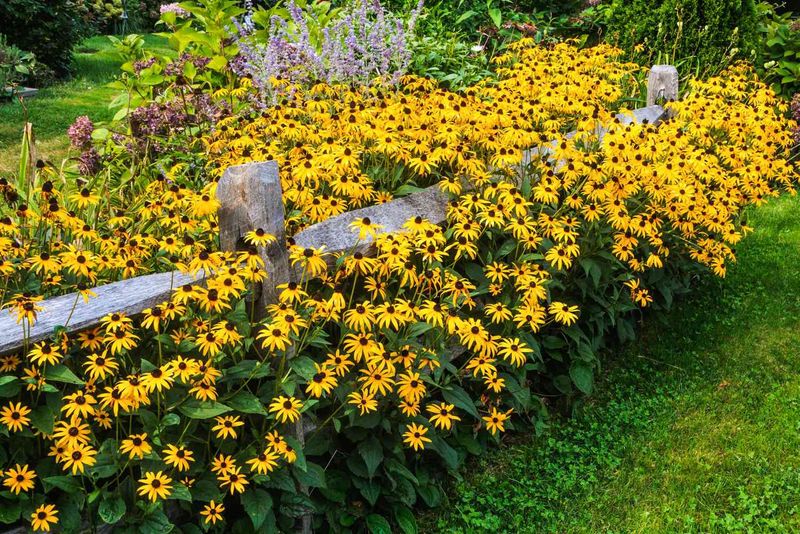
Cheerful and a little pushy, black-eyed Susans love to spread until they crowd out everything nearby. In many Wisconsin beds they multiply so fast that fall division is less a chore and more a necessity.
Every three to four years, dig up the wandering clumps once you notice weaker flowering or a dead spot forming in the center. Early autumn gives the divisions enough time to anchor their roots before the first hard freeze.
Pull the clump into smaller pieces, each with roots and a bit of top growth, and tuck them wherever you want a sunny splash of gold. Wisconsin gardeners get free color plus tidier borders, which is a win worth grabbing a shovel for.
6. Astilbe
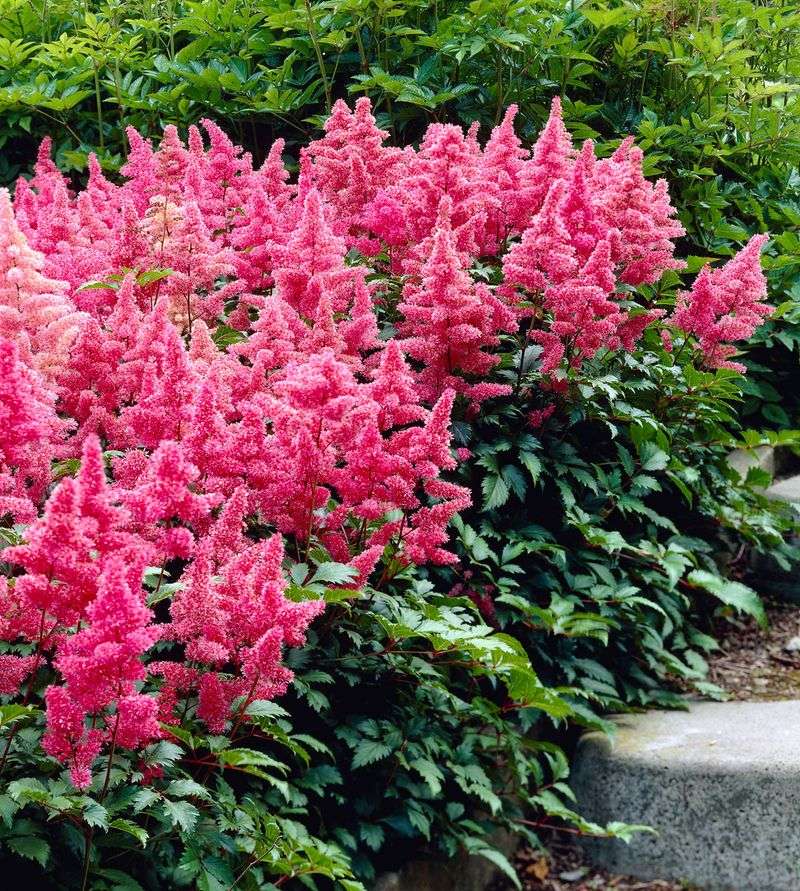
With their feathery plumes and fern-like leaves, astilbe light up the damp, shady spots where other flowers sulk. Wisconsin shade gardeners treasure them, but crowded clumps slowly lose their fullness and send up fewer of those airy flower spikes.
Spring is the classic time to divide astilbe, yet late fall after the plants finish blooming and get cut back also works well in Wisconsin. Cutting the clump into sections and replanting freshens the crown and eases the crowding that saps its energy.
Keep the moisture-loving divisions well watered until the ground chills, since astilbe hates drying out. Do this and your Wisconsin shade corner fills with soft, colorful plumes year after year.
7. Garden Phlox (Phlox paniculata)
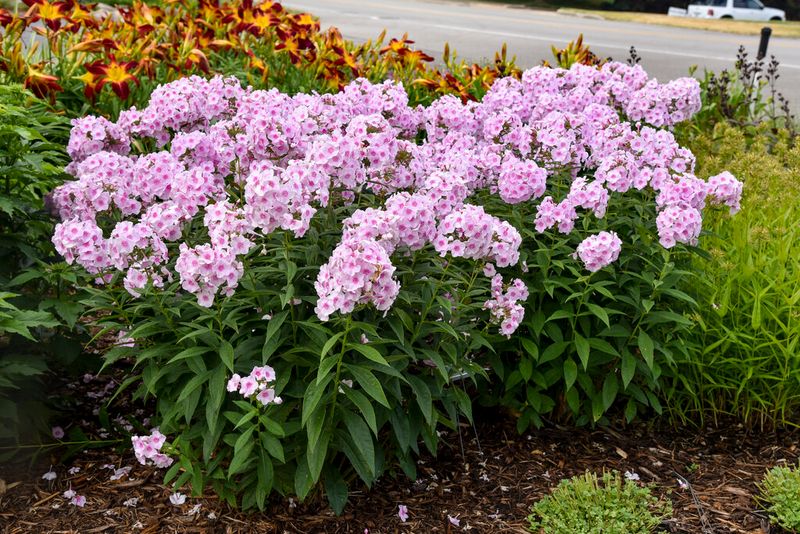
Tall garden phlox perfumes the late-summer air and towers over the border, but all that lush growth has a downside. When the clumps pack in too tightly, air stops moving through the stems and powdery mildew moves in, dusting the leaves an unhealthy gray-white.
Splitting overgrown phlox in fall solves two problems at once, thinning the clump for better airflow and giving you fresh plants for free. Dig the whole thing, pull it into vigorous outer sections, and toss the woody center.
Space the new divisions with room to breathe, and water them in before the Wisconsin ground freezes solid. Come next summer, Wisconsin gardeners are rewarded with sturdier stems, brighter blooms, and far fewer mildew headaches.