19 Small Arizona Native Perennials That Quickly Fill In A Bare Desert Bed
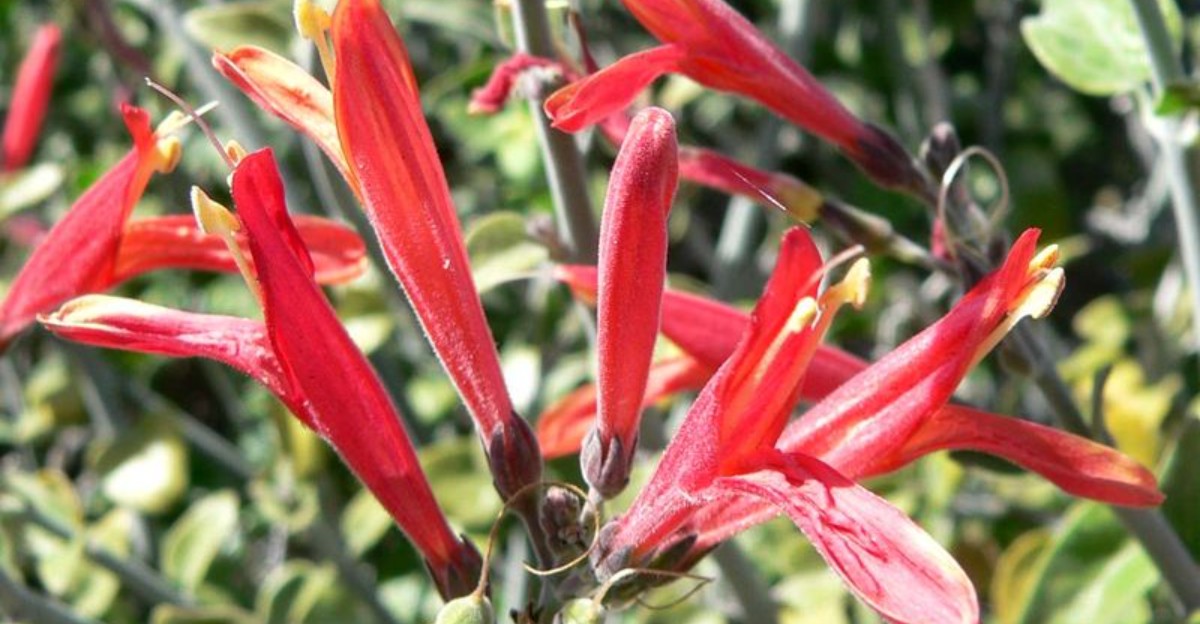
Staring at an empty patch of desert soil can feel discouraging, especially when the sun beats down and water is precious. The good news is that Arizona has plenty of small native perennials that spread fast, laugh at the heat, and invite pollinators and hummingbirds right to your yard.
These plants ask for very little water and give back plenty of color and life. Here are 19 tough little desert natives that will turn that bare bed into a busy, blooming habitat.
1. Angelita Daisy (Hymenoxys acaulis)
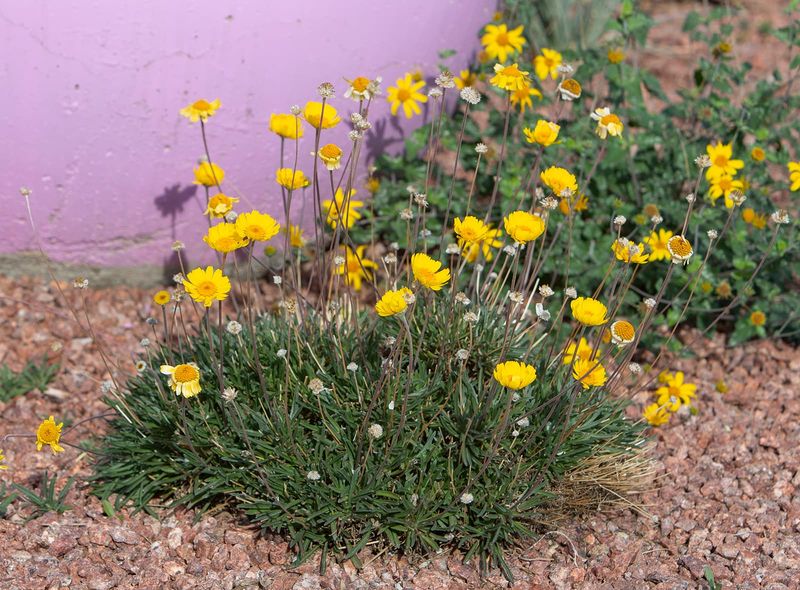
Few desert perennials work as hard as the cheerful Angelita Daisy. It pumps out sunny yellow, daisy-like blooms almost the entire year, which is rare in the low desert where color can come and go with the seasons.
Growing into tidy clumps about a foot tall and one to two feet wide, it fills gaps quickly when you plant several close together. The effect is a flowering carpet that hides bare soil and softens rocky edges.
Bees and butterflies drop by regularly, so you get natural pollinator traffic without doing anything extra. Its low, mounding shape also handles reflected heat from walls and walkways that fries pickier plants.
Care is refreshingly simple. Once established, it survives on almost no supplemental water and shrugs off caliche soils that trouble other species.
Snip off spent blooms if you want an even neater look, though it flowers happily whether you groom it or not. For a fast, dependable groundcover that keeps the yard bright through most of the year, this little native earns its spot at the top of the list.
2. Arizona Milkweed (Asclepias subulata)
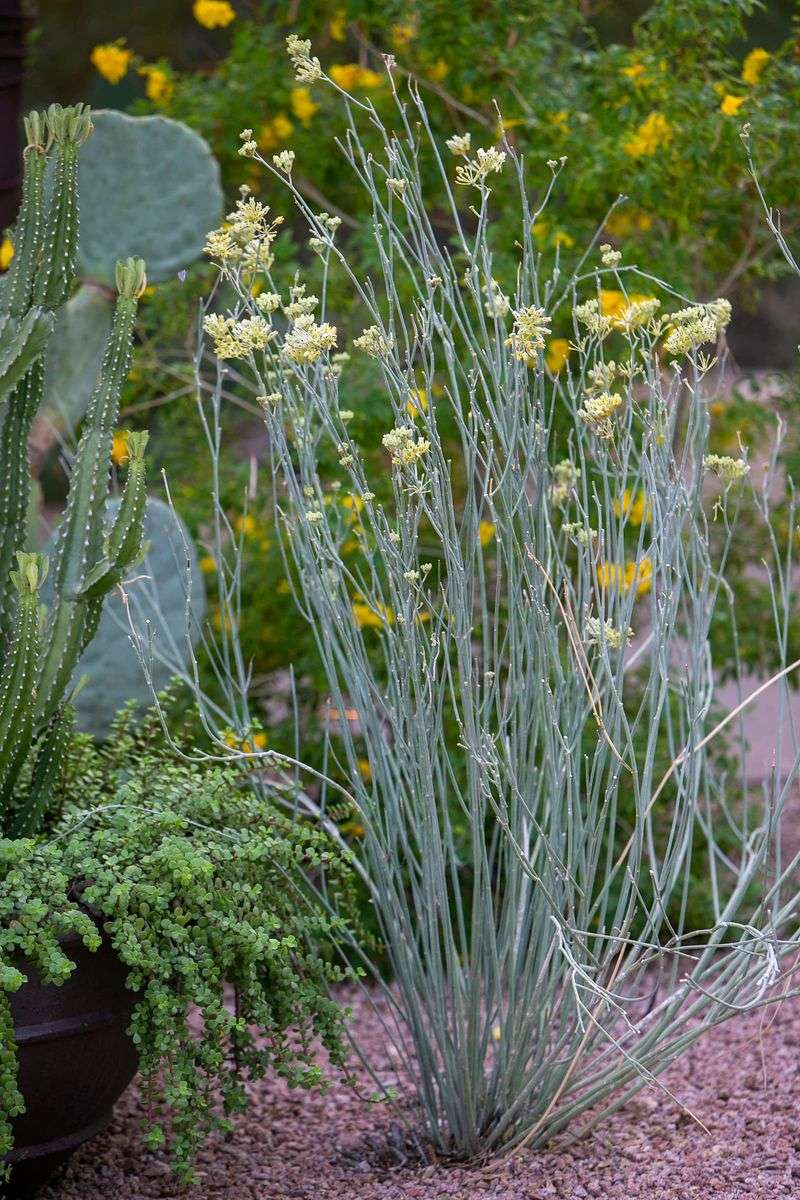
If you dream of butterflies flitting through your yard, Arizona Milkweed is your ticket. This heat-loving native is a vital larval food source for both Queen and Monarch butterflies, meaning caterpillars actually grow up on its stems.
Reaching two to three feet tall, its slender, nearly leafless green stems give it an airy, sculptural look that pairs well with bolder cactus and agave.
Reflected heat from patios and driveways doesn’t bother it one bit. In fact, it thrives in full sun and the toughest, hottest spots where you might struggle to grow anything else.
Water needs are minimal once roots settle in, making it a smart pick for a water-wise habitat bed. The small clustered flowers also draw in bees and other pollinators that keep the garden buzzing.
Plant it where you can watch the butterfly action up close, since seeing caterpillars munch and later emerge as adults is a genuine backyard thrill. For anyone building a pollinator-friendly desert garden, this milkweed delivers real ecological payoff with almost no fuss.
3. Arizona Poppy (Kallstroemia grandiflora)
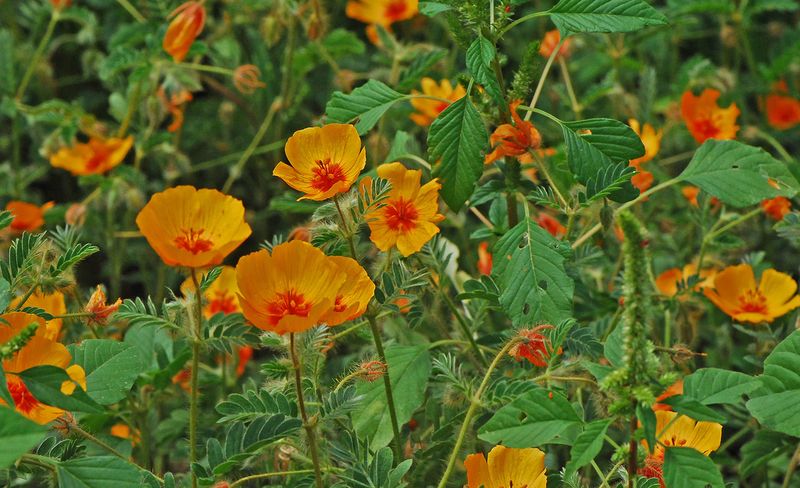
Technically an annual, the Arizona Poppy behaves so much like a perennial that it belongs on this list. It self-seeds with such enthusiasm that once you have it, it tends to return year after year on its own.
Bright orange, poppy-like flowers appear especially after monsoon rains, spreading into a low, sprawling groundcover one to two feet tall and two to three feet wide.
Your Arizona Garden Changes Every Week. Your Plan Should Too.
Gardening in Arizona changes quickly throughout the season. Every Friday you’ll receive a simple weekly plan showing exactly what to plant, prune, fertilize, harvest, and protect so you never miss the right timing.
The timing is what makes it special. When summer storms roll through and other plants pause, this one bursts into vivid color, giving your bed a splash of energy in the hottest months.
Bees, butterflies, and native pollinators flock to the blooms, turning a bare patch into a busy feeding station. That kind of wildlife activity is exactly what a functional desert yard should offer.
Let it reseed freely and it will fill open ground without any planting effort on your part. For gardeners who want dramatic monsoon-season color and pollinator traffic with essentially zero maintenance, this scrappy little poppy is a delightful surprise.
4. Blackfoot Daisy (Melampodium leucanthum)
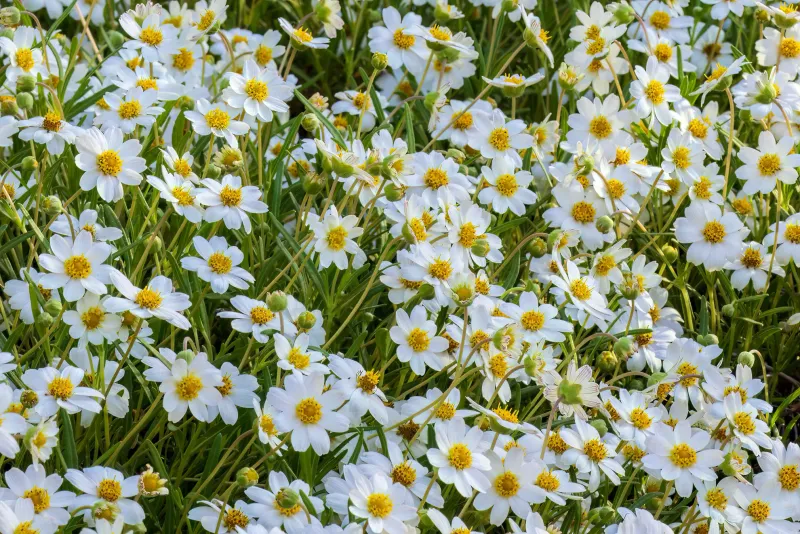
Sturdy and dependable, the Blackfoot Daisy forms a neat mound of white, yellow-centered flowers that keep coming from March all the way through November. That’s a long stretch of bloom for such a small plant.
Standing just six to twelve inches tall, it slips easily into rock gardens, border edges, and the tight spots between larger shrubs where it fills bare ground beautifully.
Heat and drought are no match for this native. It flourishes in rocky, well-drained soil and asks for very little water once its roots take hold.
Bees and butterflies visit the flowers steadily, giving you months of pollinator activity from a plant that practically takes care of itself.
A faint honey scent rises from the blooms on warm days, a subtle bonus you’ll notice while working nearby. Its compact, tidy habit means it rarely sprawls out of bounds or needs much grooming.
For a low, long-blooming performer that thrives in the harshest, sunniest corners of a desert bed, this cheerful daisy is hard to beat.
5. Chocolate Flower (Berlandiera lyrata)
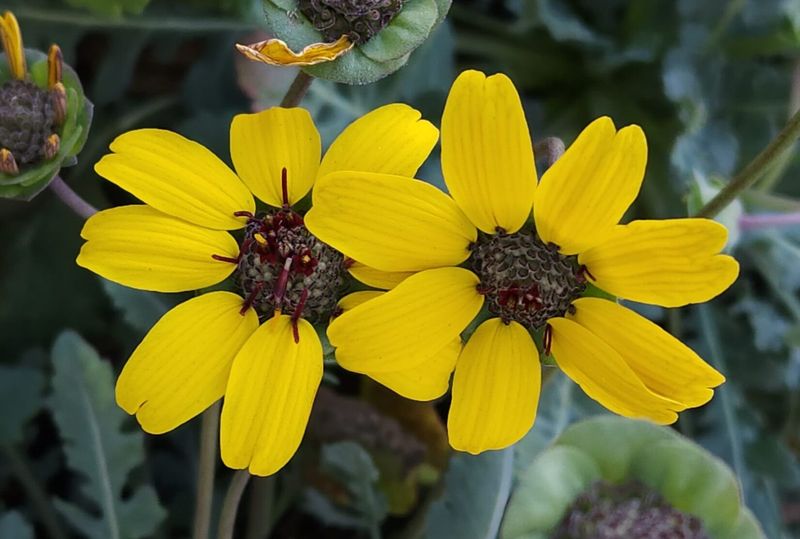
Here’s a plant that engages your nose as much as your eyes. The Chocolate Flower produces yellow, daisy-like blooms that give off a genuine chocolate-like fragrance, strongest in the cool of the morning.
Growing one to two feet tall, it makes a fun addition to any spot where you sit outside with coffee and can catch that unexpected cocoa scent drifting on the air.
Beyond the novelty, it’s a solid pollinator plant that draws in bees and butterflies looking for a reliable food source. That combination of function and delight makes it a favorite among desert gardeners.
It self-seeds gently, so it fills in open areas over time without becoming a nuisance. Established plants shrug off heat and get by on modest water.
After the petals drop, the little green cups left behind add a quirky textural interest to the bed. Plant it near walkways or seating so the morning aroma greets you.
For a native perennial that surprises visitors and feeds pollinators, this scented charmer brings personality that few plants can match.
6. Chuparosa (Justicia californica)
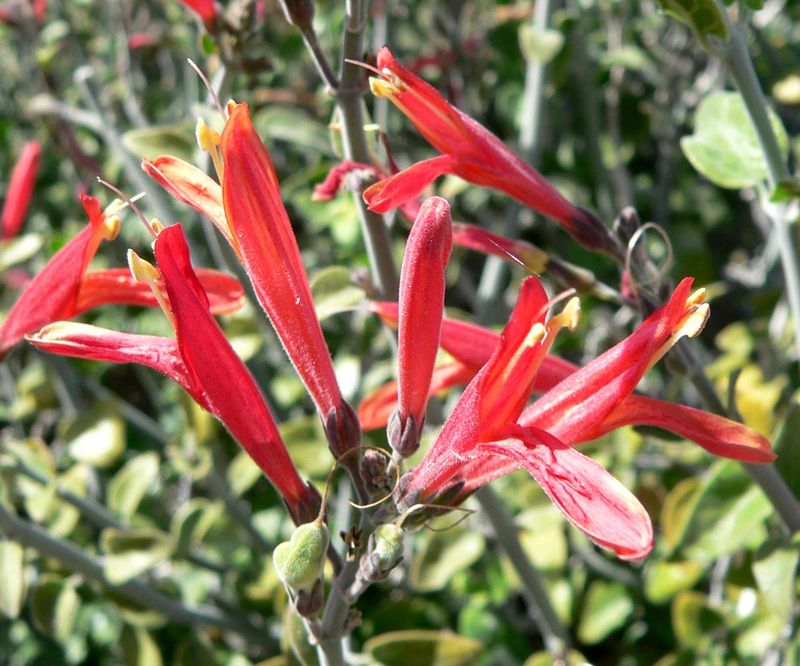
Hummingbirds practically write love letters to Chuparosa. Its bright red-orange tubular flowers are perfectly shaped for their long beaks, and the blooms appear through much of the year in the low desert.
This sprawling native subshrub reaches about three feet tall and wide, filling space with a loose, informal shape that looks right at home among boulders and cactus.
Extreme heat barely fazes it. Chuparosa thrives in full sun and hot, reflected spots, delivering flowers even when the temperature soars past the century mark.
Because it blooms so much of the year, it gives hummingbirds a steady nectar supply when other plants have gone quiet. That reliability makes it a cornerstone of any bird-friendly desert bed.
Water needs stay low once established, and it tolerates the poor, alkaline soils common across Phoenix and Tucson yards.
The bare, green stems even photosynthesize, so the plant looks alive and active whether or not it has many leaves. For gardeners who want to fill a bed and pull in darting hummingbirds all at once, Chuparosa is a standout choice.
7. Damianita (Chrysactinia mexicana)
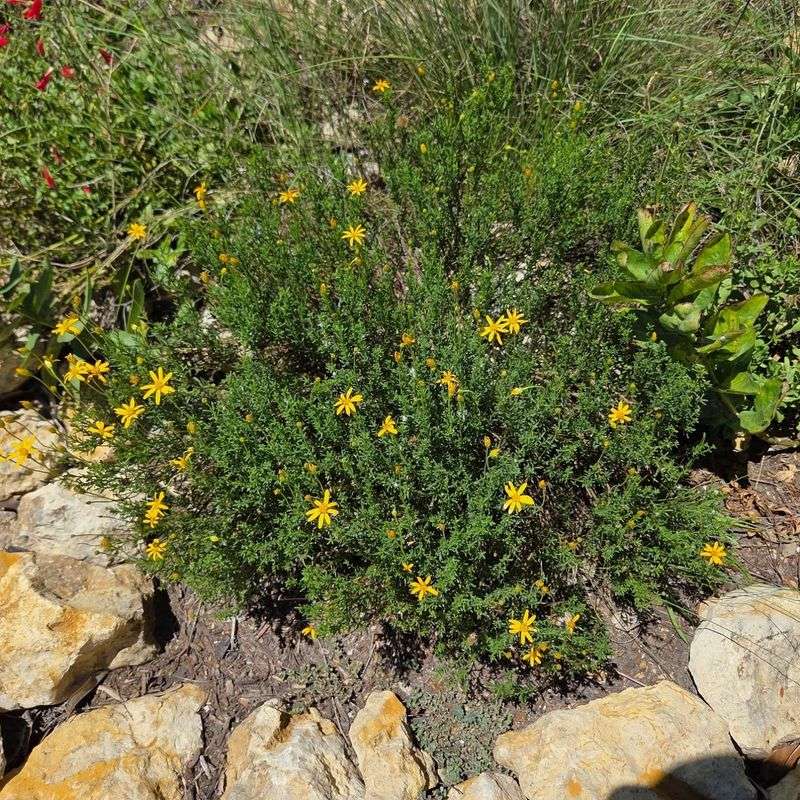
Compact and cheerful, Damianita forms a tight, rounded mound topped with golden daisy-like flowers in spring and again in fall. Its double bloom season gives you color at two of the best times to enjoy the desert garden.
Native to the broader Southwest, it settles happily into Arizona’s heat and grows up to two feet tall and wide, making a neat little clump that fills space without sprawling.
Brush against the foliage and you’ll catch a pleasant resinous fragrance, a trait that may make it less inviting to browsing pests. That aromatic quality adds another layer of appeal.
It handles full sun, poor soil, and dry conditions with ease, asking for barely any supplemental water after establishment. Bees and butterflies visit the golden flowers when they open.
Its dense, evergreen mound holds its shape year-round, giving structure to a bed even between bloom cycles. A light shearing after flowering keeps it looking crisp.
For a fragrant, tidy native that anchors a spot with reliable golden color, Damianita is a quiet workhorse worth planting.
8. Desert Four O’Clock (Mirabilis multiflora)
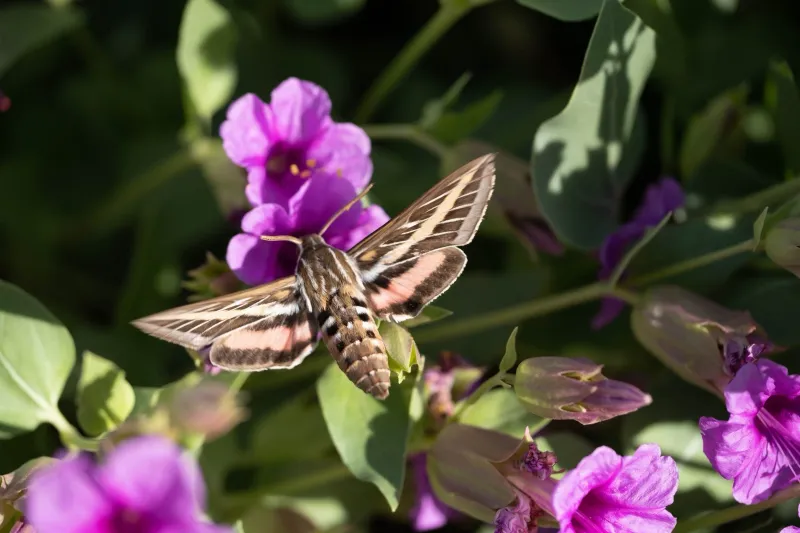
Named for its habit of opening late in the day, the Desert Four O’Clock waits until afternoon to unfurl its abundant magenta, trumpet-shaped flowers. It’s a plant that comes alive as the day cools.
Spreading into a low mound two to three feet tall and up to six feet wide, it covers a lot of ground fast, making it a champion for filling bare beds.
The evening blooms attract pollinators, including moths and hawkmoths that visit as the sun sets. Watching those nighttime visitors work the flowers adds a whole new dimension to the garden.
Heat and drought pose little trouble. It dies back in winter and returns from a hardy root each year, so it’s tougher than its soft, lush look suggests.
Because it spreads so widely, give it room to roam or place it where you want a big splash of color across open soil. Little watering is needed once it’s rooted in.
For dramatic late-day color and evening pollinator activity, this sprawling native brings a magenta glow to the desert bed.
9. Desert Marigold (Baileya multiradiata)
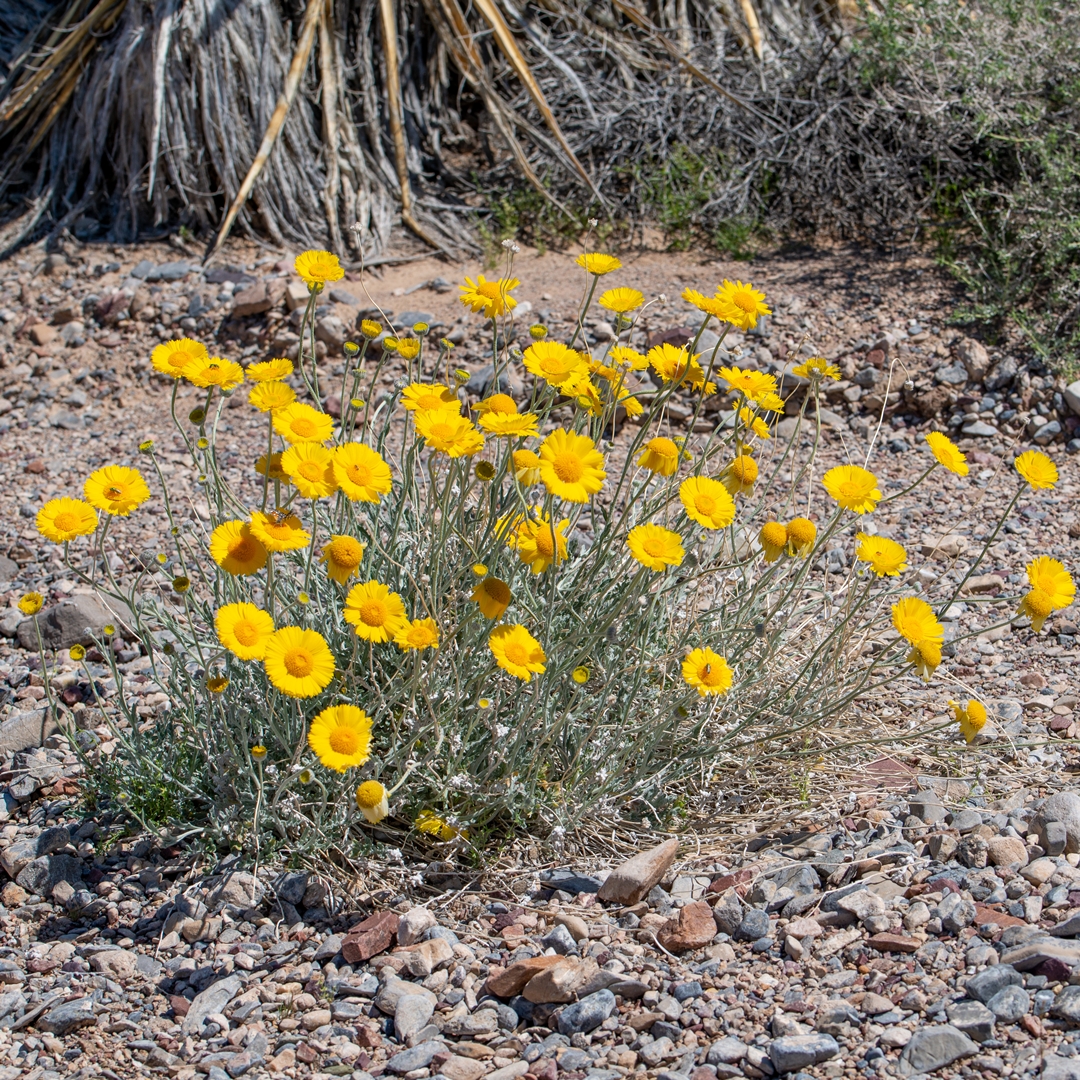
Cheerful and carefree, the Desert Marigold scatters bright yellow blooms above silvery foliage almost year-round. Its flowers seem to shine against the muted grays and tans of the desert.
This easygoing native reseeds so readily that it pops up in new spots on its own, quietly filling bare ground with fresh clumps one to two feet tall and wide.
Poor, dry soils and blistering heat are exactly what it prefers. Where other plants sulk, this one seems to thrive on neglect and drought.
Bees and butterflies work the flowers steadily, so you get pollinator traffic paired with nonstop color. That combination makes it a favorite for low-effort habitat gardens.
The silvery leaves add a soft, cooling texture that contrasts nicely with green-leaved neighbors and spiky succulents. Even out of bloom, that foliage earns its keep.
Let the seed heads dry and drop, and you’ll have a self-sustaining patch that renews itself season after season. For a native that plants itself and keeps the yard sunny with almost no input, Desert Marigold is a joyful, dependable choice.
10. Desert Senna (Senna covesii)
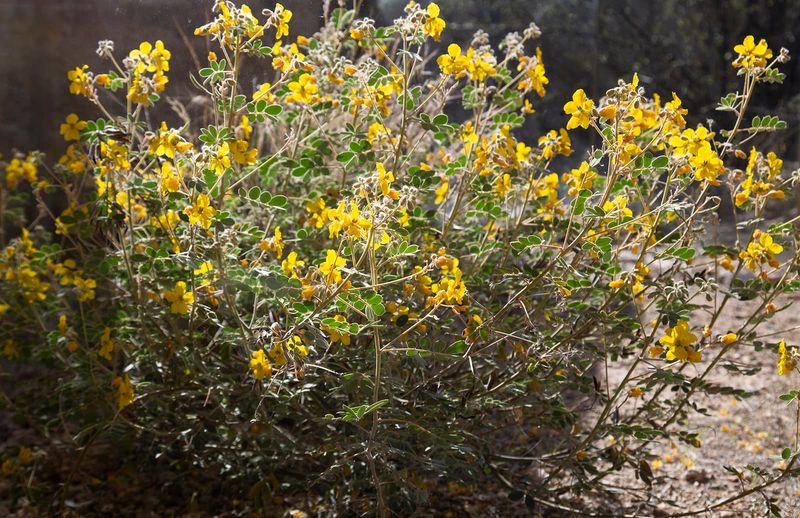
Butterfly gardeners take note: Desert Senna serves as a larval host for Sulphur butterflies, meaning it helps raise the next generation right in your yard. That role makes it far more than a pretty face.
This compact native, often described as a small shrub, grows one and a half to three feet tall and covers itself in bright yellow flowers from March through November.
Along with butterflies, it draws in specialized Senna bees that seek out its blooms, adding to the pollinator diversity of your desert bed.
Water efficiency is one of its best traits. Once established, it needs very little supplemental irrigation and holds up through intense summer heat with ease.
Its soft green foliage and long bloom window give a bed structure and color across most of the growing season. Low maintenance is the name of the game here.
Tuck it into a sunny spot where you want dependable yellow flowers and steady insect activity. For anyone building a habitat garden that supports butterflies from egg to adult, this hardworking little senna delivers real ecological value with minimal fuss.
11. Fairy Duster (Calliandra eriophylla)
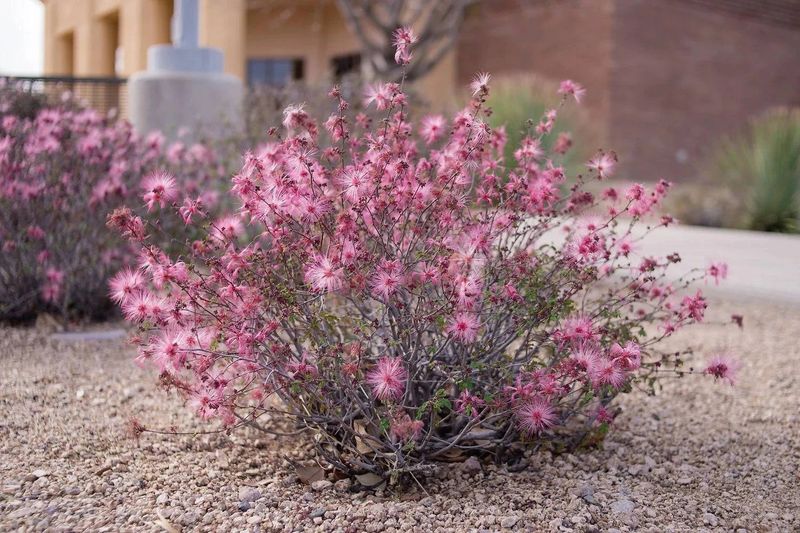
Delicate as its name suggests, the Fairy Duster puffs out soft, tufted pink or red flowers that look like tiny feather dusters. The fine, lacy foliage gives the whole plant a graceful, airy feel.
Forming a small shrub about one to two feet tall, this native version fills space nicely while staying compact enough for smaller beds and borders.
Hummingbirds adore the fluffy blooms and return again and again for the nectar. Bees join in too, making it a lively little hub of pollinator activity.
It often stays nearly evergreen in the low desert, holding its fine leaves through much of the year and keeping the bed looking full even between bloom flushes.
Heat, drought, and poor soil don’t slow it down. Once its roots settle in, it needs very little water to thrive.
The soft texture contrasts beautifully with stiff, spiky desert plants, adding a gentle, romantic touch to an otherwise rugged palette. For a native that mixes whimsical flowers, evergreen structure, and steady hummingbird visits, this feathery charmer punches well above its size.
12. Flattop Buckwheat (Eriogonum fasciculatum)
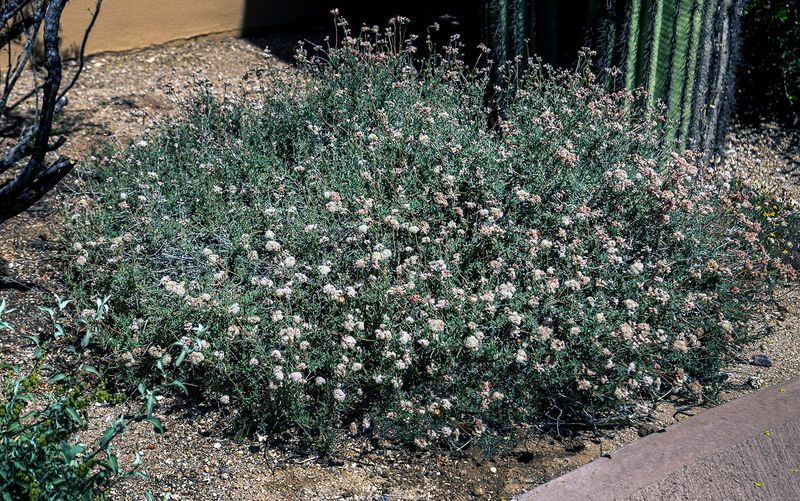
Early-season pollinators lean hard on Flattop Buckwheat, which offers blooms from March through June when many other desert plants are just waking up. That early nectar timing makes it a valuable resource.
Growing one to three feet tall, it forms a dense, spreading cover with flat clusters of tiny cream-to-pink flowers held above the foliage.
Bees and butterflies swarm the blossoms, and the sheer density of the plant creates a busy feeding ground during those spring months.
Beyond flowers, it earns its place through function. The thick, low-growing habit is excellent for erosion control, holding soil in place on slopes and open ground.
Drought and heat are easy for this tough native, which needs little water once rooted. It handles the alkaline soils common across Arizona yards without complaint.
As the flowers age, they dry to rusty tones that add subtle color and continue to feed seed-eating birds. That extended usefulness makes it a multi-season performer.
For a plant that fills bare ground, stabilizes soil, and feeds early pollinators, this dependable buckwheat quietly does several jobs at once.
13. Globe Mallow (Sphaeralcea ambigua)
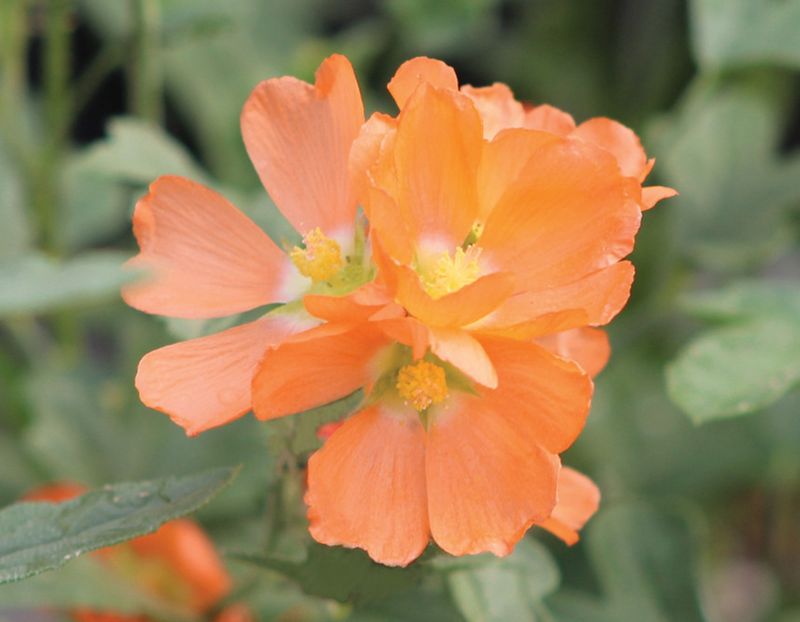
Soft-hued and sun-loving, Globe Mallow scatters cup-shaped blooms in shades of orange, pink, or red across gray-green foliage. The colors have a warm, desert-sunset quality that fits right into the landscape.
Reaching one to three feet tall, it grows easily and reseeds naturally, so a single planting can spread into a cheerful colony over time.
Hummingbirds visit the flowers, and the plant’s toughness means those visits keep coming with almost no effort from you.
Water needs are famously low. This is one of the most drought-tolerant natives around, getting by on rainfall alone in many spots once established.
The slightly fuzzy leaves give the plant a soft, silvery texture that contrasts nicely with darker green neighbors and sharp succulents. It’s a look that reads as both wild and refined.
Give it a light trim after a bloom flush and it often responds with fresh flowers. That easy responsiveness makes it forgiving for new gardeners.
For a water-wise native that fills space, reseeds itself, and keeps hummingbirds coming back, Globe Mallow is a low-desert classic that rarely disappoints.
14. Goodding Verbena (Verbena gooddingii)
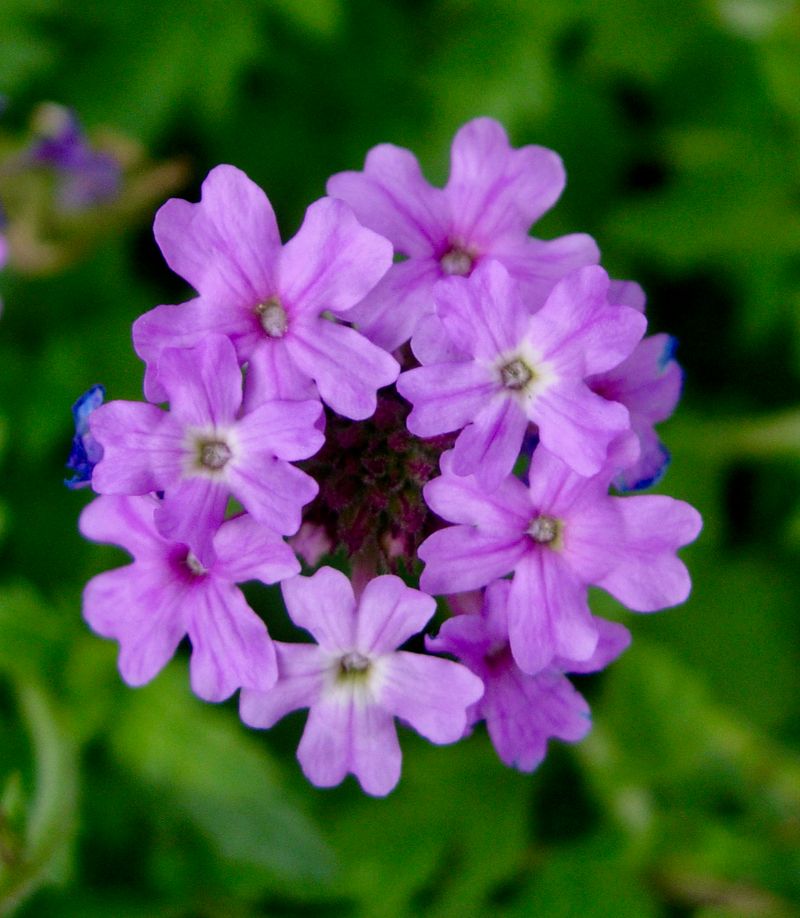
Fragrant and free-spreading, Goodding Verbena carpets the ground with clusters of lilac-purple flowers from spring through fall. A soft scent rises from the blooms, adding a sensory bonus to the color.
Growing one to three feet tall and spreading outward, it fills bare patches quickly and softens the edges of paths and beds.
Bees and hummingbirds both work the flowers, giving you a nice mix of pollinator visitors throughout the long bloom season.
What sets it apart is its range of tolerance. It handles both the searing heat of summer and the chill of winter, making it dependable across Arizona’s temperature swings.
A little supplemental water during the peak of summer heat keeps it blooming strong, but otherwise it asks for very little. That small effort pays off in months of purple flowers.
Its spreading habit works beautifully as a living mulch, shading soil and helping keep moisture in the ground below. For a fragrant, adaptable native that blankets bare beds in cool purple tones and feeds pollinators from spring to fall, this verbena is a versatile pick.
15. Gregg’s Mistflower (Conoclinium greggii)
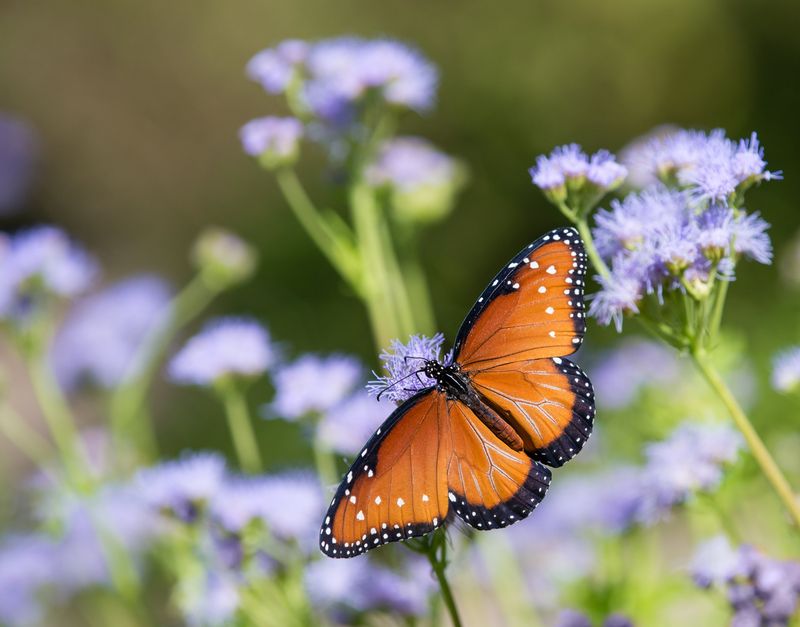
Butterflies swirl around Gregg’s Mistflower like it’s a magnet, drawn by the fluffy, bluish-purple, thistle-like blooms. Queen butterflies in particular seem unable to resist it.
Standing two to three feet tall, it fills space with a soft, hazy cloud of flowers that adds a cool blue note to a bed dominated by yellows and oranges.
Unlike many desert plants, it tolerates full sun to part shade, giving you flexibility to place it where other pollinator plants might struggle. That adaptability is a real advantage.
Drought tolerance makes it a natural fit for xeriscaping. Once established, it gets by on modest water while still putting on a generous show.
The pollinator activity it generates is genuinely impressive, turning a quiet corner into a fluttering, buzzing hotspot during bloom season.
It spreads gently over time, knitting together open ground and creating a fuller, more established look. A trim keeps it neat if you prefer a tidier shape.
For a xeriscape-friendly native that acts as a butterfly beacon and brings unusual blue tones to the desert palette, this mistflower is a rewarding addition.
16. Parry’s Penstemon (Penstemon parryi)
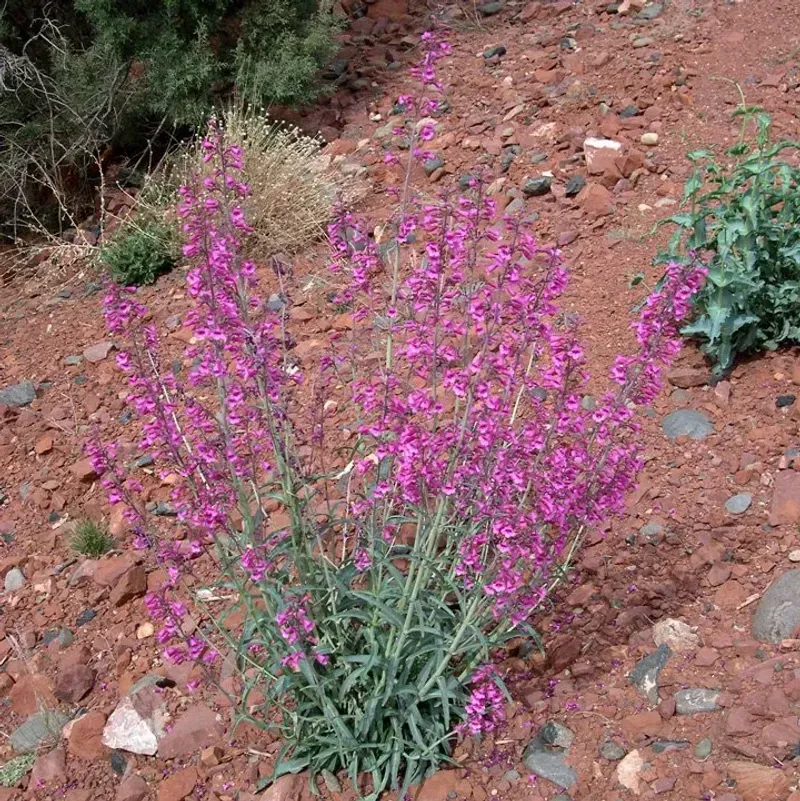
Come spring, Parry’s Penstemon sends up upright spikes topped with striking hot pink tubular flowers that seem to glow against the desert. It’s one of the season’s true showstoppers.
Reaching up to two feet tall, its vertical form adds height and structure to a bed, contrasting nicely with low mounding plants around it.
Hummingbirds find those tubular blooms irresistible, zipping from flower to flower and putting on a lively show for anyone watching.
It thrives in the low desert with very little water once established, making it a water-wise way to add a big burst of spring color.
After flowering, it produces plenty of seed and often reseeds itself, so a few plants can multiply into a stunning drift over a couple of seasons.
Plant it in fall so the roots settle before its spring bloom, and you’ll be rewarded with waves of pink right when the garden wakes up.
For a tall, dramatic native that pulls in hummingbirds and paints the yard hot pink each spring, Parry’s Penstemon is a beloved desert favorite that earns its reputation.
17. Pink Autumn Sage (Salvia greggii)
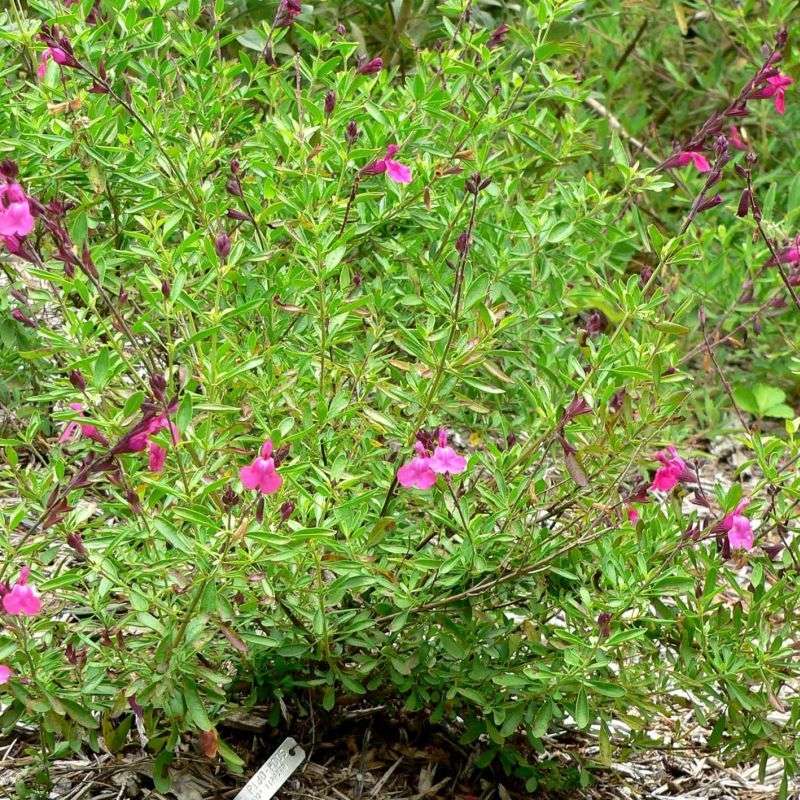
Blooming from spring clear through fall, Pink Autumn Sage keeps soft pink flowers coming for months on end. That long season makes it one of the more generous performers in a desert bed.
Forming a compact, mounding subshrub, it fills space neatly and holds a tidy shape that works in both formal and natural garden styles.
Hummingbirds and other pollinators visit the blooms steadily, drawn by the reliable nectar supply this plant provides across the warm months.
Deer tend to leave it alone, and its aromatic foliage may make it less appealing to browsing pests, a handy trait for gardens near open desert.
Heat and drought barely register once it’s established, letting it thrive on modest water even through brutal summer stretches.
A light shearing between bloom flushes encourages fresh flowers and keeps the plant compact and full. That responsiveness makes it easy to keep looking its best.
With its months-long bloom, pest resistance, and steady hummingbird traffic, this rosy salvia offers a lot of function in a small, well-behaved package. For dependable color that stretches across three seasons, it’s an easy plant to love.
18. Trailing Indigo Bush (Dalea greggii)
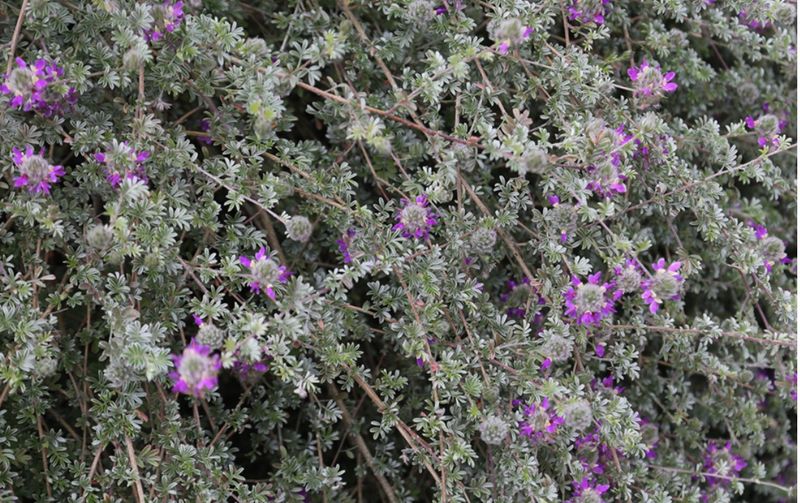
When you need to blanket a wide, bare area fast, Trailing Indigo Bush is the go-to groundcover. It stays just twelve to eighteen inches high but spreads an impressive five to ten feet wide.
Dense, silvery-green foliage covers the ground beautifully, and small purple, pea-like flowers add pops of color that bees and butterflies eagerly seek out.
Its moderate to fast growth means you won’t wait years for coverage. In a season or two, it can transform an open patch into a lush, silvery sweep.
Erosion control is one of its biggest strengths. The spreading mat of stems and roots holds soil firmly, making it ideal for slopes and problem areas.
Heat and drought are no obstacle. Once rooted, it needs little water and thrives in the poor, rocky soils common across the low desert.
The silvery color also reflects light and adds a cooling visual note to the landscape, softening harsh sunny spaces. For gardeners who want to fill large bare areas quickly while feeding pollinators and stabilizing soil, this trailing native is a powerhouse groundcover that delivers on every front.
19. Tufted Evening Primrose (Oenothera caespitosa)
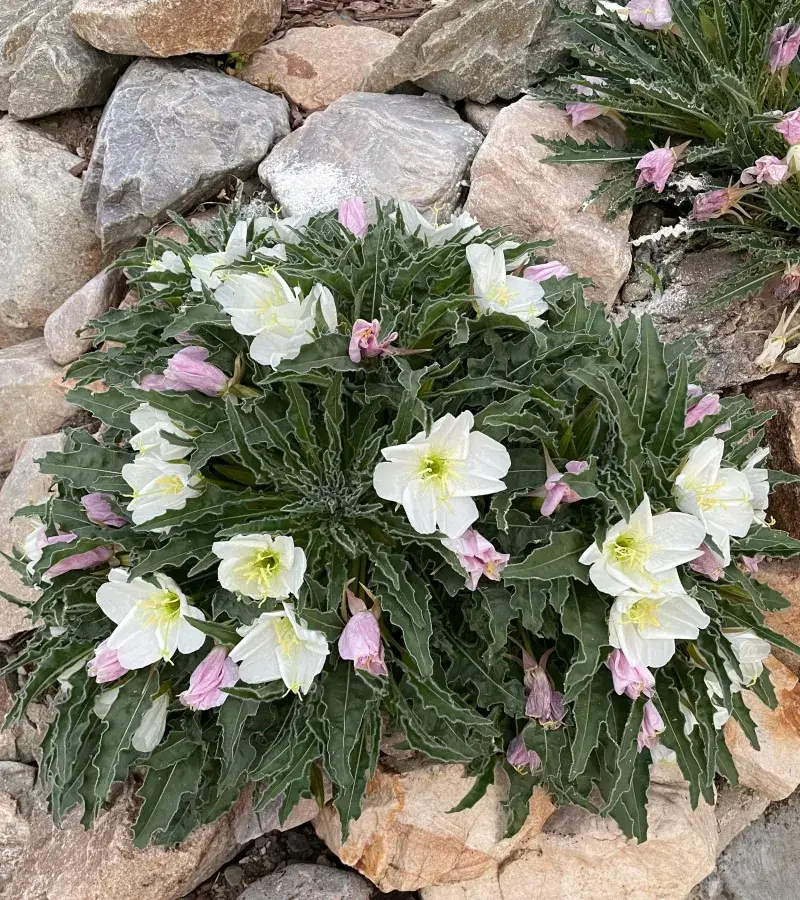
As the sun dips low, the Tufted Evening Primrose opens its large, fragrant white flowers, filling the cooling air with a sweet scent. It’s a plant that saves its best show for evening.
Staying under a foot tall, it hugs the ground and gradually spreads to fill open spaces, making a lovely low accent along paths and bed edges.
The nighttime blooms attract moths and other dusk pollinators, adding a layer of after-hours activity that daytime-only gardens miss out on.
Drought tolerance runs deep in this native. It handles heat and dry soil with ease, asking for very little water once established.
By morning, the white petals often blush to soft pink before fading, giving you a subtle daily color change to enjoy.
Its low, spreading form works well tucked between rocks or at the front of a bed where the evening flowers can be admired up close.
For a fragrant, drought-tough native that comes alive at dusk and quietly fills bare ground, this primrose brings a touch of nighttime magic to the desert garden and rounds out the list on a graceful note.