This Plant Is Worth Knowing If You Find It Growing Near Your Michigan Yard
Every so often, an unfamiliar plant shows up near a Michigan yard that’s worth pausing to identify before deciding what to do with it.
Some of these plants offer real benefits to pollinators or local wildlife, while others spread aggressively or cause problems that aren’t obvious at first glance, which makes proper identification an important first step.
Knowing a plant’s background, including whether it’s native, introduced, or considered invasive in Michigan, can shape smart decisions about whether to keep it, manage it, or remove it early.
A little research now can prevent bigger headaches later, especially with plants that spread quickly once established.
Here’s a closer look at this plant and what Michigan homeowners should know if they spot it growing nearby.
That Tall Fuzzy Plant Is Common Mullein
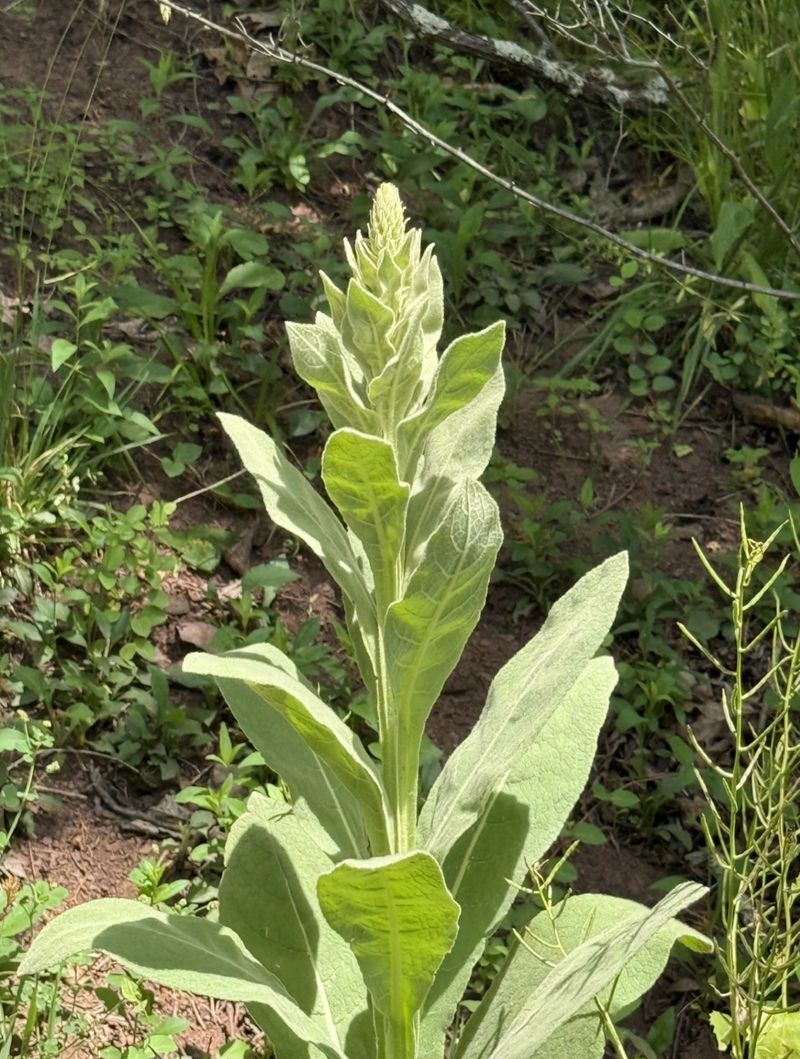
Picture a plant so soft that its leaves feel like a rabbit’s ear. That is often the first thing people notice about common mullein.
The leaves are large, gray-green, and covered in tiny hairs that give them a fuzzy texture you can feel with your fingers.
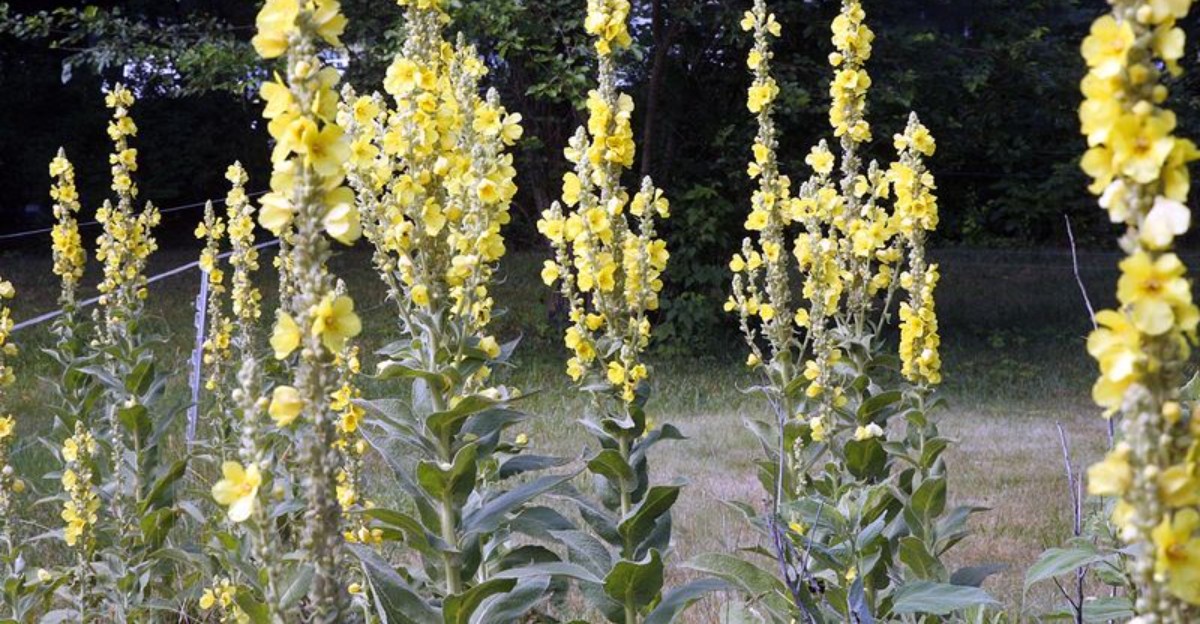
The plant grows straight up, sometimes reaching six feet or more in height. From the center of the leaves, a thick flower stalk shoots skyward like a giant candle.
Along that stalk, small yellow flowers open a few at a time, giving the whole plant a cheerful look.
Because of its size and shape, mullein is hard to miss once it gets going. The soft leaves stack around the base in a rosette shape during its early stage, then the tall spike appears later.
This combination of fuzzy foliage and a towering yellow flower stalk makes it easy to spot. Once you learn what mullein looks like, you will start seeing it everywhere. It shows up in open fields, along sidewalks, and even in the cracks of old parking lots.
Recognizing it is the first step toward deciding whether you want it in your yard. Fun fact: people have noticed this plant for centuries because of its unusual appearance. Its tall shape and soft leaves have earned it many nicknames over the years.
Learning to identify mullein by its fuzzy leaves and flower spike gives you a handy skill for understanding the plants that show up around your home.
It Often Appears In Disturbed Areas First
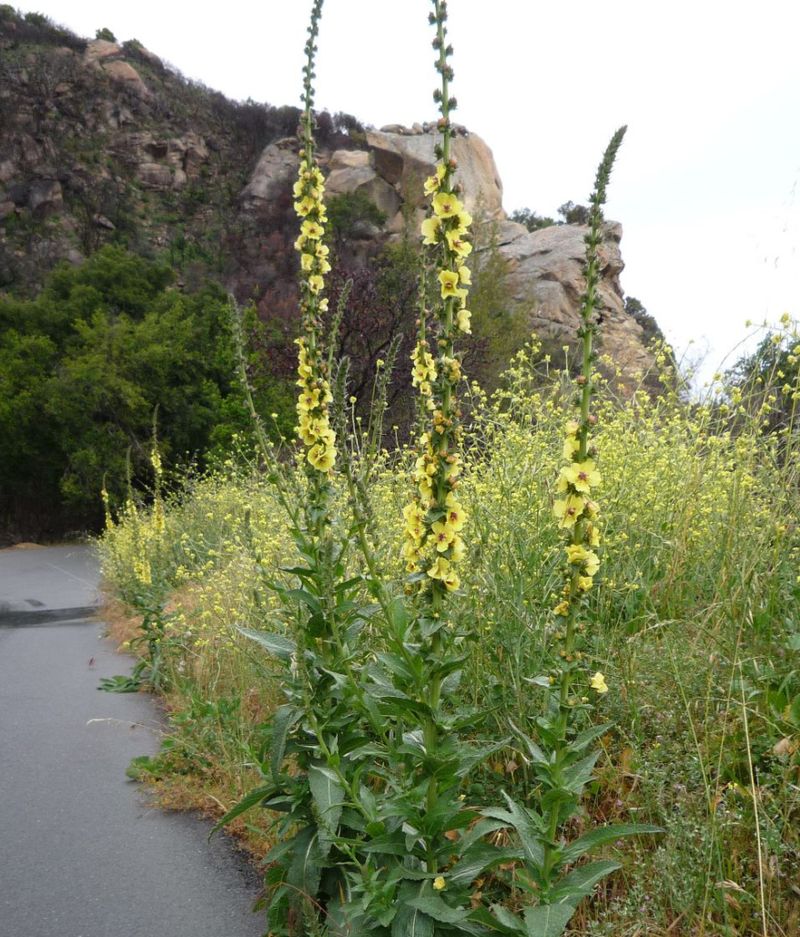
Ever wonder why mullein seems to show up right where the ground has been dug up or scraped bare? That is no accident.
This plant loves spots where the soil has been recently disturbed and other plants have not moved in yet.
You will often find it along roadsides, in gravel driveways, and in vacant lots. Construction sites, ditches, and areas where machines have torn up the ground are also favorites.
These places have loose soil and lots of sunlight, which is exactly what mullein seeds need to sprout.
The reason it thrives in these spots comes down to competition. In a thick lawn or a crowded garden, mullein has a hard time getting started because other plants block the sunlight and use up the space.
Your Michigan Garden Changes Every Week. Your Plan Should Too.
Gardening in Michigan changes quickly throughout the season. Every Friday you’ll receive a simple weekly plan showing exactly what to plant, prune, fertilize, harvest, and protect so you never miss the right timing.
But in bare, open ground, it has room to grow without much fighting for resources.
Michigan yards often have these open areas without owners even realizing it. A new flower bed, a spot where a tree was removed, or a patch of thin grass can all become welcome mats for mullein.
The plant takes advantage of any gap it can find. Knowing this pattern helps you predict where mullein might appear. If you have been doing yard work that leaves soil exposed, keep watch for those fuzzy young leaves.
Spotting them early gives you the chance to decide what to do before the plant grows large. Understanding where mullein likes to settle puts you one step ahead in managing your outdoor space.
The First Year Looks Different Than The Second
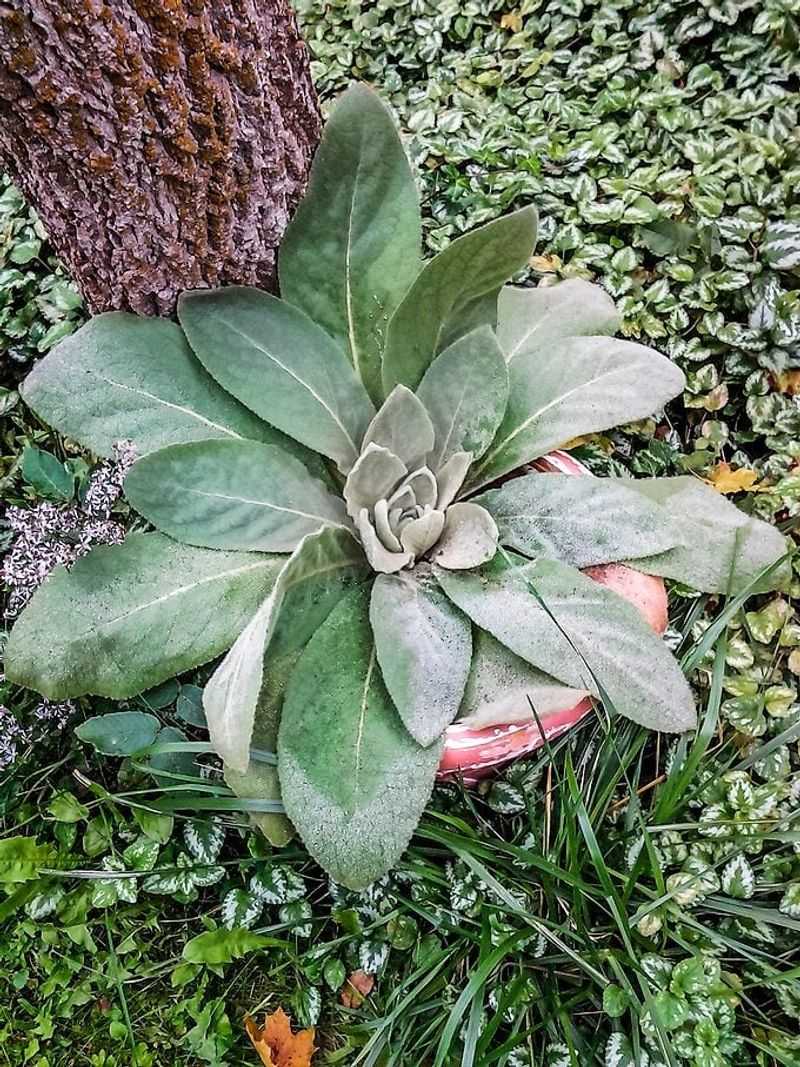
Here is something that surprises a lot of people: mullein looks completely different depending on its age. That is because it follows a two-year plan called a biennial life cycle. What you see one year may not match what you see the next.
During the first year, the plant stays low to the ground. It forms a flat circle of soft, fuzzy leaves called a rosette.
At this stage, it has no tall stalk and no flowers, so it can be easy to overlook among the grass and weeds.
The second year is when things change dramatically. That low rosette sends up a tall, thick stalk covered in yellow flowers.
This is the stage most people recognize as mullein. After the flowers finish and the seeds form, the plant completes its cycle.
Understanding this timeline is really helpful for managing the plant. If you catch it during the first year as a rosette, it is much smaller and easier to remove.
Waiting until the second year means dealing with a tall plant that has already prepared to spread its seeds.
Many gardeners miss the first-year rosette simply because it blends in so well. The soft gray-green leaves lie close to the soil and do not draw much attention. But if you learn to spot them early, you gain a big advantage.
Keeping track of which stage you are seeing helps you plan the right timing for any action. A quick check each season can save you a lot of effort later on.
One Plant Can Produce Thousands Of Seeds
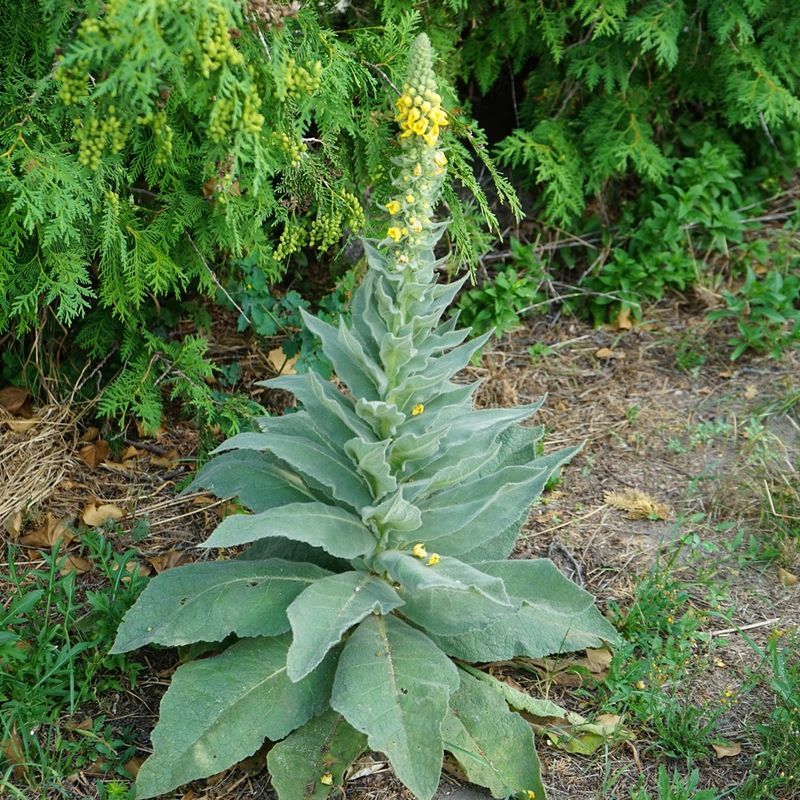
Get ready for a jaw-dropping number. A single mullein plant can produce well over one hundred thousand tiny seeds during its flowering year. That is a lot of potential new plants from just one source.
The seeds are extremely small, almost like specks of dust. They form inside little capsules along the flower stalk and scatter easily when the wind blows or when animals brush past. Because they are so light, they can travel to new spots without much trouble.
What makes this even more impressive is how long the seeds can wait in the soil. Mullein seeds can stay ready to sprout for many years, sometimes for decades.
This means that even if you remove the plants you see today, seeds hiding underground can wake up and grow later.
This seed strategy explains why mullein keeps coming back in the same areas. A patch that seems clear one year may fill up again the next as buried seeds get their chance to sprout. The plant plays a long game.
For anyone managing a Michigan yard, this is important to keep in mind. Stopping the plant before it drops all those seeds makes a huge difference. Once the seeds spread, controlling mullein becomes a much longer project.
The good news is that knowing about this seed power helps you act at the right moment. By focusing on the plant before it sets seed, you cut off its main way of spreading and save yourself trouble down the road.
It Is Not A Native Michigan Wildflower
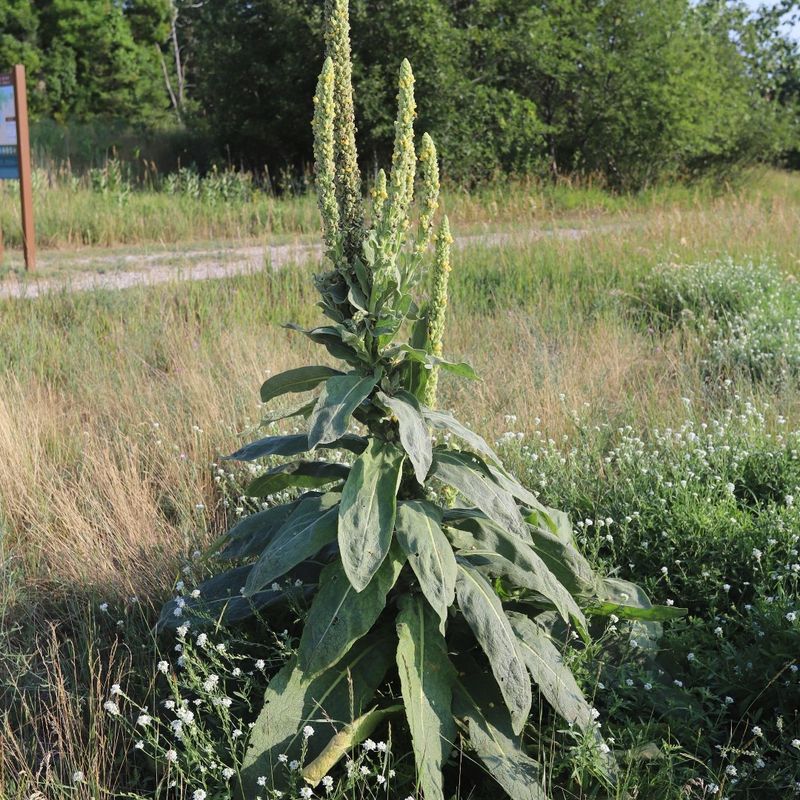
It might look like it belongs in the Michigan countryside, but mullein is actually a visitor from far away. This plant originally came from Europe and Asia and was brought to North America long ago by settlers.
Over time, it spread across the continent and made itself at home in many states, including Michigan. Because it did not grow here naturally, it is considered an introduced plant.
In many areas it is also labeled as invasive, which means it can cause problems for local plant communities.
The concern comes up most in natural areas like meadows, prairies, and open woodlands. In these places, mullein can compete with native plants that wildlife and pollinators depend on.
When it takes over open ground, it uses up space and sunlight that native species need to thrive.
This does not mean every mullein plant is a disaster, but it does explain why land managers keep an eye on it. Native Michigan plants have grown here for a very long time and support the local ecosystem in ways that introduced plants often do not.
For your own yard, understanding this background helps you make thoughtful choices. Knowing that mullein is a newcomer rather than a true Michigan wildflower puts its behavior in context.
It is not part of the natural balance that developed here over thousands of years.
When you recognize a plant as introduced, you can weigh whether it fits your goals for your space. That knowledge lets you support the plants that truly belong in Michigan landscapes.
Pollinators May Visit The Flowers, But That Does Not Make It Native
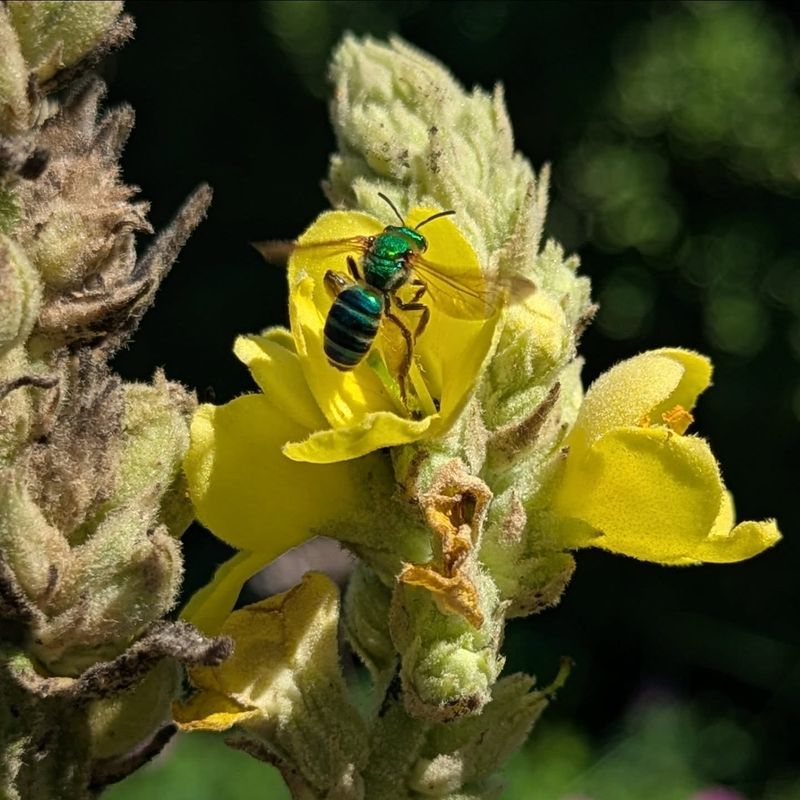
You may notice bees and other insects buzzing around mullein’s yellow flowers, and that is a real thing that happens. Some pollinators do stop by to gather pollen from the blooms during the summer months.
At first glance, this might seem like a good reason to keep the plant around. After all, helping pollinators is something many gardeners care about. But there is more to the story than a few visiting insects.
The fact that an insect uses a plant does not mean the plant belongs in every landscape. Many introduced plants offer some resources to wildlife while still causing problems by crowding out native species.
Pollinators often do far better with the native plants they evolved alongside.
Michigan has many native flowers that provide excellent food for bees and butterflies. These plants tend to support a wider variety of local insects and fit naturally into the ecosystem. Choosing them gives pollinators stronger, more reliable support.
So while mullein flowers are not useless to insects, their wildlife value is only part of the picture. Judging a plant by a single benefit can lead to overlooking the bigger effects it has on the area around it.
The smart approach is to think about the whole situation. If you want to help pollinators, you can plant native flowers that do the job well without the downsides of an aggressive spreader.
That way you get the best of both worlds: happy pollinators and a healthy landscape that reflects Michigan’s natural roots.
Remove It Before Seeds Mature
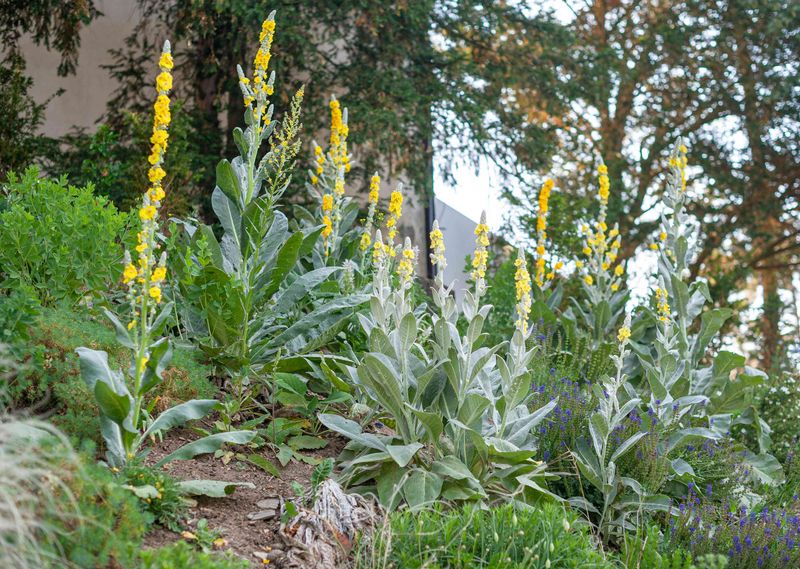
Timing is everything when it comes to managing mullein. The single most effective moment to act is before the flower stalk produces mature seeds. Catching it early stops the plant from spreading its main product.
Remember that one plant can make an enormous number of seeds. If you remove it after those seeds have formed and scattered, you have already lost the battle for that spot. New plants will keep appearing from the seeds left behind.
Pulling or digging the plant while it is still flowering, or even better during its first-year rosette stage, keeps those seeds from ever forming. This simple bit of timing saves you from a much bigger job later.
If the plant has already sent up a flower stalk, you can cut off the stalk and bag it before the seeds ripen. Placing the cut stalk in a bag keeps loose seeds from dropping into your yard as you carry it away.
Dispose of it in the trash rather than a compost pile. Keeping an eye on the calendar helps a lot here.
Mullein tends to flower during the warm summer months, so checking your plants regularly during that time lets you catch the flowering stage before seeds develop.
The goal is always to interrupt the plant before it completes its mission. By acting during the flowering period or earlier, you break the cycle that lets mullein come back year after year.
A little attention at the right moment goes a long way toward keeping your yard the way you want it.
Pulling Works Best When The Soil Is Moist
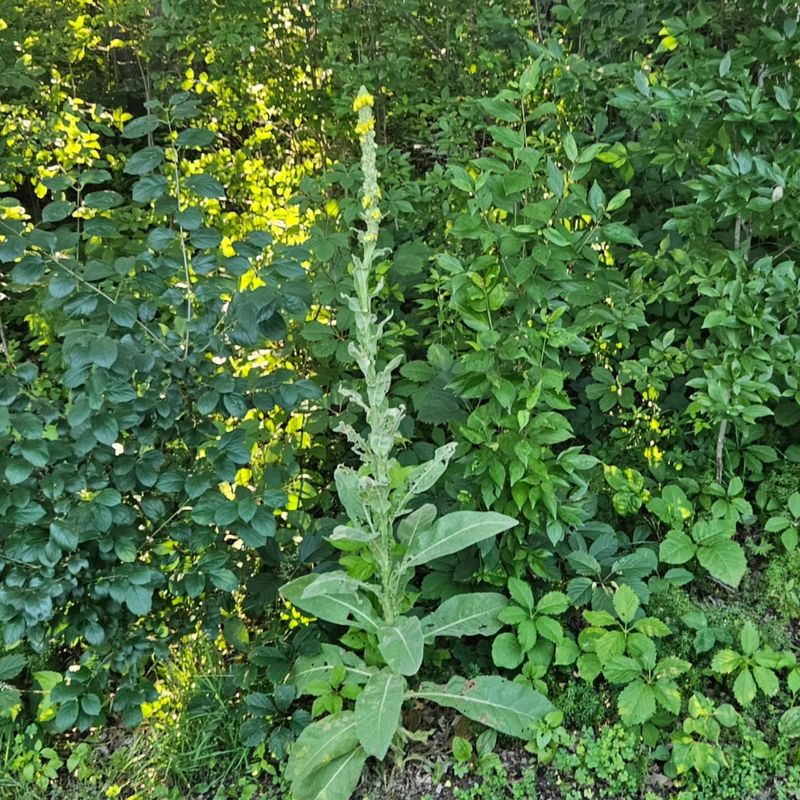
Here is a trick that makes weeding mullein much easier: wait until the ground is wet. Moist soil loosens its grip on the roots, letting you pull the whole plant out with far less effort.
Mullein grows a strong central root that reaches down into the soil. If the ground is dry and hard, that root often snaps off when you tug on the plant.
If the crown remains attached after pulling, the plant may survive, but the main challenge with mullein is preventing seed production.
The best time to pull is after a good rain or after you have watered the area yourself. Damp soil crumbles more easily, so the entire root system slides out in one piece. That complete removal is exactly what you want.
For larger plants, grasp the base firmly near the ground and pull slowly and steadily rather than yanking. A garden fork or trowel can help loosen the soil around the root crown first.
Working the tool around the base gives the root room to lift out cleanly.
Pay special attention to that root crown, the thick part where the leaves meet the root. Leaving it behind is the main reason mullein sometimes comes back after weeding. Getting it out completely closes that door.
After you pull a plant, take a quick look at the root to make sure it came out whole. If a piece broke off, dig it out with your tool.
A few extra minutes of care during moist conditions gives you the cleanest, longest-lasting results.
Do Not Let It Take Over Open Areas
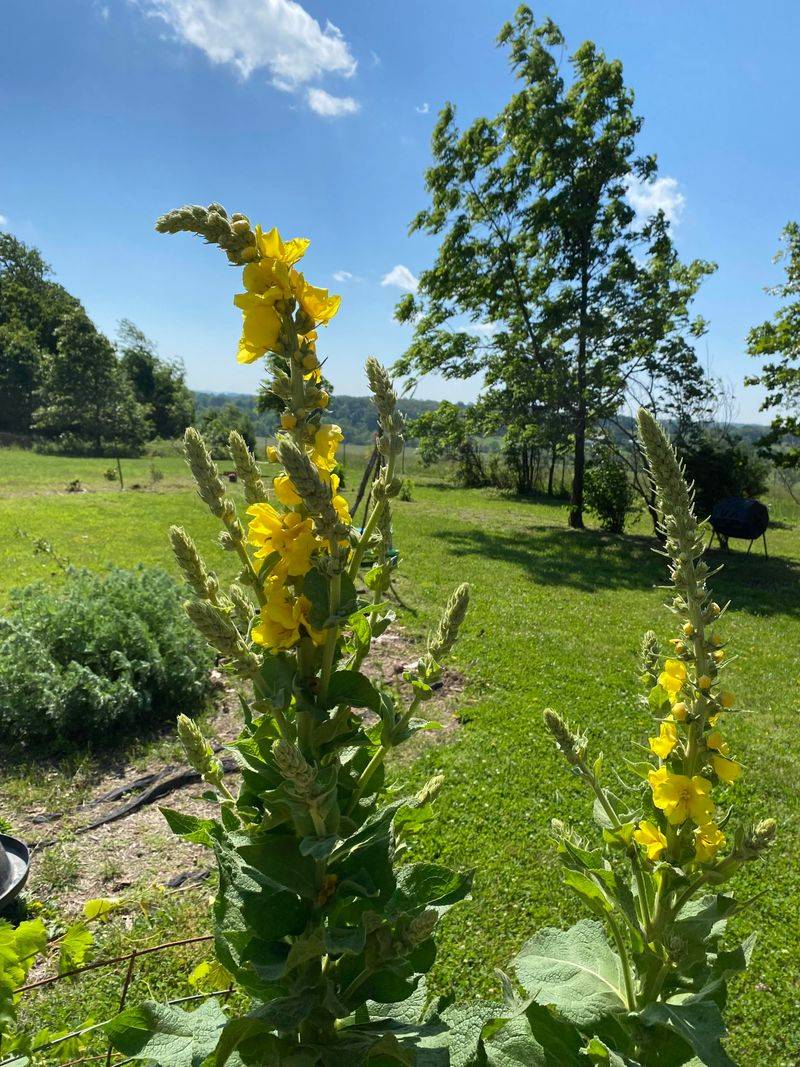
Open ground is like an open invitation for mullein. Wherever bare soil sits in the sun, this plant is ready to move in and set up shop. Staying alert to these spots is one of the smartest habits you can build.
Keep a close watch on freshly dug garden beds, the edges of your lawn, and any patches where grass has thinned out. These are the exact places where mullein seedlings love to sprout.
Catching them while they are small makes removal quick and easy. Newly planted areas deserve extra attention. When you put in new flowers or shrubs, the soil around them is often loose and exposed for a while.
That gap gives mullein and other opportunists a chance to sneak in before your chosen plants fill the space.
Walking through your yard every week or two during the growing season helps you spot young mullein early. The first-year rosette is small and shallow-rooted, so a gentle pull usually takes care of it.
This beats waiting until it becomes a towering plant. Mulch can be a big help in open beds. A layer of mulch covers bare soil and blocks sunlight from reaching mullein seeds, making it harder for them to sprout.
It also keeps moisture in for the plants you actually want. Staying on top of these open spaces keeps small problems from turning into big ones. A quick check and a light tug now and then keep mullein from gaining a foothold in your yard.
Replace It With Better Michigan-Friendly Plants
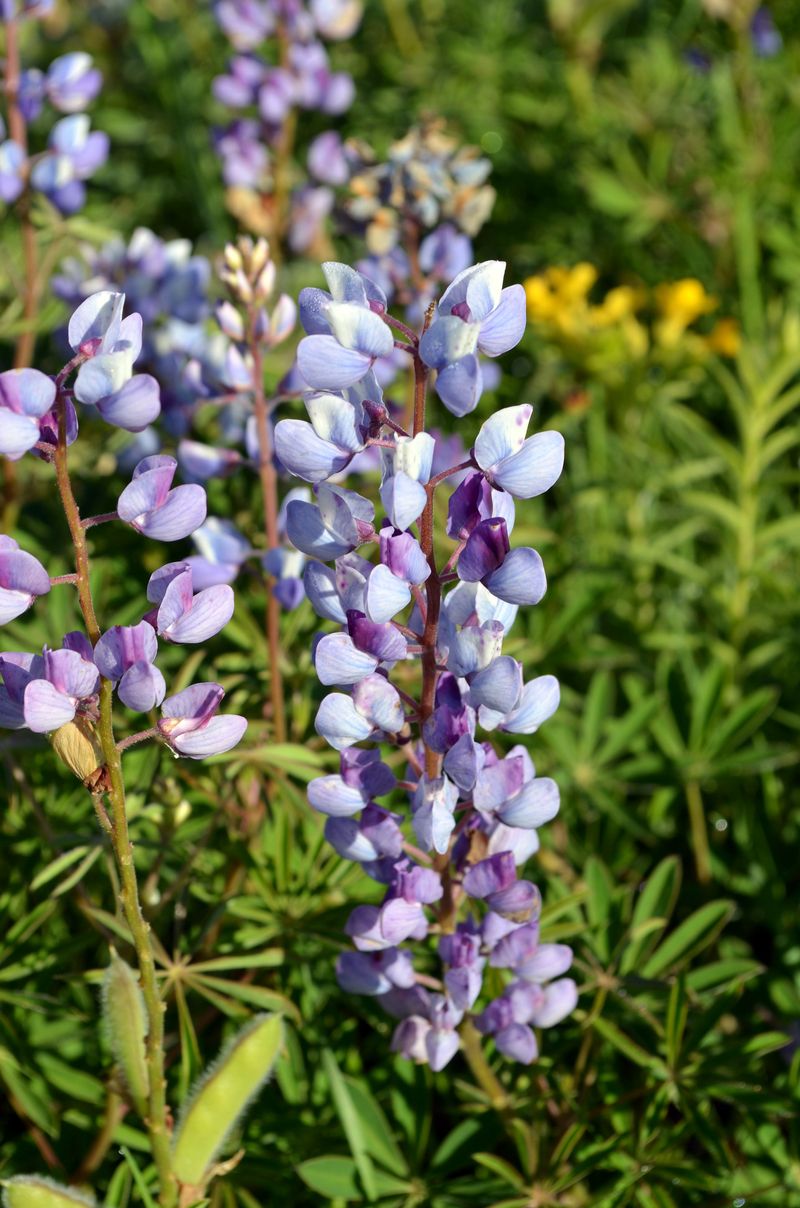
The best defense against mullein is a yard that leaves no room for it. When you fill open spaces with plants you actually want, you take away the bare ground that mullein needs to get started.
Native Michigan plants are perfect for this job. Species like black-eyed Susan, bee balm, and butterfly milkweed thrive in local conditions and cover the soil with roots and foliage.
Once they fill in, invading plants have a much harder time finding space. Think of it like filling a parking lot. If every spot is taken, there is nowhere for a newcomer to park.
The same idea applies to your garden beds and open patches of ground. Native plants offer bonus benefits too. They support local bees, butterflies, and birds far better than introduced plants, and they usually need less watering once established.
That means a healthier yard with less work for you over time. Grouping plants close together and choosing varieties that spread nicely helps close gaps quickly.
A dense planting shades the soil and cools it, which discourages mullein seeds from sprouting in the sunlight they crave.
Mulching around your native plants adds another layer of protection while the plants grow and fill out. Over a season or two, a well-planted bed becomes largely self-defending against invaders.
Choosing the right plants turns your yard into a place that reflects Michigan’s natural beauty.
You end up with a landscape that looks great, supports wildlife, and quietly keeps mullein and other opportunists from taking over. It is a win all around.