Signs Your Arizona Irrigation System Is Wasting Water Underground
Water bills have a way of making you look twice when the total seems higher than usual. Your yard still looks healthy, so nothing feels out of place at first.
That is what makes hidden problems so easy to miss. Everything appears to be working, even while water quietly disappears below the surface.
Small changes often seem too minor to matter until they keep showing up again. Once you notice the same signs more than once, it becomes much harder to ignore them.
A little extra attention today can prevent a much bigger problem later.
Many homeowners in Arizona discover that an underground irrigation leak does not always leave an obvious puddle. The earliest warning signs are often much easier to miss than expected.
Catching them early can save water, protect your landscape, and help you avoid a costly repair.
1. Wet Spots Can Signal An Underground Leak
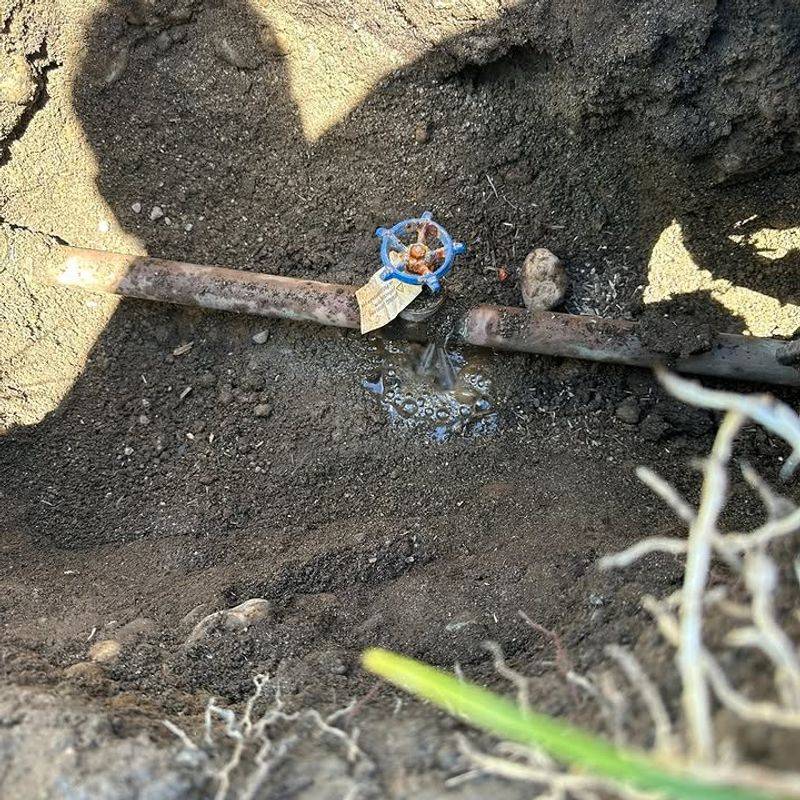
Soggy ground where it should be bone dry is one of the clearest red flags your irrigation system has a problem. If one spot in your yard stays wet even when you have not watered recently, something underground is likely leaking.
Underground pipe leaks do not fix themselves. Water slowly seeps up through the soil and creates soft, muddy patches that can look like you overwatered.
But if the rest of your yard looks normal, the problem is almost always below the surface.
Walk your yard after a dry stretch of several days. Pay attention to areas near drip lines, sprinkler heads, and buried pipe runs.
Soft ground in those spots deserves a closer look.
Grass or plants growing noticeably faster in one patch can also be a clue. Extra moisture underground feeds roots more than surrounding areas, creating uneven plant growth that stands out.
Pressing your foot into the soil is a simple test. If it sinks or feels spongy where it should feel firm, water is collecting underground.
Mark the spot and check your irrigation schedule against when the wet patch appears.
Catching a leak early limits damage to roots, soil structure, and nearby hardscaping. A wet spot left untreated can erode soil and undermine walkways or patios over time.
2. Low Water Pressure May Point To A Broken Line
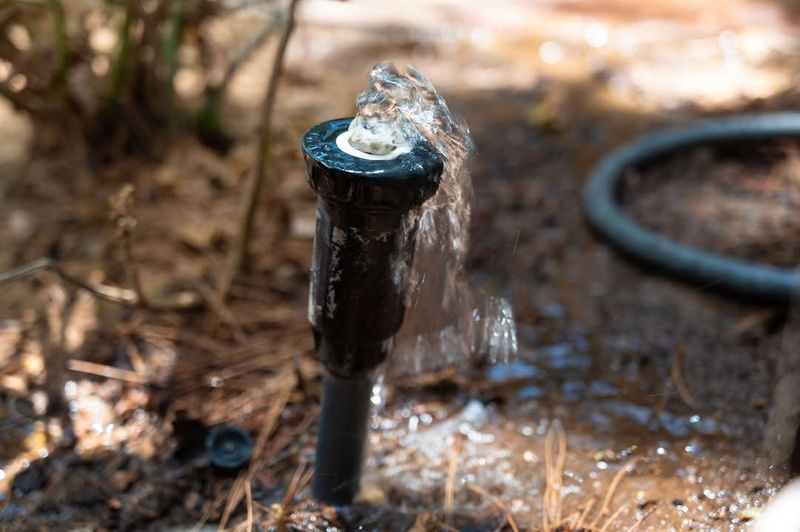
Weak sprinkler performance is easy to miss at first, but it often means something serious is happening underground. When a pipe cracks or a fitting separates, water escapes before it ever reaches the sprinkler heads.
Low pressure shows up in a few obvious ways. Sprinkler heads might only spray half their normal distance.
Drip emitters might barely drip. Some heads might not pop up at all.
Any of these changes point to pressure loss somewhere in the line.
Pressure problems can also come from a damaged main line rather than a single zone. A break in the main supply line drops pressure across your entire system, not just one area.
That makes it harder to pinpoint without some investigation.
Start by running each zone separately and watching for weak spots. Compare how each zone performs against how it normally operates.
Your Arizona Garden Changes Every Week. Your Plan Should Too.
Gardening in Arizona changes quickly throughout the season. Every Friday you’ll receive a simple weekly plan showing exactly what to plant, prune, fertilize, harvest, and protect so you never miss the right timing.
A zone that suddenly underperforms is worth digging into, sometimes literally.
Using a simple pressure gauge on an outdoor hose bib gives you a baseline reading. Normal residential irrigation pressure typically runs between 40 and 65 PSI.
A significant drop below your usual reading can confirm a loss somewhere in the system.
Broken lines in desert climates can worsen quickly. Soil shifts, temperature swings, and root pressure all put stress on buried pipes.
3. Higher Water Bills Often Mean Hidden Water Loss
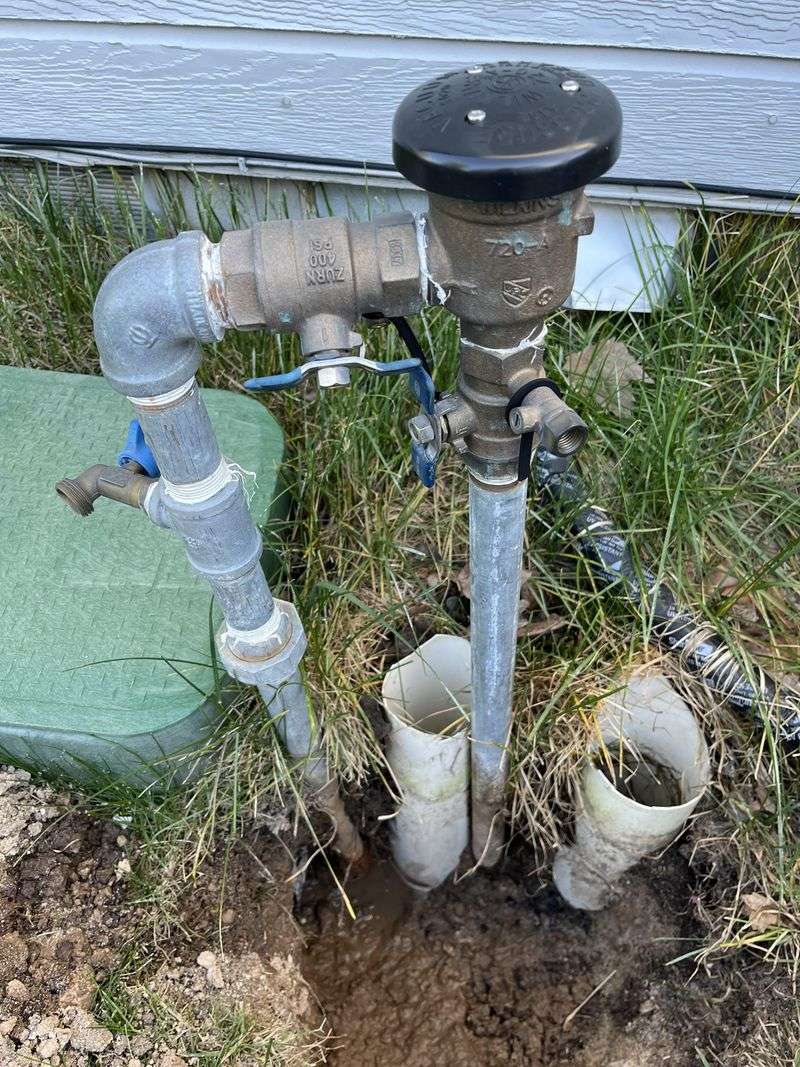
Your water bill going up without explanation is a sign worth taking seriously. If your watering schedule has not changed and rainfall has been low, a spike in usage almost always points to a hidden leak somewhere in your system.
Comparing bills month over month gives you useful data. A jump of 20 percent or more during a period when your habits stayed the same is a strong indicator something is wrong underground.
Utility companies in many desert cities can also flag unusually high usage on your account.
Underground leaks waste water continuously, even when your system is off. A cracked pipe under pressure from a stuck valve or faulty controller can run water into the soil around the clock without any visible sign above ground.
Pull out your last three to four water bills and line them up. Look for a month where the numbers jumped and cross-reference that with any changes in your yard.
Connecting the timing to a specific zone or area helps narrow the search.
Some water providers offer free leak detection consultations or lend out monitoring equipment. Reaching out to your local utility is a practical first step before spending money on a plumber.
Wasted water in a desert region adds up fast, both financially and environmentally.
4. Check Valve Boxes For Standing Water
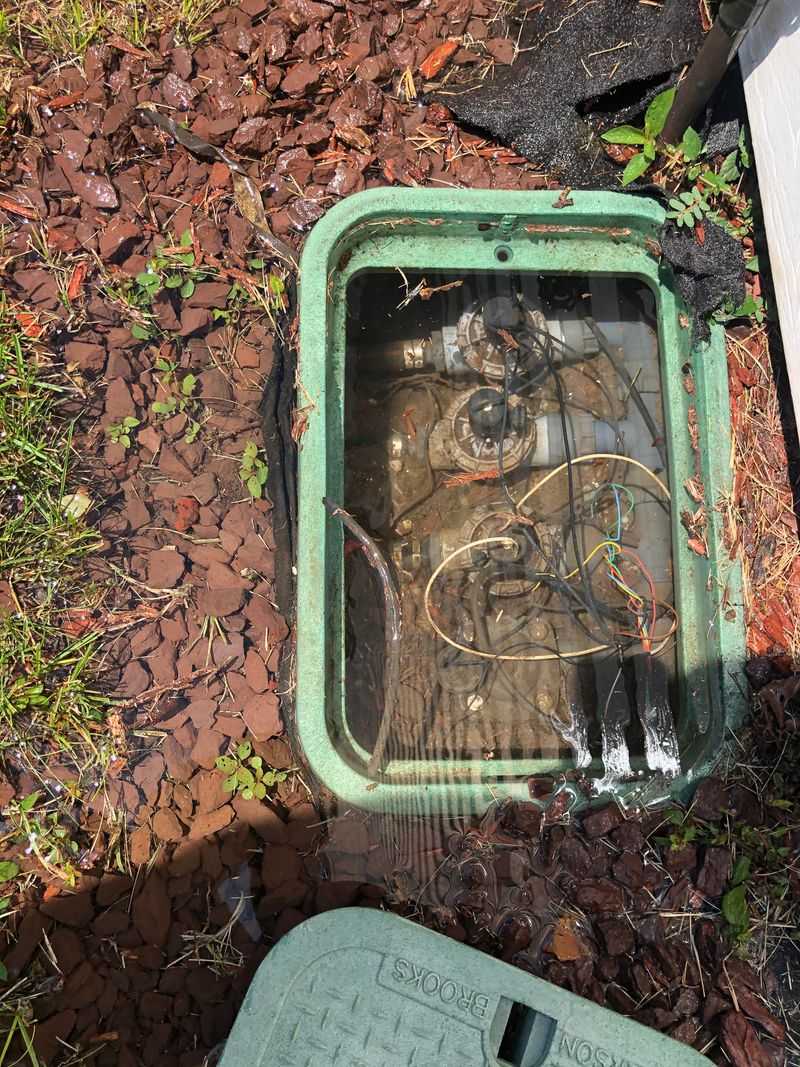
Valve boxes are easy to overlook, but they can tell you a lot about what is happening underground. Lifting the lid and finding standing water inside is a clear sign that something nearby is leaking or draining incorrectly.
Valve boxes sit at or just below ground level and house the solenoid valves that control each irrigation zone. Water should not collect inside them under normal conditions.
If it does, either a valve is leaking, a fitting is loose, or groundwater is entering through a crack in the box itself.
Mud inside the box is another warning sign. Muddy water suggests soil is being washed in from a nearby leak, which means water is moving underground close to the valve assembly.
That kind of erosion can expose wiring and damage valve components over time.
Check each valve box separately, especially after running a full irrigation cycle. Wait about 30 minutes after watering, then open every box and look inside.
Fresh water pooling after a cycle points to a valve that is not sealing properly.
Corroded wiring inside a wet valve box is a secondary problem that develops quickly. Moisture breaks down wire insulation and can cause zones to malfunction or fail to shut off.
Keeping boxes dry protects both the valves and the electrical components.
5. Run One Irrigation Zone At A Time
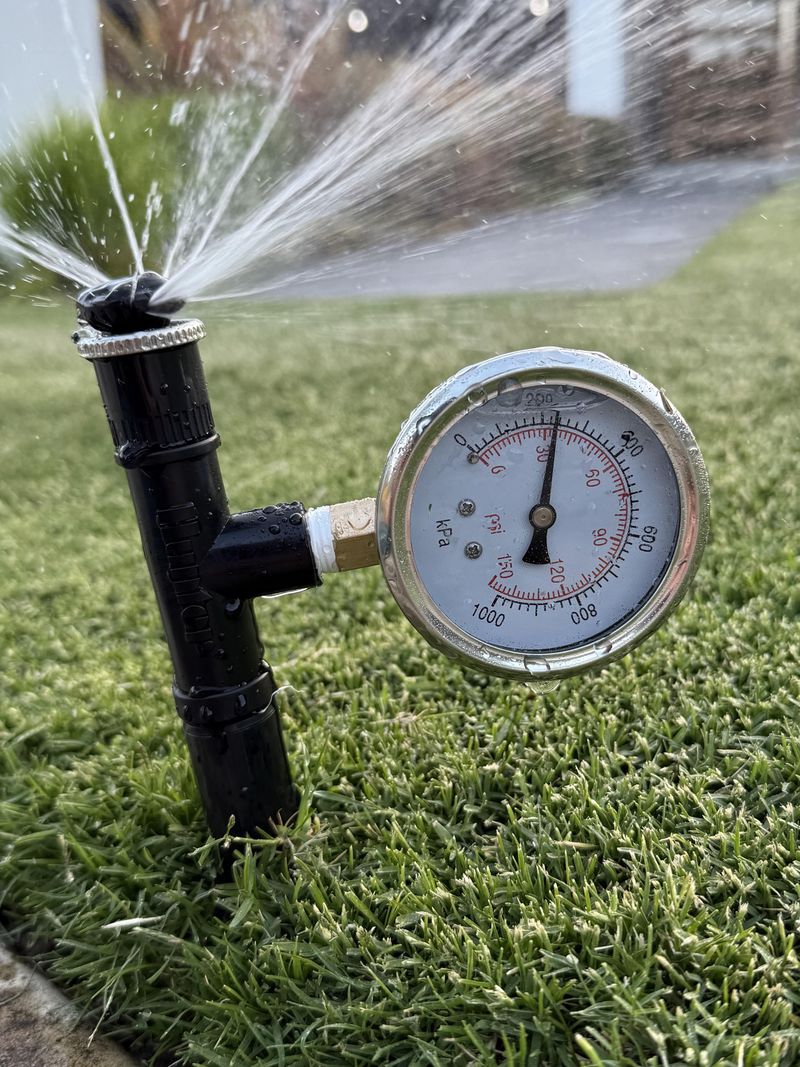
Testing zones individually is one of the most reliable ways to track down a hidden problem. Running your entire system at once makes it hard to isolate where pressure drops, uneven spray, or unusual wet patches are coming from.
Activate one zone at a time using your controller or the manual bleed screw on each valve. Watch the zone carefully for two to three full minutes.
Look at spray distance, head coverage, and whether any heads fail to pop up or retract properly.
While one zone runs, walk the perimeter of that zone slowly. Listen for hissing sounds near the ground, which can indicate a pressurized leak in a buried pipe.
Hissing near a specific head or along a pipe run narrows the search considerably.
After shutting off each zone, look for water continuing to flow from heads that should have stopped. A zone that keeps running after the valve closes may have a stuck or worn valve diaphragm.
That kind of slow bleed can waste a surprising amount of water overnight.
Note which zones perform differently from others. A zone that has always worked well but now shows weak heads or dry patches is worth flagging for a closer inspection.
Changes in performance are more useful clues than absolute measurements alone.
6. Replace Damaged Pipes And Fittings
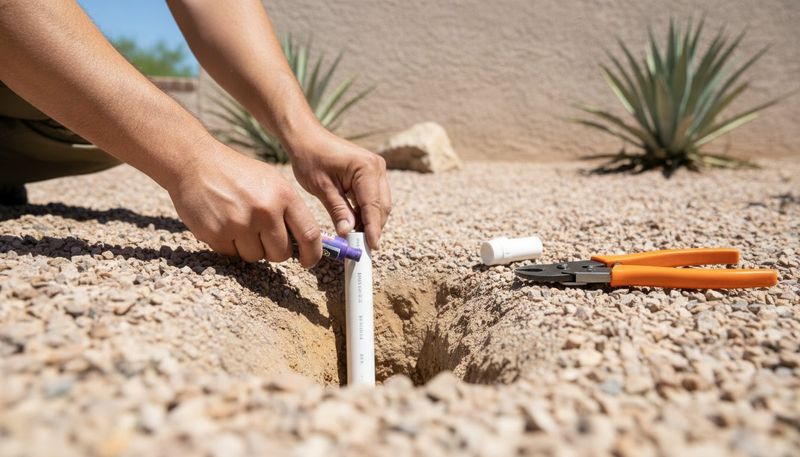
Cracked pipes and failed fittings are behind most underground water losses in residential irrigation systems.
Heat, soil movement, and age all take a toll on buried PVC and poly pipe, especially in climates with intense summers and occasional freezing nights.
PVC pipe becomes brittle over time when exposed to repeated heat cycles. A line that has been buried for 10 or more years may crack under normal operating pressure without any obvious external cause.
Fittings are often the first components to fail because they handle the most stress at connection points.
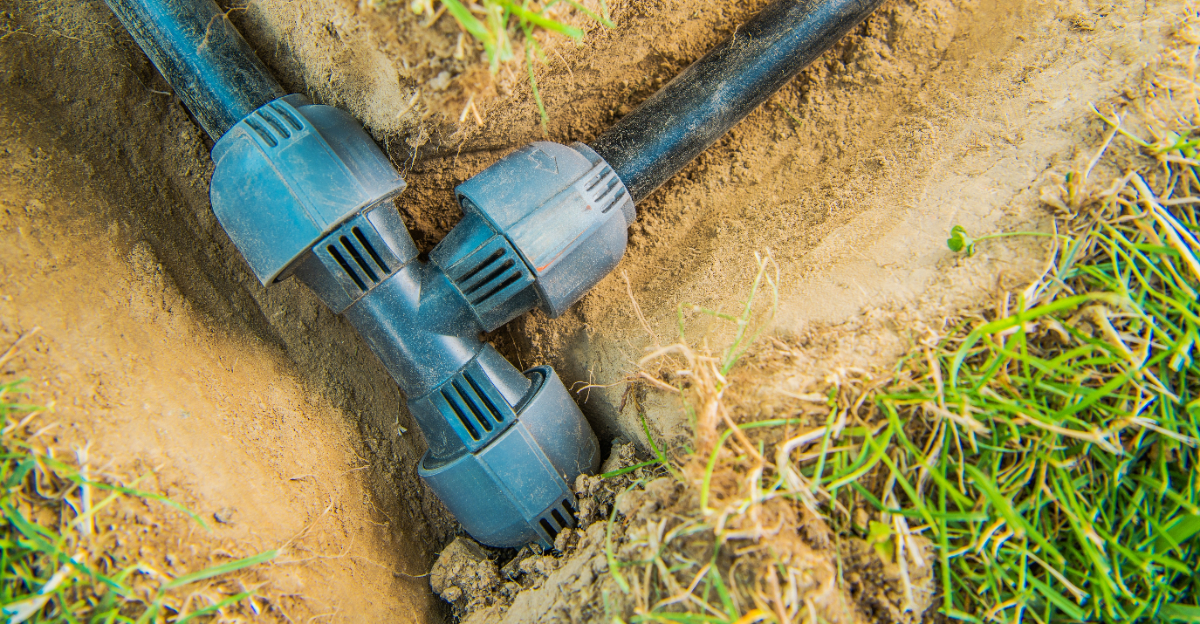
Locating a damaged section usually requires some digging. Once you identify the general area through wet soil or pressure testing, carefully excavate around the suspected pipe.
Avoid using a shovel aggressively near buried lines to prevent adding new damage.
Repair couplings for PVC pipe are available at most hardware stores and are relatively inexpensive. Cutting out the damaged section and gluing in a new piece with slip couplings is a manageable repair for someone comfortable with basic plumbing.
Poly pipe uses barbed fittings and clamps, which require no glue.
After completing any repair, run the zone at full pressure and watch the repair area closely for at least five minutes.
7. Test The System Before Watering Again
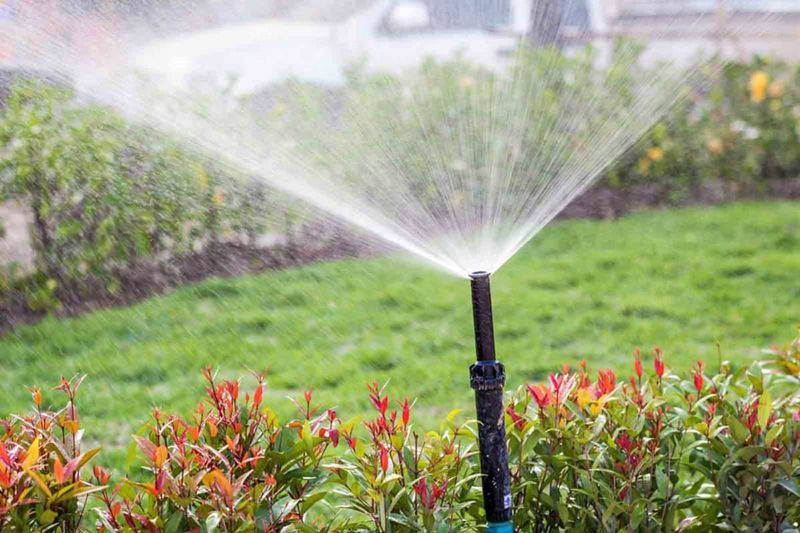
Before returning your system to its regular schedule, a full test run is worth the time. Jumping back into automated watering without checking the repairs can undo your work quickly if something was missed during the fix.
Run each zone manually in sequence and watch the full cycle from start to finish. Pay attention to zones that were near the repaired area, since nearby pipes can shift during excavation.
A zone that looked fine before might show new issues after soil was disturbed.
Check every sprinkler head for proper height and spray pattern. Heads that were bumped or knocked during digging may need to be adjusted or reset.
A head spraying sideways or into a wall wastes water and reduces coverage to the intended area.
Pressure should return to normal after a successful repair. If low pressure persists in a zone after fixing a broken pipe, there may be a second issue in the same line that was masked by the first leak.
Do not assume one repair solves everything without confirming pressure readings.
Walk the full yard slowly after the test cycle ends. Look for any new wet patches, soft soil, or water collecting near valve boxes.
Fresh problems sometimes surface after a system is repressurized following a repair.