The Virginia Late-Fall Method That Finally Clears Creeping Charlie For Good
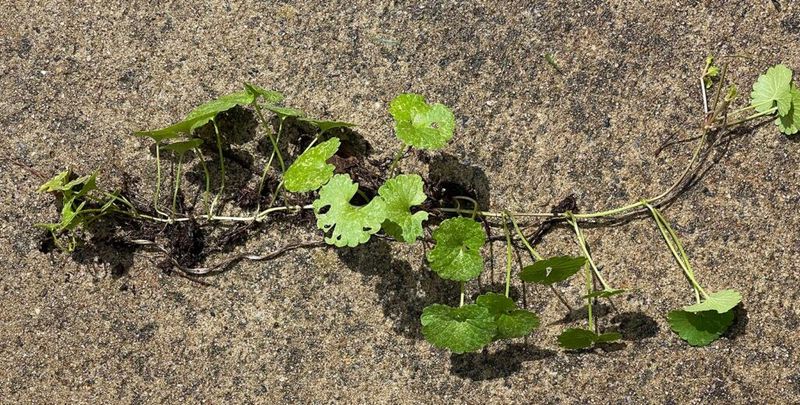
A single stem of one lawn weed can root at almost every leaf joint it touches. Pull it, and the little pieces left behind simply start new plants.
I spent two springs yanking this stuff out of my Virginia yard. I felt like I was winning, right up until it crept back in June looking happier than ever.
Scientists at several universities found the problem was not my effort. It was my calendar.
The plant behaves very differently once nights turn crisp, and that change opens a door most of us walk right past.
You need to look at your lawn with fresh eyes this season. Those scalloped green leaves hiding under the fallen oak leaves are busy with a secret winter chore.
The coldest part of the year might actually give you the best chance to finally get ahead of this stubborn weed.
1. That Scalloped Lawn Weed Has A Seasonal Weak Spot
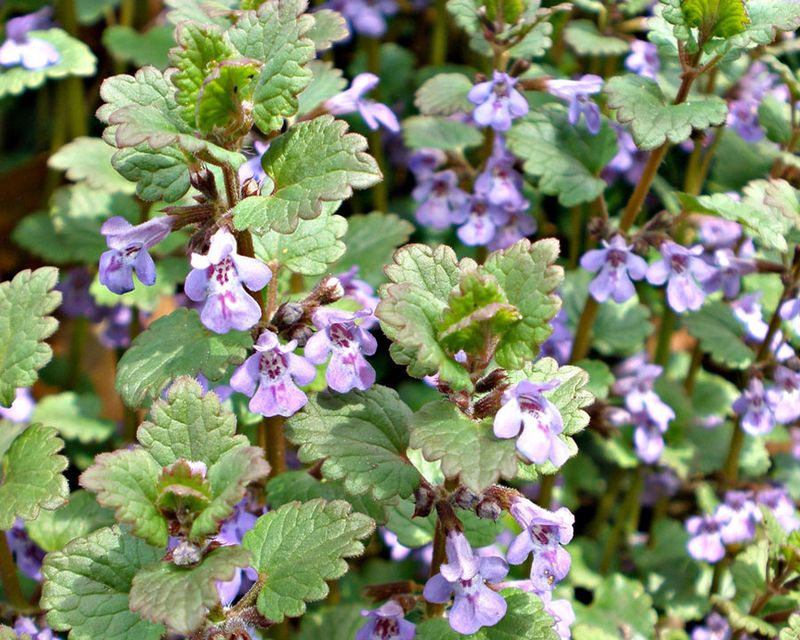
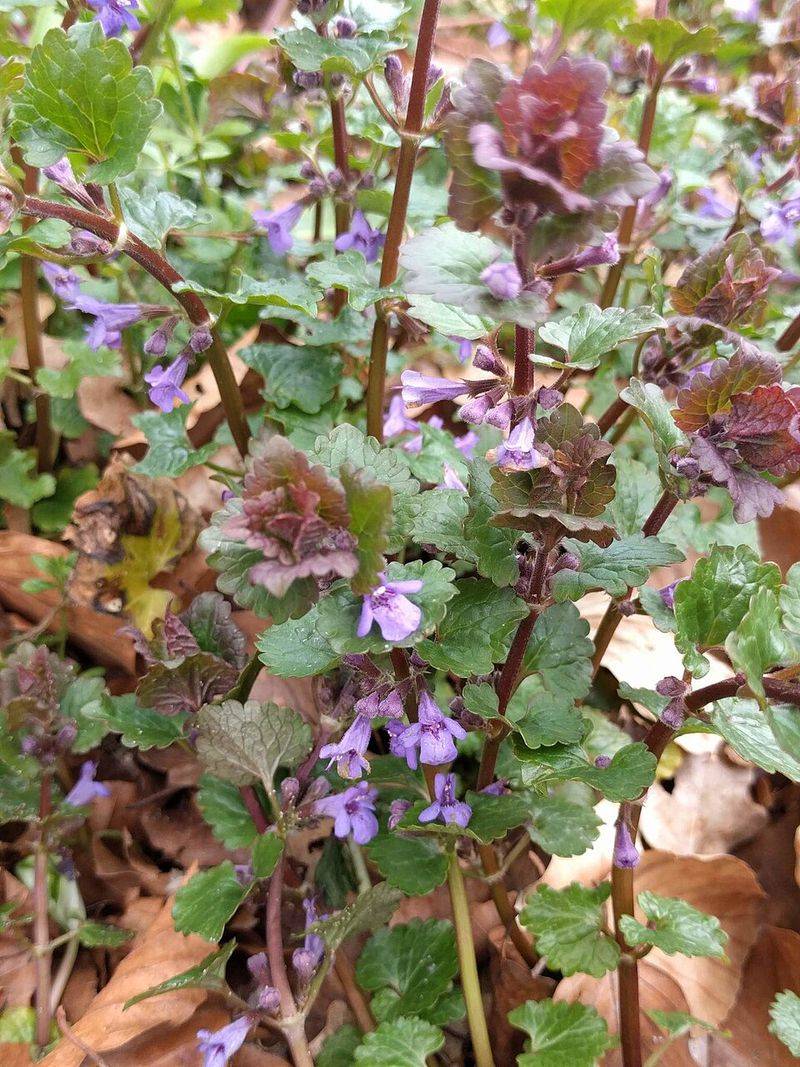
Ground ivy, better known as creeping Charlie, is a tough perennial in the mint family. It spreads by long runners that root at the nodes, so it forms thick mats in lawns.
Most of us notice it in spring, when tiny purple flowers pop up everywhere. That is exactly when we grab a sprayer or start pulling.
Sadly, spring is one of the weakest times to fight it.
Penn State, Michigan State, and Iowa State extension experts all point to the same window. Fall is the season when this weed is easiest to control.
In Virginia, that usually means mid-September through early November, depending on where you live.
Gardeners in the cooler mountain counties often hit the best timing in late September or October. Folks in Tidewater and the warmer Piedmont can usually push into early November.
I find this timing shift a relief. You do not need stronger products or endless hours on your knees.
You mostly need to work with the plant’s own seasonal rhythm instead of against it.
A careful fall treatment can do more than a whole spring of struggling. The next section explains why the season matters so much, and it comes down to what happens underground.
2. Cool Nights Send Ground Ivy Energy Straight To The Roots
Plants have a pantry, and autumn is stocking season. As days shorten and nights cool, perennial weeds move sugars from their leaves down into roots and creeping stems.
That downward flow is the secret. When you apply a systemic weed control in fall, the plant carries the product along with those sugars.
It travels deep into the runners and roots, where the real staying power lives.
Spring works the other way. Energy is rushing upward to make new leaves and flowers.
A spray at that time often burns the top growth, while roots stay safe and push out fresh shoots a few weeks later.
Rutgers and Iowa State researchers describe this pattern clearly for broadleaf perennials. It is one reason fall treatments give longer-lasting control than spring ones.
I like to think of it as sending a package with the daily delivery truck. You are not forcing anything.
The weed does the hauling for you.
Fun fact for your next garden chat. Early European settlers used ground ivy to flavor and clear beer, which earned it the old nickname alehoof.
Today it is mostly famous for taking over shady lawns across the eastern United States.
3. Triclopyr Is The Ingredient Creeping Charlie Hates Most
Label reading turned out to be the most useful lawn skill I ever picked up. Not every broadleaf weed product handles ground ivy well.
University trials consistently rank triclopyr as one of the most effective active ingredients against creeping Charlie. You can find it alone or in mixes that also include dicamba, 2,4-D, or MCPP.
Combination products often give broader control if your lawn has other weeds too.
Products with only 2,4-D usually disappoint on this weed. Michigan State extension notes that ground ivy often shrugs it off, so check the ingredient list before buying.
Avoid non-selective products like glyphosate in the middle of your lawn. They harm grass as well as weeds, leaving bare patches that new weeds love.
Grass type matters as well. Tall fescue, common in Virginia lawns, tolerates many triclopyr products.
Some warm-season grasses, like St. Augustine or centipede, can be sensitive, so the label should list your turf before you spray.
Follow every label direction, wear gloves, and keep kids and pets off treated areas until the spray dries. Stay clear of vegetable beds and the root zones of shrubs and young trees, since some products can affect them.
4. A Dry, Mild Day Makes Your Fall Weed Spray Work Better
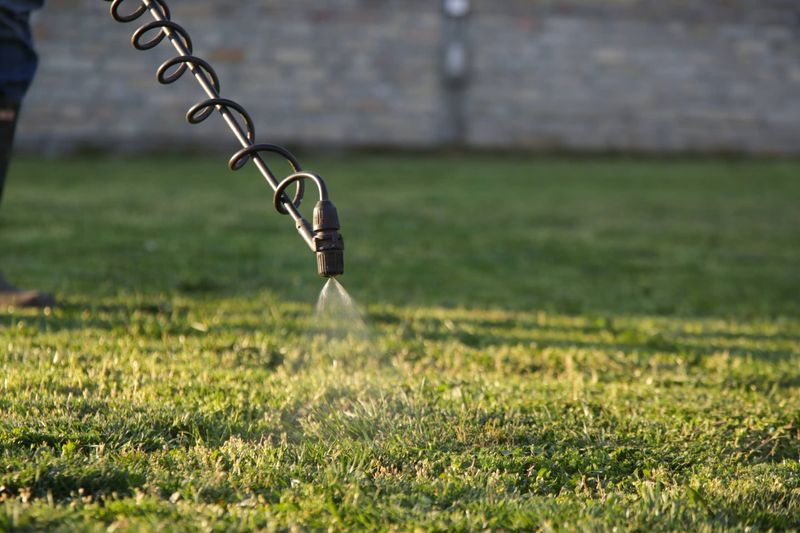
Weather can make or break your effort. A sunny afternoon around 60 to 75 degrees is close to ideal, though many products still work when temperatures stay above 50.
Plants need to be actively growing to absorb a treatment. Spraying right after a hard freeze or during a cold snap gives poor results, so watch for a mild stretch in the forecast.
Leaves should be dry when you spray. Look for a day with no rain expected for at least 24 hours, giving the product time to soak in.
Mowing timing helps too. Skip mowing for two or three days before and after treatment.
That leaves more leaf surface to catch the spray and more time for it to move inside the plant.
Keep a second treatment in mind. Because ground ivy roots at so many nodes, one round often misses a few spots.
A follow-up about three or four weeks later catches survivors, as long as the weather is still mild.
Personally, I keep a little calendar note for this. It sounds fussy, but it turns a guessing game into a simple routine you can repeat each fall.
5. Slow Fading Leaves Mean Your Treatment Is Working
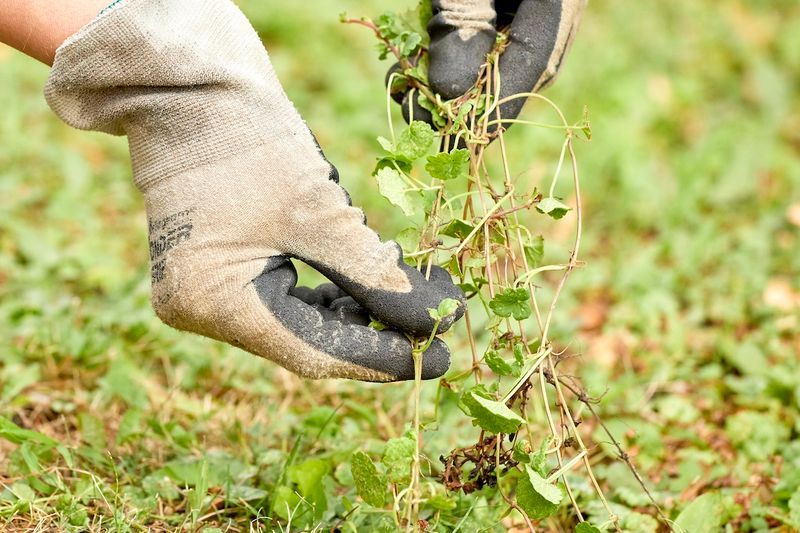
Patience gets tested here. After a fall treatment, you may stare at the lawn and see almost no change for a week or two.
Cool weather slows everything down, including visible results. Leaves may twist, yellow, or curl slowly instead of browning fast like they would in summer.
That slow pace is normal.
While the leaves look stubborn, the product is moving down into the roots and runners. Over winter, the weed keeps declining out of sight.
By spring, many treated patches simply fail to come back strong. Grass fills in, and you might notice far fewer purple flowers in April than in years past.
Resist the urge to spray again right away just because the leaves still look green. Overdoing it adds cost and stress to your lawn without much benefit.
Stick with the label’s timing for any repeat application.
I mark treated spots with a few small flags so I can check them in spring. It is oddly satisfying to walk out and see bare runners and healthy grass where a dense mat used to be.
Small green survivors are common. Spot treat them next fall rather than in spring for the best results.
6. Thick Fescue And More Sunlight Keep Creeping Charlie Away
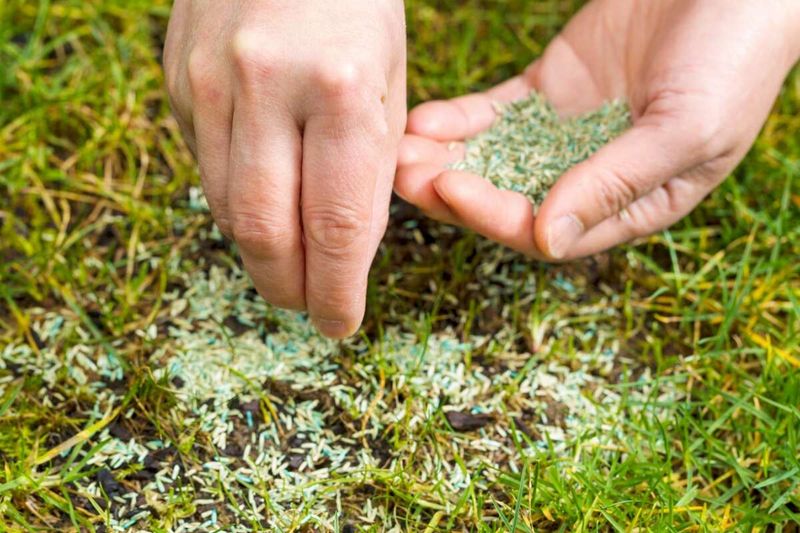
Shady, damp corners are this weed’s favorite neighborhood. It thrives where grass is thin, the soil stays wet, and sunlight struggles to reach the ground.
Fall happens to be the best season for fixing those conditions in Virginia. Cool-season grasses like tall fescue grow strong roots in autumn, so September and early October are prime for core aeration and overseeding.
Plan carefully if you overseed. Many weed control labels ask you to wait several weeks between spraying and seeding, so read the timing rules first.
Some gardeners spray in early fall and seed the next season instead.
Trimming low tree limbs can let in more light. Even a few extra hours of sun helps grass compete better.
Mowing higher also helps. Keeping tall fescue around three to four inches shades the soil and leaves the grass sturdier against creeping invaders.
For spots that stay deeply shaded, consider swapping lawn for a native groundcover. Virginia options like wild ginger or green-and-gold can fill those areas nicely.
I love how this turns a weedy problem patch into something that looks planned on purpose, while sending fewer runners into your yard.
7. Square Stems And A Minty Smell Confirm You Found Ground Ivy
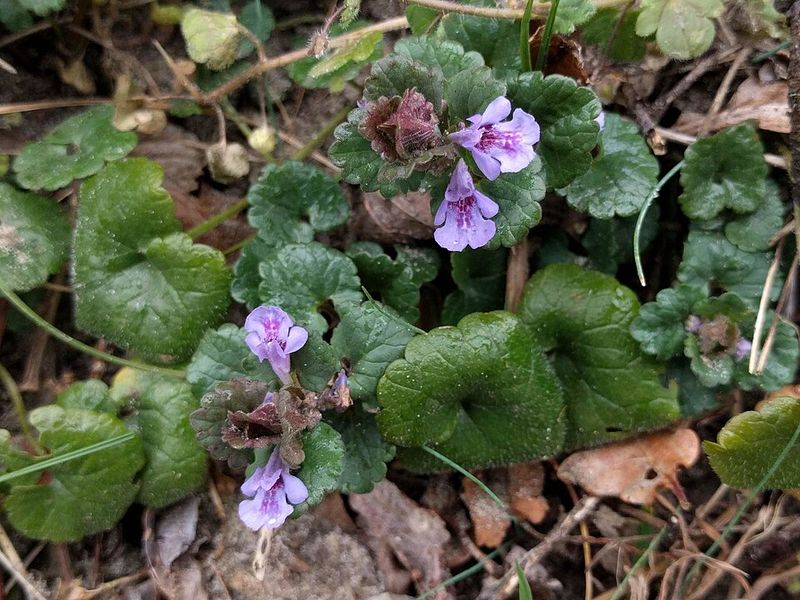
Crush a leaf and sniff. A sharp minty scent is one of the easiest ways to confirm ground ivy, since it belongs to the mint family.
Leaves are round to kidney-shaped with rounded, scalloped edges. Stems are square when you roll them between your fingers, and they creep along the ground, rooting wherever a leaf joint meets soil.
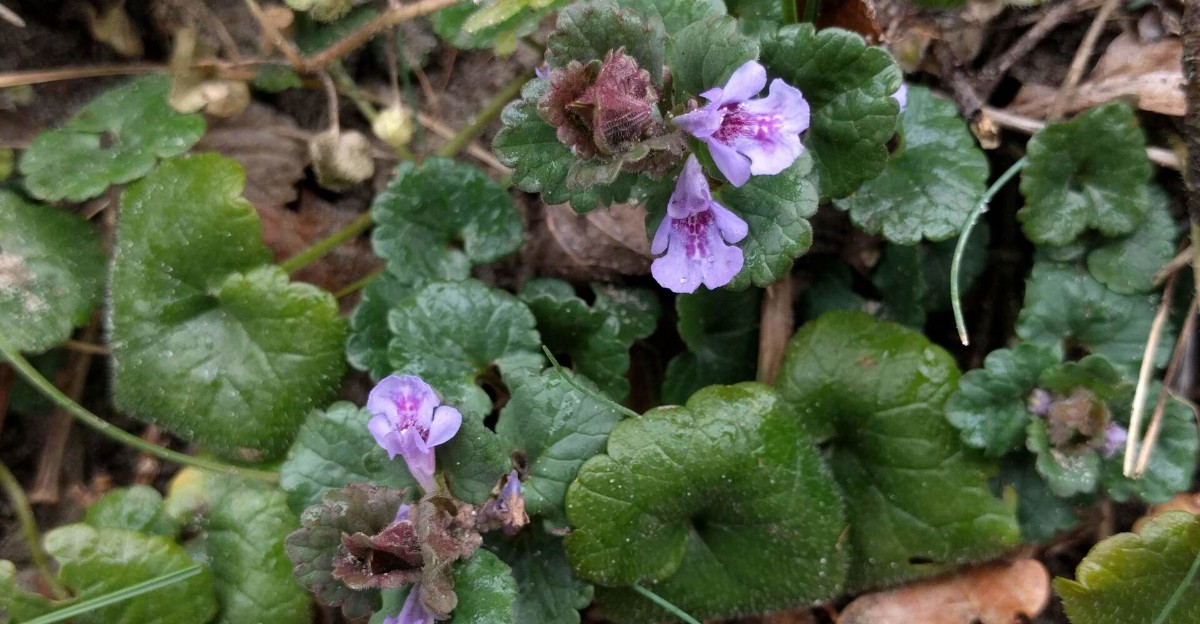
In spring, look for small blue-violet flowers shaped like tiny funnels. They grow in clusters where the leaves join the stem.
Correct identification matters before you spend money. Henbit and purple archangel look similar but are winter annuals, so they usually fade on their own by summer and respond to different timing.
Common mallow has similar round leaves but lacks the square stem and minty smell.
Take a photo and compare it with an extension guide if you are unsure. Virginia Cooperative Extension offices can also help identify samples.
Once you know what you are facing, your plan becomes simple. Identify it, treat it in fall on a mild dry day, thicken your grass, and check again in spring.
With a little patience, that sneaky green carpet can finally give your lawn back.