7 Storm-Damaged Shrubs Virginians Can Save With the Right Pruning Cut
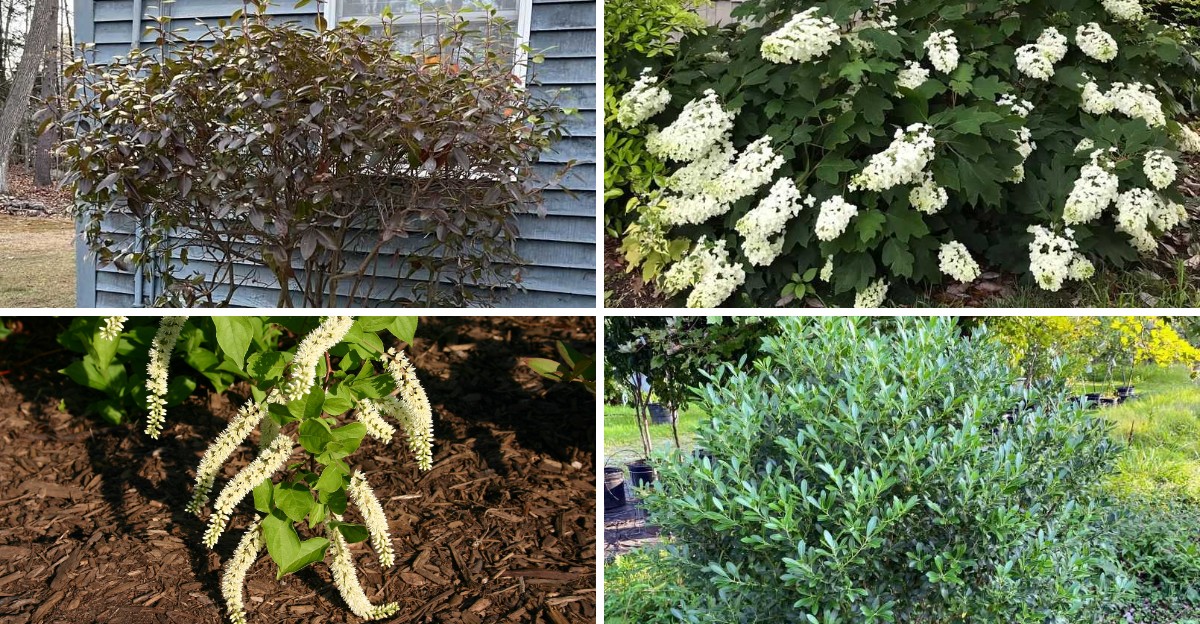
Hurricane Isabel roared through Virginia in September 2003 and knocked out power for roughly 1.8 million Dominion customers. Plenty of yards lost big trees that week, but shrubs often recover from storms better than people expect.
Shrubs carry a hidden trick under their bark, where sleeping buds wait for a reason to sprout fresh shoots. A smart cut gives those buds that reason, while a sloppy stub can invite rot and insects instead.
Don’t make my mistake of grabbing the loppers the morning after a storm and hacking at every broken twig. My garden taught me that patience and a clean angle matter far more than speed with the shears.
So which battered bushes in your Virginia yard deserve a second chance, and which cuts will help them heal? Some of the answers surprised me, and one tough native on this list even carries the state name.
1. Crape Myrtle
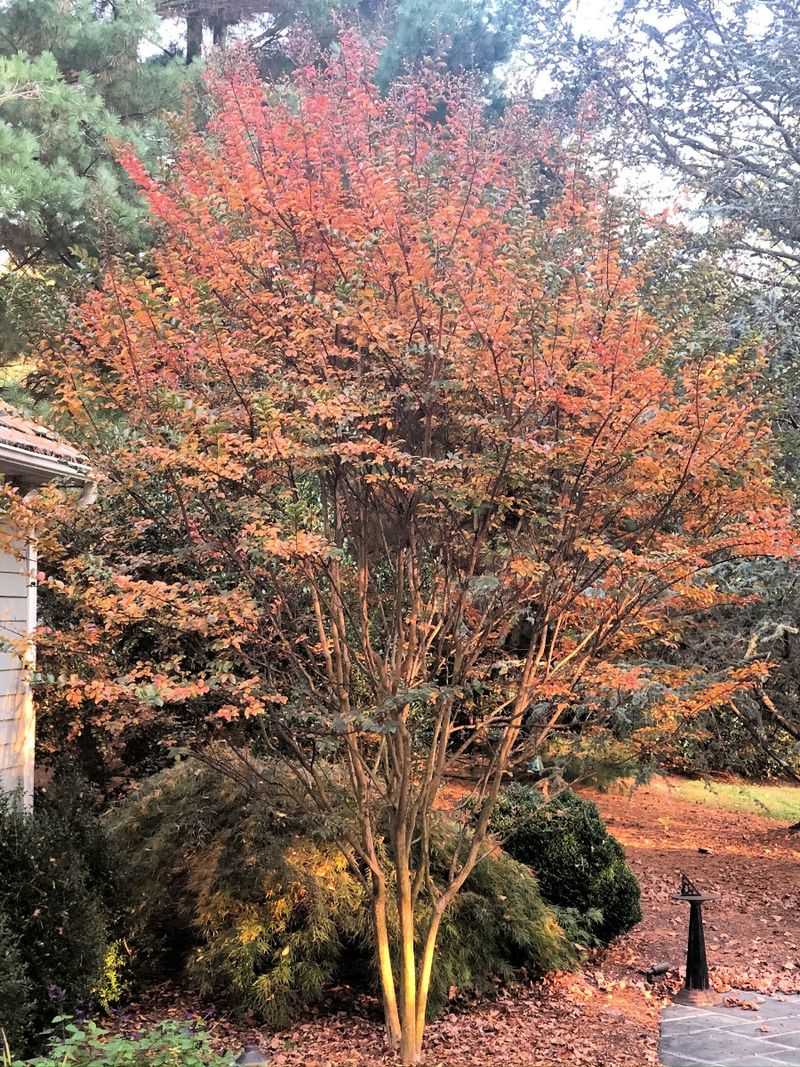
Few shrubs forgive a rough season like crape myrtle, which blooms on new wood grown the very same summer. That habit means a storm-snapped limb today rarely costs you next year’s flowers, as long as you cut wisely.
Start with the obvious wreckage, removing split or dangling branches right away so they stop tearing bark further down. Cut each one back to a healthy side branch or to the main trunk, leaving no ragged stub.
Heavy limbs deserve the three-cut method, which keeps the falling weight from ripping a long strip of bark. Make an undercut first, then a top cut farther out, and finish by trimming the stub near the collar.
If you ask me, the bigger danger comes after the storm, when folks get tempted to top everything evenly. Gardeners frown on that harsh habit, since it leaves knobby stubs that push out weak, floppy sprouts.
Save the bigger shaping job for late winter or early spring, before fresh leaves start pushing from the buds. Thin crossing or crowded branches at that point, aiming for a few well-spaced trunks with an open center.
Suckers popping up around the base will steal energy, so snip them at soil level whenever they appear. Mine sends up a fresh crop every summer, and a quick weekly check keeps the tree shape tidy.
Patience matters too, because cold-damaged crape myrtles can wait until late spring before showing any green at all. Scratch a twig with your thumbnail, and green tissue underneath means that stem still has plenty of life.
2. Rhododendron
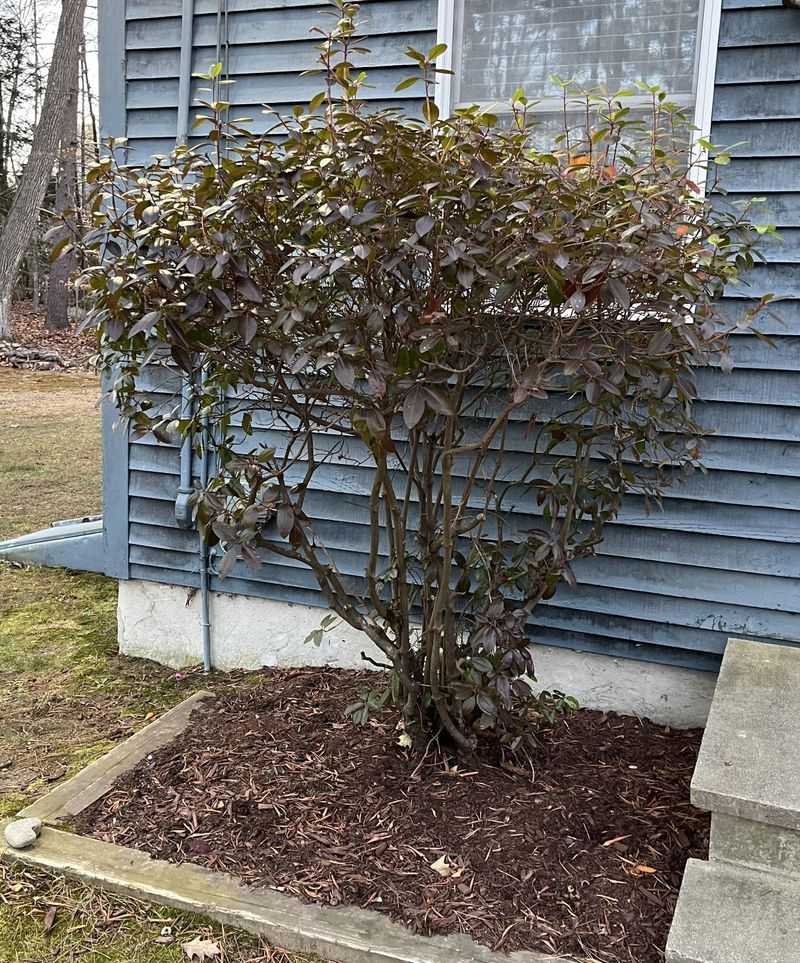
Rhododendrons look fragile with their big glossy leaves, yet older plants often regrow from bare wood after cutting. Azaleas belong to the same genus, so most of this storm advice works for both shrubs in your yard.
Broken stems come off first, and each cut should land just above a dormant bud or small side branchlet. Look for the tiny bumps or leaf scars along the stem, since sleeping buds usually hide right there.
Sometimes a falling limb flattens one whole side of the shrub and leaves a lopsided, gappy mess behind. Thinning a few stems around the hole lets sunlight reach inside, which encourages new shoots to fill that gap.
Truly wrecked plants may need rejuvenation, which means cutting the whole shrub back hard while it sits dormant. Mid-winter or late winter works best for this big job, well before the flower buds begin swelling.
I’m still learning to accept the trade-off, because hard pruning can delay blooms for two or three years. Some gardeners spread the work over several seasons instead, removing about a third of the oldest stems yearly.
Shallow roots make these shrubs touchy after storms, especially when heavy rain washes mulch away from the base. Replace that mulch with a couple of inches of pine bark or shredded leaves to keep roots cool.
Water deeply during dry spells while the plant recovers, since stressed rhododendrons often wilt fast in summer heat. Feed lightly, if at all, because a big dose of fertilizer can push soft growth that storms snap easily.
3. Oakleaf Hydrangea
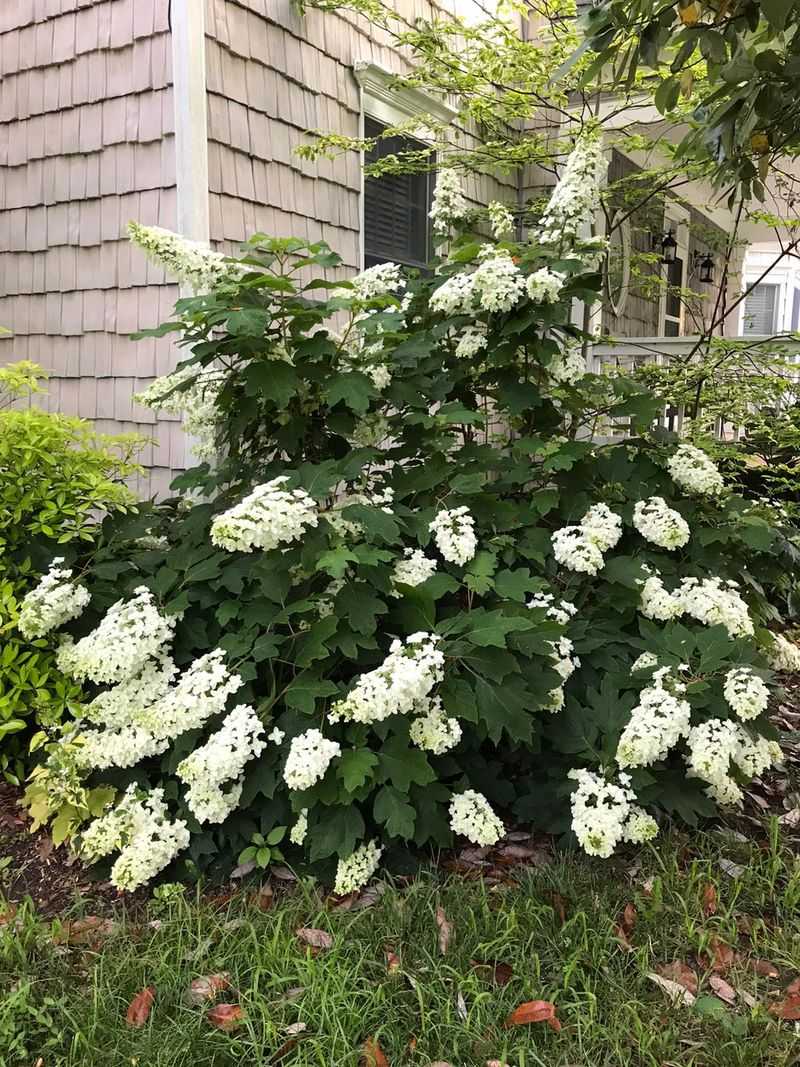
Oakleaf hydrangea grows wild along streams in the Southeast, so a little rough weather is nothing new to it. Those huge oak-shaped leaves catch a lot of wind, and heavy flower cones can bend branches low after thunderstorms.
Timing matters a lot here, since this shrub sets next year’s flower buds on old wood after it blooms. Prune right after flowering, usually in June or July, and you will protect next season’s show.
Broken branches are the exception, and you should remove them whenever they appear, no matter the calendar date. Cut back to healthy wood at a branch joint, or take the whole stem down to the ground.
I once trimmed every tip for neatness in fall, and the following summer brought almost no flowers at all. Lesson learned, so now I fix only the true storm damage and leave healthy branch ends alone.
Older plants that turned woody and sparse respond well to gradual renewal pruning spread across a few seasons. Each year, remove about a third of the oldest stems at ground level to make room for younger growth.
When you need a slightly smaller shrub, cut back to a node on the stem to encourage bushier branching. A node is that little spot where leaves attach, and new shoots usually sprout just below the cut.
Peeling cinnamon bark shows up on mature stems, so a storm-pruned plant still looks lovely in winter. Fall color runs from deep red to burgundy, which makes saving a battered specimen worth every careful cut.
4. Virginia Sweetspire
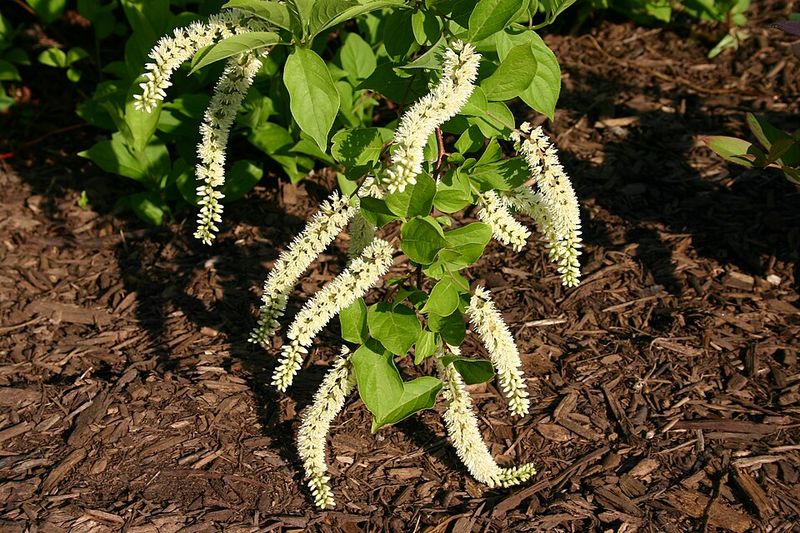
Virginia sweetspire carries the state name proudly, and this native shrub bounces back from pruning with impressive energy. Late spring brings drooping white flower spikes with a honey-sweet scent that pulls bees in close.
Its arching stems bend low under heavy rain, and a strong gust can snap a few at the base. Clip each broken stem back to healthy tissue, checking for green wood just under the bark first.
The way I see it, sweetspire is the most forgiving shrub on this list for nervous first-time pruners. It handles full sun or deep shade, and it even tolerates soggy clay after a storm floods the yard.
Major shaping works best in late winter or early spring, or right after the flowers fade in early summer. Thin crowded stems at ground level, and shorten long scraggly branches to keep the mound looking full.
Shrinking an overgrown plant should happen slowly, removing only a small portion of growth each time you prune. Big cuts all at once can leave the plant looking bare, and it may skip a season of blooms.
Suckers are part of its personality, since the roots send up new shoots that slowly widen the clump. Pull or cut the extras you don’t want, and pot a few up for a friend’s garden.
Fall makes all this effort pay off, as the leaves turn fiery red and hang on for weeks. A storm-pruned sweetspire often looks fuller by autumn, which feels like a small reward for patient work.
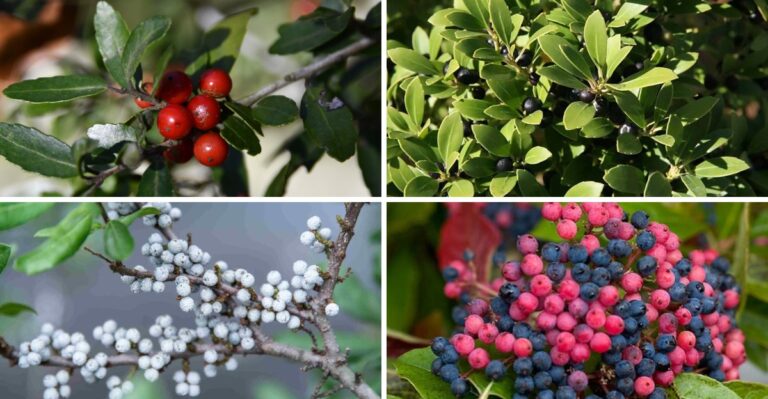
5. Inkberry Holly
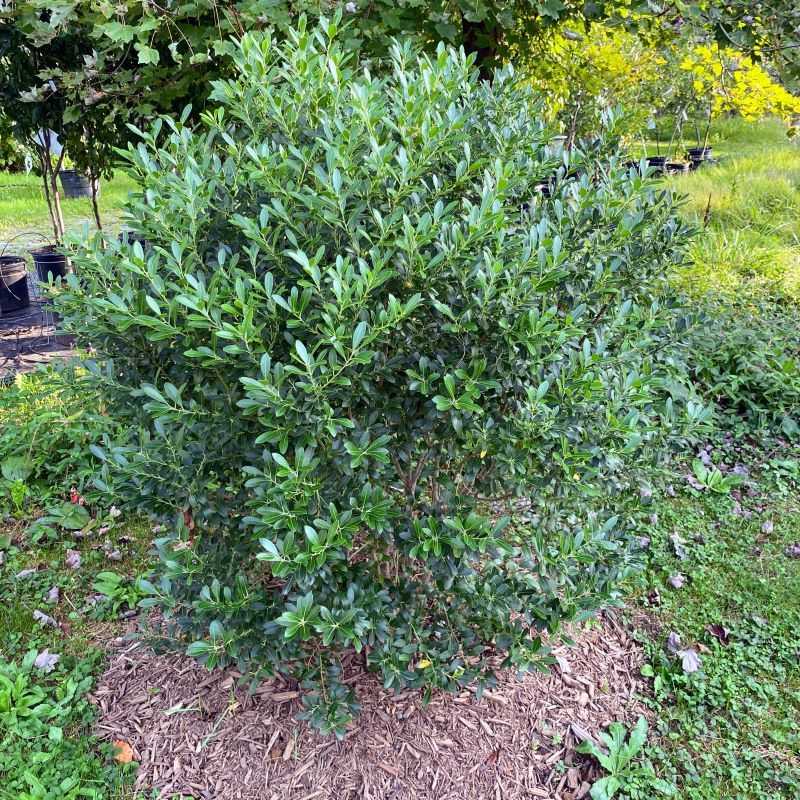
Inkberry holly looks so much like boxwood that visitors often mistake it, though it grows native in coastal swamps. That wet heritage makes it a champ in soggy yards, where storms leave standing water for days.
Female plants carry small black berries through fall and winter, and birds pick them over when food runs short. Keep that in mind before shearing every stem, since heavy cuts can remove some of the developing fruit.
Snapped branches should come off soon after the storm, cut cleanly just above a bud or side branch. Larger corrective pruning fits best in late winter or early spring, before the new growth starts flushing out.
Now that I think about it, inkberry handles a hard reset better than most evergreens I have pruned. Leggy, storm-wrecked plants can be cut back to roughly six inches above the ground in late winter.
That bold move wakes up buds near the base, and fresh shoots fill in the bare legs over the season. It feels scary the first time, but a healthy root system usually powers a quick, dense comeback.
Spreading inkberries can also sucker from the roots, which helps them recover after a storm crushes the top. Trim unwanted suckers at ground level if the shrub starts wandering into walkways or flower beds nearby.
Skip the urge to shear it into a tight ball, since its loose natural form needs less upkeep. Deer tend to browse it less than many shrubs, so your careful cuts are less likely to become snacks.
6. Serviceberry
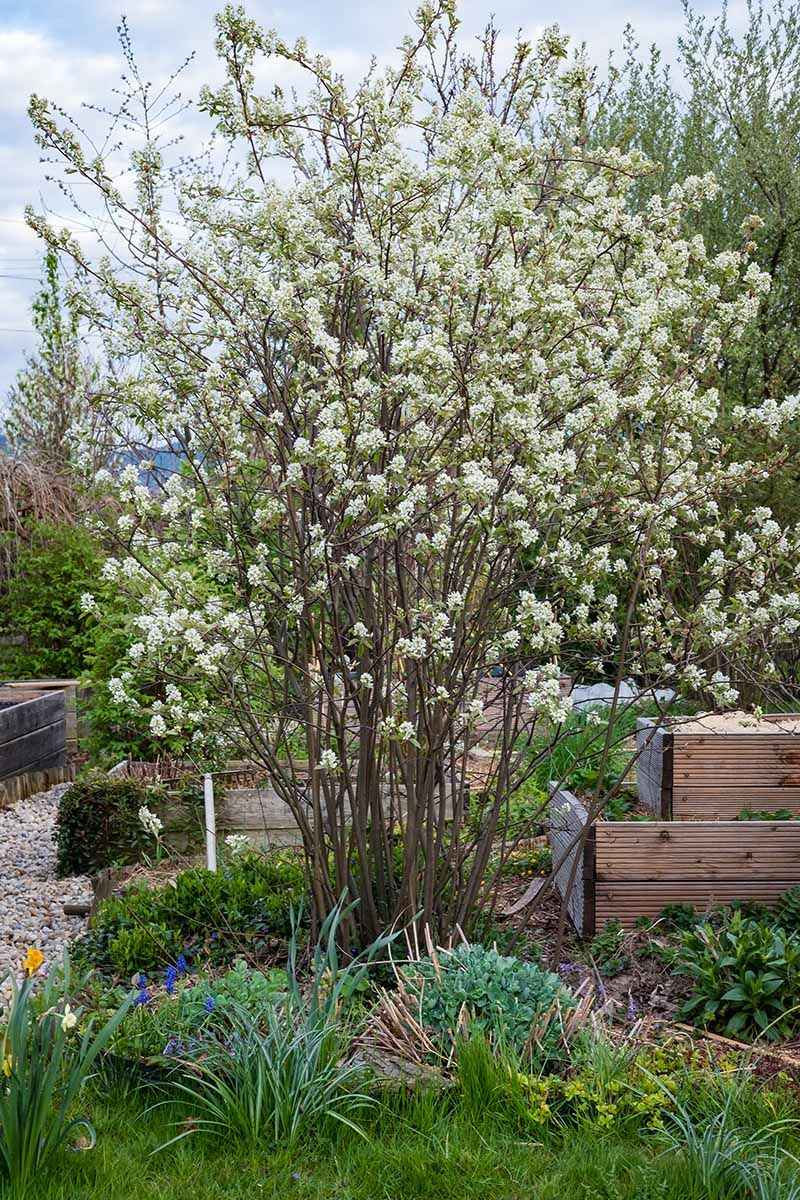
Early settlers supposedly named serviceberry for blooming around the time spring church services resumed after winter thaws. Nobody can fully prove that story, but the white blossoms do arrive early and brighten bare spring woods.
Its multi-stemmed habit gives it a quiet advantage, because losing one trunk in a storm leaves several others standing. Remove the broken stem cleanly, cutting back to a healthy side branch or the main trunk below.
Leave the branch collar intact, which is that slightly swollen ring where a limb joins a larger stem. Cutting into the collar slows natural sealing, while leaving a long stub gives decay an easy doorway.
Bigger structural pruning works well in late winter or early spring, before the buds break open. Overgrown shrubs can be renewed by removing about a third of the oldest, heaviest stems each year.
After three seasons, the whole plant carries younger wood, and it usually flowers and fruits more freely. Slow renewal beats a dramatic chop in my experience, especially for a shrub with such graceful lines.
Suckers often pop up at the base, so remove them if you prefer a single trunk or tidier clump. Keep a few if you like the natural shrubby look, since birds don’t care much about tidy edges.
Those June berries taste a bit like blueberries with a hint of almond, and robins race you for them. Saving a storm-battered serviceberry means another summer of snacking, which feels like a fair reward for careful cuts.
7. Distylium
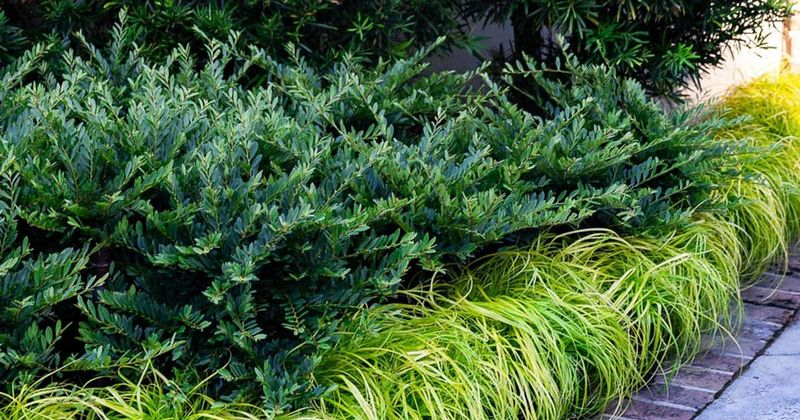
Distylium blooms in late winter with tiny reddish flowers, a quirky surprise most neighbors spot only up close. Growers often promote it as a boxwood substitute, partly because it isn’t troubled by boxwood blight.
Hardiness runs mainly from zone 7 through 9, so it fits best in eastern and southern Virginia gardens. Plants in colder mountain yards may struggle, and winter browning there can look worse than storm damage.
Broken branches can come off any time of year, cut just beyond the break or back to their origin. Look closely at the bark near each snap, since cracks sometimes run farther than the obvious break.
Bigger shaping jobs belong in late winter or early spring, after the flowers finish and before new growth. Shoots that sprout after that pruning usually harden off by summer, which helps them handle later storms.
Honestly, the dense evergreen leaves can hide breakage, so part the foliage gently with your hands. Hidden split stems often show up as patches of wilting or browning leaves a week after the storm.
Light trims for stray shoots are fine whenever you notice them, and the shrub takes shearing well. Still, a looser natural shape lets wind pass through the branches instead of pushing against a solid wall.
Wet spots and dry spells both suit distylium once roots settle in, which makes post-storm recovery easier. A layer of mulch and a deep drink during droughts will help your trimmed shrub refill its gaps quickly.