8 Plants for the North Side of an Arizona House That Gets No Sun
That shady north wall in Arizona actually catches some sun in June, since summer sunrise happens north of due east. Most of the year, though, the strip stays cool and dim while every other bed bakes.
I have to admit that my own north side sat empty for years because I assumed nothing would grow. What surprises me most is how many tough plants actually prefer that soft, reflected light.
Shade there also means cooler roots and slower evaporation, which can trim your summer water bill noticeably. You might notice hummingbirds and native bees exploring those quiet corners once something worth visiting finally blooms.
October happens to be the best planting window in the low desert, while soil stays warm and nights cool down. So which tough, shade-loving plants deserve a cozy spot against your own Arizona wall this fall?
1. Mexican Honeysuckle
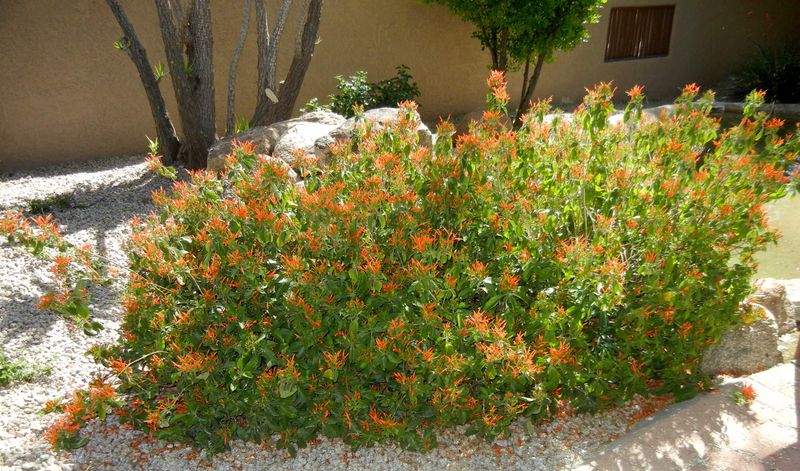
Hummingbirds in my yard treat this shrub like a neighborhood diner, zipping past roses to reach its orange tubes. Those little flared blossoms are shaped for long bills, so you will see visitors within days of planting.
Botanically it is Justicia spicigera, a Mexican native and not a true honeysuckle at all, despite the nickname. Velvety green leaves stay soft to the touch, which makes it pleasant beside walkways and doors.
Bright shade suits it beautifully, and a north wall in the low desert keeps summer leaf scorch from creeping in. Expect a mounding shrub around three to four feet tall and roughly as wide over time.
Flowering often picks up in fall and continues through winter and spring in mild areas, perfect timing for October planting. Hard frost can nip the tips, yet plants usually regrow quickly from the base when weather warms.
Water deeply every week or two during the first year, then stretch the schedule once roots settle in. Personally, I trim it lightly after the spring flush, which keeps growth tidy without sacrificing future flowers.
Plant it where you can watch from a window, because the hummingbird traffic becomes free entertainment. A few butterflies drop by too, giving that dim corner more motion than you might expect.
2. Cast Iron Plant
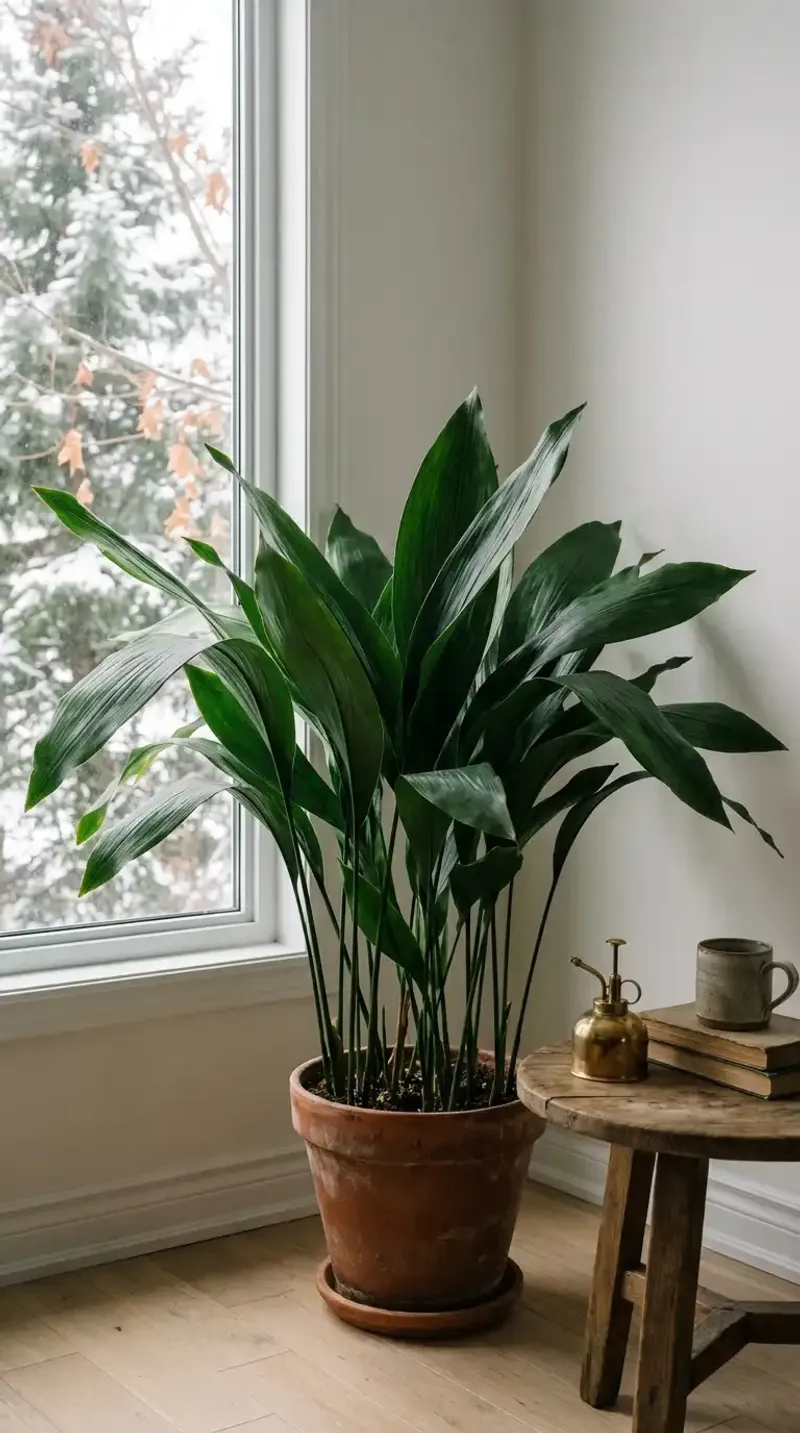
Victorian parlors were famously dark and gas-lit, and this plant earned its tough nickname by surviving there happily. Aspidistra elatior handles gloom so well that it shrugs at spots where even ferns start sulking.
Its wide, glossy leaves rise straight from the soil, reaching about two feet tall in a slow, steady clump. I love how the dark green blades bring a calm, tropical look to a plain stucco wall.
Direct afternoon sun bleaches and burns the foliage, so a north exposure is actually its sweet spot in the desert. Heat is rarely a problem when the roots stay shaded and the soil holds a little organic matter.
Growth is slow, which means patience matters, yet that slow pace also means you rarely need to prune or divide. Snip off any tattered or brown leaves at ground level, and fresh ones will fill in.
Water when the top couple inches of soil feel dry, often once a week in summer and less now. October is a fine time to plant, since cooler air helps new divisions settle without stress.
Keep the clumps a short distance from the foundation and rake out fallen debris occasionally. Tidy ground beneath dense leaves gives scorpions and crickets fewer cozy hiding spots near your doors.
3. Coral Bells
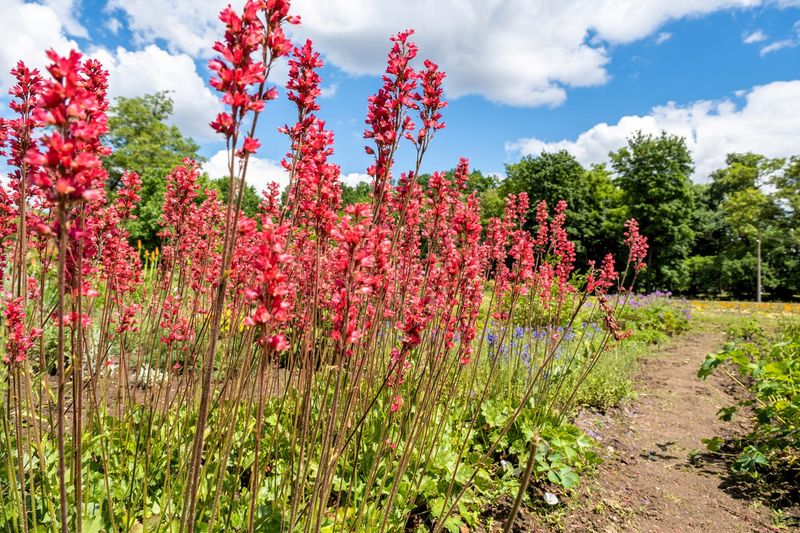
Few gardeners realize that a wild coral bells species grows in shady Arizona canyons, tucked among rocks near seeps and streams. Heuchera sanguinea is the native red-flowered parent behind many popular hybrids sold in garden centers today.
Low rosettes of rounded, scalloped leaves hug the ground, while slender stems hold tiny crimson bells above them. Those dangling flowers appear mostly in spring and attract hummingbirds looking for an early season snack.
Low desert heat can be tough on this plant, so a cool north wall gives it a real fighting chance. Higher elevation gardens grow it more easily, and the dappled light there suits it just as nicely.
Plant it in well-drained soil with some compost mixed in, since soggy roots lead to rot quickly. You need to water regularly through hot months, though fall and winter needs drop off considerably.
October planting gives roots several cool months to establish before next summer arrives with its usual intensity. Snip spent flower stems after blooming, and the foliage will look tidier for months afterward.
I find these plants lovely tucked along a shaded path, where you can admire the leaves up close. Mixing them with larger shade shrubs creates layers that feel natural rather than planted in rows.
4. Star Jasmine
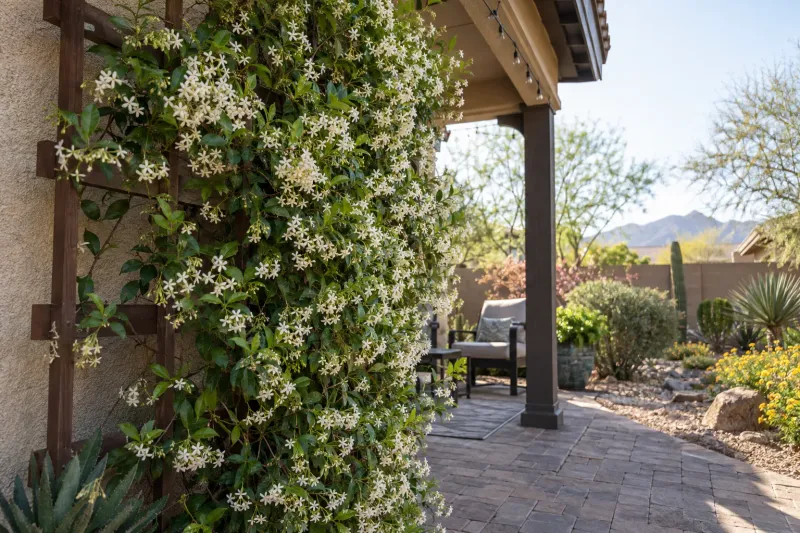
One whiff of this vine on a warm spring evening can stop guests right on the front step. Trachelospermum jasminoides fills the air with a sweet perfume that many people compare to orange blossoms.
Despite the name, it is not a true jasmine, though the starry white flowers certainly look the part. Glossy, dark leaves stay evergreen year-round, so your north wall looks dressed even in the middle of winter.
In the low desert, full western sun can yellow its leaves, which makes shady exposures a much happier home. I have to admit it blooms a bit less in deep shade, yet the foliage stays rich and handsome.
Give it a sturdy trellis or wire grid, because the twining stems need help climbing smooth stucco. You can also let it sprawl as a groundcover, trimming edges to keep a tidy border.
Water deeply once established, about every week in summer and less often during the cooler months ahead. Fall planting works well here, giving roots time to spread before next year’s blooms appear around April.
Night-flying moths visit the fragrant flowers after dark, adding quiet evening activity to your garden. Keep thick groundcover trimmed away from doorways so pests have fewer shady hideouts close to the house.
5. Creeping Mahonia
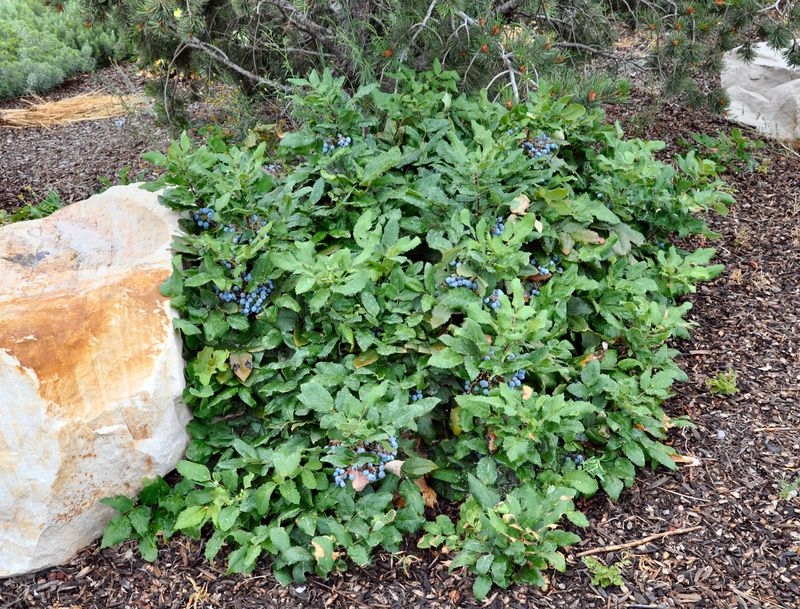
Grab a handful of the dusty blue berries and you will understand why some people call this plant Oregon grape. Birds clearly agree, since they often strip the clusters quickly once the fruit ripens in summer.
Berberis repens, sometimes listed as Mahonia repens, is native to forested parts of Arizona and much of the West. Its spiny, holly-like leaves blush bronze or purple during cold weather, which adds welcome color in winter.
Gardeners at middle and higher elevations, such as Prescott or Flagstaff, will have the easiest time with it. Low desert growers can try it too, but only in true shade with steady moisture and some patience.
Yellow flower clusters show up in spring, offering early pollen and nectar for native bees just waking up. Plants stay low, usually around a foot tall, and slowly spread by underground stems into a groundcover.
Fall is a great time to plant at higher elevations, while soil remains workable before winter freezes arrive. Water regularly the first season, then cut back once the roots settle into their new home.
Personally, I like how it fills shady ground under trees where grass struggles to grow. The prickly leaves also discourage deer and rabbits from nibbling, which saves plenty of frustration.
6. Foxtail Agave
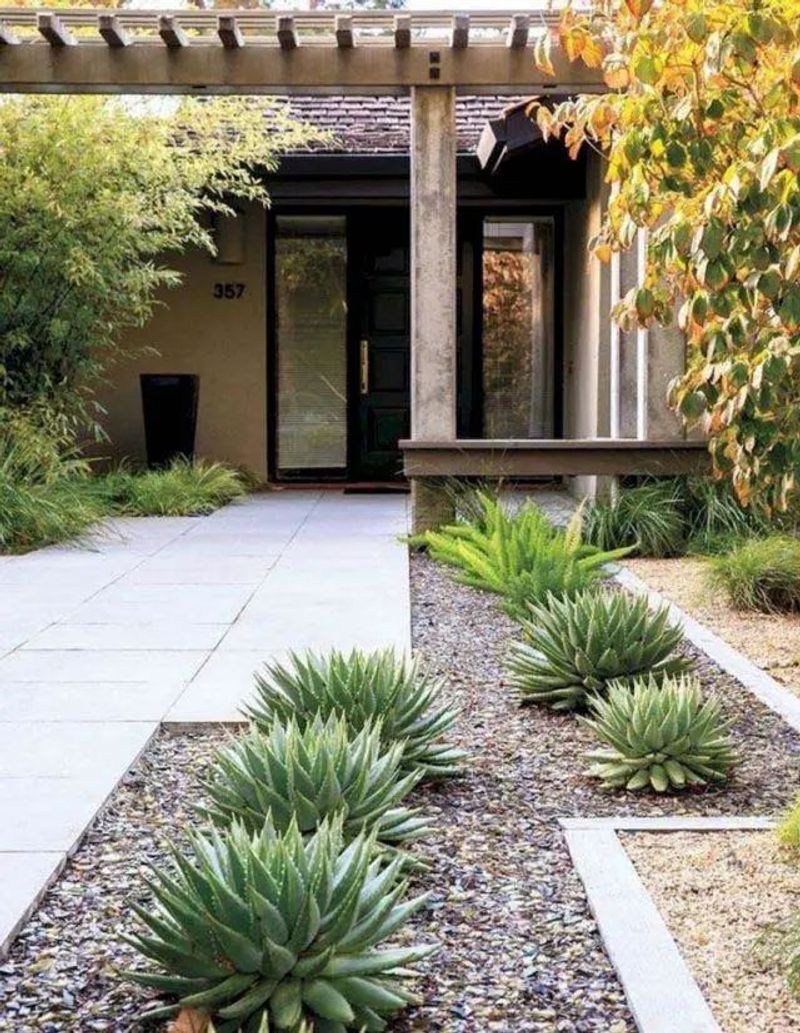
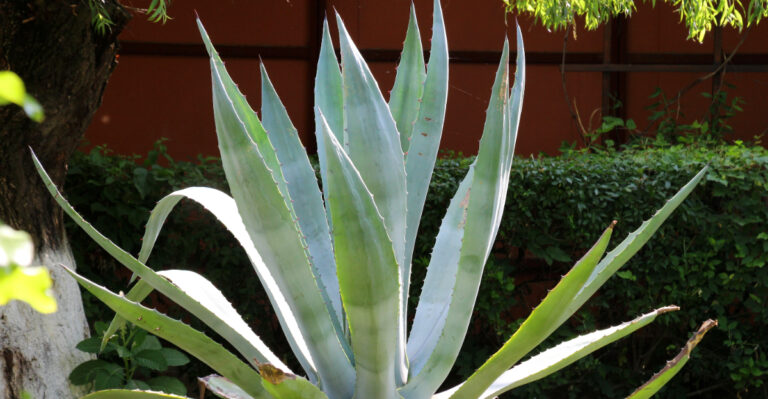
Most agaves come armed with needle-sharp tips, but this soft-leaved species is gentle enough to brush past barefoot. Agave attenuata lacks the usual spines, which makes it a friendly choice beside narrow side yards.
Pale blue-green leaves form wide rosettes that look like giant green flowers sitting atop short trunks. I love how a single plant can anchor a shady corner with sculptural style and little effort.
Hot afternoon sun can scorch the foliage in the low desert, so bright shade near a north wall suits it. Frost is its weak spot, since temperatures in the upper twenties can damage leaves overnight.
Keep frost cloth handy for cold snaps, or grow it in a large pot you can move. October gives you mild weather for planting, along with a few months before the chilliest nights arrive.
Water sparingly, letting soil dry between deep soakings, because soggy ground leads to root rot quickly. Fast-draining soil or a cactus mix helps a lot, especially in heavy clay common around many homes.
Mature plants eventually send up a long, arching flower spike that curves like a fox’s tail. After flowering, the main rosette fades, but offsets around the base usually carry the show forward.
7. Purple Heart
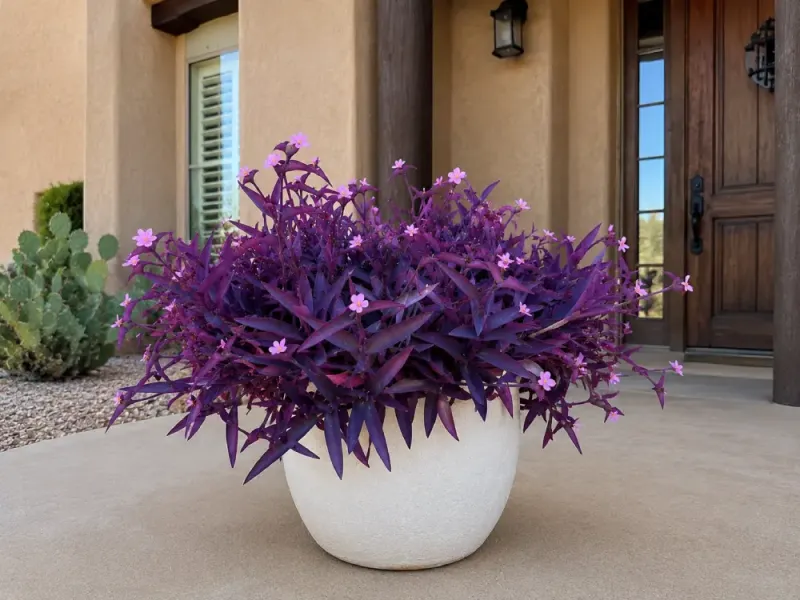
Few plants pull off royal purple foliage in shade, yet this trailing perennial manages it with surprising ease. Tradescantia pallida keeps its rich color best with some bright light, though it handles shade better than most.
Leaves grow long and slightly fuzzy along sprawling stems, forming a loose mat about a foot tall. Small pink flowers open in warm months, adding cheerful dots of color against the moody leaves.
You might notice greener leaves in deep shade, since color intensity drops when light is limited. A north wall with bright reflected light usually keeps enough purple showing to make it worthwhile.
Frost often knocks it back to the ground, but roots typically resprout once spring warmth returns. Some gardeners mulch the crown in late fall, which gives extra protection during cold desert nights.
Wear gloves while trimming, because the sap can irritate sensitive skin for some people. Stems root easily wherever they touch soil, so trim edges regularly to keep it where you want it.
Keep the mat pulled back from the foundation, giving fewer damp hiding spots for scorpions and roaches. Water about once a week in summer, then ease up through fall and winter as it slows.
8. Golden Columbine
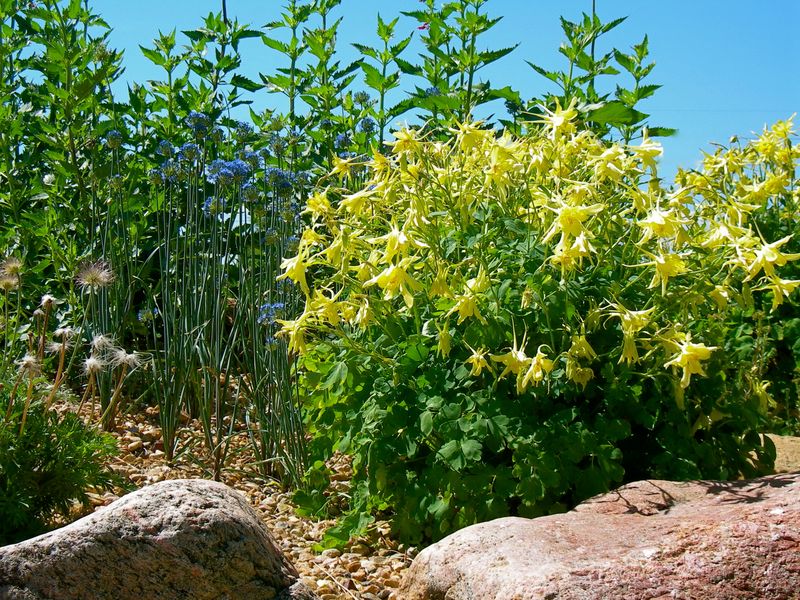
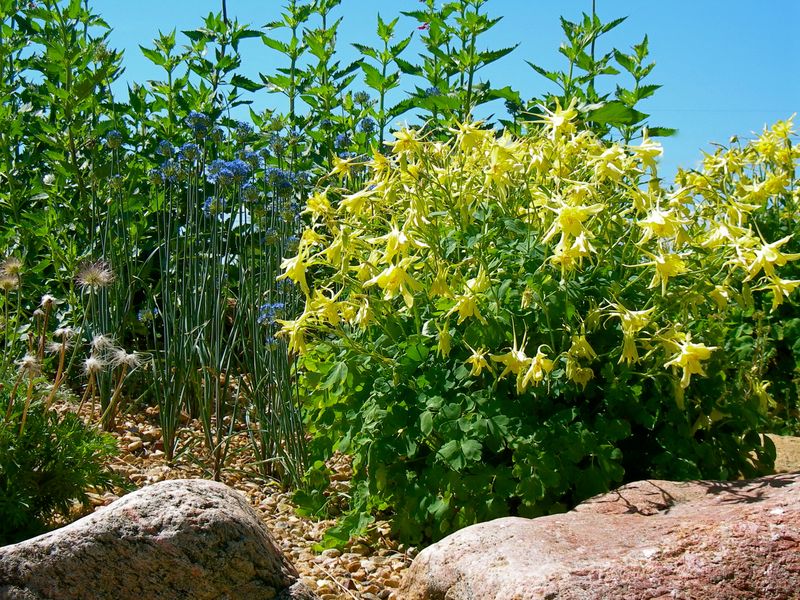
Bright yellow spurs on these flowers stretch nearly two inches long, sculpted perfectly for hummingbird bills and hawkmoth tongues. Aquilegia chrysantha grows wild in shaded Arizona canyons, often near springs and along streams.
Its lacy, blue-green leaves look delicate, but the plant is tougher than it appears in desert gardens. I can’t imagine a shady bed without at least one clump of these dancing golden flowers.
Blooms appear mainly in spring, though some plants rebloom into summer with regular watering. A north wall shelters them from harsh afternoon heat, which helps the leaves stay fresh longer.
Plant in rich, well-drained soil and water regularly during hot months, especially in the low desert. Plants can be short-lived, yet they often reseed gently, so new seedlings tend to appear nearby.
October is a smart time to plant nursery starts or scatter seeds, giving roots a cool season start. Let a few flowers set seed before trimming, and you will likely enjoy volunteers next year.
Leaf miners sometimes draw squiggly trails on the leaves, but the damage is mostly cosmetic. Simply snip affected leaves, and fresh foliage usually fills in without needing any sprays.