6 Black Friday Garden Deals Worth Buying in New York, and 3 to Skip
Philadelphia police officers started calling the day after Thanksgiving Black Friday back in the early 1960s. They were grumbling about crowded city sidewalks and traffic jams, not celebrating bargains on shovels and seed.
Today the same chaotic Friday brings real markdowns on garden gear, especially as stores clear out fall stock. Gardeners in New York often face cold, stiffening soil by then, so smart buying matters more than impulse grabbing.
Take it from someone who once bought a bargain gadget that lasted exactly one soggy weekend. Between you and me, a cheap price tag can hide plenty of headaches in the shed by spring.
Some deals across New York truly earn a spot in your cart, and a few deserve a polite pass. So which bargains will still make you grin when the snow finally melts off your beds next year?
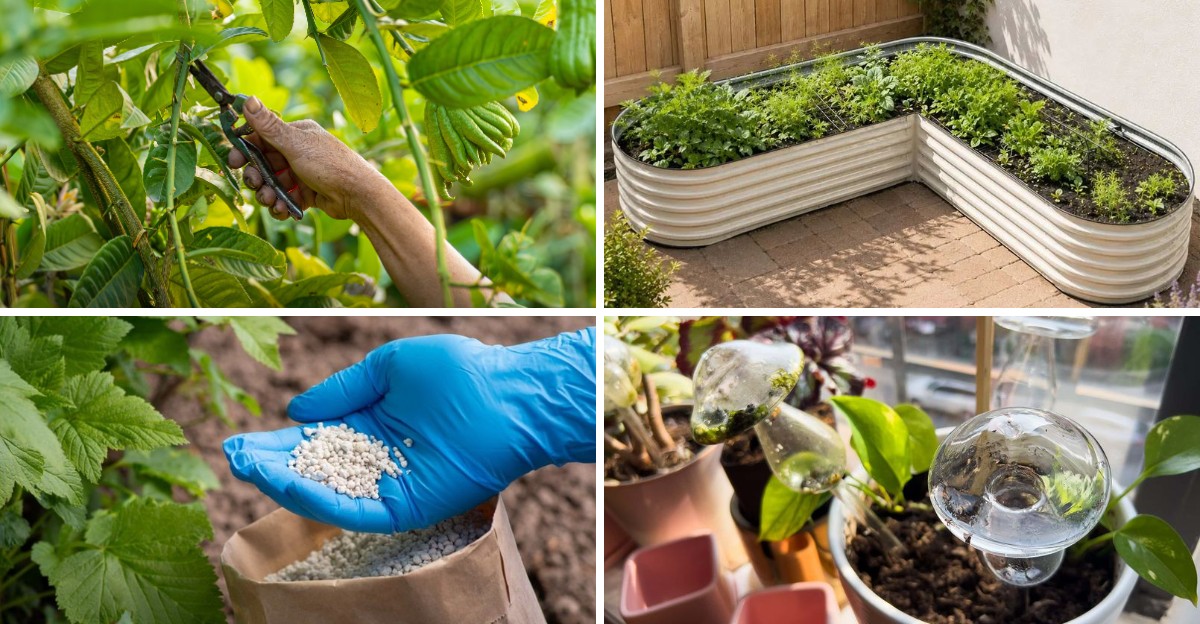
1. Premium Bypass Hand Pruners And Folding Pruning Saws

Felco has made its famous red-handled No. 2 pruner in Switzerland since 1948, and gardeners still swear by it. Holding one feels a bit like shaking hands with a sturdy old friend who rarely lets you down.
Every part on a quality pruner can usually be replaced, including the cutting blade and the little spring. That repairability means a Black Friday purchase today could still be snipping roses in your yard decades from now.
Late November is a smart time to shop because pruning season for many fruit trees starts in late winter. You will have sharp, ready tools waiting when your apple trees sit bare and easy to read.
Look for bypass pruners rather than anvil styles if you mostly cut living stems on shrubs and perennials. Bypass blades slide past each other like scissors, leaving cleaner cuts that heal faster than crushed, ragged ones.
Folding pruning saws also go on sale, and they handle branches too thick for hand pruners with surprising ease. In my own yard, a small folding saw has replaced half the heavy tools I used to drag around.
Bundles that include a leather holster and a sharpening stone often cost less than buying those extras separately later. Check the fine print, though, because some bundles pad the box with accessories you will rarely use.
For what it’s worth, one excellent pruner beats several bargain pairs that loosen and rust by midsummer. Wipe the blades after each use, oil the pivot now and then, and your investment should reward you for years.
2. Bagged Compost And Worm Castings For Next Spring
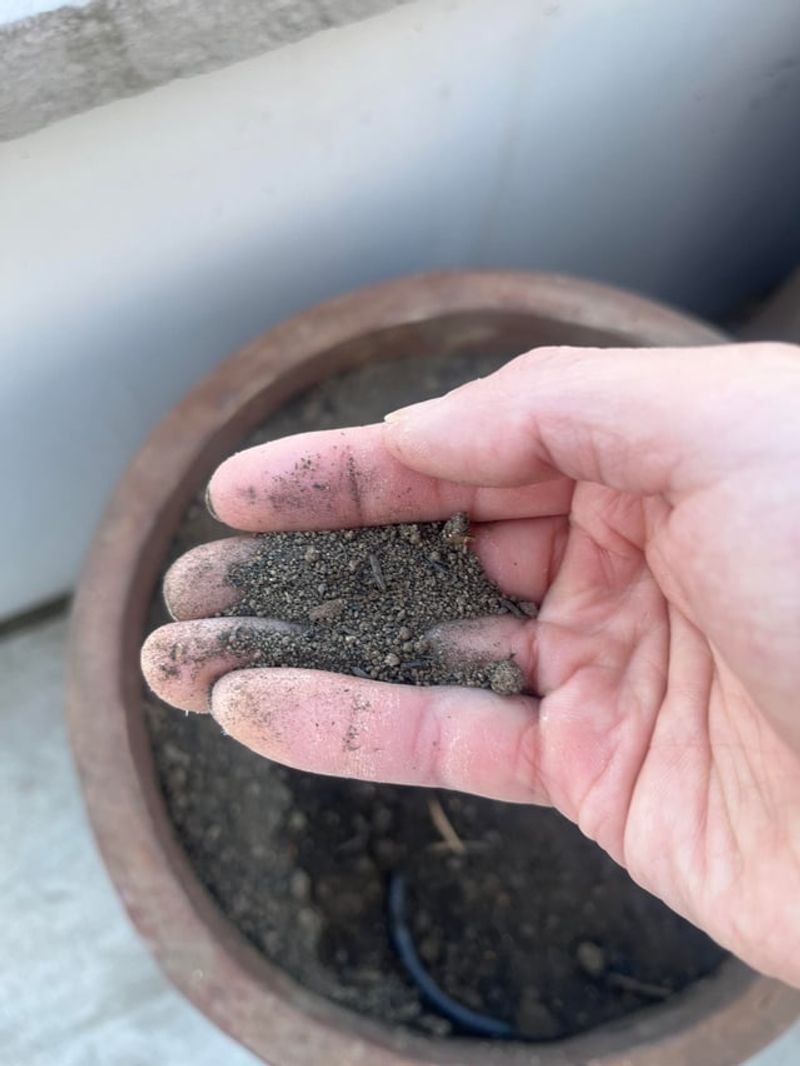
Finished compost does not spoil on a shelf, which makes it one of the sneakiest bargains of the whole shopping weekend. A bag of crumbly, earthy-smelling compost bought now can feed your vegetable beds the moment spring arrives.
Worm castings and quality organic potting mixes often join the sale, sometimes bundled together for a deeper discount. Some smaller soil companies run their best offers of the year during this stretch, so sign up for emails early.
Storage matters more than most people realize when you buy soil products in bulk before winter. Keep bags in a dry garage or shed, off the bare floor, so moisture does not turn them soggy.
Freezing temperatures will not ruin compost, but a soaked, frozen bag becomes a heavy block that is hard to spread. Funny thing is, I learned that lesson trying to chisel a solid brick of potting mix every March.
Compost improves soil structure, helping sandy ground hold water and heavy clay drain a little better over time. Extension gardening experts widely recommend adding organic matter as one of the simplest ways to build healthier soil.
Read labels carefully, since some cheap bagged products are mostly shredded bark or filler with little real compost inside. A quick squeeze test at the store helps, because good compost feels loose and crumbly rather than stringy.
Plan your amounts before checkout by measuring beds and figuring about an inch or two of compost per spring topdressing. Buying the right quantity saves money and keeps your garage from turning into a mountain of forgotten bags.
3. Modular Metal Raised Garden Bed Kits
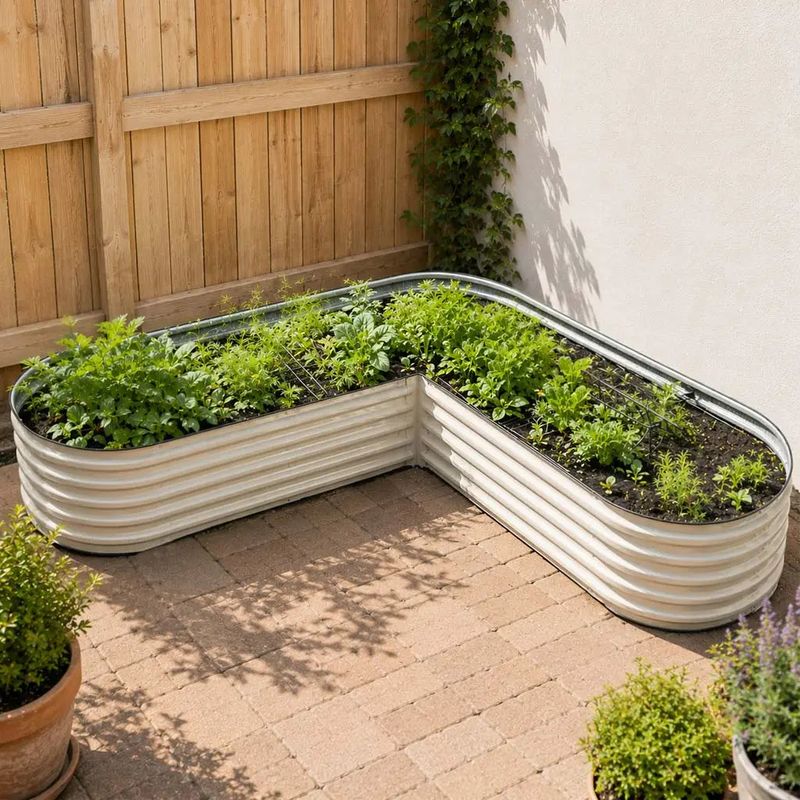
Raised bed soil warms up and drains faster in spring, which can give eager growers a head start on planting. Anyone who has waited for soggy clay to dry out in April knows how valuable those extra days feel.
Modular metal bed kits are popular Black Friday deals because the panels can be arranged into several shapes and heights. That flexibility lets you build a long rectangle now and switch to an L shape when your plans change.
Taller beds also ease strain on knees and backs, a perk that matters more with every passing gardening season. If you ask me, a waist-high bed near the kitchen door is the most used spot in any yard.
Galvanized or coated steel tends to outlast untreated wood, which can soften and rot after a few wet winters. Check the panel thickness and coating details, because thin metal can bow outward once the bed is filled with soil.
Late fall is an excellent time to set up a new bed, even when nothing will be planted until spring. Fill it with layers of shredded leaves and compost, and those materials will settle and break down over winter.
Place the bed where it gets at least six to eight hours of direct sun for most vegetables. Avoid low spots where cold air and melting snow collect, since those areas stay chilly and wet longest.
Shipping fees can erase a discount quickly, so compare the final price, including delivery, before clicking the buy button. A sturdy kit bought on sale should serve your garden for many seasons, making the math easier to love.
4. LED Grow Lights For Winter Herbs Indoors
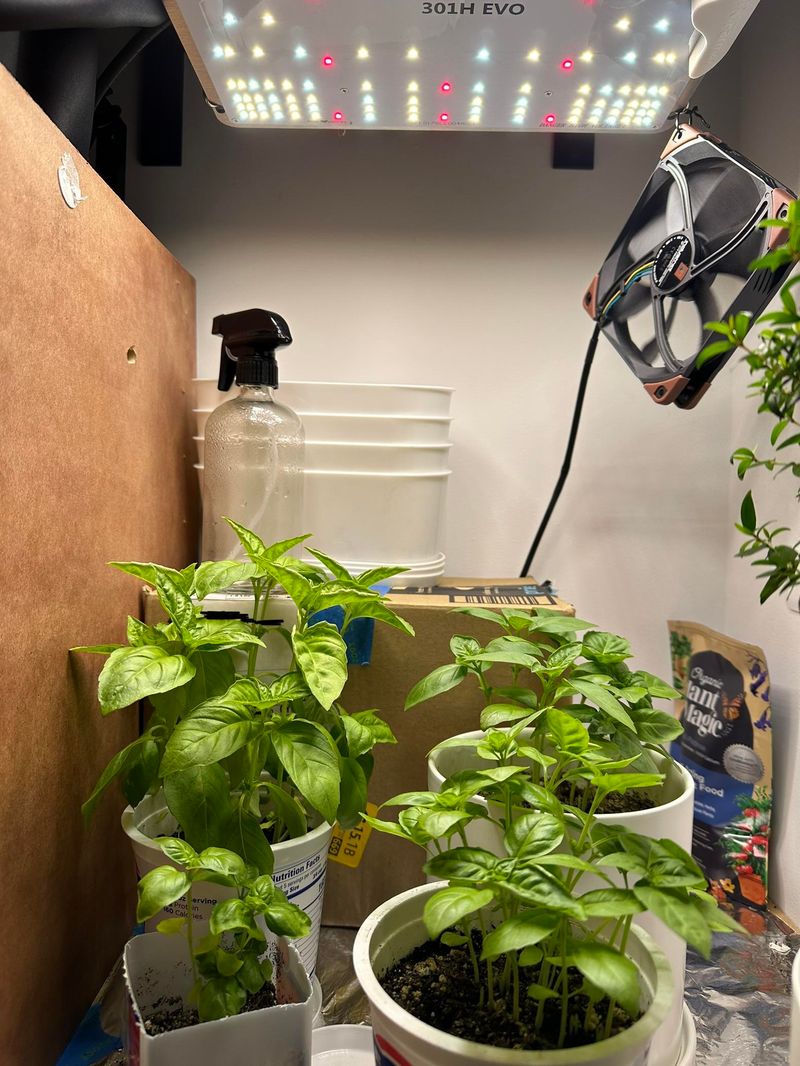
Basil sulks on a December windowsill because winter days in the Northeast can shrink to roughly nine hours of daylight. A simple LED grow light turns that gloomy corner into a cheerful herb patch you can pinch from daily.
Indoor growing systems and stand-alone light bars often drop in price during Black Friday as cold weather settles in. Hydroponic countertop units are fun, but a basic shop-style LED fixture over a seed tray works wonderfully too.
Most herbs and leafy greens grow well with about fourteen to sixteen hours of light each day under fixtures. Keep lights just a few inches above seedlings and raise them as plants stretch upward toward the glow.
A plug-in timer is the cheapest helper you can add, since it handles the switching while you sleep. Looking back, I should have bought one sooner, because forgetting the switch left my seedlings pale and leggy.
Planning ahead matters too, because many vegetable seeds are started indoors six to eight weeks before the last spring frost. Owning lights by midwinter means tomatoes and peppers can begin on schedule rather than in a frantic April rush.
Check wattage and coverage area on the box, since a tiny light cannot properly serve a large shelf of trays. Full-spectrum white LEDs look natural in a living room, unlike the purple glow of some older grow fixtures.
Self-watering planters paired with lights also make solid buys, especially for busy households that travel during the holidays. Fresh parsley in January feels like a small luxury, and it costs far less than grocery store clamshells.
5. Cold Hardy Perennials On Clearance

Purple coneflower can shrug off brutal winters, returning each summer with spiky orange centers that goldfinches happily pick apart. Native perennials like that are tough enough to make late-season clearance tables a genuine treasure hunt.
Garden centers often slash perennial prices near the end of the season to avoid overwintering pots in their yards. Some plants look scruffy and brown on top, yet their roots are frequently healthy and ready to grow.
Gently slide a plant from its pot before buying, and look for firm, white or tan roots filling the soil. Skip any pot with mushy roots or a sour smell, since that suggests rot that a discount cannot fix.
Planting can continue until the ground freezes, which varies widely between Long Island and northern counties upstate. Water each new perennial well, because even cold soil needs moisture for roots to settle in before winter.
Once the ground freezes, spread a few inches of mulch or shredded leaves over the crowns of fall plantings. That cover helps prevent frost heaving, when freeze and thaw cycles push young plants right out of the soil.
If it is too late to plant, sink the pots into the ground or a mulched corner until spring. My garden taught me that potted roots exposed to open winter air struggle more than those tucked into soil.
Pick perennials rated for your hardiness zone, and favor natives such as little bluestem or wild bergamot for pollinators. Avoid invasive spreaders sold cheaply, because a bargain that escapes into nearby woods costs everyone in the long run.
6. Cordless Leaf Mulchers And String Trimmers

Batteries often make up the priciest part of a cordless tool kit, which is why brand loyalty can save serious money. If you already own a battery, adding a bare tool during a sale can feel like finding free cash.
End-of-season deals frequently cover string trimmers and electric leaf mulchers at big home improvement stores and online shops. Brands such as Worx and Greenworks commonly appear in these sales, along with many other battery platforms.
Leaf mulchers deserve special attention because shredded leaves make a fantastic free mulch and compost ingredient for beds. Whole leaves can mat together into a soggy layer, while chopped pieces break down much faster in your beds.
In leaf-heavy neighborhoods, a mulcher can turn a towering pile of oak leaves into a few tidy bags. Those bags become winter insulation for perennials and next season’s compost, sparing you trips to buy mulch.
Compare voltage and battery amp-hours carefully, since a bargain kit with a tiny battery may quit halfway through a job. Reading a few owner reviews helps you spot weak motors or flimsy parts before money leaves your wallet.
Electric tools run quieter than gas models, a real plus in close neighborhoods where early mornings matter to everyone. Store batteries indoors over winter, since extreme cold can reduce their performance and shorten their useful life.
Let’s just say my old gas trimmer spent more time refusing to start than actually trimming anything at all. Switching to one battery system across several tools has made weekend chores faster and much less frustrating for me.
7. Skip Discounted Synthetic Fertilizer Bags
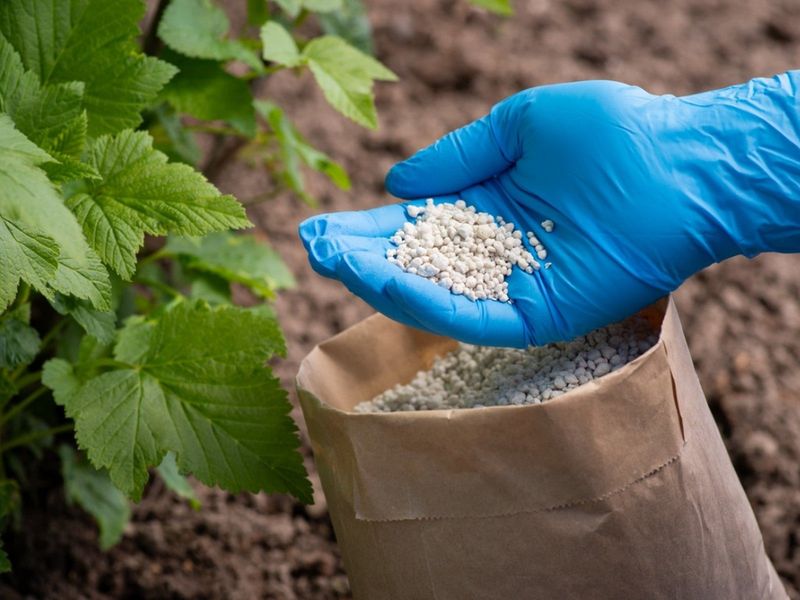
New York law bans applying lawn fertilizer between December first and April first, so a winter stockpile has nowhere to go. That fact alone makes those giant discounted fertilizer bags at the front of the store a lot less tempting.
The same state rule limits phosphorus lawn fertilizer unless a soil test shows a need or you are establishing new grass. Many bargain bags contain phosphorus anyway, which means you could buy a product you cannot legally use on lawns.
High-salt synthetic fertilizers can also build up salts in containers and sandy soils when used heavily over time. They feed plants quickly, but they add nothing to soil structure or the organic matter that helpful organisms enjoy.
Fertilizer also cakes into hard clumps when stored in a humid garage, making it difficult to spread evenly later. Torn bags attract moisture and can leak nutrients onto floors, where curious pets and kids may find them.
A smarter plan starts with a soil test in early spring, so you know which nutrients your garden actually lacks. Your county Cornell Cooperative Extension office can explain how to collect samples and where to send them for analysis.
If you ask me, money saved on fertilizer is better spent on compost, which feeds soil life slowly and steadily. Many established perennial beds need little added fertilizer at all once their soil holds enough organic matter.
Buy fertilizer in spring, in amounts matched to your test results, and store any leftovers in sealed, labeled containers. Your wallet and nearby streams will both appreciate that patient, test-first approach much more than a bulk bargain.
8. Skip Flimsy Single Use Plastic Pots
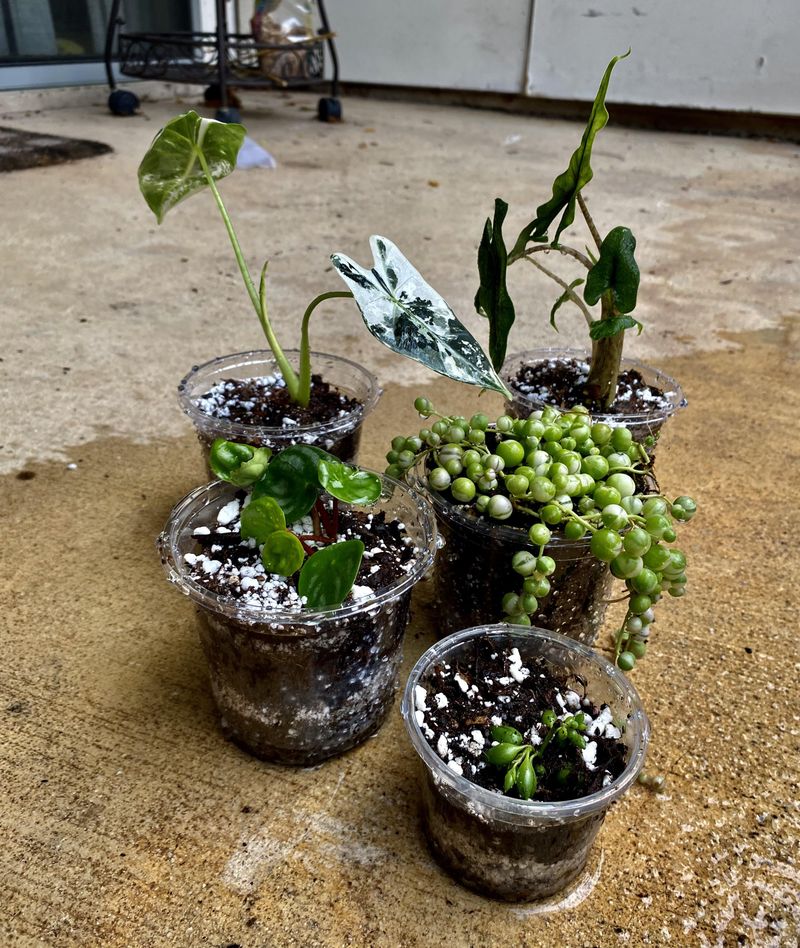
Sunlight slowly breaks down thin plastic, and a cheap black pot can turn brittle after only a season or two outdoors. I have watched one split open like an eggshell when I lifted it with a full root ball inside.
Black Friday bins often overflow with flimsy nursery pots and thin decorative containers priced to move before the new year. The low cost looks appealing, yet replacing cracked pots every spring quickly adds up to more than one sturdy planter.
Thin dark plastic also heats up quickly in summer sun, which can stress tender roots growing along the sides. Many cheap containers come with tiny or missing drainage holes, leaving soil soggy after a heavy summer rain.
Winter adds another challenge, because freezing soil expands and can split brittle plastic left outside through January. Even glazed ceramic and terracotta may crack when wet soil freezes inside, so empty or store them before deep cold.
Better choices include thick, UV-resistant resin planters and fabric grow bags that allow air to reach the roots. Fabric bags fold flat for winter storage, which makes them handy for small patios and city balconies.
Plenty of garden centers and local programs accept clean nursery pots for reuse, so ask before tossing old ones. Truth be told, many gardeners already own a stack of perfectly good pots hiding behind the shed.
Before buying any container, squeeze its sides and flip it over to inspect the drainage holes underneath. A planter that flexes like a soda bottle in your hands will not survive many seasons of sun and frost.
9. Skip Cheap Automatic Plant Watering Gadgets
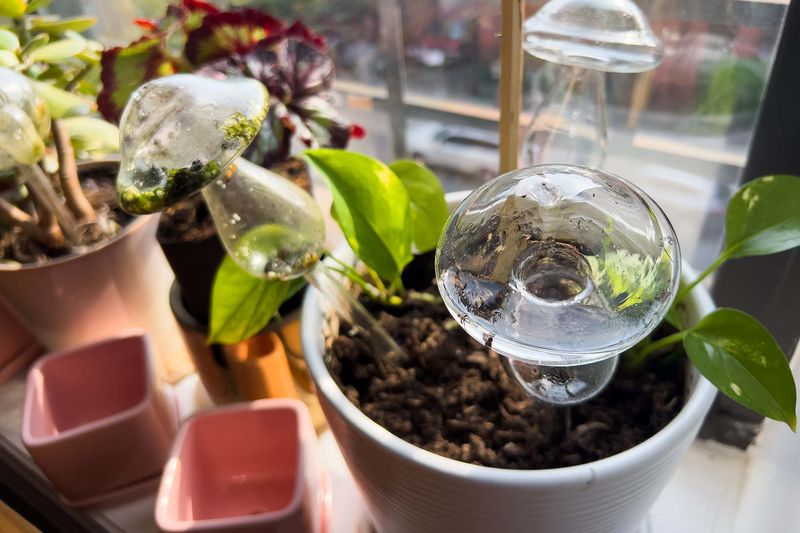
Somewhere in every garage sits a gadget that promised to water plants automatically and instead flooded the floor once. Black Friday shelves love these clever-looking toys, often priced low enough to tempt you into an impulse buy.
Stores frequently use holiday sales to clear slow sellers, and gimmicky garden tools are common examples of that leftover stock. Flimsy seed starter kits and novelty watering bulbs often crack or underperform within a few short weeks.
Cheap soil meters deserve extra caution, because many inexpensive models give inconsistent readings from one pot to the next. Your finger pushed an inch or two into the soil is often a more reliable moisture test.
Ask yourself whether the gadget solves a real problem you faced this year, or just looks fun in photos. If you cannot name the exact job it would handle, the item will likely become clutter by spring.
Gift sets bundling mismatched tools in a decorative box are another trap, since the individual pieces tend to be weak. One solid trowel will outwork a shiny set of bendable tools that fold the first time they hit clay.
Read reviews posted months after purchase, because early reviews rarely reveal how a product holds up over time. Look for photos from real buyers, which often show cracked plastic or rusty joints the listing photos skip.
In my experience, the most useful garden helpers look rather boring and work quietly season after season without fuss. Save your Black Friday budget for proven basics, and let the flashy gizmos stay on the store shelf.