Take A Look Inside A New Floral Wonderland At A Florida Botanical Garden
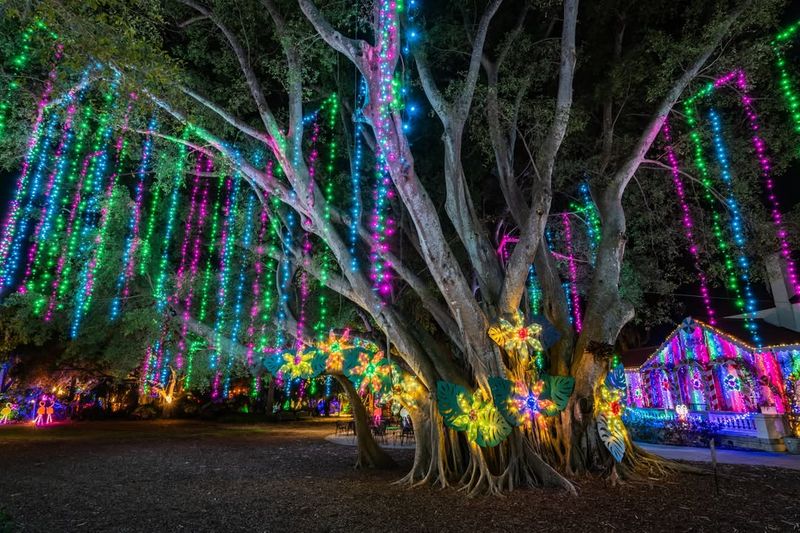
A Florida botanical garden has unveiled a new floral wonderland that feels immersive and carefully designed, drawing visitors into layered displays filled with color, texture, and seasonal detail.
Inside, winding paths lead through curated plant scenes, bold bloom groupings, and themed areas that invite slow walks, photos, and moments of quiet attention throughout the space.
The experience feels memorable without trying too hard, leaving visitors inspired and surprised long after they step back outside the garden gates.
1. The Spectacular Canopy Walkway Experience
Elevated pathways offer visitors a bird’s eye view of the stunning gardens below, creating an unforgettable adventure through the treetops.
Steel and glass construction blends seamlessly with natural surroundings, making this architectural marvel both functional and beautiful for all ages.
Families can safely explore while learning about different plant species that thrive at various heights throughout this Florida paradise.
Children especially love spotting colorful birds and butterflies that flutter around at eye level when walking through these elevated sections.
Educational signs along the route explain how different plants adapt to living in upper canopy layers compared to ground-dwelling species.
Photography enthusiasts find countless opportunities to capture stunning shots from angles that were previously impossible to access in traditional gardens.
The walkway stretches across multiple sections, giving visitors plenty of time to appreciate the incredible biodiversity that makes Florida special.
Sturdy railings and wide platforms ensure everyone feels comfortable, even those who might be nervous about heights at first.
Morning visits offer cooler temperatures and better chances to see wildlife actively moving through the trees and flowering vines.
Accessibility features include gentle slopes and rest areas where visitors can pause to soak in the peaceful atmosphere above.
The experience combines education with adventure, making it perfect for school groups, tourists, and local residents seeking something extraordinary.
Sunset walks provide particularly magical moments as golden light filters through leaves, creating a warm glow across the landscape.
2. The Mesmerizing Orchid Collection Display
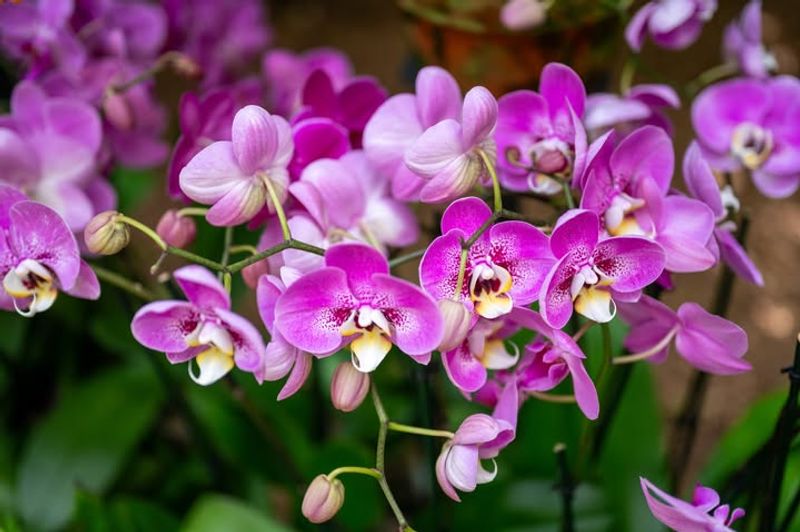
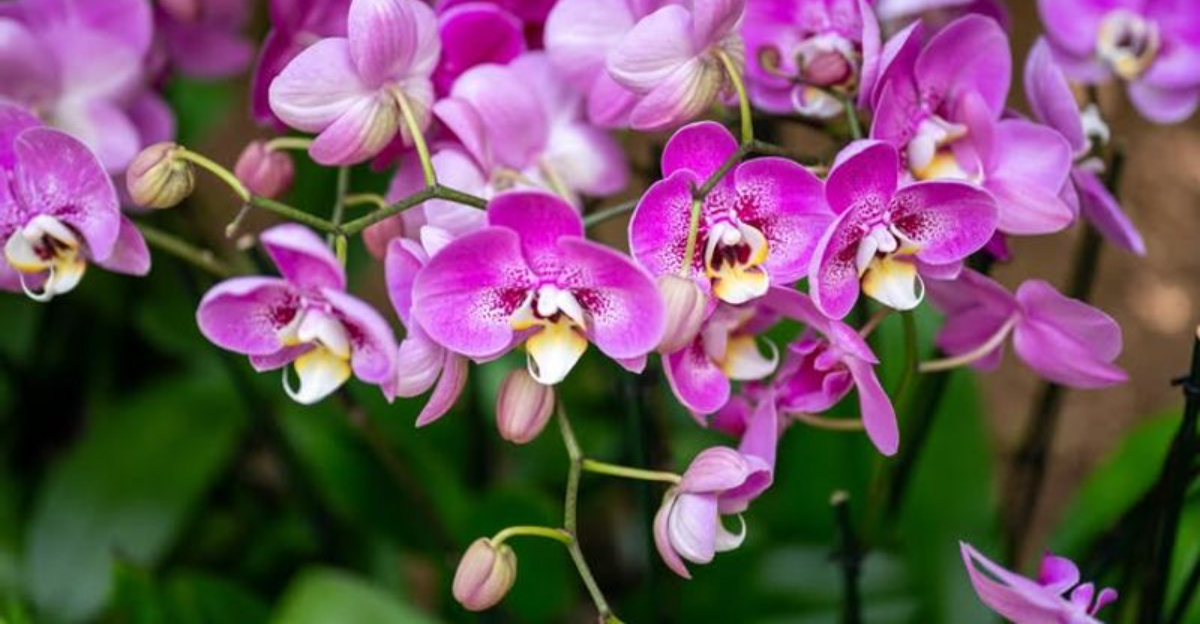
Orchids from around the world create a rainbow of colors that captivate every visitor who enters this carefully maintained greenhouse environment.
Rare species that took decades to cultivate now bloom magnificently, showcasing nature’s incredible diversity in shape, size, and fragrance.
Experts at this Florida location have mastered the delicate art of helping these temperamental beauties thrive in controlled conditions.
Some orchids hang from moss-covered branches while others grow in decorative pots, demonstrating the various ways these plants adapt naturally.
Fragrant varieties fill the air with sweet scents that transport visitors to tropical rainforests halfway across the globe.
Information plaques share fascinating facts about pollination methods, growth cycles, and the conservation efforts protecting endangered orchid species worldwide.
Visitors often spend hours examining intricate petal patterns and unusual color combinations that seem almost too perfect to be real.
The collection includes miniature orchids smaller than a fingernail alongside massive specimens with flower spikes stretching several feet long.
Staff members regularly rotate displays to ensure there are always fresh blooms to admire throughout the year in Florida.
Photography is encouraged, and many visitors leave with hundreds of pictures capturing these delicate flowers in their full glory.
Your Florida Garden Changes Every Week. Your Plan Should Too.
Gardening in Florida changes quickly throughout the season. Every Friday you’ll receive a simple weekly plan showing exactly what to plant, prune, fertilize, harvest, and protect so you never miss the right timing.
The greenhouse maintains precise temperature and humidity levels that mimic natural habitats, allowing orchids to flourish as they would.
Special workshops teach enthusiasts how to care for orchids at home, sharing secrets that help these beautiful plants survive.
3. The Enchanting Bromeliad Garden Paradise
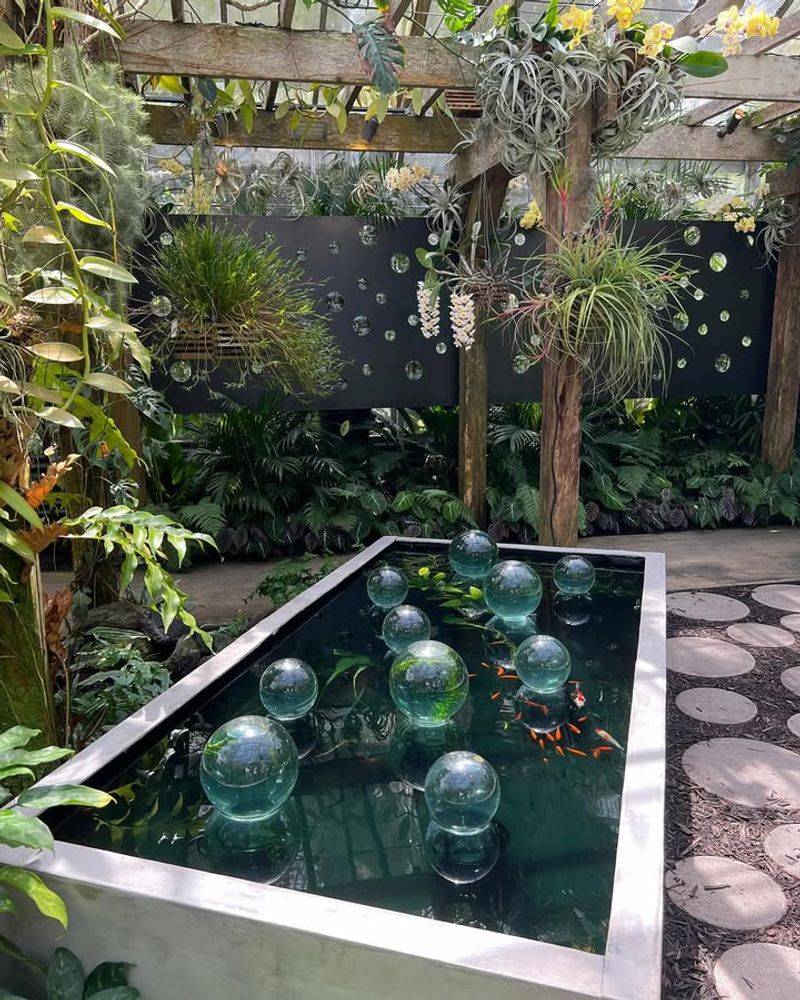
Bromeliads transform an entire section into a tropical wonderland where vibrant colors seem to glow against lush green backgrounds.
These fascinating plants, related to pineapples, display an astonishing variety of forms that many people have never encountered before.
Florida’s climate provides ideal conditions for these South American natives to flourish in ways that delight botanists and casual visitors alike.
Spiky leaves in shades of burgundy, chartreuse, and crimson create dramatic contrasts that photographers find absolutely irresistible throughout the year.
Some bromeliads hold water in their central cups, creating tiny ecosystems where frogs and insects make their homes naturally.
The garden design allows visitors to walk among these stunning specimens, getting close enough to appreciate intricate patterns and textures.
Educational displays explain how bromeliads have adapted to survive in diverse environments, from dry deserts to misty rainforest canopies.
Many species produce spectacular flower spikes that last for months, providing continuous color and interest for repeat visitors.
Staff members have arranged plants by color gradients, creating a flowing rainbow effect that feels both artistic and natural.
Children enjoy searching for the smallest and largest specimens, turning their visit into an exciting scavenger hunt through the garden.
The collection includes rare varieties that collectors travel from distant states to see blooming in their full splendor.
Benches positioned throughout the area invite visitors to sit quietly and absorb the peaceful beauty surrounding them in Florida.
4. The Tranquil Water Lily Pond Sanctuary
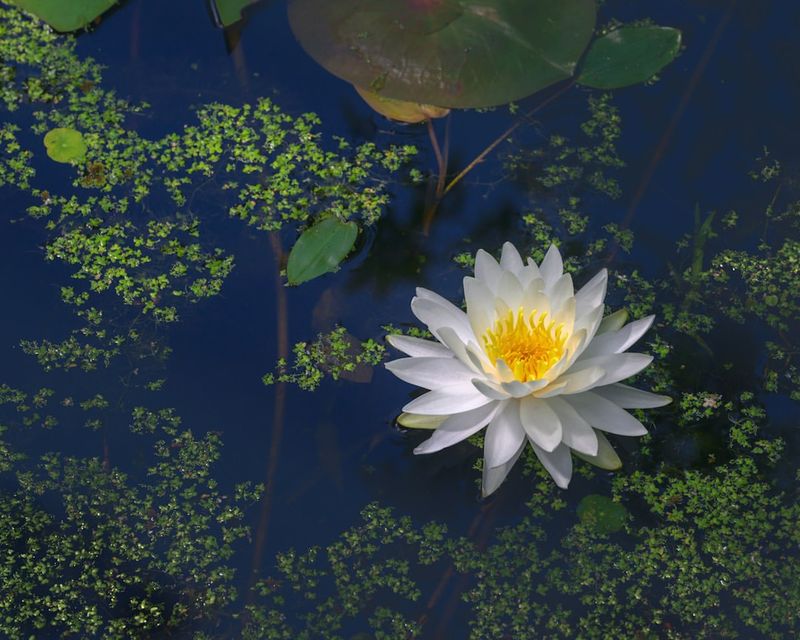
Peaceful waters reflect the sky while colorful lily pads create a living mosaic across the pond’s glassy surface.
Giant water lilies with leaves strong enough to support small animals float gracefully, demonstrating nature’s incredible engineering in action.
This Florida oasis provides a quiet retreat where visitors can escape the busy world and reconnect with nature’s rhythms.
Pink, white, and yellow blooms open at different times throughout the day, rewarding visitors who arrive at various hours.
Koi fish glide beneath the surface, occasionally rising to investigate visitors standing near the water’s edge with curiosity.
The gentle sound of a small fountain creates soothing background music that helps people relax and unwind completely.
Photographers love capturing reflections of surrounding trees and flowers mirrored perfectly in the still water below the floating plants.
Dragonflies dart across the pond, their iridescent wings catching sunlight as they hunt for tiny insects hovering nearby.
Benches placed strategically around the perimeter offer comfortable spots for meditation, sketching, or simply enjoying the tranquil atmosphere.
The pond demonstrates how aquatic plants play crucial roles in maintaining healthy ecosystems by filtering water and providing habitat.
Seasonal changes bring different blooming patterns, making each visit to this Florida garden a unique experience worth repeating often.
Educational signs explain the relationship between water lilies and the creatures that depend on them for food and shelter.
5. The Vibrant Tropical Rainforest Conservatory
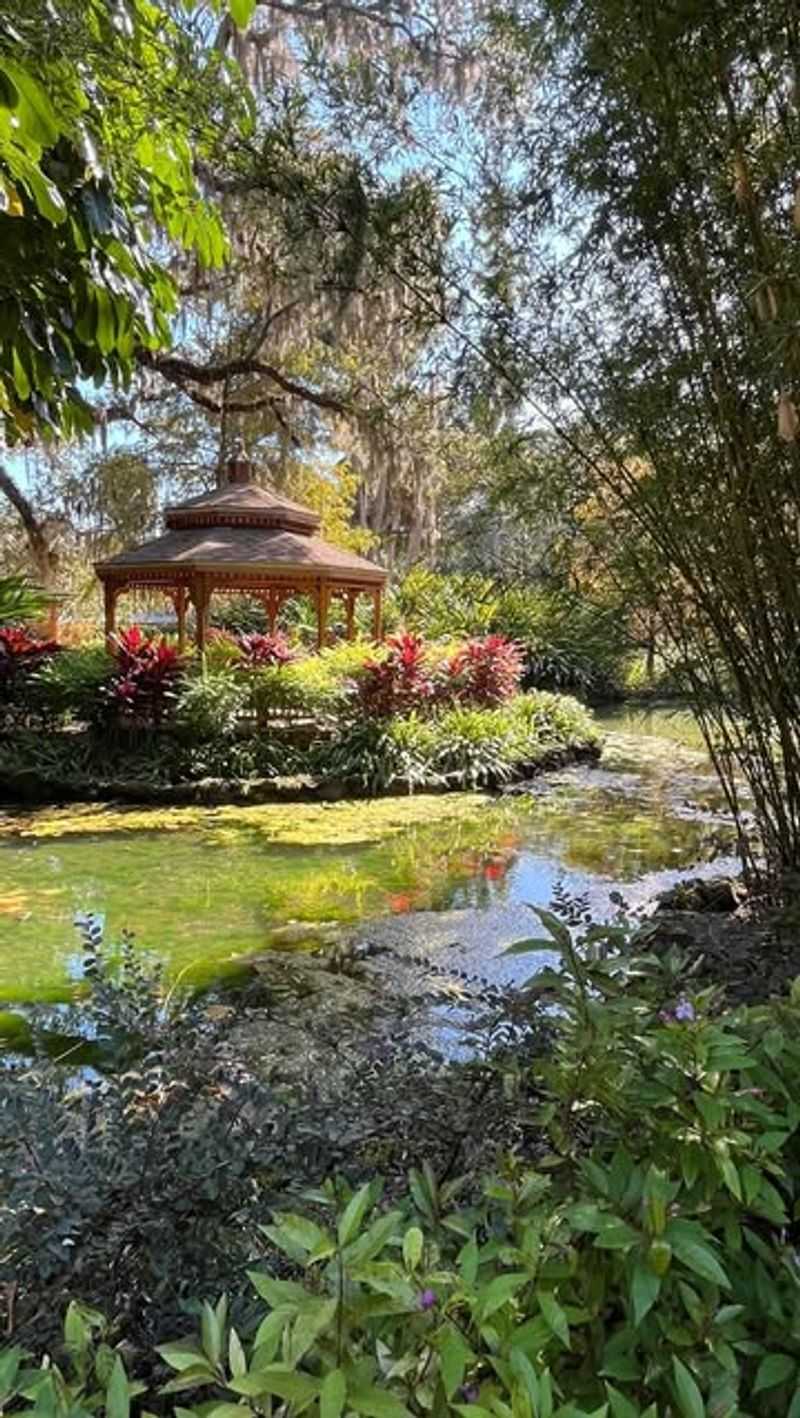
Stepping inside feels like traveling to a distant jungle where humidity wraps around you like a warm, moist blanket.
Towering palms and hanging vines create a dense canopy overhead, filtering sunlight into dappled patterns on the pathway below.
This Florida conservatory replicates rainforest conditions so accurately that exotic plants from three continents thrive as if growing naturally.
Mist systems periodically release fine spray that cools the air and keeps delicate foliage hydrated throughout the hottest months.
Visitors encounter plants with enormous leaves, bizarre flowers, and unusual growth patterns that seem straight from a fantasy novel.
The sound of trickling water from a small stream adds to the immersive experience, making city life feel miles away.
Bright red heliconias stand out against green backgrounds while passion flowers twist their way up support structures with determination.
Staff members have created multiple elevation levels, allowing plants that prefer different light conditions to coexist within the same space.
Temperature control systems maintain the perfect environment year-round, protecting sensitive species from Florida’s occasional cold snaps outside.
Children marvel at carnivorous pitcher plants that trap insects in their slippery tubes, learning about nature’s clever survival strategies.
The conservatory serves as a living classroom where school groups discover how rainforests produce oxygen and medicines we use daily.
Benches hidden along the winding path offer rest spots where visitors can listen to recorded jungle sounds enhancing the experience.
6. The Stunning Succulent and Cactus Garden
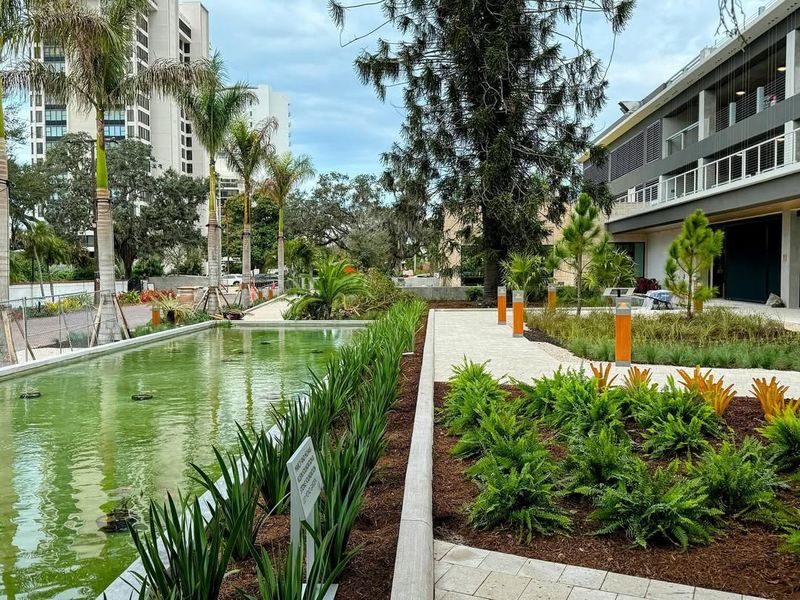
Desert plants prove that beauty doesn’t require abundant water as these hardy specimens display remarkable shapes and unexpected flower colors.
Barrel cacti sit beside towering columnar varieties, creating a sculptural landscape that looks like modern art come to life.
Florida’s sunny climate provides perfect conditions for these drought-tolerant plants to develop their most striking characteristics and vibrant blooms.
Agaves with sharp-pointed leaves form dramatic rosettes while fuzzy cacti seem soft enough to touch, though warning signs remind visitors otherwise.
When conditions are right, cacti produce spectacular flowers in shades of magenta, orange, and yellow that seem impossibly bright.
The garden design incorporates gravel pathways and rock features that mimic natural desert environments found in the American Southwest.
Visitors learn how succulents store water in thick leaves and stems, allowing them to survive months without rainfall.
The collection includes rare specimens that grow incredibly slowly, with some plants taking decades to reach their current impressive sizes.
Interpretive signs explain traditional uses of desert plants by indigenous peoples for food, medicine, and fiber throughout history.
Photographers appreciate the strong shadows and geometric patterns these plants create, especially during early morning and late afternoon light.
The contrast between spiny cacti and smooth succulents demonstrates nature’s diverse approaches to solving the same environmental challenges.
Florida residents often visit this section seeking inspiration for their own low-maintenance, water-wise home gardens and landscaping projects.
7. The Magnificent Butterfly and Pollinator Garden
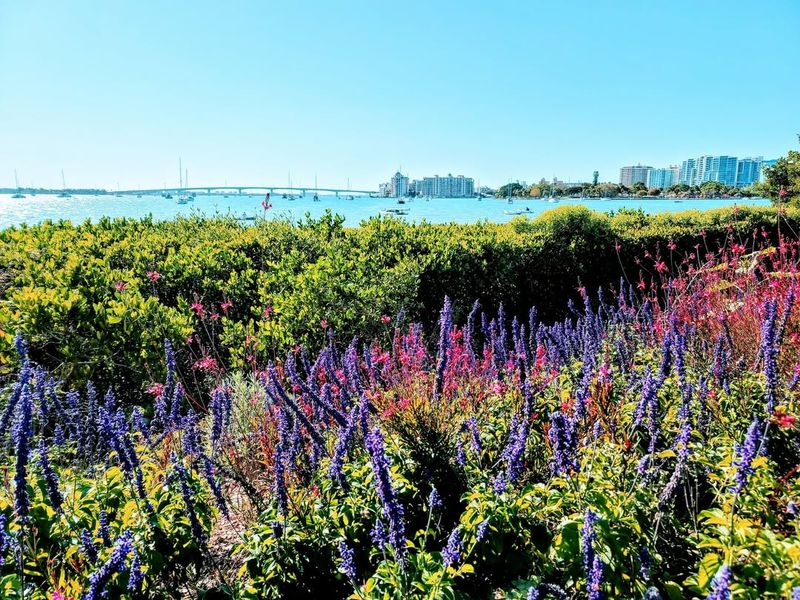
Fluttering wings create a living kaleidoscope as butterflies dance from flower to flower, sipping nectar and spreading pollen naturally.
Native Florida plants selected specifically for their appeal to pollinators ensure constant activity throughout the growing season here.
Monarchs, swallowtails, and painted ladies share space with bees and hummingbirds in this celebration of ecological relationships.
The garden demonstrates how choosing the right plants can transform any yard into a haven for beneficial insects and birds.
Milkweed grows abundantly, providing essential food for monarch caterpillars preparing for their incredible migration journey across continents.
Purple coneflowers, black-eyed Susans, and pentas create a riot of color that attracts pollinators while delighting human visitors equally.
Educational displays explain the critical role pollinators play in producing fruits, vegetables, and seeds that feed both wildlife and people.
Children receive activity sheets encouraging them to count different butterfly species, turning their visit into an engaging learning adventure.
Benches positioned near the most popular feeding spots allow patient observers to watch butterflies up close as they work.
The garden changes with seasons as different flowers bloom and various butterfly species appear according to their natural life cycles.
Staff members lead guided walks explaining how pesticide-free gardening practices protect these fragile but essential creatures in Florida communities.
Visitors leave inspired to create their own pollinator-friendly spaces at home, understanding how small actions make big environmental differences.