9 Desert Plants That Make Your Arizona Home Look More Expensive
Stunning landscaping does not have to come with a designer price tag, and certain desert plants can instantly give your Arizona home a polished, high-end look.
If you’ve ever wanted your yard to feel intentional and elevated, choosing plants with bold shapes, architectural lines, and rich textures is the fastest way to achieve it.
One well-placed succulent or spiky shrub can transform a front entry or patio into a space that looks thoughtfully designed and far more expensive than it really is.
Plants like agave, ocotillo, and Texas sage thrive under harsh sun and dry soil, staying vibrant and sculptural with minimal maintenance.
Their dramatic forms create visual interest, while layered textures and contrasting colors add depth that draws the eye across your yard.
Strategic plant placement turns ordinary corners into focal points and makes the whole landscape feel cohesive. With the right choices, your Arizona home instantly feels sophisticated, curated, and striking from every angle.
1. Agave Creates A Sculptural Statement At The Entry
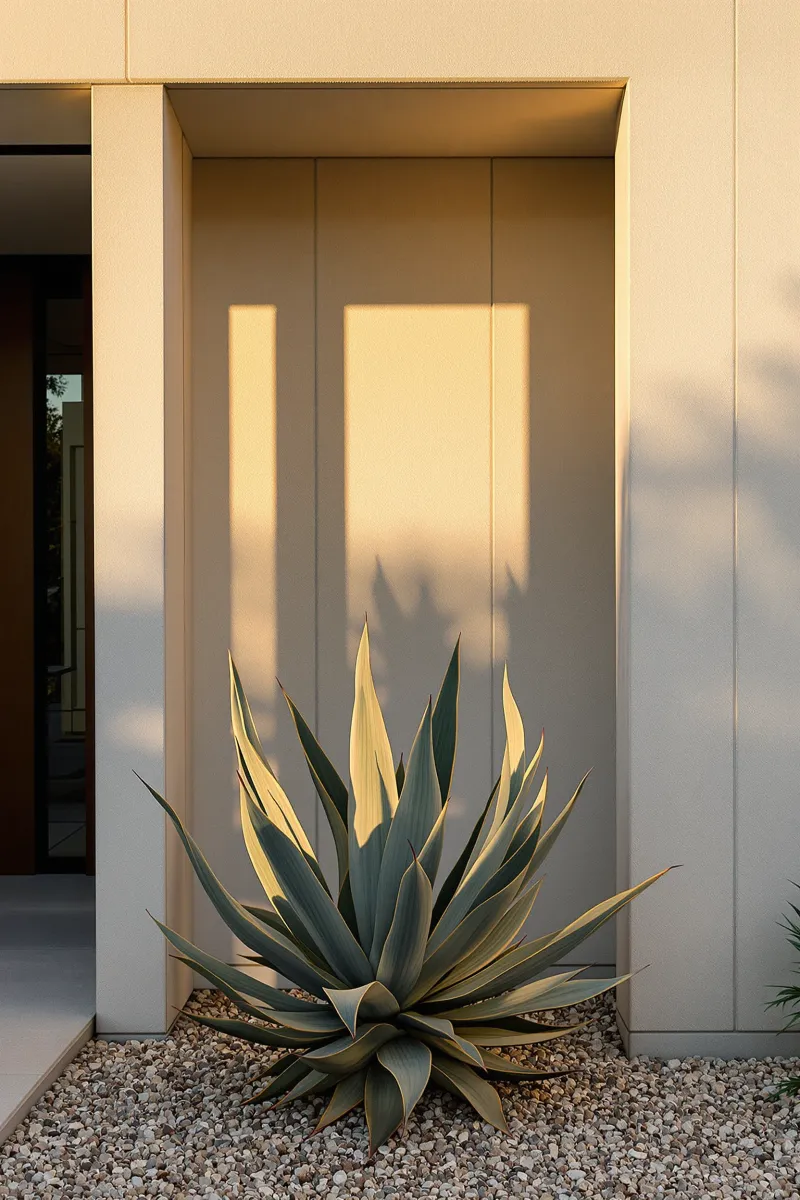
Bold geometry catches the eye faster than any welcome mat ever could. Agave plants command attention with their striking rosettes and razor-sharp symmetry that instantly signals thoughtful design.
Arizona landscapes benefit enormously from these architectural wonders because they require almost no water once established yet deliver year-round visual impact that never fades with the seasons.
Placement matters tremendously when working with agave varieties. Positioning a mature blue agave near your front entry creates an immediate focal point that frames the entrance with natural elegance.
The plant’s sculptural form works beautifully against stucco walls, complementing both contemporary and traditional Arizona architecture without competing for attention.
Size selection plays a crucial role in achieving that expensive look. Larger specimens between three and five feet across make a stronger statement than smaller plants scattered throughout the yard.
Investing in one impressive agave beats planting multiple small ones because mature plants communicate permanence and intentional design rather than filler landscaping.
2. Saguaro Cactus Brings Iconic Desert Luxury To The Landscape
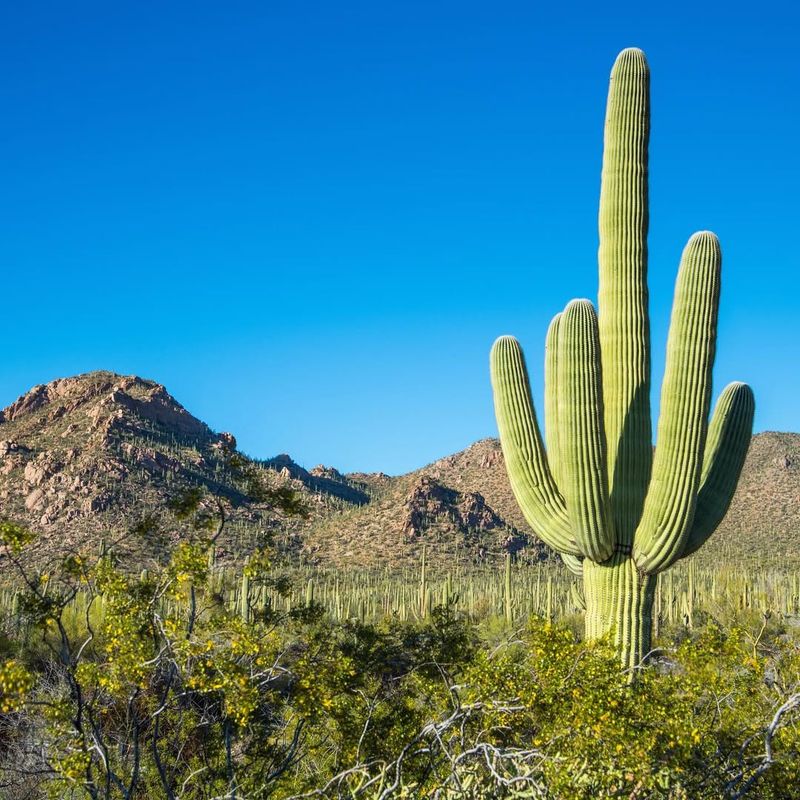
Nothing says Arizona quite like the towering presence of a saguaro cactus standing guard in your front yard. These legendary giants instantly elevate property value perception because they represent authentic Southwest heritage that money simply cannot rush.
A well-placed saguaro transforms ordinary desert landscaping into something that feels both timeless and exclusive to the region.
Regulations protect these iconic cacti throughout Arizona, which actually increases their landscape value.
You’ll need proper permits to relocate or plant salvaged saguaros, and this legal framework ensures that homeowners with established specimens possess something genuinely special.
The rarity factor automatically positions your property as distinctive within the neighborhood.
Younger saguaros between six and twelve feet tall offer the best combination of impact and affordability.
These specimens have already survived decades in the desert and will continue growing slowly while providing immediate visual interest.
Their vertical lines create dramatic height contrast against low desert shrubs and ground covers.
Positioning your saguaro where it can be viewed from the street maximizes curb appeal impact.
Your Arizona Garden Changes Every Week. Your Plan Should Too.
Gardening in Arizona changes quickly throughout the season. Every Friday you’ll receive a simple weekly plan showing exactly what to plant, prune, fertilize, harvest, and protect so you never miss the right timing.
Avoid crowding these majestic plants with competing focal points, instead allowing them breathing room that emphasizes their natural grandeur and the thoughtful restraint that defines expensive Arizona landscaping.
3. Blue Palo Verde Adds Light, Airy Structure To Front Yards
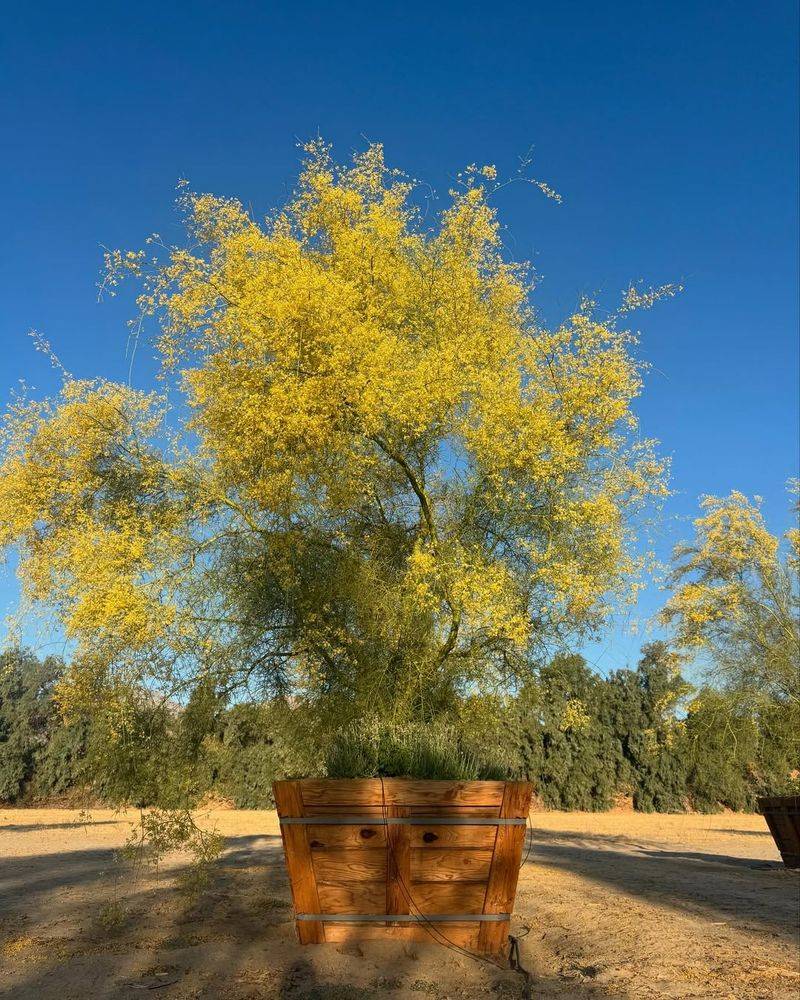
Ethereal beauty meets practical function when blue palo verde trees grace Arizona properties with their distinctive green bark and feathery canopy.
These native trees soften harsh desert sun without creating the dense shade that prevents other plants from thriving underneath.
The filtered light effect produces an upscale resort feeling that makes outdoor spaces feel intentionally designed rather than accidentally planted.
Spring transforms these trees into golden spectacles when thousands of tiny yellow flowers blanket every branch. This seasonal display creates neighborhood buzz and positions your home as the property with show-stopping natural features.
The blooms last several weeks, providing extended visual interest that photographs beautifully and impresses visitors throughout the season.
Structural interest continues year-round thanks to the tree’s sculptural branching pattern and photosynthetic green bark. Even during winter dormancy when leaves drop, the blue palo verde maintains visual appeal through its unique coloring and graceful form.
This consistent beauty eliminates the bare, stark look that deciduous trees sometimes create in colder months.
Strategic placement near outdoor living areas provides comfortable filtered shade for patios and seating zones.
The tree’s moderate size works perfectly in typical Arizona residential lots without overwhelming the space or threatening foundations, making it an intelligent choice for homeowners seeking elegant shade solutions.
4. Red Yucca Introduces Color Without Visual Clutter
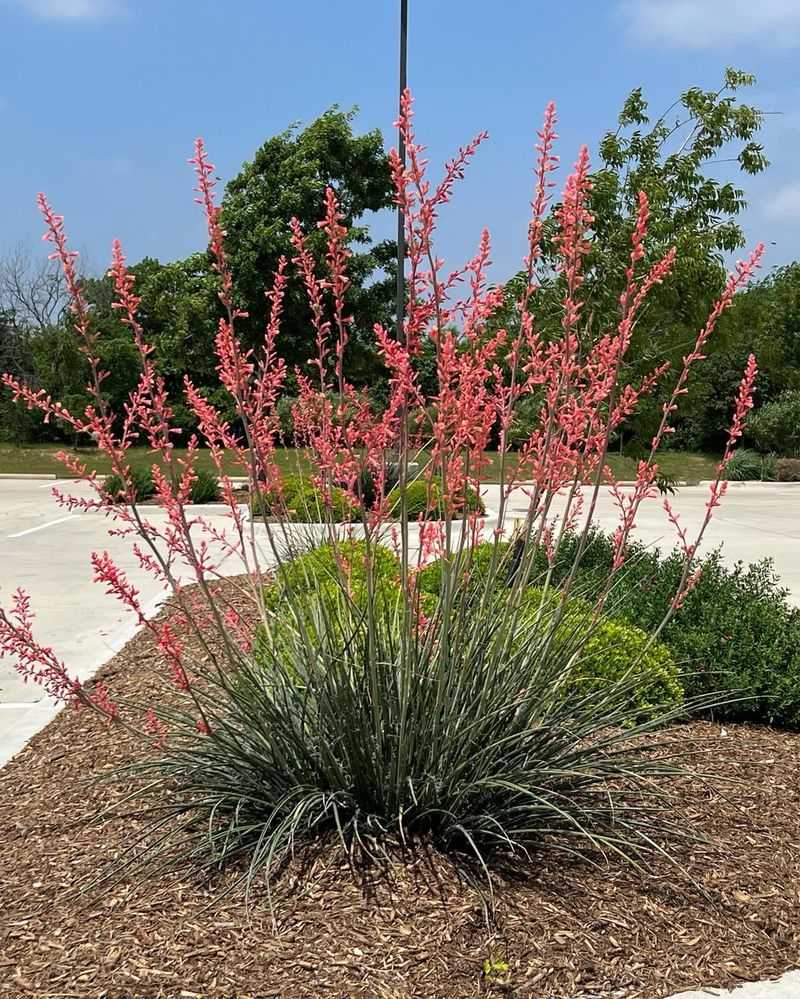
Vibrant coral stalks shooting upward from fountain-like foliage create movement and color that breaks up monotonous green desert plantings.
Red yucca delivers this visual excitement while maintaining the clean, uncluttered aesthetic that defines expensive Arizona landscapes.
The plant’s compact form prevents the messy sprawl that cheaper landscape designs often exhibit.
Hummingbirds flock to these tubular flowers throughout the blooming season, adding animated interest that makes your yard feel alive and dynamic.
This wildlife attraction element appeals to buyers and guests who appreciate homes that connect thoughtfully with the natural desert environment.
The interaction between plants and pollinators suggests ecological awareness that elevates perceived property value.
Drought tolerance reaches impressive levels with red yucca, which thrives on minimal supplemental water once roots establish. Arizona homeowners appreciate plants that look lush and intentional without demanding constant irrigation or maintenance.
This combination of beauty and practicality signals smart investment in landscaping that works with the climate rather than fighting against it.
Repetition creates rhythm when you plant red yucca at regular intervals along walkways or property borders. This design technique mimics professional landscaping approaches seen in upscale developments throughout Arizona.
The consistent color and form guide the eye smoothly through the space while maintaining visual interest that never feels random or accidental.
5. Desert Spoon Delivers Clean Architectural Drama
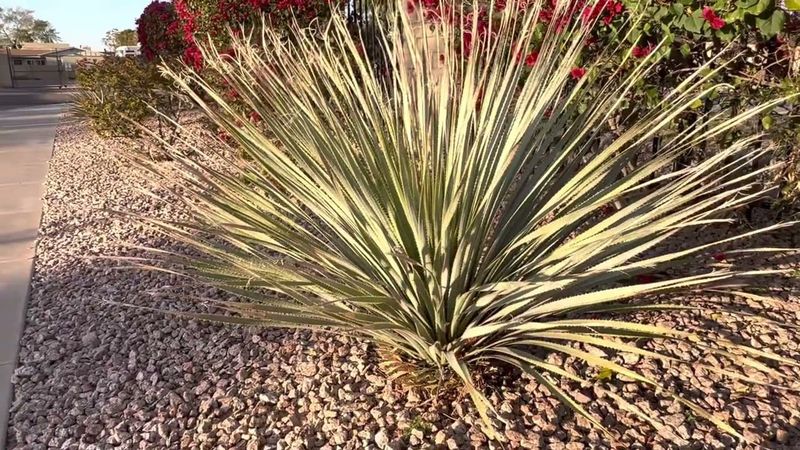
Razor-edged perfection defines the desert spoon’s appearance, with each leaf creating geometric patterns that architects and designers favor for modern Arizona properties.
The plant’s naturally symmetrical growth habit eliminates the need for pruning or shaping, yet delivers the polished look that expensive landscapes require.
Silvery-gray foliage provides sophisticated color contrast against warmer earth tones common in desert settings.
Serrated leaf margins catch and reflect sunlight throughout the day, creating subtle sparkle that adds dimension to landscape beds.
This light-play effect works especially well near outdoor lighting, where evening illumination transforms the plant into a glowing sculptural element.
The textural interest remains consistent regardless of season, providing reliable visual impact that justifies the investment.
Compact mature size makes desert spoon ideal for smaller Arizona yards where space limitations prevent using larger specimens.
The plant typically reaches three feet in height and width, fitting comfortably in foundation plantings or accent positions without overwhelming surrounding elements.
This proportional appropriateness demonstrates landscape sophistication that buyers recognize immediately.
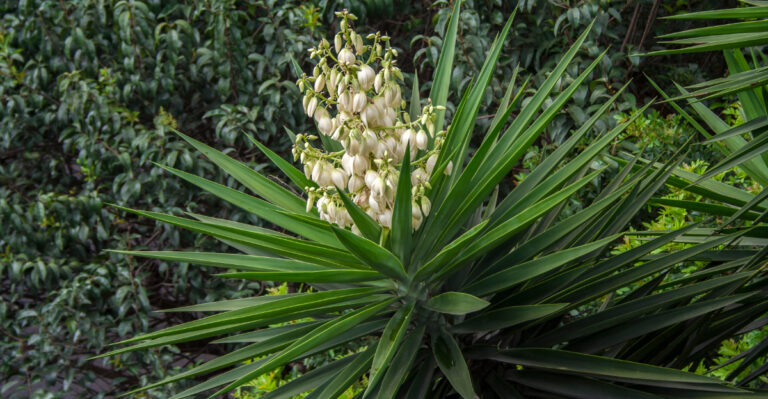
Flower stalks emerge in late spring, shooting ten to fifteen feet upward with creamy white blooms that create vertical drama. These temporary spikes add unexpected height variation that breaks up horizontal landscape lines.
After blooming, simply cut stalks at the base to restore the plant’s clean architectural profile.
6. Mexican Fence Post Cactus Adds Modern Vertical Impact
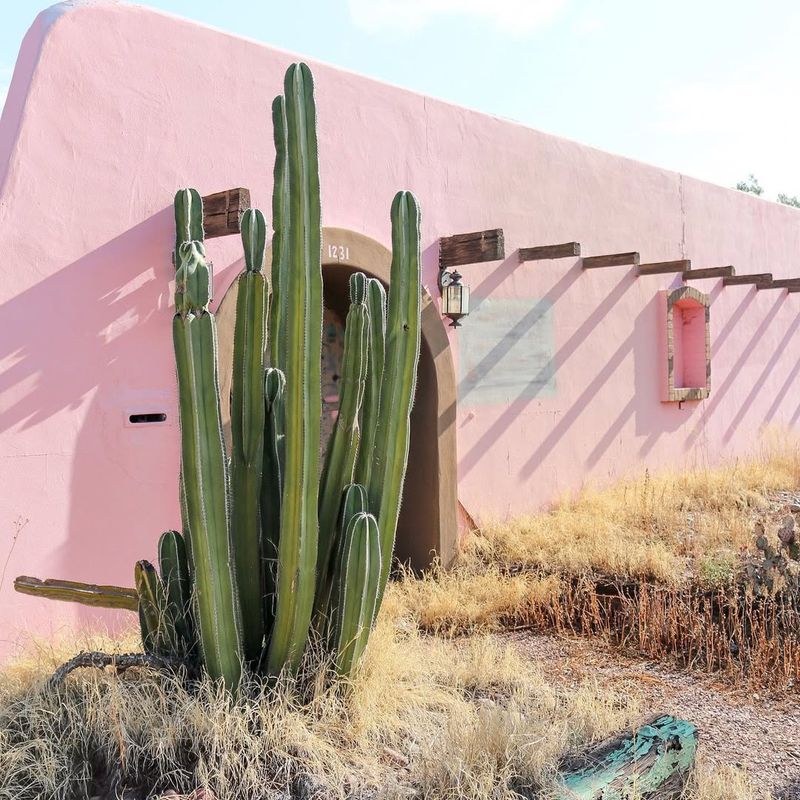
Sleek columns rising from the ground like natural pillars create instant contemporary appeal that aligns perfectly with modern Arizona architecture.
Mexican fence post cactus brings this vertical drama without the branching complexity of other columnar cacti, resulting in cleaner lines that sophisticated landscapes demand.
The smooth green surface and minimal spines maintain visual simplicity that feels intentionally curated.
Grouping multiple stems together amplifies impact while maintaining the uncluttered aesthetic that defines upscale design.
Three to five columns planted closely create substantial presence without requiring the decades of growth that saguaros need to achieve similar height.
This faster path to mature-looking landscaping appeals to homeowners who want immediate results that suggest established, expensive properties.
Night lighting transforms these vertical elements into dramatic focal points that extend curb appeal beyond daylight hours. Uplighting positioned at the base casts shadows that emphasize the cactus’s height and clean form.
This lighting technique, commonly used in high-end Arizona resorts and commercial properties, translates beautifully to residential settings where it signals design awareness and attention to detail.
Maintenance requirements stay remarkably low throughout the plant’s life. No pruning, shaping, or deadheading interrupts your schedule, yet the cactus maintains its architectural presence year after year.
This combination of dramatic appearance and minimal upkeep represents smart luxury landscaping that impresses without demanding constant professional maintenance.
7. Foxtail Agave Softens Hardscapes With Symmetry
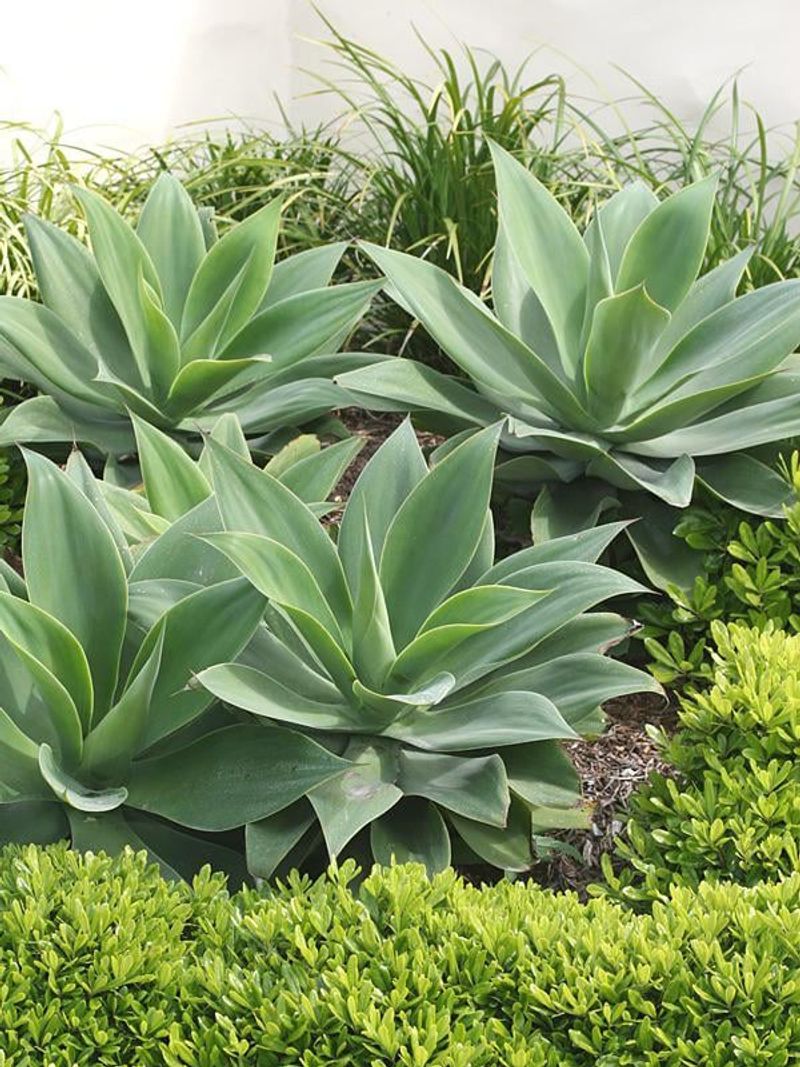
Graceful curves distinguish foxtail agave from its sharper relatives, offering Arizona homeowners a gentler interpretation of desert succulent drama.
The leaves arch outward in smooth, sweeping lines rather than rigid spikes, creating movement that softens the hard edges of patios, walls, and walkways.
This softening effect proves essential in desert landscapes where rock and concrete can otherwise dominate the visual experience.
Blue-green coloring provides sophisticated contrast against warm Arizona earth tones and building materials.
The plant’s coloration reads as intentionally selected rather than randomly placed, suggesting the careful color coordination that professional designers employ.
This color consciousness elevates the entire landscape composition, making adjacent plants and hardscape elements appear more cohesive and thoughtfully arranged.
Spineless leaf margins make foxtail agave practical near high-traffic areas where families and guests move freely. Unlike traditional agaves that demand cautious navigation, this variety allows closer approach without safety concerns.
The ability to position dramatic succulent impact near walkways and entertaining spaces expands design possibilities while maintaining the resort-quality aesthetic Arizona homeowners desire.
Mature specimens reach impressive proportions of four to five feet across, creating substantial presence that anchors landscape compositions. This size commands attention without requiring multiple plants to achieve impact.
Single, well-placed foxtail agaves demonstrate the design restraint that characterizes expensive landscaping throughout Arizona’s upscale neighborhoods.
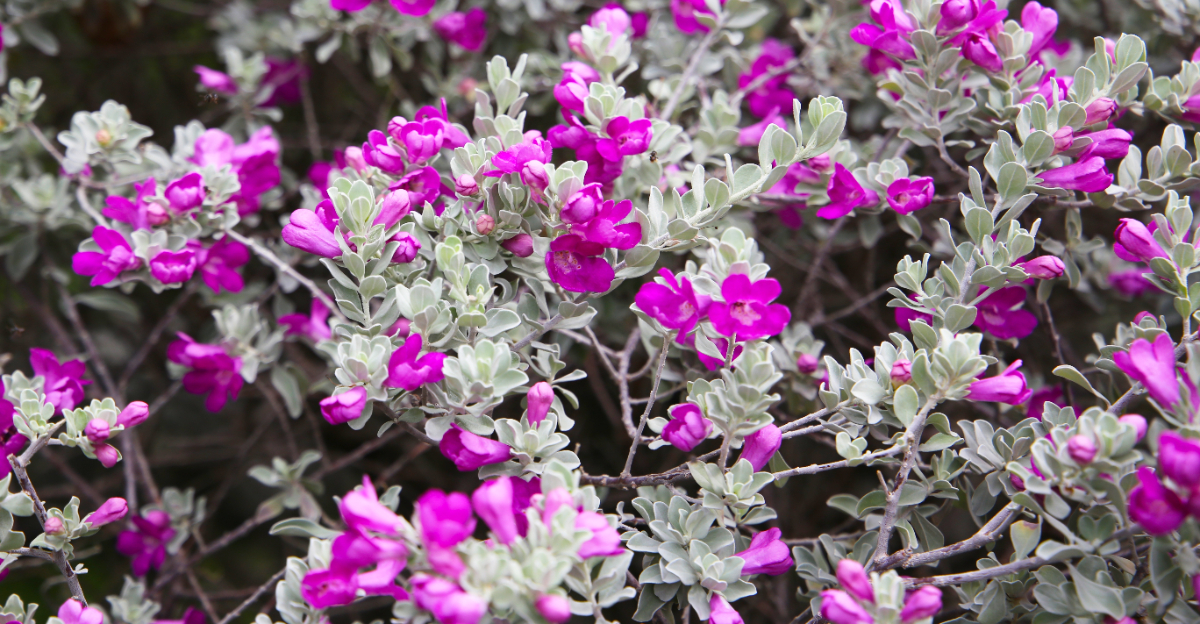
8. Texas Sage Elevates Curb Appeal With Silver Foliage
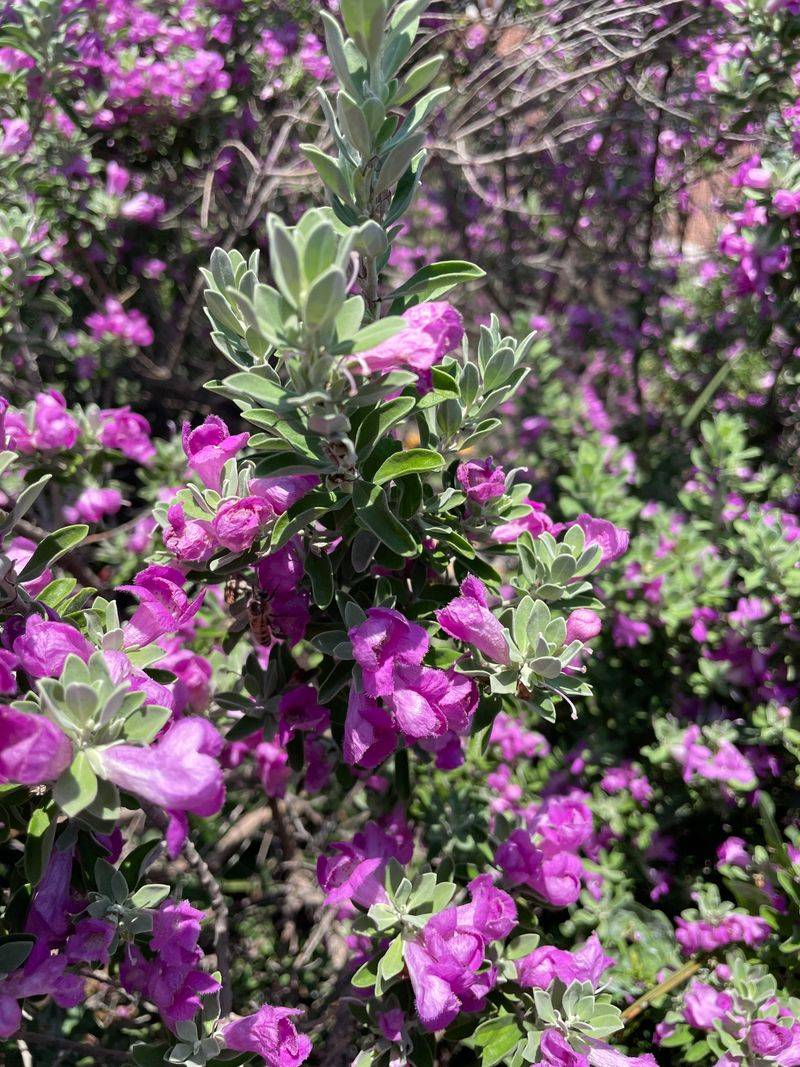
Silvery leaves shimmer in Arizona sunlight, creating luminous contrast that makes surrounding plants appear more vibrant and intentionally selected.
Texas sage delivers this sophisticated color palette while maintaining the compact, rounded form that expensive landscapes favor over sprawling, unkempt shrubs.
The plant’s natural shape requires minimal pruning to maintain the polished appearance that buyers associate with well-maintained properties.
Purple blooms emerge after summer monsoon rains, transforming the silver shrub into a colorful focal point that celebrates Arizona’s unique weather patterns.
This responsive blooming creates seasonal excitement that keeps landscapes feeling dynamic rather than static.
The connection between rainfall and flowering demonstrates ecological harmony that appeals to environmentally conscious homeowners and buyers who value native plant wisdom.
Repetition along property borders creates cohesive rhythm that guides the eye smoothly across the landscape. Planting Texas sage at regular intervals mimics the professional massing techniques that landscape architects use in commercial and resort settings.
This design approach immediately distinguishes your property from homes with random, scattered plantings that lack visual organization.
Drought tolerance reaches exceptional levels once roots establish in Arizona soil. The plant thrives on natural rainfall supplemented by occasional deep watering during extended dry periods.
This low-water requirement reduces landscape maintenance costs while maintaining the lush, intentional appearance that suggests significant investment in property presentation and care.
9. Large Aloe Varieties Bring Bold Texture To Desert Designs
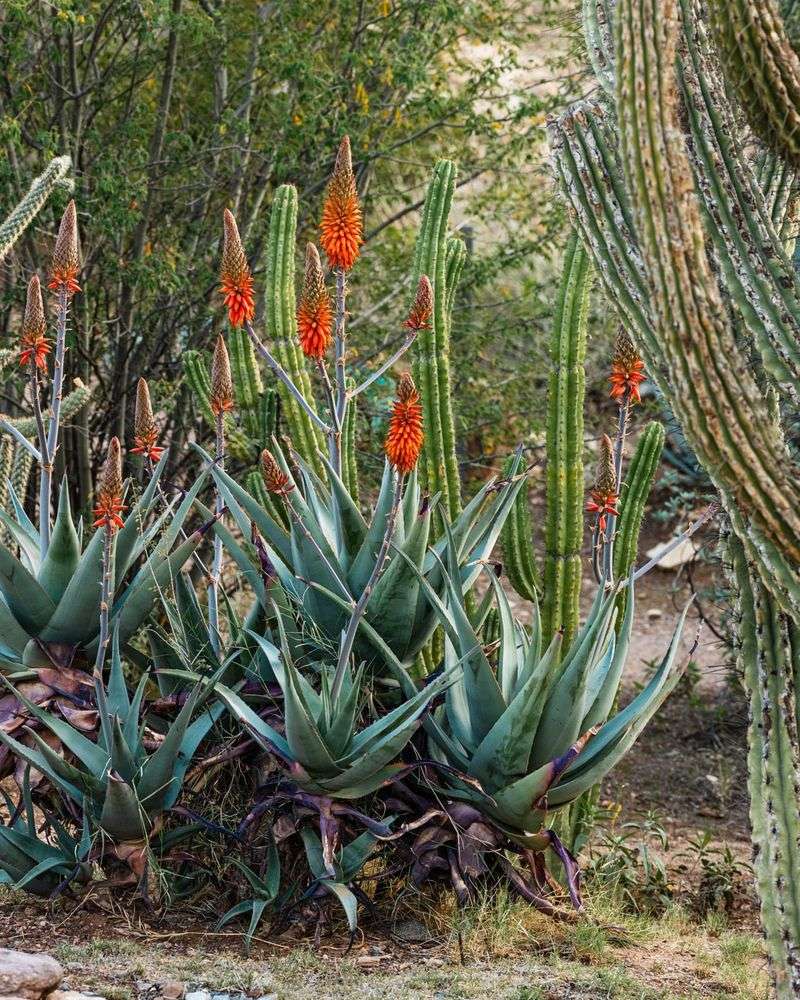
Substantial presence defines large aloe varieties that command attention through sheer mass and dramatic leaf structure. These oversized succulents create instant focal points that anchor landscape compositions with bold confidence.
Arizona properties benefit from this sculptural impact because large aloes communicate established, mature landscaping even when recently planted, thanks to their impressive natural size.
Flower spikes explode upward in winter and spring, producing towers of tubular blooms in vibrant oranges and reds that contrast beautifully against the cool-season Arizona sky.
This winter interest proves particularly valuable in desert landscapes where many plants remain dormant during cooler months.
The spectacular blooms position your property as seasonally dynamic rather than static, suggesting landscape complexity that elevates perceived value.
Textural variety emerges from the thick, fleshy leaves that catch light differently than the fine foliage of desert trees and grasses. This contrast in plant texture creates visual richness that sophisticated landscapes require.
Mixing bold succulent forms with delicate grasses and airy tree canopies demonstrates design knowledge that buyers recognize as professionally influenced.
Minimal care requirements make large aloes practical choices for busy Arizona homeowners who want impressive landscaping without demanding maintenance schedules.