8 Places Texas Gardeners Should Never Plant Tomatoes
Tomatoes can look full of promise in spring and still disappoint by summer if they start out in the wrong spot.
In Texas, planting location can make or break the season long before watering, feeding, or pruning ever enters the picture.
Heavy clay, poor drainage, blazing afternoon sun, and badly placed beds all create problems that even healthy transplants struggle to overcome.
Many Texas gardeners put time and money into tomatoes, only to realize too late that the bed itself was working against them. A stronger harvest often starts with knowing where not to plant.
1. Shade Can Leave Tomatoes Thin And Slow To Produce
Most gardeners know tomatoes love sun, but it can be easy to underestimate just how much shade even a single large tree can cast across a Texas garden bed.
Tomatoes need a minimum of six to eight hours of direct sunlight each day to develop strong stems, set flowers, and ripen fruit properly.
When that light gets blocked, plants respond by stretching upward in search of it, producing thin, weak stems that struggle to support any fruit at all.
In Texas, this problem tends to show up in spring when trees are fully leafed out and shadows shift across the yard in ways that were not obvious during winter planning. A spot that looks bright in February can end up shaded for most of the day by April.
East Texas gardeners deal with this more than most, given the density of hardwood trees common to that region.
Before committing to a bed location, observe how sunlight moves across your yard throughout the day, ideally for a full week in late winter or early spring.
Mark where the shadows fall at 9 a.m., noon, and 3 p.m. to get a real picture of available light.
Raised beds positioned away from tree lines and fences typically offer the most consistent sun exposure and give tomatoes the light they need to thrive through the long Texas growing season.
2. Tree Roots Can Steal Water And Nutrients Fast
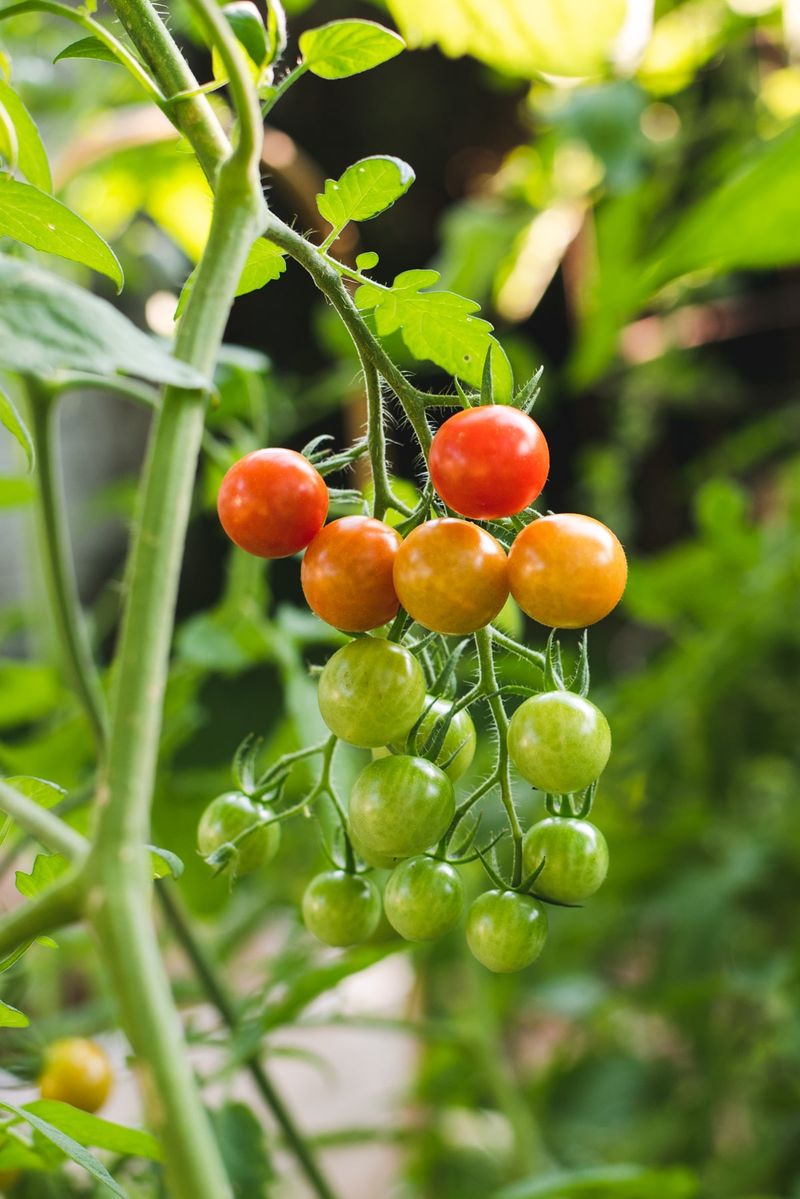
Planting tomatoes near a large shade tree might seem like a clever way to protect them from afternoon sun, but the underground competition those trees create is often far more damaging than the shade above.
Mature trees develop wide, aggressive root systems that extend well beyond the drip line of their canopy.
Those roots are constantly pulling moisture and nutrients from the surrounding soil, and tomatoes planted nearby end up competing for resources they cannot win.
In Texas, where summer soil can dry out rapidly between rain events, this competition becomes especially brutal.
A tomato plant sharing root space with a large oak or pecan may wilt even after watering simply because the tree roots are absorbing moisture faster than the tomato roots can access it.
Black walnut trees present an additional problem, as they release a natural compound into the soil that can be toxic to tomatoes and cause rapid decline even in otherwise healthy plants.
A safe general rule is to keep tomato beds at least 20 to 30 feet away from any large tree, though larger specimens may require even more distance.
Your Texas Garden Changes Every Week. Your Plan Should Too.
Gardening in Texas changes quickly throughout the season. Every Friday you’ll receive a simple weekly plan showing exactly what to plant, prune, fertilize, harvest, and protect so you never miss the right timing.
Raised beds with a physical barrier at the base can also help reduce root intrusion in yards where space is limited.
If tree roots keep appearing in your garden soil despite distance, container gardening or elevated raised beds on hard surfaces may be the most practical solution for Texas home gardeners.
3. Wet Ground Can Cause Root Trouble In A Hurry
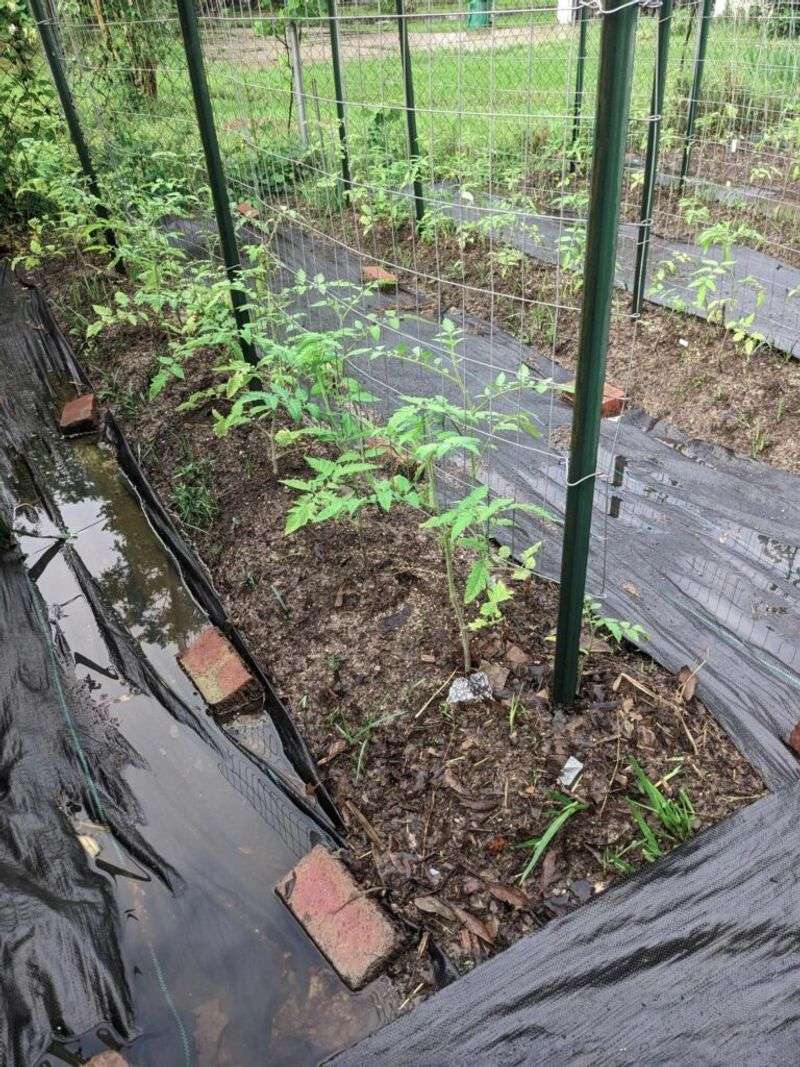
After a heavy spring rain in Texas, it can be tempting to head out to the garden with transplants and get everything in the ground while the soil feels moist and workable.
Planting into ground that is still saturated, though, puts tomato roots in a tough spot right from the start.
Tomato roots need both water and oxygen to function well, and soil that stays wet for extended periods pushes out the air those roots depend on.
Low-lying areas in the yard are especially risky because water naturally collects there after rain and may take days to drain away.
Along the Gulf Coast and in East Texas, where rainfall can be heavy and frequent during spring, these low spots can remain soggy for long enough to encourage fungal root diseases that are difficult to reverse once they take hold.
Even in drier parts of Central Texas and the Hill Country, isolated wet zones can develop near downspouts, irrigation runoff, or natural ground depressions.
Before planting, press your finger two inches into the soil. If it feels saturated or water pools around your hand, wait at least two to three more days before transplanting.
Better yet, consider building raised beds in problem areas to lift roots above the wet zone entirely. A few extra inches of elevation can make a significant difference in root health and overall plant performance throughout the Texas growing season.
4. Heavy Soil Can Hold Tomatoes Back From The Start
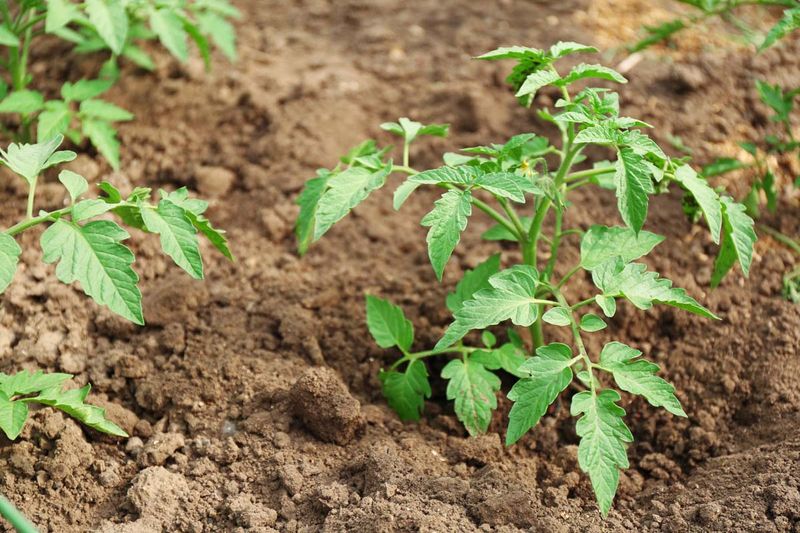
Texas is home to some of the most challenging soils in the country, and heavy clay is among the most common obstacles home gardeners face, particularly across the Blackland Prairie regions of North and Central Texas.
This dense, sticky soil compacts easily, drains slowly, and becomes nearly rock-hard during dry spells, making it very difficult for tomato roots to spread out and establish properly.
Plants grown in unamended clay often look stunted early in the season and never quite catch up, even with regular watering and fertilizing.
The trouble with clay is not just drainage. When it dries and hardens between rain events, it can physically restrict root expansion, limiting the plant’s ability to take up the water and nutrients it needs to support fruit development.
Texas summers only make this worse, as the intense heat can bake clay soil into a nearly impenetrable layer just below the surface, cutting off root access to deeper moisture reserves.
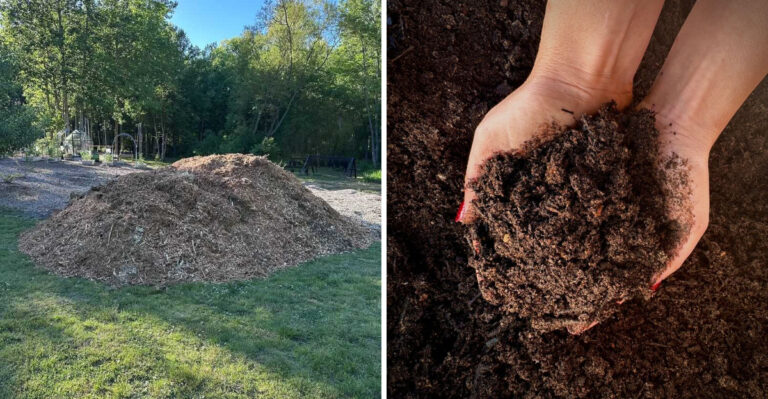
Amending clay soil with generous amounts of compost before planting is one of the most effective improvements a Texas gardener can make.
Working in three to four inches of quality compost and tilling it into the top 12 inches of soil can significantly improve both drainage and root penetration.
For severely compacted areas, raised beds filled with a custom blend of compost, topsoil, and coarse sand offer tomatoes a much better start and tend to produce noticeably stronger plants throughout the season.
5. Tall Crops Can Block The Sun Tomatoes Need
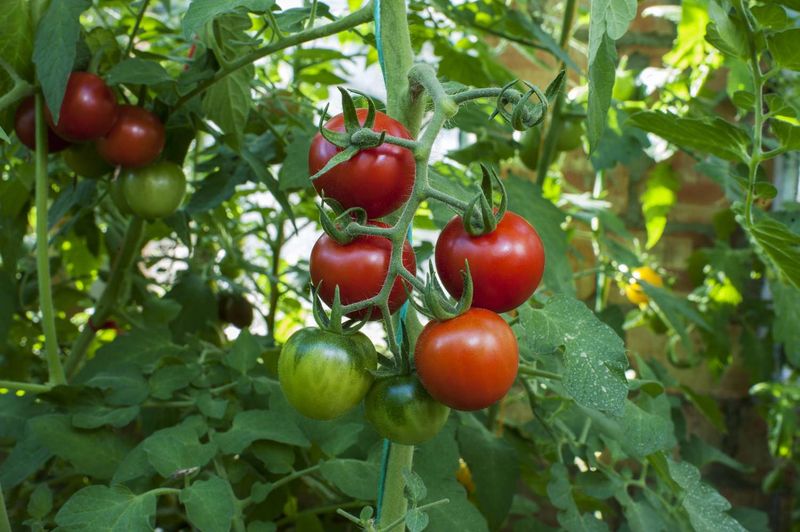
Garden planning in Texas often means fitting a lot of vegetables into a limited space, especially during the spring window before summer heat shuts everything down.
One common mistake is planting tomatoes on the north or east side of tall crops like corn, sunflowers, or pole beans, where those taller plants end up casting shade across the tomato rows for a significant part of the day.
Even a few hours of blocked sun can slow flower development and reduce fruit set noticeably.
Corn is one of the biggest offenders in Texas home gardens because it grows quickly and reaches heights that can shade neighboring beds before most gardeners realize what is happening.
By the time the shading becomes obvious, the tomatoes may already be showing the effects of reduced light, including pale foliage, fewer blossoms, and stretched, fragile stems.
Sunflowers, which many Texas gardeners grow for pollinators and aesthetics, can cause the same problem if placed on the sunny side of a tomato bed.
Thoughtful garden layout can prevent most of this. Place the tallest crops on the north end of your garden so their shadows fall away from shorter plants rather than across them.
Tomatoes should generally be positioned where nothing taller will shade them between 8 a.m. and 4 p.m., which covers the most productive sunlight hours in Texas.
Sketching out a simple layout before the season begins takes only a few minutes and can prevent weeks of underperformance from poorly placed plants.
6. Old Tomato Ground Can Bring Old Problems Back
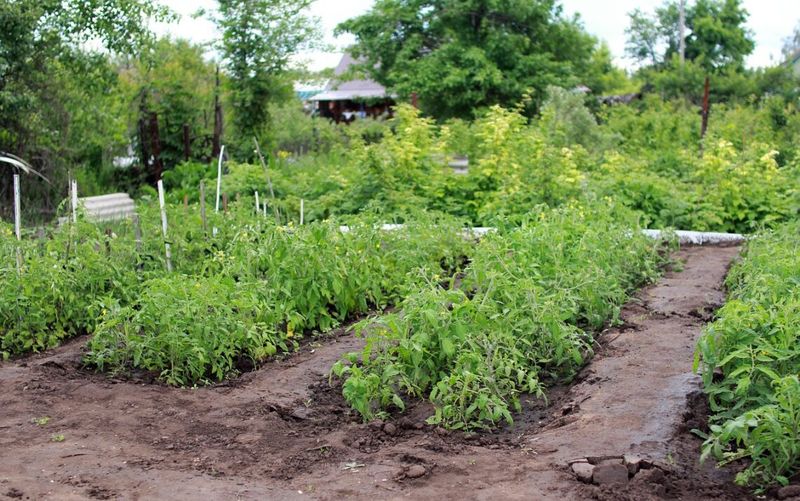
Replanting tomatoes in the same bed year after year is one of the most common habits that quietly undermines a Texas garden season.
Soil-borne pathogens, including the fungi and bacteria responsible for diseases like early blight, fusarium wilt, and bacterial speck, can survive in the ground through winter and reinfect new plants as soon as conditions warm up in spring.
Texas gardeners who skip crop rotation often notice their plants look fine for the first few weeks, then start declining rapidly once summer heat arrives and disease pressure intensifies.
The problem compounds because Texas heat creates ideal conditions for many soil-borne organisms to multiply quickly once temperatures climb.
A small pathogen population left over from last year can grow into a serious infection within weeks, especially in beds that stay warm and moist following spring irrigation.
Nematodes, which are microscopic soil-dwelling organisms that attack tomato roots, are also known to build up over time in repeatedly planted tomato beds across Texas, particularly in sandy soils common to South and East Texas.
Rotating tomatoes to a different bed location every two to three years is one of the simplest and most effective ways to interrupt this cycle.
If your garden space is limited, raised beds make rotation easier because soil can be partially refreshed each season.
Moving tomatoes even a short distance within the same garden can reduce carryover disease pressure significantly and give new transplants a cleaner start in relatively uncontaminated soil.
7. Related Crops Can Share Pests And Disease Pressure
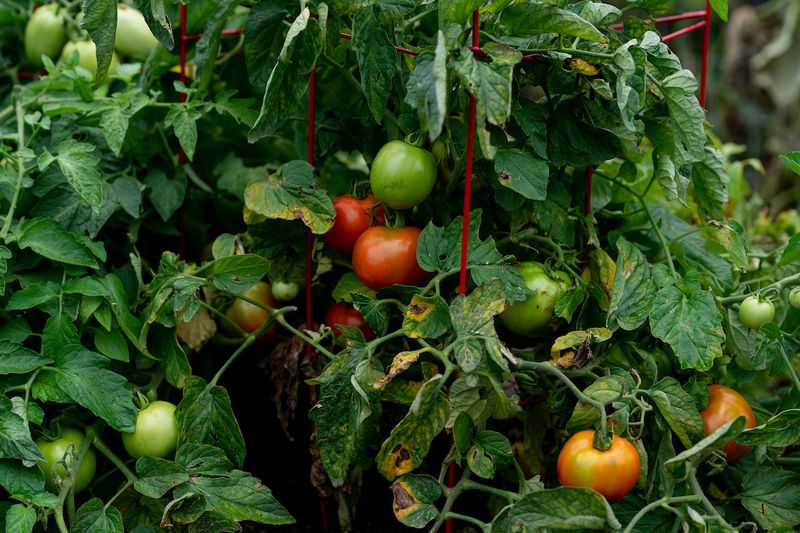
Tomatoes belong to the nightshade family, and so do peppers, eggplants, and potatoes.
Grouping these plants together in the same garden area might seem efficient, but it creates a shared environment where pests and diseases that affect one crop can easily spread to the others.
Aphids, spider mites, and hornworms are all common Texas garden pests that move freely between nightshade family plants when they are grown in close proximity.
Fungal diseases like early blight and bacterial diseases like bacterial wilt do not recognize plant boundaries.
When tomatoes and peppers share a bed, an infection that starts on one plant can reach the next within days, especially during the humid spring conditions common along the Gulf Coast and in East Texas.
Potatoes present a particular concern because they can harbor late blight spores in the soil even when the plants themselves look healthy, and those spores can transfer to nearby tomato plants through rain splash and irrigation water.
Keeping tomatoes separated from peppers, eggplants, and potatoes by at least several feet is a practical step that reduces shared risk.
Better yet, rotate them into beds that held unrelated crops like beans, squash, or greens the previous season.
Interplanting with basil, marigolds, or other non-nightshade companions can also help deter some pests naturally without putting related crops in direct contact, which is a low-effort strategy that experienced Texas gardeners often rely on throughout the growing season.
8. Bad Drainage Can Undo Good Tomato Care
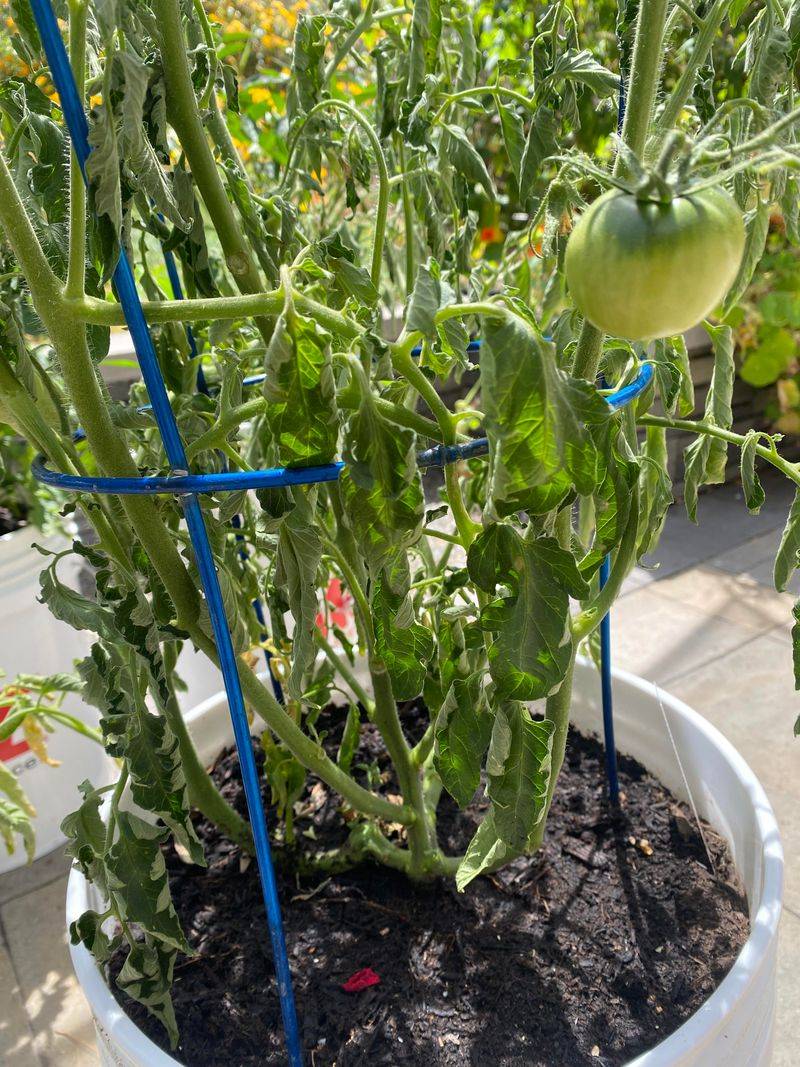
You can choose the right variety, fertilize on schedule, water consistently, and stake your plants perfectly, and still end up with a disappointing harvest if the bed where your tomatoes are growing does not drain well.
Drainage problems are sneaky because they often go unnoticed until the damage is already done.
Roots sitting in poorly drained soil lose access to oxygen, become vulnerable to fungal pathogens, and gradually lose their ability to absorb water and nutrients even when both are present in the soil.
Across Texas, drainage issues show up in different forms depending on region. In North and Central Texas, dense clay subsoil acts like a barrier that prevents water from moving downward, causing it to pool just below the surface after rain or heavy irrigation.
Along the Gulf Coast, flat terrain and high water tables can make drainage a challenge even in sandy soils that feel loose and workable on the surface. In both situations, tomato roots end up sitting in moisture far longer than is healthy.
Fixing drainage before planting is far more effective than trying to compensate with watering adjustments after the season begins.
Raised beds elevated six to twelve inches above grade solve most drainage problems by allowing excess water to flow away from the root zone naturally.
For in-ground beds with persistent drainage issues, working in coarse compost and avoiding over-irrigation can help, but a true low spot or clay-pan soil often needs a structural solution rather than a cultural one to support healthy tomatoes long-term.