Top Native Succulents And Desert Plants For West Texas
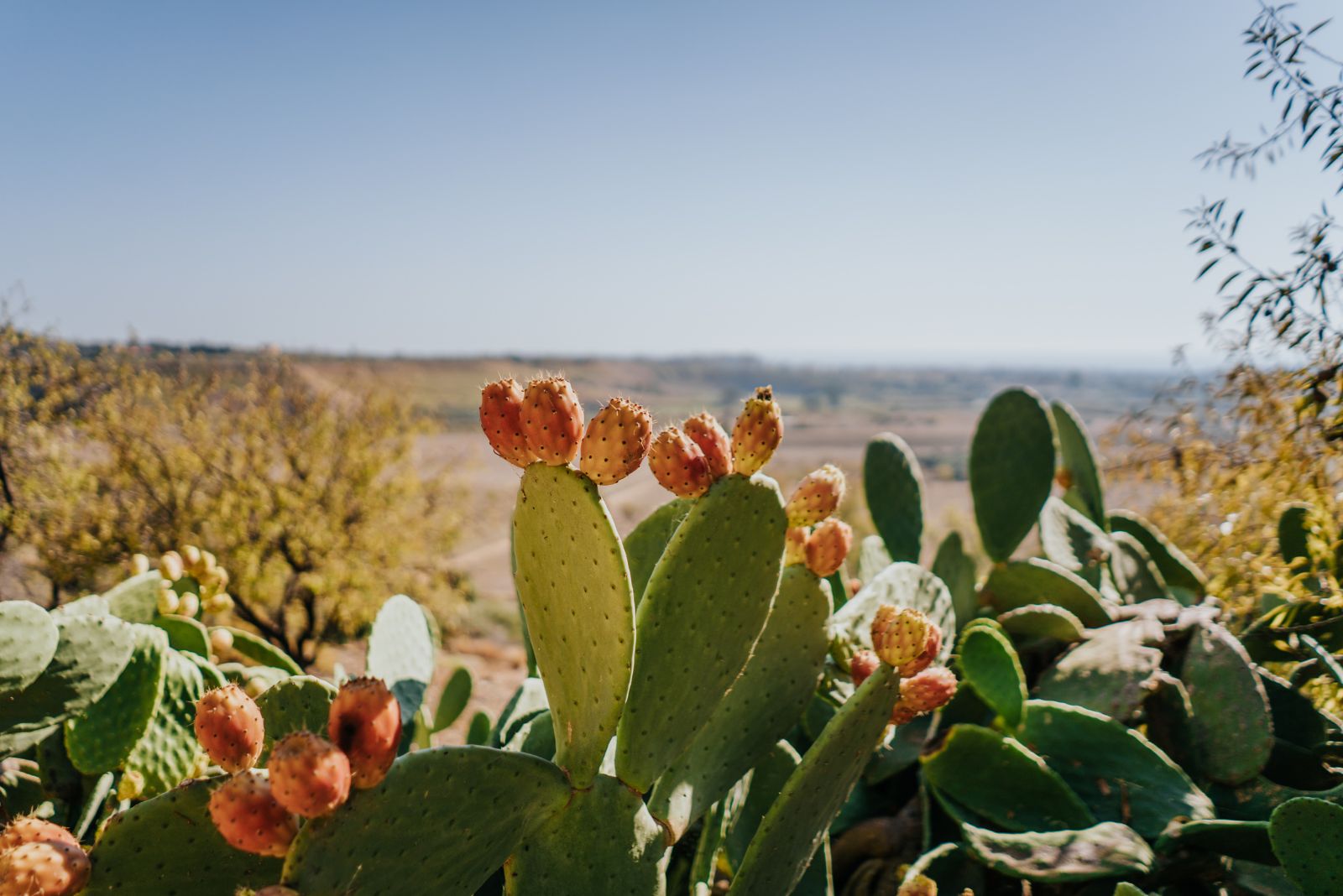
West Texas has a look all its own, and the plants that belong there are a big part of that appeal. The landscape is bold, rugged, and full of character, which is exactly why native succulents and desert plants feel so right in that setting.
They are not trying to fight the climate or force a lush look where it does not fit. Instead, they work with the heat, the sun, the dry air, and the tough soil to create something that feels natural, striking, and surprisingly beautiful.
That kind of easy fit is hard to beat. What makes these plants even more appealing is how much personality they bring without asking for much in return. Some have sculptural shapes that turn heads right away.
Others offer subtle color, interesting texture, or seasonal blooms that stand out even more against a dry backdrop. For gardeners in West Texas, choosing native succulents and desert plants is not just practical.
It is a smart way to build a yard that looks better, lasts longer, and feels connected to the place itself. When the right plants already know how to thrive there, gardening starts to feel a whole lot easier.
1. Prickly Pear (Opuntia Spp.)
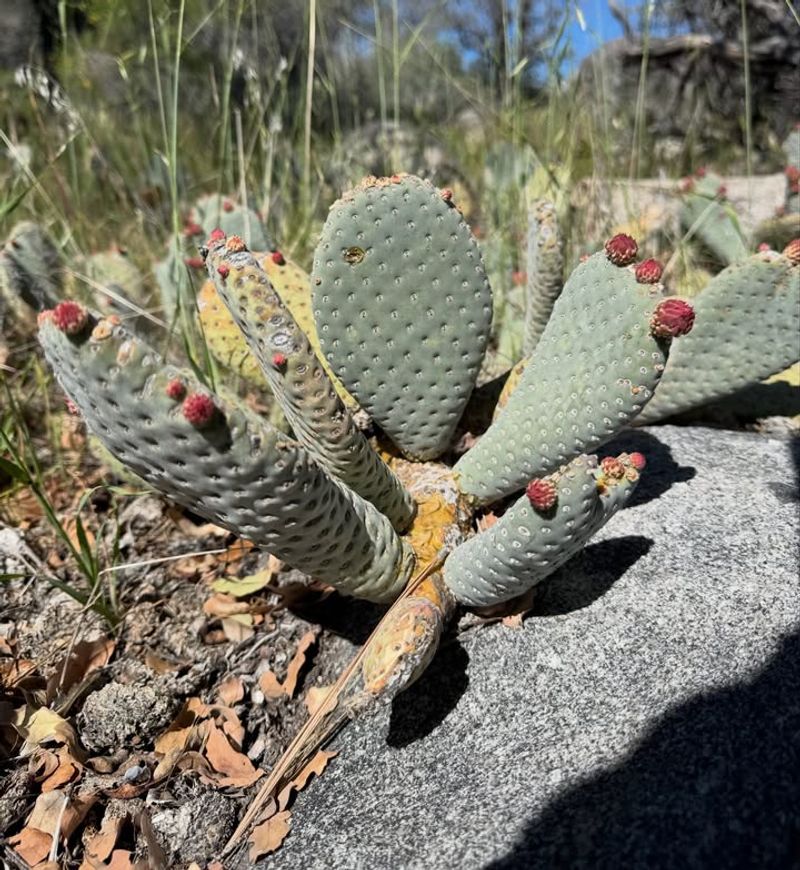
Few plants say “Texas” quite like the prickly pear cactus. You have probably seen these flat, paddle-shaped plants growing wild along roadsides and rocky hillsides all across West Texas. They are one of the most recognizable plants in the entire state, and for good reason.
Prickly pear cacti belong to the Opuntia family, and there are many different species found throughout the region. They are incredibly tough plants that can handle long stretches without rain.
Their thick, waxy pads store water, which helps them survive the brutal summer heat that West Texas is known for.
One of the coolest things about prickly pear is that it rewards you with beautiful flowers every spring.
The blooms come in shades of yellow, orange, pink, and red, making the desert look like it is on fire with color. After the flowers fade, the plant produces deep red or purple fruits called tunas.
Those fruits are actually edible and have been used for centuries by Native American communities and Mexican cultures. You can make jelly, juice, candy, and even syrup from them.
The pads themselves are also edible and are known as nopales, a popular ingredient in Mexican cooking.
For gardeners in West Texas, prickly pear is a fantastic choice because it needs almost no care once it is established. Plant it in well-drained soil, give it full sun, and let the desert do the rest. Just be careful around those spines.
2. Lechuguilla (Agave Lechuguilla)
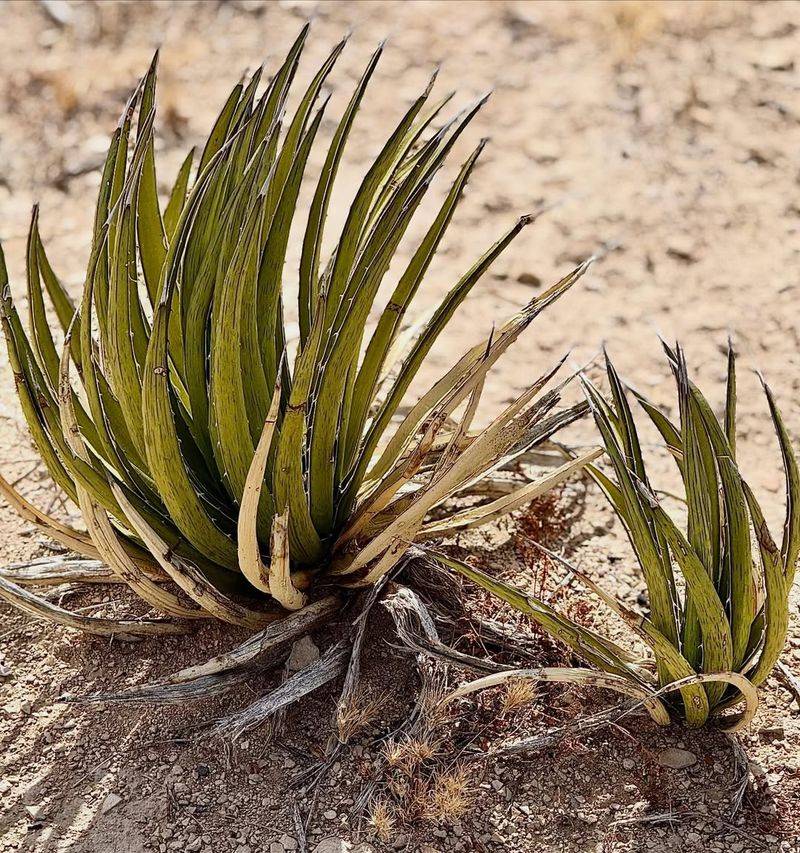
Lechuguilla might be the toughest plant in all of West Texas, and that is really saying something.
This spiky little agave is considered an indicator plant of the Chihuahuan Desert, meaning if you spot lechuguilla growing, you know for certain you are in that specific desert region. It is basically a living landmark.
Agave lechuguilla stays low to the ground, forming tight clusters of stiff, sharp-tipped leaves that are shaped a bit like bananas. Those leaves are not something you want to brush against by accident.
Your Texas Garden Changes Every Week. Your Plan Should Too.
Gardening in Texas changes quickly throughout the season. Every Friday you’ll receive a simple weekly plan showing exactly what to plant, prune, fertilize, harvest, and protect so you never miss the right timing.
The tips are incredibly sharp and can pierce through clothing and skin with ease. Hikers in Big Bend National Park know this plant well.
What makes lechuguilla truly impressive is how little it needs to survive. It thrives in poor, rocky soils where most other plants would struggle.
It can handle extreme drought, intense heat, and even occasional cold snaps that roll through the high desert of West Texas during winter months.
Lechuguilla reproduces by sending up a tall flowering stalk that can reach several feet high. After it flowers and produces seeds, the main plant stops growing, but smaller offsets around the base keep the colony going.
This cycle has been repeating in the Chihuahuan Desert for thousands of years.
If you want a truly authentic West Texas native plant that requires almost zero water and zero maintenance, lechuguilla is a bold and beautiful choice. Just give it space and respect those sharp tips.
3. Parry’s Agave (Agave Parryi)
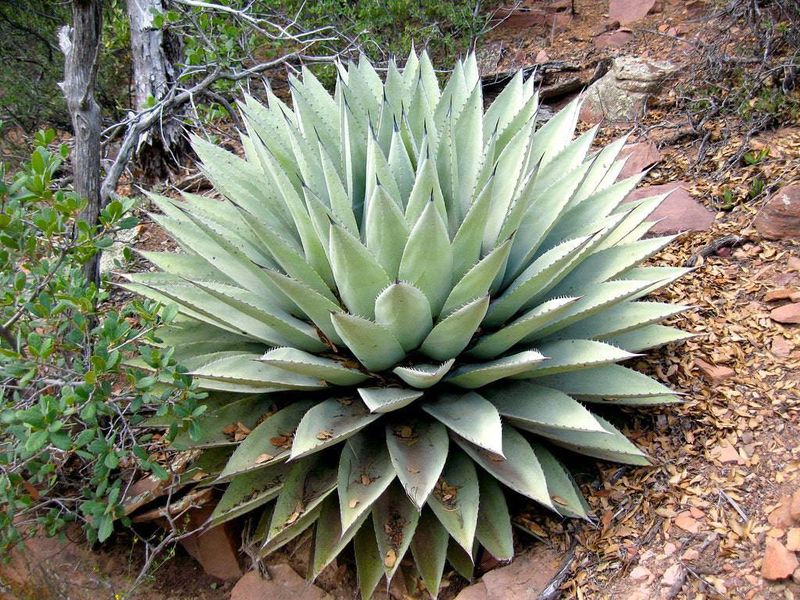
Parry’s Agave has the kind of perfect, sculptural shape that makes people stop and stare. The plant forms a tight, round rosette of thick, blue-gray leaves that fan out in a nearly perfect circle.
Each leaf ends in a sharp dark spine, giving the whole plant a bold, architectural look that works beautifully in desert gardens across far West Texas.
Native to the rocky slopes and dry mountains of far West Texas and the surrounding region, Agave parryi is built for tough conditions.
It handles drought like a champion, storing water in its fleshy leaves during the rare rains and slowly using that reserve during the long, hot dry spells.
It also tolerates cold temperatures better than many other agave species, which matters in the higher elevations of West Texas where winter nights can get chilly.
The plant grows slowly, which is actually a plus for homeowners who do not want to constantly prune or manage their landscaping.
Over several years, it can spread to about two to three feet wide, staying compact and manageable. It pairs beautifully with native grasses, rocks, and other desert succulents.
When Parry’s Agave finally blooms, usually after many years, it sends up a dramatic flower stalk that can reach ten to fifteen feet tall. The stalk is covered in clusters of yellow flowers that attract birds, bees, and other pollinators.
For dry, rocky landscapes in West Texas, this agave is a standout choice that offers year-round beauty with almost no effort required from the gardener.
4. Desert Spoon (Dasylirion Leiophyllum)
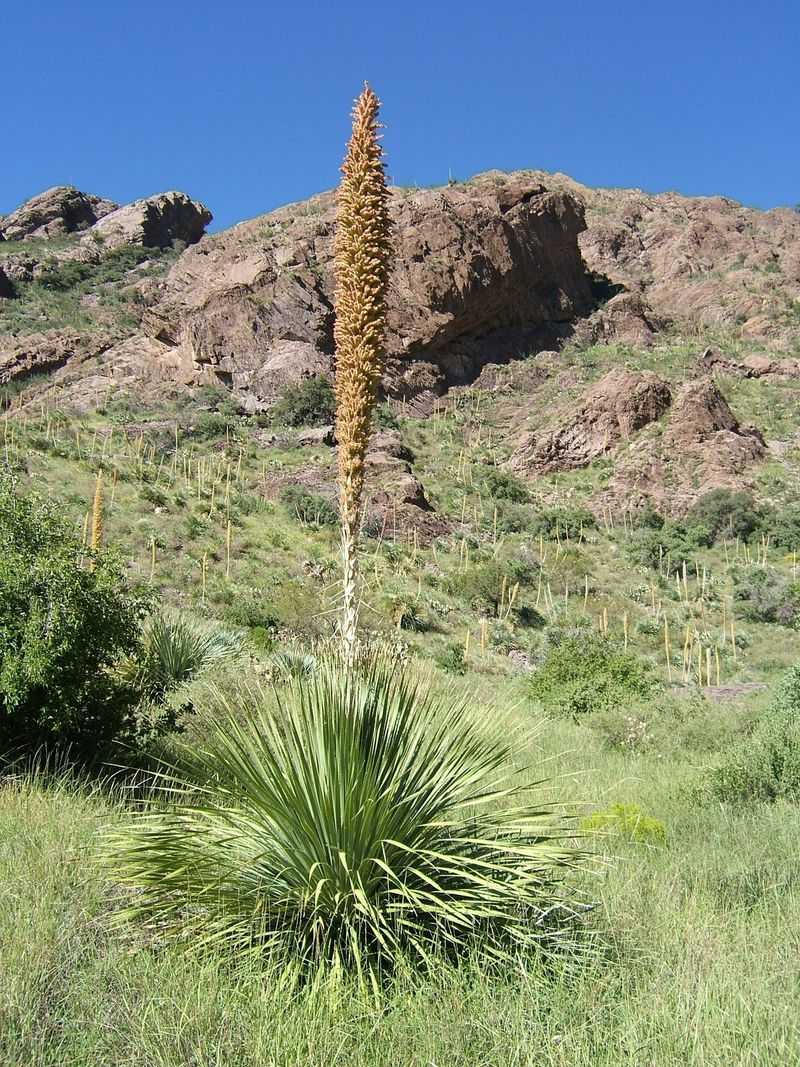
Walk through any natural area in West Texas and you are likely to spot a Desert Spoon standing tall with its dramatic spray of long, narrow leaves. Also called Texas Green Sotol, this native plant has a look that is hard to miss.
The leaves arch outward like a giant fountain, giving it a sculptural quality that landscape designers love.
Dasylirion leiophyllum is native to West Texas and thrives in the kind of heat and drought that would stress most other plants. It grows best in full sun and well-drained rocky or sandy soils, which are exactly the conditions found across much of this region.
Once established, it barely needs any supplemental watering at all. The edges of the leaves have small teeth along them, so handling this plant requires a little caution.
But from a distance, the overall effect is graceful and wild at the same time. It brings a natural, desert-authentic feel to any outdoor space.
Did you know that Desert Spoon has a long history with indigenous communities of the Southwest? The base of the plant, which looks like a spoon when the leaves are pulled away, was used as a food source.
The flowering stalk was also harvested and roasted as a food. The plant has deep cultural roots in this region.
In modern landscapes across West Texas, Desert Spoon works wonderfully as a focal point or accent plant. It adds height, texture, and a genuinely wild character that no imported ornamental plant can replicate.
5. Horse Crippler Cactus (Echinocactus Texensis)
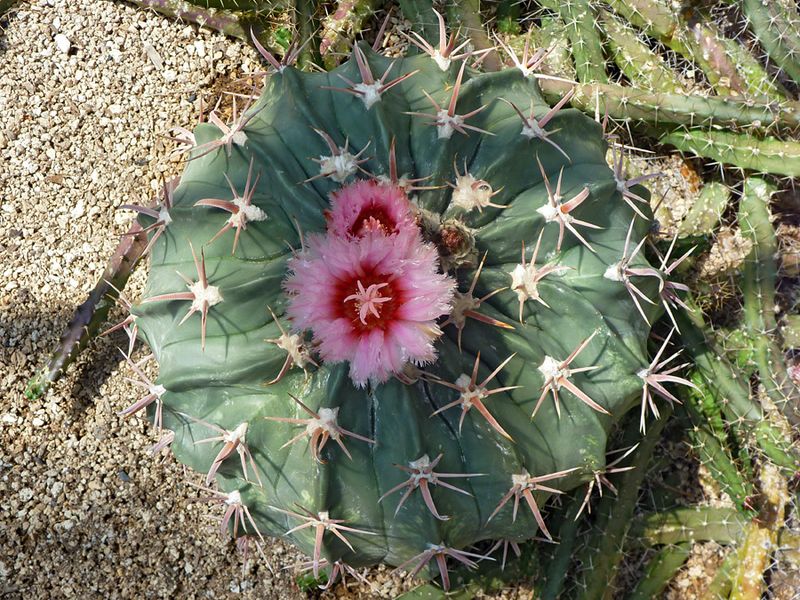
The name alone is enough to make you curious. Horse Crippler Cactus earned its unusual nickname the hard way.
This low-growing barrel cactus sits almost flush with the ground, making it very easy to step on or for a horse to accidentally put its hoof right into it. Those thick, curved spines do not give way easily, and the result can be quite painful for animals and people alike.
Echinocactus texensis is native to Texas and found throughout West Texas, where it blends right into the gravelly, flat desert floor.
Because it grows so low, it is easy to overlook until you are right on top of it. It is one of those plants that reminds you to always watch where you step in the desert.
Despite its fearsome reputation, the Horse Crippler is actually a fascinating and beautiful plant up close. It has bold ribs running down its body, and the spines radiate outward in a starburst pattern that is genuinely striking.
In late spring, it produces a ring of bright pink to magenta flowers right at the top of the plant, which is absolutely gorgeous against the dry desert backdrop of West Texas.
For landscape use, this cactus is a genuine conversation starter. Visitors always ask about it, and once you explain the name, people never forget it.
It is extremely drought-resistant and needs no extra care once planted in the right spot. Plant it somewhere visible but away from foot traffic, and let it do its thing for years to come.
6. Cholla Cactus (Cylindropuntia Imbricata)
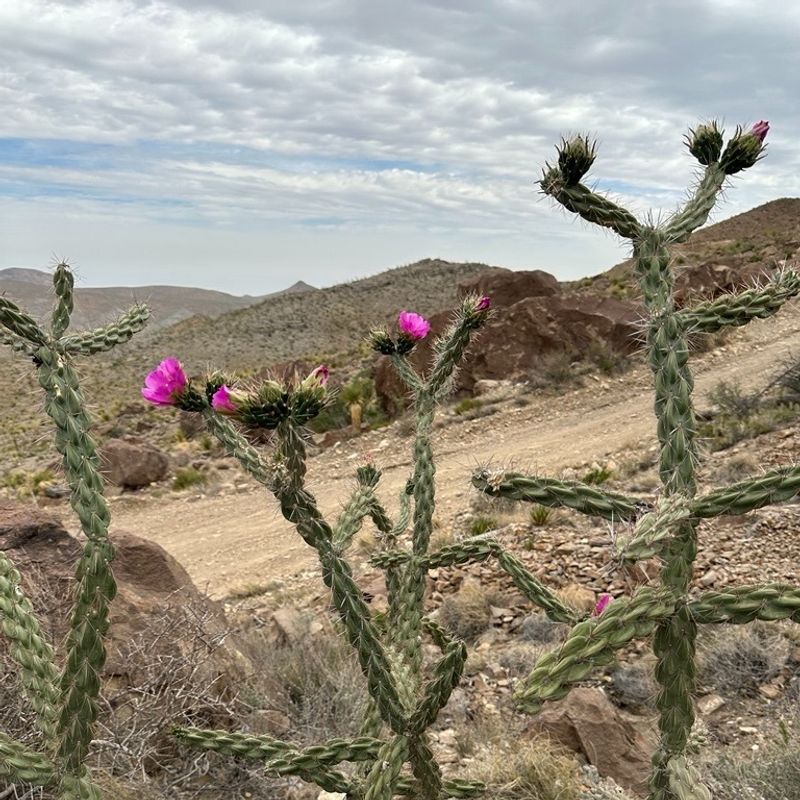
Standing tall with branching arms covered in dense, interlocking spines, the Cholla Cactus is one of the most striking native plants in West Texas.
Cylindropuntia imbricata, commonly called Tree Cholla or cane cholla, can grow up to six feet tall or more, giving it a bold, tree-like presence that adds serious structure to any desert garden or natural landscape.
Cholla is a familiar sight across West Texas roadsides, open flats, and rocky hillsides. It thrives in extreme heat and is remarkably drought-tolerant, which makes it perfectly suited for this region.
The plant handles poor soils without complaint, asking for little more than full sun and good drainage to flourish year after year.
One thing that surprises many people is how beautiful the Cholla looks when it blooms. In late spring and early summer, the plant produces vivid purple-pink flowers that stand out brilliantly against the spiny gray-green stems.
After the flowers fade, small yellowish-green fruits develop and can persist on the plant for months, adding continued visual interest.
The spines on Cholla are no joke. They are barbed and can attach themselves to clothing, skin, and fur very easily.
Wildlife like cactus wrens actually nest inside cholla plants, using those fierce spines as protection from predators. It is one of nature’s clever arrangements.
In West Texas gardens, Cholla brings height, bold texture, and a wild authenticity that is hard to achieve with any other plant. It is truly a native gem of the Chihuahuan Desert landscape.
7. Twistleaf Yucca (Yucca Rupicola)
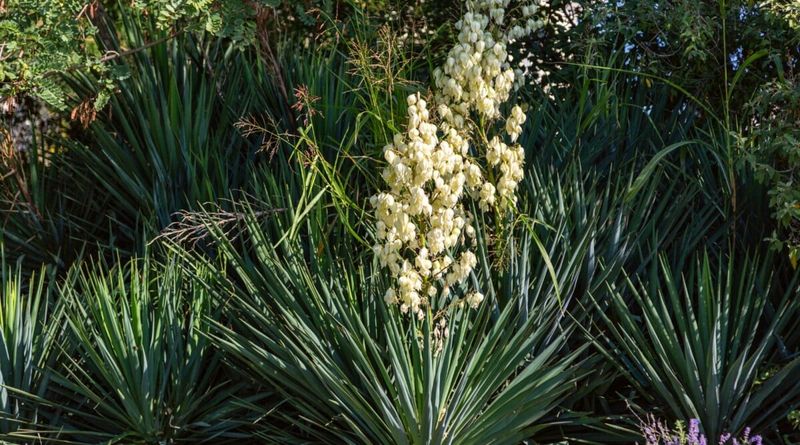
Most yuccas look stiff and fierce, but Twistleaf Yucca brings something softer and a little quirky to the group.
Yucca rupicola is a native Texas yucca with leaves that actually twist and curl as they grow, giving the plant a loose, relaxed look that stands apart from its spikier relatives. It is one of those plants that has real personality.
Found naturally in the rocky, dry soils of the Texas Hill Country and extending into West Texas, this yucca is perfectly adapted to low water conditions.
The leaves are flatter and more flexible than most yuccas, with finely toothed edges rather than the brutal spines of some other species. That makes it a more approachable plant for family gardens and public spaces.
When spring arrives in West Texas, Twistleaf Yucca puts on a show. It sends up a tall flowering spike that can reach four to five feet above the plant, covered in clusters of creamy white, bell-shaped flowers.
Those blooms attract a wide range of pollinators, including the yucca moth, which has a fascinating relationship with yucca plants. The moth pollinates the flowers and lays its eggs inside, creating a mutually beneficial arrangement that has existed for millions of years.
For home gardeners in West Texas, this yucca is a low-fuss, high-reward plant. It works well tucked among boulders, planted along pathways, or used as a ground-level accent in xeriscape designs.
It stays relatively compact, looks great year-round, and asks for almost nothing in return. That is a hard deal to pass up.