Should You Fertilize Your Lawn In April In Florida
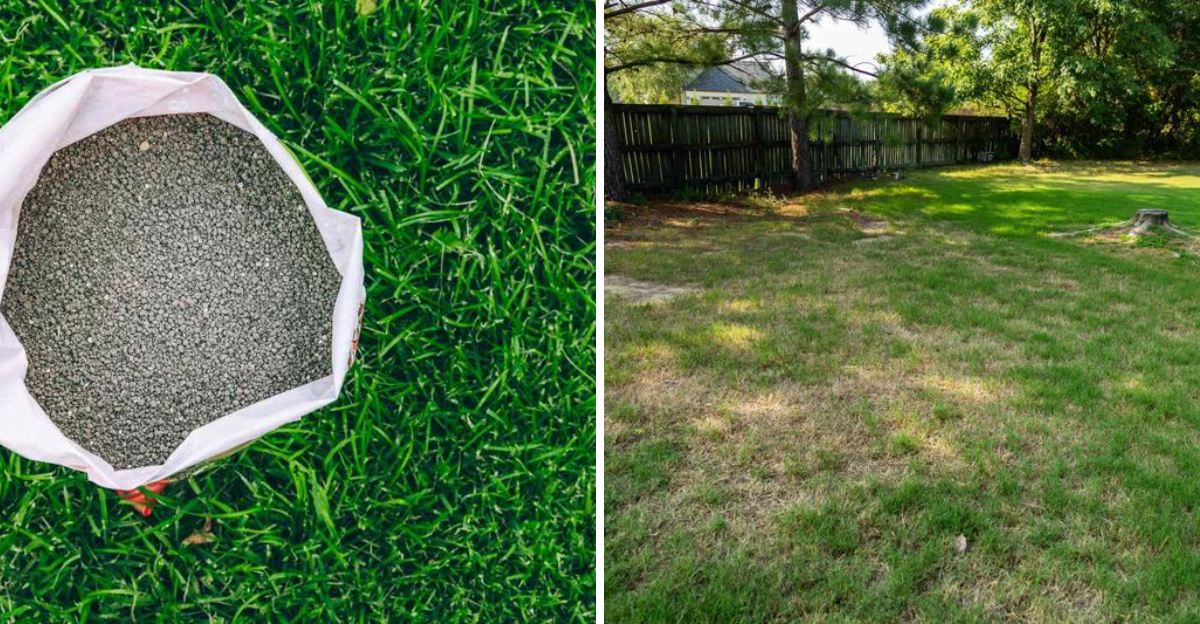
April in Florida can make your lawn look ready for anything. Grass starts greening up fast, growth picks up, and it feels like the perfect moment to give it a boost.
That is when many homeowners reach for fertilizer without a second thought. Still, timing is not as simple as the calendar suggests.
Feed too early, and you can push weak growth, waste nutrients, or even create more problems as heat builds. Wait for the right window, and your lawn responds with stronger roots, better color, and more resilience through the tough months ahead.
Florida lawns follow their own rhythm, and understanding when they are truly ready makes all the difference between steady growth and unnecessary setbacks.
1. Warm-Season Grasses Benefit Once Active Growth Begins
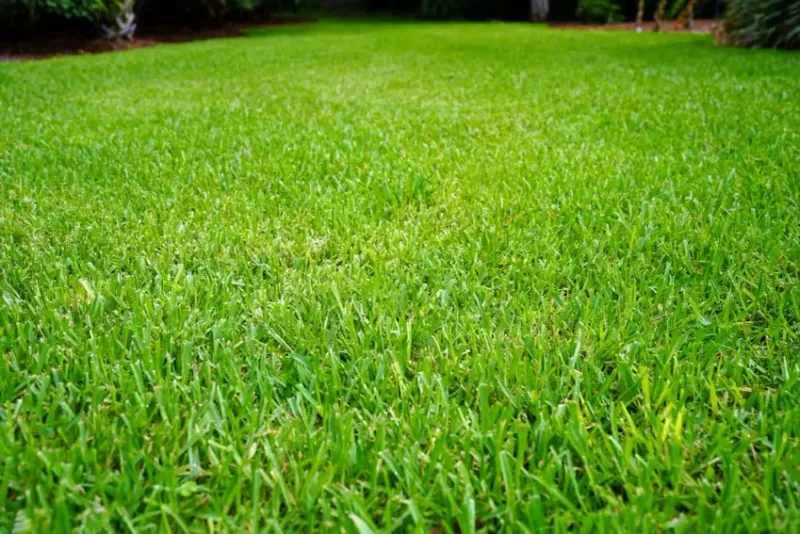
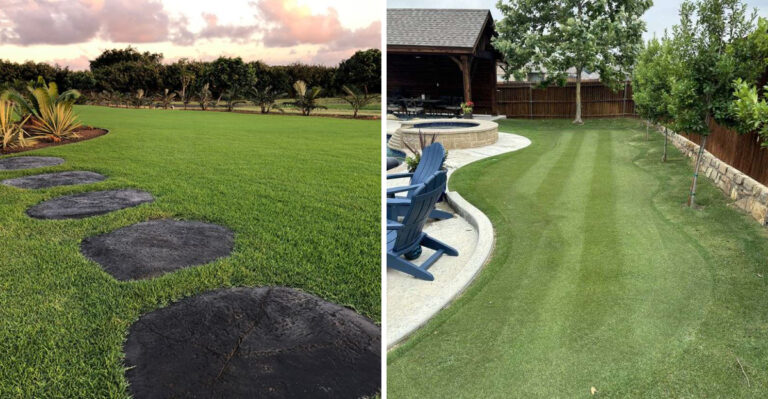
Walk across your Florida lawn on a warm April morning and pay close attention to what you see. If the grass is thick, green, and bouncing back under your feet, that is a strong sign that active growth has begun and fertilizer can actually do some good.
Florida’s most common warm-season grasses, including St. Augustinegrass (Stenotaphrum secundatum), Bermudagrass (Cynodon dactylon), and Zoysiagrass (Zoysia spp.), all need to be actively growing before they can absorb nutrients properly. Applying fertilizer before that green-up happens means the nutrients just sit there, vulnerable to washing away before the roots ever get a chance to use them.
Each grass type has slightly different growth habits. Bermudagrass tends to green up faster in warm conditions, while Zoysiagrass can be slower to wake up in spring.
St. Augustinegrass, which covers more Florida lawns than any other variety, typically shows strong growth once temperatures stay consistently warm.
The key takeaway is simple: watch your grass, not just your calendar. Fertilizing a lawn that is already growing vigorously in April gives those nutrients a real purpose and helps build a stronger, healthier turf heading into Florida’s hot summer months.
2. Fertilizing Too Early Can Do More Harm Than Good
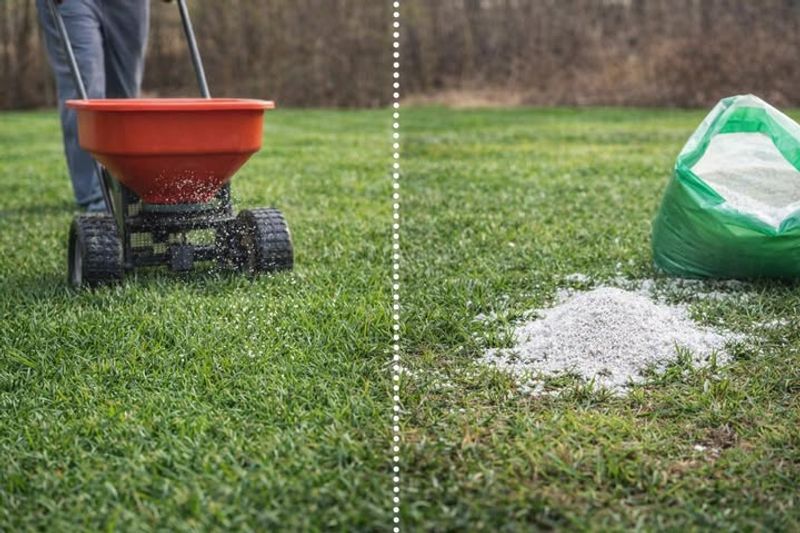
There is a common temptation to get out early and fertilize the moment the weather warms up. It feels productive, and it seems like the right move.
But applying fertilizer to a lawn that has not fully greened up yet can actually set your grass back rather than push it forward.
When grass is still dormant or only partially active, its root system is not working at full capacity. Nutrients applied at this stage have nowhere to go.
Nitrogen, in particular, can leach through sandy Florida soils quickly and end up in nearby water bodies, contributing to algae growth and other environmental problems.
Weak, patchy growth is another risk. If fertilizer pushes top growth before the roots are ready to support it, the grass can become fragile and more vulnerable to stress from heat, foot traffic, or drought.
This is especially true for St. Augustinegrass, which needs a solid root foundation before it benefits from added nitrogen.
University of Florida IFAS Extension consistently advises homeowners to wait until the lawn shows clear signs of active growth before fertilizing. Patience in early spring almost always leads to better results than rushing the process before conditions are truly right.
Your Florida Garden Changes Every Week. Your Plan Should Too.
Gardening in Florida changes quickly throughout the season. Every Friday you’ll receive a simple weekly plan showing exactly what to plant, prune, fertilize, harvest, and protect so you never miss the right timing.
3. South Florida Lawns May Be Ready Earlier Than North Florida
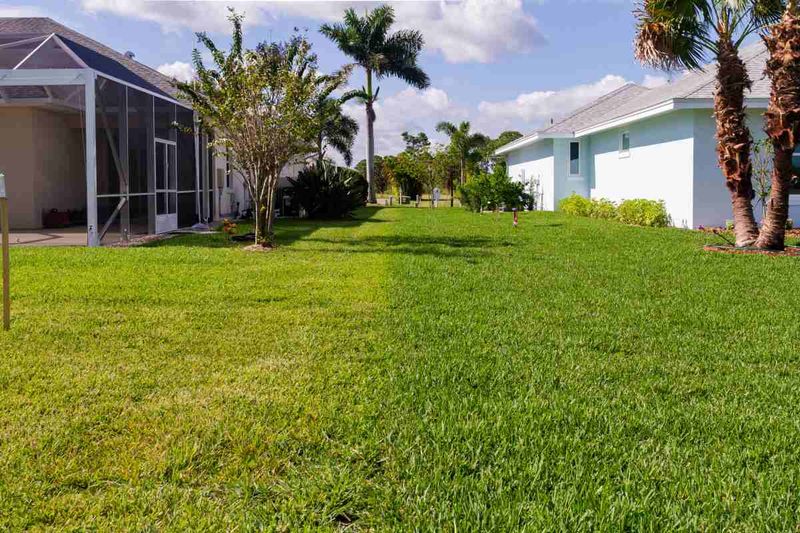
Florida is a long state, and the difference between Miami-Dade County and Leon County in Tallahassee is more than just miles. Temperatures, soil warmth, and seasonal patterns vary significantly from one end of the state to the other, and those differences matter a lot when it comes to fertilizing timing.
In South Florida, turfgrass often grows nearly year-round thanks to consistently warm temperatures. By early April, many South Florida lawns are already in full swing and ready to benefit from a spring fertilizer application.
Homeowners in Miami, Fort Lauderdale, and surrounding areas can often start earlier without the risk of applying nutrients to a dormant lawn.
Central Florida sits in a middle ground. Lawns in the Orlando and Tampa areas typically green up through March into April, depending on how warm the winter was.
Watching the grass closely and waiting for consistent green growth is the smartest approach for this region.
North Florida is a different story. Lawns in Gainesville, Tallahassee, and Jacksonville can lag behind by several weeks.
University of Florida IFAS Extension specifically recommends that North Florida homeowners wait until mid- to late April before fertilizing, ensuring the grass is truly active and able to use those nutrients effectively.
4. Soil Temperature Matters More Than The Calendar Date
Most people look at the date on the calendar and assume that is enough to decide when to fertilize. April sounds like spring, spring sounds like growing season, and growing season sounds like fertilizer time.
But grass does not read calendars; it responds to soil temperature.
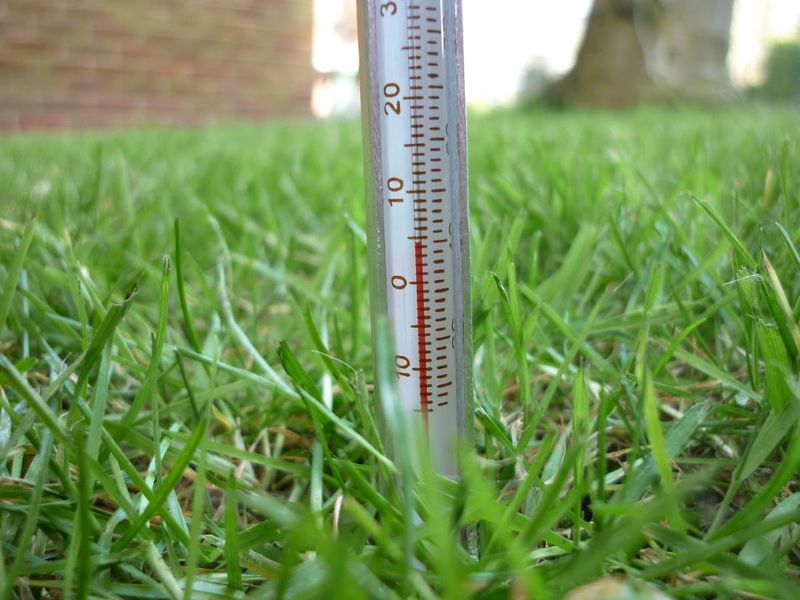
Warm-season grasses like Bermudagrass and St. Augustinegrass need consistent soil temperatures to shift into active growth mode. Generally speaking, soil temperatures around 65 to 70 degrees Fahrenheit at a four-inch depth are associated with meaningful growth activity in these grasses.
Below that range, nutrient uptake slows down considerably.
Soil temperatures in Florida can vary based on shade, soil type, and recent weather patterns. A stretch of cool, rainy days in late March can delay soil warming even when the air feels warm.
Sandy soils, which are common throughout much of Florida, tend to warm up faster than heavier soils but also lose heat quickly during cooler nights.
An inexpensive soil thermometer, available at most garden centers, takes the guesswork out of the process. Checking soil temperature before fertilizing gives you real data to work with instead of assumptions.
Combining that information with visible grass growth is one of the most reliable ways to time your spring fertilizer application correctly.
5. Slow-Release Fertilizers Support Steady, Healthy Growth
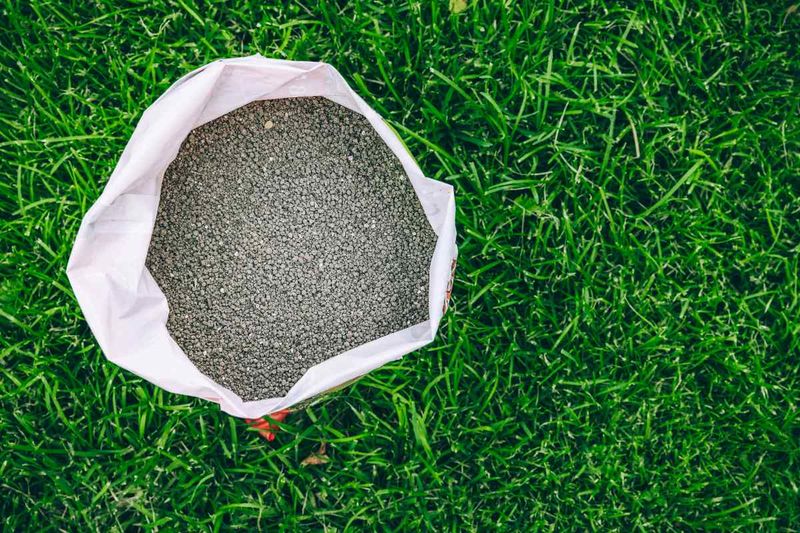
Not all fertilizers work the same way, and the type you choose for a spring application in Florida can make a real difference in how your lawn responds. Slow-release or controlled-release fertilizers are widely recommended by University of Florida IFAS Extension and Florida-Friendly Landscaping guidelines for good reason.
These fertilizers release nitrogen gradually over several weeks rather than flooding the soil all at once. That steady feeding matches the way grass actually grows, giving roots a consistent supply of nutrients without overwhelming the plant.
It also significantly reduces the risk of nitrogen leaching into Florida’s groundwater and waterways, which is a genuine environmental concern given the state’s sandy soils and high rainfall.
Quick-release fertilizers can cause a rapid flush of top growth that looks impressive at first but often leads to increased mowing, weaker grass tissue, and greater vulnerability to fungal diseases. That burst of fast growth comes at a cost that is not always visible right away.
When shopping for fertilizer, look for products where at least 30 percent of the nitrogen content comes from a slow-release source. Polymer-coated urea and sulfur-coated urea are two common forms found in quality lawn fertilizers.
Reading the label carefully before buying helps ensure you are choosing a product that works with your lawn rather than against it.
6. Overfertilizing In Spring Can Lead To Weak, Fast Growth
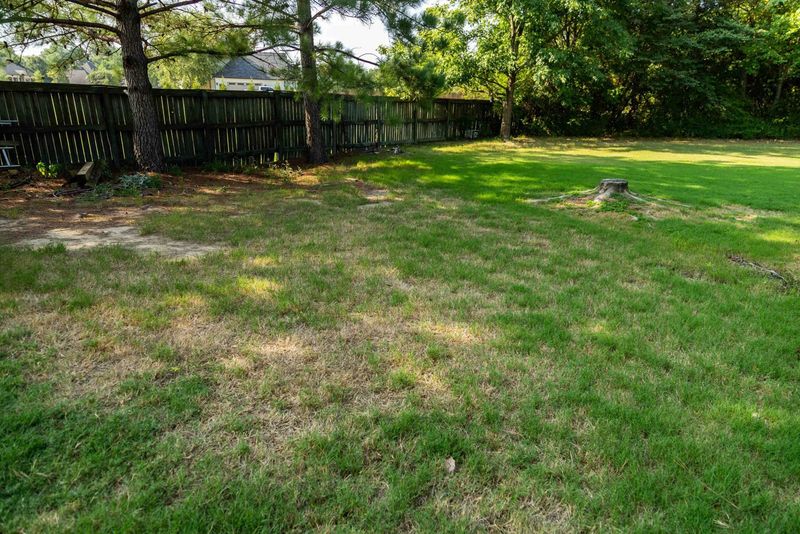
More fertilizer does not always mean a better lawn. This is one of the most common mistakes Florida homeowners make in spring, especially when they are eager to see their yard green up quickly after a cooler winter.
Applying too much nitrogen in a short period can push grass into overdrive in ways that cause real problems down the line.
Excessively fast growth tends to produce grass blades that are softer and more vulnerable to fungal diseases like brown patch and gray leaf spot, both of which are common in Florida’s humid conditions. St. Augustinegrass in particular can be susceptible to fungal issues when it is pushed to grow too quickly without enough time to build strong tissue.
Overfertilizing also increases mowing frequency significantly. What might have been a once-a-week chore can quickly become a twice-a-week task when nitrogen is applied too heavily.
That extra mowing puts additional stress on the grass and takes up more of your time and energy.
Following label directions and sticking to recommended application rates for your specific grass type is always the smartest approach. University of Florida IFAS Extension provides grass-specific fertilization guidelines that help homeowners apply the right amount at the right time, without overdoing it and creating more work than necessary.
7. Local Fertilizer Rules May Limit When You Can Apply Nutrients
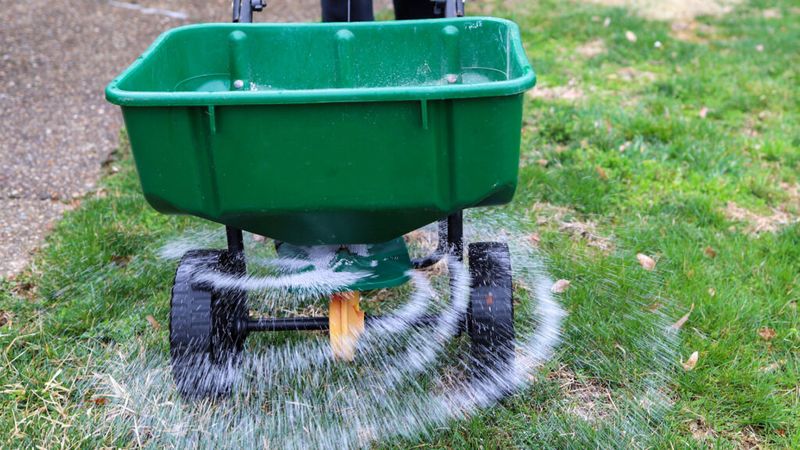
Before grabbing a bag of fertilizer and heading outside, it is worth taking a few minutes to check whether your county or city has any rules about when and how you can fertilize. Many Florida communities have passed local fertilizer ordinances, and some of them include restrictions that apply right around the spring growing season.
Florida counties like Pinellas, Hillsborough, Sarasota, and many others have adopted fertilizer ordinances that restrict nitrogen and phosphorus applications during the rainy season, which typically runs from June 1 through September 30. Some areas have gone further, with year-round rules on phosphorus applications or requirements for low-nitrogen products near water bodies.
April generally falls outside the rainy season blackout periods in most counties, which means spring fertilizing is usually permitted. However, regulations can vary by municipality, and some cities have stricter guidelines than the county as a whole.
Assuming the rules are the same everywhere in Florida can lead to unintentional violations.
The Southwest Florida Water Management District and local county extension offices are great resources for finding current fertilizer ordinance information specific to your area. A quick phone call or website visit before you buy fertilizer can save you from accidentally breaking local rules while also helping protect Florida’s sensitive waterways and natural ecosystems.
8. A Soil Test Helps You Avoid Guessing What Your Lawn Needs
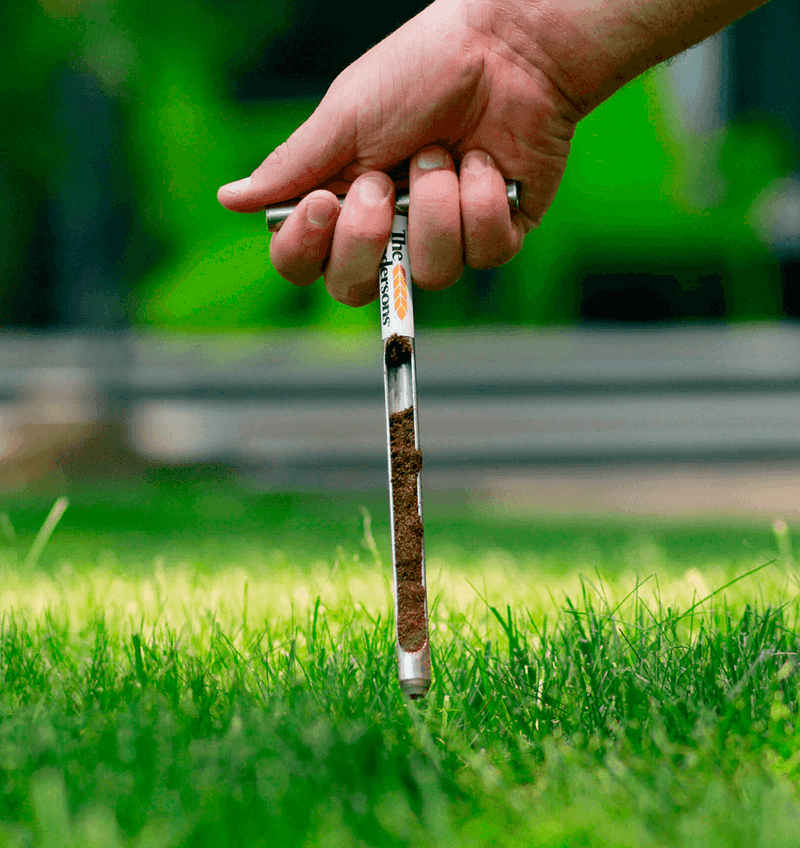
Guessing what your lawn needs is a bit like going to the pharmacy and picking medications without knowing what is actually wrong. You might get lucky, but you might also waste money or make things worse.
A soil test removes the guesswork entirely and gives you a clear picture of what nutrients your lawn actually needs before you spend a single dollar on fertilizer.
The University of Florida IFAS Extension offers affordable soil testing through its network of county extension offices. For a small fee, you can get a detailed analysis of your soil’s pH, phosphorus levels, potassium, and other key nutrients.
The results come with specific recommendations tailored to the grass type you are growing, which makes it much easier to choose the right fertilizer product and application rate.
Many Florida lawns, especially those in older neighborhoods or heavily maintained communities, already have adequate phosphorus levels in the soil. Applying a fertilizer high in phosphorus to a lawn that does not need it wastes money and increases the risk of nutrient runoff into local water systems.
Soil testing is recommended every two to three years as a general practice. Running a test before your spring fertilizer application in April gives you the most current information available and helps you make a confident, well-informed decision rather than relying on assumptions about what your lawn might need.