The Easy-Care Plant That Keeps Blooming Through Florida’s Hottest Months
Florida gardeners know summer does not tiptoe in. It barges through the gate, turns up the heat, soaks the air, and puts every plant in the yard to the test.
One week everything looks fresh and full of promise, and the next your flower beds can start looking like they have been through the wringer.
By July, plenty of pretty bloomers are waving the white flag, and that nonstop color you had in spring suddenly feels a whole lot harder to hang onto.
That is exactly why the plants that can take the heat and keep on shining feel like such a big deal here. A good one can carry a garden through the muggiest, most exhausting stretch of the season without acting fussy, dramatic, or high maintenance.
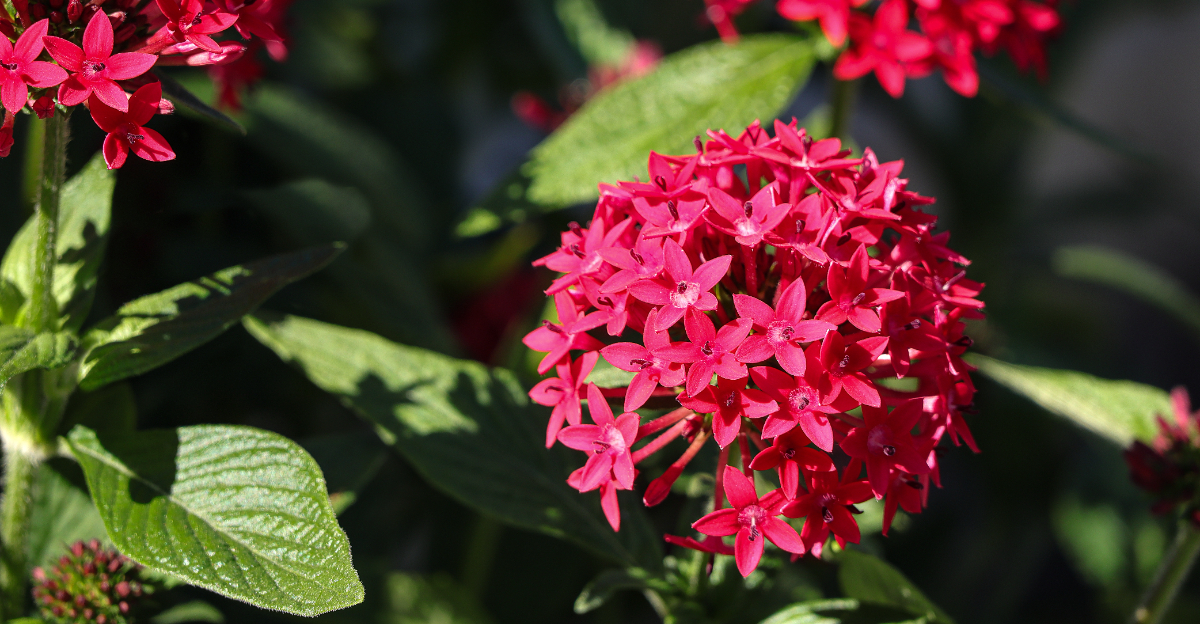
And when it comes to Florida summer standouts, pentas is one of the first plants that deserves a spot in the conversation.
1. Pentas Are Florida-Friendly For A Reason
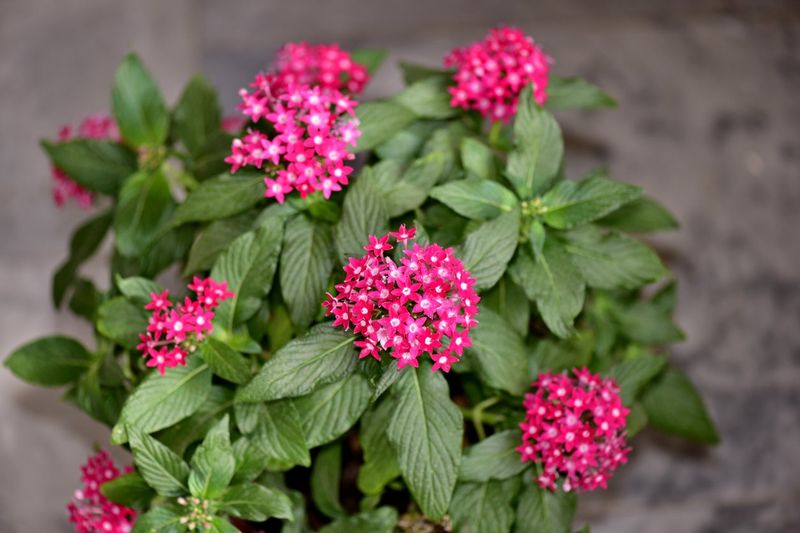
Not every plant from somewhere else earns its place in a Florida yard, but pentas has made a genuinely strong case for itself. Originally from tropical Africa and the Arabian Peninsula, pentas found a surprisingly good match in Florida’s climate.
The two places share a lot in common, including intense heat, high humidity, and long stretches of warm weather that would stress out plants built for cooler, drier conditions.
Florida’s University of Florida IFAS extension has consistently recommended pentas as a reliable landscape plant for the state, noting its strong performance in heat and humidity. That kind of endorsement from a research-based source means something real.
It is not just popular because it looks pretty. It performs well because the conditions here actually suit it.
Pentas is not a Florida native, and that is worth saying clearly. Native plants offer ecological benefits that non-natives generally cannot fully replace.
But pentas still brings genuine value to Florida landscapes, and its adaptability to the local climate is a big part of why. It handles the kind of relentless summer heat that leaves many popular garden flowers looking washed out and wilted.
Its long flowering season, its tolerance for humidity, and its ability to thrive in full sun all make it a practical and rewarding choice for Florida gardeners. Choosing the right plant for the right place is smart gardening, and pentas fits that idea well in the Sunshine State.
2. It Blooms Through Florida’s Steamiest Stretch
August in Florida is not kind to most flowering plants. Temperatures regularly push into the low to mid-nineties, the air feels thick with moisture, and afternoon thunderstorms roll through almost daily.
Under those conditions, many popular annuals and perennials simply stop blooming, drop their flowers, or start looking ragged and tired. Pentas does none of that.
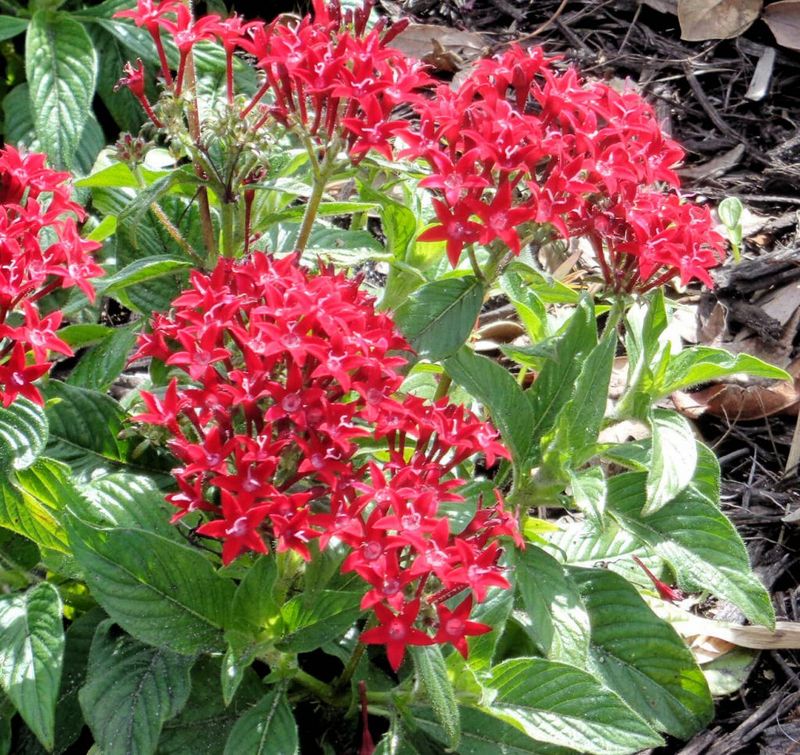
This plant blooms reliably from spring all the way through fall in Florida, with some years seeing blooms stretch even further in the southern parts of the state.
That is an unusually long performance window, and it matters a lot when you want your yard or patio to stay colorful through the months when outdoor living is at its most intense.
Your Florida Garden Changes Every Week. Your Plan Should Too.
Gardening in Florida changes quickly throughout the season. Every Friday you’ll receive a simple weekly plan showing exactly what to plant, prune, fertilize, harvest, and protect so you never miss the right timing.
The reason pentas holds up so well has everything to do with its tropical origins. Plants that evolved in hot, humid environments are naturally equipped to handle the kind of summer Florida delivers.
Rather than shutting down when temperatures climb, pentas responds to heat and sun by continuing to produce those compact, cheerful flower clusters that make it so recognizable.
For Florida gardeners who feel frustrated watching their spring flowers fade just as summer really gets going, pentas offers a genuine solution. Planting it in late spring gives it time to settle in before the heat peaks, and by the time July and August arrive, it is usually in full stride.
That reliable mid-summer bloom makes it one of the most practical color plants available for Florida conditions.
3. Butterflies And Hummingbirds Love What Pentas Brings
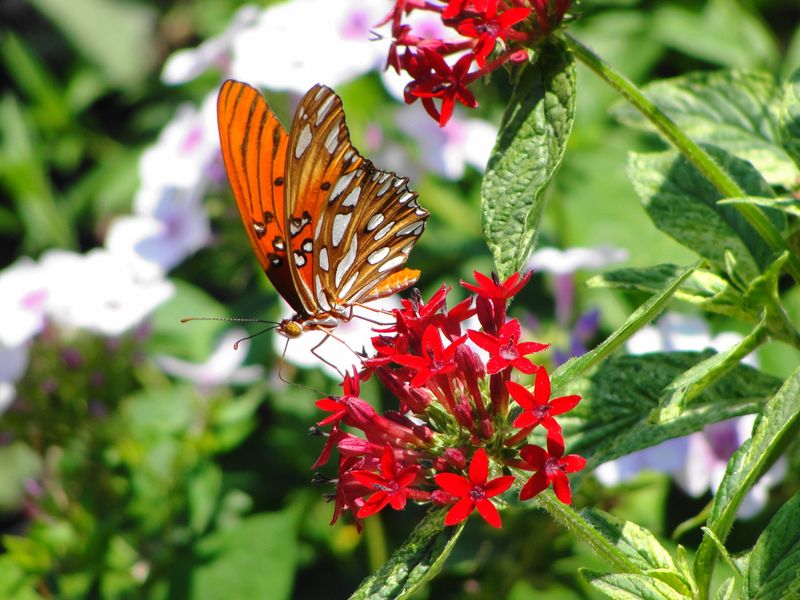
Walk past a healthy patch of pentas on a warm Florida morning and you will likely notice the activity before you notice the plant itself. Butterflies are drawn to it in a way that feels almost magnetic.
Swallowtails, monarchs, painted ladies, and Gulf fritillaries are among the regulars, and on a good day you might spot several species visiting the same plant within just a few minutes.
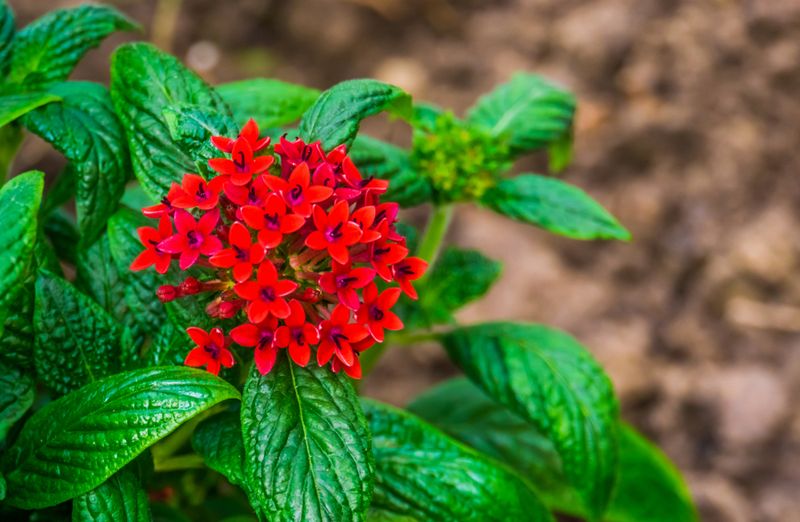
The reason comes down to the flower structure. Pentas produces dense clusters of small, tubular blooms that sit close together and hold nectar in a form that butterflies can easily access.
The flat-topped clusters also give butterflies a stable landing surface, which makes feeding easier and more efficient. That combination of nectar availability and physical design makes pentas genuinely useful to pollinators, not just decorative.
Hummingbirds are also regular visitors, especially to the red and pink varieties. These birds are strongly attracted to tubular flowers in warm colors, and pentas checks both boxes.
Watching a ruby-throated hummingbird hover over a patch of red pentas is one of those simple garden moments that makes the whole effort feel worthwhile.
Beyond the visual reward, attracting pollinators adds real ecological value to your yard. Florida’s butterfly and hummingbird populations benefit from gardens that provide reliable nectar sources through the summer.
Planting pentas is a small but meaningful way to support local wildlife while also enjoying a more lively, dynamic outdoor space throughout the season.
4. It Gives You Big Color Without Big Fuss
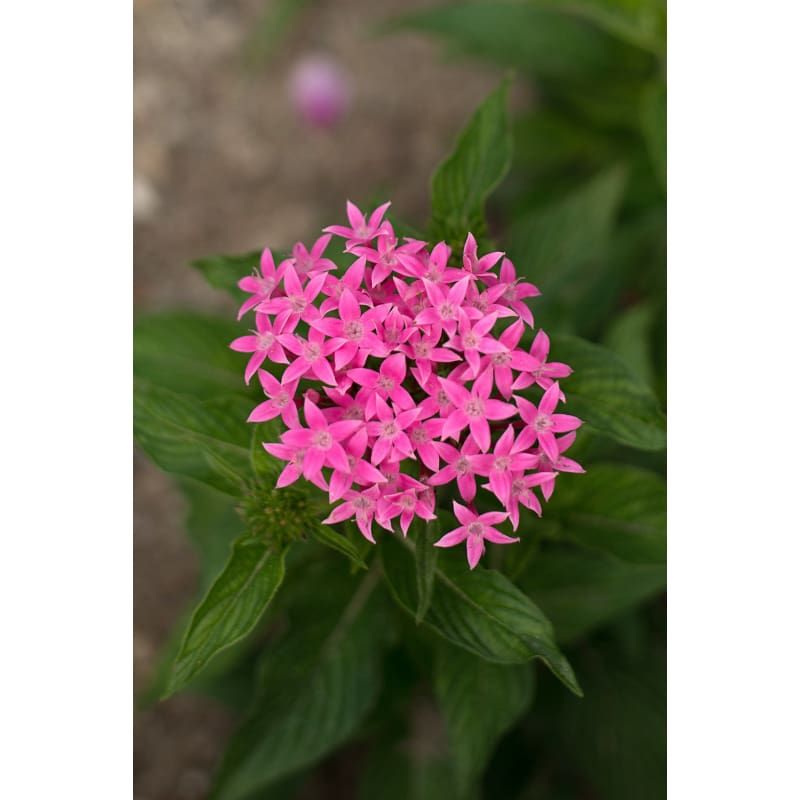
Some plants look beautiful in the nursery and then turn into a full-time job once you get them home. Pentas is not that kind of plant.
It delivers genuine color impact without demanding a complicated care routine, which makes it a smart pick for gardeners who want results without spending every weekend tending to their yard.
Once established, pentas is reasonably drought-tolerant, though it does appreciate regular watering during Florida’s dry periods. It does not need heavy fertilizing to bloom well, and it is not particularly fussy about soil as long as drainage is decent.
A basic, balanced slow-release fertilizer applied a couple of times during the growing season is usually enough to keep it looking its best.
The color range available in pentas has expanded a lot in recent years. You can find varieties in deep red, soft pink, lavender, white, and bicolor blends.
That range makes it easy to coordinate pentas with other plants in your landscape or to use it as a bold standalone statement in a container or bed.
Pest pressure on pentas is generally low compared to many other flowering plants. Spider mites can occasionally show up during very dry stretches, but healthy, well-watered plants tend to handle minor pest issues without needing intervention.
For gardeners who want cheerful, reliable color without a demanding maintenance schedule, pentas delivers exactly that kind of straightforward, low-drama performance through Florida’s longest and hottest growing season.
5. Pentas Look Just As Good In Pots As In Beds
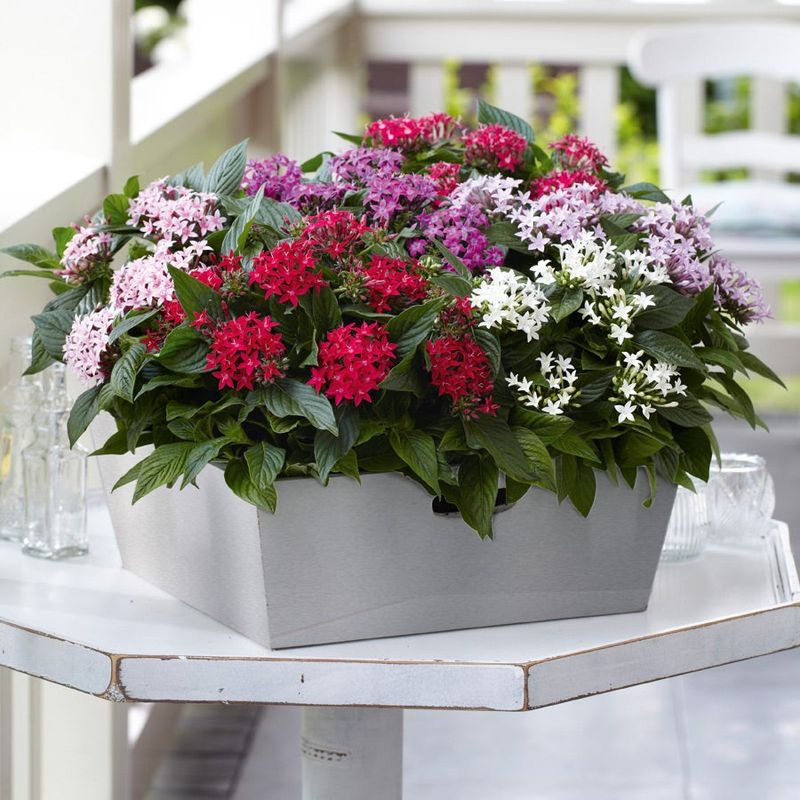
One of the quietly great things about pentas is how well it adapts to different growing situations. It is equally at home spilling out of a terracotta pot on a sunny patio as it is anchoring a colorful flower bed along a driveway or walkway.
That flexibility is genuinely useful in a state where yard sizes, soil conditions, and outdoor living setups vary so widely from one property to the next.
In containers, pentas thrives as long as the pot has good drainage and gets placed in a sunny spot. A standard well-draining potting mix works well, and container-grown pentas may need watering a bit more frequently than in-ground plants since pots dry out faster in Florida’s heat.
Grouping a few different pentas colors in a large pot creates a striking display that holds up beautifully through the summer.
In garden beds, pentas works well as a border plant, a mid-ground filler, or a focal point in a mixed tropical planting. It pairs nicely with other heat-lovers like lantana, portulaca, and ornamental grasses.
The compact varieties, which typically stay under two feet tall, are especially useful for tighter spaces or front-of-bed placements where you want consistent color without plants taking over.
For condo owners, apartment dwellers, or anyone working with a small outdoor footprint, pentas in containers is a practical and rewarding option. It brings the same bold color and pollinator activity to a balcony or small patio that it brings to a full garden bed, just scaled down to fit the space.
6. Full Sun Brings Out Its Best Show
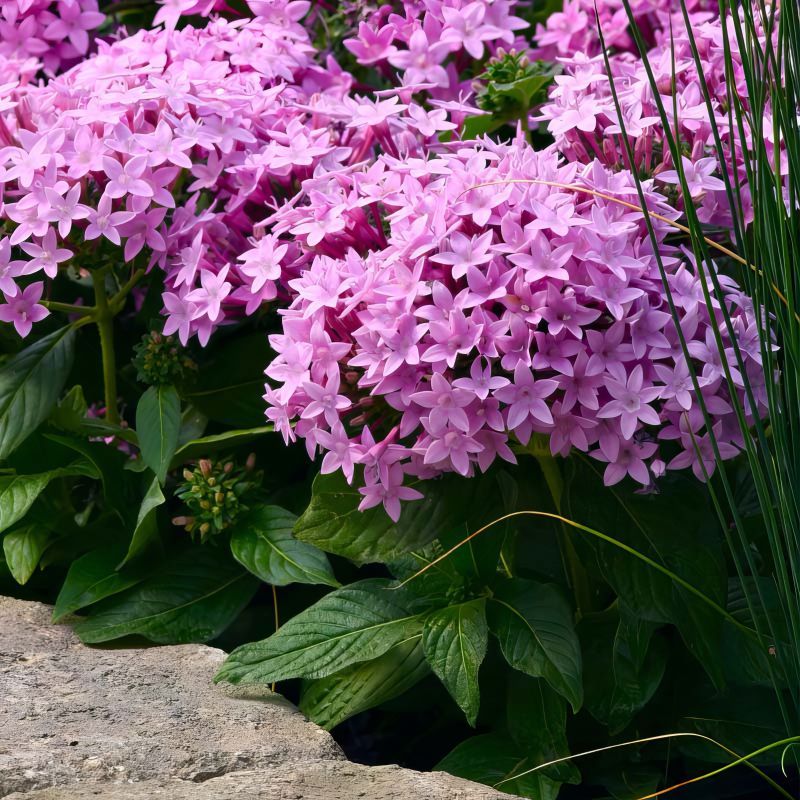
Placement matters more than most people realize when it comes to getting the best out of pentas. This plant is built for sunshine, and giving it the right amount of direct light is probably the single most important factor in how well it performs.
Florida gardeners who tuck pentas into a shady corner and wonder why it blooms poorly are usually missing this key point.
Pentas performs best with at least six hours of direct sun per day, and it genuinely thrives with more. In Florida’s full sun conditions, the plant produces dense, vibrant flower clusters and maintains a compact, tidy shape.
In shadier spots, it tends to stretch and lean toward available light, produces fewer blooms, and can become more vulnerable to fungal issues due to reduced air circulation and slower drying after Florida’s frequent afternoon rains.
South-facing and west-facing garden spots tend to give pentas the intense sun exposure it loves most. Beds along driveways, walkways, or the sunny sides of fences and walls are often ideal locations.
Container-grown pentas should be positioned on patios or balconies where they will receive unobstructed morning and afternoon sun for the best flowering results.
The connection between sun and bloom production in pentas is direct and consistent. More quality sun generally means more flowers, deeper color, and a healthier overall plant.
If your pentas ever seems to be underperforming, checking its light situation before changing anything else is usually the smartest first step toward getting it back on track.
7. A Quick Trim Can Keep The Flowers Coming
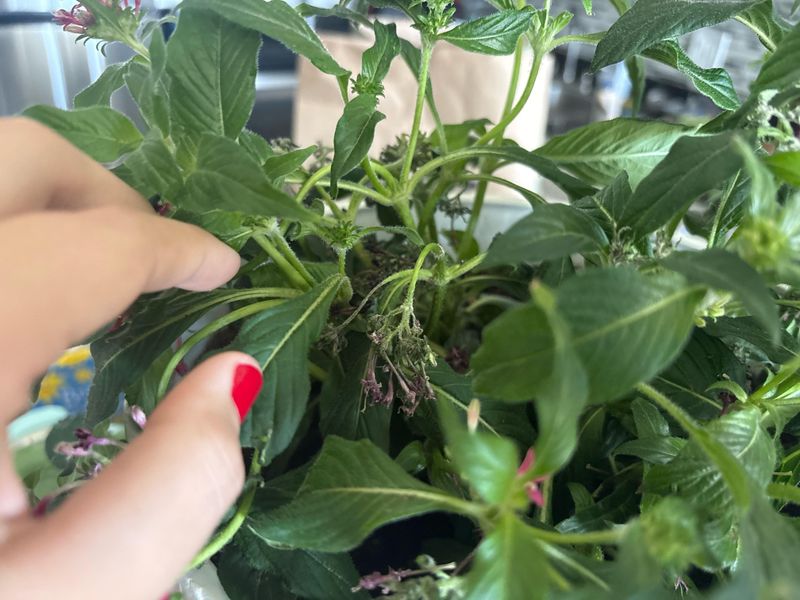
Pentas is not a high-maintenance plant, but giving it an occasional light trim pays off in a noticeable way. Over the course of a long Florida summer, the plant can start to look a little leggy or stretched, especially if it has been blooming hard for several weeks.
A simple, quick pruning session can refresh the whole plant and encourage a fresh flush of new growth and flowers.
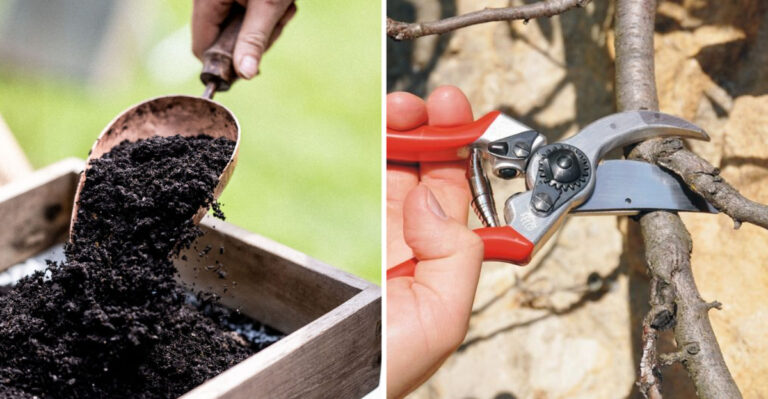
The technique is straightforward. Using clean, sharp pruners or even your fingers, pinch or cut back the stem tips by a few inches, removing spent flower clusters as you go.
You do not need to do a heavy cutback. Removing roughly the top third of growth is usually plenty to stimulate branching and new bud development.
This kind of light shaping keeps the plant compact and encourages more stems, which means more blooming surfaces.
Timing matters a little here. Trimming pentas in late summer, around August or early September in Florida, gives the plant time to push out new growth and produce another strong round of blooms before temperatures start to cool in the fall.
A second trim in early fall can extend the show even further into the season.
Deadheading, which means removing individual spent flower clusters, also helps keep the plant looking tidy and can slightly encourage continued blooming.
However, pentas is somewhat self-cleaning compared to many other annuals, so it does not demand constant deadheading the way some other popular flowering plants do.
A few minutes of attention every few weeks is genuinely all it takes to keep pentas looking sharp.
8. Why This Non-Native Still Makes Sense In Florida Yards
Gardening conversations in Florida increasingly center on native plants, and for good reason. Native species support local food webs, provide habitat for native wildlife, and generally require less water and fertilizer once established.
That is a genuinely important perspective, and it is one worth taking seriously when planning any Florida landscape.
At the same time, a garden does not have to be exclusively native to be ecologically responsible or practically successful. Pentas occupies a useful middle ground.
While it is not native to Florida, it is not considered invasive either. It does not spread aggressively into natural areas, and it provides real pollinator value by supporting butterflies and hummingbirds through the long summer months when nectar sources can be harder to find.
For homeowners who want color, pollinator activity, and manageable care through the hottest part of the year, pentas fills a role that can be genuinely difficult to fill with native options alone.
Pairing it with native plants like firebush, beautyberry, or blue porterweed creates a more complete and ecologically balanced landscape while still giving you the reliable summer color that pentas does so well.
The goal of any thoughtful Florida garden is to work with the climate, support local wildlife where possible, and create outdoor spaces that are both beautiful and functional.
Pentas, used as part of a diverse planting plan rather than as a monoculture replacement for native species, fits comfortably within that goal.
It earns its spot not by being native, but by being genuinely well-suited to the place and the purpose it serves.