Why Blazing Star Thrives In North Carolina Heat And Poor Soil
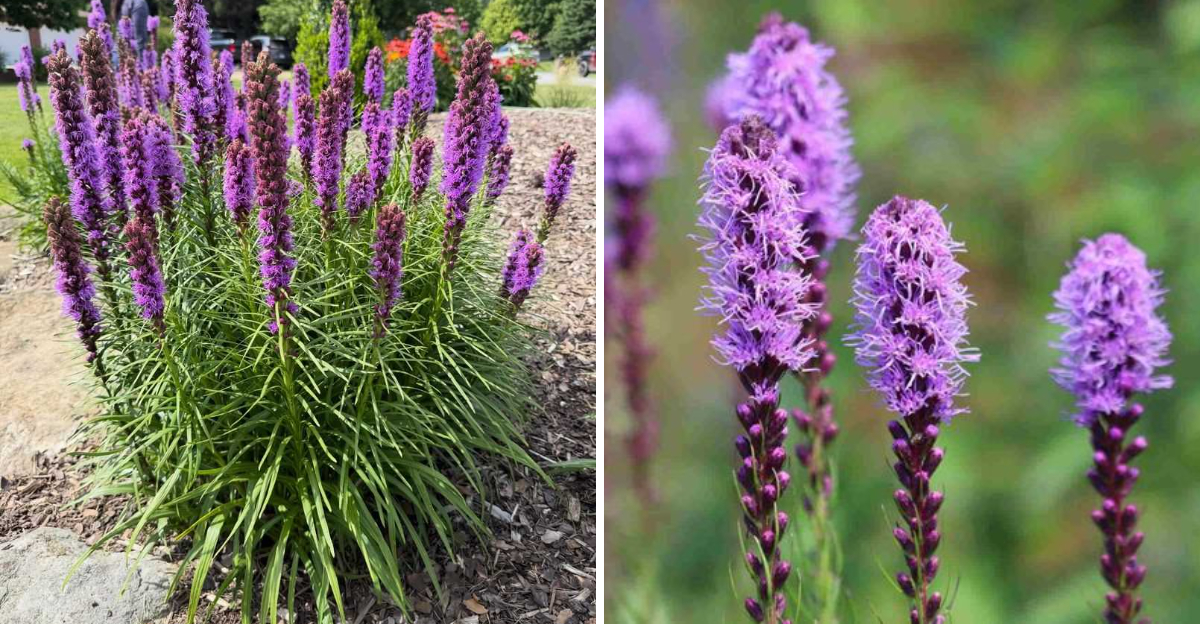
Blazing star looks like a plant that should be fussy, but in North Carolina it often proves to be one of the toughest flowers in the garden. While other plants struggle in strong sun, dry spells, and rough soil, blazing star keeps growing and sends up tall spikes packed with color.
That kind of staying power makes it stand out fast. Many gardeners are surprised by how well it handles conditions that cause other flowers to fade or fall behind.
Poor soil does not scare it, and summer heat usually does not slow it down much either. That makes it a smart pick for spots where other plants have a hard time getting established.
On top of that, it brings in butterflies and adds bold vertical interest to beds and borders. In North Carolina gardens, blazing star earns attention by thriving where many flowers simply do not.
1. A Native Wildflower Adapted To The Region
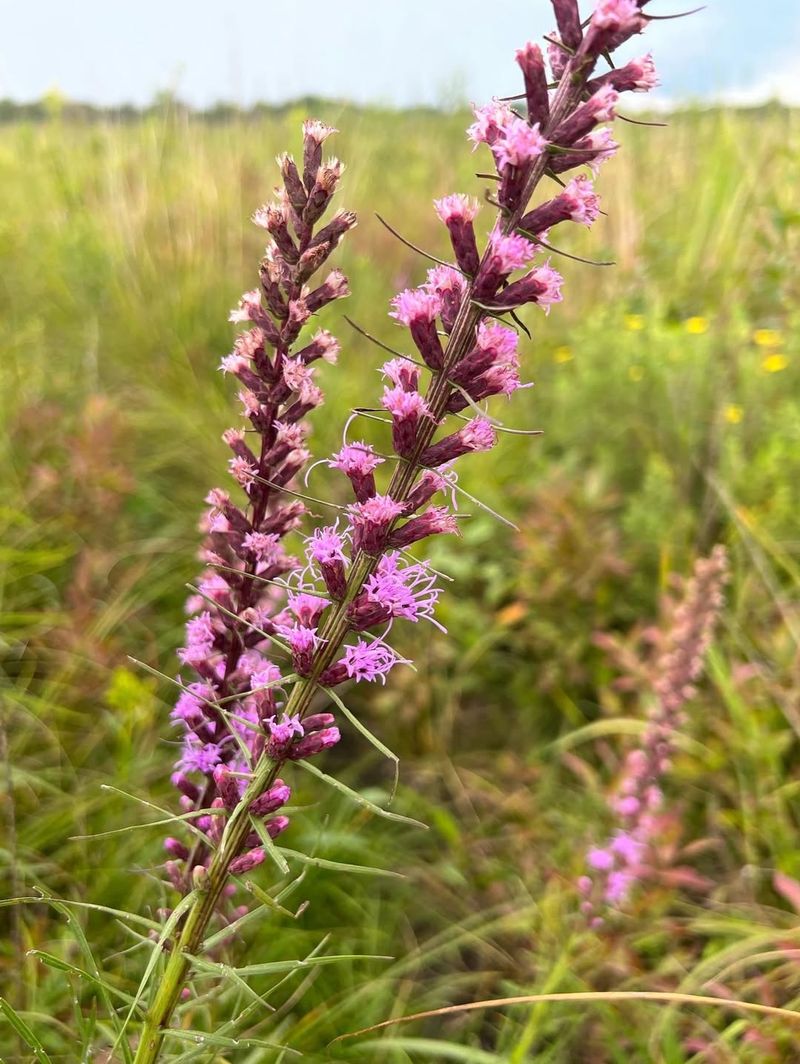
Some plants just belong to a place, and Blazing Star is one of them. Native to much of eastern North America, Liatris spicata has been growing across open meadows, roadsides, and woodland edges in regions like North Carolina for thousands of years.
That long history means the plant isn’t just surviving here. It’s genuinely at home. Native plants carry a built-in advantage that most garden plants simply don’t have.
Over countless growing seasons, they’ve adjusted to local rainfall patterns, summer temperatures, and the specific soil conditions found across North Carolina’s diverse landscape.
Blazing Star didn’t need humans to tweak its environment. It already knew what to expect.
Gardeners in North Carolina who choose native plants like Blazing Star often find that their gardens require far less effort over time. There’s no constant battle against the climate or the soil.
The plant works with nature rather than against it, which makes it incredibly reliable season after season. That natural compatibility is exactly why Blazing Star stands tall and blooms brilliantly even when the summer heat pushes other flowers to their limits.
Planting something that’s truly native to your region is one of the smartest gardening decisions you can make.
2. Thrives In Hot Summer Weather
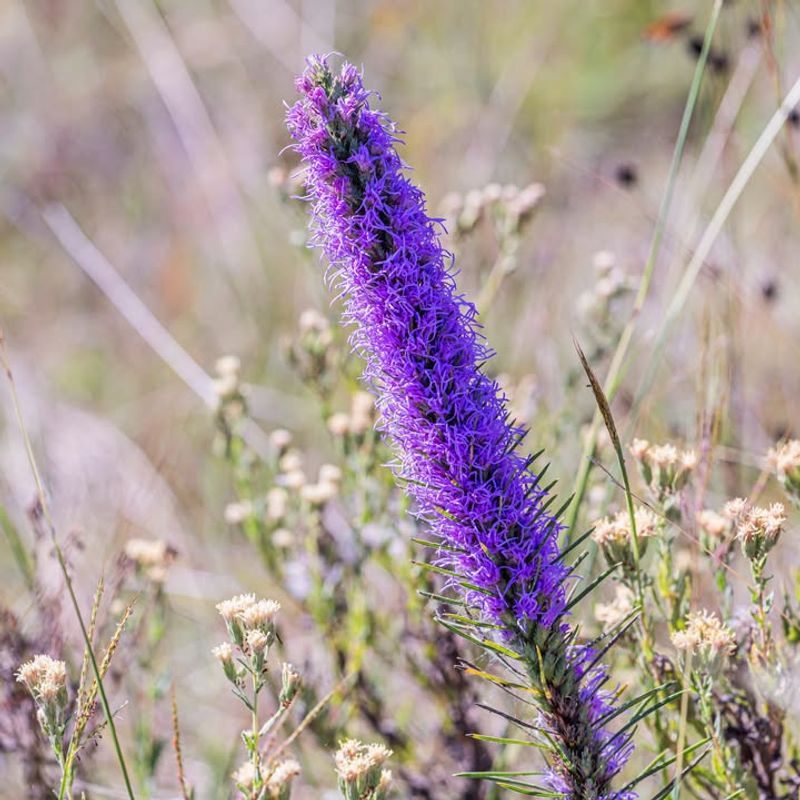
Walk through a North Carolina garden in July and you’ll notice something interesting. While some flowers wilt and fade under the intense summer heat, Blazing Star stands tall with its purple spikes pointing proudly toward the sky.
Most gardeners in the South know the struggle of keeping plants looking good when temperatures climb into the 90s, but Blazing Star genuinely thrives in those conditions.
The plant’s tolerance for heat comes from its long evolutionary relationship with warm, humid climates. North Carolina summers bring intense sun, high humidity, and stretches of hot days that would stress many ornamental plants.
Blazing Star handles all of that without skipping a beat. In fact, the warmth seems to push it into some of its most spectacular blooming periods.
One thing that surprises many new gardeners is how Blazing Star blooms from the top of the spike downward, which is unusual among flowering plants and makes it stand out even more in a summer garden.
Your North Carolina Garden Changes Every Week. Your Plan Should Too.
Gardening in North Carolina changes quickly throughout the season. Every Friday you’ll receive a simple weekly plan showing exactly what to plant, prune, fertilize, harvest, and protect so you never miss the right timing.
The blooms attract butterflies and native bees right at the height of summer, turning your yard into a lively, buzzing scene.
If you want a plant that performs when the heat is on, Blazing Star in a North Carolina garden is one of the most dependable choices you’ll find anywhere in the region.
3. Tolerates Poor Or Lean Soil
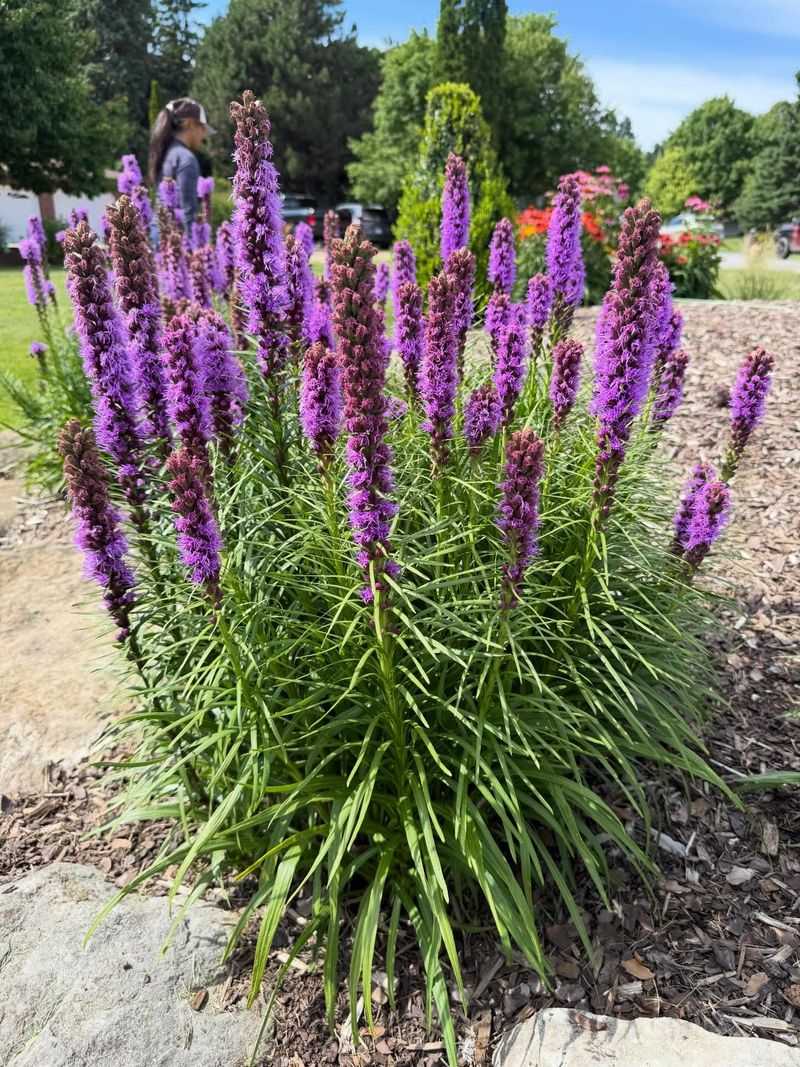
Not every yard in North Carolina comes with rich, fertile garden soil. Many properties have sandy, compacted, or nutrient-lean ground that frustrates gardeners trying to grow traditional flowers.
Blazing Star, however, actually prefers those kinds of conditions. Overly rich soil can cause more problems for this plant than poor soil ever would.
Blazing Star evolved in open prairies and meadows where the soil was naturally lean and low in organic matter. Over time, the plant developed the ability to pull enough nutrition from these humble soils to grow, bloom, and thrive without any extra help.
That’s a pretty remarkable trait, especially for a plant that produces such dramatic, tall flower spikes.
Gardeners across North Carolina who have struggled with difficult soil conditions often discover Blazing Star almost by accident, planting it in a tough spot and watching it flourish where everything else failed.
Sandy coastal soils in the eastern part of the state, rocky patches in the Piedmont, or dry hillside gardens in the western foothills can all support healthy Blazing Star growth.
You don’t need to amend the soil heavily or add expensive fertilizers to get results. Just plant it, give it sunlight, and let the plant do what it was naturally built to do.
That kind of low-effort success is what makes this plant a true gem for North Carolina gardeners.
4. Deep Root System Helps It Handle Dry Periods
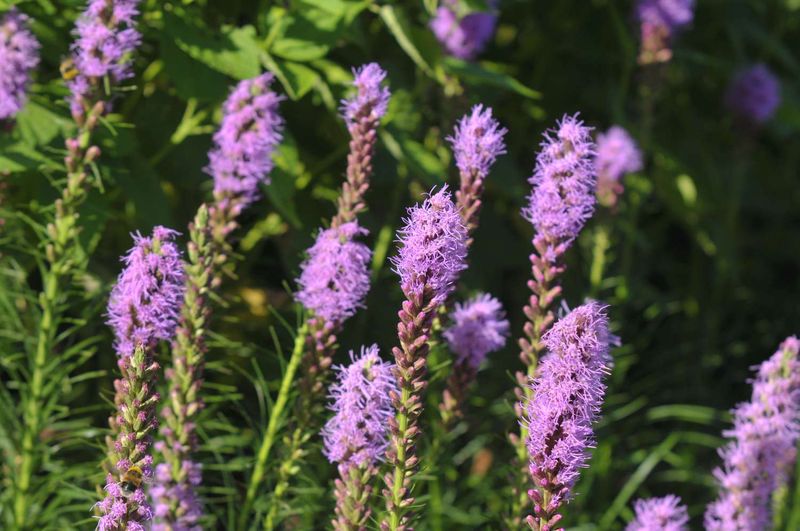
Here’s something most people don’t realize about Blazing Star. Beneath the soil, this plant is doing serious work.
Blazing Star grows from a rounded underground structure called a corm, and from that corm it sends roots deep into the earth to reach moisture that surface-level plants simply can’t access. That deep root system is one of the plant’s greatest survival tools.
North Carolina summers often bring dry stretches between rain events, and shallow-rooted plants can quickly show signs of drought stress. Blazing Star handles these dry periods with a kind of quiet confidence.
While neighboring plants may droop and look thirsty, Blazing Star keeps its stems upright and its color strong because it’s drawing from moisture stored much deeper in the soil profile.
The corm itself also stores energy and nutrients, acting almost like a battery that keeps the plant fueled through tough conditions. This underground reserve is part of why Blazing Star bounces back so reliably after hot, dry weeks in the North Carolina summer.
Gardeners who hate constantly watering their plants will appreciate just how self-sufficient Blazing Star becomes once it’s well established. You can skip a few waterings without guilt, knowing the plant has its own system working quietly underground.
That kind of resilience is rare in ornamental plants, and it makes Blazing Star a standout performer in gardens across the state.
5. Full Sun Encourages Strong Growth
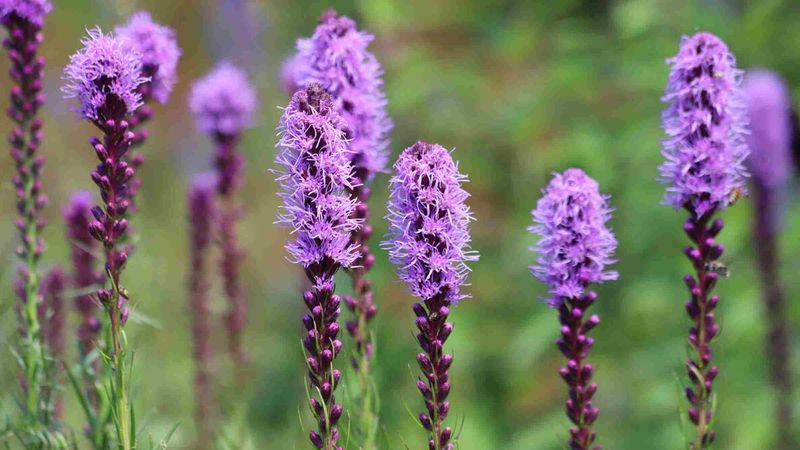
Sunshine is something North Carolina has plenty of, and Blazing Star is more than happy to take advantage of every ray.
Give this plant at least six hours of direct sunlight each day and it responds with strong, upright stems, vibrant purple flower spikes, and the kind of bold garden presence that stops people in their tracks.
Sun really is the secret ingredient for getting the best out of this plant.
In shadier spots, Blazing Star can become leggy and floppy, producing fewer flowers and weaker stems. But in a full-sun location, which describes most open yards and garden beds across North Carolina, the plant grows exactly as nature intended.
The stems stay firm and tall, sometimes reaching three to four feet in height, and the flower spikes pack in dense, richly colored blooms that last for weeks.
Full sun also helps keep the plant healthy by improving air circulation around the leaves and stems, which reduces the chance of fungal issues in humid North Carolina summers. Placing Blazing Star in the sunniest part of your garden isn’t just a preference.
It’s the best way to unlock the plant’s full potential. Whether you’re gardening near Charlotte, Raleigh, or anywhere in between, a sunny garden bed is where Blazing Star will put on its most impressive show all season long.
6. Minimal Fertilizer Is Needed
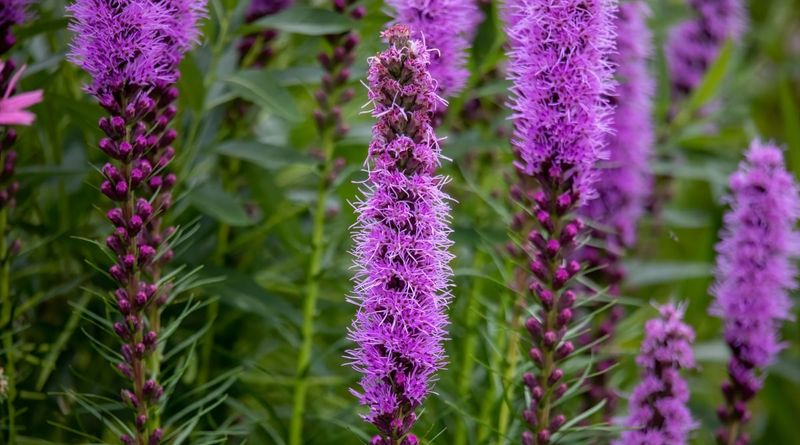
Fertilizing plants can feel like a never-ending chore, but Blazing Star makes that job easy by not needing much of it at all. In fact, too much fertilizer can actually work against this plant.
When the soil becomes overly rich in nitrogen, Blazing Star puts its energy into producing leafy growth rather than the tall, showy flower spikes that make it so popular with North Carolina gardeners.
The plant evolved in lean, open habitats where nutrients were naturally limited. Because of that background, it’s perfectly calibrated to perform well without the extra boost that many garden plants depend on.
Adding heavy amounts of fertilizer throws off that natural balance and can leave you with a green, bushy plant that produces disappointing blooms.
A light application of balanced, slow-release fertilizer in early spring is all most Blazing Star plants ever need, and even that is optional in reasonably decent soil.
For North Carolina gardeners who want a low-maintenance yard without sacrificing beauty, this is genuinely exciting news.
You get a stunning, pollinator-friendly perennial that blooms reliably every summer without requiring a complicated feeding schedule. Less effort, more reward.
That combination is exactly what busy homeowners and casual gardeners across North Carolina are looking for, and Blazing Star delivers it with impressive consistency year after year in gardens of all sizes.
7. The Plant Handles Humidity Well
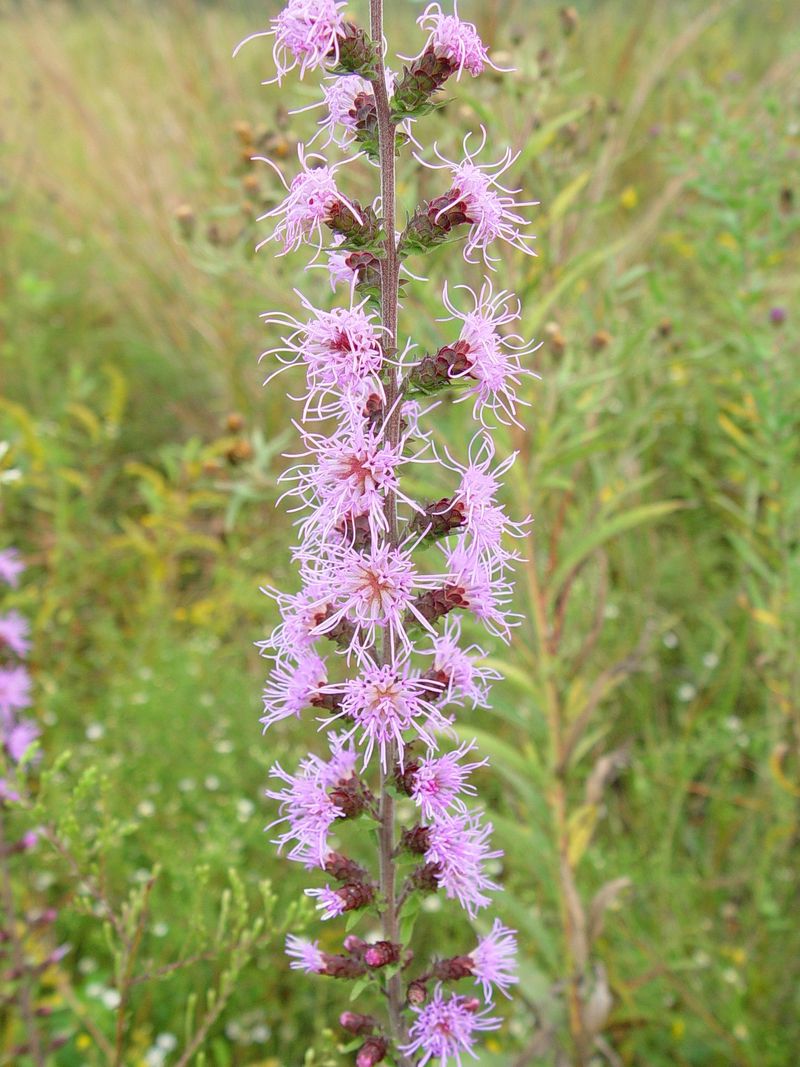
Humidity is just a fact of life across much of North Carolina, especially from June through August when the air feels thick and heavy. Many ornamental plants struggle in those sticky conditions, developing fungal problems or simply losing their vigor.
Blazing Star takes a different approach and handles the humidity with remarkable ease.
Part of why Blazing Star copes so well with humid conditions comes down to its upright growth habit. The tall, narrow stems and spike-shaped flowers allow air to move around the plant more freely than it would around bushy, dense varieties.
Better airflow means less moisture sitting on leaves and stems for long periods, which naturally reduces the risk of fungal disease even during the most muggy North Carolina summers.
Southern gardeners have long appreciated plants that don’t fall apart when the humidity climbs, and Blazing Star has earned a loyal following because of exactly that quality.
It keeps blooming through the worst of the summer weather, offering reliable color and structure when other plants are looking tired.
Butterflies and native bees seem unbothered by the heat and humidity too, and they flock to Blazing Star in large numbers throughout the blooming season.
For any North Carolina gardener building a summer garden that looks great no matter what the weather throws at it, Blazing Star belongs right at the top of the planting list.
8. Hardy Roots Return Each Year
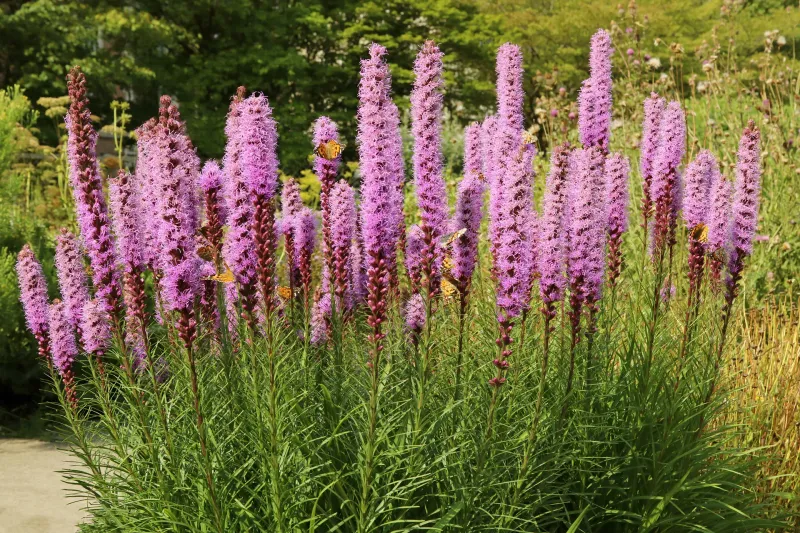
One of the best things about planting Blazing Star in a North Carolina garden is that you only have to do it once. The plant grows from hardy underground corms that stay safely tucked in the soil through winter and wake back up each spring with fresh new growth.
You plant it, enjoy it, and then look forward to it coming back again without lifting a finger.
Those corms are surprisingly tough. North Carolina winters are generally mild enough that Blazing Star corms face very little threat from cold temperatures, especially in the central and eastern parts of the state.
Even in the western mountains where winters are colder, established Blazing Star plants tend to return reliably once the soil warms up in spring. The corm acts as a protected energy reserve, holding everything the plant needs to launch a new growing season.
Watching new Blazing Star shoots push up through the soil each spring feels genuinely exciting, especially knowing that tall purple flower spikes are just a few months away.
Over time, established clumps of Blazing Star can even multiply and spread slightly, giving you more blooms and more coverage without any extra work.
For North Carolina gardeners who want a beautiful, dependable perennial that earns its place in the garden year after year, Blazing Star is one of the most rewarding plants you can choose to grow.