9 Smart Raised Bed Ideas That Instantly Upgrade Ohio Yards
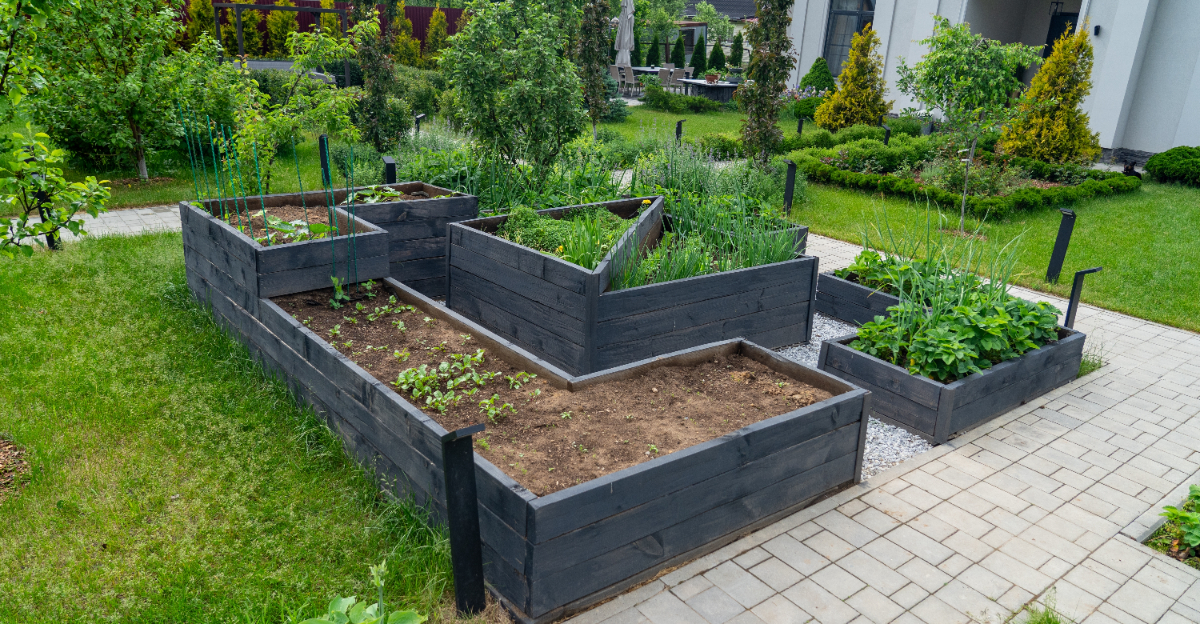
Raised beds have a way of changing an Ohio yard almost overnight, like someone quietly redrew the whole space with cleaner lines and a clearer purpose.
What used to feel scattered suddenly starts to feel structured, almost intentional, as if the garden finally found its rhythm.
Ohio weather does not always make gardening easy. Heavy spring rains, sticky summer humidity, and sudden dry spells can throw plans off balance fast.
Raised beds step in like a steady foundation, giving plants a more controlled space where soil drains better, roots settle deeper, and planting feels less like a gamble.
Once they are in place, the yard shifts. Empty corners start to matter.
Walkways feel framed. Even small plantings look more finished.
It is one of those changes that does not just improve how a garden works, it changes how the whole space is seen.
1. Use Tiered Beds To Add Depth And Visual Interest
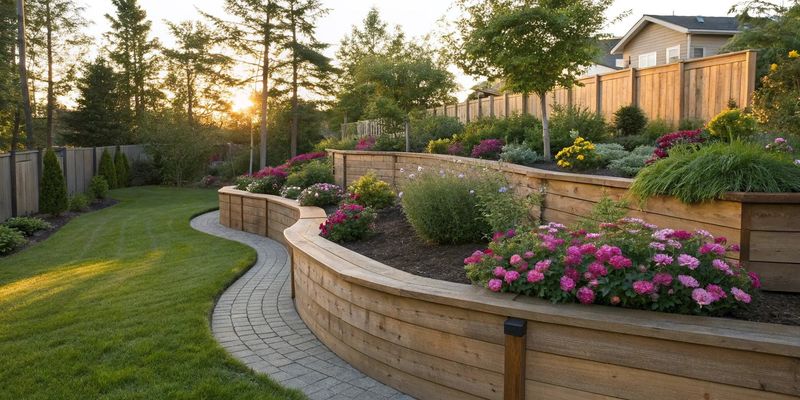
Sloped yards in Ohio are more common than most people realize, and tiered raised beds turn that challenge into a genuine design advantage.
Instead of fighting the grade of your land, you work with it, stepping the beds down the slope to create a natural, layered look that draws the eye across the entire yard.
Each level of a tiered bed serves a different purpose. The top tier might hold herbs or compact greens, the middle level could feature tomatoes or peppers, and the lowest section works well for sprawling plants like squash.
This kind of organization makes harvesting easier and keeps plants from competing for light.
Drainage is another major benefit that Ohio gardeners will appreciate. Spring in Ohio often means saturated ground and standing water.
A tiered setup allows water to flow downward naturally from one level to the next, reducing the risk of waterlogged roots during those wet March and April weeks.
For materials, cedar or galvanized steel holds up well through Ohio freeze-thaw cycles without warping or cracking. Build each tier at least 10 to 12 inches deep so roots have room to grow and soil insulation stays consistent through temperature swings.
Visually, the layered structure adds dimension and sophistication to any yard, making even a modest backyard feel thoughtfully designed and intentional.
2. Frame Beds With Stone For A More Permanent Look
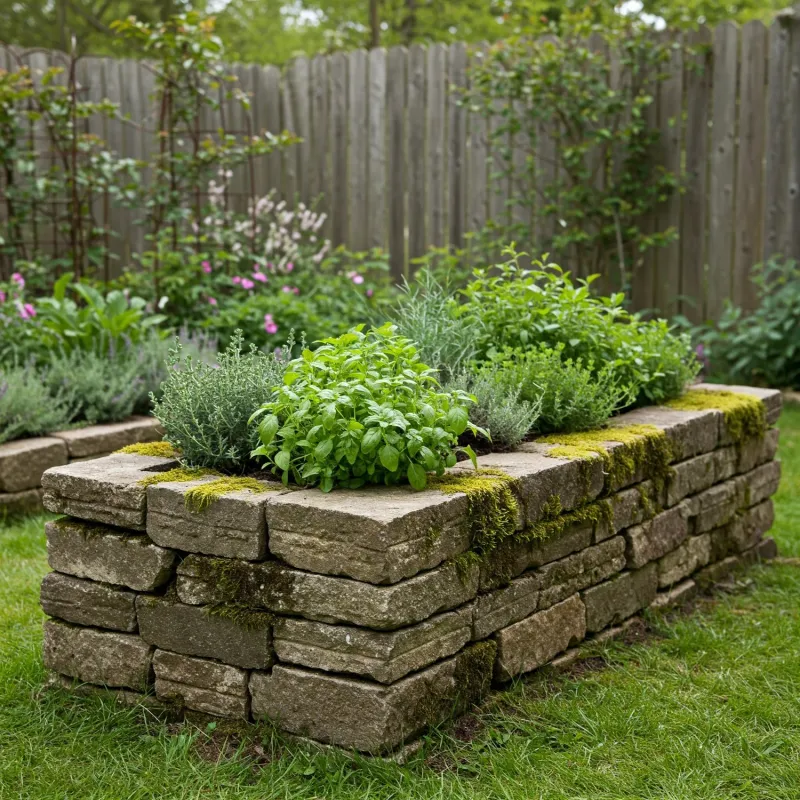
There is something timeless about a stone-framed raised bed sitting in a well-kept yard. Unlike wood, stone does not soften, warp, or need replacing after a few seasons.
For Ohio homeowners who want a garden structure that genuinely lasts, natural stone or concrete block is one of the smartest choices available.
Ohio winters are tough on outdoor materials. Freeze-thaw cycles that happen repeatedly from November through March can crack wood frames and shift lightweight borders.
Stone and concrete block handle these temperature swings with ease, staying solid and level even after multiple harsh winters. Properly laid stone beds can last for decades with almost no maintenance.
Concrete block is especially practical because it is affordable, widely available at Midwest hardware stores, and easy to stack without special tools or skills.
Your Ohio Garden Changes Every Week. Your Plan Should Too.
Gardening in Ohio changes quickly throughout the season. Every Friday you’ll receive a simple weekly plan showing exactly what to plant, prune, fertilize, harvest, and protect so you never miss the right timing.
The hollow centers of standard blocks can even be used to plant small herbs or trailing flowers, squeezing extra growing space out of the frame itself.
Natural fieldstone gives a more organic, cottage-style look that blends beautifully with Ohio’s rural and suburban landscapes. Pairing stone beds with gravel pathways or mulched borders creates a cohesive design that feels both polished and grounded.
The added weight of stone also helps anchor beds in place during spring storms, keeping your garden looking neat and structured all season long.
3. Build Narrow Beds That Are Easier To Reach And Maintain
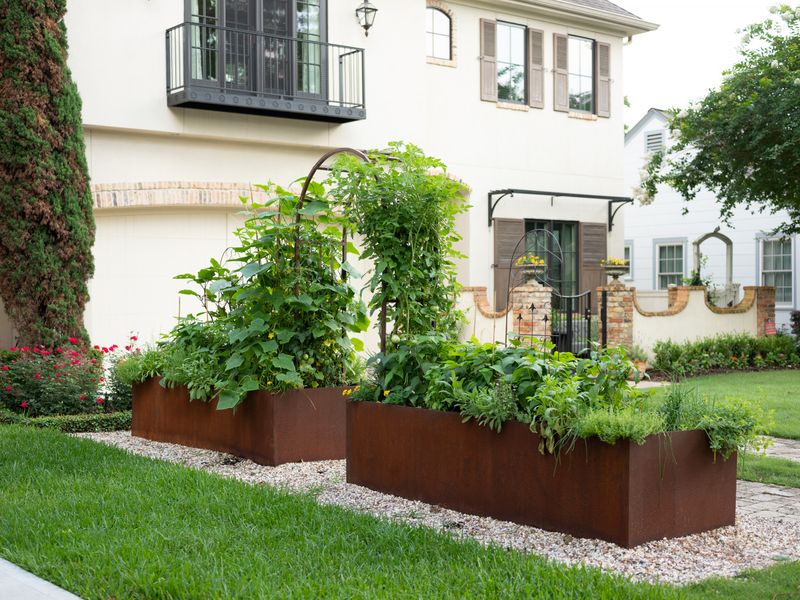
Width matters more than most first-time gardeners expect. A raised bed that is too wide forces you to stretch awkwardly over the edge just to reach the center, which leads to compacted soil from leaning and unnecessary strain on your back.
Keeping beds between three and four feet wide solves this problem completely.
At that width, you can comfortably reach the middle of the bed from either side without stepping in.
Soil stays loose and aerated because foot traffic stays out, which is a significant advantage over traditional in-ground rows where walking between plants packs the soil down over time.
Loose, uncompacted soil drains better and supports stronger root development.
Ohio gardeners dealing with clay-heavy soil will notice this benefit right away. Clay tends to compact quickly, and once it does, drainage suffers and plants struggle.
A narrow raised bed filled with quality amended soil sidesteps that issue entirely, giving plants the loose, breathable environment they need to thrive through Ohio’s variable spring and summer weather.
Narrow beds also make weeding much faster and more manageable. When every inch of the bed is within arm’s reach, you can spot and pull weeds early before they spread.
For gardeners with limited time or mobility, this simple design choice transforms maintenance from a chore into something quick and satisfying. Build them long rather than wide for maximum planting space without sacrificing accessibility.
4. Add Built In Seating To Make The Raised Bed More Inviting
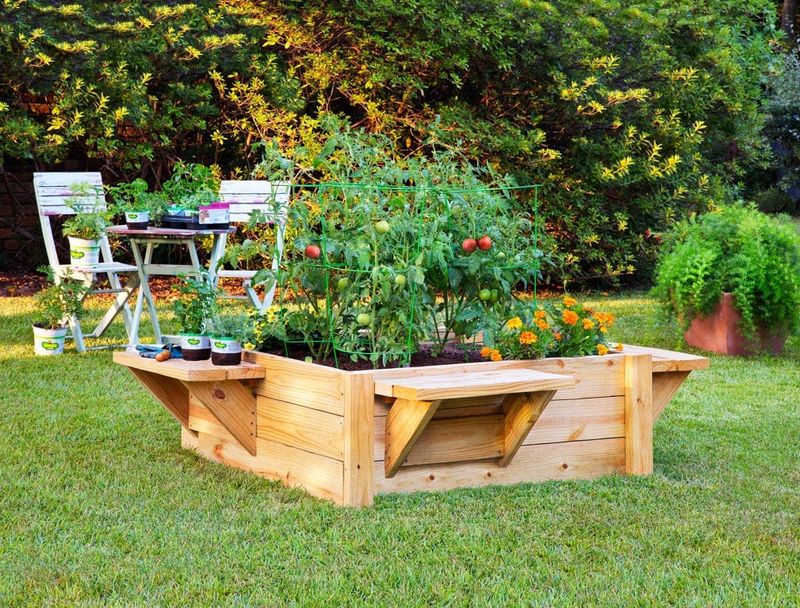
Some of the best afternoons in a backyard happen when there is actually somewhere comfortable to sit.
A raised bed with built-in bench seating changes how people interact with the garden entirely, turning it from a chore station into a place where you actually want to spend time.
The design is simpler than it sounds. Wide, flat caps added to the top edges of the bed frame create a natural bench surface.
Build the bed at around 24 to 30 inches tall and those capped edges become a comfortable seat at the right height for most adults. You can work, harvest, or just relax without bending over or kneeling on the ground.
For Ohio yards, cedar works particularly well for the seating surface because it resists moisture, stays splinter-free longer than softer woods, and holds up through humid summers and cold winters without cracking badly.
Sealing the wood annually extends its lifespan even further and keeps the surface looking clean and fresh.
Families with young children find this design especially practical. Kids are more likely to engage with gardening when they can sit at the bed’s edge and help plant or water without feeling unsteady.
The bench also doubles as a convenient ledge for setting down tools, seed packets, or a glass of water while you work. It is a small addition that makes the whole garden space feel more welcoming and lived-in.
5. Try Metal Raised Beds For A Clean Modern Upgrade
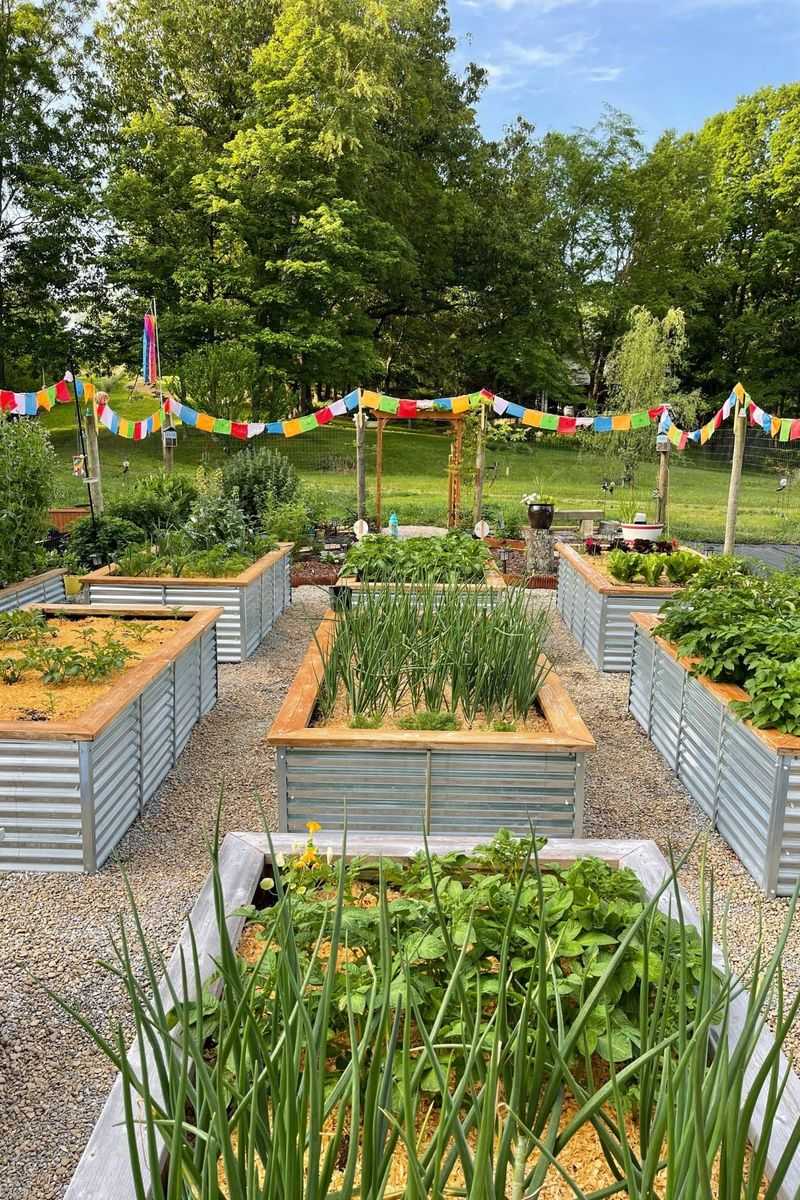
Galvanized steel raised beds have become one of the most popular upgrades in Ohio yards over the last several years, and it is easy to understand why.
The clean, industrial look pairs well with modern home styles, and the material itself is genuinely tough, resisting rust and rot far longer than untreated wood ever could.
One concern that comes up often is heat. Metal does absorb warmth faster than wood or stone, which can raise soil temperatures on very hot summer days.
The solution is straightforward: fill the bed at least 12 to 14 inches deep. That extra soil depth acts as a buffer, keeping root zones at a stable, comfortable temperature even when the outer walls get warm in afternoon sun.
In Ohio, where spring arrives inconsistently and late frosts are common, the warmth that metal beds absorb early in the season is actually a benefit.
Soil in galvanized beds warms up faster in March and April, letting you get transplants in the ground a week or two ahead of schedule compared to in-ground planting.
Galvanized steel is also resistant to the moisture exposure that Ohio’s wet springs deliver regularly. It will not warp, swell, or separate at the joints the way wood sometimes does after repeated soaking and drying cycles.
Most galvanized beds come in modular panels that are easy to assemble, rearrange, or expand as your garden grows over time.
6. Use Corner Raised Beds To Maximize Small Spaces
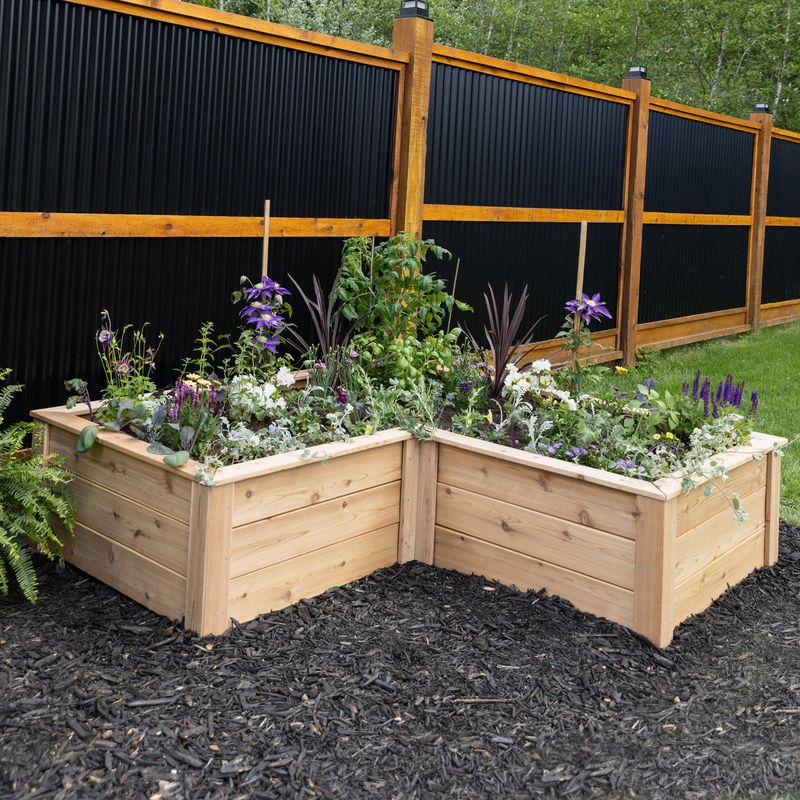
Corner and L-shaped raised beds are one of the cleverest solutions for Ohio yards that feel too small for a proper garden.
Rather than placing a bed in the middle of the yard where it eats up open space, a corner layout tucks the garden along a fence line or patio edge, freeing up the center of the yard entirely.
An L-shaped bed creates two connected planting zones that share a corner anchor point. This setup increases total planting surface significantly compared to a single rectangular bed of similar footprint.
You can grow different crops in each arm of the L, keeping taller plants like tomatoes on one side and lower-growing herbs or lettuce on the other so nothing gets shaded out.
Corner beds also define outdoor spaces in a way that feels intentional and designed. Placed along a fence or property border, they create a natural boundary between the garden zone and the rest of the yard.
Paired with simple gravel or stepping stone paths, the overall effect looks like a professionally landscaped space rather than a backyard experiment.
For patios or small side yards, corner beds built from galvanized steel or rot-resistant cedar fit neatly without crowding the available space. Keep individual arms of the L no wider than four feet so every part of the bed stays reachable.
This approach works especially well in urban and suburban Ohio neighborhoods where yard space is limited but the desire to grow food and flowers is just as strong.
7. Add Vertical Trellis Beds For Climbing Crops
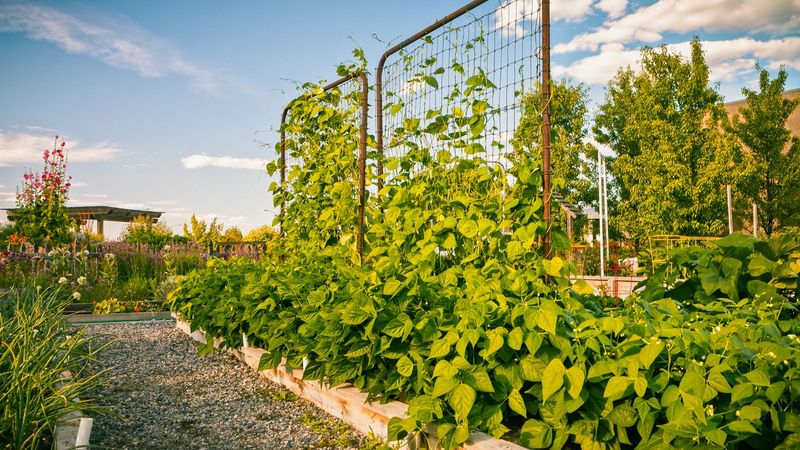
Growing vertically is one of the smartest moves a gardener with limited space can make, and a raised bed with a built-in trellis makes that possible without requiring a separate structure or extra hardware.
Cucumbers, pole beans, sugar snap peas, and even small-fruited squash varieties all climb readily when given a solid structure to grab onto.
Attaching a trellis directly to the back frame of the raised bed keeps everything contained and tidy. A simple grid of wood stakes or a welded wire panel works well and can be installed before the season starts.
Position the trellis on the north side of the bed so climbing plants do not shade out shorter crops growing in front of them.
Ohio summers are warm and humid enough that airflow around plants becomes genuinely important. Powdery mildew, a common problem for cucumbers and squash in the Midwest, spreads more easily when foliage stays damp and crowded.
Vertical growing keeps leaves separated and exposed to air movement, which noticeably reduces disease pressure over the course of the season.
Harvesting is also much easier when crops hang off a trellis rather than sprawling across the ground. Cucumbers and beans are easier to spot and pick when they are at eye level.
Beyond the practical benefits, a trellis bed in full summer growth looks genuinely impressive, adding height, texture, and a lush vertical element that transforms the look of any Ohio backyard garden.
8. Mix Flowers And Vegetables In The Same Raised Bed
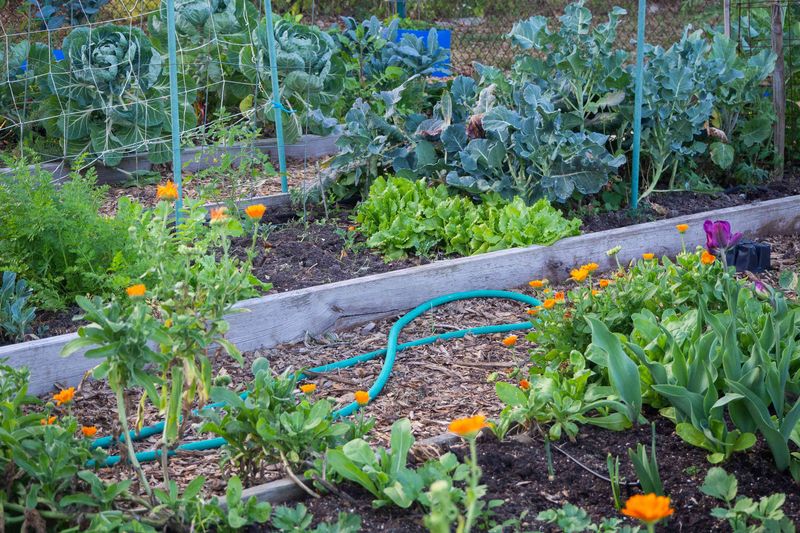
Somewhere along the way, a lot of gardeners decided that vegetables belong in one place and flowers belong in another. Mixing them together in the same raised bed is actually one of the most productive and visually rewarding things you can do with your outdoor space.
Marigolds planted alongside tomatoes and peppers are a classic combination that Ohio gardeners have relied on for generations.
The bright orange and yellow blooms attract pollinators like bees and butterflies, which improves fruit set on vegetable crops noticeably.
Marigolds also release a scent from their roots that discourages certain soil pests, making them genuinely useful rather than just decorative.
Zinnias, nasturtiums, and borage are other excellent choices that pull double duty in a mixed bed. Nasturtiums are edible, adding a peppery bite to salads, while borage flowers attract beneficial insects and can also be eaten.
Zinnias bring bold color that makes the bed look stunning from a distance and keep pollinators active through late summer when other blooms start to fade.
From a design standpoint, mixing flowers and vegetables creates a layered, cottage-garden aesthetic that feels far more interesting than rows of vegetables alone. Tall flowering plants can frame the back of the bed while lower-growing edibles fill the front.
The result is a raised bed that is as beautiful to look at as it is productive, giving your Ohio yard both function and genuine curb appeal throughout the growing season.
9. Choose Rot Resistant Wood That Holds Up In Ohio Weather
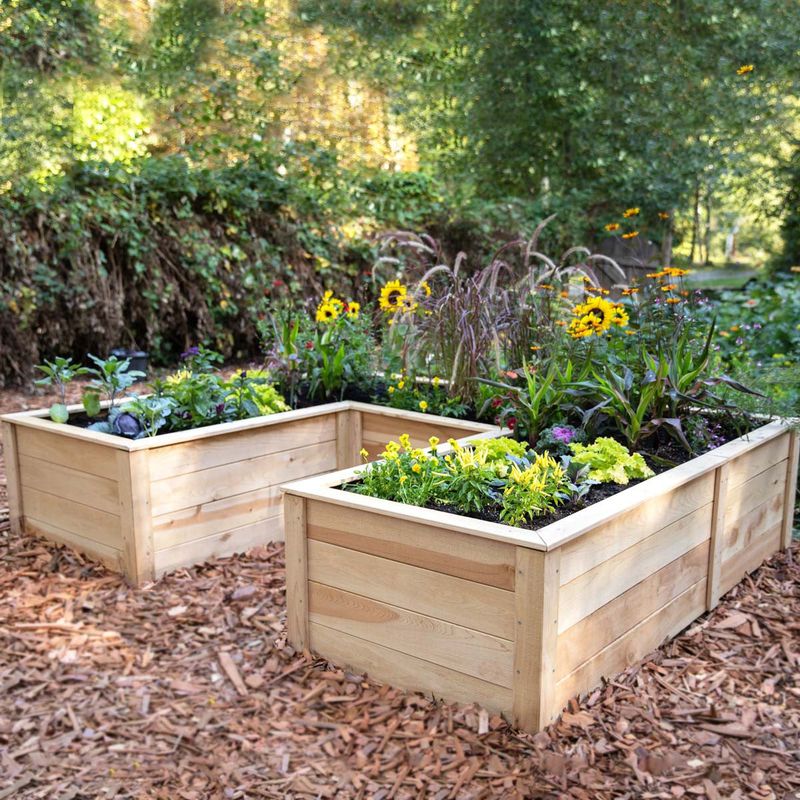
Wood is still the most popular material for raised beds across Ohio, and for good reason. It is affordable, easy to work with, and blends naturally into almost any yard style.
The catch is that not all wood handles Ohio’s weather the same way, and choosing the wrong type can mean rebuilding the whole bed within just a few years.
Cedar is consistently the top recommendation for Ohio gardeners who want wood that lasts. It contains natural oils that resist moisture absorption and fungal breakdown without any chemical treatment.
A well-built cedar bed can hold up for ten or more years even with regular watering and Ohio’s wet spring seasons. It also stays relatively stable through freeze-thaw cycles, resisting the cracking and warping that softer woods experience.
Pressure-treated lumber rated for ground contact is another option worth considering, particularly for larger or more permanent builds.
Modern pressure-treated wood uses copper-based preservatives that are considered safe for vegetable gardens when lined with a breathable landscape fabric barrier.
Always check the rating on the label before purchasing to confirm it is appropriate for ground contact use.
Avoid untreated pine or spruce for raised beds in Ohio. These woods absorb moisture quickly and begin breaking down within two to three seasons, especially in ground contact.
Spending a bit more upfront on quality cedar or rated treated lumber saves money and effort over the long run, keeping your raised bed looking solid and performing well for many growing seasons ahead.