These Are The 8 Native Pennsylvania Plants To Grow Instead Of Bradford Pear
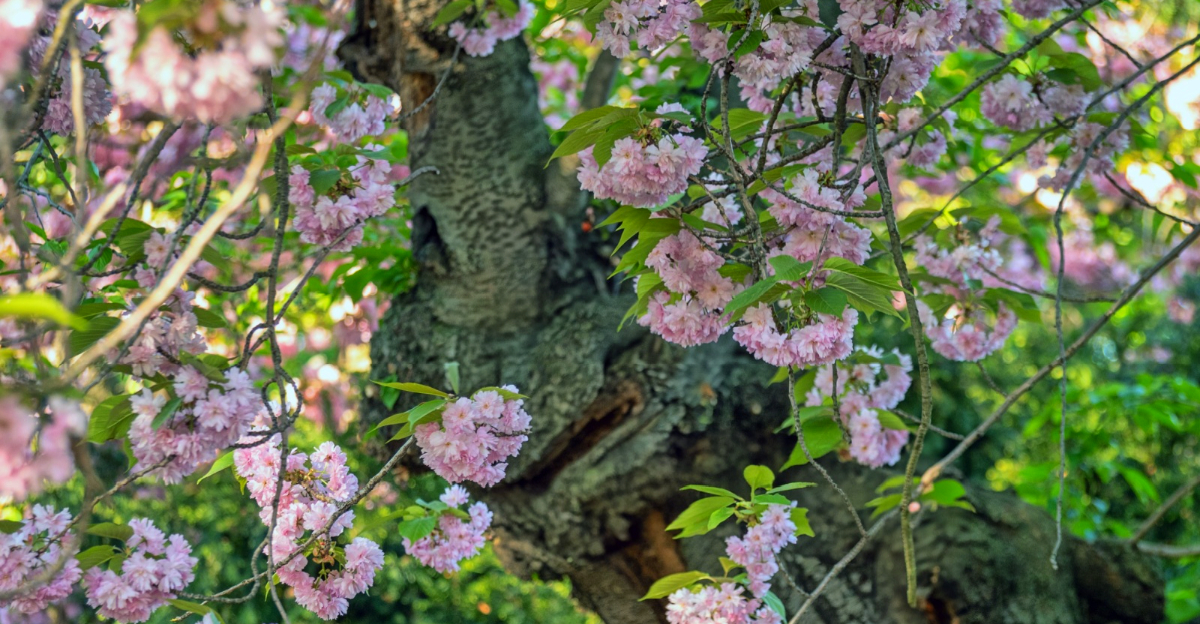
Bradford pear had quite a run in Pennsylvania. For years, it was the tree people planted when they wanted fast growth, a cloud of white spring flowers, and a yard that looked polished in a hurry.
On the surface, it seemed like an easy win. Then the cracks started showing, sometimes very literally.
Storm-split branches, a bloom scent that did not exactly win fans, and stray seedlings turning up well beyond the neighborhood all made that early excitement feel a lot less charming.
Thankfully, Pennsylvania has no shortage of better options.
Native trees and large shrubs can bring the same sense of seasonal beauty while offering a lot more long-term value to the landscape.
Some light up spring with blooms, some bring glowing fall color, and some quietly support birds and pollinators while looking great doing it.
Honestly, it is a much better trade. If replacing a Bradford pear has been sitting on your mental to-do list, this is a good place to start.
1. Allegheny Serviceberry Brings Early Native Beauty
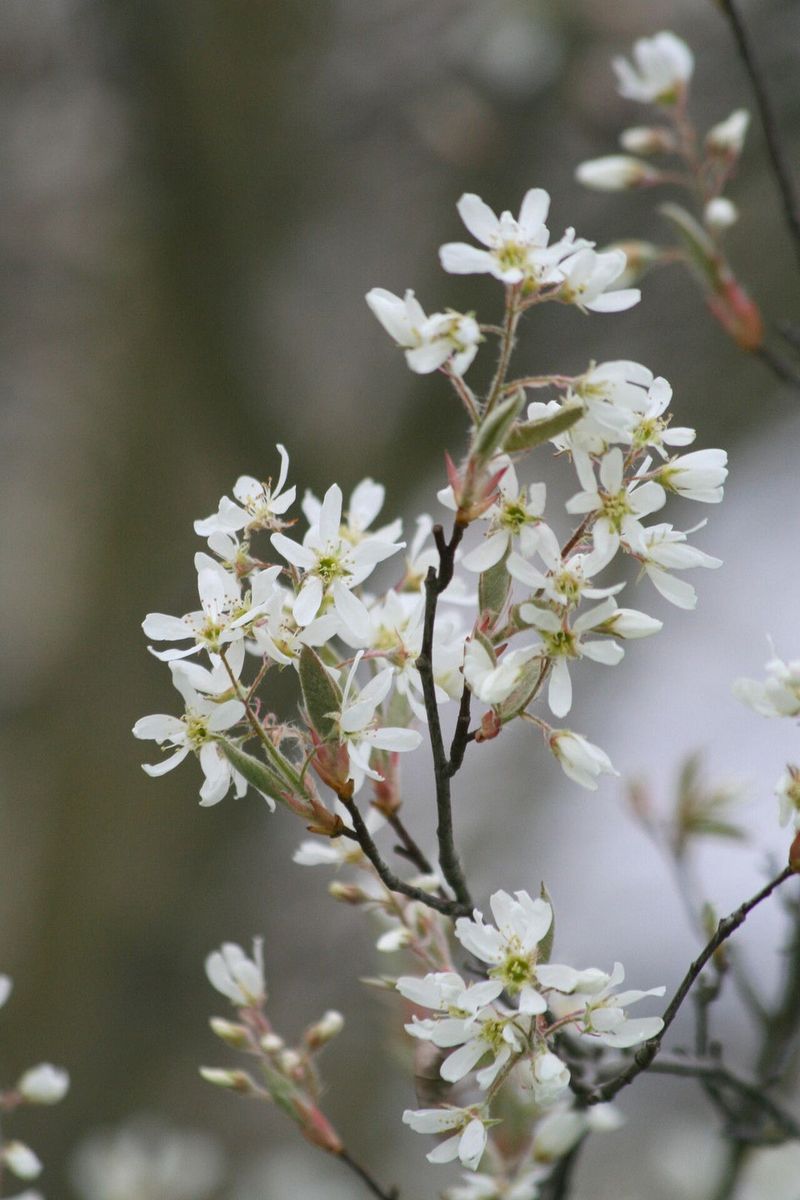
One of the first trees to bloom each spring in Pennsylvania, Allegheny serviceberry has a quiet magic that stops you in your tracks. Its small white flowers appear in late March or early April, often before most other trees have even started to bud.
For anyone who loved the early spring show of Bradford pear, this native tree offers something similar without the invasive spread or the storm damage risk.
Allegheny serviceberry, known botanically as Amelanchier laevis, typically grows between 15 and 25 feet tall, making it a reasonable fit for most Pennsylvania home landscapes.
It works well as a single specimen tree, planted near a patio or along a property edge where the spring bloom can be enjoyed up close.
The branching structure tends to be graceful and upright, giving it a refined look even when it is not in flower.
Beyond the spring flowers, this tree earns its place in a Pennsylvania yard through the rest of the growing season. Small reddish-purple berries ripen in early summer and attract birds quickly.
Fall color ranges from orange to deep red, adding another layer of seasonal interest. Allegheny serviceberry tends to prefer well-drained soil and does well in full sun to partial shade, which covers a wide range of typical Pennsylvania yard conditions.
2. Downy Serviceberry Adds Spring Color And Value
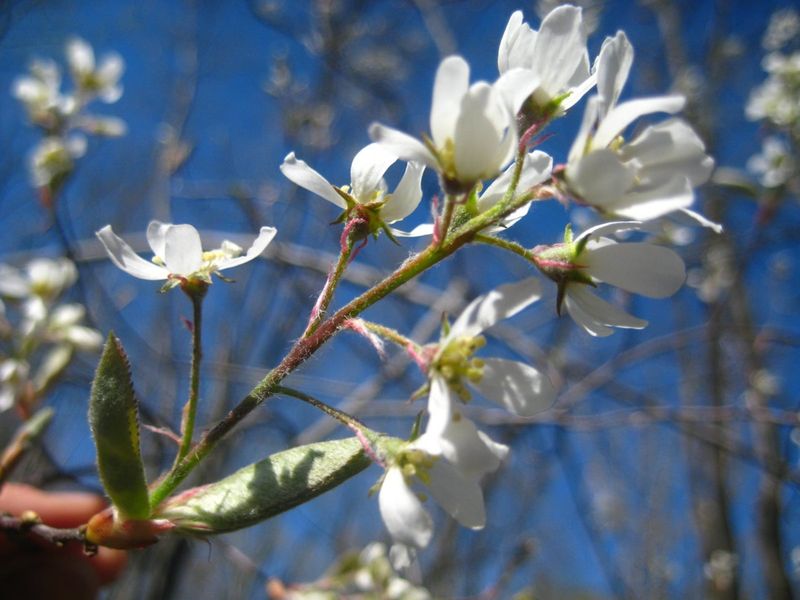
Walking past a downy serviceberry in early spring feels like catching the season by surprise. The soft white flowers open on slightly fuzzy branches before the leaves fully emerge, creating a delicate, almost cloud-like effect in the yard.
For Pennsylvania gardeners who want spring bloom without planting something that will eventually cause problems, downy serviceberry is a strong and reliable choice.
Amelanchier arborea, commonly called downy serviceberry, can grow as a multi-stemmed shrub or a small tree, usually reaching somewhere between 15 and 30 feet depending on growing conditions.
It tends to be adaptable across much of Pennsylvania, tolerating a range of soil types and moisture levels better than many other ornamental trees.
Your Pennsylvania Garden Changes Every Week. Your Plan Should Too.
Gardening in Pennsylvania changes quickly throughout the season. Every Friday you’ll receive a simple weekly plan showing exactly what to plant, prune, fertilize, harvest, and protect so you never miss the right timing.
This adaptability makes it a practical option whether a yard has heavy clay soil, dry slopes, or average garden conditions.
The wildlife value of downy serviceberry is genuinely impressive. Birds such as cedar waxwings, robins, and thrushes are drawn to the early summer berries, which ripen from red to dark purple.
Pollinators visit the spring flowers before many other native plants have opened. In fall, the foliage shifts to warm shades of orange, red, and yellow, keeping the yard interesting well past peak summer.
Downy serviceberry works well along woodland edges and in naturalistic Pennsylvania landscapes where layered planting is part of the design.
3. Eastern Redbud Brings Bold Pink Spring Color
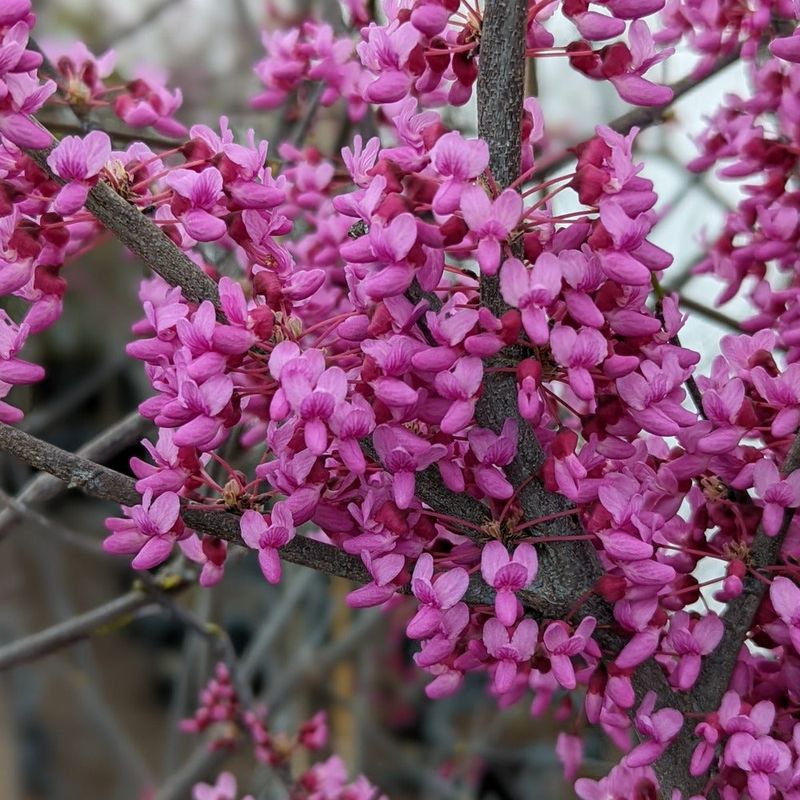
Few native trees make a bolder statement in a Pennsylvania spring yard than eastern redbud. The flowers are a vivid rosy-pink or magenta, and they bloom directly on the branches and trunk in a way that looks almost theatrical.
If the Bradford pear’s spring show was the main reason someone planted it, eastern redbud can fill that role with even more visual punch.
Cercis canadensis is native to much of Pennsylvania and grows into a small to medium tree, typically reaching 20 to 30 feet at maturity.
The branching pattern is naturally attractive, with a slightly irregular, layered canopy that provides good structure even without flowers.
It tends to perform best in full sun to partial shade and prefers well-drained soil, though it shows reasonable tolerance for average Pennsylvania garden conditions.
After the spring flower display fades, eastern redbud continues to contribute to the landscape. The heart-shaped leaves are attractive through summer and turn yellow in fall.
Flat seed pods hang on the branches into winter, giving the tree some visual texture during the colder months. Native bees and early-season pollinators use the flowers actively before many other plants are blooming.
Eastern redbud fits well in front yards, along driveways, and near patios where its spring color and graceful form can be appreciated at close range throughout the year.
4. Flowering Dogwood Adds Soft Blooms And Beauty
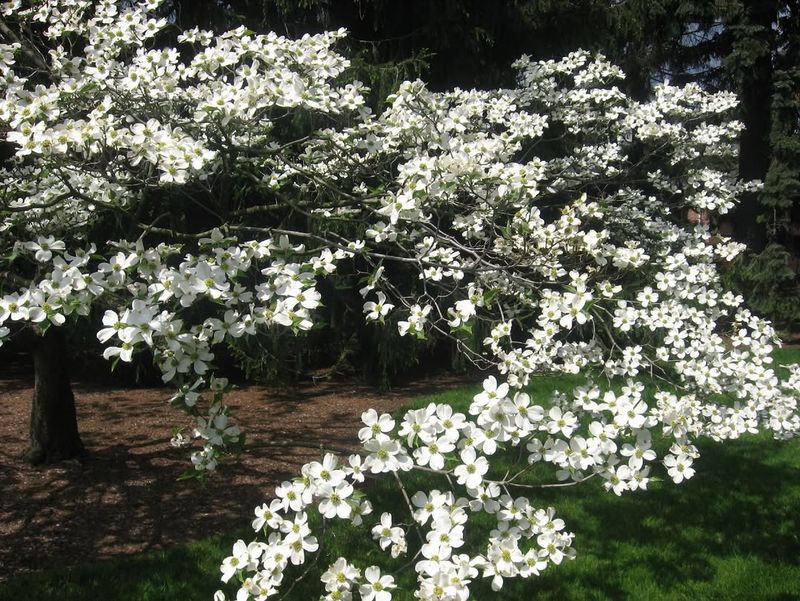
Flowering dogwood has long been one of the most beloved native trees in the eastern United States, and Pennsylvania yards are no exception.
The large white bracts that surround the small true flowers create a stunning display in mid to late spring, after serviceberries and redbuds have already had their moment.
The blooms are softer and more layered than Bradford pear flowers, and there is no unpleasant odor to deal with.
Cornus florida typically grows 15 to 30 feet tall with a broad, spreading canopy that offers light shade beneath it.
It tends to prefer partial shade and well-drained, slightly acidic soil, which makes it a natural fit for many Pennsylvania yards that border wooded areas or receive filtered light.
In full sun with adequate moisture, it can also perform well in more open settings.
The seasonal interest of flowering dogwood stretches well beyond spring. Glossy red berries ripen in fall and are quickly eaten by songbirds, including thrushes, vireos, and woodpeckers.
The fall foliage turns a rich red-purple that rivals many maples for intensity. Horizontal branching gives the tree a sculptural quality in winter that adds structure to the landscape even after the leaves have dropped.
Flowering dogwood is a strong choice for Pennsylvania homeowners who want a true four-season native tree with real ornamental presence.
5. Black Gum Brings Glossy Leaves And Fall Color
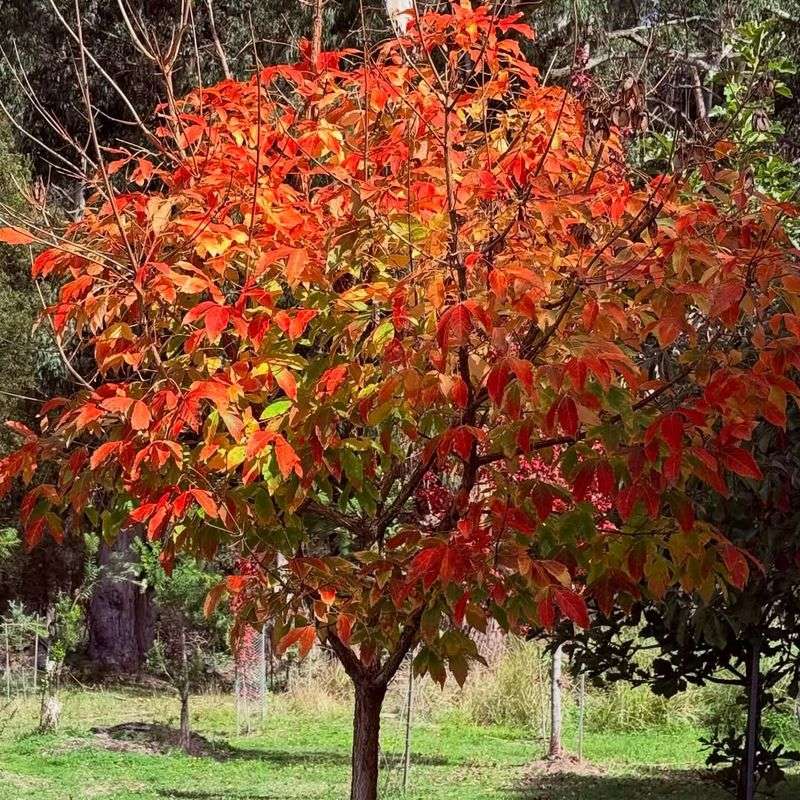
If fall color is what draws you to ornamental trees, black gum might become your favorite native Pennsylvania planting. The leaves turn a fiery mix of scarlet, orange, and burgundy in early autumn, often before most other trees in the yard have started to change.
It is one of the most reliable and vivid native trees for fall color in the region, and it earns its place in the landscape across every season.
Nyssa sylvatica, commonly called black gum or black tupelo, grows into a medium to large tree over time, eventually reaching 30 to 50 feet in many Pennsylvania landscapes.
It tends to prefer moist, slightly acidic soils and does well near rain gardens, low spots, or areas with consistent moisture.
That said, established trees can handle drier conditions reasonably well once their root systems are settled.
Spring brings small, inconspicuous greenish flowers that are highly attractive to native bees and other pollinators. Small blue-black fruits ripen in late summer and fall, drawing in birds and other wildlife.
The glossy dark green summer foliage is clean and attractive, giving the tree strong visual presence even without the fall show. Black gum has a naturally upright form with slightly horizontal branching that gives it a distinctive silhouette in winter.
For Pennsylvania homeowners replacing a Bradford pear in a larger yard, black gum is a genuinely rewarding long-term planting.
6. American Hornbeam Adds Quiet Beauty In Shade
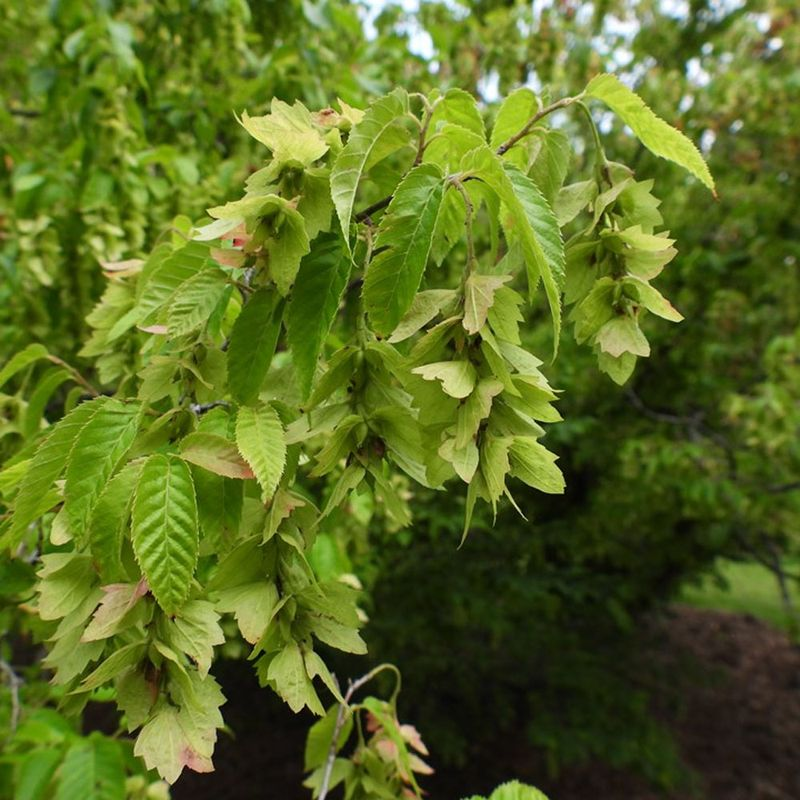
Not every yard is full of sun, and not every replacement for Bradford pear needs to be a flowering showstopper.
American hornbeam is a native Pennsylvania understory tree that earns its place through texture, structure, and steady seasonal interest rather than dramatic bloom.
It is the kind of tree that makes a yard feel more grounded and natural, especially in shaded or partially shaded spots.
Carpinus caroliniana grows slowly into a small tree or large shrub, usually reaching 20 to 35 feet over many years. The smooth, gray, muscle-like bark is one of its most distinctive features and gives the trunk a sculptural quality that stands out in winter.
It tends to thrive in moist, well-drained soils and performs best in partial to full shade, making it a strong option for Pennsylvania yards with tree canopy cover or north-facing slopes.
Catkins appear in spring, followed by attractive hop-like fruit clusters that add texture through summer and into fall. The foliage turns yellow to orange-red in autumn, providing soft seasonal color without overwhelming the landscape.
American hornbeam supports a range of native caterpillars and insects, which in turn support nesting birds.
For Pennsylvania homeowners dealing with a shaded planting site where Bradford pear would have struggled anyway, American hornbeam is a thoughtful and ecologically sound choice that rewards patience over the years.
7. Sweet Crabapple Brings Fragrant Blooms And Color
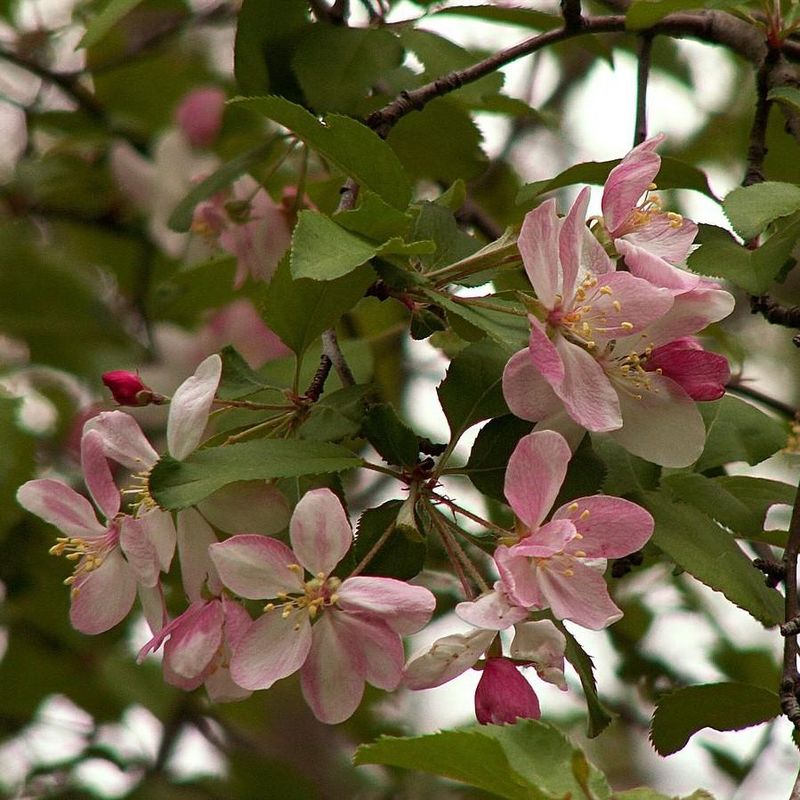
Fragrance is something Bradford pear is actually infamous for in the wrong direction, so planting sweet crabapple feels like a satisfying upgrade.
The pink to white flowers of Malus coronaria open in mid to late spring and carry a genuine, pleasant scent that drifts across the yard on warm days.
It is one of those spring moments in a Pennsylvania garden that people actually look forward to each year.
Sweet crabapple is native to Pennsylvania and grows into a small to medium tree, typically reaching 20 to 30 feet. It tends to develop a broad, somewhat open crown that lets light filter through nicely.
Full sun conditions bring the best flowering, and the tree generally adapts to average, well-drained Pennsylvania garden soils without a lot of fuss once it is established.
The small, hard fruits that follow the flowers are not particularly showy, but they are valuable food for wildlife, especially in late fall and winter when other sources become scarce.
White-tailed deer, wild turkeys, and numerous songbirds make use of the fruit.
The foliage can develop some orange and yellow tones in fall, adding a modest seasonal color contribution.
Sweet crabapple has a naturally appealing branching structure and tends to look at home in both casual naturalistic plantings and more traditional Pennsylvania residential landscapes.
It is a genuinely underused native tree that deserves far more attention from homeowners looking for ornamental alternatives.
8. Alternate-Leaf Dogwood Adds Layered Beauty And Grace
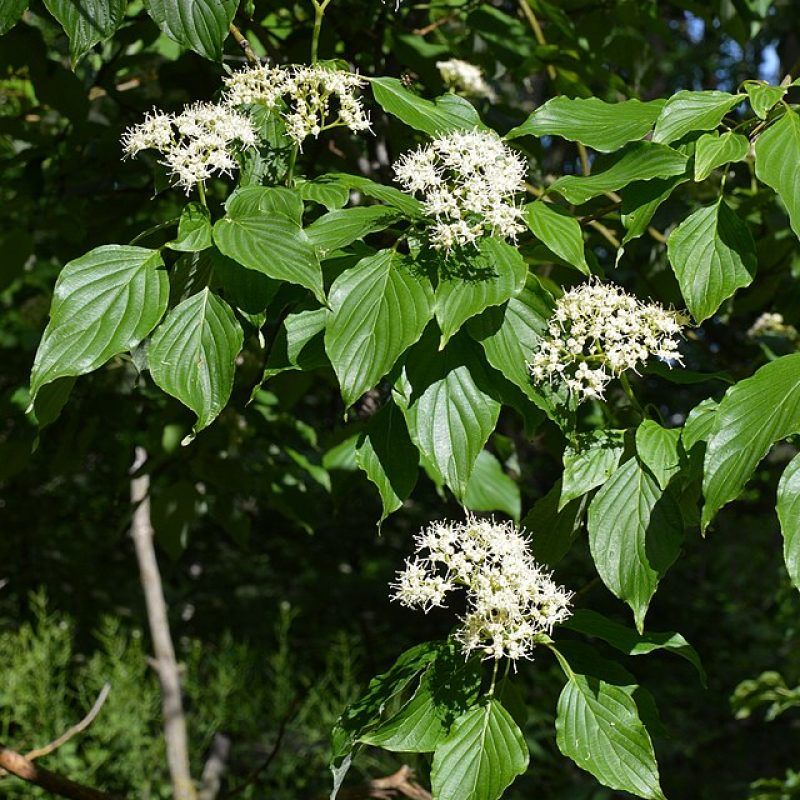
Layered branching is one of those landscape qualities that is hard to describe until you see it in a yard, and alternate-leaf dogwood has it in spades.
The branches grow in distinct horizontal tiers, creating a pagoda-like silhouette that gives the tree a refined, architectural quality even when it is not in bloom.
For Pennsylvania homeowners who want something ornamental but understated, this native dogwood is a genuinely elegant option.
Cornus alternifolia grows as a large shrub or small tree, usually reaching 15 to 25 feet, and it tends to prefer partial shade and moist, well-drained, slightly acidic soils.
It fits naturally along woodland edges, near rain gardens, or in the transition zone between a lawn and a wooded area.
Many Pennsylvania yards have exactly these kinds of spots where a traditional ornamental tree would feel out of place but a layered native shrub-tree would look perfectly at home.
Clusters of small white flowers appear in late spring, attracting native bees and other pollinators. Blue-black berries on red stems ripen in late summer and are quickly taken by birds.
Fall foliage shifts to red and purple tones that complement the surrounding landscape beautifully. The tiered branching structure remains attractive in winter, giving the tree year-round visual interest.
Alternate-leaf dogwood is a rewarding choice for Pennsylvania gardeners who want something that feels thoughtfully placed rather than simply planted.