Florida Plants That Look Lifeless In Summer But Extra Water Can Make Things Worse
It looks rough out there and every instinct tells you to grab the hose. That is exactly where most Florida homeowners go wrong every single summer.
A struggling plant in July heat is not always a thirsty plant, and treating it like one can push it right past the point of no return.
Florida has a whole crew of plants that go through a rough patch when temperatures climb, looking sad, droopy, and completely done for, but they are actually just riding it out.
Drown them with extra water and you are not helping, you are finishing the job the heat started. Root rot moves fast and by the time you notice something is really wrong, the damage is already done.
So how do you tell the difference between a plant begging for water and one that just needs you to back off and trust the process? That line is thinner than you think, and crossing it is a costly mistake.
1. Let Muhly Grass Rest Before You Reach For The Hose
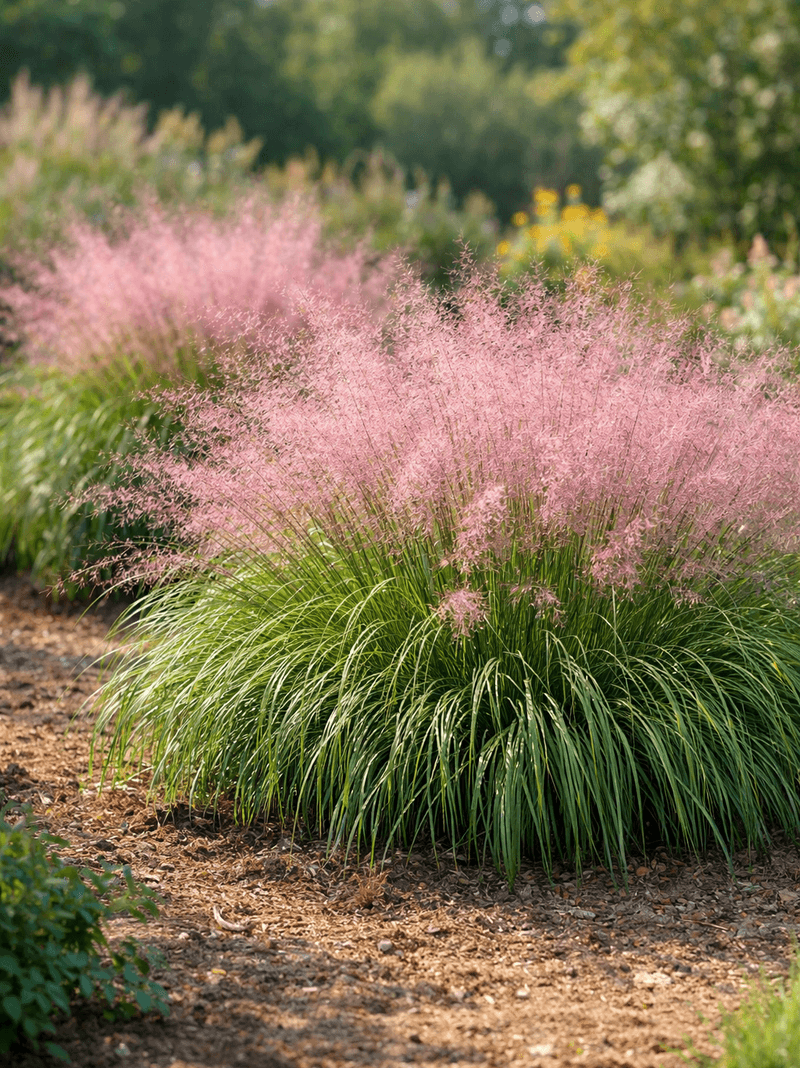
Wandering through a Florida neighborhood in late summer, you might spot a clump of muhly grass looking thin, pale, and a little sad compared to the lush green shrubs around it.
That tired look can feel alarming, but muhly grass is a Florida native ornamental grass that often goes through natural rest periods, especially after its showy fall bloom or during intense summer heat.
Reaching for the hose every time it looks rough is usually not the answer.
Muhly grass generally performs best in full sun with well-drained soil. It grows well across North, Central, and South Florida, but it really dislikes soggy roots.
If your yard has clay-heavy or compacted soil with poor drainage, extra watering during the wet season can cause more harm than good. Sandy soil in coastal or inland locations tends to suit it better.
New transplants do need regular water until they get established, so do not skip irrigation entirely during that first season. Once settled in, muhly grass becomes much more resilient.
Before watering an established clump, push your finger two or three inches into the soil near the base. If it still feels moist, hold off.
Give the plant space and good airflow, avoid trimming it back too aggressively during summer, and let Florida’s afternoon rains do most of the work. Your local UF/IFAS Extension office can confirm the best care timing for your county.
2. Give Coontie Time To Ride Out The Summer Slump
Slow, steady, and surprisingly tough, coontie is one of Florida’s most underappreciated native plants. It is the only cycad native to Florida, and it has been growing here long before anyone was planting landscape beds.
During hot summers, older fronds can turn yellow, droop, or look generally worn out, and homeowners sometimes panic and start watering heavily. That response can actually create bigger problems than the original tired look.
Coontie is drought tolerant once established, but it still needs good drainage. Soggy soil or planting too deeply can lead to root problems that are hard to fix.
Your Florida Garden Changes Every Week. Your Plan Should Too.
Gardening in Florida changes quickly throughout the season. Every Friday you’ll receive a simple weekly plan showing exactly what to plant, prune, fertilize, harvest, and protect so you never miss the right timing.
Across much of Florida, from North Florida down through South Florida, coontie can be a solid fit in the right spot. It handles shade and part shade well, making it useful under trees or along shaded walkways where other plants struggle.
In colder parts of North Florida, it generally handles winter freezes better than many other landscape plants.
When fronds look worn, check whether they are simply old and at the end of their natural life before removing anything. New growth often pushes up from the center after older fronds are removed.
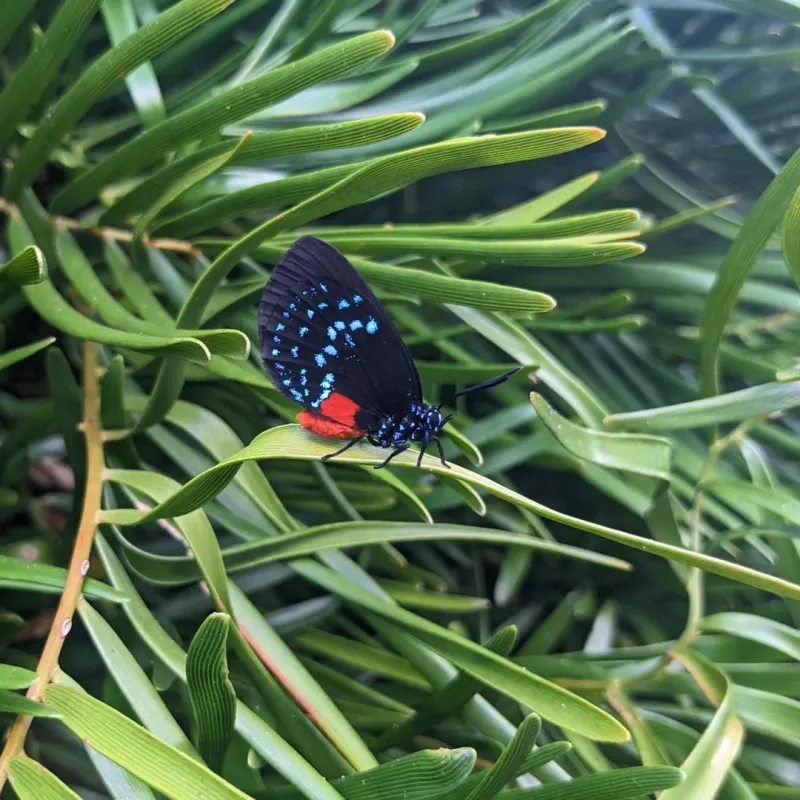
Coontie is also a host plant for the Atala butterfly, a striking species found in parts of South Florida, making it a genuinely valuable addition to wildlife-friendly yards.
Water new plants consistently during establishment, then check soil moisture carefully before adding more during the rainy season.
3. Stop Drowning Rosemary When It Looks Tired
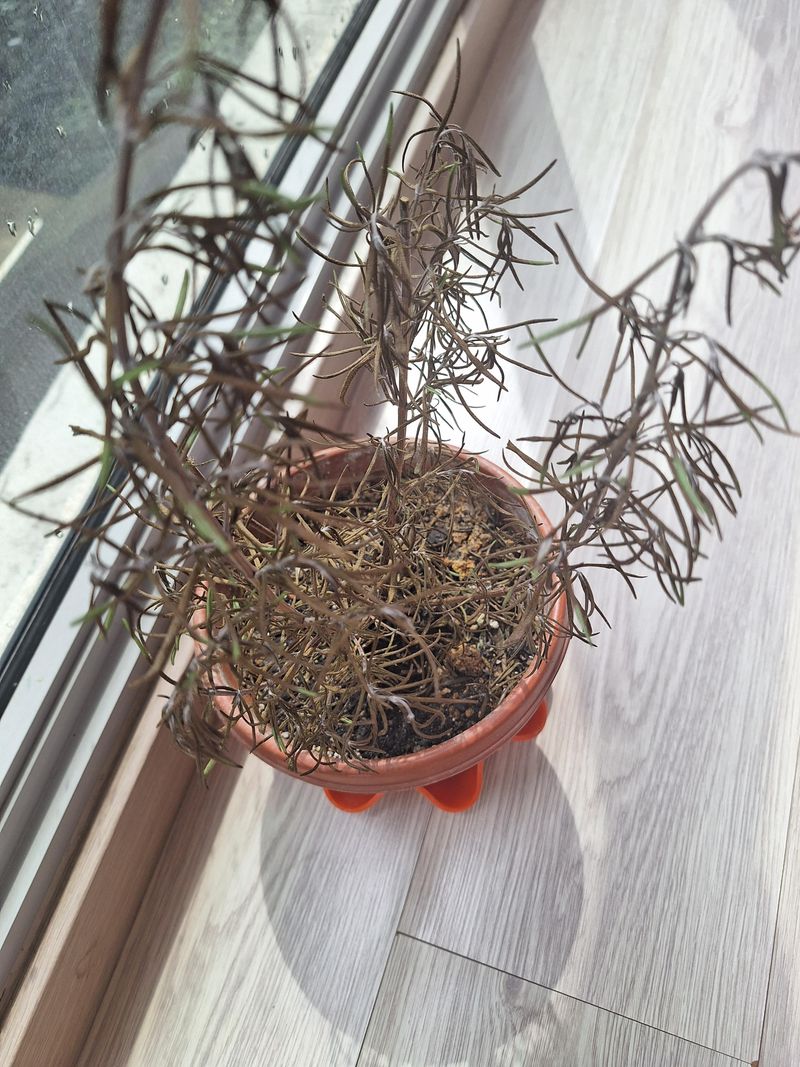
Rosemary has a reputation as a tough, low-maintenance herb, but Florida summers can expose its biggest weakness fast. Humidity, wet soil, and poor drainage are far more likely to stress a rosemary plant than a dry spell.
When it starts looking brown, leggy, or wilted in July or August, the temptation is to water more, but that move often speeds up the decline rather than reversing it.
Rosemary is not a Florida native plant, but it is widely grown here as both an herb and a landscape plant. It needs excellent drainage and full sun to perform well.
In locations with sandy, fast-draining soil, it can handle Florida summers reasonably well. In areas with heavier soil, frequent rain, or poor air circulation, it tends to struggle more.
Coastal yards with good drainage and steady breezes can sometimes be a decent match, but humid, low-lying inland yards are trickier.
Growing rosemary in raised beds, containers with drainage holes, or amended soil that drains quickly gives it a much better shot at surviving the wet season. Water only after checking that the top few inches of soil have dried out.
Avoid overhead watering, which can encourage fungal issues on the foliage. Trim lightly to improve airflow around the plant, but avoid heavy pruning during the hottest stretch of summer.
Rosemary is not a guaranteed easy plant everywhere in Florida, so matching it to the right spot matters more than watering habits alone.
4. Go Easy On Blanket Flower When Summer Looks Rough
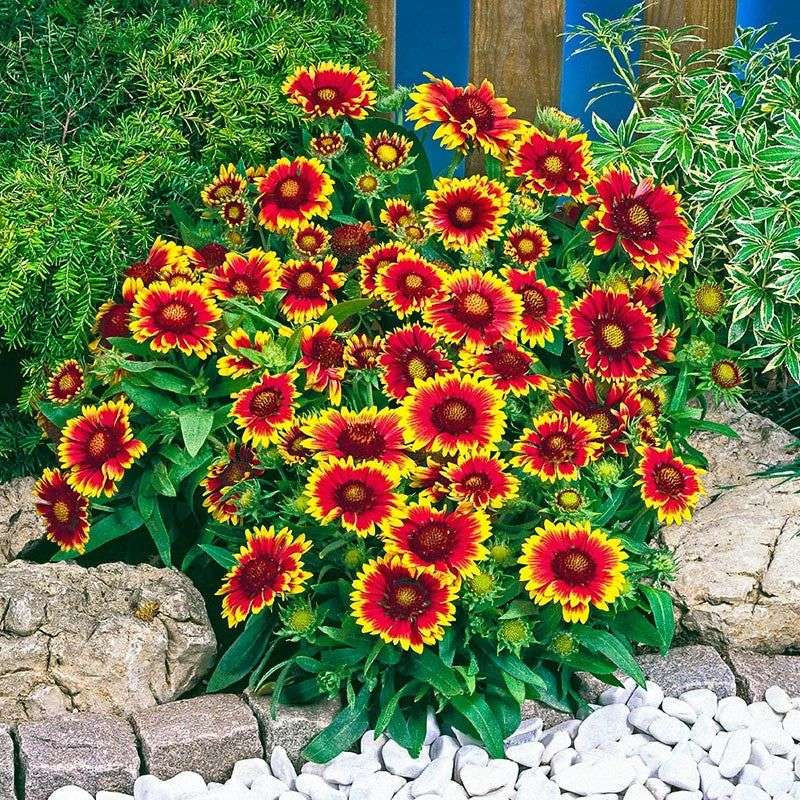
Blanket flower puts on a cheerful show with bold orange and red blooms, but by midsummer in Florida it can start looking pretty ragged. Faded flowers, limp stems, and sparse foliage make it look like the plant is giving up.
Before pulling out the hose for a long soak, consider that blanket flower, also called gaillardia, actually prefers dry, sandy, well-drained conditions and does not enjoy sitting in wet soil during Florida’s rainy season.
According to the Florida Wildflower Foundation, some gaillardia species are Florida natives and are well adapted to hot, sunny, sandy sites, including coastal areas and open fields. They tend to perform best where drainage is fast and soil is not overly rich.
Planting in heavy soil or areas that collect water after rain is a common reason these plants decline faster than expected. Extra watering during the wet season can push them over the edge.
A rough summer look is often seasonal rather than a sign of serious trouble. Deadheading spent blooms and trimming back tired stems can encourage fresh growth and improve airflow around the plant.
New transplants need consistent moisture during establishment, but once settled in, blanket flower does best with minimal supplemental irrigation during the rainy months.
Check soil moisture before adding water, and avoid watering during or right after heavy afternoon thunderstorms.
Your local UF/IFAS Extension office can help identify which gaillardia varieties perform best in your specific Florida region.
5. Do Not Flood Beach Sunflower Just Because It Wilts
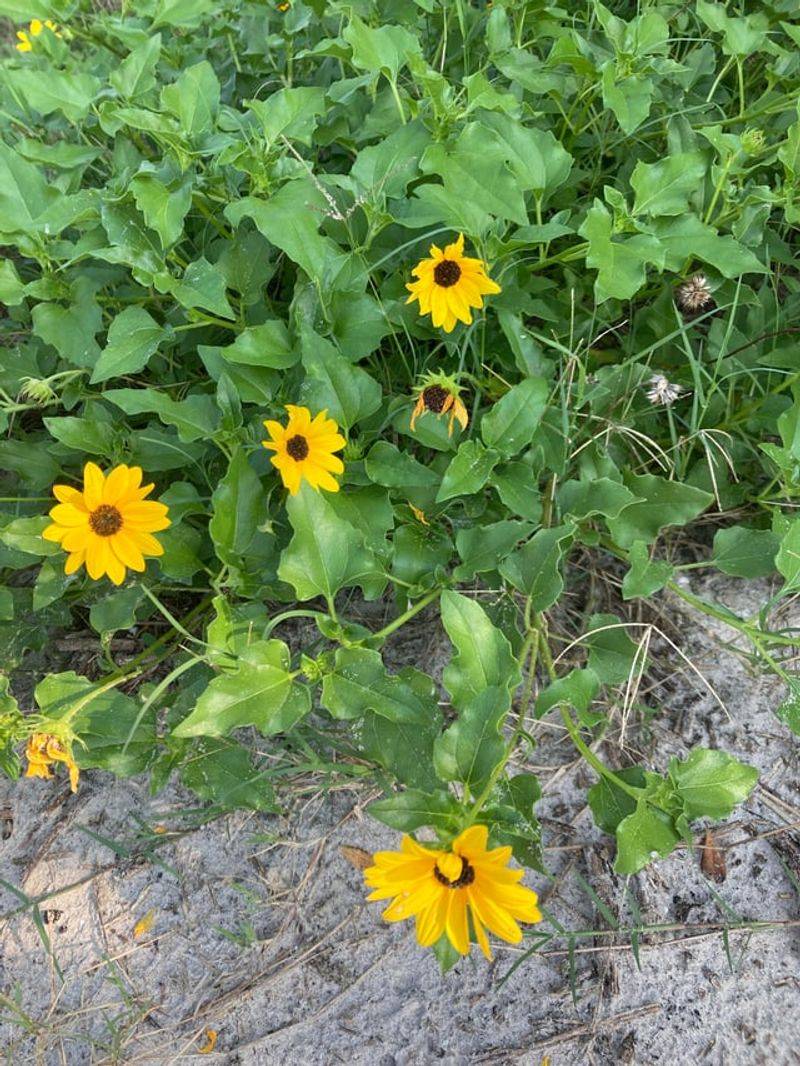
On a blazing Florida afternoon, beach sunflower can wilt dramatically, leaves flopping and stems looking almost defeated. It is a startling sight for a plant that usually looks so cheerful and carefree.
But that afternoon wilt is often a temporary response to intense heat, not a sign that the plant is desperately thirsty. If the soil already received rain that morning or is still moist a few inches down, adding more water can actually create root problems.
Beach sunflower is a Florida native groundcover that naturally grows along sunny, sandy, and often coastal sites. According to the Florida Wildflower Foundation, it is well adapted to hot, exposed conditions and generally prefers full sun and fast-draining soil.
It spreads quickly and works well as a low-maintenance groundcover in Central and South Florida landscapes. In colder parts of North Florida, it may be damaged by frost, so regional suitability matters when choosing planting locations.
Watering in the morning rather than the afternoon gives roots a chance to absorb moisture before the hottest part of the day. Always check soil moisture first, pushing a finger a few inches into the ground near the base of the plant.
If it feels damp, skip the watering and let the afternoon heat pass. Trimming back leggy or sprawling growth helps improve airflow and keeps the plant looking tidy.
Avoid creating soggy beds by improving drainage or planting in raised areas where water moves away from roots quickly after heavy summer rain.
6. Give Salvia Airflow Before You Give It More Water
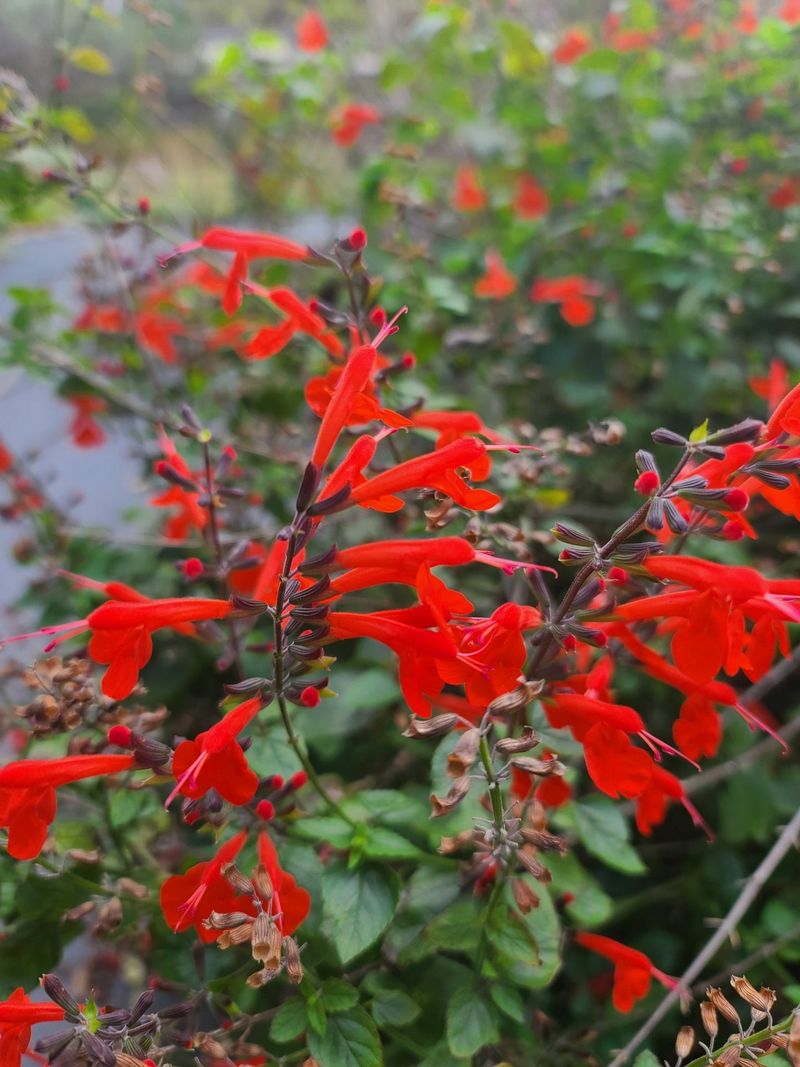
Salvia is a popular choice for Florida gardeners because of its bright flowers and general heat tolerance, but humid summers can catch it off guard.
When a salvia plant starts looking stressed, with yellowing leaves, blackened stems near the base, or floppy growth, the problem is often humidity and poor airflow rather than dry soil.
Watering more in that situation can make things significantly worse by keeping the root zone too wet for too long.
Florida has many salvia varieties, and they do not all behave the same way. Some are native or Florida-friendly, while others are better suited to drier climates and struggle in South Florida’s wet summers.
UF/IFAS recommends choosing salvia varieties matched to your specific region, sun exposure, and drainage conditions. Many salvias prefer full sun, good drainage, and enough space between plants to allow air to move freely around the stems and foliage.
Crowded plants trap humidity, which encourages fungal problems that water only feeds further. Trim back overgrown or crowded growth to open up the plant and reduce moisture buildup around the base.
Water at the base of the plant rather than overhead, and try to water in the morning so foliage dries before nightfall. During Florida’s wet season, established salvias in well-drained beds often need little to no supplemental irrigation at all.
Check local UF/IFAS Extension guidance for the salvia types that perform best in your county before planting or adjusting your watering schedule.
7. Let Society Garlic Struggle A Little Between Waterings
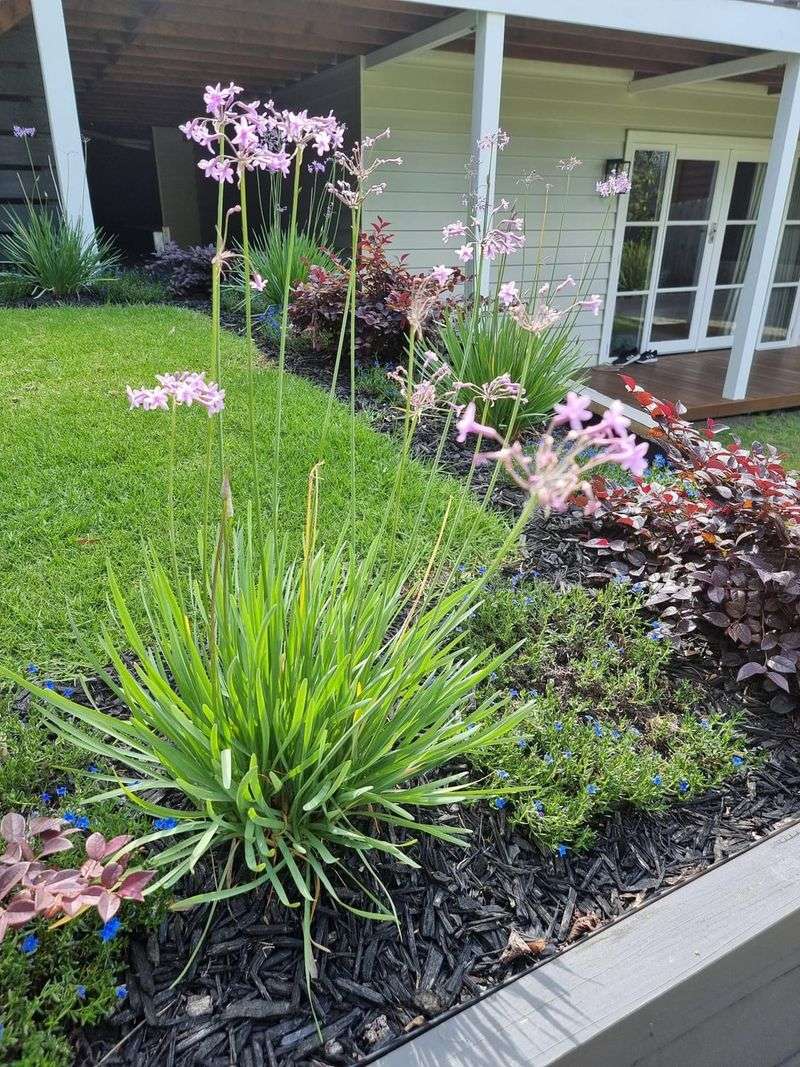
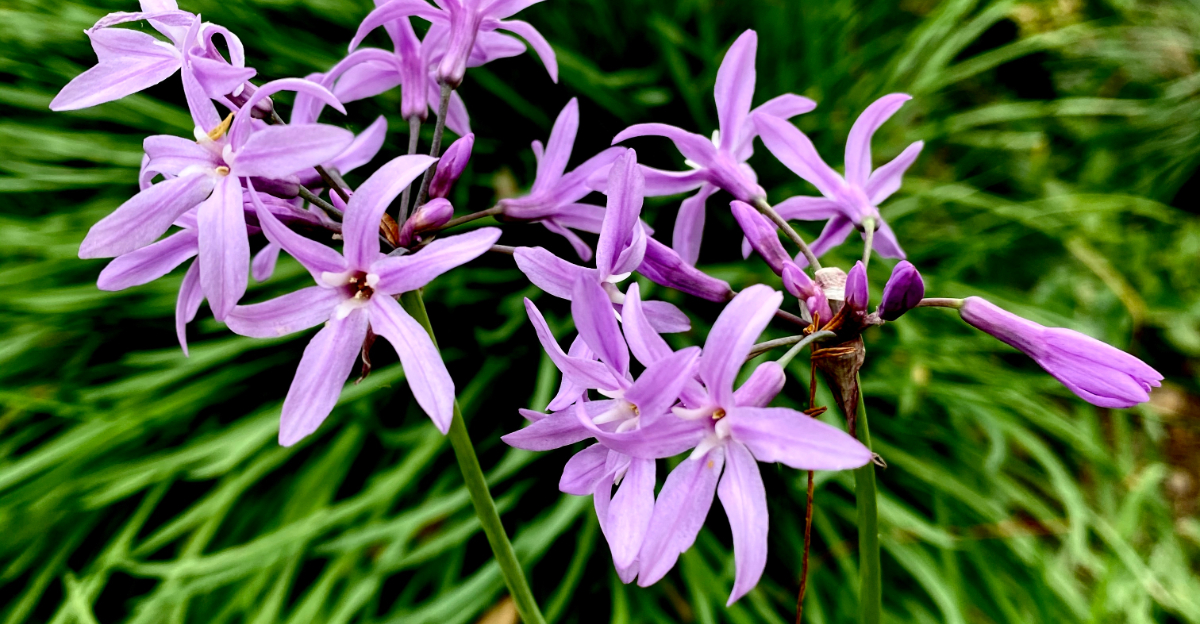
Society garlic has a way of looking completely exhausted in the middle of a Florida summer, with drooping leaves, yellowing tips, and a generally defeated posture.
Homeowners who see that look often assume the plant needs a long drink of water, but the real issue is frequently the opposite.
Society garlic handles dry stretches better than constantly wet soil once it gets established, and soggy roots are one of the fastest ways to weaken it.
Society garlic is not a Florida native, but it is a commonly used plant in Florida-Friendly landscapes because of its toughness, purple blooms, and low maintenance needs in the right spot. It works best in full sun to part sun with well-drained soil.
Sandy soil in inland or coastal Florida yards often suits it well, while heavy or compacted soil that holds water after rain tends to cause problems over time.
Regional performance can vary, so matching it to a site with good drainage is more important than any specific watering schedule.
Drooping or yellowing growth does not always point to thirst. Overcrowded clumps, heat stress, old foliage, or waterlogged roots can all produce a similar tired look.
Water deeply but less often once the plant is established, letting the soil dry out somewhat between sessions. Dividing overcrowded clumps every few years can refresh growth and improve airflow.
Avoid planting in low spots that collect standing water after Florida’s afternoon thunderstorms, and always check soil moisture before adding irrigation during the wet season.
8. Back Off The Hose When Firebush Looks Droopy
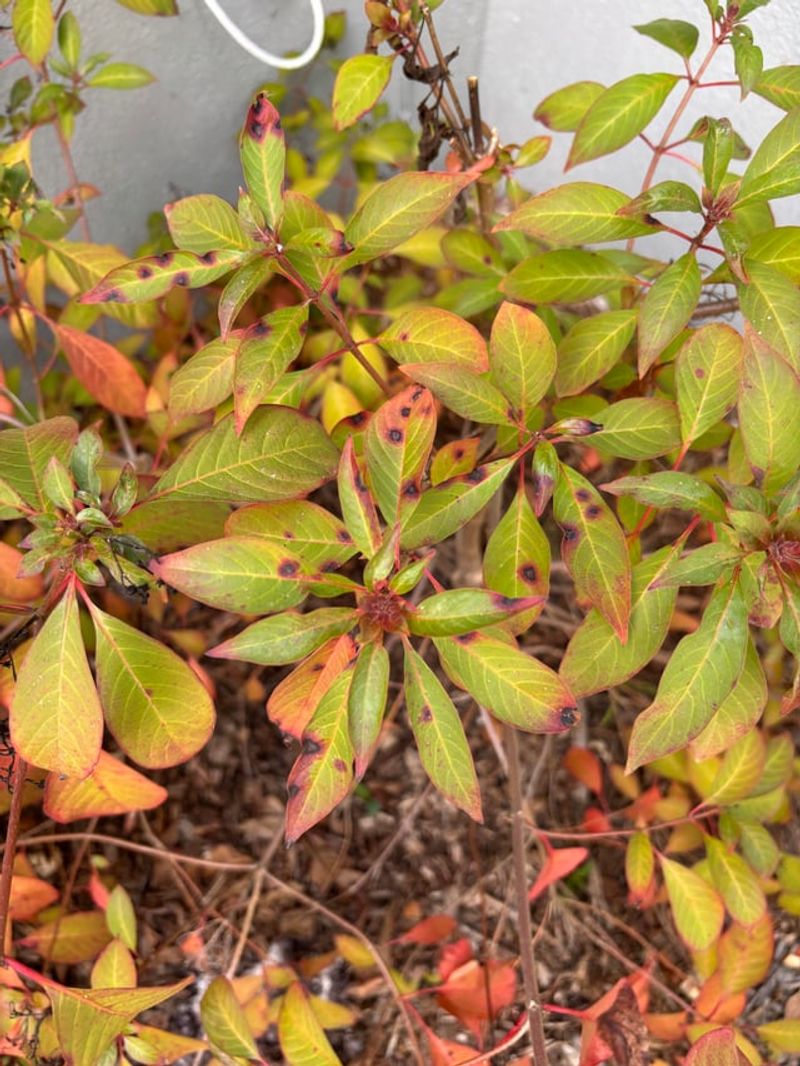
Firebush is one of those Florida-Friendly shrubs that hummingbirds and butterflies absolutely love, and it usually looks vibrant and full of energy through much of the year.
But during the hottest stretches of summer, or right after transplanting, firebush can droop noticeably and look far less impressive than usual.
That droopy look sends many homeowners straight to the hose, even when the soil is already holding plenty of moisture from recent rain.
Regional behavior matters a lot with firebush. In South Florida it often stays larger, fuller, and more evergreen through the year.
In Central Florida it may experience some dieback during cold snaps but typically rebounds well in spring. In North Florida it can behave more like a tender perennial, getting cut back by winter cold and returning from the roots when temperatures warm up.
Across all regions, firebush performs best in full sun to part shade with well-drained soil and room to spread.
New plants need consistent watering during the establishment period, which can take several months in Florida’s heat. Once established, firebush becomes noticeably more resilient and rarely needs heavy supplemental irrigation during the rainy season.
A short afternoon wilt during peak heat is not the same as true drought stress, and the two look similar but call for very different responses. Before watering, check the soil a few inches down and consider whether rain has fallen recently.
Trim leggy growth to encourage fresh branching, and enjoy the steady parade of wildlife that firebush attracts all season long.