Stop Watering Florida Plants This Way (It Causes More Damage Than Drought)
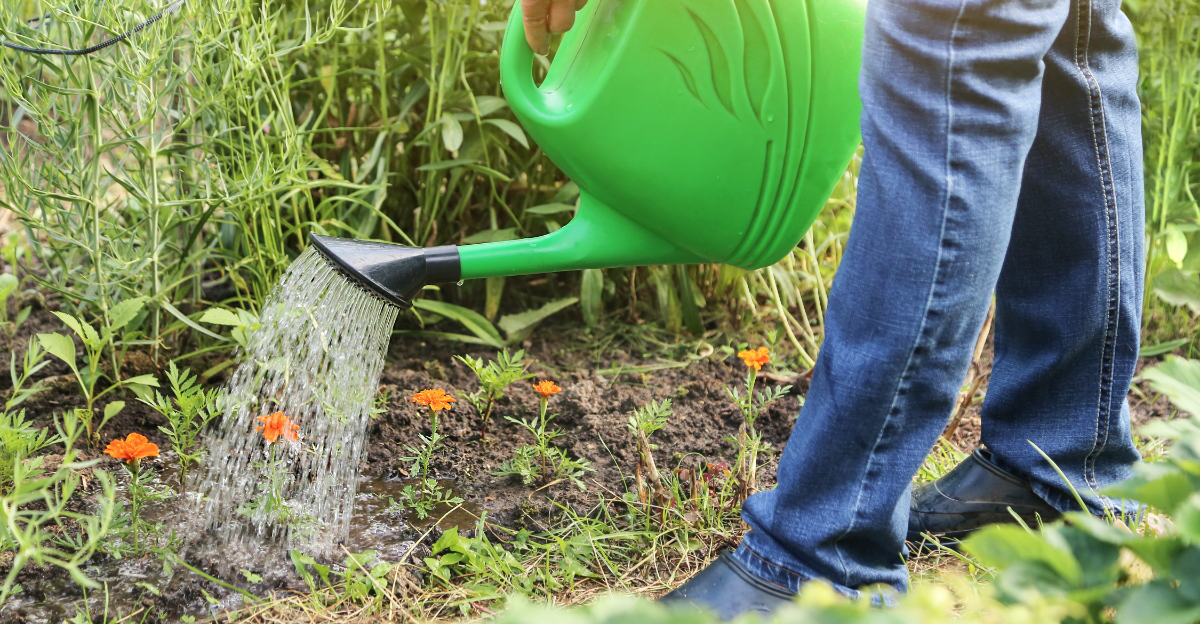
Drought gets all the blame in Florida gardening conversations. Brown lawns, stressed shrubs, wilting annuals, and the first instinct is always the same: the plants need more water.
So gardeners water more, water longer, water on a schedule that feels responsible and thorough. And the plants keep struggling anyway.
Here’s what takes most Florida gardeners a full season or two to figure out. Overwatering and poor watering technique cause more consistent, more widespread plant damage in Florida than drought ever does.
The state’s combination of heat, humidity, and sandy soil creates conditions where the wrong watering habit becomes a slow, quiet problem that builds underground long before anything visible goes wrong. And the most damaging habit of all?
It’s one of the most common ones in Florida yards. Chances are good you’ve done it this week without thinking twice about it.
Once you see what it’s doing to your plants’ root systems, you’ll never approach your garden hose the same way again.
1. The Real Problem Is A Daily Shallow Sprinkle
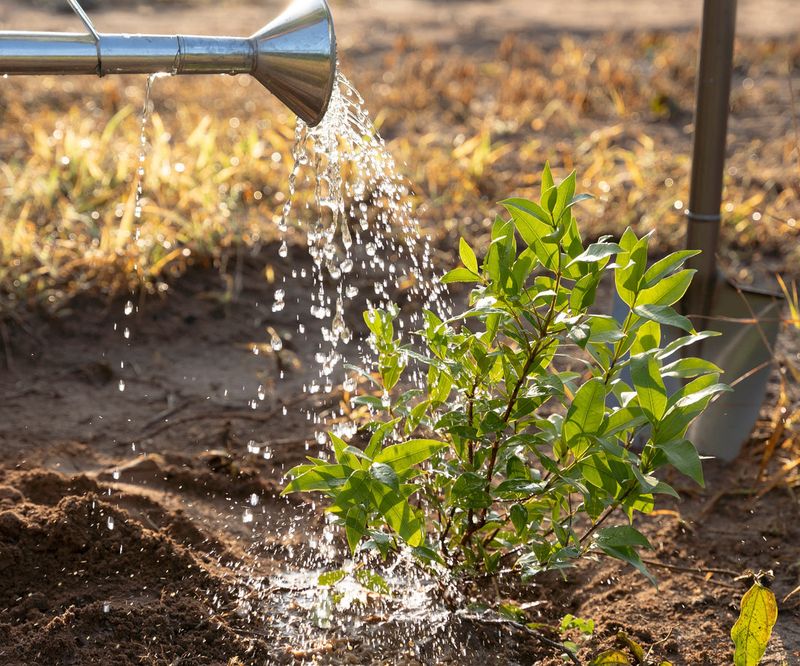
Walk through almost any Florida neighborhood during a dry spell, and you will see the same scene: sprinklers running every morning, giving lawns and gardens a quick five-minute soak before the sun climbs high. It feels responsible.
It feels helpful. But according to UF/IFAS Extension guidance, this habit of daily shallow watering is one of the most common mistakes in Florida home landscapes.
The core issue is that a light sprinkle wets the top inch or two of soil without ever reaching the deeper root zone where established plants actually absorb water. Florida’s sandy soils drain fast, so surface moisture evaporates quickly under heat and sun.
Roots follow moisture, and when moisture never goes deep, roots stay shallow and weak.
Florida-Friendly Landscaping principles consistently emphasize watering deeply and infrequently rather than lightly and often. A proper watering event should wet the soil to a depth that reaches the active root zone, then allow the soil to dry appropriately before watering again.
This cycle encourages roots to grow deeper, which helps plants access stored soil moisture during dry periods.
During cooler months or after Florida’s rainy season, established plants may need little to no supplemental irrigation at all.
Cutting back on that daily sprinkle and replacing it with a more thoughtful, targeted approach is the first step toward a stronger, more resilient Florida garden.
2. Wet Leaves Do Not Mean Watered Roots
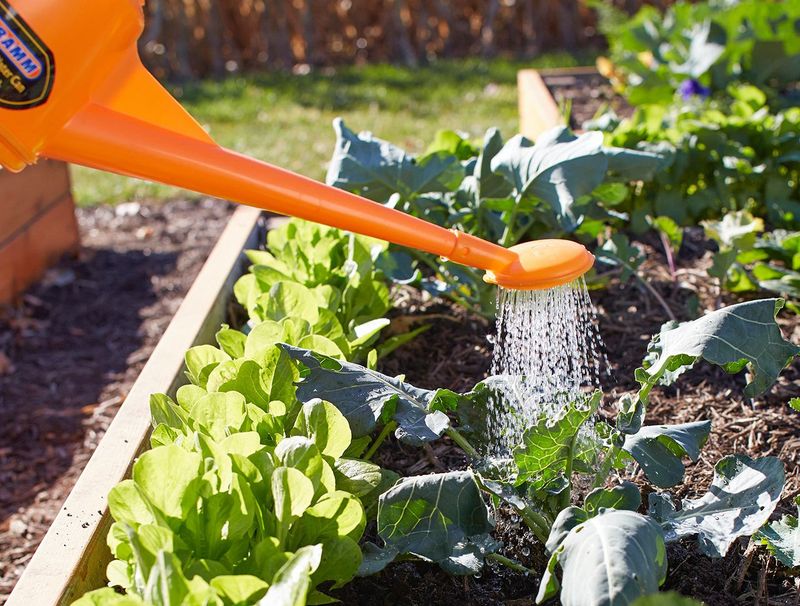
Seeing water glisten on every leaf can give a satisfying feeling that the garden got a good drink.
But wet foliage and watered roots are two very different things, and confusing them leads to plants that look refreshed on the outside while quietly struggling below the surface.
Overhead sprinklers that spray across the tops of plants may wet leaves thoroughly while only dampening the top layer of soil.
In Florida’s humid climate, wet leaves that stay damp through the day can also encourage fungal diseases, leaf spots, and other problems in certain plants.
Your Florida Garden Changes Every Week. Your Plan Should Too.
Gardening in Florida changes quickly throughout the season. Every Friday you’ll receive a simple weekly plan showing exactly what to plant, prune, fertilize, harvest, and protect so you never miss the right timing.
UF/IFAS plant disease guidance notes that prolonged leaf wetness creates conditions favorable for many common Florida plant pathogens.
Watering early in the morning, ideally before 10 a.m., is the standard recommendation from Florida-Friendly Landscaping. Morning watering allows foliage to dry as the day warms while still delivering moisture to the soil.
For plants that are especially prone to leaf disease, drip irrigation or soaker hoses aimed at the root zone can reduce overhead moisture entirely.
Checking soil moisture a few inches below the surface before watering gives a much clearer picture of what roots actually need.
A simple finger test or a basic soil moisture meter can help gardeners stop guessing and start responding to what plants are genuinely experiencing underground, where it counts most.
3. Shallow Watering Trains Roots To Stay Weak
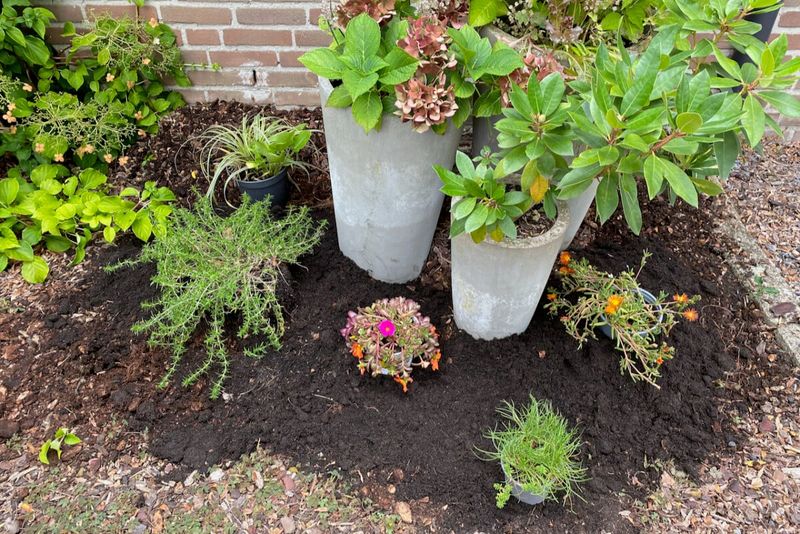
Roots grow where water is. That simple fact explains why frequent shallow watering creates a long-term problem in Florida gardens.
When moisture only reaches the top inch or two of soil, roots have no reason to push deeper. They cluster near the surface, chasing the only water available, and that makes them surprisingly fragile.
Shallow root systems leave plants vulnerable in several ways. Florida’s sandy soils dry out fast, so surface moisture can disappear within hours on a hot, breezy day.
When irrigation restrictions kick in during drought or dry season, plants with shallow roots feel the stress almost immediately. Strong winds, which are common during Florida storm season, can also destabilize plants that never developed deep anchoring roots.
UF/IFAS Extension guidance on plant establishment and irrigation encourages transitioning established plants away from frequent light watering toward deeper, less frequent cycles.
The goal is to wet the soil deeply enough to encourage roots to follow moisture downward, then allow the upper soil to dry before the next watering event.
This cycle builds root depth gradually over time.
Making this shift does not happen overnight. Gardeners should reduce watering frequency slowly while increasing the amount of water applied during each session.
Pairing this approach with mulch, which slows surface evaporation in Florida heat, helps the soil stay workable for roots at deeper levels between watering events.
4. Too Much Water Can Look Like Drought Stress
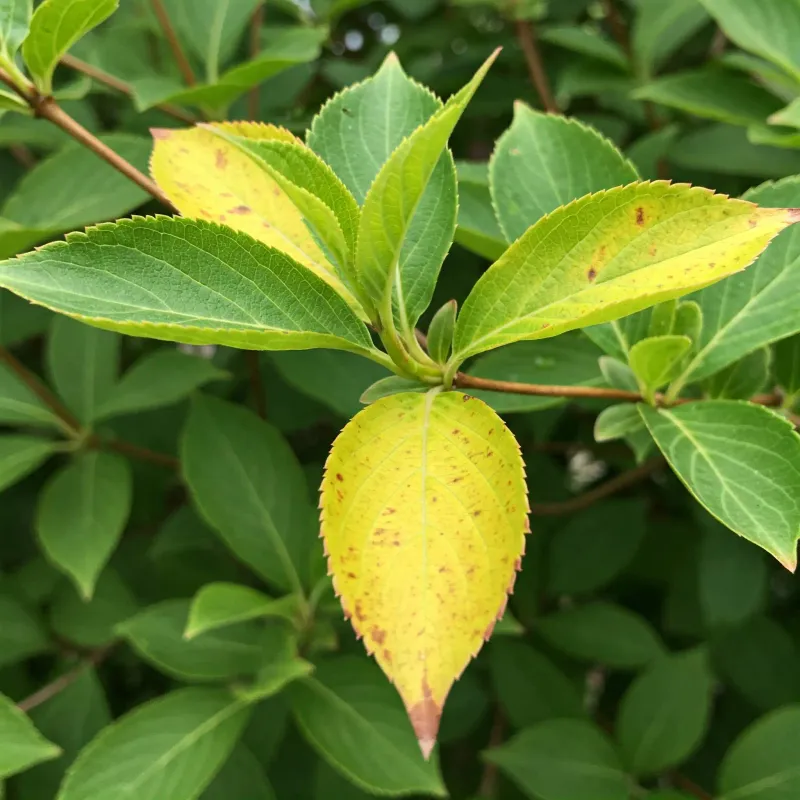
Yellowing leaves, wilting stems, and a general look of decline are classic signs that a plant is struggling. Most gardeners immediately reach for the hose.
But in Florida, those same symptoms often show up in plants that are getting too much water, not too little.
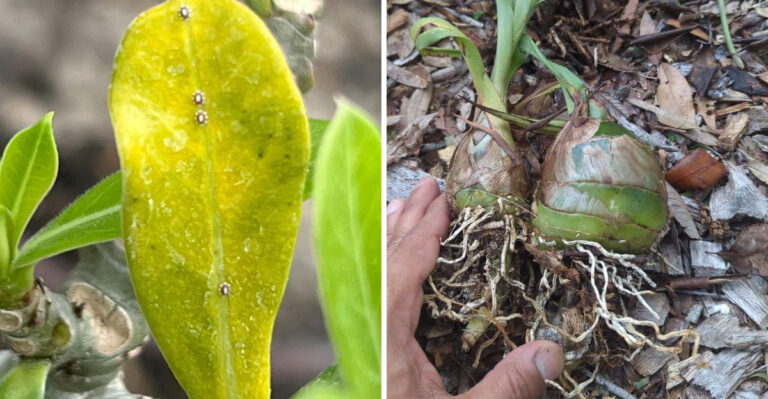
Overwatered plants in Florida’s poorly drained or compacted soils can develop root problems that cut off their ability to absorb water and nutrients. The roots sit in saturated soil, oxygen gets squeezed out, and the plant begins to decline.
From above the soil line, it looks exactly like drought stress because in a functional sense, the roots are experiencing a similar inability to move water up through the plant.
Florida’s rainy season, which typically runs from June through September across much of the state, delivers frequent heavy rains that can saturate soil for days. Running irrigation during or right after these periods adds excess moisture that roots cannot handle.
UF/IFAS recommends checking soil conditions before every irrigation event rather than relying on a set schedule.
Before watering a struggling plant, push a finger or a screwdriver a few inches into the soil near the root zone. If the soil feels wet or cool and compacted, give it time to dry before adding more water.
Soggy soil is a red flag, and adding more water to a plant already sitting in saturated conditions will make things worse, not better.
5. Rainy Days Should Change Your Irrigation Plan
Florida summers come with a reliable rhythm: hot mornings, building clouds by early afternoon, and thunderstorms that drop an inch or more of rain in under an hour.
That pattern repeats across Central and South Florida from June through September with impressive regularity.
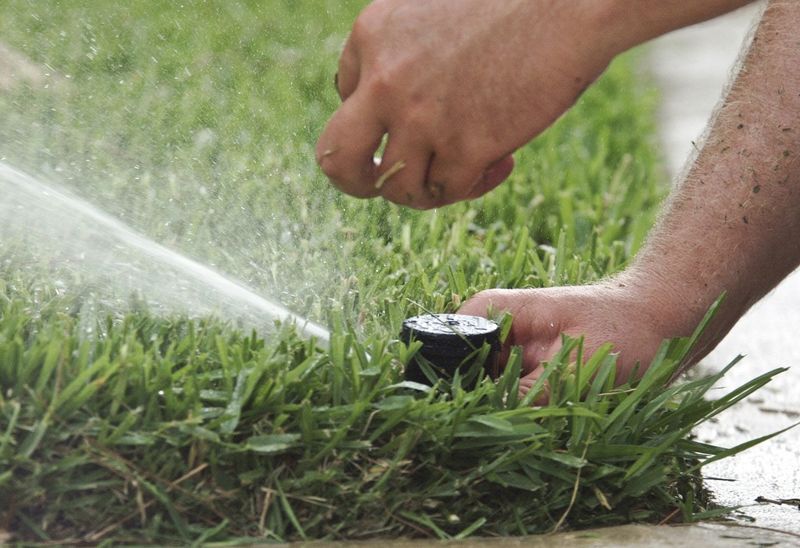
Running a scheduled irrigation system through all of that is one of the most wasteful watering habits in the state.
Automatic irrigation timers do not know it rained. Unless a rain sensor or smart controller is connected to the system, sprinklers will run on schedule whether the soil is already saturated or not.
Florida water management districts, including the Southwest Florida Water Management District and St. Johns River Water Management District, have long recommended rain sensors as a basic requirement for residential irrigation systems.
North Florida gardeners deal with a different pattern, with drier springs and more variable summer rainfall, which means irrigation needs shift more noticeably with the season.
Coastal areas can also see quick-moving storms that deliver localized rain while nearby inland areas stay dry.
Checking local rainfall totals rather than assuming the whole region got soaked is a smarter approach.
Pausing irrigation for 24 to 48 hours after a significant rain event is a practical starting point. Checking soil moisture before resuming gives an even better read on what plants actually need.
Letting weather lead the irrigation schedule, rather than the calendar, saves water and protects roots from the slow damage of chronic overwatering.
6. Every Plant Should Not Get The Same Soak
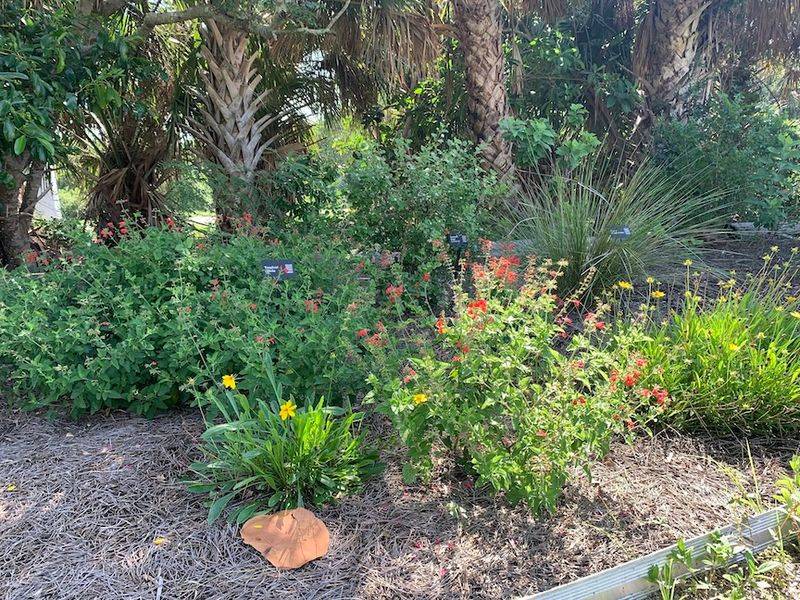
Lumping every plant in the yard onto the same irrigation zone and the same schedule is a shortcut that tends to leave some plants drowning while others stay thirsty.
Florida landscapes are rarely that simple, and plant water needs vary widely depending on species, age, location, and season.
Newly planted trees and shrubs need careful establishment watering, which usually means more frequent attention during the first few weeks to months after planting, gradually tapering off as roots settle in.
Established Florida-native plants and drought-tolerant species may need little supplemental irrigation once they are settled into the landscape, especially during the rainy season.
Turfgrass, annuals, vegetables, and container plants each follow their own schedule.
Containers are a special case in Florida’s heat. Potted plants dry out much faster than ground-planted ones, sometimes needing water daily during hot, dry weather.
Meanwhile, a mature live oak or sabal palm growing in a well-mulched bed may go weeks without needing supplemental water during the rainy season.
Florida-Friendly Landscaping guidance emphasizes grouping plants by their water needs, a practice called hydrozoning, so that irrigation can be targeted rather than blanket-applied.
Sun exposure, soil type, mulch coverage, drainage, and coastal salt exposure all influence how quickly soil dries around a plant.
Taking those site factors into account when setting up irrigation zones prevents both overwatering and underwatering across the same yard.
7. Fast Runoff Wastes Water Before Roots Can Use It
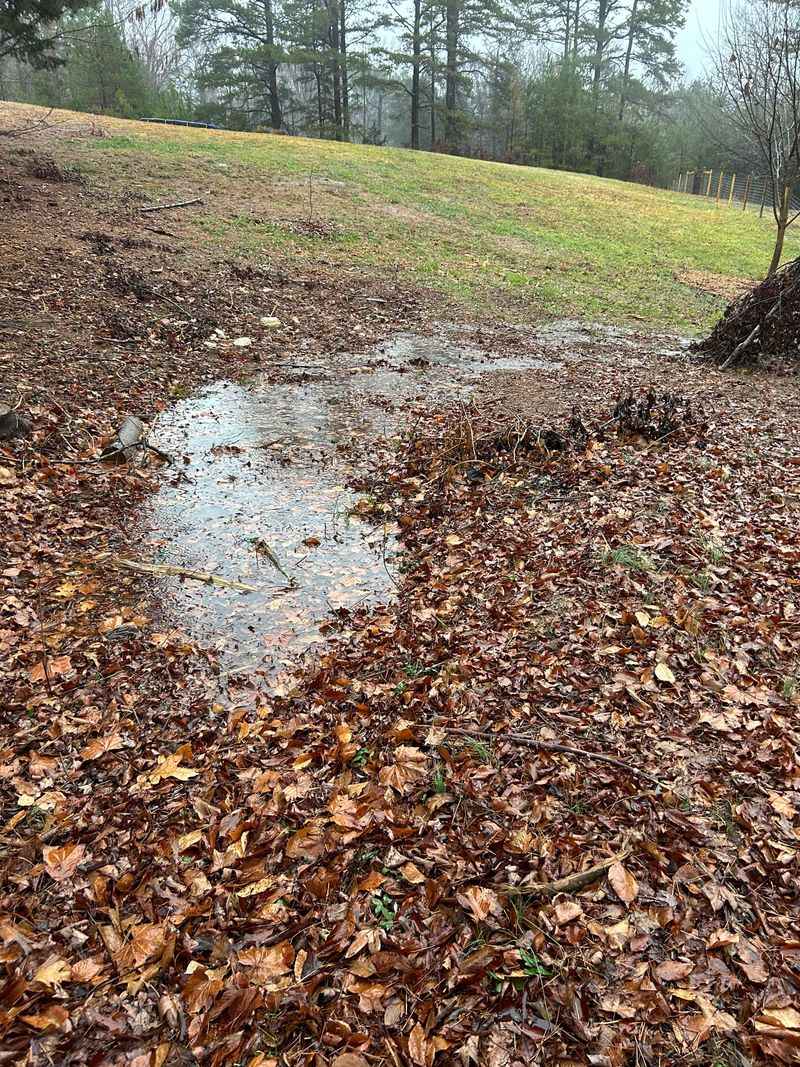
Watching water stream down the driveway and into the street during an irrigation cycle is one of those things that is easy to ignore. It happens fast, the sprinklers are already running, and the yard looks wet.
But that runoff represents water that never reached a single root, and in Florida, it is a surprisingly common problem.
Sandy soils in much of Florida actually absorb water quickly when healthy, but compacted areas, slopes, thick thatch in turfgrass, and hard surfaces around planting beds can cause water to sheet off before it penetrates.
Poorly aimed sprinkler heads that spray onto driveways, sidewalks, or the sides of buildings waste water with every cycle.
Heavy application rates from large rotary heads can also overwhelm the soil’s absorption speed, sending water sideways instead of down.
One practical solution recommended by water management districts is cycle-and-soak irrigation, which involves running each zone for a shorter period, pausing to let water absorb, and then running it again.
This approach reduces runoff significantly on problem areas without reducing the total water applied.
Fixing misdirected heads and checking for clogged or broken sprinklers also helps water land where roots actually live.
Adding a two to three inch layer of organic mulch around planting beds slows surface evaporation and helps direct water into the soil rather than across it.
Mulch is one of the most cost-effective water conservation tools in any Florida landscape, according to UF/IFAS Extension guidance on water-efficient landscaping practices.
8. Deep Less Frequent Watering Builds Stronger Plants
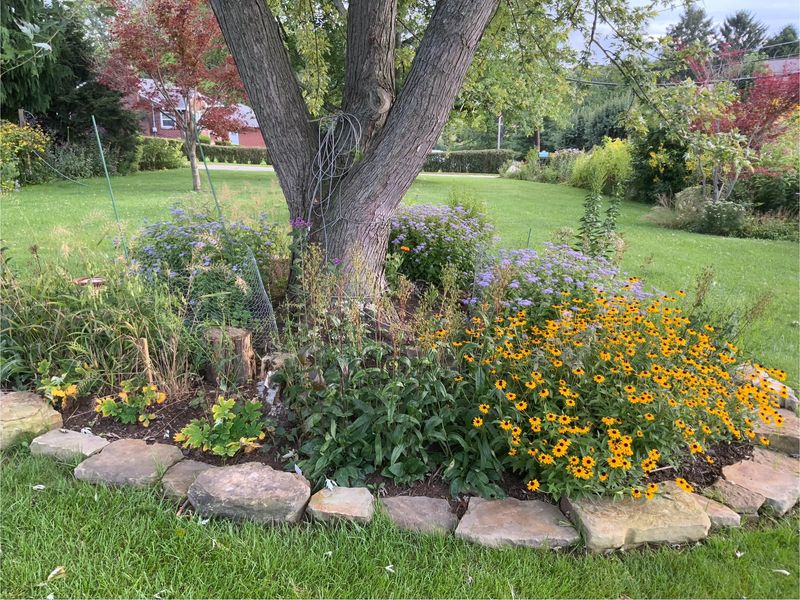
The smarter path forward in Florida gardening is not complicated, but it does require a shift in thinking. Instead of sprinkling a little water every day, the goal is to water deeply enough to reach the active root zone, then hold off until the soil tells you it is time again.
That approach builds stronger, more self-sufficient plants over time.
Morning watering, before 10 a.m., is consistently recommended by Florida-Friendly Landscaping and UF/IFAS Extension because it reduces evaporation loss and gives foliage time to dry during the day.
Watering in the evening can leave moisture sitting on leaves and in the soil surface through the night, which is not ideal in Florida’s already humid conditions.
Early morning hits the sweet spot between cool temperatures and the coming heat of the day.
Checking soil by hand before each irrigation event is one of the most reliable habits a Florida gardener can build. Pushing a finger or a wooden dowel a few inches into the soil near the root zone takes seconds and gives real information.
If the soil feels moist, skip the irrigation and check again tomorrow. If it feels dry a few inches down, water deeply and thoroughly.
Grouping plants by water needs, using mulch generously, following local irrigation restrictions, and reducing irrigation as plants establish are all practical steps supported by Florida extension research.
Thoughtful, targeted watering adjusted to real conditions is what helps Florida plants thrive through heat, dry spells, and whatever the season brings.