Texas Peach Tree Owners, Do This In May Before Summer Heat Hits Hard
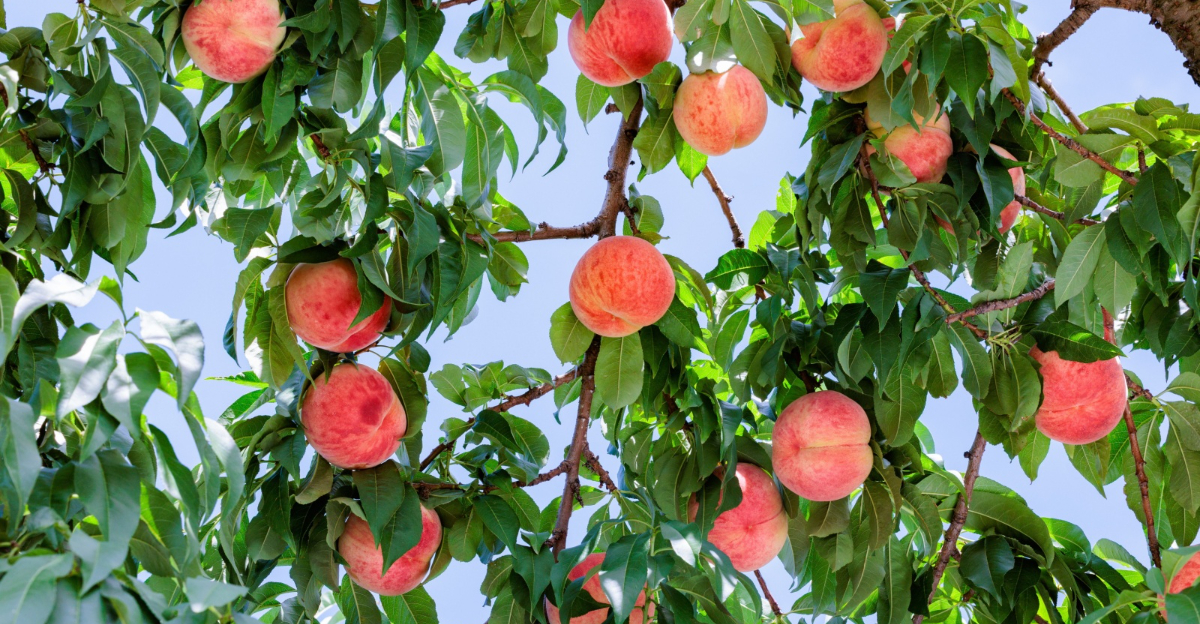
May is when Texas peach trees start looking busy in the best possible way. Tiny peaches are sizing up, branches are filling out, and the whole tree seems to be saying, “All right, let’s do this.”
At the same time, the heat is creeping in, the soil is drying faster, and summer starts hinting that it plans to be difficult.
Texas does love a dramatic season. That is why this month matters so much.
A few smart moves now can help your peach tree handle the hotter stretch ahead with a lot less stress. Good watering, careful moisture management, and thinning fruit before the tree gets overloaded can make a real difference in how the season unfolds.
It is not about doing anything fancy. It is about doing the right things at the right time. And if that leads to better peaches later, that is a pretty sweet reward.
1. Deep Watering Helps Peach Trees Handle Heat
Warming soil and longer sunny days in May signal that peach trees are entering one of their most demanding growth periods of the year.
As fruit continues to develop and temperatures rise across Texas, roots need reliable access to moisture that reaches deeper into the ground rather than sitting near the surface.
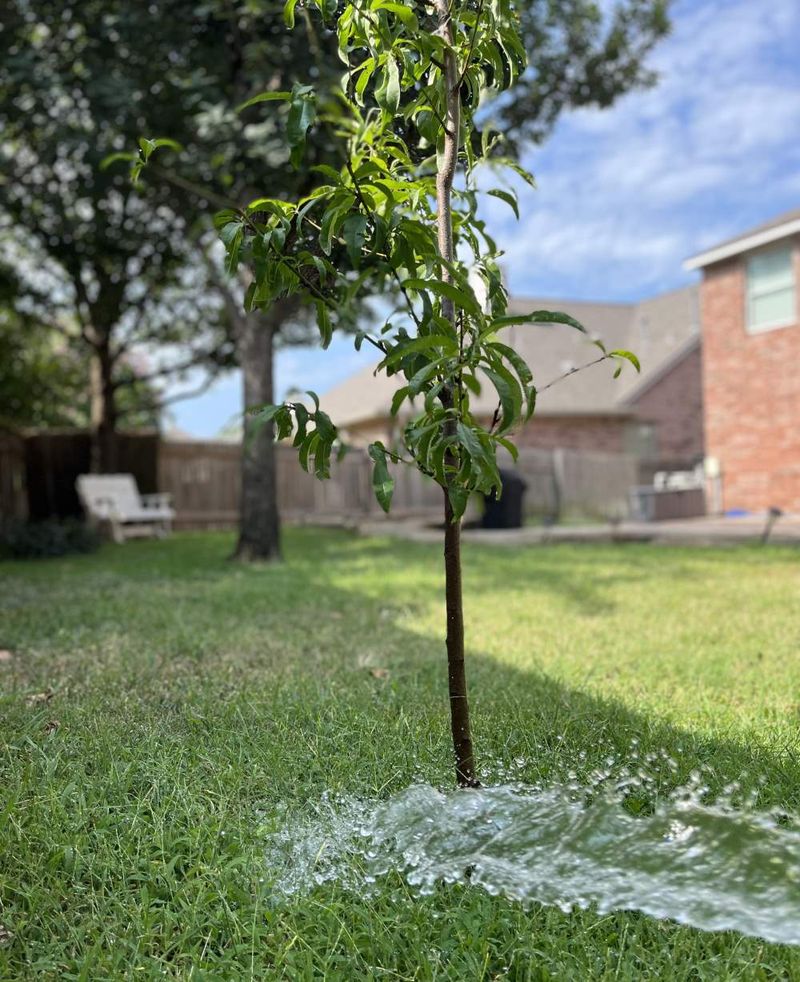
Shallow watering encourages roots to stay close to the top of the soil, which makes them more exposed to heat and dry spells. Deep, slow watering encourages roots to grow further down where the soil stays cooler and holds moisture longer.
For most backyard peach trees in Texas, watering slowly and thoroughly every seven to ten days during May can help support healthy fruit development, though sandy soils may need water more often.
A slow trickle from a garden hose placed near the base of the tree for an extended period tends to work better than a quick spray. Drip irrigation systems are also a practical option for Texas home gardens since they deliver water directly to the root zone.
Checking soil moisture a few inches below the surface before watering can help you avoid both underwatering and overwatering.
Giving roots consistent access to moisture during May helps peach trees manage the stress that comes when June temperatures start climbing higher.
2. Too Much Water Can Cause Problems
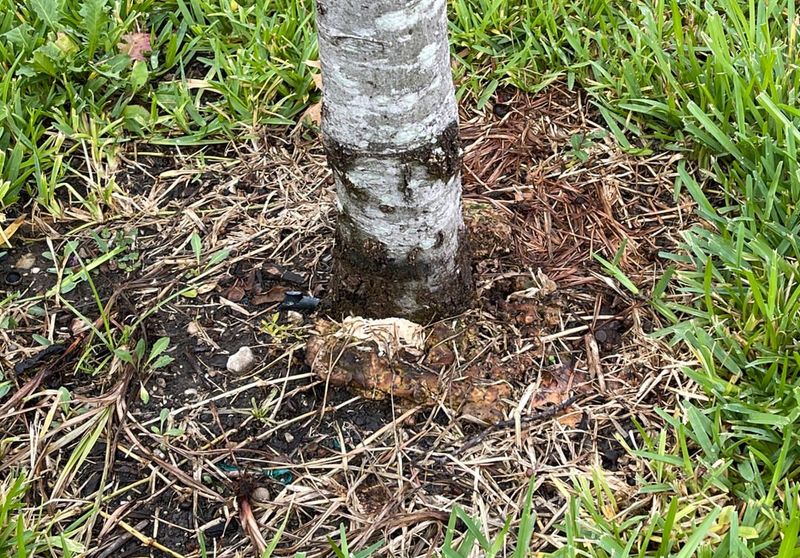
Soggy soil around a peach tree can be just as problematic as dry soil, and May is a good time to pay close attention to how water is moving through your yard.
Overwatering is a common issue in Texas home gardens, especially when spring rains overlap with a regular irrigation schedule that has not been adjusted for recent rainfall.
When soil stays wet for too long, root health can begin to suffer. Roots need both moisture and oxygen to function well, and soil that stays saturated can reduce the air pockets roots depend on.
Peach trees showing yellowing leaves, slow growth, or soft spots near the base of the trunk during May could be reacting to excess moisture rather than a lack of it.
Your Texas Garden Changes Every Week. Your Plan Should Too.
Gardening in Texas changes quickly throughout the season. Every Friday you’ll receive a simple weekly plan showing exactly what to plant, prune, fertilize, harvest, and protect so you never miss the right timing.
A simple way to check is to push a finger or a wooden dowel a few inches into the soil near the drip line of the tree. If the soil still feels wet from a previous watering or recent rain, holding off on irrigation for a few more days makes sense.
Adjusting your watering schedule to match actual soil conditions rather than following a fixed calendar routine can help prevent moisture-related stress.
Paying attention to how quickly your soil drains is especially useful in Texas clay-heavy soils where water tends to move slowly.
3. Mulch Helps Soil Hold Moisture
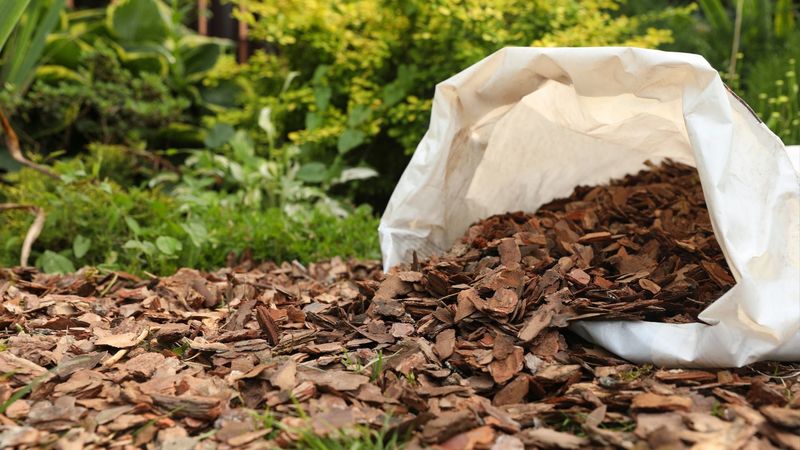
Spreading a fresh layer of mulch around the base of a peach tree in May is one of the most practical things a Texas gardener can do before summer heat fully arrives.
Mulch acts like a protective blanket over the soil, slowing down evaporation and helping the ground hold onto moisture between watering sessions.
Wood chips, shredded bark, or pine needles are all commonly used options that work well around fruit trees. Applying mulch in a ring that extends out to the drip line of the tree, roughly where the outer branches reach, gives roots the widest benefit.
A layer around three to four inches deep is generally enough to make a noticeable difference in moisture retention without causing issues near the trunk.
Keeping mulch a few inches away from the actual trunk of the tree is worth remembering, since mulch piled directly against bark can trap moisture in a way that encourages fungal problems over time.
Beyond moisture retention, mulch also helps moderate soil temperature, which can make a real difference as Texas afternoons get hotter through May and into June.
Mulch also tends to break down slowly and add organic matter back into the soil, which supports root health in a natural and gradual way. Adding or refreshing mulch in May sets up the root zone for a more comfortable summer season.
4. Fruit Thinning Helps Improve The Crop
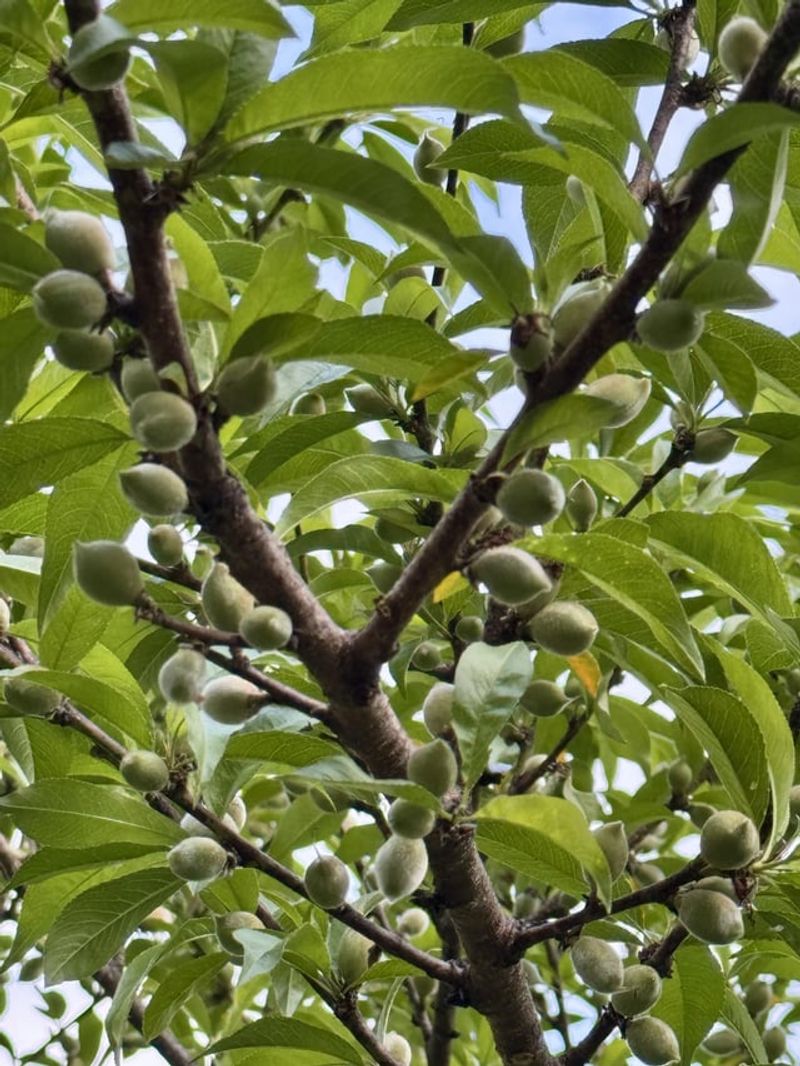
A peach tree loaded with dozens of small, crowded fruits may look impressive in May, but that heavy fruit load can actually work against the tree as summer heat builds.
Thinning out excess fruit early in the season allows the tree to direct its energy into fewer peaches, which often results in fruit that grows larger, tastes better, and matures more evenly.
Fruit thinning is generally recommended once the small peaches are about the size of a marble or a dime.
At that stage, removing enough fruit so that the remaining peaches are spaced roughly four to six inches apart along each branch is a common guideline used for backyard peach trees.
It can feel counterintuitive to remove fruit you have been watching grow, but keeping too many peaches on the tree can put real strain on the branches and reduce overall fruit quality.
In Texas, where May temperatures can already push into the upper eighties or beyond, a heavy fruit load adds extra demand on a tree that is also managing increasing heat. Thinning helps reduce that combined pressure.
Removing fruit by hand works fine for most home orchards, and it gives you a chance to look closely at the tree and notice any branches that seem stressed or overcrowded.
Doing this before peak heat arrives gives the remaining fruit the best chance to develop well through the rest of the season.
5. Summer Heat Makes Moisture Management More Important
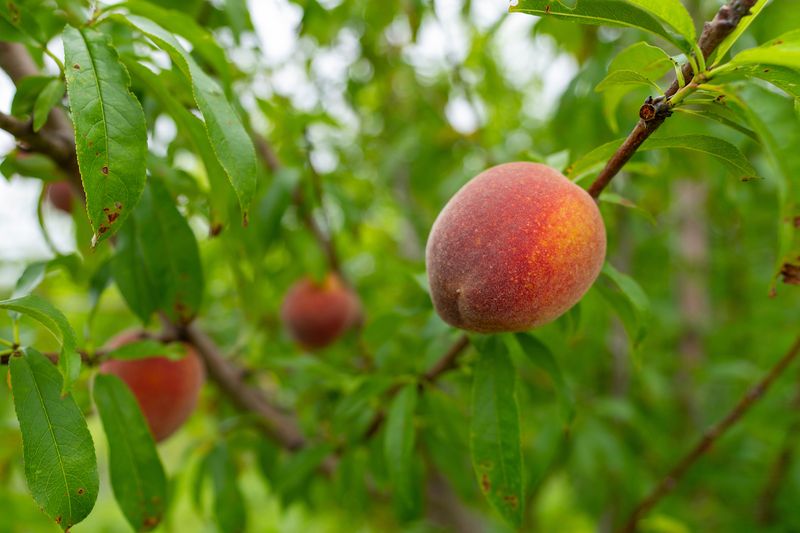
As May moves along in Texas, afternoon temperatures can climb quickly, and peach trees start showing signs of heat stress earlier in the season than many gardeners anticipate.
Fruit that is actively developing on the tree requires steady moisture, and when the soil dries out too fast between waterings, the tree may struggle to support both its fruit load and its own leaf and branch health.
One thing to watch for in May is how quickly the top few inches of soil dry out after watering. In parts of Texas with sandy or loamy soils, moisture can move through quickly, meaning trees may need water more often than in heavier clay soils.
Paying attention to the soil rather than following a rigid schedule tends to give better results in varied Texas landscapes.
Early morning is generally a favorable time to water peach trees because it allows moisture to reach the roots before the heat of the day causes rapid evaporation.
Watering in the late afternoon or evening can sometimes leave foliage damp overnight, which is not ideal for disease management.
Keeping a consistent moisture routine through May, adjusted to actual weather conditions, helps peach trees stay more stable as temperatures continue to rise.
A tree that enters June with a well-established moisture routine tends to handle the intensity of a Texas summer with less visible strain on its leaves and fruit.
6. Major Pruning Should Not Happen In May
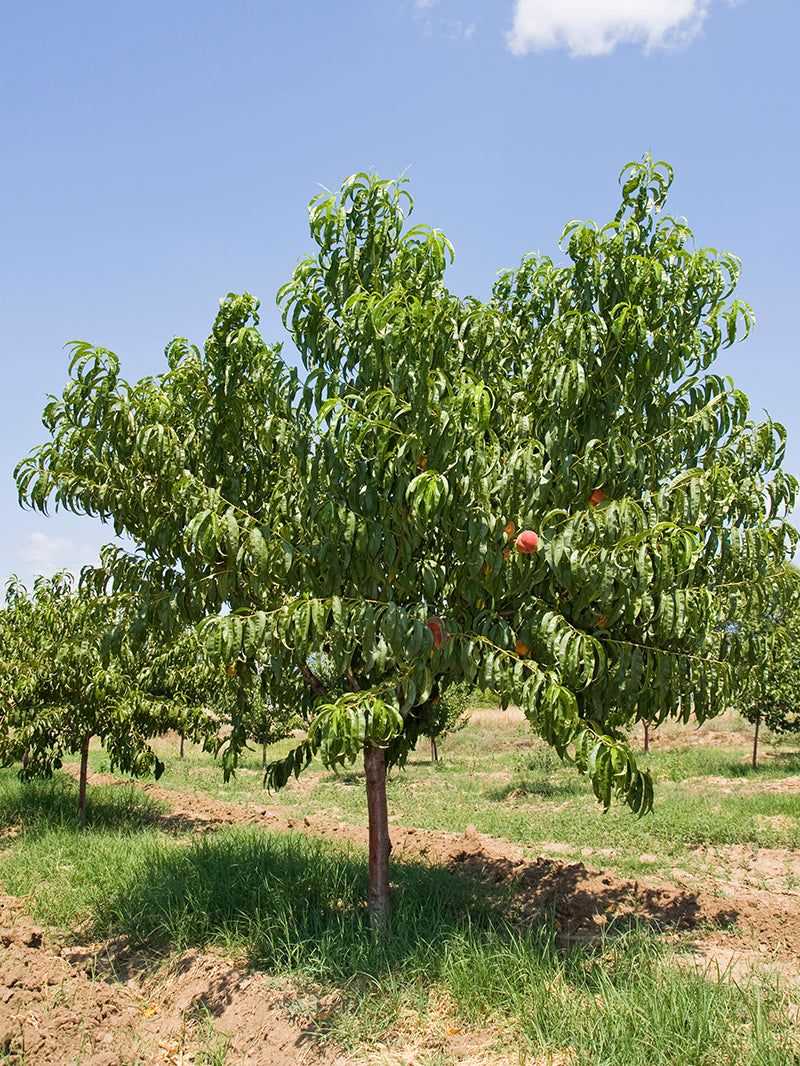
Gardeners who are new to peach trees sometimes wonder whether May is a good time to do some pruning and shaping while the tree is full of leaves and easy to see.
The short answer is that major pruning is generally better left for the dormant season, which in Texas typically falls between late fall and late winter before new growth begins in spring.
Cutting large branches during active growth in May can place the tree under stress at a time when it is already working hard to develop fruit and manage rising temperatures.
Open pruning wounds during warm, humid conditions can also be slower to seal and may attract insects or invite fungal issues more readily than cuts made during cooler dormant months.
Minor tasks like removing clearly broken branches or snipping off any shoots growing from the base of the trunk are generally considered low-risk at most times of year.
However, reshaping the canopy or removing major scaffold branches in May is not typically recommended for backyard peach trees in Texas.
If the tree has branches that are rubbing together, crossing awkwardly, or creating very dense areas that limit airflow, noting those spots and addressing them properly during dormancy is a smarter approach.
Focusing energy in May on watering, mulching, and fruit thinning tends to produce better results than reaching for the pruning saw during the growing season.
7. Weed And Grass Control Reduces Water Competition
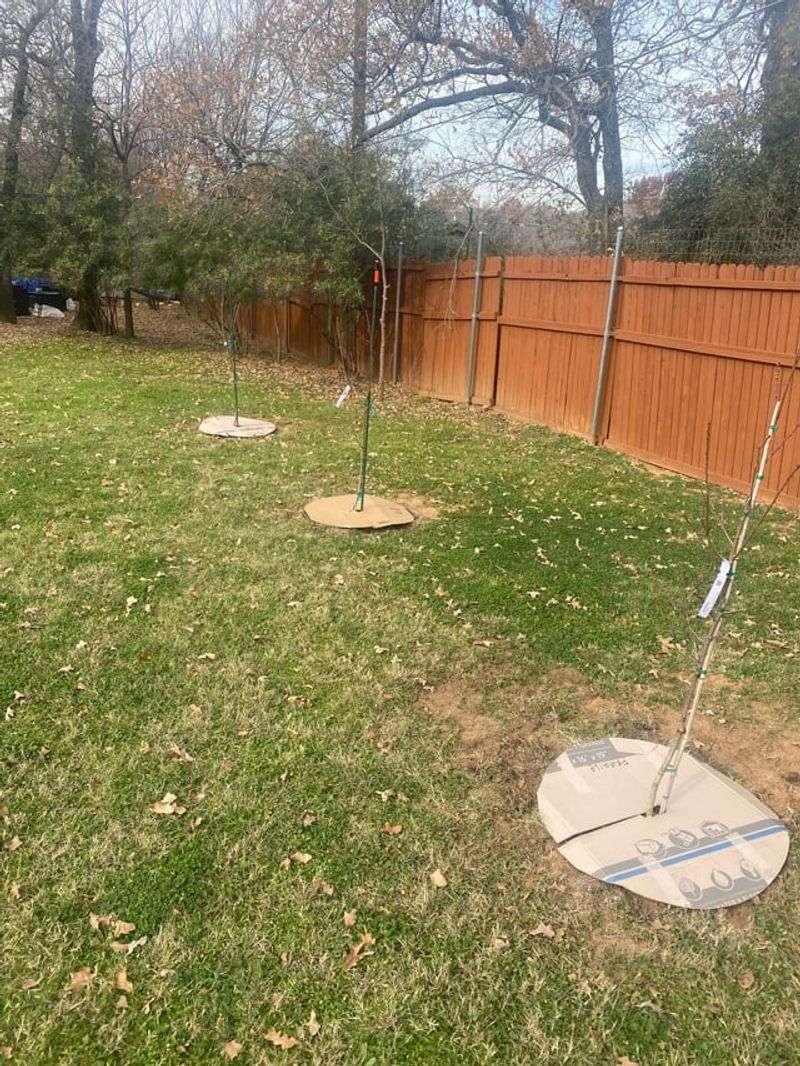
Grass and weeds growing close to a peach tree may seem harmless, but they compete directly with the tree for water and nutrients in the soil.
In May, when Texas soil is warming up and moisture becomes more precious as heat increases, that competition can quietly work against the health of a developing peach tree.
Keeping a weed-free zone around the base of the tree, extending at least two to three feet outward from the trunk, can make a meaningful difference in how much water actually reaches the tree’s roots.
Weeds and turf grasses are efficient at drawing moisture from the upper layers of soil, which is exactly where many feeder roots are active.
Removing that competition gives the tree more reliable access to what it needs during a critical part of the season.
Hand pulling is a straightforward approach for most backyard situations in Texas, and it avoids the risk of accidentally damaging shallow roots with a hoe or cultivator.
Maintaining a mulch layer in the cleared zone after weeding helps slow regrowth and keeps the soil beneath cooler and more consistently moist.
Staying on top of weed pressure through May and into early June is easier when it is done in shorter, regular sessions rather than waiting until weeds have grown tall and spread widely.
A clean root zone around the tree supports better water uptake right when the tree needs it most.
8. Consistent Care Matters Before Heat Peaks
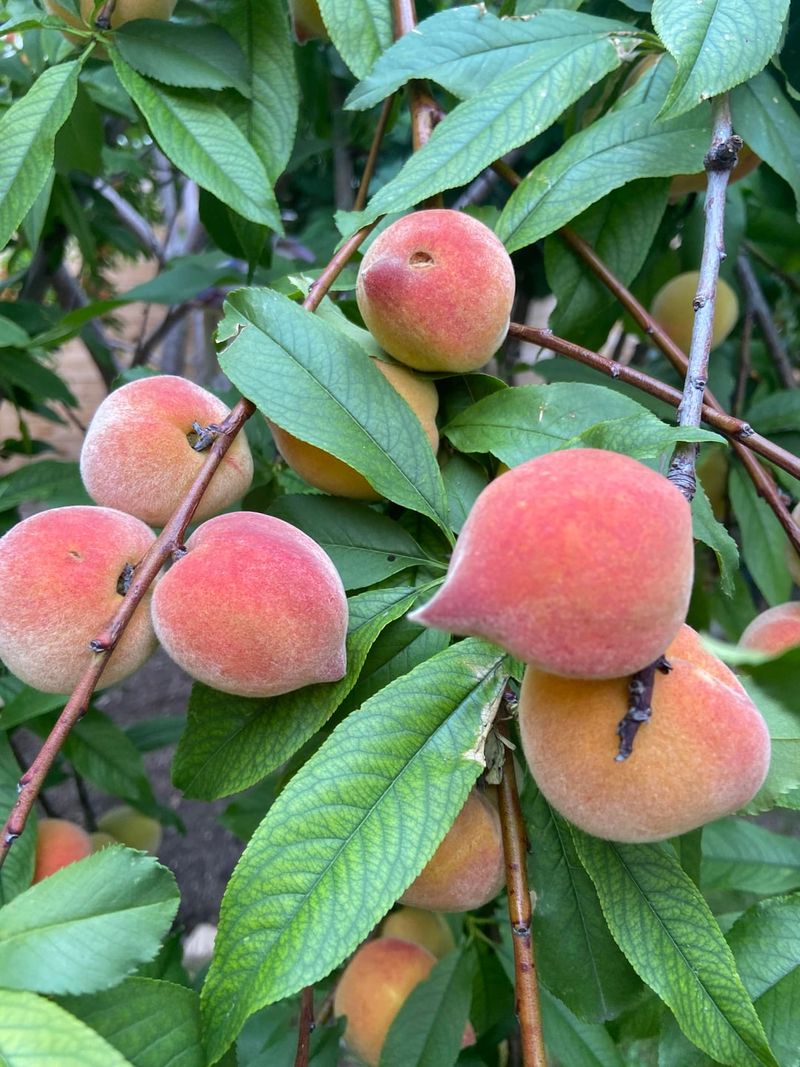
One of the quieter truths about growing peach trees in Texas is that consistent, steady attention through May tends to matter more than any single dramatic action.
The weeks before peak summer heat are a window when small habits, like checking soil moisture regularly, refreshing mulch, thinning fruit, and staying ahead of weeds, can add up to a noticeably stronger tree heading into the hottest part of the year.
Peach trees in Texas home gardens benefit from an owner who checks on them frequently rather than sporadically.
Catching early signs of stress, whether that means leaves looking slightly off-color, soil that has dried out faster than expected, or a branch that seems unusually droopy in the afternoon heat, allows for small corrections before those issues grow into bigger ones.
May in Texas can feel like it moves quickly, with temperatures shifting week by week and fruit developing at a pace that sometimes surprises newer gardeners.
Building a simple routine around watering checks, mulch condition, and a quick look at the fruit load every few days helps keep the tree on a steady path.
There is no single shortcut that replaces attentive, ongoing care during this month.
Gardeners who stay engaged with their peach trees through May tend to find that summer, even a hot Texas summer, feels a little more manageable when it finally arrives in full force.