How Ohio Gardeners Can Grow A Lavender “Tree” In A Pot For Years Of Blooms
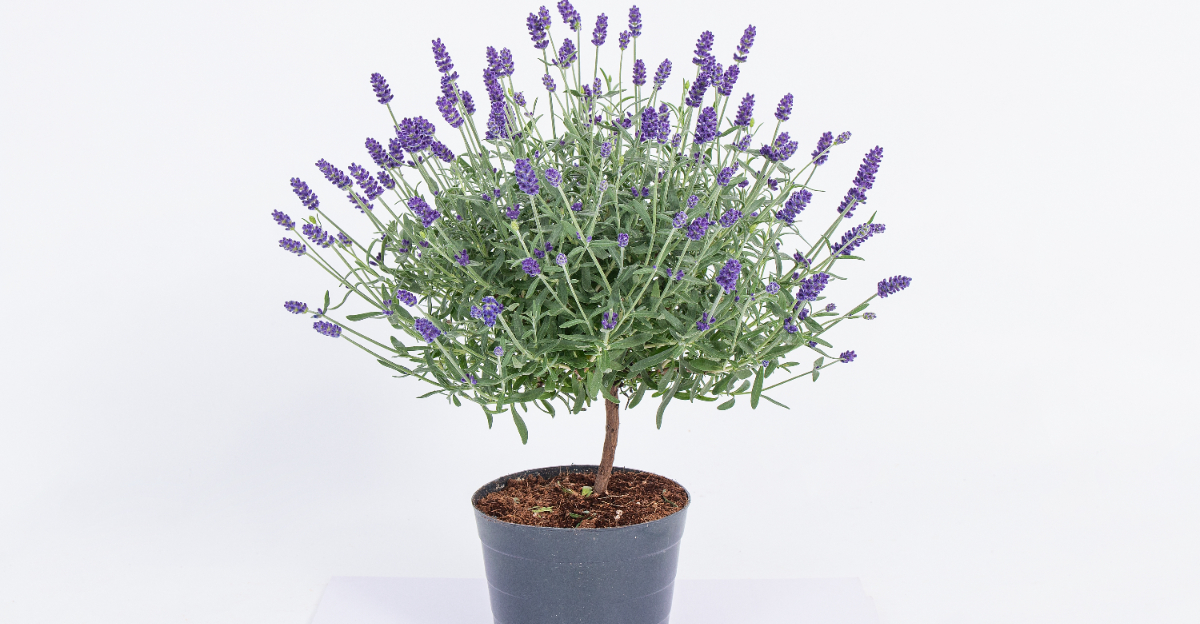
I’m sure you’ve seen a photo of a stunning lavender “tree” and thought, wait, can I grow that in Ohio? First, notice those quotation marks around lavender “tree.” They’re there for a reason.
Ohio gardeners, a lavender tree does not actually exist. Yes, that’s the truth.
But guess what? Your ordinary lavender can still pull off that dreamy little-tree look.
Surprised? I thought so.
What you’re really looking at is a lavender topiary, also called a standard, shaped with a woody stem and a rounded crown of fragrant foliage and purple blooms. Same plant, fancier haircut.
The real trick comes down to the pot, the drainage, the pruning, and winter care, since lavender loves sunshine and hates soggy roots. Treat it right, and this Mediterranean beauty can turn your patio, porch, or garden corner into a showstopper for years.
1. Start With A True Lavender Topiary Not A Real Tree
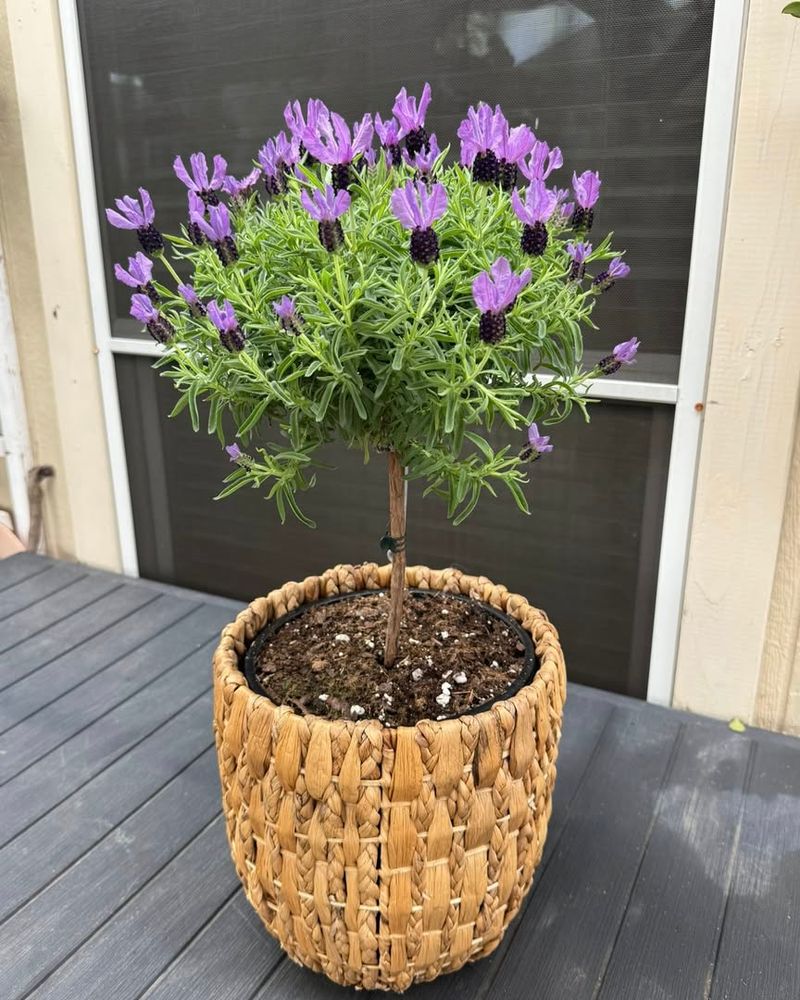
Picking up a lavender topiary at a nursery feels exciting, especially when the rounded purple blooms smell incredible in the warm spring air. Before you hand over your money, though, it pays to know exactly what you are buying.
Like I said, a lavender topiary is not a true tree at all. A grower has trained and pruned a regular lavender plant over one or more seasons.
The result is a single upright stem with a rounded head of foliage and flowers.
The plant underneath all that careful shaping still has the same needs as any lavender. Full sun, sharp drainage, lean soil, and good airflow are non-negotiable.
The training process does not change the plant’s basic biology or make it more forgiving of soggy roots or deep shade.
When shopping, look closely at the foliage. Healthy lavender should have firm, silvery-green leaves and a pleasant fragrance when you brush them lightly.
Check the stem for firmness and avoid plants with soft, mushy spots near the base. Inspect the container and look for signs that the nursery has been watering carefully.
A pot sitting in a tray full of standing water is a warning sign worth taking seriously before you bring the plant home.
2. Choose English Lavender For Better Ohio Cold Tolerance
Not all lavender handles cold weather the same way, and that difference matters a lot once November arrives in our state.
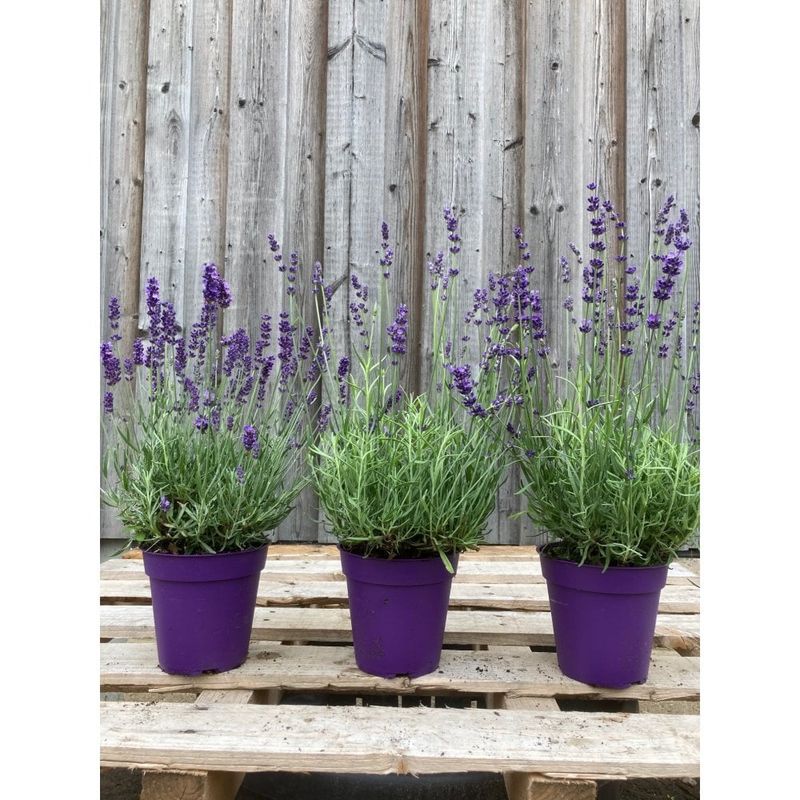
English lavender, known botanically as Lavandula angustifolia, is generally considered more cold-hardy than many other lavender species and hybrids.
For Ohio container gardeners, English lavender is usually the smarter choice for overwintering a potted topiary. Check the tag carefully, because not every lavender topiary sold at nurseries is English lavender.
Popular English lavender cultivars like Hidcote and Munstead are widely cited by herb gardening resources as reliable performers with reasonable cold tolerance. That said, cold hardiness ratings for in-ground plants do not automatically translate to containers.
A pot sitting on an exposed balcony or unprotected patio loses heat much faster than ground soil, so even a cold-tolerant cultivar needs winter help.
Your Ohio Garden Changes Every Week. Your Plan Should Too.
Gardening in Ohio changes quickly throughout the season. Every Friday you’ll receive a simple weekly plan showing exactly what to plant, prune, fertilize, harvest, and protect so you never miss the right timing.
Cultivar choice is just the first piece of the puzzle. Drainage, container placement, soil mix, and how you manage the plant heading into winter all influence whether it survives until spring.
No potted lavender topiary is guaranteed to survive every Ohio winter outdoors. That is especially true in northern areas with freeze-thaw swings, wet snow, and lake-influenced weather.
3. Pick A Pot That Drains Fast After Heavy Rain
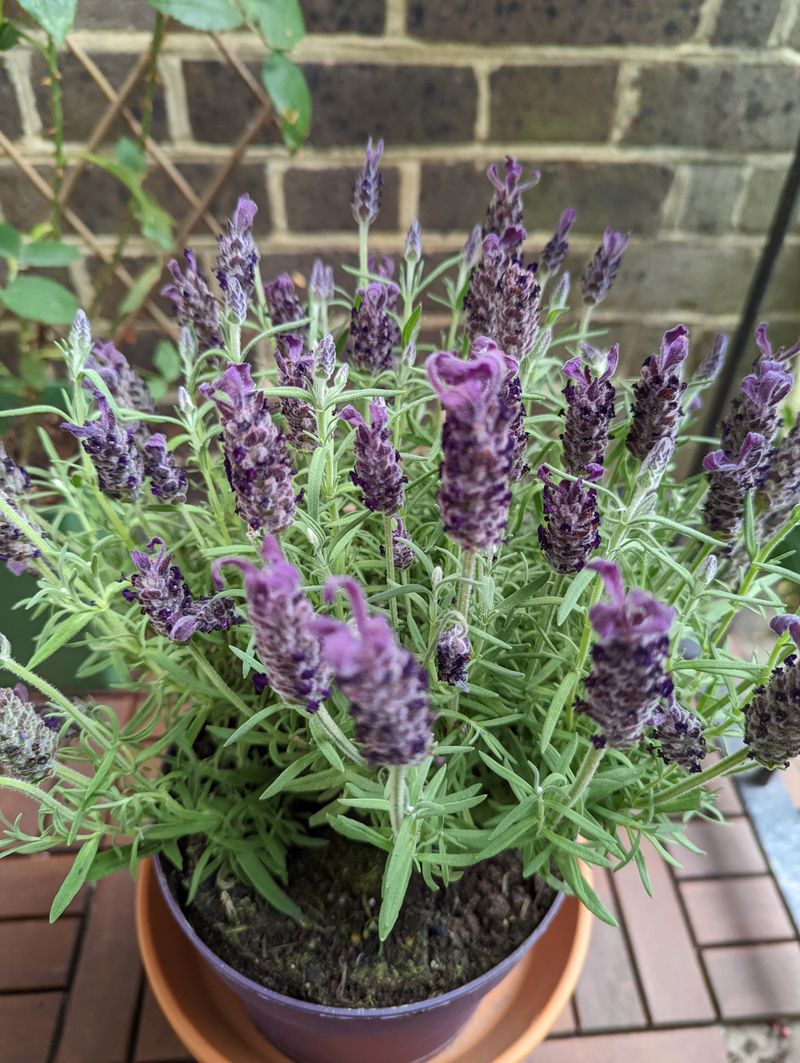
Summer storms in our state can drop a surprising amount of rain in a short time, and a container that holds onto that water is a real problem for lavender. Drainage holes are not optional.
Every pot for a lavender topiary needs at least one large drainage hole. More than one is better, so water can move through quickly after heavy rain.
Pot material also plays a role. Terracotta and unglazed clay pots are popular choices for lavender because they are porous and allow some moisture to evaporate through the walls.
Heavy glazed ceramic pots and plastic containers retain moisture longer, which can work against a plant that actively dislikes wet roots. If you love the look of a glazed pot, make sure it drains well.
Add pot feet to lift it slightly so water can escape freely.
Skip the saucer if you can, or empty it promptly after rain. A saucer full of standing water essentially cancels out your drainage holes by keeping the bottom of the pot wet for hours or days.
A visually appealing container is worth nothing if it quietly drowns the roots of a plant you worked hard to keep healthy through the season.
4. Use Gritty Lean Soil To Protect The Roots
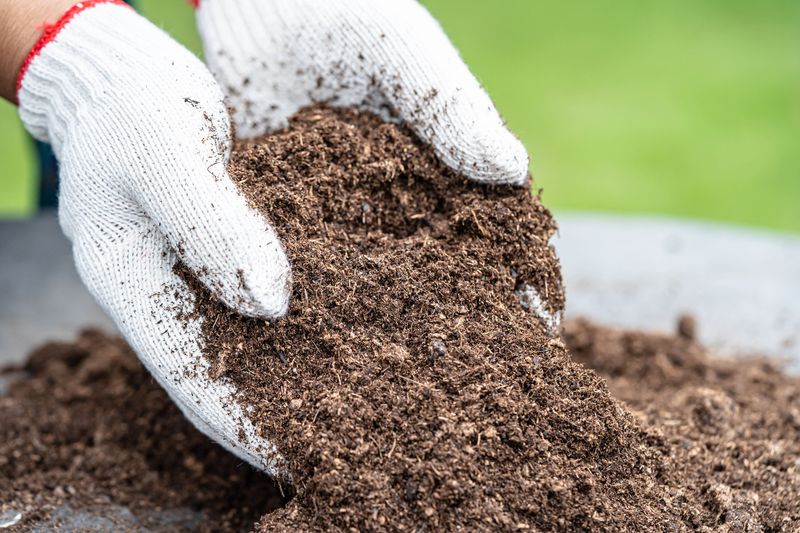
Lavender roots are built for life in rocky, well-drained Mediterranean hillsides, not for the dense, moisture-holding mixes that many other container plants love. The wrong soil can quickly stress a potted lavender topiary.
That is especially true during humid, rainy stretches when the mix stays wet too long.
A good starting point is a quality all-purpose potting mix amended to improve drainage. Many lavender growers suggest adding perlite, coarse sand, or pumice.
These materials open the texture and help water move through faster. The exact ratio depends on your specific potting mix, but the goal is a blend that drains quickly and does not stay soggy after watering.
Avoid using heavy Ohio clay soil in containers. Clay compacts easily in pots, holds too much moisture, and can suffocate lavender roots within a single season.
Rich, moisture-retaining blends marketed for moisture-loving plants are also a poor match. Lavender thrives in lean conditions, meaning a mix that is not loaded with fertilizer or organic matter that breaks down and holds water.
Getting the soil right from the start is far easier than trying to fix root stress after the plant is already struggling.
5. Give The Topiary Full Sun And Strong Airflow
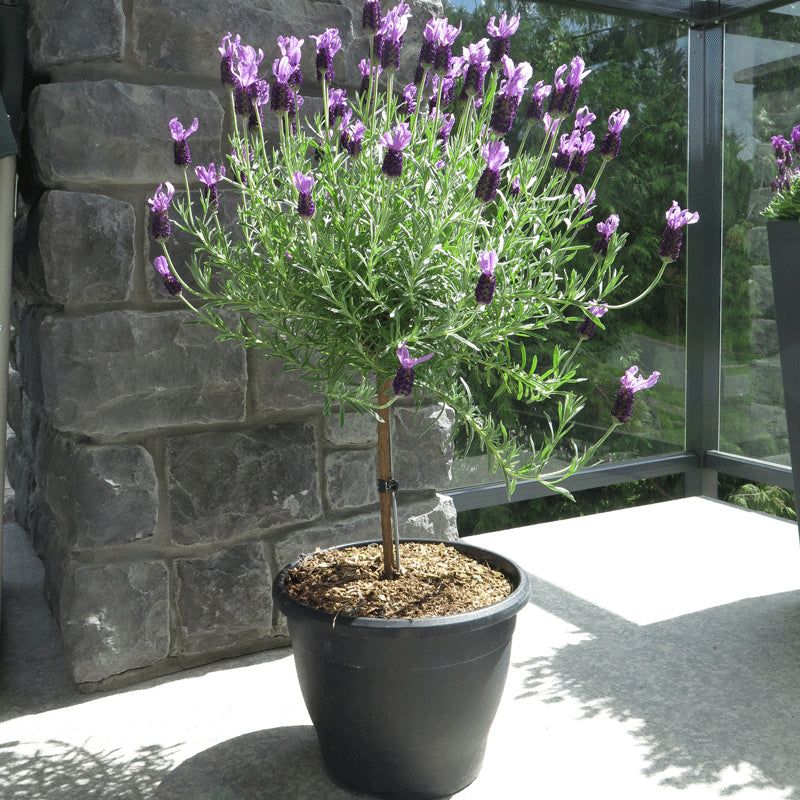
Shade is lavender’s quiet enemy. A potted lavender topiary needs strong, direct sun for most of the day.
Without it, the plant weakens, stretches, blooms poorly, and becomes more vulnerable to summer fungal problems. Full sun means at least six to eight hours of direct sunlight daily, and more is generally better for this plant.
South-facing patios, open decks, and sunny driveways are excellent spots. A bright east-facing porch that gets strong morning light and some afternoon sun can also work reasonably well.
Trouble usually starts when the topiary sits in a shaded corner or against a north-facing wall. Crowding it among larger plants also blocks airflow and traps moisture around the foliage.
Airflow matters more than many gardeners expect. Good air circulation helps foliage dry quickly after rain or morning dew.
That lowers the risk of foliar and stem issues like botrytis. Sharp drainage protects against root rot.
Urban patios surrounded by walls and fences may stay warmer, but they can also trap humid air. Place the pot where breezes can reach it before choosing its season-long spot.
6. Water Only After The Mix Starts To Dry
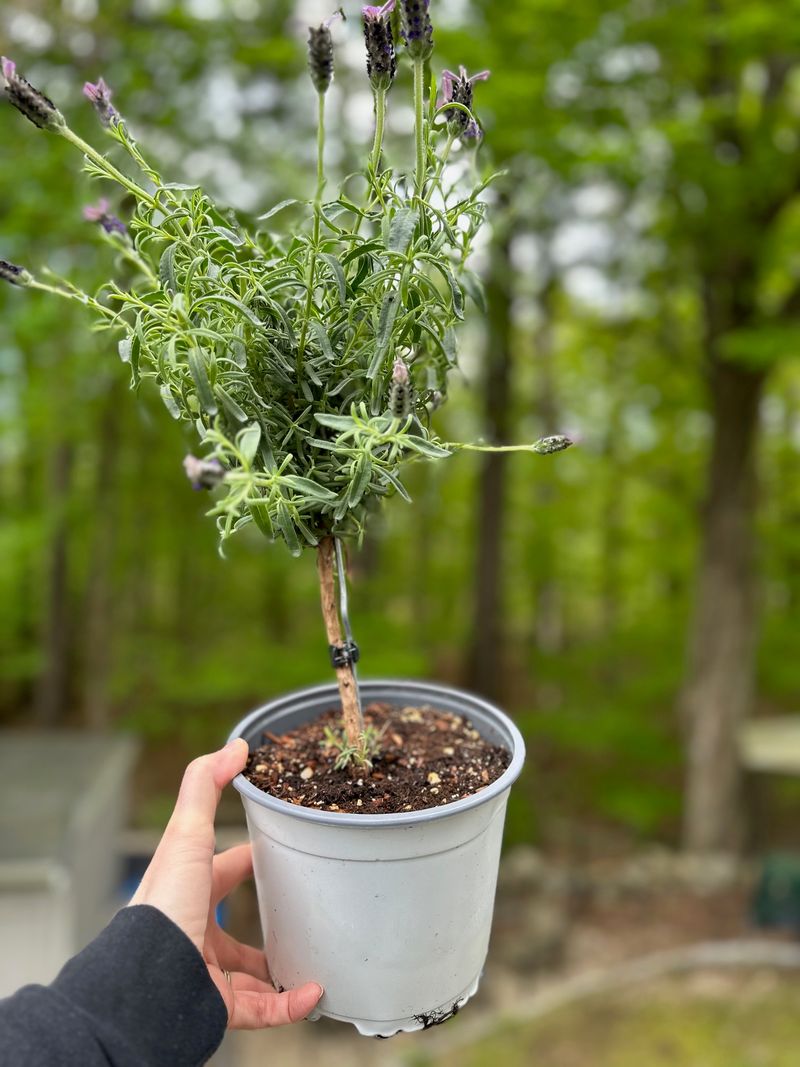
Overwatering potted lavender is an incredibly common mistake, and it often happens with the best intentions. Lavender in a container looks similar to other patio plants, so it is tempting to water it on the same schedule as your petunias or tomatoes.
That approach tends to cause problems fast, because lavender roots need time to dry out between waterings to stay healthy.
A reliable method is to push your finger about an inch or two into the potting mix before reaching for the watering can. If the mix feels moist, wait.
If it feels dry at that depth, go ahead and water thoroughly until it runs freely from the drainage holes. Then let the mix dry out again before the next watering.
During hot, windy summer days, a pot can dry out faster than expected, especially a smaller terracotta container sitting in full sun.
Rural properties with consistent wind and exposed rooftop or balcony gardens may find containers drying very quickly, sometimes daily during heat waves. Urban patios with reflected heat from brick or concrete can also accelerate drying.
The key in every situation is checking the soil rather than watering on a fixed schedule. Consistent soggy conditions are far more damaging to lavender than letting the mix get thoroughly dry between drinks.
7. Prune Lightly Without Cutting Into Bare Wood
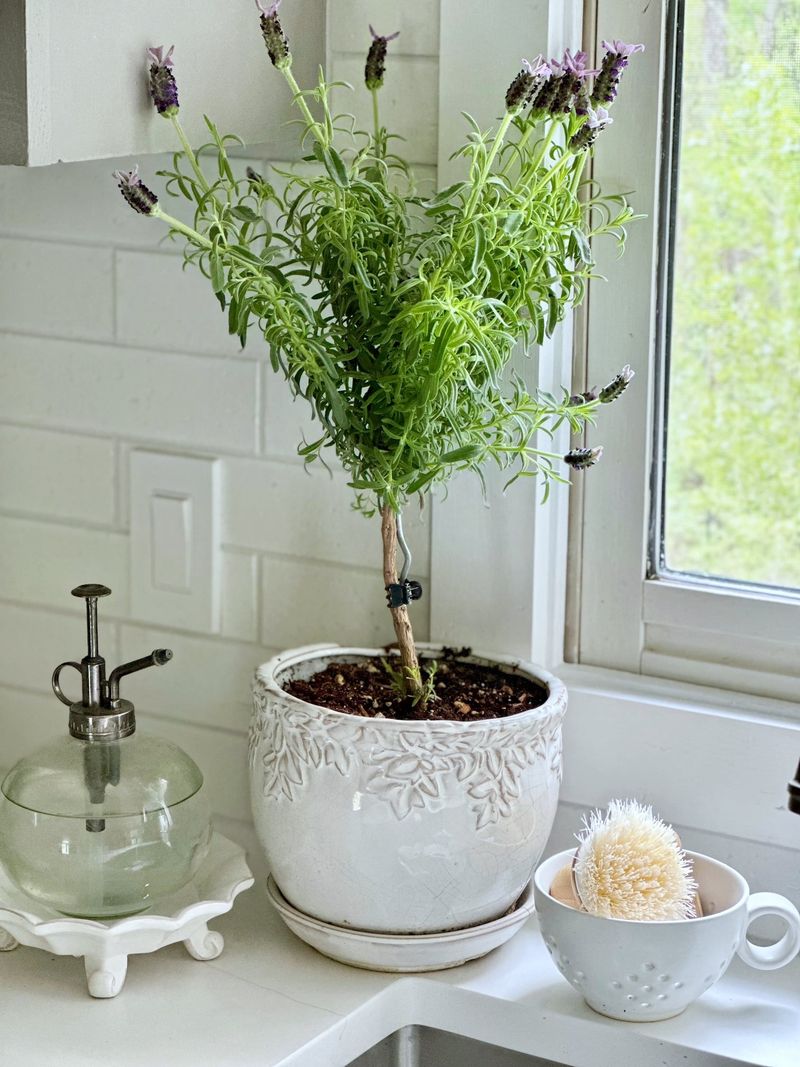
Keeping a lavender topiary looking neat and full requires regular, careful trimming, but lavender has a quirk that catches a lot of gardeners off guard. Cut too far back into the old, woody, leafless part of the stem and the plant may not regrow from that spot.
Lavender does not reliably regrow from bare wood. Aggressive pruning can leave uneven or permanently bare patches that ruin the topiary’s shape..
Light shearing is the safer approach. After the main bloom flush, trim back the flower stems.
Lightly shape the rounded head, staying in green leafy growth instead of cutting into the brown woody base. A light touch done regularly is far better than waiting until the plant is overgrown and then cutting hard to compensate.
Some growers do a second light trim in late summer to encourage a tidy appearance heading into fall. Avoid heavy pruning late in the season in our state, because fresh soft growth stimulated by a hard late cut may not harden off before the first frost arrives.
Keep shaping sessions short and frequent. Use clean, sharp scissors or pruning shears, and keep living green growth on every part of the topiary’s head.
8. Feed Sparingly To Keep Blooms Strong
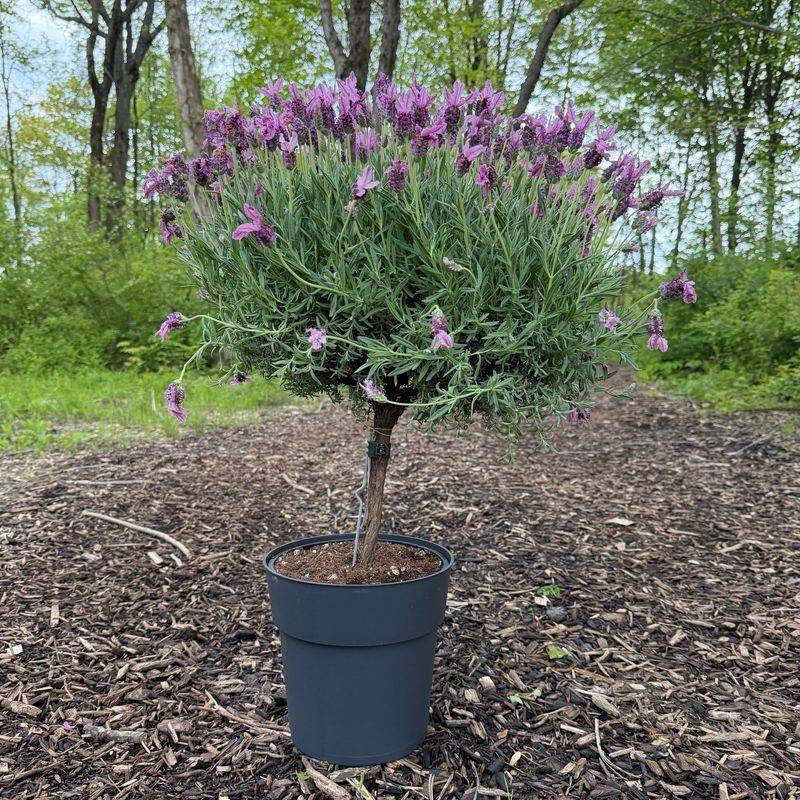
Lavender has a long history of thriving in poor, rocky soils with very little added nutrition, and that background shapes how the plant responds to fertilizer in a pot. Too much fertilizer can push soft, lush growth that looks healthy at first.
That growth is often weaker and more problem-prone than the sturdy growth lavender makes in lean conditions. For container lavender that has been in the same pot for a season or more, a light spring feeding can help.
Use a balanced, slow-release fertilizer and follow the label carefully. Fresh potting mix already contains starter nutrients, so a newly potted plant generally does not need feeding right away.
Resist the urge to fertilize frequently or to use high-nitrogen products that push green growth aggressively. Strong blooms and good fragrance come from a plant that is working in conditions close to what it naturally prefers, not from one that has been heavily fed.
Sun, drainage, and careful watering matter most. They will do more for long-term bloom performance than any complicated fertilizer schedule.
9. Move The Pot Before Ohio Winter Does Damage
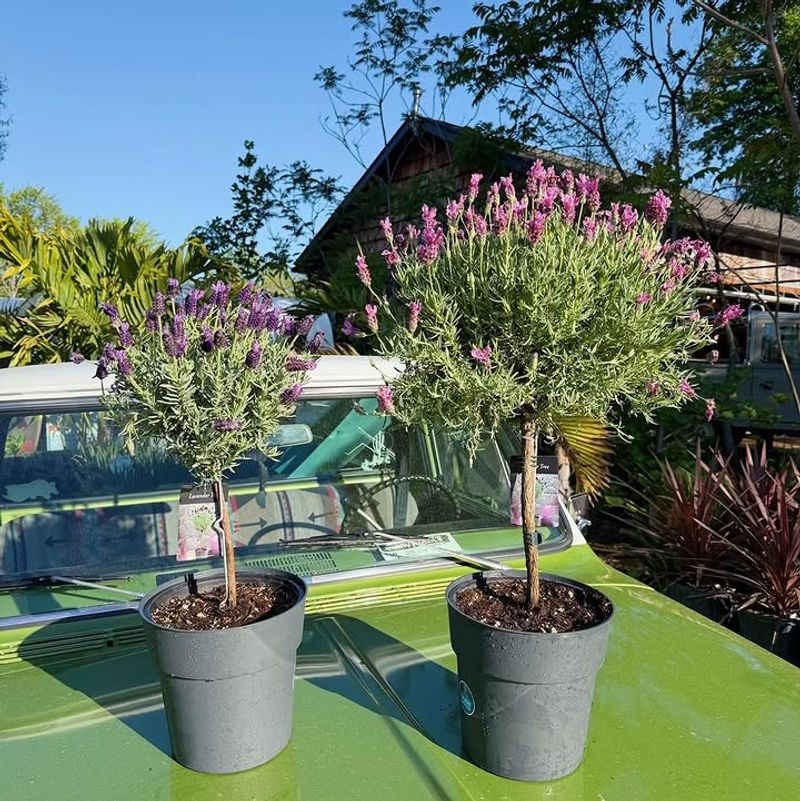
One of the real advantages of growing lavender in a container rather than in the ground is the ability to pick the pot up and move it when the weather turns harsh.
Container roots are more exposed to temperature swings than in-ground roots, which benefit from the insulating mass of surrounding soil.
A pot sitting on an open patio through an Ohio winter faces repeated freeze-thaw cycles, bitter wind, and soggy conditions that can be very hard on lavender roots.
Moving the container to a sheltered location before hard freezes arrive gives the plant a much better chance of coming through winter in good shape.
An unheated garage, protected enclosed porch, or sheltered south-facing wall can work for overwintering container lavender.
The key is protection from harsh wind and excess moisture. The location should stay cool and bright, not warm and dark.
Lavender needs some dormancy and does not do well when pushed into winter growth.
In northern regions near the lake, where winter conditions can be especially wet and variable, early action is smarter than waiting. Southern parts of our state may have slightly more forgiving winters, but exposed containers can still suffer.
Check the potting mix occasionally during winter. Water very lightly only if it becomes dry several inches down, since soggy winter soil can damage lavender roots.
10. Expect To Refresh Or Replace Aging Plants Over Time
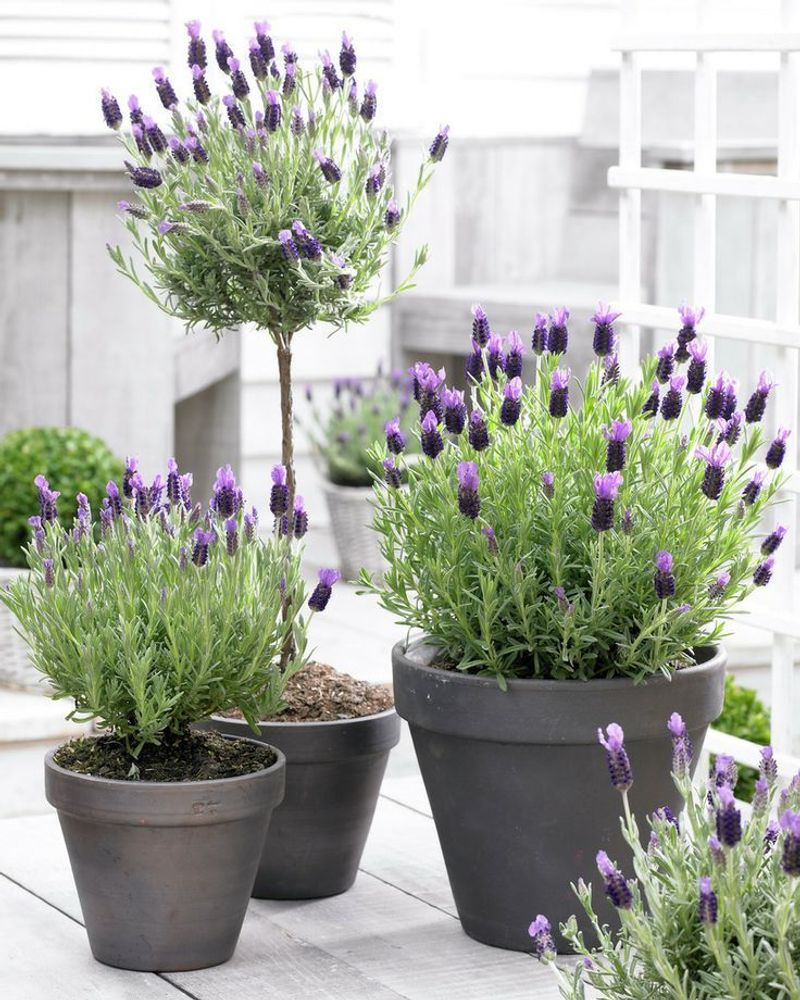
Even a well-cared-for lavender topiary has a natural lifespan in a container, and being realistic about that from the start makes the whole experience less frustrating.
Over time, the central stem and lower branches become increasingly woody, the plant may lose its neat rounded shape, and bloom production can taper off.
Container lavender often ages faster than in-ground plants. Root space is limited, and the plant faces more seasonal stress.
Repotting into a slightly larger container with fresh lean mix every couple of years can give an aging topiary a new boost. Light reshaping during the growing season helps maintain the topiary form.
Avoid cutting hard into bare stems on a very woody plant, because lavender rarely responds well.
Propagating from healthy stem cuttings is another option worth exploring if you want to carry the plant forward. Taking semi-hardwood cuttings in late summer is a method mentioned in herb gardening and propagation resources, though success rates vary.
When a topiary has genuinely declined past the point of reasonable recovery, replacing it with a healthy new plant is a perfectly good decision.
Years of blooms are possible with attentive care, but every plant has limits, and knowing when to start fresh is part of being a practical, experienced gardener.