These Native Florida Plants Turned My Thirsty Yard Into A Low-Water Garden
My Florida yard used to feel impossible to keep happy. I watered, replaced plants, watched sunny patches dry out, and somehow still ended up with a landscape that always wanted more from me.
Then I started paying attention to the plants that were already built for this place. Native Florida plants changed everything.
They handled the sandy soil, the blazing afternoons, the sudden downpours, and the dry spells without turning the yard into another chore. The shift was not instant magic, but it did make the garden feel more in step with the climate instead of constantly fighting it.
Now the yard looks full, alive, and intentional without needing a hose every time the weather gets moody. For anyone tired of feeding a thirsty landscape, these natives make a pretty convincing case.
1. Sunshine Mimosa Replaced Thirsty Turf With Pink Blooms
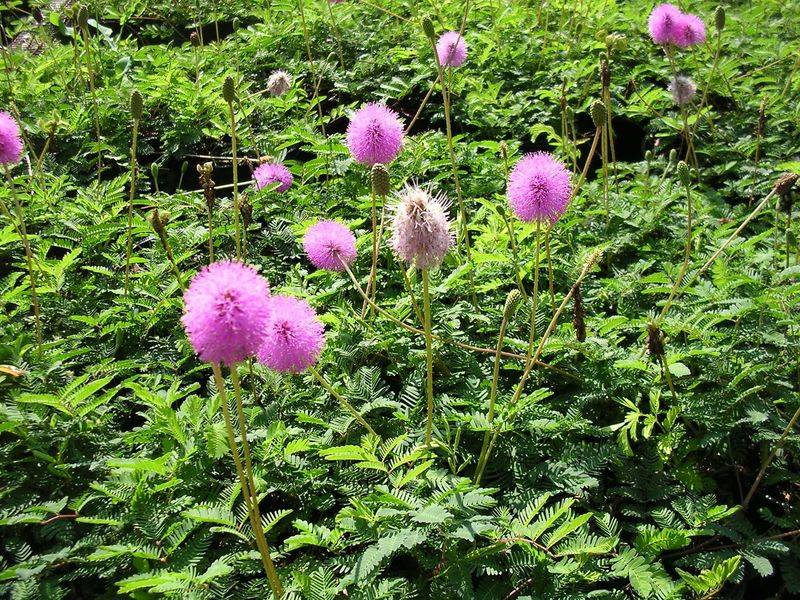
The thirstiest part of the front yard used to be a patchy strip of turf that needed water every few days just to look average. Planting sunshine mimosa there changed the whole feel of that space.
Those soft pink puffball blooms show up spring through fall, and pollinators absolutely work them over.
Sunshine mimosa, known botanically as Mimosa strigillosa, is a low-growing native groundcover that spreads steadily across sunny, well-drained ground. It handles sandy soil well and does not demand much once it is established.
According to UF/IFAS, it works best in full sun and is not suited to shaded areas or spots that stay wet.
The leaves fold up when touched, which is a fun detail that surprises visitors every time. It is not a walkable lawn replacement for high-traffic areas, but in a sunny bed or along a dry border, it earns its spot quickly.
Establishment takes patience, and supplemental watering during dry spells in the first season still matters. Once rooted in, though, that strip needs a fraction of the attention the old turf did.
Regional note: it performs best in Central and South yards with reliably warm winters.
2. Dune Sunflower Covered Hot Sandy Spots With Color
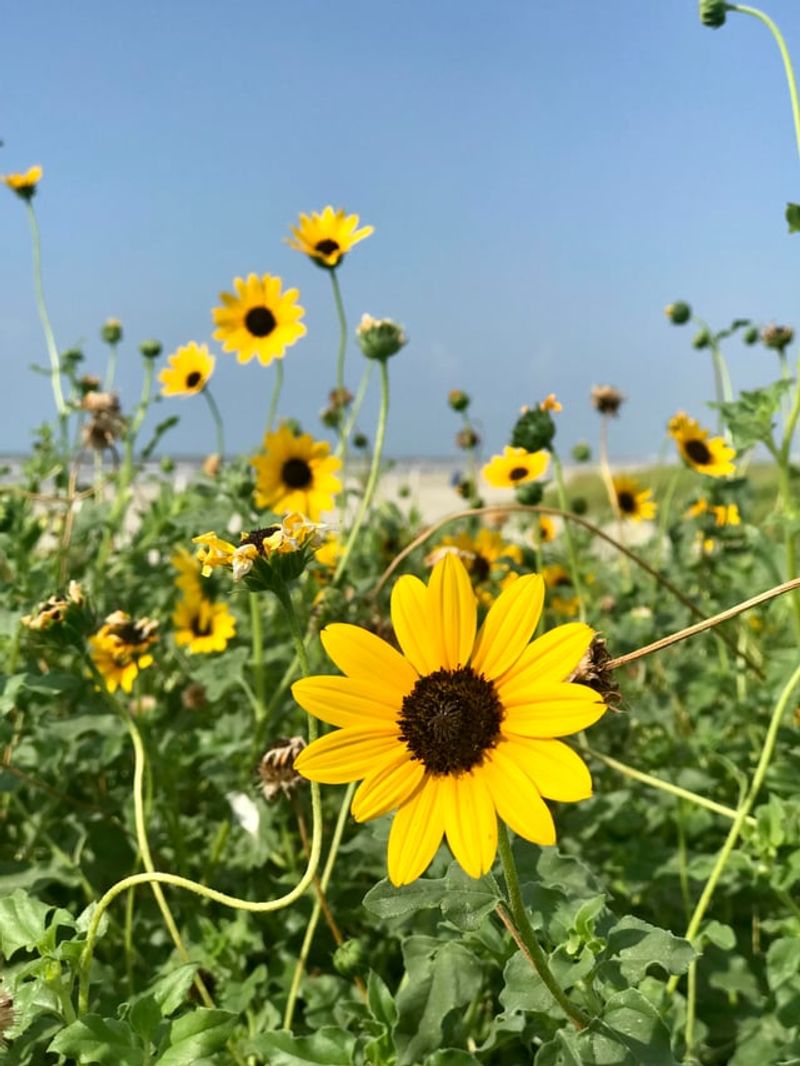
Some corners of a yard seem built to defeat plants. Sandy, exposed, bone-dry, and baking in afternoon sun, that kind of spot sent plenty of good intentions straight to the compost pile.
Then dune sunflower moved in and acted like none of those conditions were a problem.
Helianthus debilis, the native dune sunflower, thrives in exactly the kind of hot, open, sandy sites that stress most landscape plants.
It spreads energetically, filling gaps and spilling over edges with cheerful golden blooms that attract butterflies and bees throughout much of the year.
The Florida Wildflower Foundation notes it blooms nearly year-round in warmer areas of the state.
It needs room. Cramming it into a tight, formal bed fights its nature.
This plant suits open, naturalistic spaces where its spreading habit reads as full coverage rather than disorder. Sandy coastal yards and exposed sunny beds in Central areas are where it genuinely shines.
After establishment, it handles dry spells with confidence, though newly planted specimens still need regular water through the first growing season.
Your Florida Garden Changes Every Week. Your Plan Should Too.
Gardening in Florida changes quickly throughout the season. Every Friday you’ll receive a simple weekly plan showing exactly what to plant, prune, fertilize, harvest, and protect so you never miss the right timing.
The practical takeaway here is simple: match it to a site that suits its energy, and it rewards that decision with color that keeps going even when rainfall takes a break.
3. Muhly Grass Added Movement Without Constant Watering
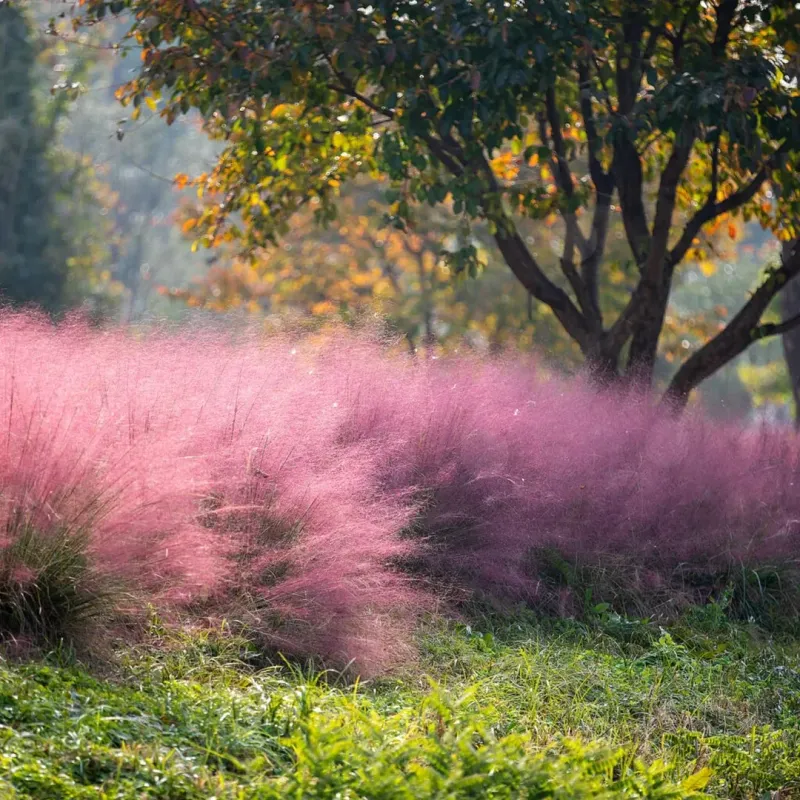
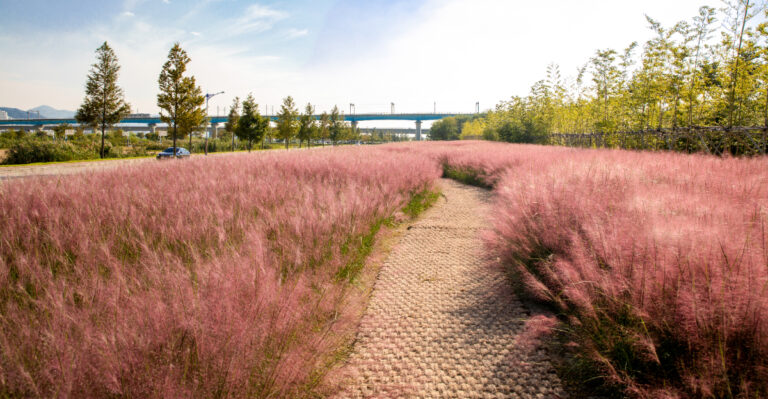
There is a moment in fall when muhly grass earns every bit of the space it takes up. The soft pink-purple flower plumes catch the light and move with the slightest breeze, turning an ordinary bed into something that actually feels alive.
That seasonal payoff is real, and it comes without much effort from the gardener.
Muhlenbergia capillaris is a native ornamental grass that performs best in full sun with good drainage and airflow. It tolerates sandy, infertile soils well, which makes it a natural fit for the kinds of dry, open beds where other plants struggle.
UF/IFAS Extension confirms it is well-adapted to sunny, well-drained sites across much of the state.
After the roots settle in, muhly grass handles dry periods without much intervention. The first season still calls for regular watering to get it established, and skipping that step often means slower growth and weaker plants.
Once it finds its footing, though, the maintenance drops off noticeably. It does not need rich soil or frequent fertilizing.
Placing it where it gets full sun and good air circulation lets it show its best shape. For a low-water bed with year-round texture and a reliable fall display, muhly grass is a dependable choice.
4. Coontie Brought Evergreen Structure To Dry Beds
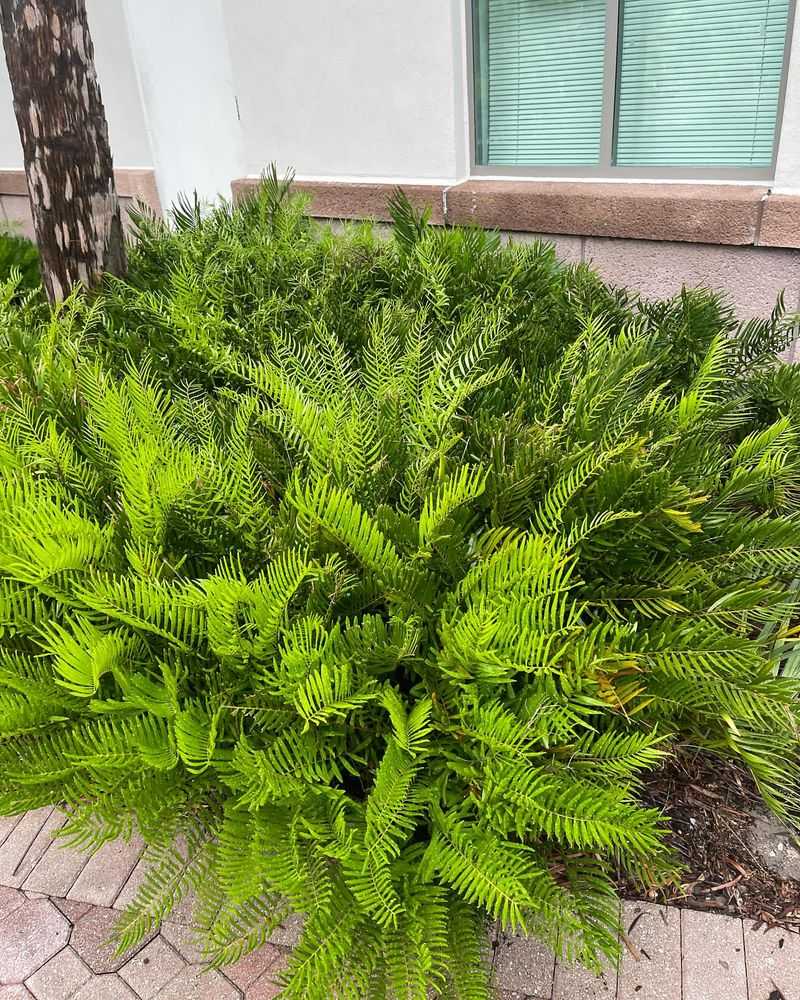
Evergreen structure in a low-water bed is harder to find than it sounds. Most plants that handle drought well tend to look rough by midsummer, dropping leaves or going dormant right when the garden needs to look its best.
Coontie does not play that game.
Zamia integrifolia is the only cycad native to the continental United States, and it has been growing in the sandy soils of this region for a very long time.
Its dark, glossy, arching fronds stay green year-round and hold their shape through heat, drought, and dry spells once the plant is established.
The Florida Native Plant Society recognizes it as a reliable, low-maintenance native for dry beds.
Coontie works especially well in foundation plantings, mixed beds, or shaded spots under trees where turf struggles. It is not a groundcover for foot traffic, and its shape is part of the appeal, so placement matters.
Give it room to be seen rather than crowding it against taller plants. The atala butterfly, a striking native species, depends on coontie as its host plant, which adds real ecological value to the yard.
Establishment requires patience and consistent watering, but once rooted, it is one of the most reliable low-water natives available across much of the state.
5. Firebush Fed Pollinators Once The Rain Slowed Down
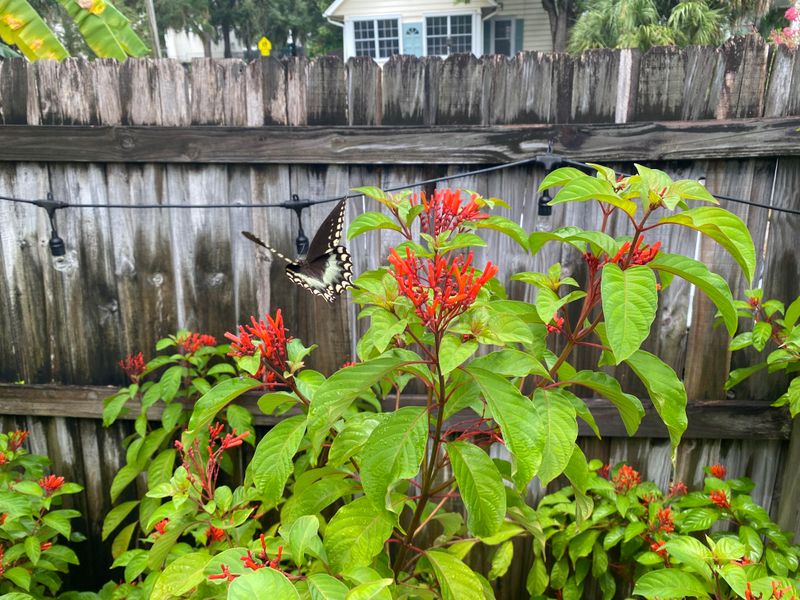
The driest weeks of the year used to be the quietest in the garden. Pollinators disappeared, blooms faded, and everything looked like it was just waiting for rain.
Adding firebush changed that pattern almost immediately after it got established.
Hamelia patens is a fast-growing native shrub with clusters of tubular red-orange flowers that hummingbirds and butterflies visit consistently. It thrives in full sun to part shade and handles heat well.
UF/IFAS and the Florida Wildflower Foundation both highlight its value as a pollinator plant with good drought tolerance once established.
Regional behavior is worth understanding here. In South gardens and warm coastal yards, firebush can grow large and behave almost like a small tree.
In the Panhandle and northern parts of the state, it may freeze back in winter but typically returns from the roots in spring. That freeze-back actually keeps its size manageable in colder zones, which some gardeners appreciate.
For the first season, supplemental watering is still important, especially during dry stretches. After that, firebush settles into a rhythm that needs much less attention.
The blooms keep coming through summer and fall, right through the stretches when rainfall gets unreliable, which is exactly when the garden needs them most.
6. Saw Palmetto Handled Heat Wind And Sandy Soil
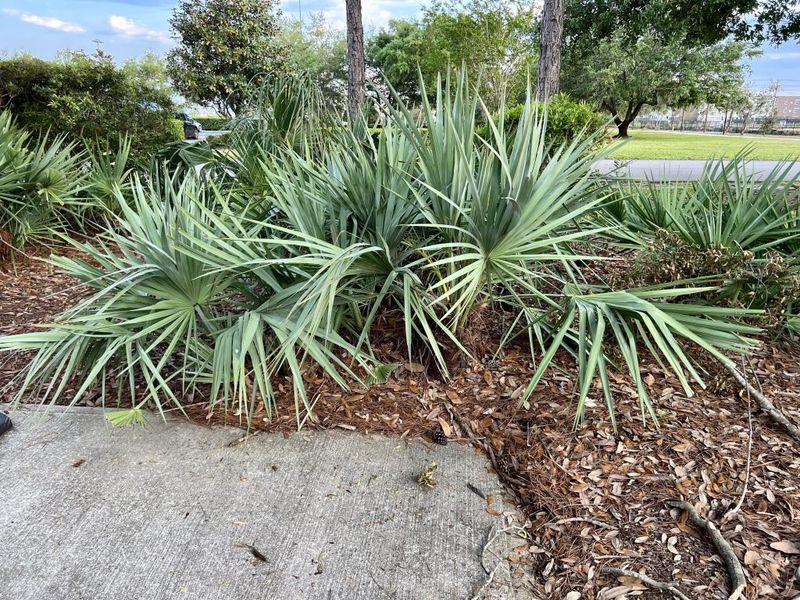
Some plants look like they belong in a landscape. Saw palmetto looks like it built the landscape before anyone showed up to plant anything else.
That prehistoric toughness is exactly what makes it useful in spots where most ornamentals would struggle by August.
Serenoa repens is a native palm that grows across much of the state, thriving in full sun, sandy soil, and exposed sites with little supplemental water once established. It tolerates salt air, wind, and heat in ways that few landscape plants can match.
The Florida Native Plant Society notes its extensive role as wildlife habitat, providing food and shelter for birds, mammals, and insects.
Saw palmetto needs space. Its fan-shaped fronds spread wide, and its roots go deep, which is part of what makes it so resilient in dry conditions.
It is not suited to small, tight borders or formal beds where its size and texture would feel out of scale. Larger naturalistic areas, open sandy beds, and transitional spaces between lawn and wild areas are where it fits best.
Establishment can be slow, and young plants still need watering through the first growing season. Once rooted, though, the maintenance nearly disappears.
That part of the garden now handles the harshest conditions without asking for much in return.
7. Beautyberry Made Dry Shade Feel More Alive
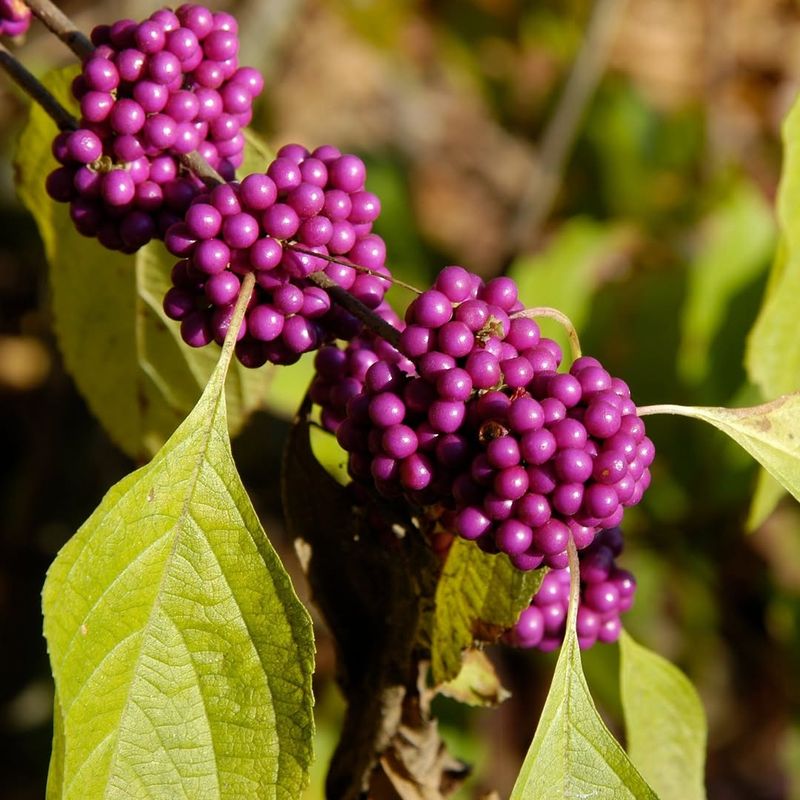
Dry shade is one of the toughest spots in any yard. The area under a large tree gets little rain thanks to the canopy above, and the roots of that tree compete hard for whatever moisture does reach the soil.
Turf gives up there. Most shrubs sulk.
Beautyberry finds a way.
Callicarpa americana is a native shrub known for its striking clusters of bright purple berries that line the branches in late summer and fall. Birds eat those berries quickly, so the wildlife value is genuine and well-documented.
UF/IFAS Extension recommends it for naturalistic landscapes, woodland edges, and spots where turf struggles under tree canopy.
Beautyberry is more adaptable than it looks. It handles part shade and dry conditions, though it does appreciate some moisture, especially during establishment and through extended dry spells.
It is not as drought-tough as the full-sun natives on this list, and being honest about that matters when planning a low-water bed. Place it in dappled light or morning sun with some afternoon shade, and it tends to settle in well.
After the roots establish, watering needs drop off, and the plant handles moderate dry periods without much stress. The payoff every fall, when those purple berries cluster along every branch, makes the effort worthwhile.
8. Railroad Vine Took Over The Toughest Coastal Corner
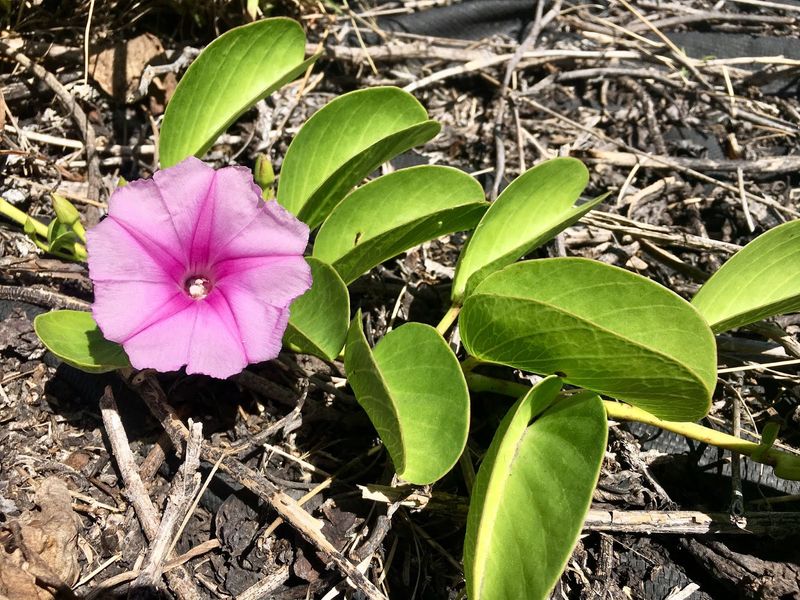
One corner of my yard had defeated everything tried there. Full sun, reflected heat from a nearby fence, sandy soil with almost no organic matter, and salt air drifting in from nearby water.
It was the kind of spot that makes gardeners consider just putting down gravel and walking away.
Ipomoea pes-caprae, known as railroad vine, is a native coastal groundcover that spreads vigorously across hot, sandy, exposed sites. Its large purple blooms resemble morning glories and open through much of the warm season.
The Florida Wildflower Foundation and UF/IFAS both document its ability to handle salt exposure, wind, and heat in coastal and near-coastal environments.
Railroad vine needs room to spread. It is not a plant for a small, contained bed or a formal border where edges need to stay tidy.
Give it an open, sunny, sandy area and it will cover ground quickly, holding soil and providing habitat as it goes.
In that tough coastal corner, it did exactly what nothing else had managed to do, fill the space and hold up through the dry season without constant watering.
Establishment still requires regular moisture in the first weeks, but once rooted, it handles conditions that would stress most landscape plants. Matching the right plant to the right site is what made the difference here.