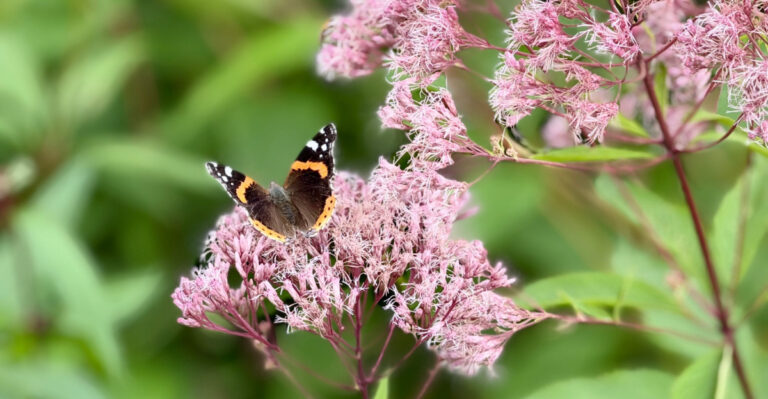
These Are The 11 Cottage Flowers That Love The Ohio Climate
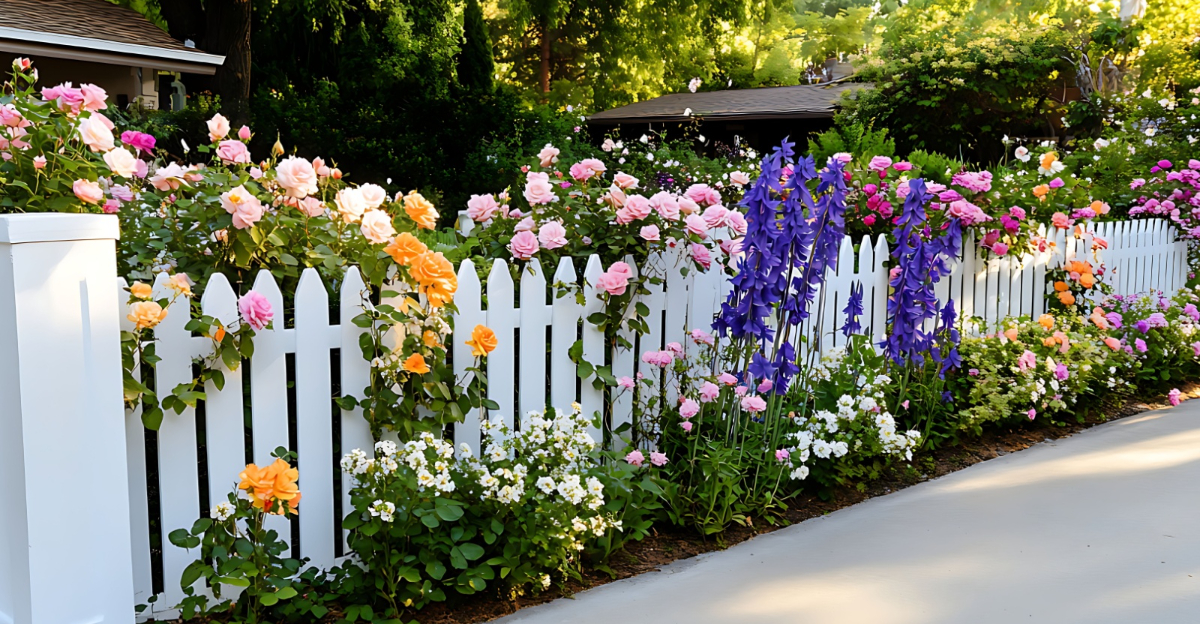
Step into an Ohio yard in early summer and the whole space comes alive with soft color, layered textures, and that relaxed, slightly wild charm people love about cottage-style gardens.
Nothing feels overly planned, yet everything seems to belong exactly where it grows.
Many of the most beloved cottage flowers have a long history across Ohio, thriving through humid summers, sudden storms, and cold winters without demanding constant attention.
Gardeners across the state continue to return to these familiar favorites for their reliability, gentle beauty, and ability to bring pollinators right up to the porch.
Old-fashioned garden styles continue to gain interest again, and Ohio offers the perfect setting for that timeless look. These classic blooms fit naturally into the landscape while adding color that builds week after week.
Take a look at the cottage garden flowers that feel right at home in Ohio conditions.
1. Foxgloves Bring Classic Cottage Charm To Ohio Gardens
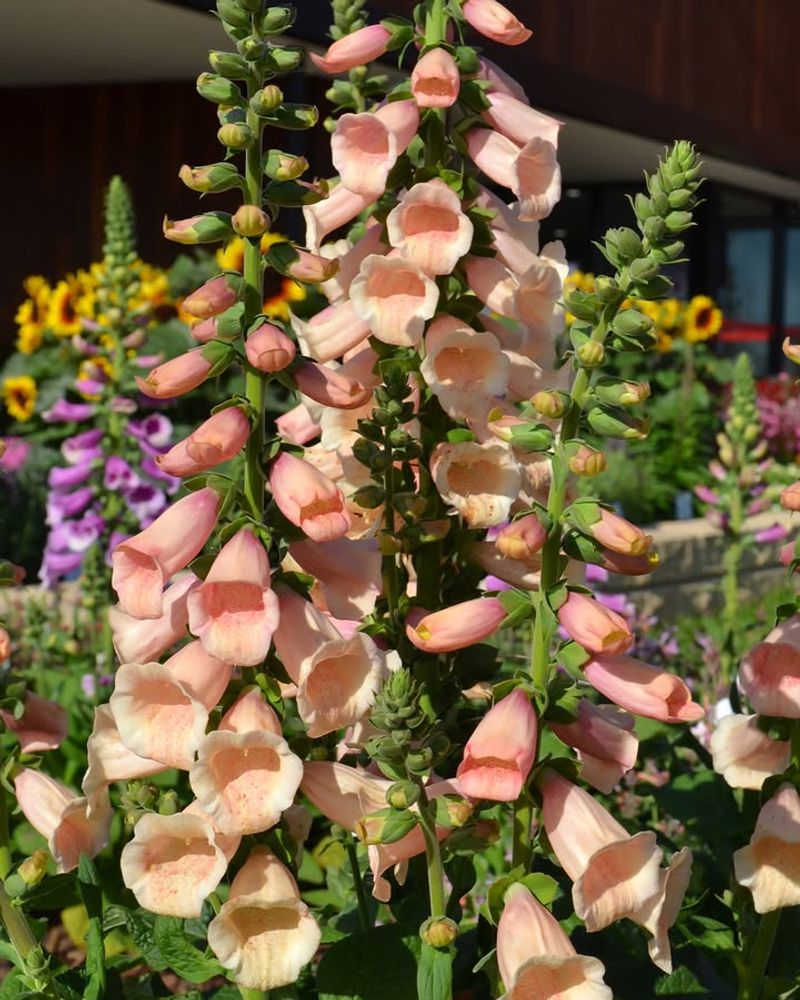
Few flowers capture the storybook feel of a cottage garden quite like foxgloves. With their tall spires of tubular blooms in shades of purple, pink, cream, and white, they add a sense of drama and romance that is hard to match.
Foxgloves (Digitalis purpurea) are biennials, meaning they grow leaves in their first year and bloom in their second, but they self-seed so reliably that they feel like perennials once established in your garden.
In Ohio, foxgloves perform especially well in spots with partial shade, making them a smart choice for areas under trees or along the north side of a fence. OSU Extension recommends planting them in well-drained, slightly acidic soil enriched with organic matter.
They typically bloom from late spring into early summer, bridging the gap between spring bulbs and summer perennials.
Plant foxgloves toward the back or middle of a border where their height, often reaching four to five feet, creates a striking vertical accent. They pair beautifully with hostas, ferns, and astilbes in shadier spots.
Deadheading spent flower spikes can encourage a second flush of smaller blooms later in the season, extending their garden presence well into summer.
2. Hollyhocks Create Height And Old-Fashioned Appeal
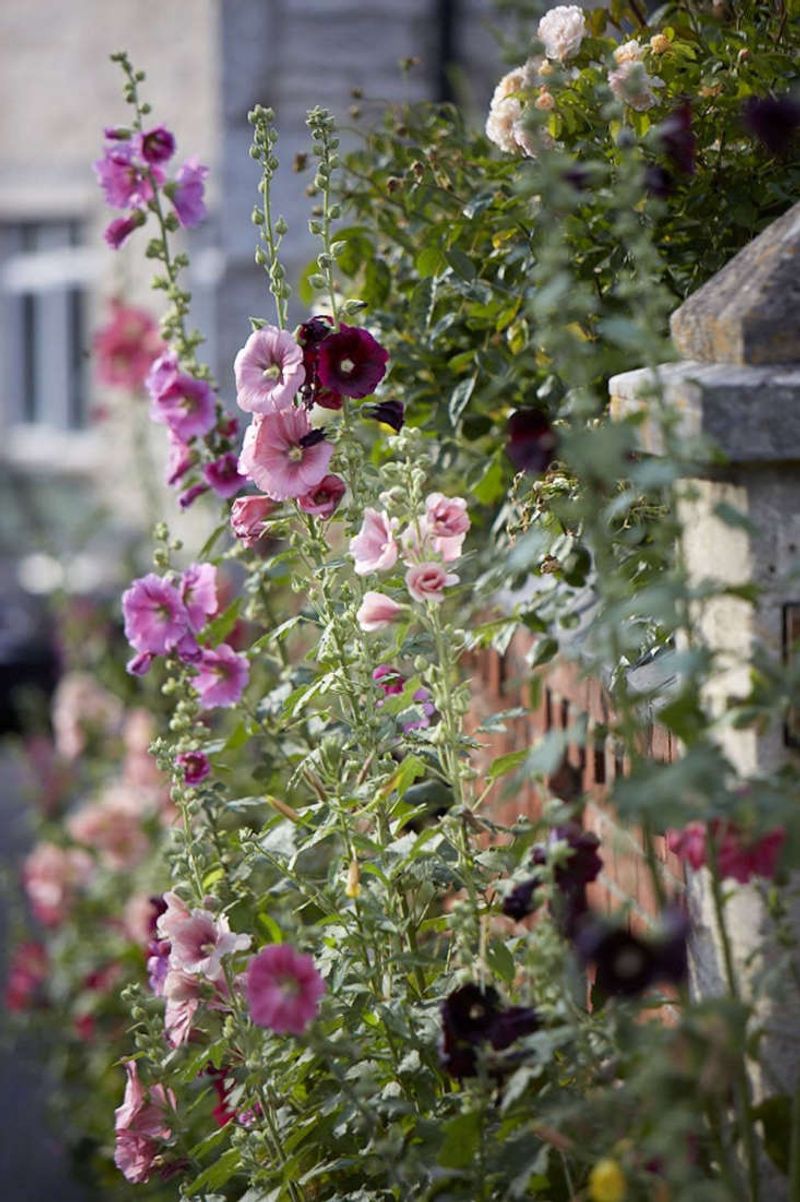
There is something undeniably nostalgic about hollyhocks growing tall against an old fence or garden wall.
These stately plants, known botanically as Alcea rosea, have been gracing cottage gardens for centuries and remain one of the most recognizable old-fashioned flowers you can grow.
In Ohio, they thrive in full sun and can reach impressive heights of six to eight feet, making them ideal as a backdrop for shorter plants in a layered border design.
Hollyhocks are biennials or short-lived perennials, but like foxgloves, they self-seed enthusiastically, ensuring a continuous presence in your garden year after year. They prefer well-drained soil and do not like sitting in soggy ground, especially over winter.
OSU Extension notes that good air circulation around hollyhocks helps reduce the risk of rust fungus, which is a common issue in Ohio’s humid summers.
Plant them along fences, walls, or at the back of a wide border where their towering stems can shine without blocking other plants. Single-flowered varieties tend to be more pollinator-friendly, attracting bees and butterflies throughout the blooming season.
Your Ohio Garden Changes Every Week. Your Plan Should Too.
Gardening in Ohio changes quickly throughout the season. Every Friday you’ll receive a simple weekly plan showing exactly what to plant, prune, fertilize, harvest, and protect so you never miss the right timing.
With colors ranging from deep burgundy to soft peach and white, hollyhocks bring bold, old-fashioned character to any Ohio yard.
3. Delphiniums Add Bold Color To Cooler Ohio Summers
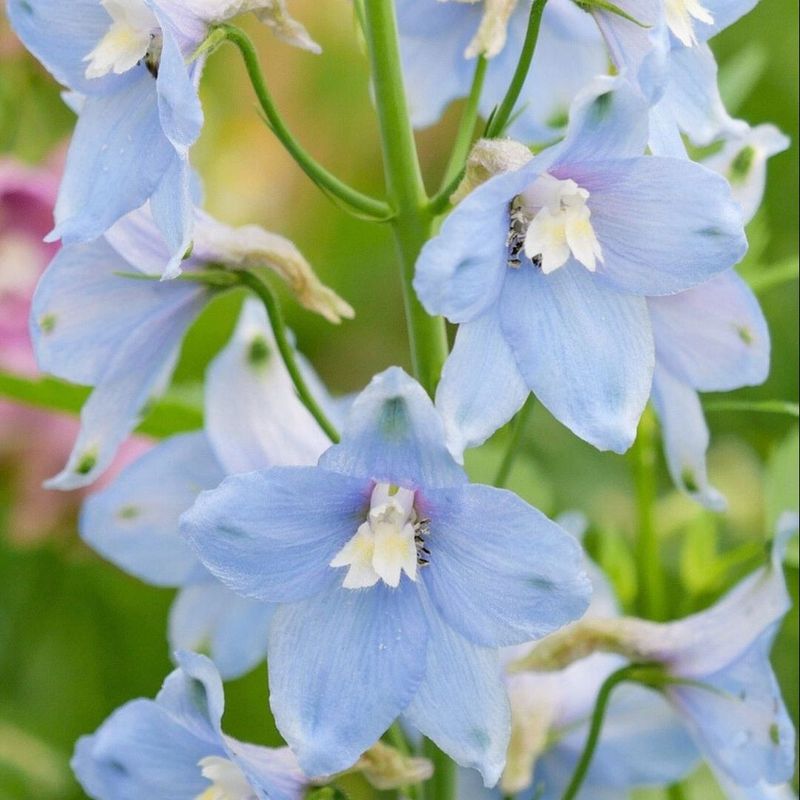
Walk past a border full of delphiniums in full bloom and it is nearly impossible not to stop and stare. The towering spikes of electric blue, deep violet, lavender, and white make delphiniums one of the most visually striking flowers in any cottage garden.
Fortunately, Ohio’s climate gives these beauties a real fighting chance, especially in the northern and central parts of the state where summers tend to stay a bit cooler.
Delphiniums prefer full sun with protection from strong afternoon winds, which can topple their tall stems. Staking is often necessary for taller varieties that can reach five or six feet.
Plant them in rich, well-drained soil with a slightly alkaline pH for best results. Ohio State University Extension advises amending clay-heavy Ohio soils with compost before planting to improve drainage and root development.
Timing matters with delphiniums. They bloom most vigorously in late spring and early summer, then may put out a second flush in early fall if cut back after the first flowering.
Placing them at the back of a sunny border, behind shorter cottage flowers like coneflowers or black-eyed Susans, creates a layered look that feels lush and intentional. Consistent moisture during dry spells will keep them performing at their best.
4. Peonies Return Strong Year After Year
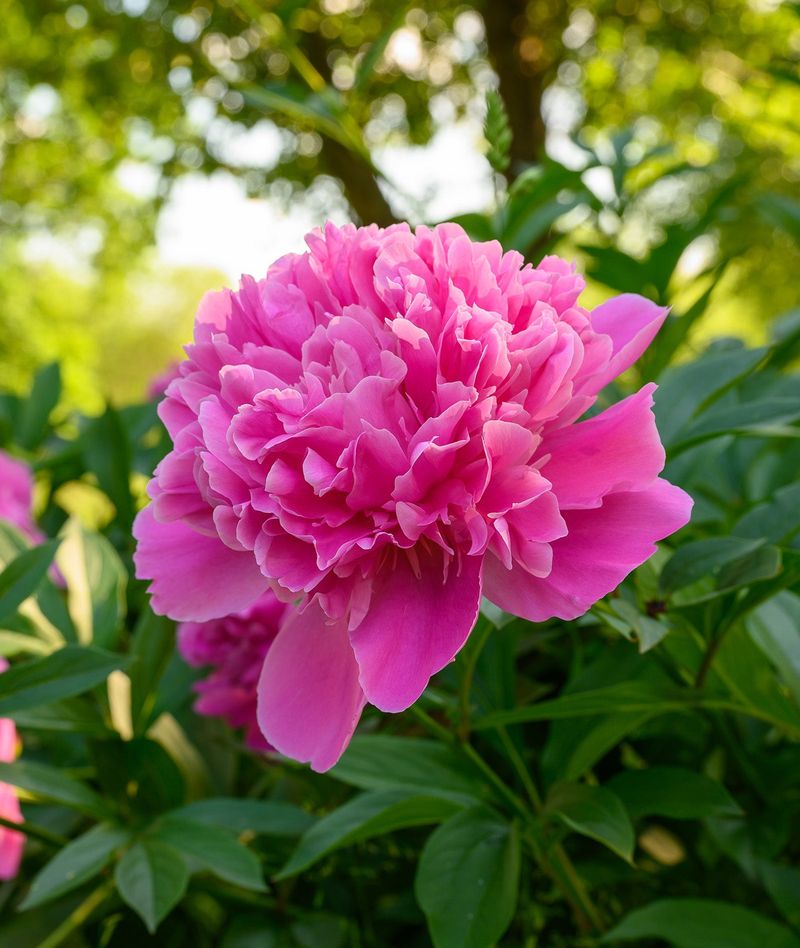
Peonies are the kind of plant that rewards patience and then keeps on giving for decades. Once established in Ohio soil, a well-sited peony can bloom reliably for 30 years or more with very little fuss.
Their large, fragrant flowers in shades of white, pink, coral, and deep red are a hallmark of the classic cottage garden, and Ohio’s cold winters actually work in their favor since peonies need a period of winter chill to bloom well the following spring.
According to OSU Extension, peonies should be planted in full sun with at least six hours of direct light per day. Proper planting depth is critical: the eyes, or buds, on the root should be no more than one to two inches below the soil surface.
Planting too deep is one of the most common reasons peonies fail to bloom.
Support cages or rings placed around plants early in spring will keep the heavy blooms from flopping after a rain. Peonies also make spectacular cut flowers, filling a room with their sweet scent for days.
They are largely pest-resistant and, once established, rarely need dividing. Ants you may notice on buds are simply attracted to nectar and cause no harm whatsoever to the plant.
5. Coneflowers Thrive With Minimal Effort
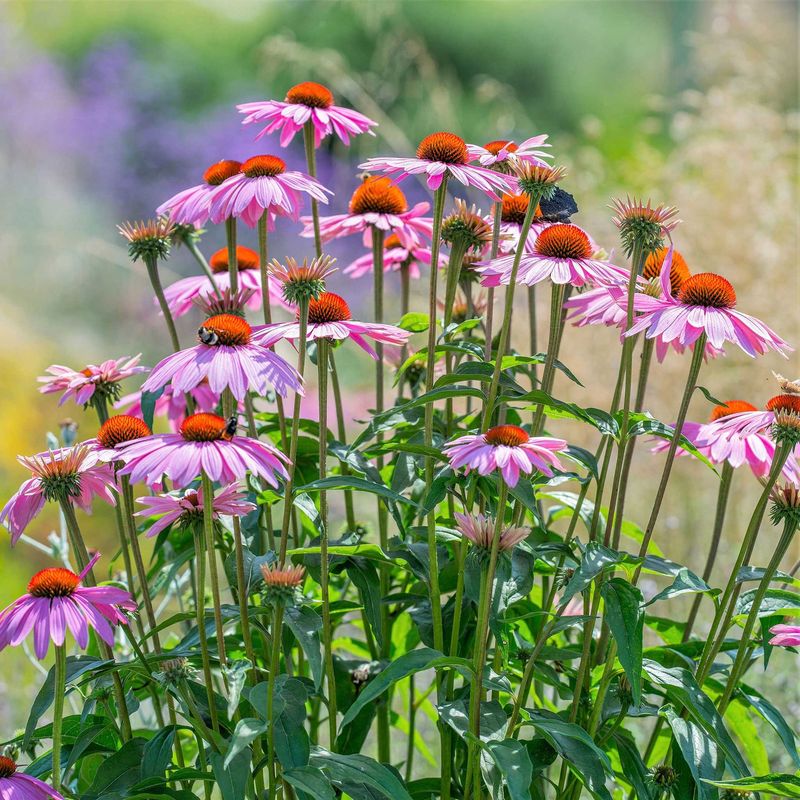
Native plants rarely get more love than coneflowers, and for good reason. Echinacea purpurea is native to much of the eastern United States, including Ohio, which means it has evolved to handle the state’s full range of conditions without much help from the gardener.
From scorching August heat to stretches of summer drought, coneflowers keep right on blooming while other plants struggle.
Beyond their toughness, coneflowers are genuine pollinator magnets. Bees, butterflies, and even goldfinches flock to them throughout the growing season.
The Ohio Department of Natural Resources highlights native coneflowers as an important food source for wildlife, particularly in late summer and fall when other blooms are fading.
Leaving the seed heads standing through winter provides food for birds during lean months.
Coneflowers grow well in average to poor soil and do not need fertilizing, which actually encourages too much leafy growth at the expense of flowers. Plant them in full sun for the best bloom production, though they tolerate light afternoon shade.
Varieties available today go far beyond the classic purple, with options in yellow, orange, red, and white. Dividing clumps every three to four years keeps plants vigorous and gives you free starts to spread around the garden.
6. Black-Eyed Susans Keep Gardens Bright All Season
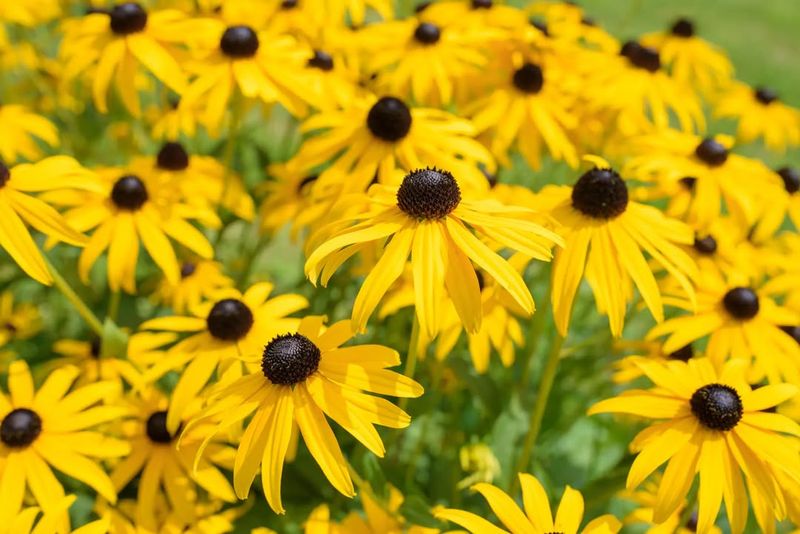
If there is one flower that truly captures the spirit of an Ohio summer, it might just be the black-eyed Susan.
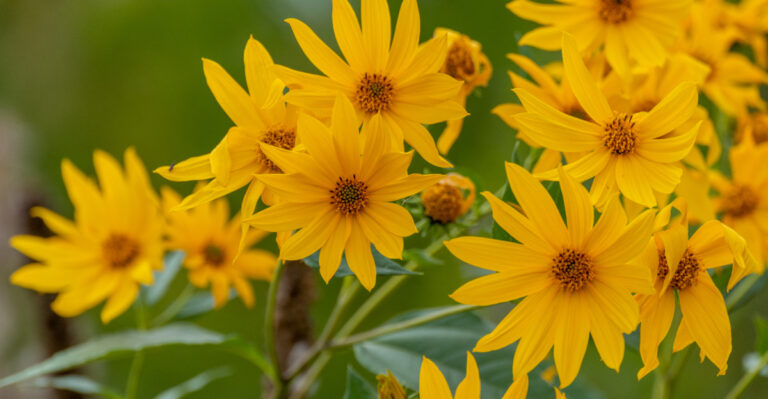
With their cheerful golden-yellow petals surrounding a rich brown center, Rudbeckia hirta blooms from midsummer well into fall, long after many cottage flowers have finished their show.
They are native to Ohio and built to handle the state’s hot, humid summers without complaint.
Black-eyed Susans are adaptable to a wide range of soil types, including the clay-heavy soils found across much of Ohio.
They grow well in full sun and tolerate dry spells once established, making them a reliable performer even in years when summer rainfall is spotty.
OSU Extension notes that they are excellent for naturalizing in meadow-style plantings or mixing into traditional cottage garden borders.
One of their best qualities is their long flowering window. Deadheading spent blooms encourages continuous flowering, but leaving some seed heads in place at season’s end attracts finches and other seed-eating birds.
Black-eyed Susans pair beautifully with purple coneflowers, bee balm, and ornamental grasses for a layered, naturalistic look. They self-seed freely, so expect them to spread and fill in gaps over time, which only adds to their cottage garden charm.
7. Bee Balm Attracts Pollinators And Handles Humidity
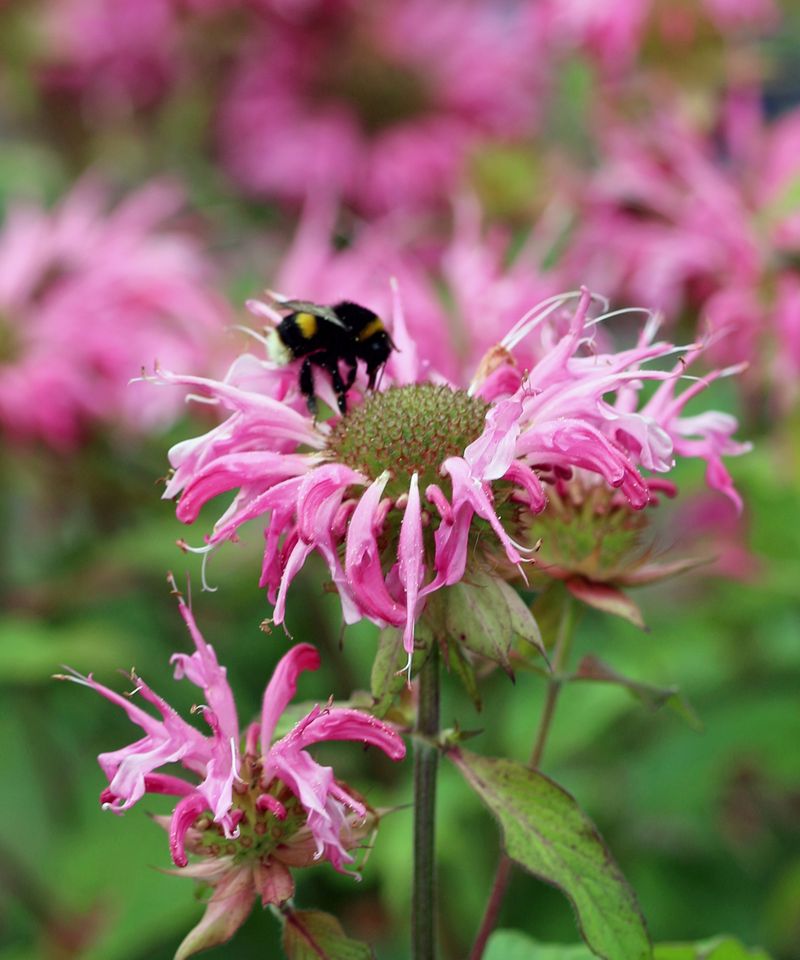
Bee balm earns its name every single bloom season.
The shaggy, firework-like flowers of Monarda didyma pull in bees, butterflies, and hummingbirds from what seems like miles away, making it one of the most wildlife-friendly plants you can add to an Ohio cottage garden.
Native to eastern North America, bee balm is naturally adapted to Ohio’s warm, humid summers, which is exactly the kind of weather that causes many other plants to struggle.
Powdery mildew is the main challenge with bee balm in Ohio. The good news is that plant breeders have developed mildew-resistant varieties such as ‘Jacob Cline,’ ‘Raspberry Wine,’ and ‘Marshall’s Delight’ that perform far better in humid conditions.
OSU Extension recommends spacing plants 18 to 24 inches apart to allow good airflow, which reduces moisture buildup on leaves and keeps mildew at bay.
Bee balm spreads by underground rhizomes and can become quite vigorous over time. Dividing clumps every two to three years keeps them from overtaking neighboring plants and actually reinvigorates bloom production.
Plant in full sun to light shade in moist, well-drained soil. The aromatic leaves are a bonus, releasing a pleasant minty-oregano fragrance when brushed, which adds a sensory layer to the garden experience.
8. Shasta Daisies Deliver Clean And Timeless Blooms
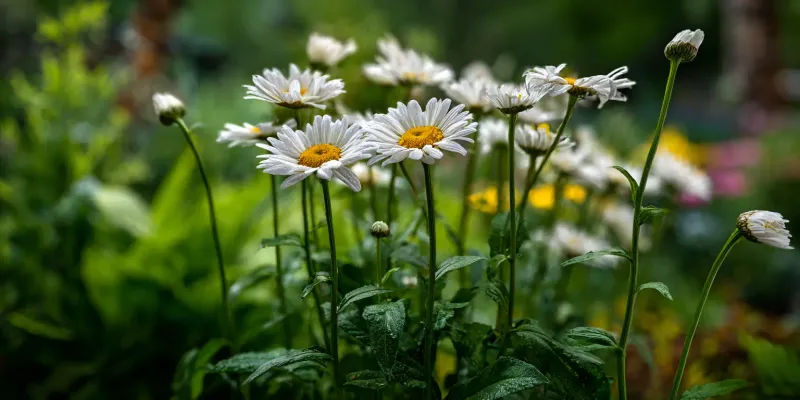
Crisp white petals around a sunny yellow center, Shasta daisies have a clean, classic look that works in almost any garden setting.
Leucanthemum x superbum is a hybrid that combines the best traits of several daisy species, resulting in a plant that is tougher and more floriferous than its wild relatives.
In Ohio gardens, Shasta daisies bloom reliably from early to midsummer, with some varieties reblooming into fall if deadheaded consistently.
They thrive in full sun and well-drained soil, making them a smart choice for raised beds or borders where drainage is good. Ohio’s clay soils can be amended with compost to improve drainage and give Shasta daisies the root environment they prefer.
OSU Extension recommends dividing clumps every two to three years in early spring to maintain vigor and prevent the center of the clump from becoming woody and unproductive.
Shasta daisies integrate beautifully with almost any other cottage flower. Try them alongside lavender, salvia, or black-eyed Susans for a bright, layered border that blooms for months.
Their upright stems, typically 18 to 30 inches tall, hold blooms well above the foliage and make excellent cut flowers for arrangements. Few plants offer such reliable, cheerful output for so little effort in return.
9. Phlox Fills Beds With Color And Fragrance
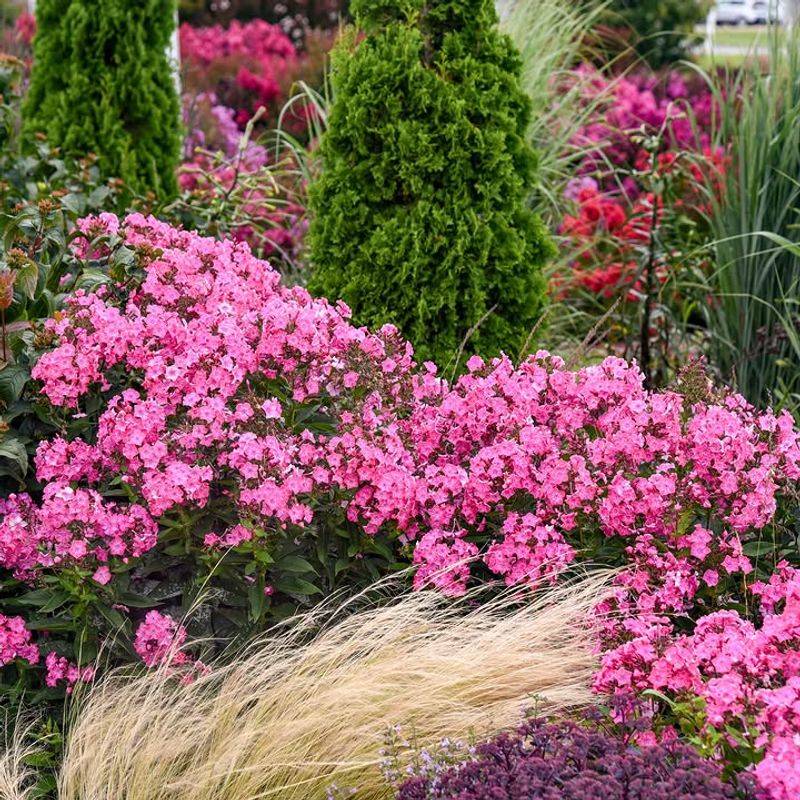
On a warm summer evening, a bed of garden phlox in full bloom is one of the most sensory-rich experiences a garden can offer.
The dense clusters of flowers in shades of pink, lavender, white, coral, and red fill the air with a sweet, spicy fragrance that carries across the yard.
Phlox paniculata is a true Ohio performer, blooming from midsummer into early fall and providing reliable color when many spring flowers have already wrapped up their show.
Powdery mildew is the most common issue with garden phlox in Ohio, especially during humid summers. Choosing mildew-resistant varieties like ‘David,’ ‘Robert Poore,’ or ‘Jeana’ makes a big difference.
Spacing plants 18 to 24 inches apart improves airflow significantly, which OSU Extension identifies as the most effective cultural practice for reducing mildew pressure on phlox.
Plant garden phlox in full sun for the strongest blooms and best disease resistance. They prefer consistently moist, well-drained soil rich in organic matter.
Deadheading spent flower clusters encourages side shoots to bloom and extends the overall flowering period by several weeks.
Phlox also pairs wonderfully with coneflowers, black-eyed Susans, and ornamental grasses, creating a layered mid-border display that feels genuinely lush and full through the heart of summer.
10. Lupines Prefer Ohio’s Cooler Spring Conditions
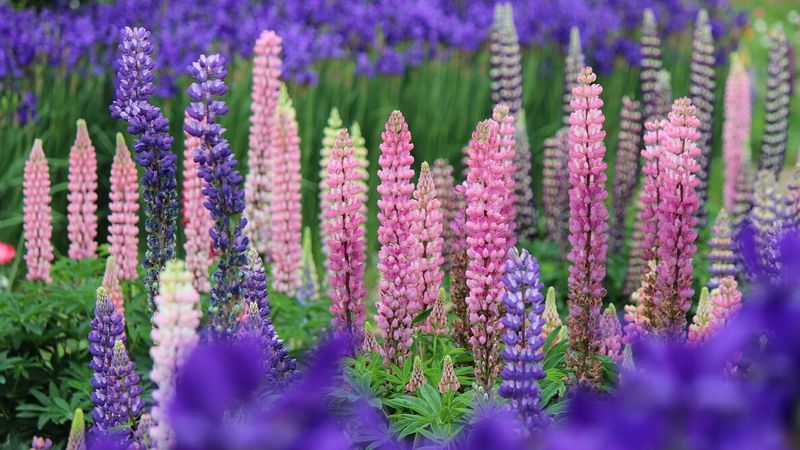
Lupines are one of those flowers that stop people in their tracks. The tall, densely packed spires of blooms in multicolored combinations of pink, purple, blue, yellow, and white create a display that feels almost too beautiful to be real.
In Ohio, lupines shine brightest during the cooler weeks of late spring, typically May into early June, when temperatures are mild enough to let them bloom at their full potential before summer heat sets in.
Soil preparation is important for lupines. They prefer slightly acidic, well-drained soil and actually fix nitrogen from the air with the help of root bacteria, meaning they do not need heavy fertilizing.
Heavy clay soils common in Ohio should be amended with coarse sand and compost to improve drainage, as lupines are prone to root problems in waterlogged conditions. Raised beds or sloped borders work particularly well.
Sow lupine seeds directly in fall or start transplants indoors in late winter for spring planting. Soaking seeds overnight before planting improves germination rates.
The Russell Hybrid series is widely recommended for cottage gardens because of its exceptional color range and sturdy stems.
After blooming, cutting plants back by one-third may encourage a lighter second flush of flowers before summer heat brings the season to a close.
11. Yarrow Handles Heat And Poor Soil With Ease
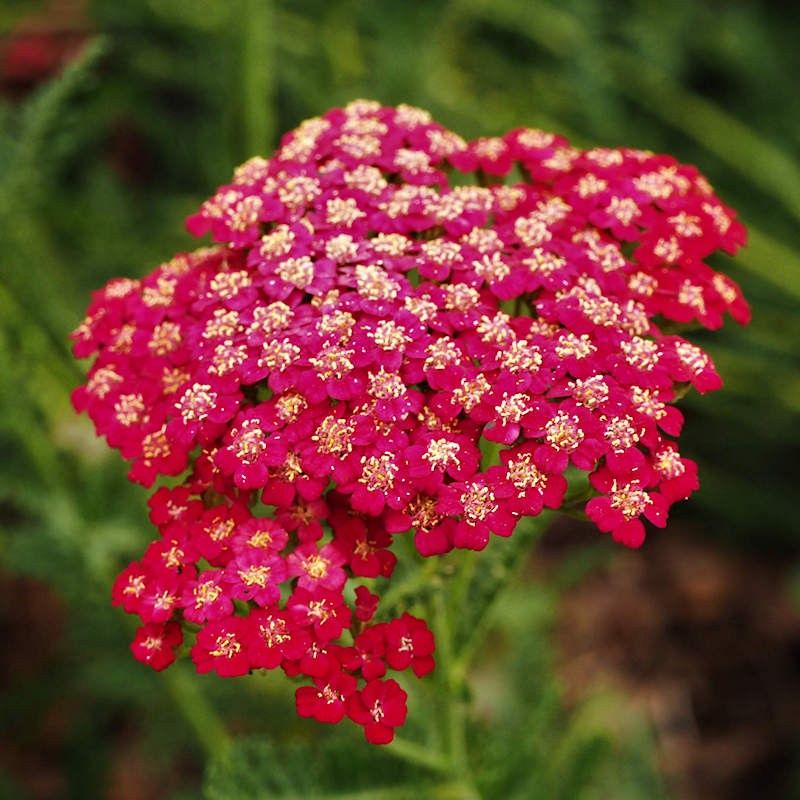
Yarrow is the plant that thrives where others give up. Achillea millefolium and its many hybrid relatives are built for tough conditions, asking very little from the gardener while delivering months of flat-topped blooms in shades of yellow, red, pink, white, and orange.
In Ohio, where summer heat can be relentless and soil quality varies widely, yarrow is one of the most dependable choices for a low-maintenance cottage garden.
One of yarrow’s most impressive traits is its drought tolerance. Once established, it rarely needs supplemental watering, even during dry Ohio summers.
It actually performs better in lean, well-drained soil than in rich, heavily amended beds, where it tends to flop and spread aggressively. Full sun is essential for compact, upright growth and the best flower production.
Yarrow blooms from early summer through early fall, and deadheading spent flower clusters encourages fresh new blooms to follow. The flowers dry exceptionally well for arrangements, holding their color for months after cutting.
Divide clumps every two to three years to keep plants tidy and productive.
Varieties like ‘Moonshine,’ ‘Paprika,’ and ‘Coronation Gold’ are particularly well-suited to Ohio gardens and are widely available at local nurseries and through OSU Extension-recommended plant sources.