The Small Native Trees That Actually Belong In A Tight Michigan Suburban Backyard
Suburban backyards in Michigan come with real constraints.
Property lines sit close, overhead utilities run through many lots, and the scale of a full sized tree that looks reasonable at a nursery becomes a different story once it has been growing for fifteen years in a small space.
Small native trees offer a genuinely better fit for these situations, and they bring something that ornamental imports rarely can, a deep connection to the local ecosystem that shows up in the birds, pollinators, and insects that use them through every season.
Michigan has a strong lineup of native trees that stay appropriately sized without constant pruning battles, develop beautiful seasonal interest from spring flowers through fall color, and handle the soil and climate conditions of suburban lots with minimal fuss.
Choosing one of these over a generic ornamental is a decision that benefits both the yard and the neighborhood around it for decades, and the options available are more varied and visually interesting than most homeowners expect.
1. Serviceberry (Amelanchier Laevis)
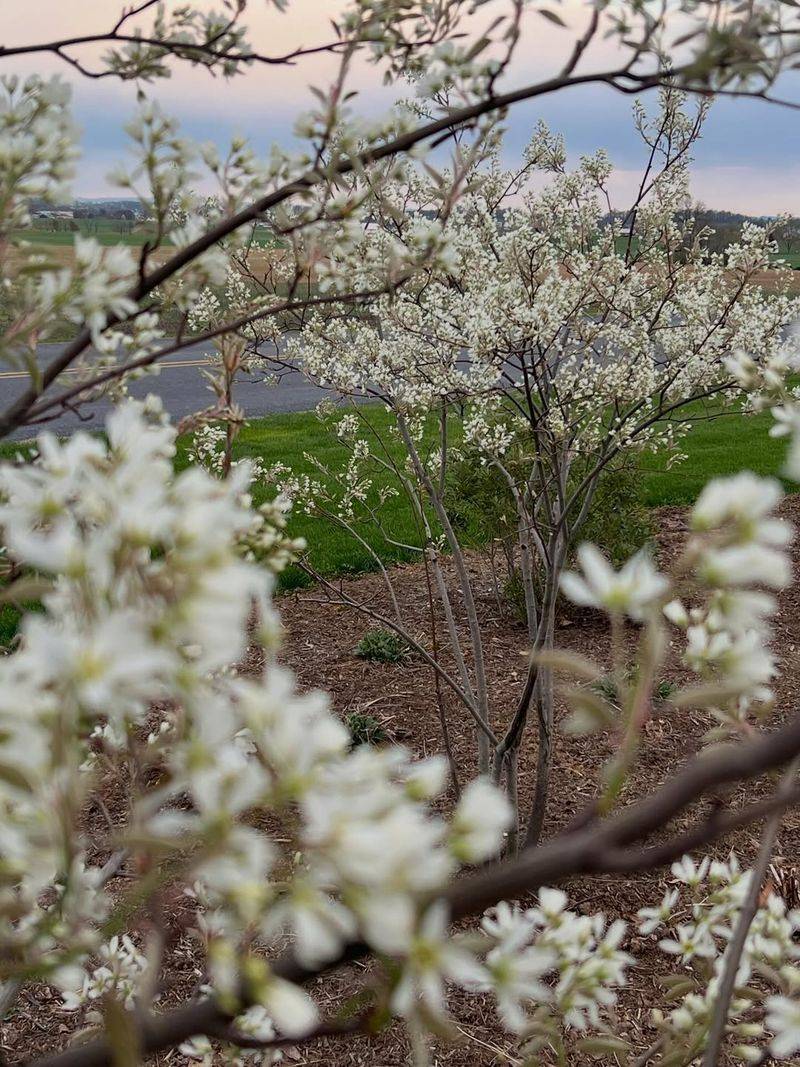
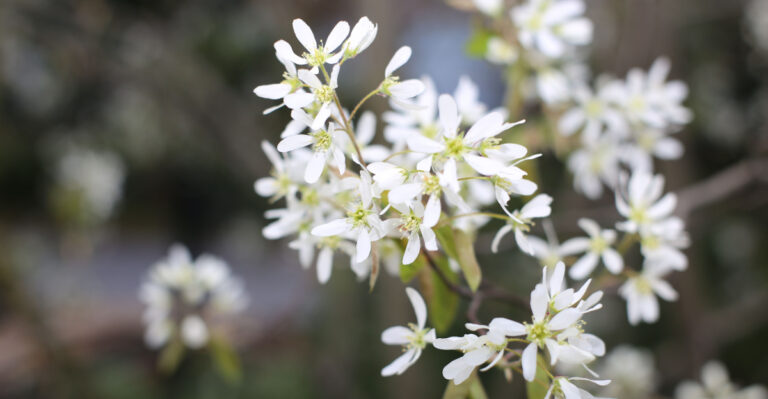
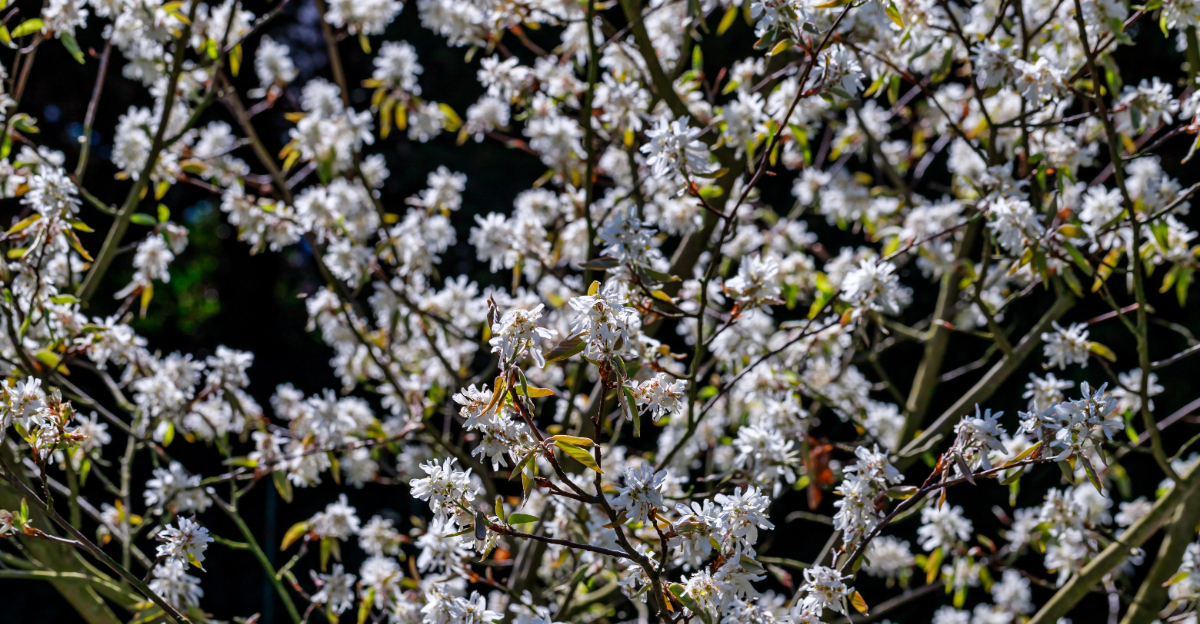
Few trees put on a show quite like the Serviceberry in early spring. Before most trees even think about leafing out, this beauty bursts into clouds of white blossoms that make the whole yard feel alive again after a long winter.
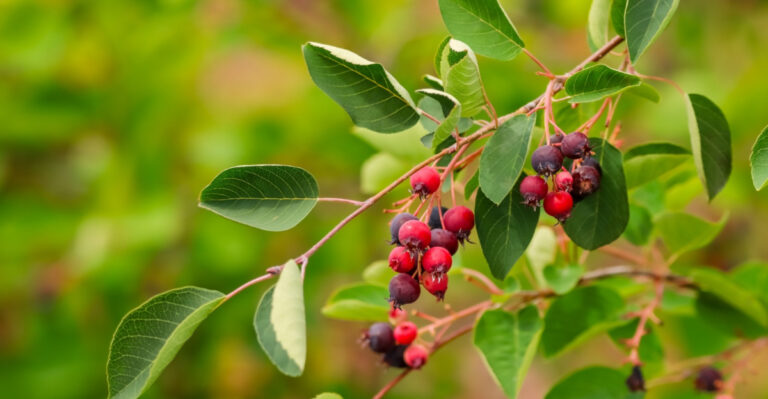
Birds absolutely love it, and honestly, you will too once you taste the sweet, blueberry-like fruits that ripen in early summer.
Serviceberry typically grows between 15 and 25 feet tall, making it one of the most practical native choices for a tighter suburban yard. It handles clay soils and cold snaps without much fuss, and it asks for very little in return.
Plant it in full sun to part shade, give it decent moisture, and watch it thrive year after year.
Fall color is another major selling point. The leaves shift into brilliant shades of orange, red, and gold that rival even the showiest maples in the neighborhood.
Because Serviceberry is a true Michigan native, it supports over 40 species of native birds and countless pollinators throughout the growing season.
For a small yard that needs multi-season interest without the bulk, this tree checks every single box with impressive ease.
2. Eastern Redbud (Cercis Canadensis)
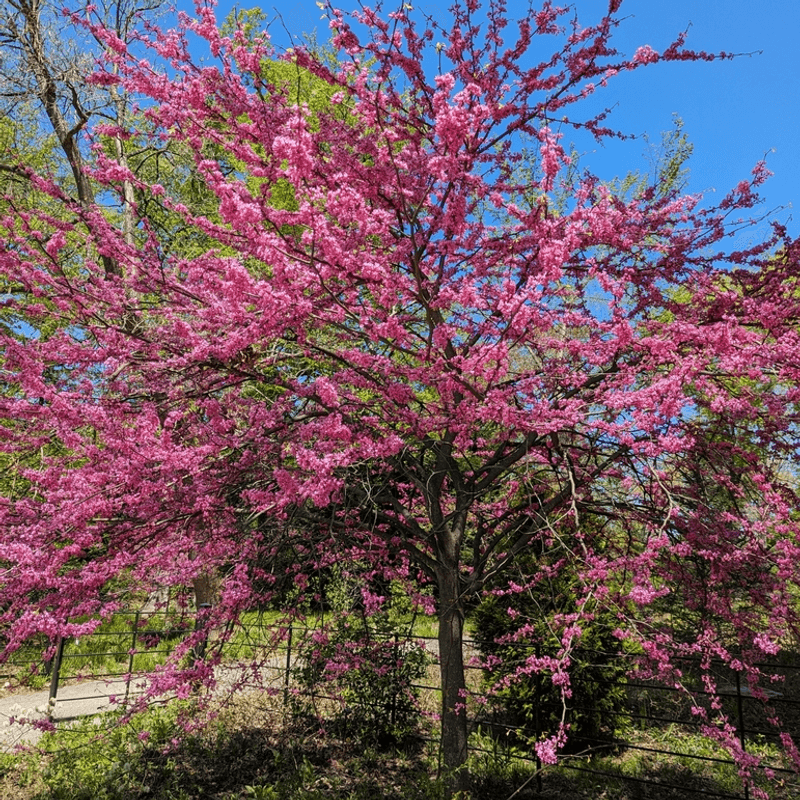
Imagine walking outside in April to find your tree absolutely covered in electric pink flowers before a single leaf appears. That is exactly what the Eastern Redbud delivers, and homeowners across the state have fallen hard for this spectacular native.
It is one of the most eye-catching small trees you can grow, and it stays a very manageable 20 to 30 feet tall at full maturity.
Native to southern Michigan and successfully grown throughout much of the state, Eastern Redbud adapts well to typical suburban conditions.
It tolerates a range of soil types, handles moderate drought once established, and fits comfortably in yards where larger trees would quickly become overwhelming.
The heart-shaped leaves add a soft, romantic texture through the summer months that keeps things interesting long after the flowers fade.
Pollinators go absolutely wild for those early blooms, making this tree a genuine powerhouse for bees and butterflies at a time when not much else is flowering. Plant it near a patio or along a fence line where you can enjoy the full spring display up close.
Your Michigan Garden Changes Every Week. Your Plan Should Too.
Gardening in Michigan changes quickly throughout the season. Every Friday you’ll receive a simple weekly plan showing exactly what to plant, prune, fertilize, harvest, and protect so you never miss the right timing.
In Michigan landscapes, where winters are long and spring feels extra precious, the Eastern Redbud earns its spot with one of the most dramatic seasonal performances of any native tree available.
3. Pagoda Dogwood (Cornus Alternifolia)
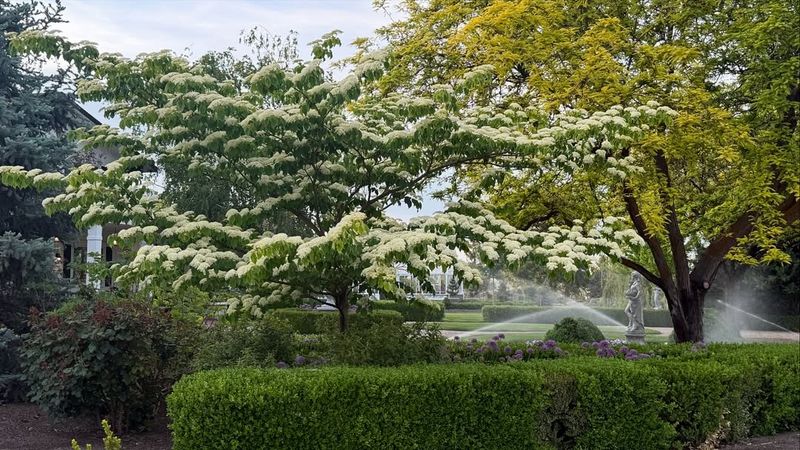
The Pagoda Dogwood has a silhouette unlike anything else you will find at a local nursery. Its branches grow in dramatic horizontal layers, almost like a living sculpture, giving the yard an architectural quality that looks intentional and polished every season of the year.
Even in winter, the bare branching structure turns heads in the best possible way.
White flower clusters appear in late spring, filling the air with a light fragrance and drawing in native bees and butterflies by the dozens. By late summer, dark blue berries ripen on bright red stems, and migrating birds treat the whole tree like a buffet stop.
This is the kind of native planting that makes your yard a genuine wildlife destination without any extra effort on your part.
Pagoda Dogwood thrives in part shade with evenly moist soil, which makes it a smart choice for the shadier corners of a suburban backyard where many other trees struggle.
It typically tops out around 15 to 25 feet, staying well within the range of what a tight yard can comfortably handle.
Give it room to spread horizontally rather than vertically, and it will reward you with gorgeous fall color in shades of red and purple that make the whole planting look professionally designed.
4. American Hornbeam (Carpinus Caroliniana)
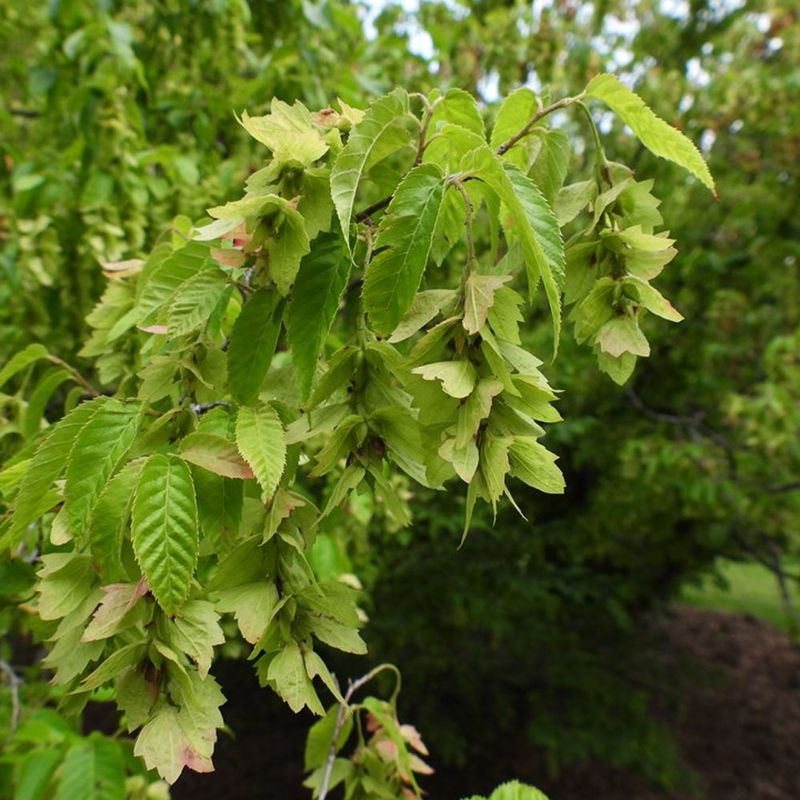
Sometimes called musclewood or ironwood, the American Hornbeam has a trunk that looks like it has been sculpted from stone.
The smooth, sinuous gray bark ripples with what looks like flexed muscle, making it one of the most visually interesting native trees you can plant in a tight yard.
It is a slow grower, but that is actually a major advantage when space is limited.
American Hornbeam rarely exceeds 20 to 30 feet in height, and it naturally stays quite narrow, fitting neatly into spots where bigger trees would never work.
It handles shade, clay soil, and the kind of compact suburban growing conditions that would stress out less adaptable trees.
Michigan homeowners with heavily shaded backyards will find this tree particularly useful because it genuinely thrives where sunlight is limited.
Fall brings a warm show of orange, red, and yellow foliage that adds real color to even the shadiest corners of the yard. Catkins in spring feed early insects, and the small nutlets attract birds and small mammals through the fall and winter months.
Because American Hornbeam is so well adapted to Michigan’s native woodland conditions, it requires almost no supplemental care once it settles in. For patient gardeners who appreciate understated beauty, this tree is an absolute gem worth every year of the wait.
5. Hop-Hornbeam (Ostrya Virginiana)
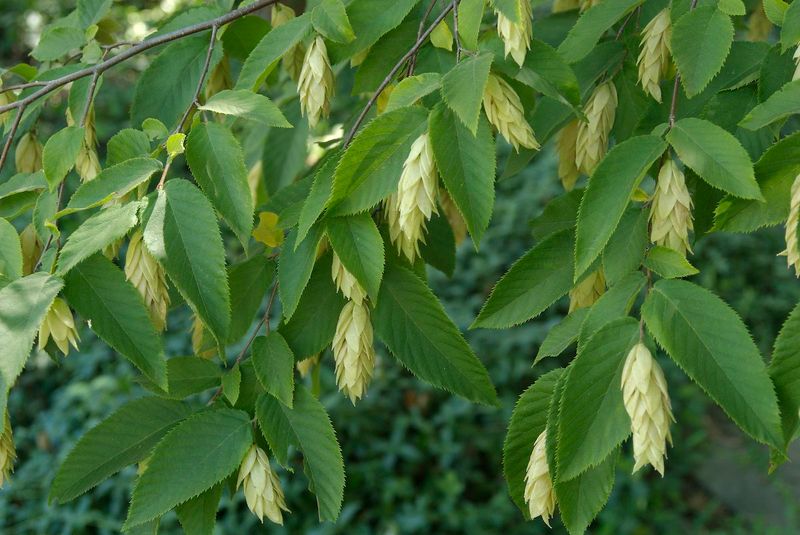
Not many trees can claim to look interesting in every single season, but the Hop-Hornbeam manages it with quiet confidence.
The papery, hop-like seed clusters that dangle from the branches in late summer and fall are genuinely fascinating up close, and they give this native Michigan tree a texture that stands out in any suburban yard.
It is one of those plants that people always ask about when they visit.
Hop-Hornbeam grows slowly to about 25 to 40 feet, and it keeps a tidy, oval shape that works well in naturalized or slightly informal suburban landscapes. It handles shade, dry soils, and the kind of neglect that would flatten less tough trees.
In Michigan, where soil conditions can vary wildly from yard to yard, that adaptability is genuinely valuable and hard to overstate.
Wildlife value is strong across all seasons. Birds feed on the seeds through fall and winter, while caterpillars of several native moth species rely on the foliage during the growing season.
Spring brings soft yellow-green catkins that add a delicate early-season charm before the full canopy fills in.
If you want a native tree that brings genuine ecological value to a tight backyard without demanding constant attention, Hop-Hornbeam is one of the most underrated choices available at native plant nurseries across the state.
6. Witch Hazel (Hamamelis Virginiana)
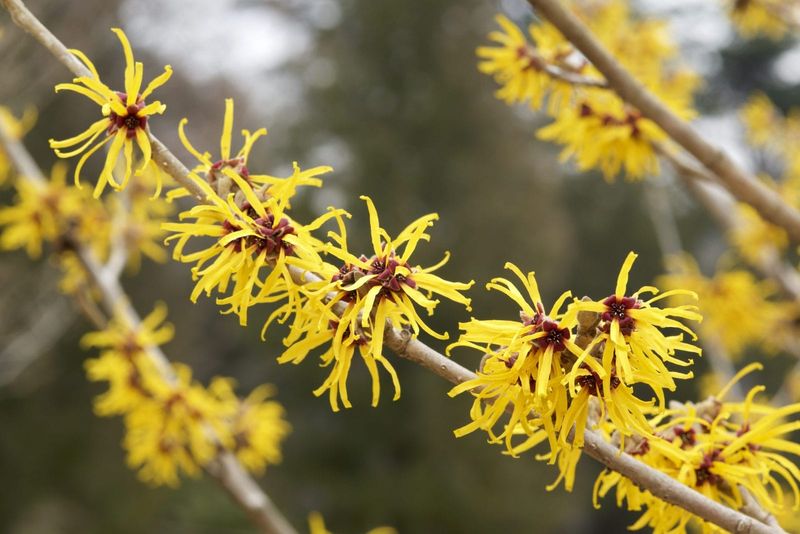
Witch Hazel plays by its own rules. While every other tree in the neighborhood has gone dormant and dropped its leaves, this native beauty opens its spidery yellow flowers in October and November, putting on a show when the garden needs it most.
It is one of the last plants to bloom before winter settles in, and that alone makes it worth growing in any suburban yard.
Growing as a large multi-stemmed shrub or a small tree reaching 15 to 20 feet, Witch Hazel fits naturally into woodland-style suburban landscapes across Michigan.
It prefers part shade and moist, well-drained soil, making it a smart companion for shadier spots near the back fence or beneath taller trees.
The fall foliage turns a warm golden yellow just as the flowers are opening, creating a layered display that is genuinely stunning.
Beyond the unusual bloom timing, Witch Hazel has a rich history as a medicinal plant used by Native American communities for centuries. The bark and leaves have long been used to make the familiar astringent found in many skincare products.
In the garden, it supports late-season pollinators like witch hazel bees that are specifically adapted to visit these flowers.
For Michigan gardeners who want something truly unexpected and ecologically meaningful in a tight space, Witch Hazel brings a unique energy that no other native small tree can replicate.
7. Chokecherry (Prunus Virginiana)
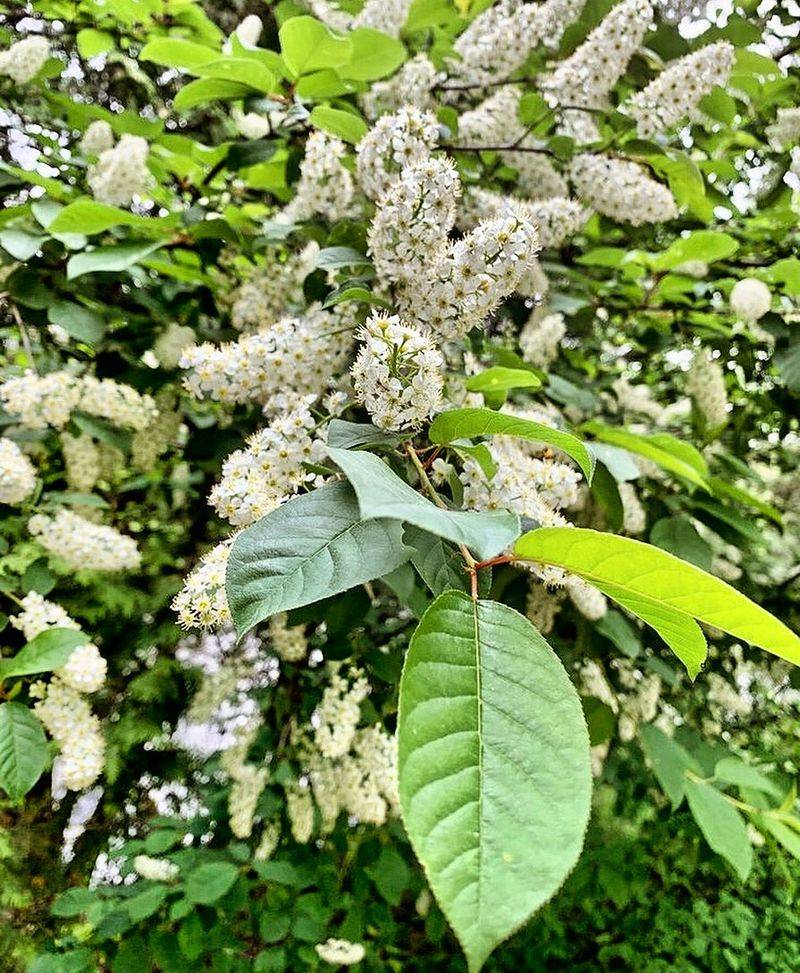
Chokecherry is one of those native Michigan trees that works incredibly hard for the ecosystem while asking almost nothing from the gardener.
Long clusters of fragrant white flowers cover the branches in mid-spring, attracting bees, butterflies, and other pollinators in impressive numbers.
By late summer, those flowers transform into clusters of dark red to nearly black fruits that birds and small mammals absolutely cannot resist.
Growing 20 to 30 feet tall with a relatively upright habit, Chokecherry fits well in suburban yards where vertical space is easier to manage than horizontal spread.
It adapts to a wide range of Michigan soil types, tolerates full sun to part shade, and handles the state’s cold winters without any special protection.
One thing to keep in mind is that Chokecherry can spread through root suckers, so planting it where some natural spread is acceptable will save you maintenance headaches down the road.
The wildlife value this tree delivers is genuinely impressive. Over 30 species of birds feed on the fruits, and the foliage supports the caterpillars of many native butterfly and moth species.
Fall color adds one more seasonal layer, with leaves turning shades of yellow and orange before dropping cleanly.
For Michigan gardeners focused on creating a backyard that truly supports native wildlife, Chokecherry punches well above its weight and earns its place in any thoughtful planting plan.
8. Nannyberry Viburnum (Viburnum Lentago)
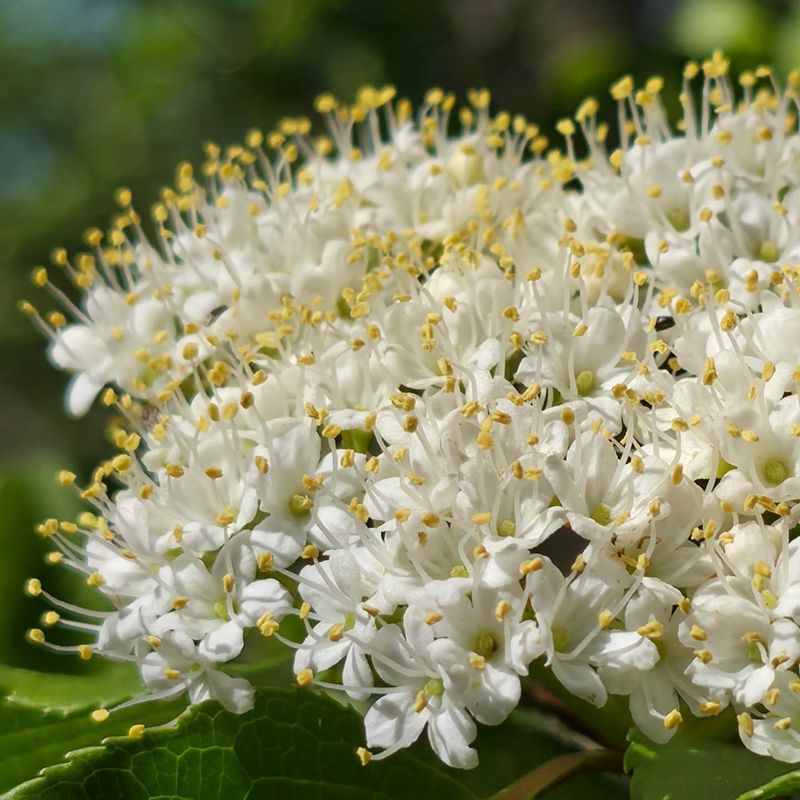
Nannyberry Viburnum is one of those native Michigan plants that genuinely earns the label of four-season interest.
Flat-topped clusters of creamy white flowers open in late spring, filling the yard with a soft fragrance and pulling in pollinators from across the neighborhood.
By fall, those flowers become clusters of dark blue-black berries that birds devour enthusiastically right through the early winter months.
Growing 15 to 18 feet tall as a large shrub or small multi-stemmed tree, Nannyberry fits comfortably into the scale of a tight suburban yard without ever feeling cramped or out of place.
It adapts well to full sun, part shade, wet soils, dry soils, and everything in between, which makes it one of the most forgiving native plants available to Michigan gardeners.
Established plants handle Michigan’s cold winters and clay-heavy soils with impressive resilience.
Fall foliage brings another round of visual interest, with leaves shifting into deep burgundy and purple tones that look rich and warm against the late-season garden.
The berries themselves have a raisin-like sweetness once fully ripe, and historically Native American communities valued them as a food source.
For anyone building a layered, wildlife-friendly backyard on a tight footprint, Nannyberry Viburnum delivers more ecological and aesthetic value per square foot than almost any other native small tree on this list.
9. Downy Serviceberry (Amelanchier Arborea)
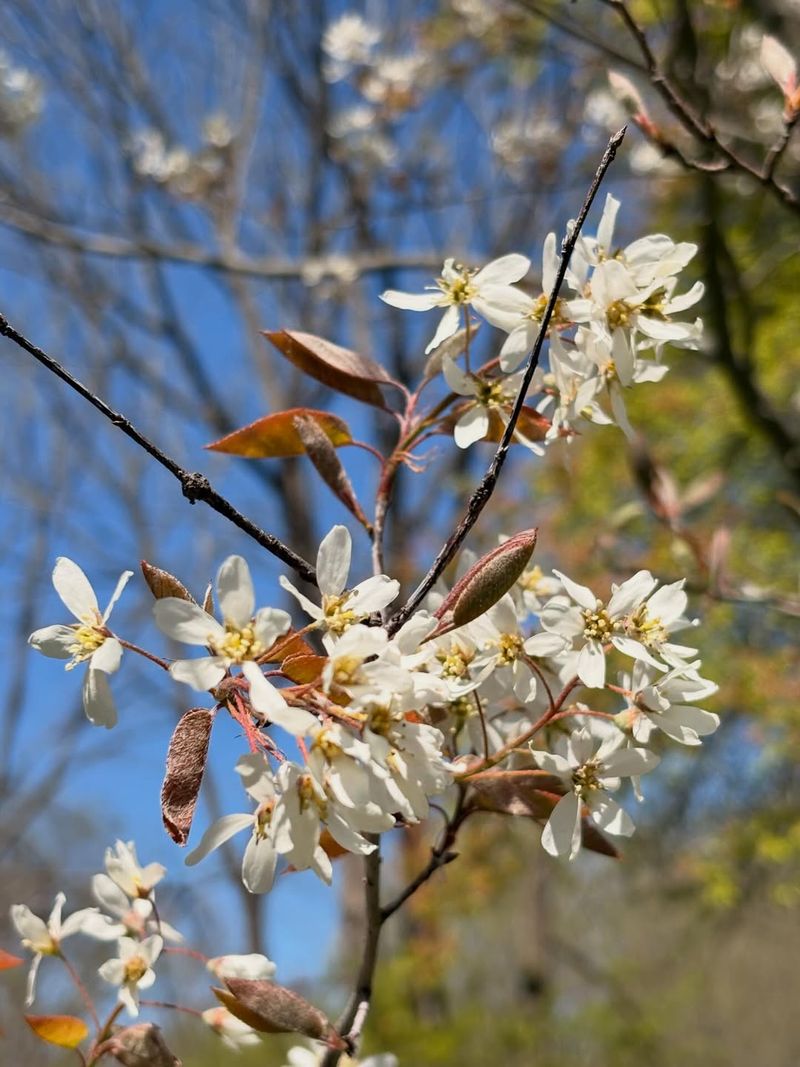
Downy Serviceberry has a particular kind of charm that feels both wild and refined at the same time.
The white flowers appear in early April, often while snow is still a possibility in Michigan, and the soft, fuzzy new leaves unfurl alongside the blooms with a silvery-green color that catches the morning light beautifully.
It is the kind of spring moment that makes you genuinely glad you planted this tree.
Slightly larger than its close relative Amelanchier laevis, Downy Serviceberry typically grows 15 to 25 feet tall with a naturally graceful, multi-stemmed form.
It handles Michigan’s variable spring weather with ease, tolerates a range of soil conditions, and performs reliably in both full sun and part shade.
For smaller suburban yards, the upright, airy canopy provides light shade without the heaviness of a larger tree taking over the entire space.
Edible berries ripen in June, tasting something like a cross between a blueberry and an apple with a mild sweetness that is genuinely enjoyable.
Birds compete with squirrels and the occasional lucky homeowner for the harvest every single year. Fall color in shades of orange and red rounds out the seasonal calendar beautifully.
Across Michigan, native plant enthusiasts consistently rank Downy Serviceberry among the top choices for multi-season interest in a tight suburban planting, and it is very easy to see why once you grow one.
10. Dwarf Chinkapin Oak (Quercus Prinoides)
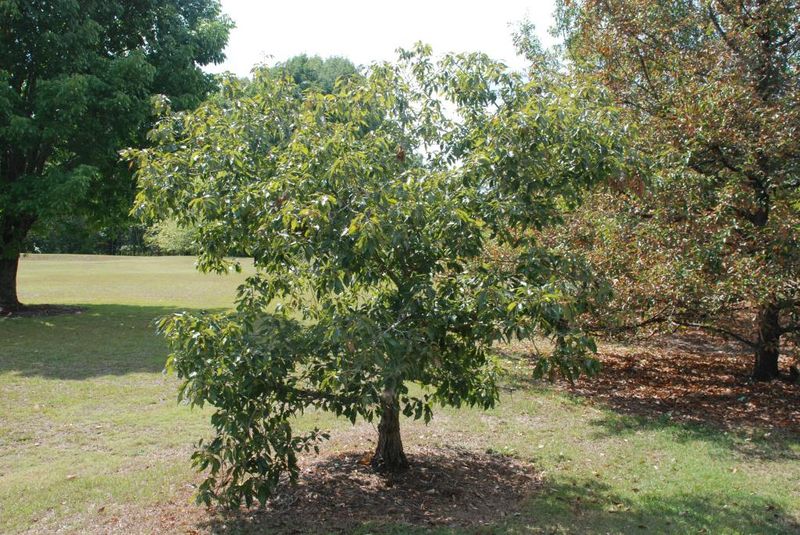
Most people hear the word oak and immediately think of a massive tree that takes over the entire yard within a decade. Dwarf Chinkapin Oak completely flips that expectation.
This compact native typically grows just 6 to 16 feet tall, spreading into a dense, shrubby form that fits comfortably into even the tightest Michigan suburban spaces while still delivering everything that makes oaks so valuable to wildlife.
Acorns are one of the most important food sources in the entire Michigan ecosystem, supporting deer, turkeys, squirrels, blue jays, and dozens of other species.
Because Dwarf Chinkapin Oak produces acorns at a relatively young age compared to larger oaks, the ecological benefits kick in much sooner after planting.
It also handles dry, sandy, or rocky soils that would challenge many other native trees, making it a smart solution for challenging yard spots that drain too quickly.
Fall color is genuinely impressive for a plant this size. The deeply lobed leaves turn warm shades of orange, bronze, and red before dropping cleanly, giving the yard a classic autumn feeling without any of the overwhelming leaf cleanup that comes with full-sized oaks.
Full sun and well-drained soil bring out the best in this tough little native. For Michigan gardeners who want to grow an oak without sacrificing their entire yard to it, Dwarf Chinkapin Oak is the answer that native plant experts have been recommending for years.