How To Grow Onions In Containers In Florida (And Harvest Them All Season Long)
No yard? No worries. No garden bed? Still no problem.
A sunny balcony, a plastic pot, and a bag of the right onion sets are all you need to grow fresh bulbs. And yes, you can harvest them pretty much whenever you want.
Florida gardeners are known for having a hard time with vegetables, and honestly, a lot of that reputation is deserved. The heat is intense, the soil is pretty much sand, and the bugs never take a break.
But onions? Onions are one of those crops that actually thrive in Florida’s unique climate. If you plant them at the right time, give them a good container, they will do most of the work for you.
Florida’s cooler months are perfect for growing onions, and short-day varieties do really well from fall all the way to spring. Having fresh onions on your counter while the rest of the country is covered in snow?
That’s the benefit of living in Florida. Growing in containers makes everything even simpler. Pots allow you to control the soil, manage drainage, and move things around as needed.
Gardening doesn’t have to be a struggle. Grab a container, choose the right variety, and let’s grow some onions.
1. Start With Short Day Varieties
Not all onions are the same, and in Florida, that difference is really important. Onions are categorized into three types based on the number of daylight hours they require to grow bulbs.
If you choose the wrong type to plant here, you’ll end up with a bunch of nice green tops, but nothing worth harvesting.
Florida’s winter days are shorter, averaging about ten to twelve hours of light, and only short-day varieties can actually bulb up in these conditions. Long-day and intermediate types might grow and look healthy, but then they just… stop.
No bulbs. No results. Just a pot full of disappointment.
The good news is that UF/IFAS Extension has already done the research for you. Granex, Red Creole, and Texas Grano are the best performers in Florida.
Granex is the star of the bunch. It’s the parent variety of the well-known Vidalia onion, and it provides that same mild taste that Florida gardeners adore.
Red Creole is the bold choice, sharp, pungent, and beautiful with its deep reddish-purple skin. Texas Grano is the favorite among many, large, mild, and ideal for eating fresh right off the cutting board.
Before you plant any sets, make sure to look for the words “short-day” on the label. Just two words. That’s the key to getting your container garden started off right.
2. Plant Bulbs From September To December
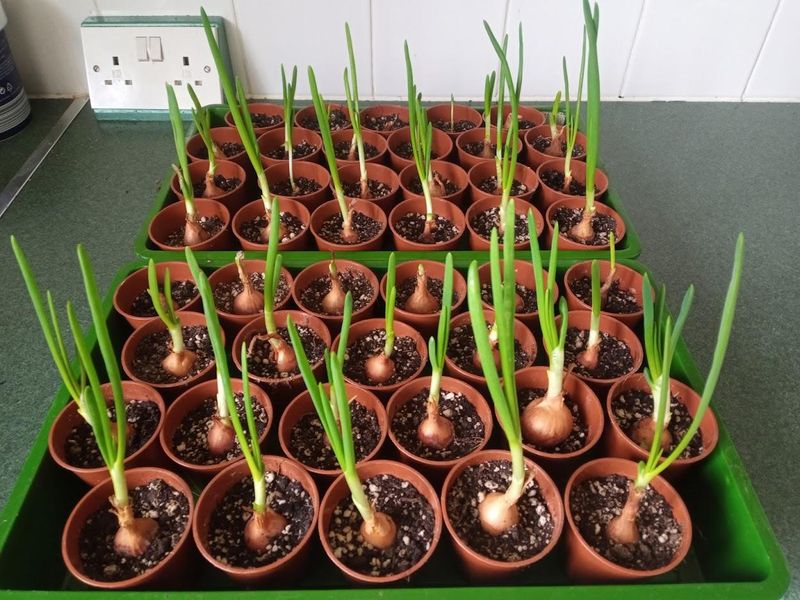
If you miss the right time to plant in Florida, your onions will definitely let you know. You’ll end up with small bulbs, poor growth, and a lot of regret.
The planting window runs from September to December, shifting slightly depending on your part of the state. The main goal is clear: you want to get those bulbs into cool soil while the days are still short.
Your Florida Garden Changes Every Week. Your Plan Should Too.
Gardening in Florida changes quickly throughout the season. Every Friday you’ll receive a simple weekly plan showing exactly what to plant, prune, fertilize, harvest, and protect so you never miss the right timing.
Gardeners in North Florida get to start first. Their planting window is from September to November, and starting early helps them take advantage of the cooler fall temperatures.
In Central Florida, it’s best to wait until October and plant through December, because planting when it’s still warm can actually slow down growth. South Florida has the longest planting period, from October all the way to January.
The mild winters down south allow onions to keep growing steadily into the new year. So, why is timing so crucial? Onion bulbs develop based on the length of the day, not the temperature.
When spring days start getting longer, the plant stops focusing on bulb growth and starts preparing to make seeds instead. If you miss that timing, your bulbs might end up tiny or not form at all. If you plant at the right time, your onions will grow just as they should.
3. Grow Greens From Fall Through Spring
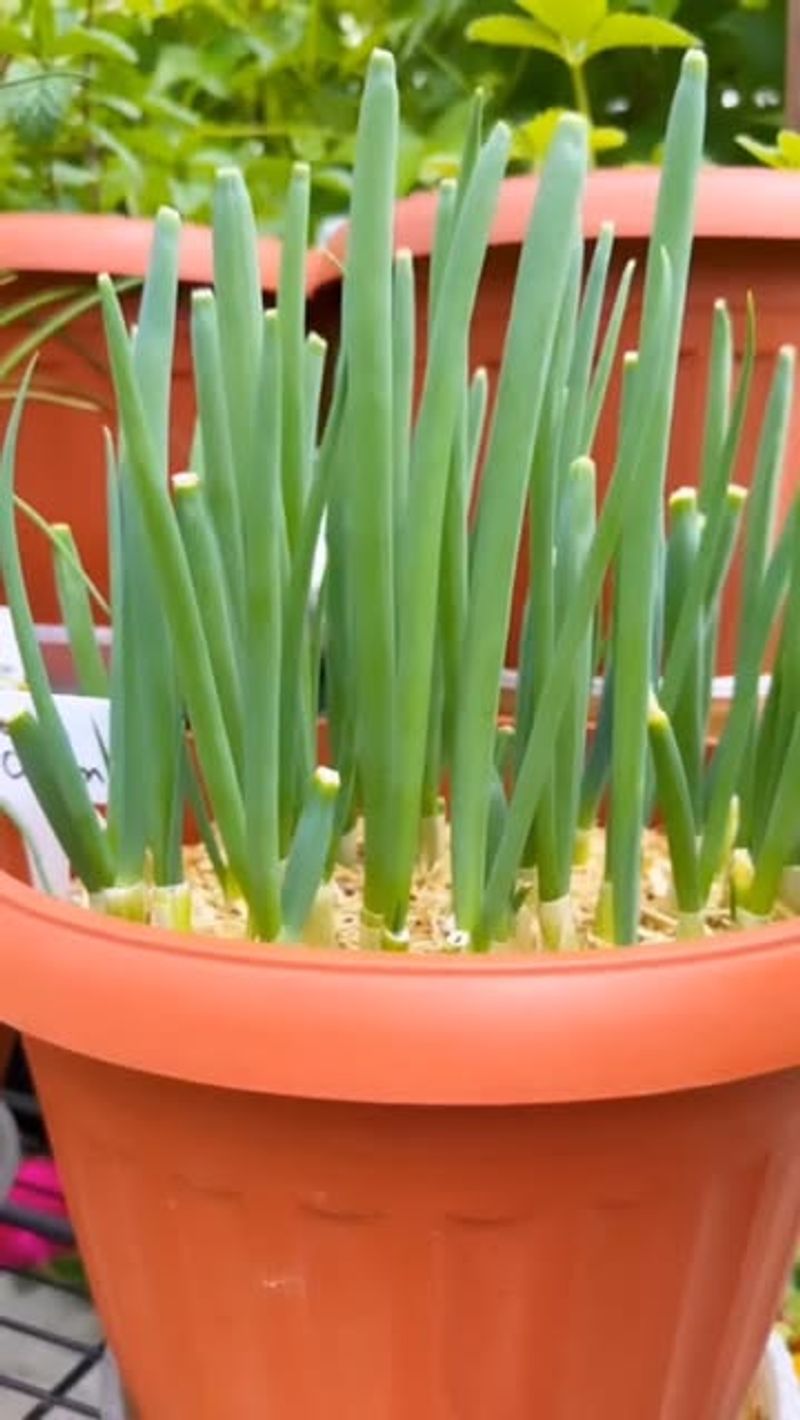
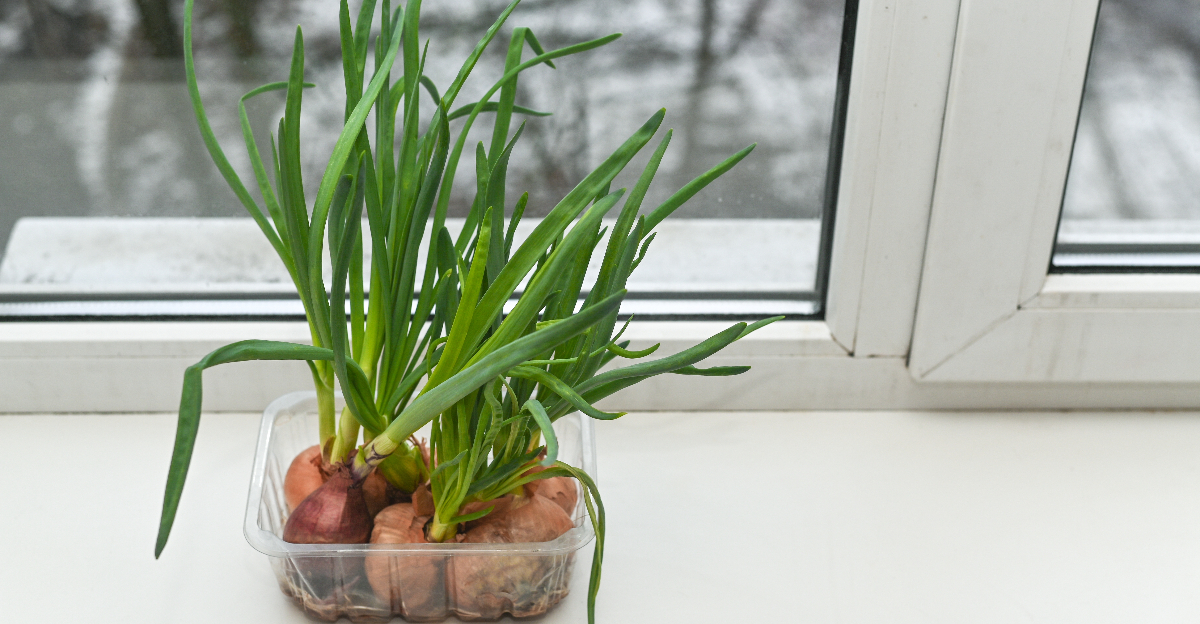
A large round bulb is a rewarding harvest, but don’t forget about what’s growing above the ground. Onion greens are tasty, fresh, and handy in the kitchen nearly every day.
Luckily, Florida’s gentle winters make it super easy to grow them in containers, making it one of the best choices for your garden.
The cut-and-come-again technique allows a single planting to provide steady production for months. Let the tops grow to around six to eight inches, then trim them back to about an inch above the soil.
The plant will send out a new set of greens from the base in a week or two, ready for the next harvest. Do this a few times throughout the season, and one pot can keep your kitchen filled with fresh onion from October all the way to April.
When growing greens, you can space them a bit more. Bulb production requires space for the underground part to grow, but greens are much less picky. Plant sets or seeds a little closer together so you can fit more into each container.
Two key factors keep the regrowth strong. Keeping the soil consistently moist is crucial, as pots dry out quickly in Florida’s sun.
Six hours of direct sunlight each day keeps the plants lively and productive between harvests.
Florida winters that seem almost too mild for serious gardening are actually perfect for this type of growing. Fresh greens available whenever you want, all season long, with hardly any effort needed.
4. Use A Sunny Pot With Good Drainage
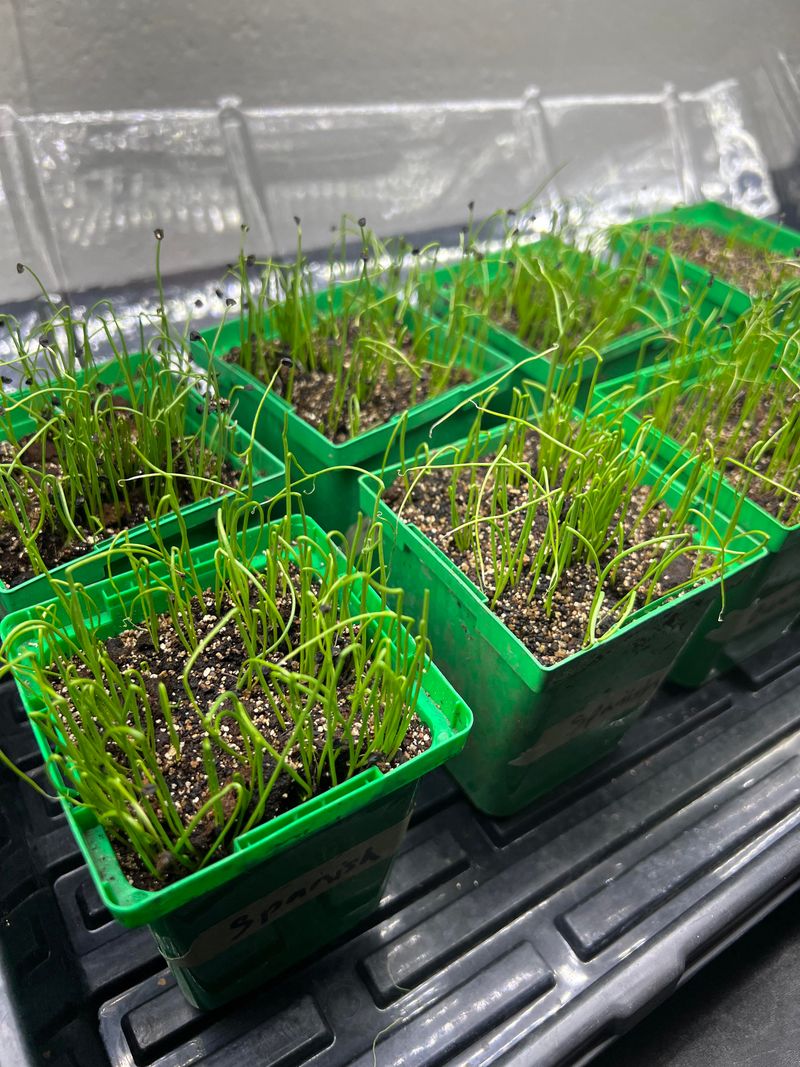
The right container does more work than most gardeners think. In Florida, choosing the wrong pot can ruin an entire onion harvest before any bulbs even form.
First off, size is important. Onions require at least ten to twelve inches of depth to grow roots properly.
Shallow pots restrict root growth early on and leave bulbs with no space to expand. Half-barrel planters and large rectangular troughs are popular for a good reason: more space means more onions per container.
Florida adds an extra challenge that gardeners in other states often don’t have to consider. The combination of high humidity and frequent heavy rain can turn a poorly drained pot into a slow disaster.
Roots that sit in wet soil can’t develop properly. So, having multiple holes at the bottom of the pot is a must.
The choice of material depends on Florida’s two very different seasons. Plastic pots retain moisture longer, which is beneficial during the dry period from October to May.
On the other hand, terra cotta allows for better airflow and dries out quicker. No matter which material you choose, make sure to elevate the pot on bricks.
Remember, water has to drain freely instead of collecting underneath. To complete the setup, put it in six to eight hours of direct sunlight each day.
And there you have it! Your container will be all set for a successful Florida onion season.
5. Set Each Bulb One Inch Deep
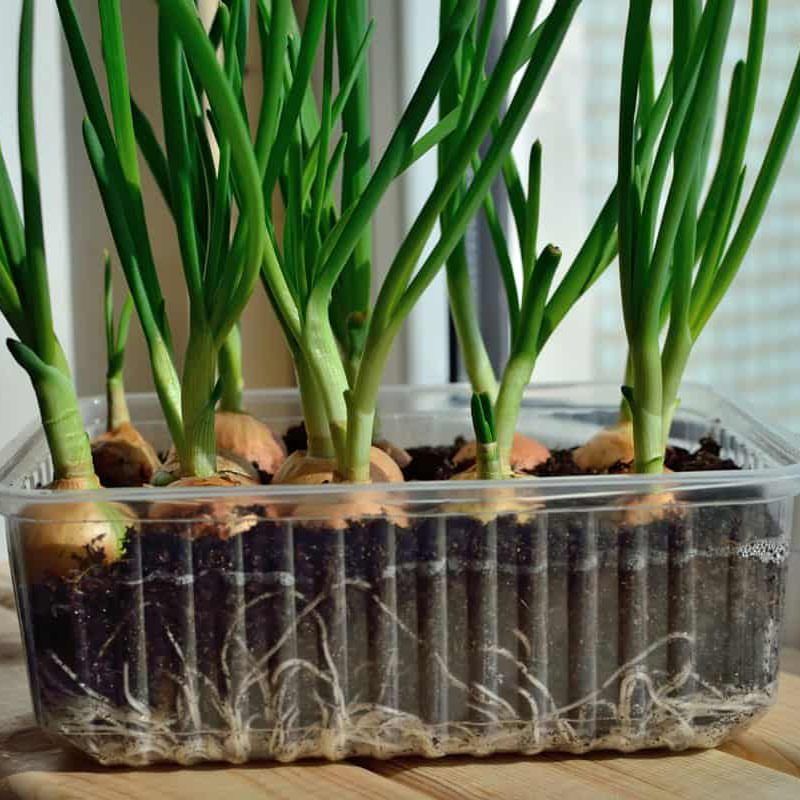
One inch. That’s the magic number for planting onion sets in containers.
It’s important to get it right because the depth has a big impact on the size of the bulbs you harvest. If you bury a set too deep, the bulb has to push through extra soil just to grow.
This struggle leads to long, misshapen onions instead of round bulbs you want to show off. If you plant too shallow, you’ll face the opposite issue.
Sets can pop out of the soil after watering or dry out before their roots can settle in. One inch is the sweet spot that avoids both problems completely.
The visual cue makes it simple to get it right. Just push the set into the soil until only the very tip is showing above the surface. That’s all there is to it. No need for measuring.
Transplants work on the same principle. Place the roots into the soil and make sure the base of the green shoot is right at the soil line.
If you bury the shoot base, it can slow down growth and even cause rot at the crown. Once everything is planted, gently press the soil around each set to ensure the roots are in good contact with the medium.
6. Leave Four To Six Inches Between Plants
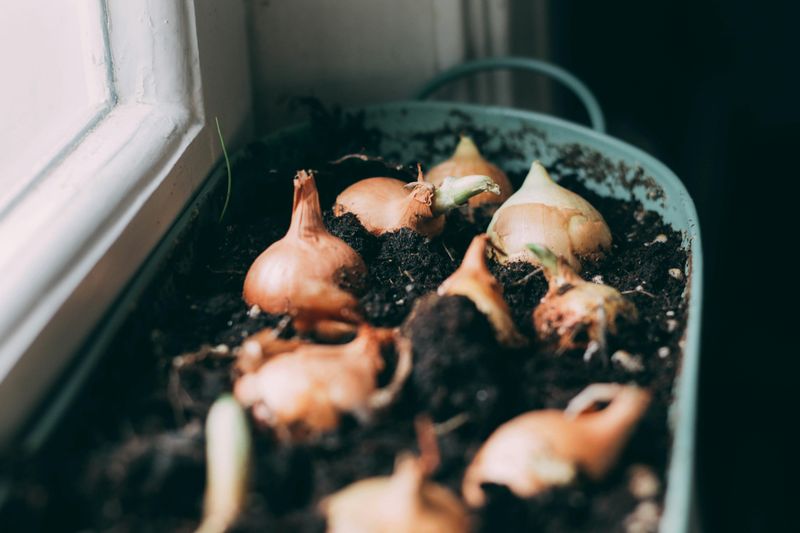
Tiny sets can be misleading. If you place them too close in a container, they may seem fine for weeks. But eventually, the whole pot becomes a cramped mess fighting for every bit of water and light. For larger bulbs, aim for four to six inches between each plant.
It might seem like a lot when the sets are small, but the bulbs you harvest will make every inch worth it.
In Florida’s climate, spacing serves a dual purpose, and the second role is just as crucial as the first. When onions are too tightly packed, they create an environment that is perfect for fungal issues.
Maintaining good spacing is free and helps prevent problems that can be really frustrating to manage once they start.
When growing mainly for green tops, the spacing requirements change a bit. Greens don’t require as much space underground as bulbs do.
So, two to three inches between plants is sufficient for this type of growth. Wide rectangular containers work particularly well here because they allow for rows that fit naturally into the shape.
Whether you’re growing bulbs or greens, the same principle applies. Start with generous spacing and give each plant room to thrive.
7. Harvest Bulbs When Tops Fall Over
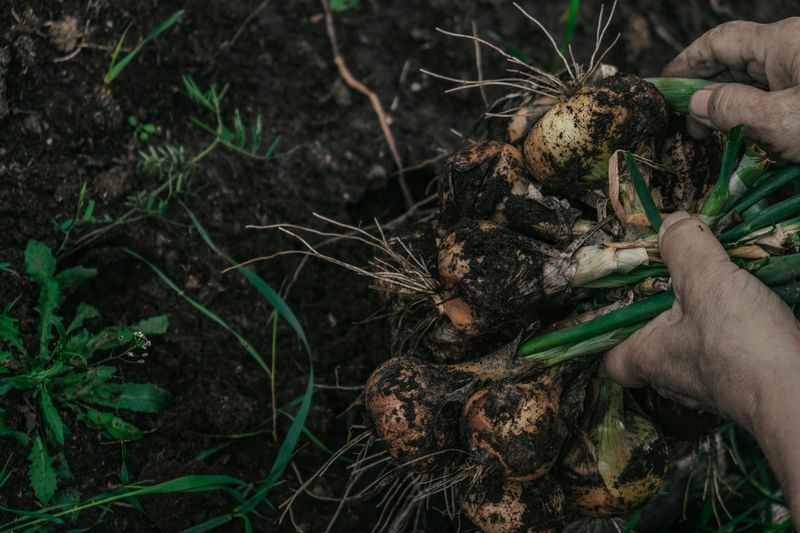
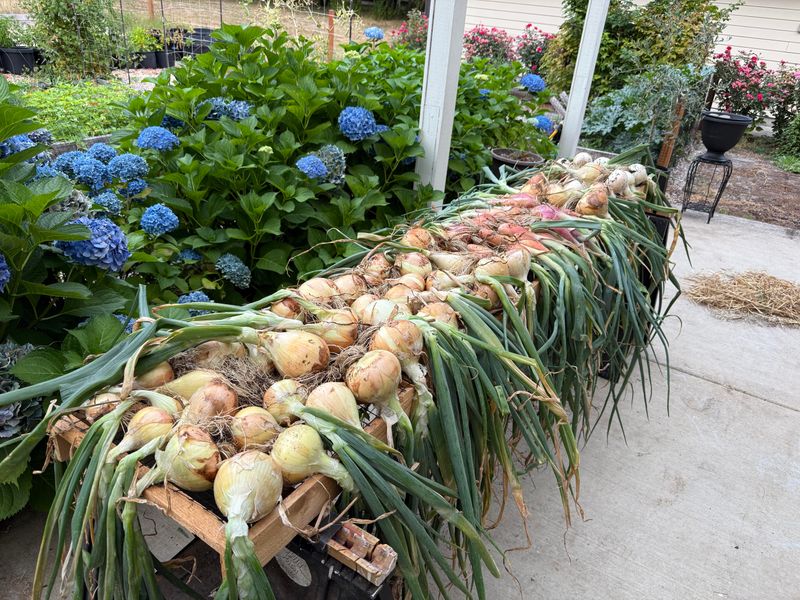
The onions will let you know when they are ready, and you definitely won’t miss the sign. When the green tops start to droop and turn brown, that’s the plant’s way of saying it’s done growing.
If you pull the bulbs before most of the tops have fallen, you might end up getting smaller onions than what the plant was still trying to grow. Once most of the tops are down, stop watering for a few days to let the soil dry out a bit.
Then, gently pull the bulbs out using your fingers or a small trowel. If you bruise them during harvest, it can really shorten their storage life. So, being patient and careful at this point will pay off later. Next comes curing.
In Florida’s humidity, this matters more than in drier areas. It might seem easy to lay the bulbs out in a shaded outdoor area, but high humidity can slow down the curing process.
Setting them up indoors with a fan nearby is a smarter choice for Florida, as it provides the airflow they need. Curing for two to three weeks helps tighten the outer skin and extends their storage life.
Finally, using mesh bags in a cool, dry pantry completes the process. While container harvests are usually modest, the flavor of a homegrown Florida onion makes all the effort worthwhile.