The Pruning Mistake That Makes Florida Basil Grow Tall Instead Of Full
Basil has one job in the garden and that is to bush out, stay productive, and keep your kitchen stocked all season. Most Florida gardeners are doing everything right, including the watering, the sunlight, and the soil.
They still end up with a spindly plant stretching toward the sky with a handful of leaves clinging to bare woody stems. That is not bad luck.
That is one specific pruning mistake playing out in slow motion. Basil sends a very clear signal when it wants to bolt, and the window to catch it is shorter in Florida’s heat than most gardening guides acknowledge.
Miss that window and the plant puts all its energy into height and seed production instead of the thick, leafy growth that actually makes it useful. One cut in the right place at the right moment changes the entire trajectory of the plant.
Basil rewards that small effort generously and quickly.
1. Spot The Cut That Keeps Basil Growing Tall
The mistake usually starts small. A gardener reaches into the plant, pulls off a big leaf here, snips another one there, and walks away thinking the plant got a trim.
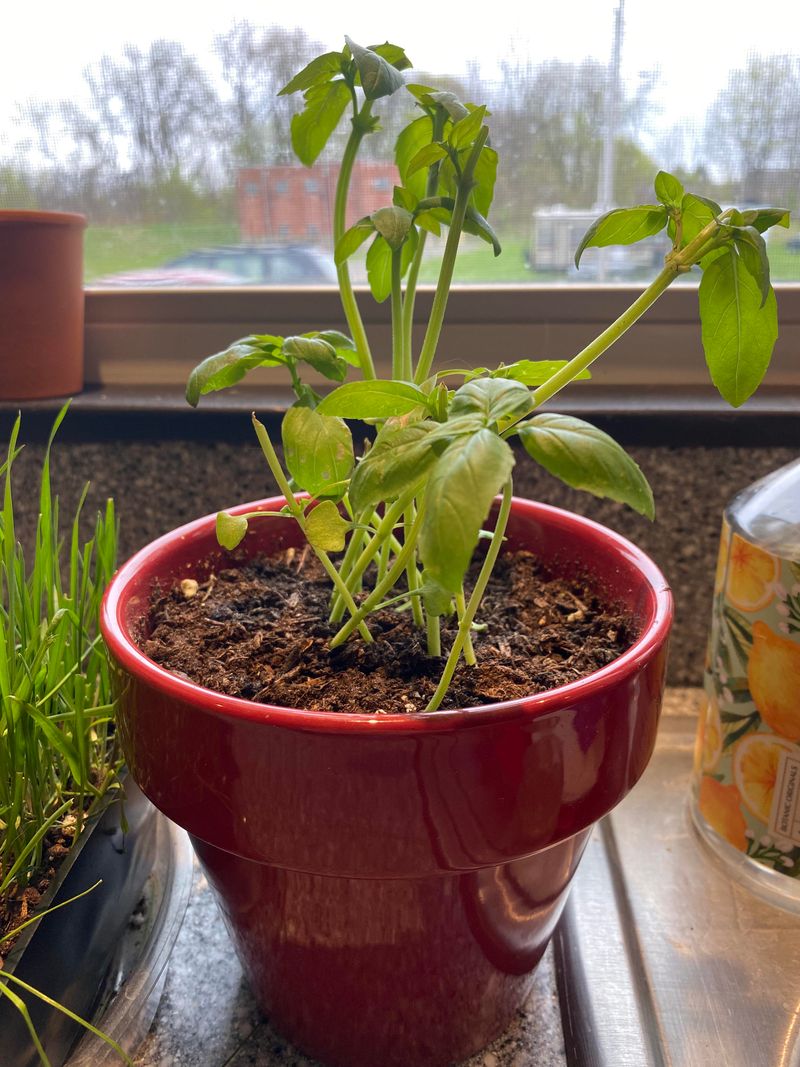
But random leaf picking is not the same as pruning, and over time, this habit leaves basil looking tall, thin, and bare at the bottom.
The most common error is cutting in the wrong place or not cutting at all. Many gardeners remove only the largest leaves because those are the easiest to grab.
Some cut the stem too low, too high, or in the middle of a stem section where no new growth can form. None of these approaches tell the plant to branch out.
When basil is not cut just above a leaf node, it tends to keep pushing energy upward through its main stem. The result is a plant that grows tall quickly but never fills out.
Side branches stay short or never develop, and the plant ends up with a cluster of leaves way up top and almost nothing lower down.
This pattern is especially noticeable in warm growing regions where basil can shoot up fast. In humid, sunny conditions, basil does not slow down and wait for a better cut.
It just keeps growing in whatever direction the plant has been trained to go by previous harvests.
Recognizing this mistake is the first step. Look at your plant right now.
If the main stem is tall and the lower portion looks bare, your pruning habit may be the reason. The fix is not complicated, but it does require changing where and how you make each cut going forward.
Once that habit shifts, the plant usually responds with new side growth within a week or two.
2. Prune Above A Healthy Leaf Node
The best cut is easier to find than it sounds. A leaf node is simply the spot on a stem where a pair of leaves grows out from both sides.
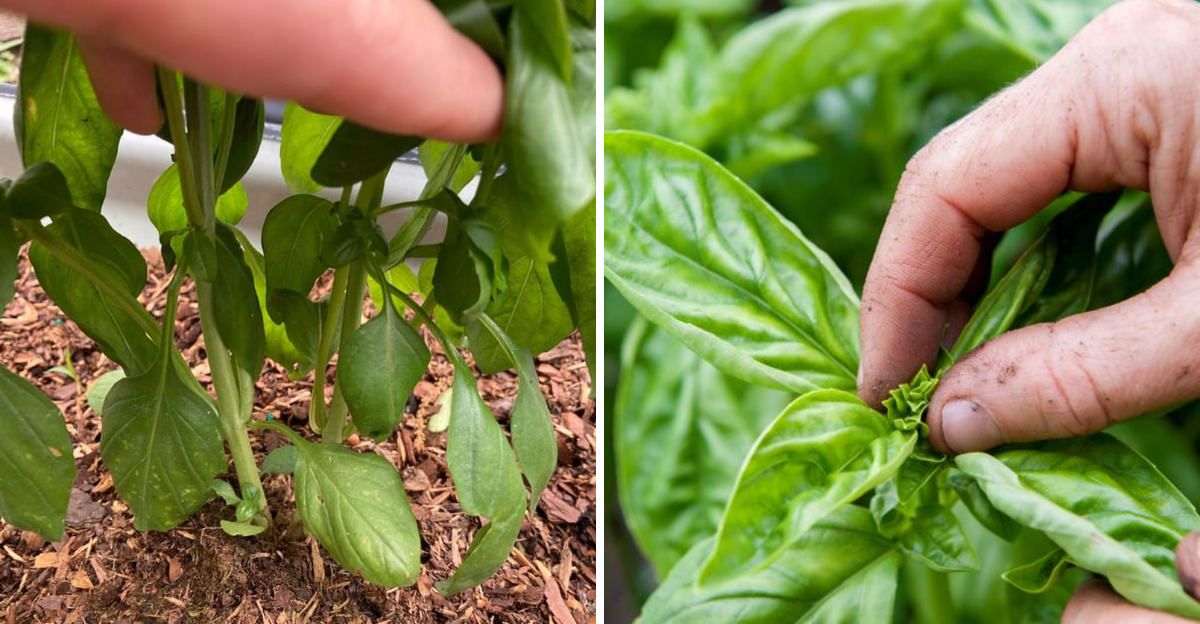
You can see these nodes clearly if you run your eyes down any basil stem. They look like small bumps or joints where two leaves meet the stem.
Your Florida Garden Changes Every Week. Your Plan Should Too.
Gardening in Florida changes quickly throughout the season. Every Friday you’ll receive a simple weekly plan showing exactly what to plant, prune, fertilize, harvest, and protect so you never miss the right timing.
When you cut just above one of these nodes, the plant reads that signal and pushes new growth from that same spot. Instead of one stem continuing upward, two new side shoots often sprout from the node just below your cut.
Over time, each of those shoots can be pruned the same way, and the plant gradually becomes wider and fuller rather than taller.
To make the cut correctly, find a healthy set of leaves about one-third to halfway down a stem. Use clean, sharp scissors or garden snips.
Cut the stem cleanly about a quarter inch above that leaf pair. Avoid tearing or crushing the stem, since clean cuts help the plant recover more smoothly.
New gardeners sometimes worry about cutting too much at once. A good general guideline, supported by extension gardening resources, is to avoid removing more than one-third of the plant at a single pruning session.
This keeps enough leaf area in place so the plant can still photosynthesize and recover well.
After a proper node cut, watch the plant over the next week or two. Small nubs or shoots should appear near the cut area.
Those are new branches forming. Each future pruning session above those new nodes continues building the bushy, full shape most herb gardeners are hoping for when they first plant basil in a pot or bed.
3. Start Cutting Before The Stems Turn Leggy
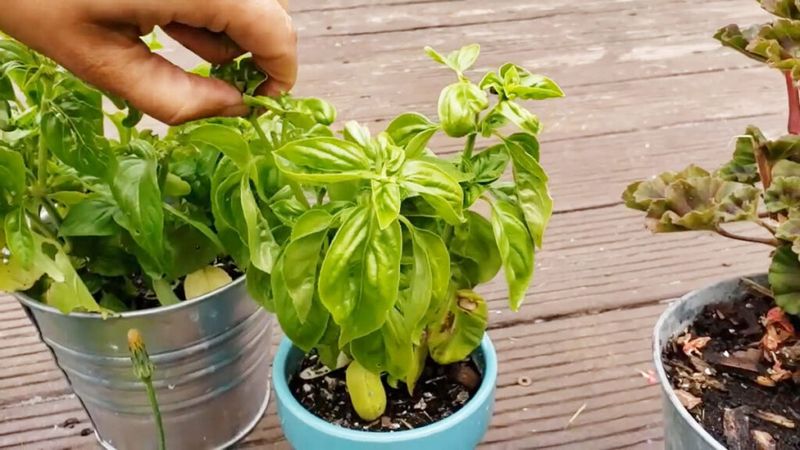
Waiting too long changes the plant’s shape in ways that are harder to fix. Many Florida gardeners hold off on pruning because the plant looks healthy and green, or because they do not want to cut something that seems to be doing fine.
But basil grows fast in warm weather, and a week or two of no attention can push the plant well past the ideal pruning window.
The right time to start pruning is earlier than most people expect. Once a young basil plant has developed three or four sets of leaves, look closely at the central stem.
If it is starting to look noticeably taller than the side growth, that is a good signal to make the first cut. Pruning at this stage is much easier than trying to reshape a plant that has already stretched out.
A few practical signs that pruning is overdue include a main stem that leans slightly under its own weight. Other signs include lower leaves that have started to yellow or drop and a general look of the plant reaching upward without much width.
Any one of these signs means the plant would benefit from a well-placed cut above a healthy node.
Early pruning also builds a stronger habit for both the gardener and the plant. When cuts are made regularly from the beginning of the growing season, the plant develops a natural branching pattern that becomes easier to maintain over time.
Skipping early pruning often means playing catch-up later when the stems are thicker and harder to shape.
Regular light pruning, roughly every one to two weeks during active growth, tends to keep basil in better shape than occasional heavy cuts. Consistency matters more than perfection.
Even a small trim above a node does more for the plant’s fullness than leaving it untouched for several weeks in a row.
4. Stop Picking Only The Biggest Leaves
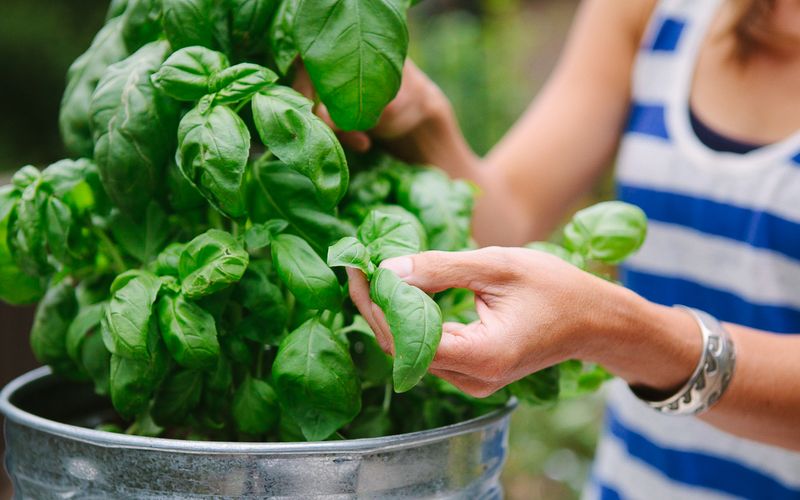
A few leaves in the kitchen are not the same as a real prune. Grabbing the biggest leaves off the plant feels productive, especially when you need a handful for pasta or a salad.
But this habit, repeated over many harvests, can actually work against the plant’s fullness instead of helping it.
Large leaves are usually the oldest ones on the plant, and they tend to grow near the lower or middle sections of stems. Removing them does not redirect growth toward new branching.
The plant simply continues pushing its energy upward through the existing stem, with no signal to produce more side shoots. Over time, the lower portion of the plant looks stripped while the top keeps climbing.
A smarter approach for both the kitchen and the garden is to harvest by pruning stem tips. Instead of plucking individual leaves, find a healthy stem tip, locate the nearest node a few inches down, and cut just above it.
That single move gives you a small sprig of fresh basil for cooking and also triggers new branching at the cut point.
This method works well for container gardeners who want a steady supply of leaves without sacrificing the plant’s shape. Over a full growing season, stem-tip harvesting can produce more total leaf volume than leaf picking alone.
That is because the plant keeps branching out and creating new growth sites with each cut.
If you cook with basil regularly, a plant pruned this way can often keep up with weekly harvests without looking bare or stressed. The key is making each cut count.
Every snip above a node is both a harvest and a shaping move, which is a much more efficient way to manage an herb plant in a small garden or patio space.
5. Pinch Off Flower Buds Before Growth Slows
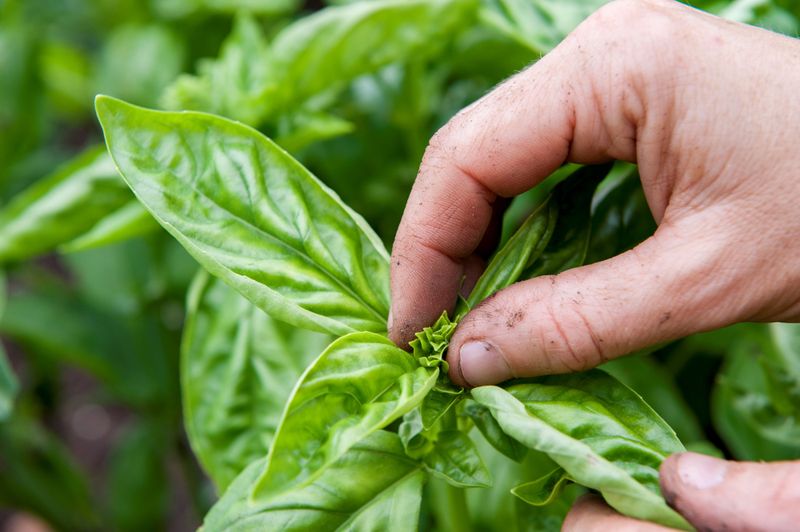
Flower buds are a signal worth paying attention to. When basil starts forming buds at the top of its stems, the plant is shifting its energy away from producing leaves and toward completing its reproductive cycle.
For gardeners who want a steady harvest of flavorful leaves, catching and removing those buds early makes a real difference.
In warm growing regions, basil can begin forming flower buds relatively quickly, sometimes within just a few weeks of being planted, especially during the hottest months. Heat and long daylight hours both encourage flowering.
Once a plant bolts, or fully flowers, leaf production often slows. The leaves that remain may feel slightly tougher or taste a bit more bitter than younger leaves from an actively growing plant.
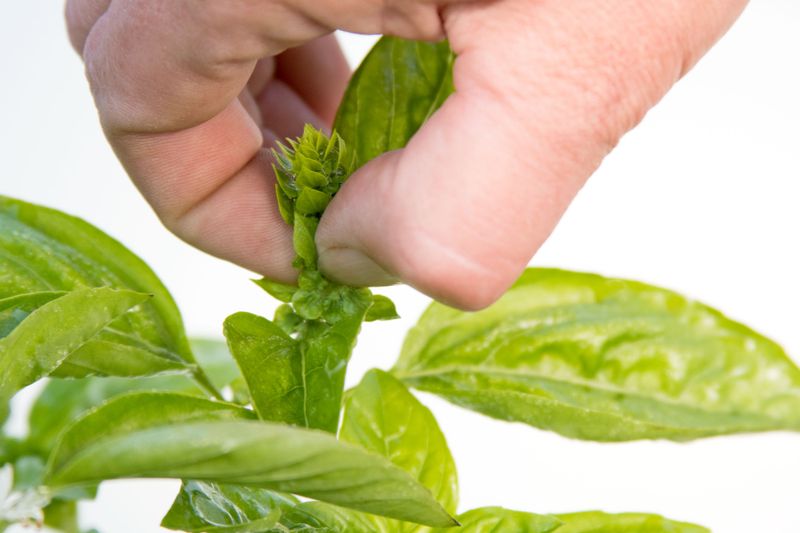
Pinching off buds does not require any tools. Simply use your thumb and forefinger to snap off the bud cluster at the top of the stem.
If any small buds have already opened into tiny white flowers, remove those too. Some gardeners make this part of their regular weekly walk-through of the herb garden, which keeps it from feeling like an extra chore.
It is worth being honest about the limits here. Removing flower buds consistently does slow the flowering process, but in very hot weather, basil will keep trying to flower no matter how often you pinch.
Staying ahead of it helps, but you may need to check the plant every few days during peak summer heat in central and southern regions of this state.
Flavor does shift somewhat after flowering, but the change is usually mild in younger leaves. If you notice a flavor difference, prioritize harvesting the newest growth at the tips of branches.
Those leaves tend to hold the best taste even when the plant is working hard to flower in warm conditions.
6. Help Basil Bounce Back In Florida Heat
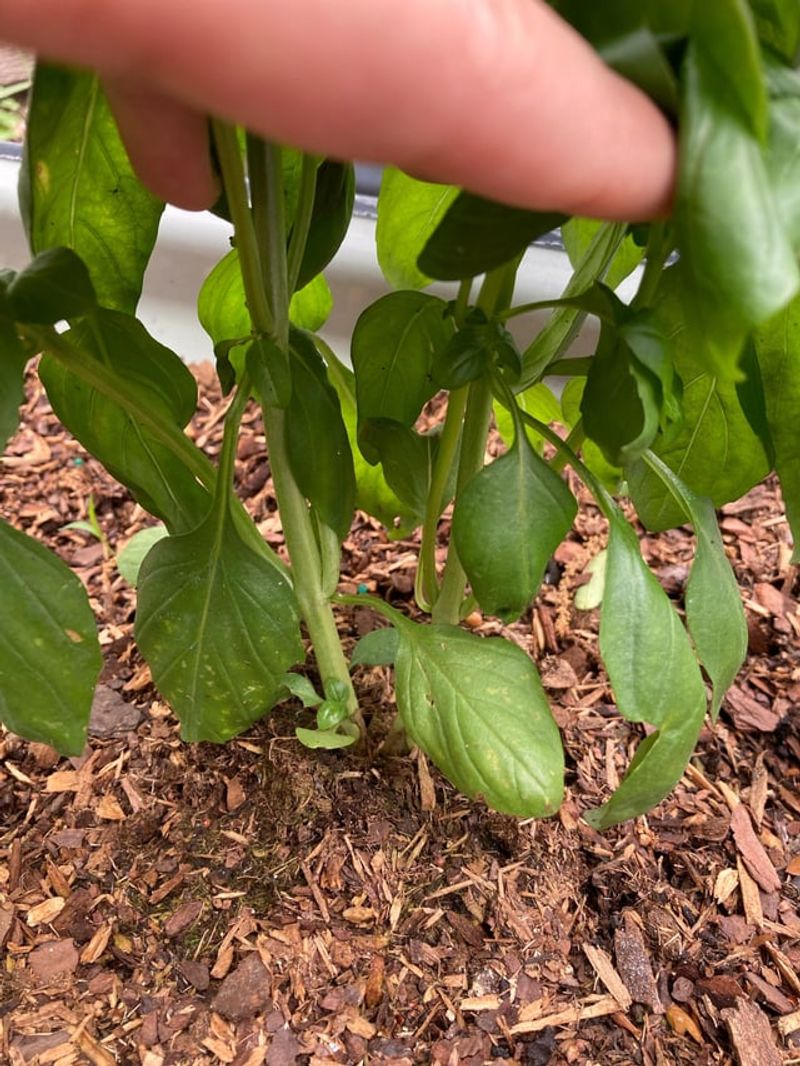
Warm weather can make basil grow fast, but heat and humidity also add stress that affects how well the plant recovers after pruning. In this state, gardeners deal with conditions that most herb guides do not fully account for.
These include intense afternoon sun, sudden heavy rain, and stretches of heat that can push even healthy plants to their limits.
After a pruning session, basil needs steady moisture to support new growth. Soil that dries out too quickly can slow the recovery process, especially in container plants where roots have limited space.
Checking soil moisture every day or two after pruning, rather than waiting for the plant to look wilted, helps keep recovery on track.
Good drainage matters just as much as moisture. Roots sitting in soggy soil after heavy rain can struggle, and a stressed root system makes it harder for the plant to push out new side shoots after being cut.
Containers with drainage holes and raised beds with amended soil tend to handle wet spells better than low spots in a yard.
Regional differences are worth considering when managing post-pruning care. Gardeners in northern regions of this state often have a shorter warm season, so timing pruning sessions to avoid the coolest weeks helps.
Central regions deal with strong swings between heavy rain and dry heat, which means checking drainage and moisture balance more carefully. Southern regions can grow basil for longer stretches.
However, the combination of intense heat and high humidity can increase disease pressure, particularly on leaves that stay wet for long periods.
Giving pruned plants a little afternoon shade during the hottest weeks can reduce stress and encourage faster regrowth. A sheer cloth or natural shade from a nearby taller plant often provides enough relief.
It does this without blocking the morning sun that basil genuinely needs to stay productive and full throughout the season.