Never Add These Things To Pennsylvania Vegetable Garden Soil
Good soil is the foundation of everything in a vegetable garden, and Pennsylvania gardeners have a real advantage with naturally rich ground in many parts of the state.
The problem is that it is surprisingly easy to make that soil worse with the wrong additions, and a lot of the advice floating around online skips right over the damage certain materials can do.
Some of the most common soil amendments are fine in other contexts but genuinely harmful in a vegetable garden, affecting everything from nutrient availability to the safety of the food you are actually growing.
A few of them are flat out dangerous, and others simply do not work the way people think they do.
Pennsylvania’s specific soil conditions and climate also make some of these mistakes more likely to cause problems here than they would somewhere else. Before you add anything to your vegetable beds this season, it is worth knowing what absolutely should not go in.
1. Fresh Manure
Walk into any farm supply store and you might hear someone say that manure is great for gardens. That part is true, but the word “fresh” changes everything.
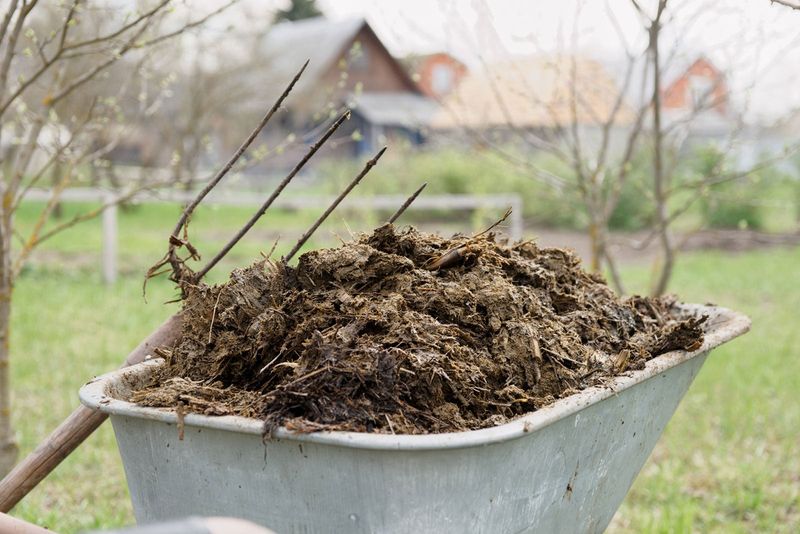
Fresh manure is raw, unprocessed animal waste, and adding it directly to your vegetable garden can cause serious problems you might not notice right away.
One of the biggest concerns is bacterial contamination. Fresh manure often contains harmful bacteria like E. coli and Salmonella.
These pathogens can cling to your vegetables, especially root crops and leafy greens that grow close to the soil. Washing your produce helps, but it does not always remove every trace of contamination.
Another problem is something gardeners call “nitrogen burn.” Fresh manure releases nitrogen too quickly for plants to handle. Instead of feeding your vegetables, it can scorch their roots and stunt their growth.
You might notice yellowing leaves or wilted plants even when the soil looks moist and healthy.
The safe solution is composted manure. When manure is properly composted for at least 90 to 120 days, the heat generated during the process destroys most pathogens and mellows out the nitrogen levels.
Many Pennsylvania gardeners apply composted manure in the fall so it has all winter to break down further before spring planting.
Always check the bag label if you buy bagged manure products, and make sure it clearly states “composted” before adding it to any bed where food will grow.
2. Too Much Wood Ash
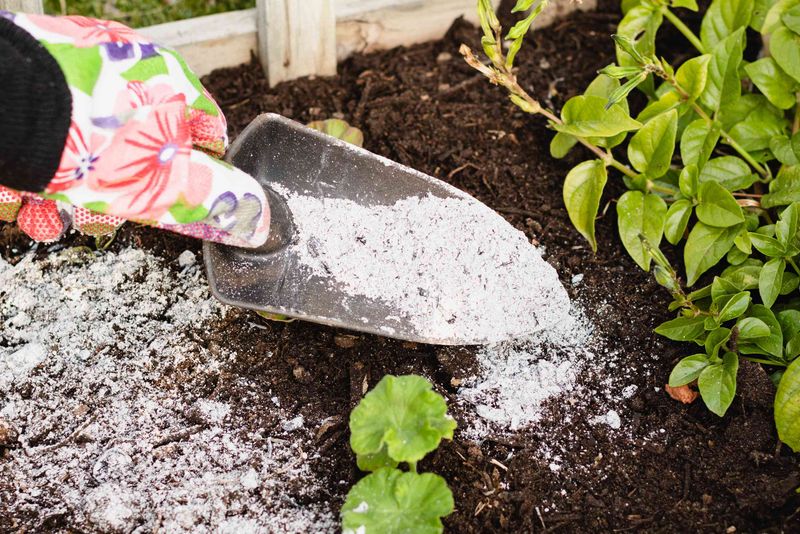
Wood ash from a fireplace or fire pit might seem like a natural, free soil booster. After all, it comes from organic material, so it should be good for plants, right?
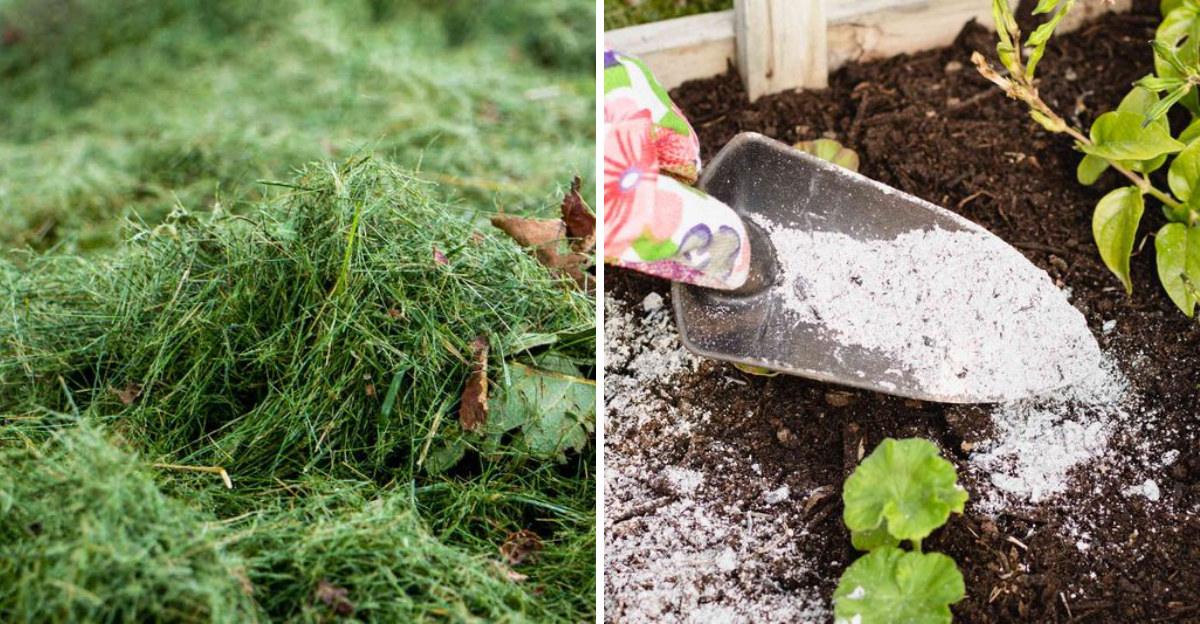
The truth is more complicated, and adding too much can quietly work against your vegetable garden in ways that are hard to reverse. Wood ash is highly alkaline. When you add it to soil, it raises the pH level.
Pennsylvania soils are often naturally acidic, especially in wooded or forested areas. A small pH shift can actually benefit certain vegetables. But when you overdo it, the soil becomes too alkaline for most vegetables to thrive.
Your Pennsylvania Garden Changes Every Week. Your Plan Should Too.
Gardening in Pennsylvania changes quickly throughout the season. Every Friday you’ll receive a simple weekly plan showing exactly what to plant, prune, fertilize, harvest, and protect so you never miss the right timing.
High pH levels lock up important nutrients like iron, manganese, and boron. Even if those nutrients are present in your soil, your plants simply cannot absorb them when the pH is off.
You might see yellowing between leaf veins, poor fruit development, or stunted plants despite regular watering and fertilizing.
Potatoes are especially sensitive to alkaline conditions and are very common in Pennsylvania gardens. Too much wood ash can also encourage a soil disease called scab in potatoes, leaving rough, ugly patches on the skin.
Blueberries, peppers, and tomatoes also prefer slightly acidic conditions and will struggle in over-limed soil.
If you want to use wood ash, apply it sparingly, no more than a light dusting once a year. Always test your soil pH first using an inexpensive kit from a garden center. That one simple step can save your entire harvest.
3. Dog Or Cat Waste
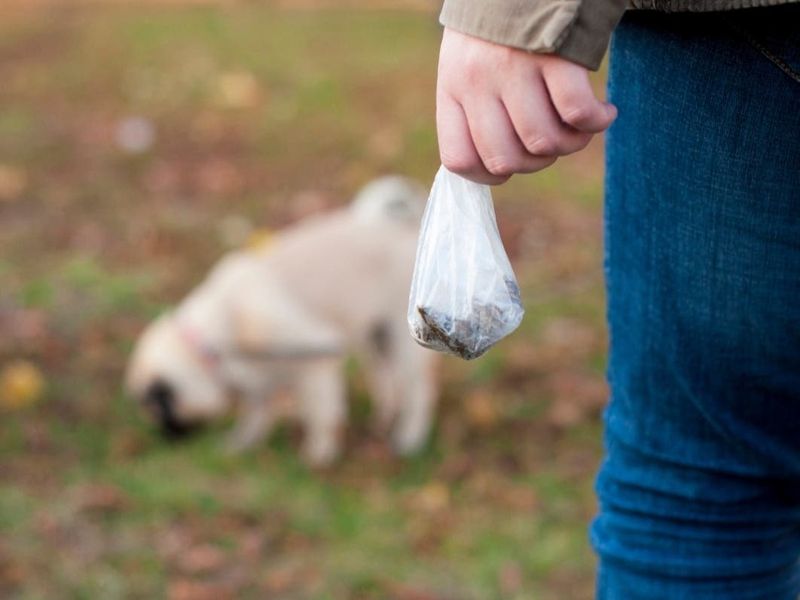
Pet owners sometimes think that since animal manure can be composted, their dog or cat waste should work the same way in the garden.
It seems logical on the surface, but this comparison falls apart quickly when you look at what is actually inside pet waste and what it can do to your food garden.
Dogs and cats are carnivores. Their digestive systems process meat, which means their waste contains very different bacteria and parasites compared to manure from cows, horses, or chickens.
Toxocara, a type of roundworm, and Toxoplasma gondii, a parasite found in cat feces, can survive in soil for months. These organisms pose real health risks to humans, especially children who play in the garden.
Unlike livestock manure, pet waste does not compost safely at home. The temperatures needed to destroy harmful organisms in dog and cat feces are very hard to achieve in a backyard compost pile.
Most home compost setups simply do not get hot enough or maintain that heat long enough to make pet waste safe.
Pennsylvania vegetable gardens are particularly vulnerable because many families have pets that roam the yard freely. Even if you are not intentionally adding pet waste to your beds, it is worth checking that animals are not using garden areas as a bathroom.
Installing low fencing or raised beds with barriers can help keep pets out. Keep your food garden a pet-free zone, and your harvest will be much safer for everyone at the table.
4. Black Walnut Leaves Or Mulch
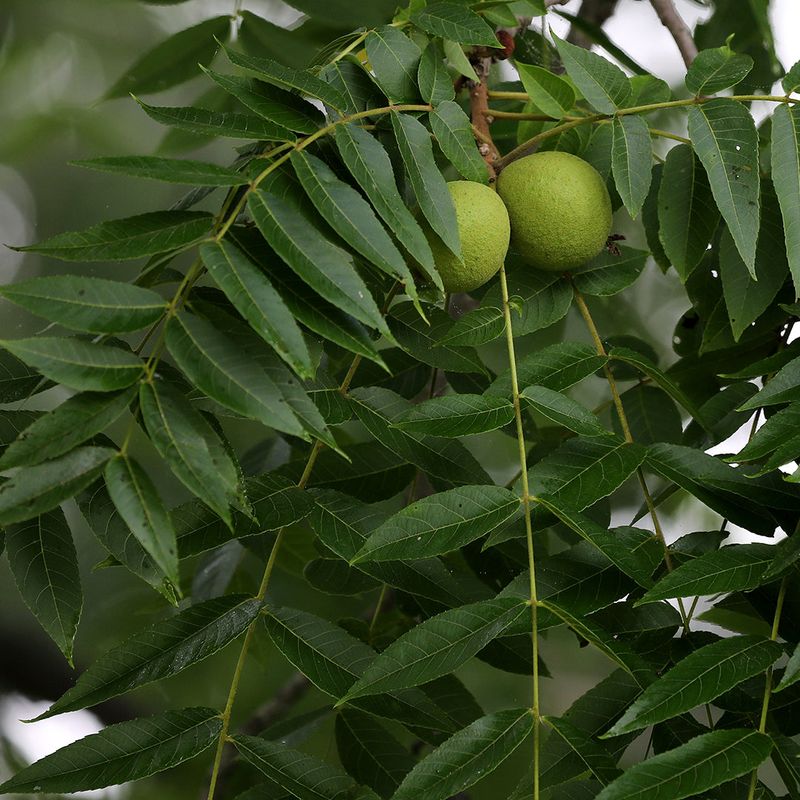
Pennsylvania is home to many beautiful black walnut trees, and in the fall, their leaves pile up just like any other tree. It might seem smart to rake those leaves into your garden beds as mulch or compost.
But black walnut is not like other trees, and using any part of it near your vegetables can lead to disappointing results fast.
Black walnut trees produce a natural chemical called juglone. This compound is found in the roots, leaves, bark, and even the nut hulls.
Juglone acts as a natural growth suppressant, helping the black walnut tree compete with nearby plants for water and nutrients. That strategy works great for the tree, but it is terrible news for your garden.
Tomatoes, peppers, eggplants, and potatoes are among the most sensitive vegetables to juglone. Even brief exposure can cause wilting, yellowing, and poor root development.
The damage can look similar to other soil problems, so many gardeners do not realize black walnut is the cause until they trace it back to the mulch or compost they used.
The tricky part is that juglone can remain in the soil even after the leaves or wood decompose. Roots from a nearby black walnut tree can also spread juglone into garden beds underground, even when no leaves have been added directly.
If you have black walnut trees on your property, keep your vegetable beds well away from them, at least 50 to 60 feet if possible. Use leaves from maple, oak, or other safe trees for mulching instead.
5. Diseased Plant Debris
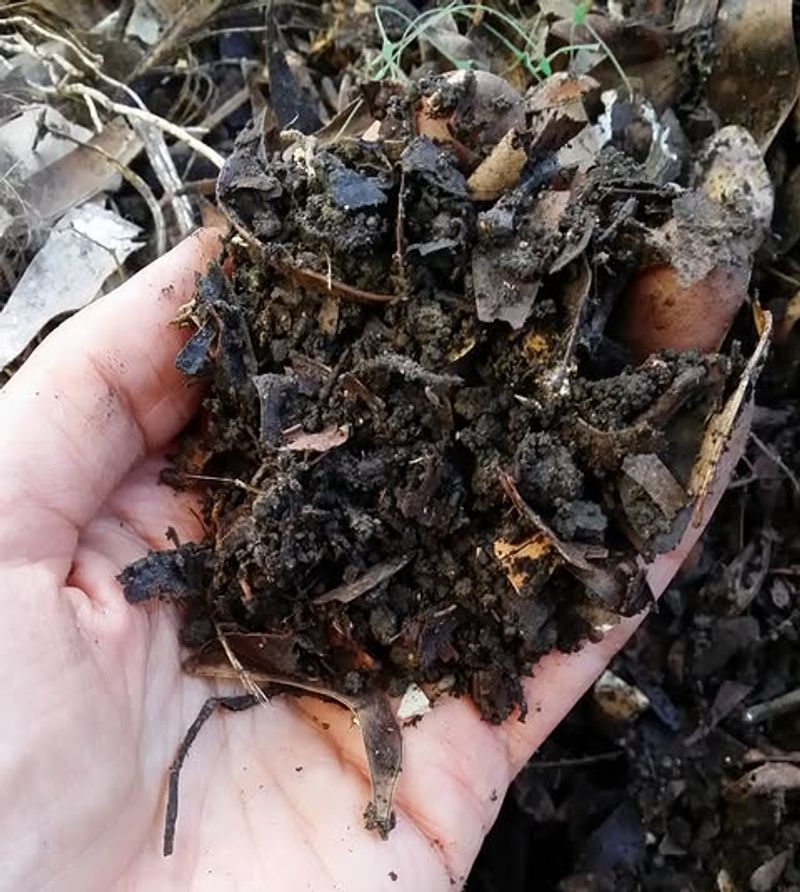
At the end of the growing season, it is tempting to just chop everything down and mix it back into the soil. It feels efficient and eco-friendly.
But if any of your plants struggled with disease during the season, putting that debris back into the ground is one of the quickest ways to guarantee problems next year too.
Fungal diseases like early blight, late blight, and powdery mildew can survive in plant material long after the growing season ends. Bacterial diseases, such as bacterial speck on tomatoes, behave the same way.
The spores and bacteria wait in the soil or on plant debris through winter and spring right back to life when conditions are warm and moist again.
Pennsylvania summers bring humid stretches that already favor fungal growth. Adding diseased plant material to your beds is like giving those pathogens a head start on your next crop.
You might plant completely healthy transplants in spring and still see disease show up early because it was already living in your soil.
The right move is to bag diseased plant material and put it in the trash, not the compost pile. A standard backyard compost pile rarely gets hot enough to destroy fungal spores or bacterial pathogens reliably.
Clean garden tools between uses with a diluted bleach solution to avoid spreading disease from one bed to another.
Rotating your crops each year also helps break disease cycles naturally. Healthy soil starts with keeping the bad stuff out, season after season.
6. Chemically Treated Grass Clippings
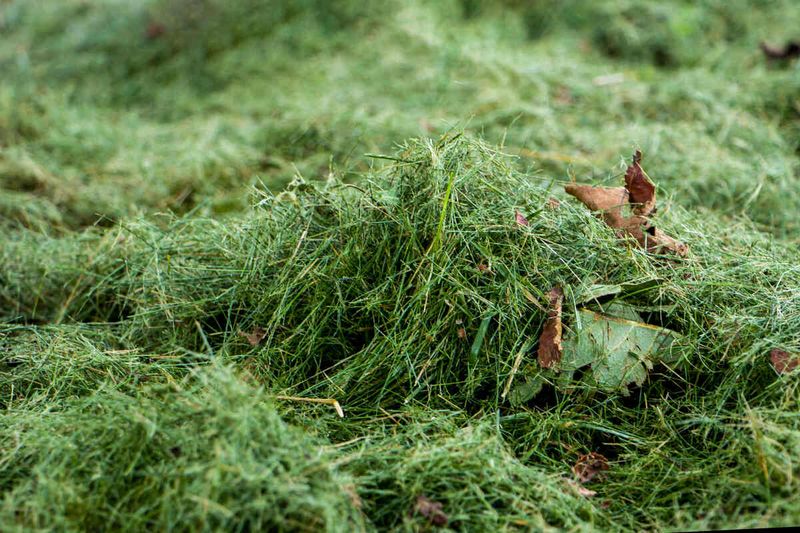
Grass clippings are one of the most popular free mulch materials around. They break down quickly, add organic matter to the soil, and help retain moisture during dry Pennsylvania summers.
Used correctly, they are genuinely helpful. But there is one situation where grass clippings can seriously harm your vegetable garden: when the lawn has been treated with herbicides.
Broadleaf herbicides, especially products containing clopyralid or aminopyralid, are commonly used on lawns to control weeds like dandelions and clover. These chemicals are very effective on grass weeds, but they do not break down quickly.
They can persist in grass clippings, compost made from treated clippings, and even in the soil itself for months or longer.
When herbicide-contaminated clippings are added to vegetable beds, the residue transfers to your soil. Tomatoes, peppers, beans, and peas are especially sensitive to these chemicals.
Affected plants show twisted or cupped leaves, distorted stems, and poor fruit set. Gardeners sometimes mistake this damage for a virus or nutrient deficiency, not realizing the clippings are the culprit.
The safest rule is to only use grass clippings from lawns that have not been treated with any herbicide for at least three mowing cycles. If you are unsure about your neighbor’s lawn care routine and they offered you a bag of clippings, it is better to politely decline.
Stick to clippings from your own yard where you control exactly what goes on the grass. Your vegetables will thank you with a healthier, stronger harvest all season long.