Do These 8 Things The Second Your Tennessee Tomatoes Start Flowering
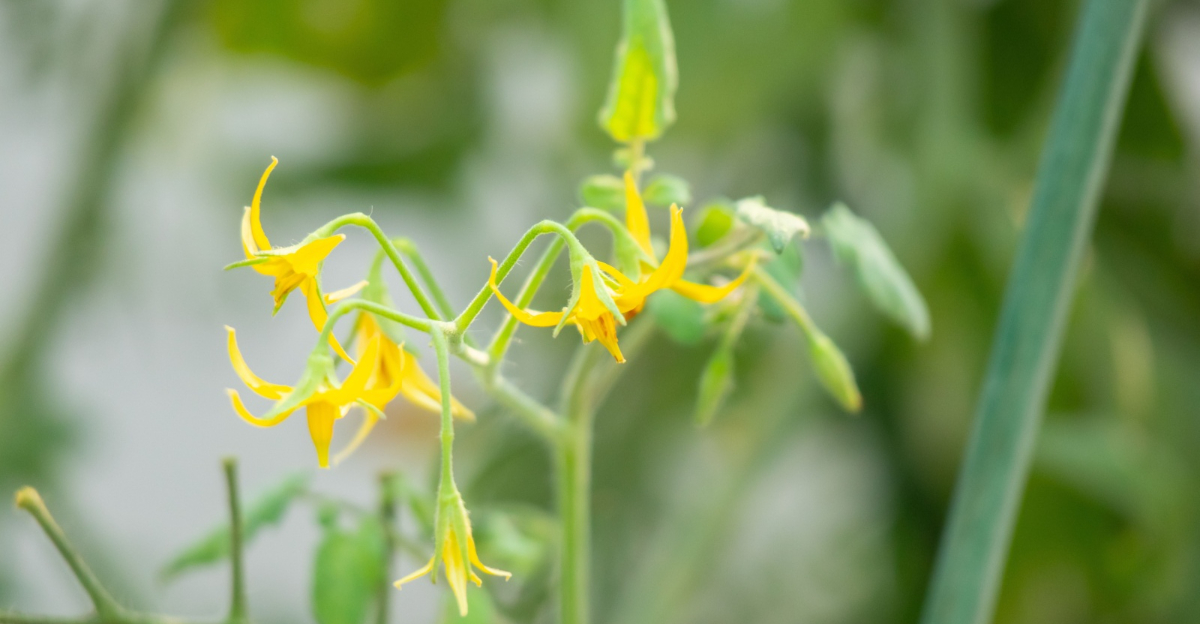
Tiny yellow flowers on your tomato plants might look innocent, but they are basically nature’s way of saying the clock is ticking.
This is the moment most new gardeners either win big or quietly lose the whole harvest without realizing it.
Those blooms are not decoration, they are tomatoes in the making, and they need the right conditions to actually become the real thing.
Tennessee summers are gorgeous but brutal, and your plants are about to need you more than ever.
The good news is that you do not need fancy equipment or a horticulture degree to get this right.
You just need to know what to do and when to do it.
So if you have just spotted your first flower of the season, you are in exactly the right place.
1. Check Your Soil Before You Do Anything Else
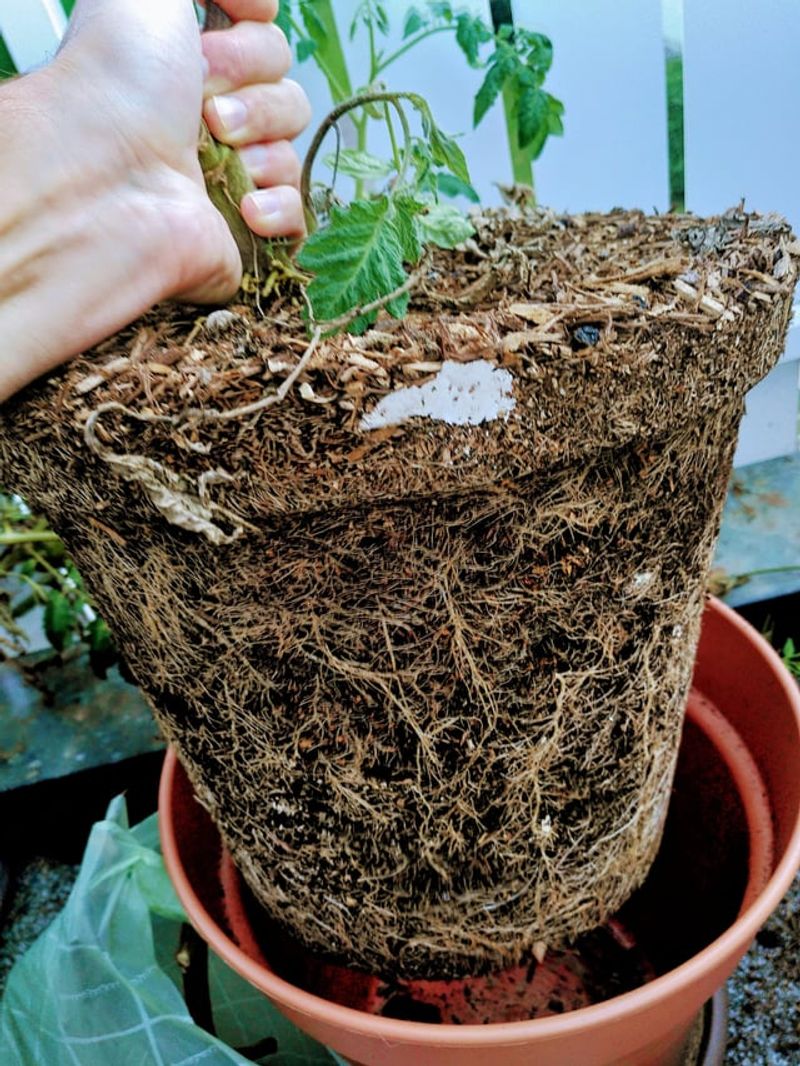
Soil that looks fine on the surface can be secretly sabotaging your tomato plants from below.
When Tennessee tomatoes start flowering, the roots are working overtime, and they need the right environment to pull it off.
Skipping a soil check at this stage is like trying to bake a cake without checking if you have flour.
Tomatoes need a soil pH between 6.0 and 6.8 to absorb nutrients properly.
If your pH is off, even the best fertilizer will not do much good because the nutrients simply get locked out.
A basic soil test kit from your local garden center costs just a few dollars and takes about ten minutes.
Calcium and magnesium levels matter a lot right now too.
Low calcium leads to blossom end rot, which turns the bottom of your tomatoes black and mushy before they ever ripen.
A calcium spray applied directly to the leaves and base of each plant is the fastest way to address a deficiency.
Crushed eggshells, on the other hand, work as a slow and steady long-term addition to the soil.
Tennessee summers get intense fast, and compacted clay soil drains poorly, leaving roots sitting in water.
Breaking up the top few inches around each plant and mixing in some compost can improve drainage without disturbing the roots too much.
Healthy soil at flowering time means your plants have the best possible foundation for producing a heavy crop.
2. Water Differently During The Flowering Stage
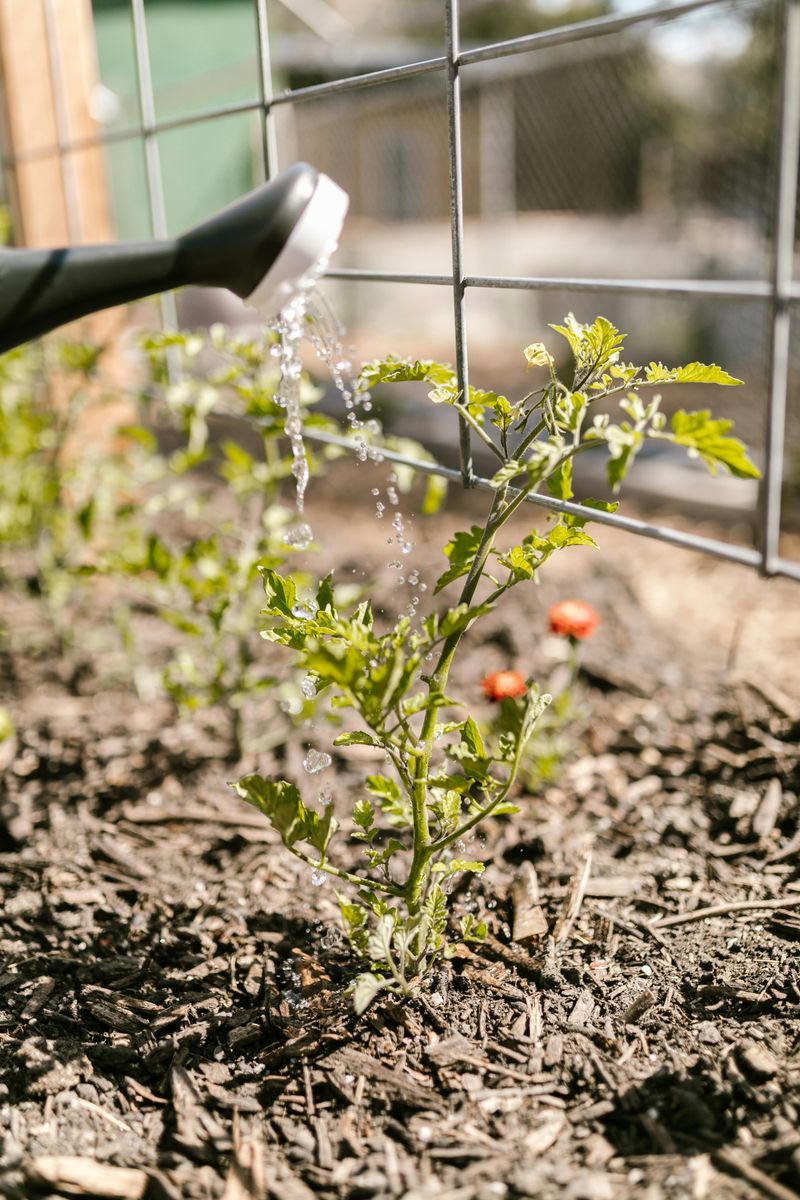
Watering your tomatoes the same way you did during the seedling stage is one of the most common mistakes home gardeners make.
Once those flowers appear, the plant’s relationship with water changes completely.
Too much moisture at the wrong time can cause blooms to drop before they ever get a chance to set fruit.
Inconsistent watering is the enemy of a good tomato harvest.
Going from bone dry to soaking wet stresses the plant and leads to blossom drop, cracked fruit, and even blossom end rot.
Aim for deep, steady watering about one to two inches per week, depending on how hot and dry it gets.
Watering at the base of the plant rather than overhead makes a big difference at this stage.
Your Tennessee Garden Changes Every Week. Your Plan Should Too.
Gardening in Tennessee changes quickly throughout the season. Every Friday you’ll receive a simple weekly plan showing exactly what to plant, prune, fertilize, harvest, and protect so you never miss the right timing.
Wet leaves and flowers invite fungal diseases, which spread fast in the warm, humid air that Tennessee summers are known for.
A soaker hose or drip line keeps moisture right where it belongs, at the roots.
Morning is the best time to water, giving any accidental splashes on leaves time to dry off before nightfall.
Mulching around the base of each plant with straw or wood chips helps hold soil moisture in between waterings.
Once you lock in a consistent watering routine, your flowers will stay on the vine and turn into the tomatoes you have been waiting for all season.
3. Switch Up Your Fertilizer At This Stage
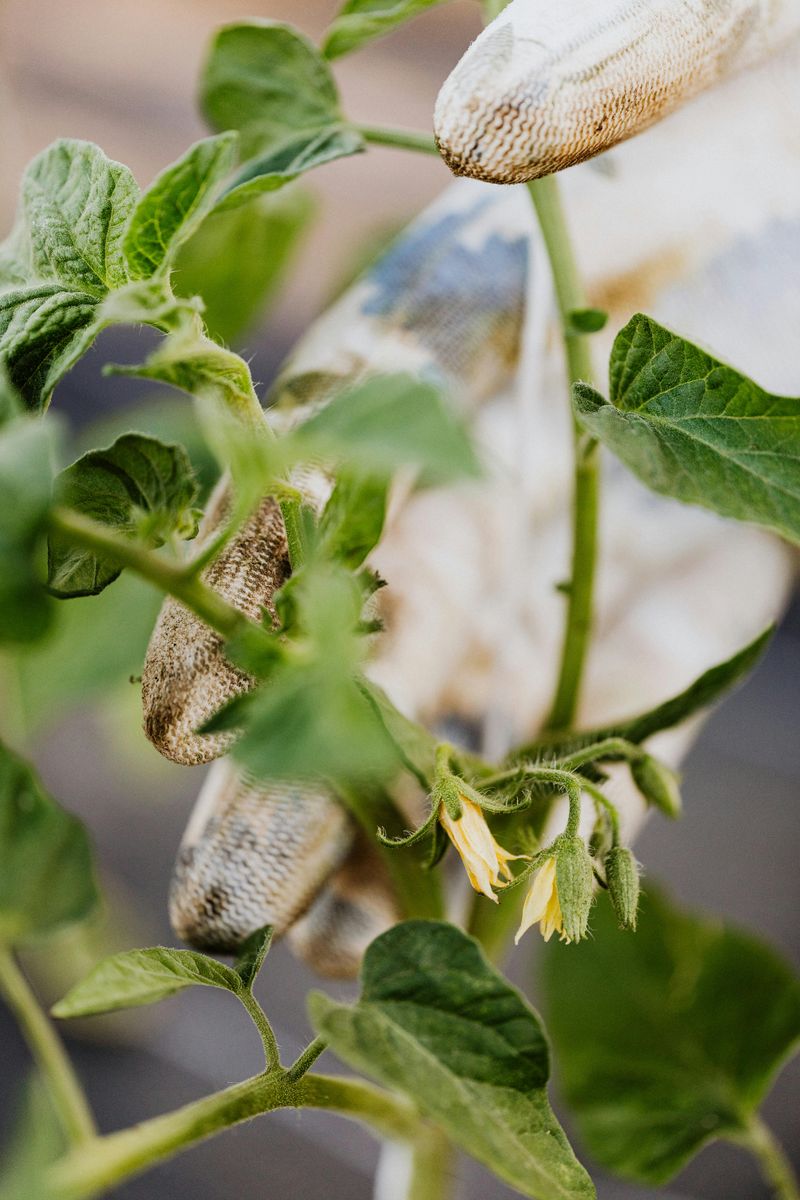
That fertilizer that served you so well in spring?
It is now working against you.
Once flowers appear, your tomatoes need something completely different.
Flowering is a turning point, and your plants need a completely different nutritional focus to move from leafy growth to fruit production.
Think of it as switching from a growth diet to a performance diet.
Early in the season, high-nitrogen fertilizers help build strong stems and lush foliage.
But once Tennessee tomatoes start flowering, too much nitrogen pushes the plant to keep growing leaves instead of setting fruit.
You want to shift toward a fertilizer that is higher in phosphorus and potassium, which support root strength and fruit development.
Look for a tomato-specific fertilizer with a ratio like 5-10-10 or 8-32-16 on the label.
These numbers represent nitrogen, phosphorus, and potassium in that order.
The higher the middle and last numbers, the better, that is exactly what your plant craves right now.
Applying it every two weeks according to the package directions keeps a steady supply of nutrients flowing.
Organic options like bone meal and wood ash are excellent natural sources of phosphorus and potassium.
They release slowly into the soil, which means fewer risks of over-fertilizing and burning delicate roots.
Making this fertilizer switch at the first sign of flowers puts your plants on the fastest track to a full, flavorful harvest.
4. Shake Your Tomato Plants, Here’s Why
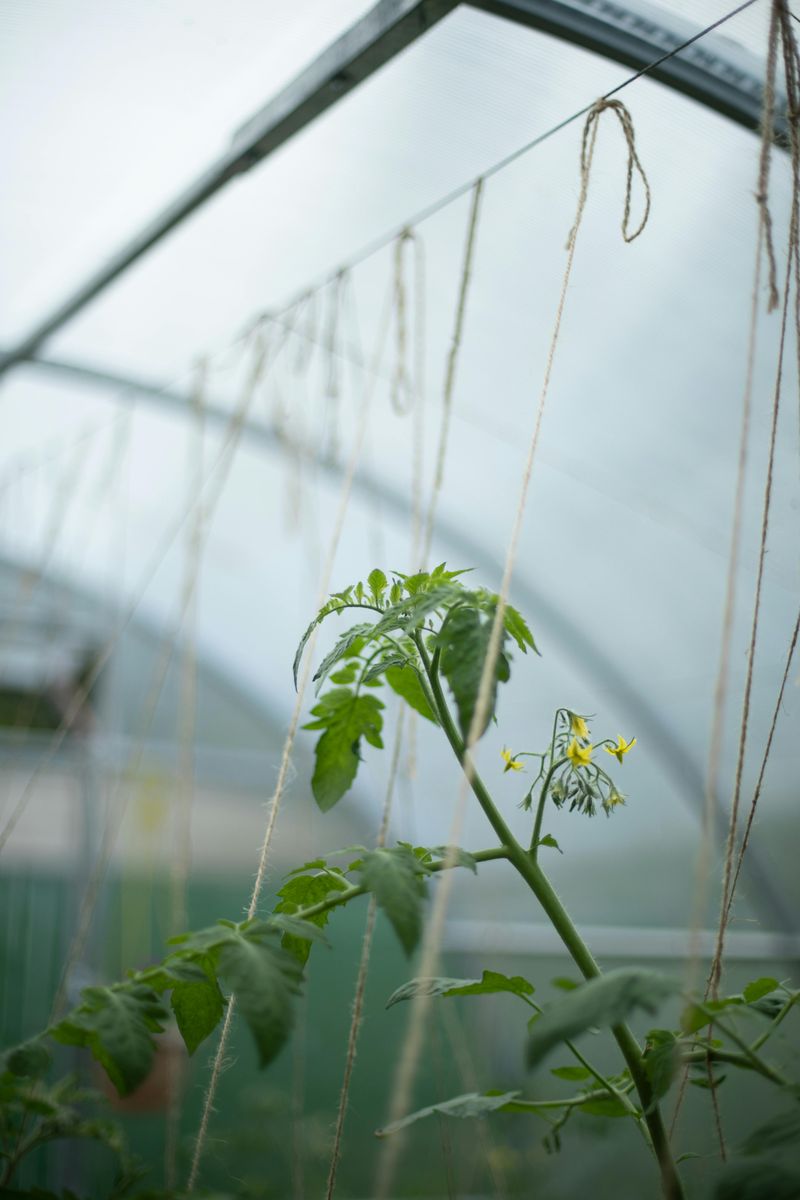
Shaking your tomato plants looks ridiculous.
The science behind it, though, is hard to argue with.
Tomatoes are self-pollinating, meaning each flower carries both male and female parts, but they still need a little movement to release pollen.
In the wild, wind and buzzing bees do this job automatically.
Gardens surrounded by walls, fences, or dense plantings sometimes miss out on enough natural airflow to get the job done.
If your flowers are not getting pollinated, they will simply fall off the vine without ever becoming fruit.
That is a frustrating outcome after all the work you have put into your garden.
Gently gripping the main stem or a sturdy branch and giving it a light shake for a few seconds is all it takes.
Doing this once a day during the midday hours, when pollen is most active and dry, gives your blooms the best chance of being fertilized.
You can also use a battery-powered toothbrush held against the stem for a gentle vibration that mimics what a bumblebee does naturally.
Attracting real pollinators to your garden is another great long-term strategy.
Planting marigolds, basil, or lavender nearby draws in bees and other beneficial insects that will do the shaking for you.
A few seconds of gentle shaking each day during flowering season.
That is it.
That one small habit could dramatically increase your tomato yield this summer.
5. Prune This, Leave That Alone
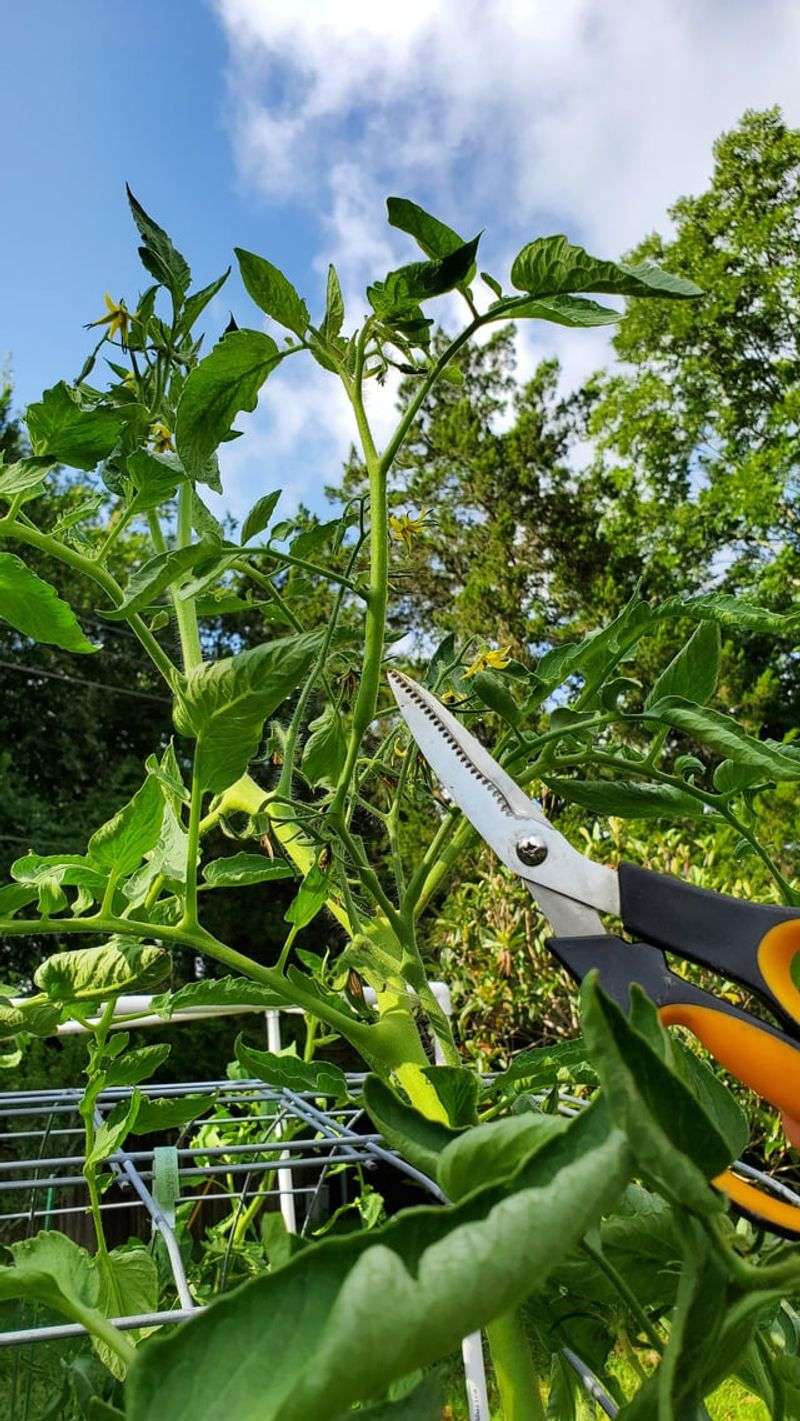
Pruning tomatoes during flowering season is one of those tasks where the wrong move can cost you weeks of progress.
Not every part of the plant needs to go, and knowing the difference between what helps and what hurts is the key to a productive garden.
Get this right and your plants will channel all their energy exactly where you want it.
Suckers are the sneaky little shoots that sprout in the joint between the main stem and a branch.
Left unchecked, they grow into full branches that compete with the rest of the plant for nutrients and light.
Pinching them off when they are small, about the size of your finger, keeps indeterminate varieties focused on flowering and fruit production.
If you are growing a determinate variety, skip this step, suckering can actually reduce your harvest.
However, you should leave the main flowering branches completely alone.
Removing stems that already have flowers on them is a fast way to lose fruit before it even starts.
Only remove suckers that have not yet flowered, and always use clean, sharp scissors or pruning shears to avoid spreading disease.
Lower leaves that touch the soil are also fair game for removal.
Those leaves are the first to pick up soil-borne fungal diseases, which can travel up the plant fast in warm, wet conditions.
Strip the bottom six to eight inches of foliage from each plant.
It takes two minutes, it costs nothing, and it could be the reason your vines are still thriving in August when everyone else’s are struggling.
6. Watch For These Warning Signs
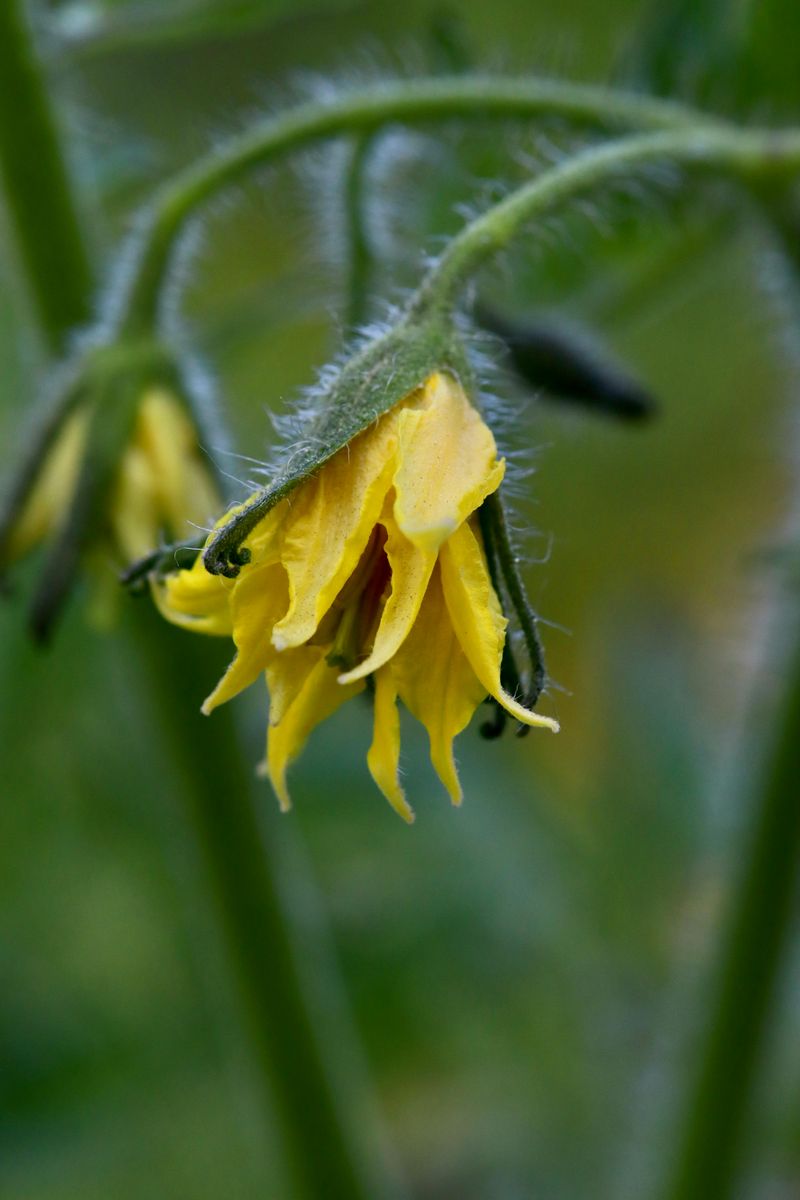
Blossom drop is one of the most discouraging things a gardener can see, and it happens more often than most people realize.
You watch those flowers open up with so much promise, and then they fall off before a single fruit forms.
Something is wrong, and your plant is trying to tell you exactly what it is.
Temperature stress is the number one cause of blossom drop in the South.
Tomatoes stop setting fruit when nighttime temperatures stay above 70 degrees or daytime temps climb past 95 degrees.
If a heat wave rolls through and your flowers start disappearing, the heat is likely the culprit.
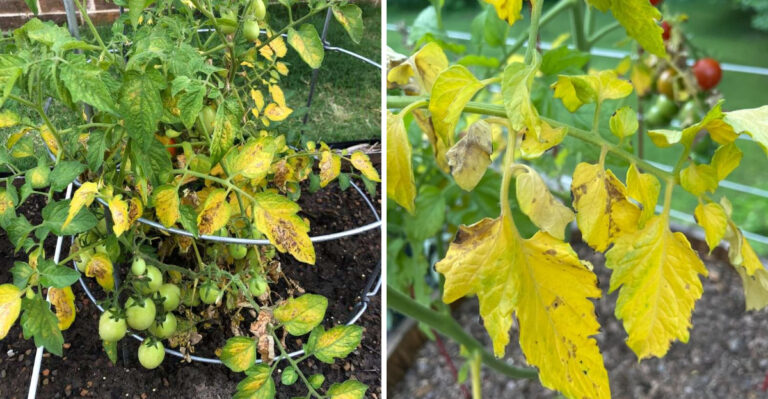
Yellowing leaves during flowering season can signal a nitrogen deficiency, overwatering, or a fungal infection taking hold.
Check the pattern of the yellowing to narrow it down.
Yellowing that starts at the bottom and works upward usually points to a nutrient issue, while spotty yellowing with brown edges often means disease.
Catching these signs early gives you a much better chance of turning things around.
Curling leaves, sticky residue on stems, or tiny bugs clustering near the flowers are signs of pest pressure.
Aphids and spider mites are especially common on tomato plants during the summer months.
Spot these warning signs early.
A small problem you catch on Monday is a five-minute fix.
The same problem ignored until Friday?
That is a full-blown infestation that can take out your entire crop.
7. Protect Your Plants From Tennessee’s Summer Heat
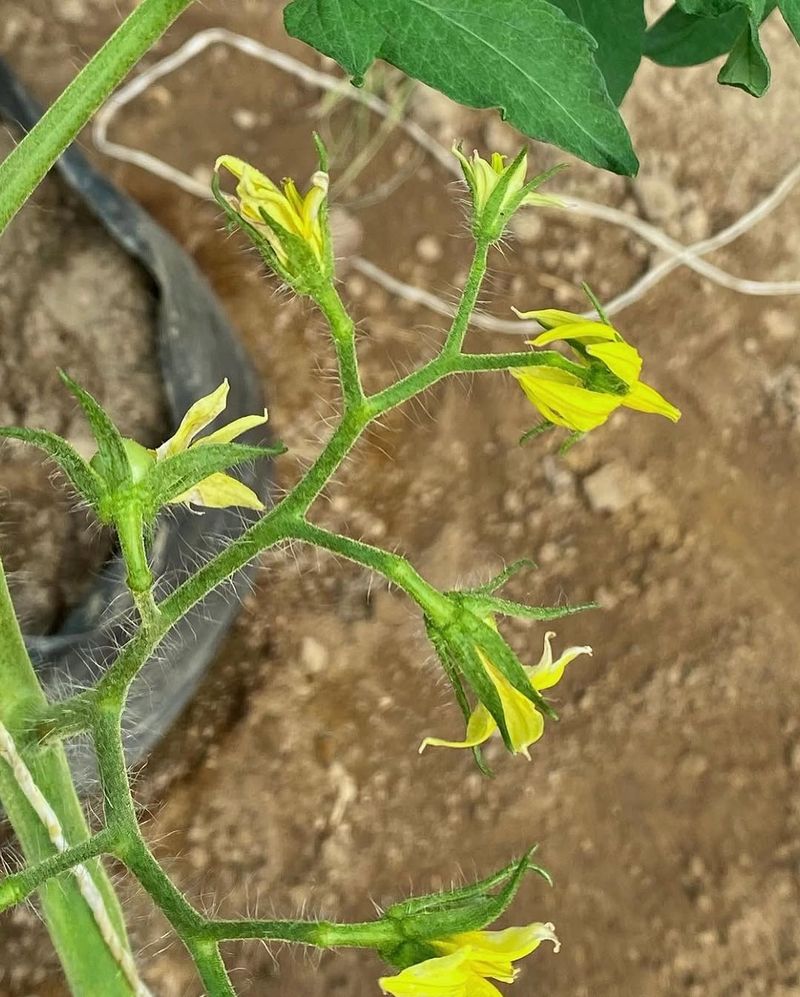
Summer in the South does not ease in gently.
It arrives hard, fast, and relentless, and your flowering tomato plants feel every degree of it.
Heat stress during the flowering stage is one of the top reasons gardeners end up with a lot of vines and very little fruit.
Taking a few protective steps now can save your entire harvest.
Shade cloth is one of the most underrated tools in a summer gardener’s toolkit.
A 30 to 40 percent shade cloth draped over your tomato beds during the hottest part of the afternoon blocks enough sunlight to bring leaf temperature down by several degrees.
Your plants still get plenty of morning light, which is the best kind for growth and flowering.
Mulching heavily around the base of each plant does double duty in extreme heat.
A thick layer of straw, shredded leaves, or wood chips keeps soil temperatures cooler and reduces how often you need to water.
Cooler roots mean a calmer, more productive plant even when the air above is scorching.
Reflective mulch, which is a silver or white plastic sheeting placed on the ground around plants, can bounce excess heat away and also confuse pest insects that use light to navigate.
Some gardeners in the region also use row covers in the early evening to shield plants from the last blast of afternoon heat.
By the time temperatures start to drop overnight, the worst of the day is already behind your plants.
Protecting your Tennessee tomatoes from summer heat during flowering is one of the smartest investments of time and energy you can make this season.
8. Follow This Simple Daily Routine
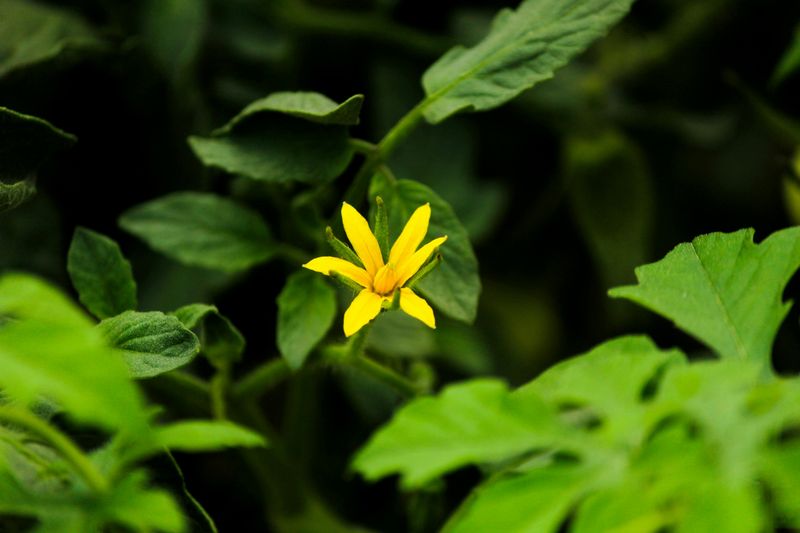
Image Credit: © Saravanan Narayanan / Pexels
A two-minute walk through your garden every morning can do more for your tomato harvest than any expensive product or complicated technique.
When your Tennessee tomatoes start flowering, daily attention is your most powerful tool.
Consistency beats intensity every single time when it comes to keeping a garden healthy.
Start each morning by scanning your plants for new flowers, dropped blooms, or any leaves that look off.
Give each plant a gentle shake to help with pollination while you are already there.
Check the soil moisture by pressing your finger about an inch into the ground near the base of the plant.
In the evening, take another quick look for pests.
Many insects feed at dusk, so a late-day check often catches problems you would completely miss in the morning.
Knocking aphids off with a strong stream of water or removing a caterpillar by hand takes seconds but makes a real difference.
Keep a small notebook or use your phone to jot down anything unusual you notice.
Tracking when flowers appeared, when fruit started forming, and when any problems showed up helps you make smarter decisions each season.
Over time, your notes become a personalized guide to growing the best possible tomatoes in your specific yard and climate.
Building this simple daily habit during the flowering stage sets you up for a harvest that makes all the early morning effort feel completely worth it.