Native Texas Groundcovers That Suppress Weeds Better Than Mulch
Mulch has been the go-to weed solution in Texas gardens for a long time, and while it does the job reasonably well at first, it breaks down, washes away, and needs to be replaced season after season. Native groundcovers take a completely different approach.
Instead of sitting on top of the soil and slowly losing the battle, they grow into it, spreading across the surface and shading out weeds in a way that gets more effective over time rather than less.
Texas native groundcovers are also built to handle the heat, the drought, and the kind of tough growing conditions that would stress out anything not adapted to this climate.
Many of them require almost no maintenance once they are established, and several add seasonal color or attract pollinators as a bonus.
If you have been restocking mulch every year and still fighting weeds, switching to the right native groundcover might be one of the best garden decisions you make.
1. Frogfruit
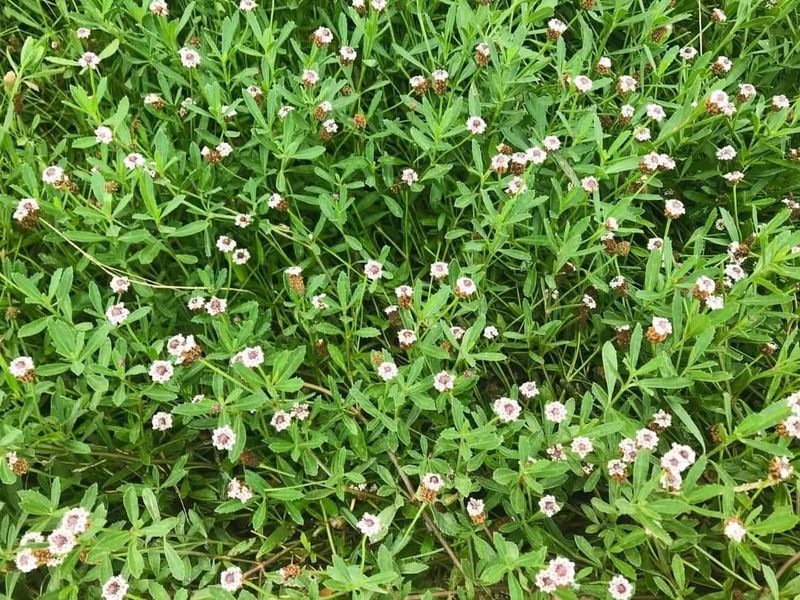
Walk through almost any sunny Texas yard and you might already have frogfruit growing without even knowing it.
This native groundcover is a quiet overachiever that spreads fast, roots along its stems as it creeps, and forms such a thick, low mat that weeds simply cannot push through. It is one of the most reliable weed suppressors you can plant in a Texas landscape.
Frogfruit thrives in full sun and handles heat like a champion. It stays low to the ground, usually only two to three inches tall, which means it never blocks views or overpowers other plants.
It also tolerates foot traffic better than most groundcovers, making it a smart choice for pathways, slopes, and areas near sidewalks.
One of the coolest things about frogfruit is that it attracts pollinators. Its tiny white and lavender flowers may look small, but butterflies and bees absolutely love them.
You get weed control and a pollinator garden all in one. Planting frogfruit is simple. Space transplants about twelve inches apart and water them in well.
Within a single growing season, they will spread and fill the gaps between plants. Once established, frogfruit needs very little supplemental water.
It handles drought surprisingly well for such a delicate-looking plant. If it starts looking ragged after a dry spell, a light trim and a good watering will bring it right back. For low-maintenance weed suppression in sunny Texas spots, frogfruit is hard to beat.
2. Horseherb
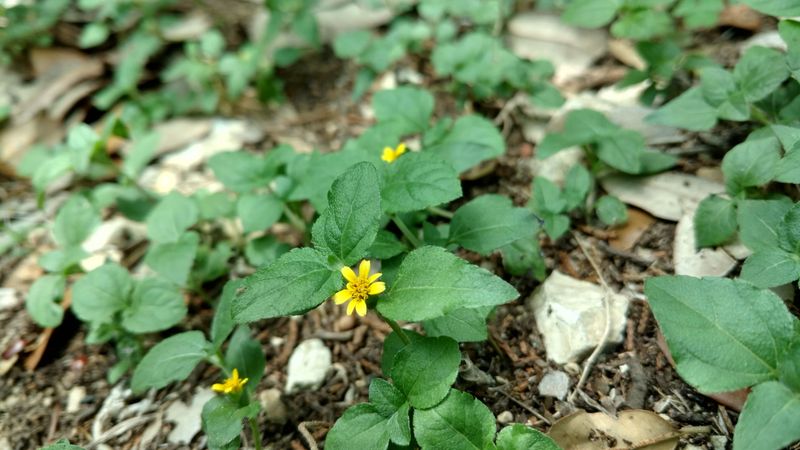
Most groundcovers give up when the shade gets deep, but horseherb actually prefers it. Known by botanists as Calyptocarpus vialis, this tough little native has been quietly covering bare soil under Texas trees for centuries.
Gardeners who finally stop fighting it and start working with it discover one of the most useful plants in the Texas landscape toolkit.
Horseherb grows only about four to six inches tall and spreads by both seeds and creeping stems. It fills in shady spots surprisingly fast, creating a dense carpet that smothers weed seeds before they ever get a chance to sprout.
Your Texas Garden Changes Every Week. Your Plan Should Too.
Gardening in Texas changes quickly throughout the season. Every Friday you’ll receive a simple weekly plan showing exactly what to plant, prune, fertilize, harvest, and protect so you never miss the right timing.
Under live oaks, cedar elms, and other large Texas shade trees where grass refuses to grow, horseherb steps in and takes over with ease.
Here is something that surprises most people: horseherb is actually considered a weed by some homeowners who do not know what they have.
Once you recognize its value, though, it becomes one of the most welcome volunteers in a low-maintenance yard. Its small yellow flowers add a cheerful touch and attract tiny beneficial insects.
Getting horseherb established is almost effortless. You can transplant small plugs from one part of the yard to another, or simply let it spread naturally from existing plants.
It needs almost no fertilizer and very little water once it settles in. Mow it occasionally if you want a neater look, or leave it natural for a lush, layered shade garden feel. Either way, the weeds do not stand a chance.
3. Texas Sedge
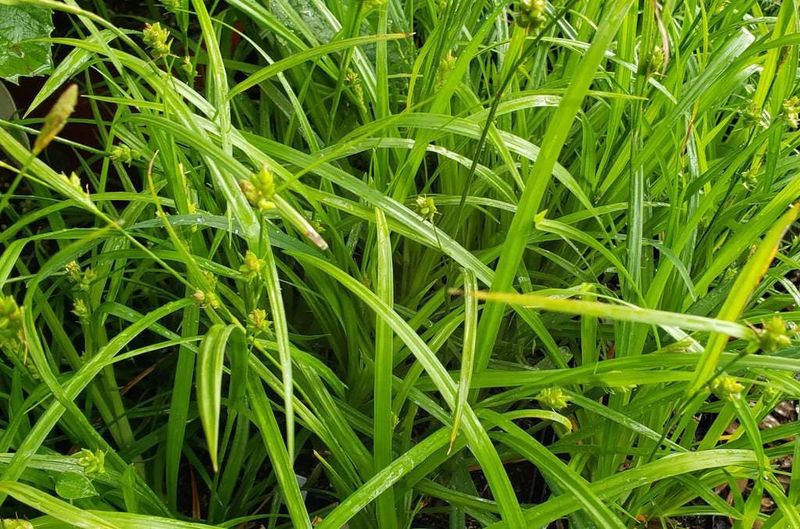
Soft, graceful, and quietly powerful, Texas sedge is one of those plants that looks delicate but acts tough. Carex texensis grows in fine, arching clumps that give your garden a lush, almost meadow-like feel.
But beneath that pretty surface, it is doing serious work, crowding out weeds by filling every available inch of soil with dense root systems and thick foliage.
Texas sedge is especially useful in partly shaded to fully shaded areas where other groundcovers struggle. It grows about six to twelve inches tall, making it taller than some groundcovers but still low enough to look tidy.
The fine-textured, bright green blades stay attractive through most of the year and only need occasional trimming to look their best.
Did you know that Texas sedge is actually a grass relative, not a true grass? That small difference means it handles shade and moisture variation far better than most lawn grasses.
It also stays green through mild Texas winters, giving your yard color when everything else goes dormant.
Plant Texas sedge in clumps spaced about twelve to eighteen inches apart and let it fill in naturally. It spreads through underground rhizomes, slowly but steadily expanding its territory.
Water it regularly during the first growing season to help it establish strong roots. After that, it is remarkably drought tolerant for a plant that looks so lush.
Pair it with shade-loving wildflowers like inland sea oats for a layered native garden that practically takes care of itself. Weeds will struggle to find even a small foothold.
4. Silver Ponyfoot
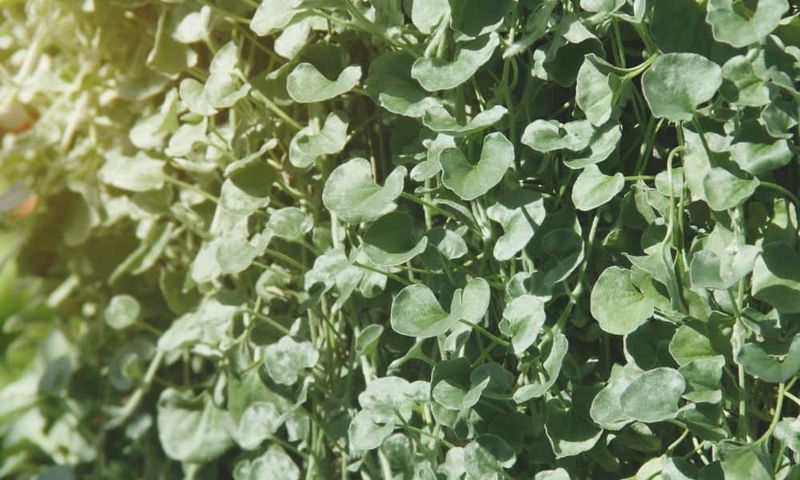
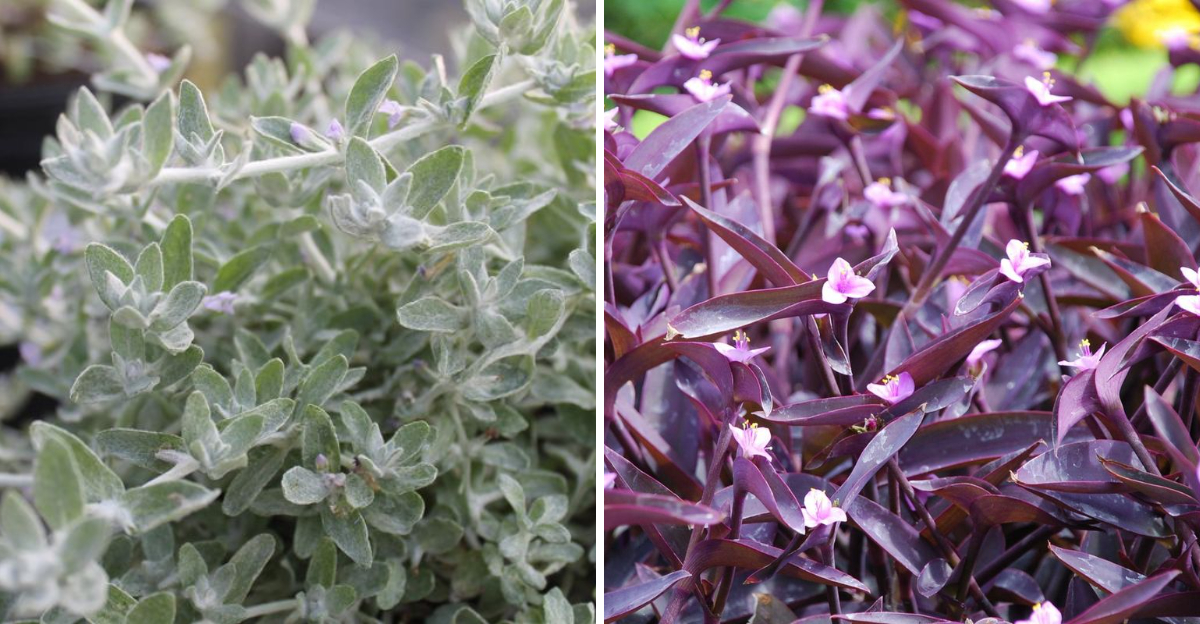
If your yard has a hot, dry, sunny spot that nothing seems to want to grow in, silver ponyfoot might just change your mind about what is possible. Dichondra argentea is a native Texas groundcover with round, coin-shaped leaves coated in a soft silver fuzz.
That silvery coating is not just pretty, it actually helps the plant reflect intense sunlight and conserve moisture in tough conditions.
Silver ponyfoot spreads in long, trailing stems that hug the ground and root wherever they touch soil. This creeping habit makes it incredibly effective at covering large areas quickly.
As the stems weave together, they form a dense silvery mat that blocks light from reaching the soil below. Weed seeds that land on top simply cannot get the sunlight they need to sprout.
This plant is a standout choice for slopes, rocky areas, and spots with poor, well-drained soil. It actually performs better in lean soil than in rich, amended beds.
Too much fertilizer or water makes it leggy and less attractive. Keep it lean and it stays low, tight, and beautiful.
Spacing transplants about twelve to fifteen inches apart works well for most areas. Silver ponyfoot fills in quickly during warm weather and spreads even faster during the hottest parts of the Texas summer, when most other plants are struggling just to survive.
It pairs beautifully with purple coneflower, blackfoot daisy, and other sun-loving Texas natives. Once established, it needs almost no care beyond an occasional trim to keep its edges tidy and looking sharp.
5. Woolly Stemodia
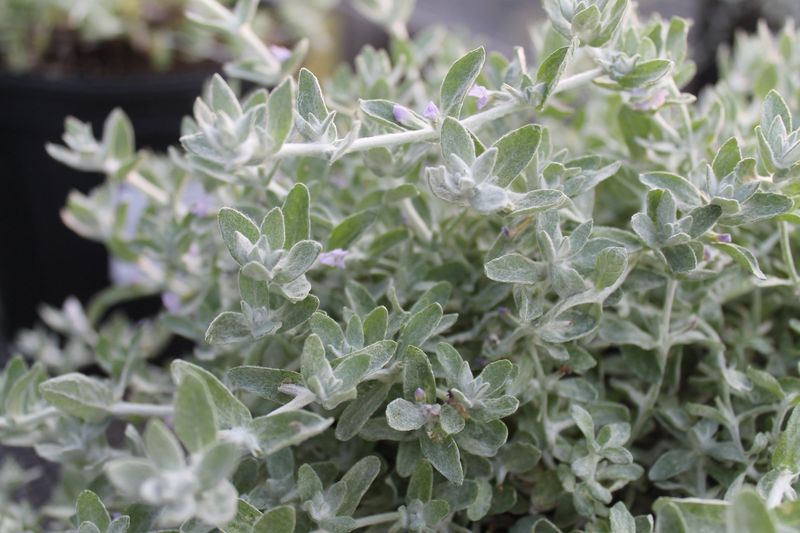
Not many people have heard of woolly stemodia, but Texas gardeners who discover it tend to become instant fans. Stemodia lanata is a low-growing, mat-forming native with fuzzy, silver-green leaves that feel almost velvety to the touch.
It looks like it belongs in a rock garden or a desert landscape, and honestly, it thrives in exactly those kinds of tough, sun-baked conditions.
Woolly stemodia spreads along the ground in dense, overlapping stems that create a tight, weed-blocking layer. Because it stays so low, usually under four inches tall, it covers soil without creating visual clutter.
The silver fuzz on its leaves gives it a soft, frosted look that contrasts beautifully with darker green plants nearby.
Sunny spots with good drainage are where woolly stemodia really shines. It handles reflected heat from sidewalks, driveways, and stone walls without missing a beat.
Heavy clay soil is its one weak point, so amending with sand or gravel before planting makes a noticeable difference in how well it spreads and establishes.
Plant woolly stemodia about ten to twelve inches apart in a well-drained bed and water it in thoroughly. During the first few weeks, keep the soil lightly moist to help the roots settle.
After that, back off the watering and let the Texas heat do what it does best. This plant actually looks better and spreads more vigorously the less you pamper it.
For sunny, dry areas that need dependable weed coverage, woolly stemodia delivers season after season without complaint.
6. Green-And-Gold
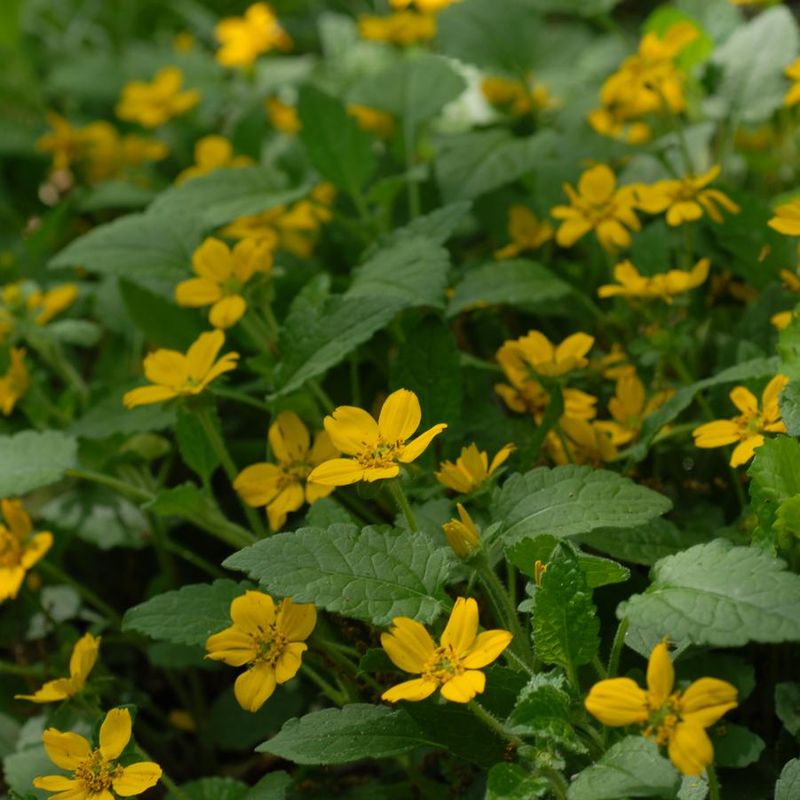
Bright yellow flowers, rich green leaves, and a spreading habit that fills garden beds fast, green-and-gold brings a lot to the table for a plant most people have never tried.
Chrysogonum virginianum is a cheerful, low-growing native that works especially well in the partly shaded areas of Texas gardens where sunlight filters through trees for only part of the day.
Green-and-gold grows about six to ten inches tall and spreads through a combination of runners and self-seeding. Over time, a single plant can cover a surprisingly wide area, sending out new rosettes that root into the soil and form a thick, interlocking mat.
That mat is dense enough to block most weed seeds from reaching the soil surface at all. The yellow flowers are not just decorative. They bloom from early spring through fall, providing a steady source of nectar for bees and small butterflies.
Few groundcovers offer this level of visual interest along with strong weed suppression. It is one of those plants that earns its spot in the garden from multiple angles.
Planting green-and-gold in amended soil with good moisture retention gives it the best start. Space plants about twelve to fifteen inches apart and water regularly during the first growing season.
Once established, it handles moderate drought well, though it looks its absolute best with occasional deep watering during dry stretches. Avoid planting it in full, hot sun all day.
Morning sun with afternoon shade is the sweet spot where green-and-gold truly thrives and spreads most aggressively.
7. Purple Heart
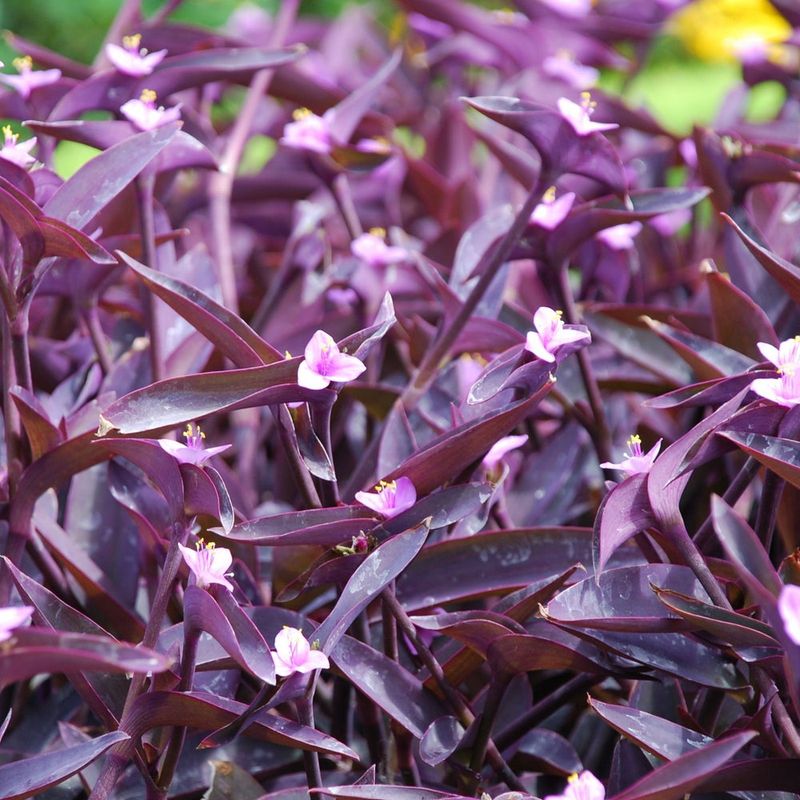
Few groundcovers make a statement quite like purple heart. Tradescantia pallida is impossible to miss with its deep, jewel-toned purple foliage that holds its color all season long in the Texas heat.
But this plant is not just a pretty face. It spreads with remarkable speed and creates coverage so dense that weeds simply have nowhere to go.
Purple heart grows in thick, fleshy stems that sprawl outward and root wherever they touch soil. During warm weather, it grows so fast you can almost watch it move.
A single plant can spread two to three feet in one growing season under good conditions. That aggressive spread is exactly what makes it such an effective weed suppressor in beds, borders, and slopes.
One thing to keep in mind: purple heart is technically a tender perennial in most of Texas. In the southern parts of the state it stays evergreen, but in central and north Texas it may get knocked back by a hard freeze.
The roots survive, though, and new growth comes back strong in spring. That resilience makes it a dependable choice across most of the state.
Plant purple heart in full sun for the deepest, richest purple color. In shadier spots, the color fades toward green and the stems stretch more.
Space transplants about twelve inches apart and water them in well. After that, step back and let them do their thing.
Occasional trimming keeps the planting tidy and encourages fresh, colorful new growth throughout the season.