These Are The Michigan Native Plants That Thrive Right Next To A Pond Or Wet Area
Wet areas and pond edges are some of the most challenging spots to plant in a Michigan yard. Most ornamental plants either drown in saturated soil or struggle through the fluctuating moisture levels that come with a natural water feature.
Native Michigan plants built for exactly these conditions tell a completely different story.
They evolved alongside the state’s lakes, streams, and low-lying wetland areas, and they thrive in the kind of consistently moist or periodically saturated ground that defeats most garden plants before they ever establish.
Beyond solving a difficult planting problem, Michigan natives placed near water create habitat that supports frogs, dragonflies, nesting birds, and pollinators in ways that ornamental alternatives never could.
The right selections transform a wet problem area into one of the most ecologically productive and visually interesting parts of the entire property.
1. Blue Flag Iris
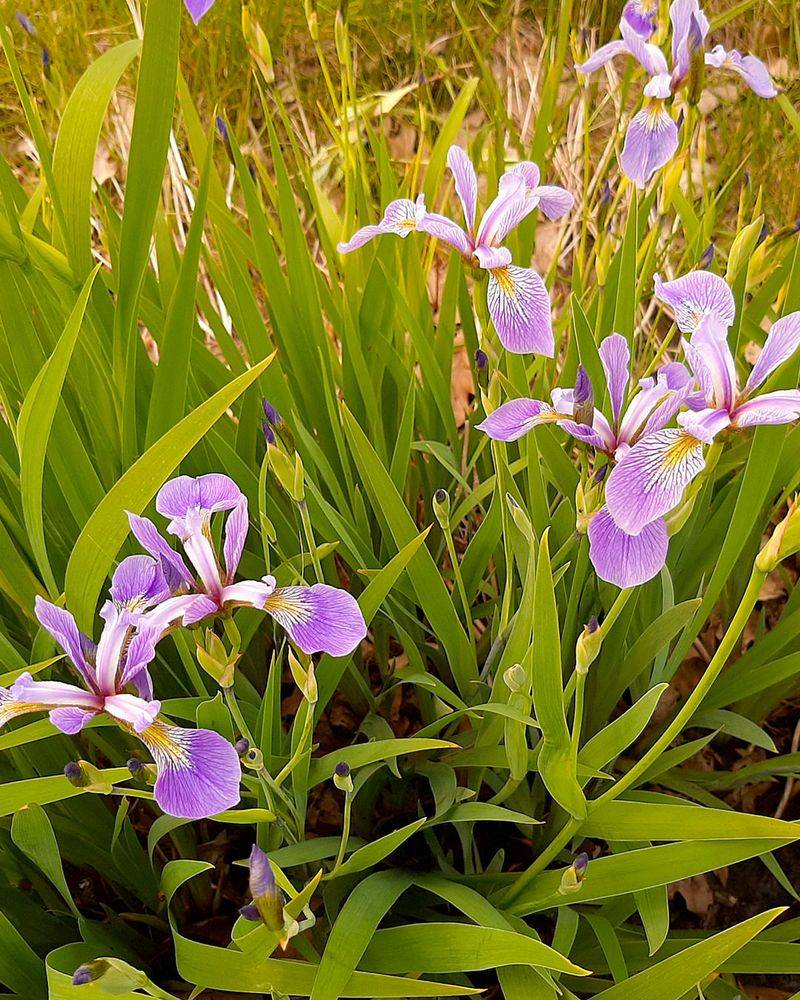
Few plants stop people in their tracks quite like Blue Flag Iris in full bloom. Known botanically as Iris versicolor, this Michigan native produces stunning blue-violet flowers with delicate veining in late May through June.
Standing between two and three feet tall, it brings color to pond edges right when summer is just getting started.
Blue Flag Iris grows best in full sun to partial shade and absolutely thrives in consistently moist or even slightly flooded soil. Plant the rhizomes at the water’s edge, where roots can reach standing moisture without being fully submerged.
Michigan’s heavy spring rains are practically a welcome mat for this plant.
Bees and pollinators visit the blooms regularly, making it a genuinely functional addition to any native garden. The sword-like foliage stays upright and attractive even after blooming finishes, giving the pond edge a clean, structured look all season.
Space plants about 18 inches apart to allow the rhizomes room to spread naturally over time.
Winter hardiness is excellent across all Michigan zones, so no special protection is needed. Divide clumps every few years to keep growth vigorous and prevent overcrowding.
One important note for families with pets or young children: all parts of Iris versicolor are toxic if consumed, so placement matters when planning your garden layout.
2. Cardinal Flower
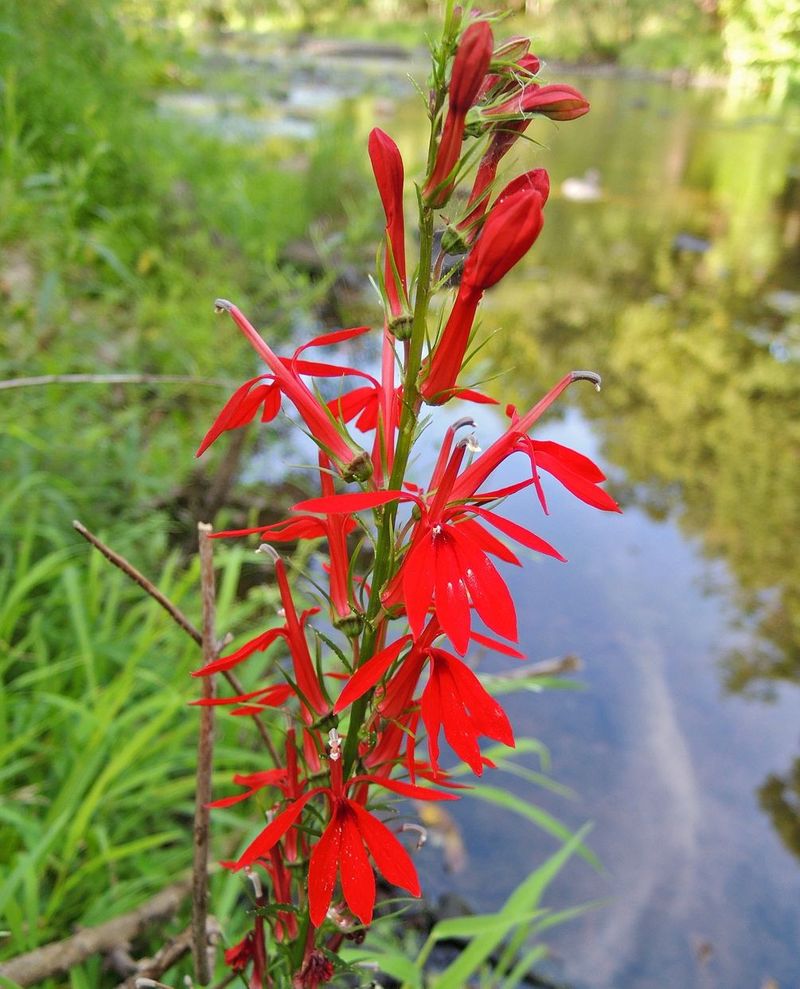
Imagine a hummingbird hovering just inches from your face, drawn in by a tower of brilliant red flowers right at your pond’s edge. That is exactly what Cardinal Flower, or Lobelia cardinalis, delivers every summer.
The color is so intense it almost looks artificial, yet this is one of Michigan’s most genuine and reliable native perennials.
Cardinal Flower thrives in consistently moist to wet soil and performs best in full sun to light shade. During the first season after planting, keeping the soil evenly damp is especially important while roots get established.
Once settled in, it handles Michigan’s wet summers with ease, particularly in low spots where water tends to linger.
Blooms appear from mid to late summer, rising on upright spikes that can reach three to four feet tall. Ruby-throated hummingbirds are the primary pollinators and will return season after season once they discover your planting.
Your Michigan Garden Changes Every Week. Your Plan Should Too.
Gardening in Michigan changes quickly throughout the season. Every Friday you’ll receive a simple weekly plan showing exactly what to plant, prune, fertilize, harvest, and protect so you never miss the right timing.
Bumblebees also work the flowers regularly, adding even more wildlife activity around the pond.
Cardinal Flower is a short-lived perennial, typically lasting two to three years, but it self-seeds reliably when conditions are right. Allowing spent flower spikes to remain until seeds drop naturally keeps new plants coming without any extra effort.
Plant in groups of three or more for the strongest visual impact and the best chance of attracting pollinators from a distance.
3. Swamp Milkweed
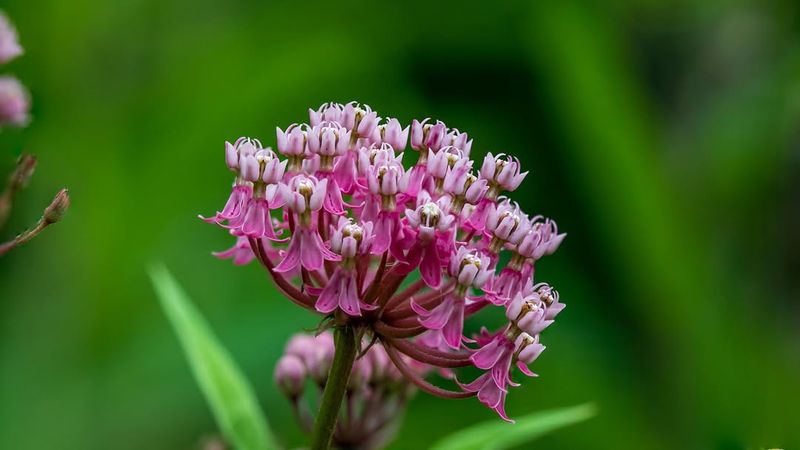
Swamp Milkweed earns its spot at the top of every Michigan pollinator gardener’s list, and for good reason. Unlike common milkweed, Asclepias incarnata is built for moisture and handles wet, poorly drained soil without missing a beat.
It is one of the few milkweeds that genuinely prefers the kind of soggy ground that sends other plants into distress.
Monarch butterflies depend on milkweed as the only plant where they lay their eggs, and Swamp Milkweed is one of their favorites. Beyond monarchs, the fragrant pink flower clusters attract bees, fritillaries, and swallowtails throughout July and August.
Planting a full grouping near a pond edge creates a mid-summer pollinator hub that is genuinely exciting to watch.
Plants grow three to four feet tall in full sun and prefer at least six hours of direct light daily for the best bloom production. Space individual plants about 18 to 24 inches apart to allow air circulation and room for the root system to develop.
Swamp Milkweed is not aggressive, so it fits neatly into mixed native plantings without taking over neighboring species.
Michigan winters are no problem for this hardy native, which returns reliably each spring from its deep root system. Seedpods that form after blooming are attractive in their own right and can be left on the plant for winter interest.
Cutting stems back in early spring before new growth emerges keeps the planting tidy and encourages vigorous regrowth.
4. Joe Pye Weed
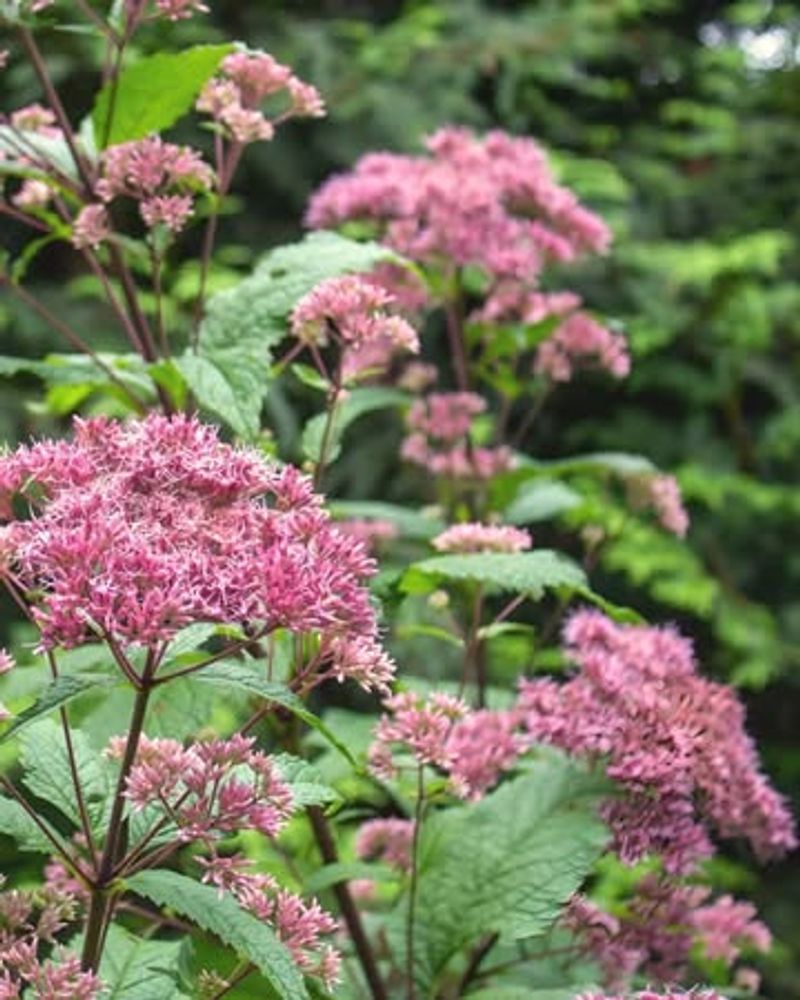
Tall, bold, and buzzing with butterflies by late summer, Joe Pye Weed is one of those plants that makes a real statement in the landscape.
Eutrochium maculatum, also known as spotted Joe Pye Weed, is the species most common in Michigan’s native wetland edges, though Eutrochium purpureum performs similarly in slightly less saturated conditions.
Both bring impressive height and pollinator value to pondside plantings.
Expect these plants to reach five to seven feet tall in rich, moist soil with full sun exposure. That height makes them ideal as a backdrop planting behind shorter natives or as a screen along a pond’s far edge.
The large, domed flower clusters emerge in shades of dusty pink to mauve from late July through September, right when many other summer bloomers are winding down.
Swallowtail butterflies, fritillaries, and native bees swarm Joe Pye Weed during peak bloom, making it one of the most wildlife-productive plants you can add to a wet garden.
Spacing plants three feet apart gives each one room to develop its full, bushy form without crowding. Staking is rarely needed when plants grow in open sun with good air movement.
Maintenance is refreshingly simple. Cut stems back to a few inches above the ground in early spring before new growth appears.
Joe Pye Weed spreads slowly by rhizomes and self-seeds modestly, so the planting fills in naturally over time without becoming invasive. Michigan’s cold winters suit this tough native perfectly.
5. Buttonbush
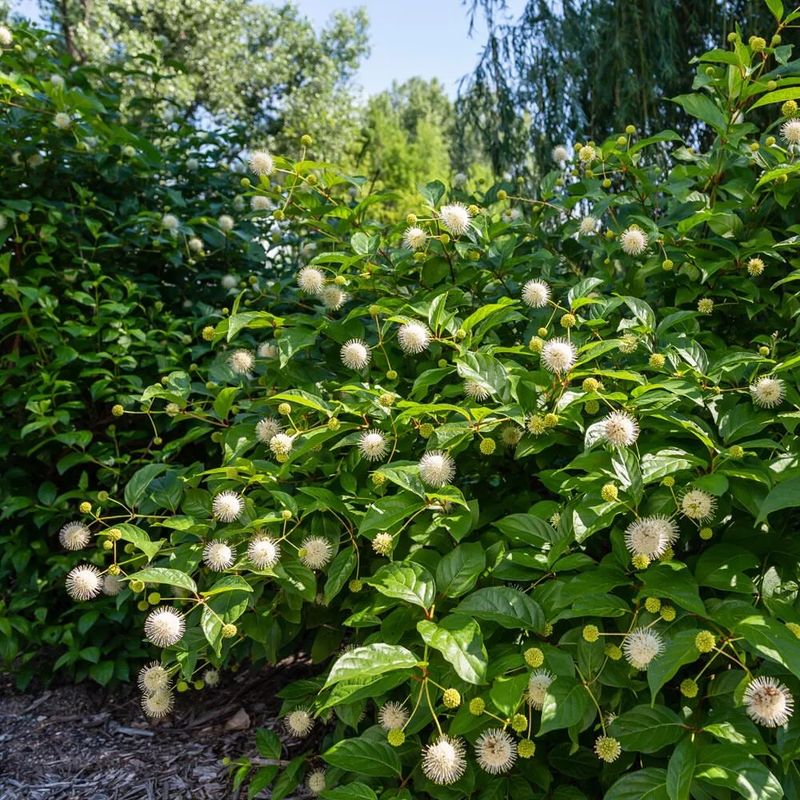
Buttonbush is one of those plants that makes people stop and ask, what is that? The flowers are unlike anything else in the Michigan native plant palette.
Cephalanthus occidentalis produces perfectly round, white, spiky flower balls that look almost otherworldly and smell lightly sweet. Blooming from June through August, they are magnets for bees, butterflies, and hummingbirds in equal measure.
As a native shrub rather than a perennial, Buttonbush brings a different kind of structure to wet areas. Mature plants typically reach six to twelve feet tall and wide, though regular pruning keeps them more compact if space is limited.
Pruning is best done in late winter or very early spring before new growth begins, cutting back to encourage fresh, blooming wood.
One of Buttonbush’s greatest strengths is its tolerance for periodic flooding. It grows naturally along Michigan’s river banks and lake edges, meaning standing water during spring thaw or heavy rain events causes no problems at all.
Plant it in full sun to partial shade at the pond’s edge where roots can access consistent moisture.
Wildlife value extends well beyond pollinators. Waterfowl and shorebirds eat the small, round seed clusters that follow flowering, making Buttonbush a genuinely useful plant for ponds with bird activity.
The branching structure also provides nesting cover for small birds. Michigan gardeners with larger ponds or naturalized edges will find Buttonbush one of the most rewarding native shrubs available.
6. Marsh Marigold
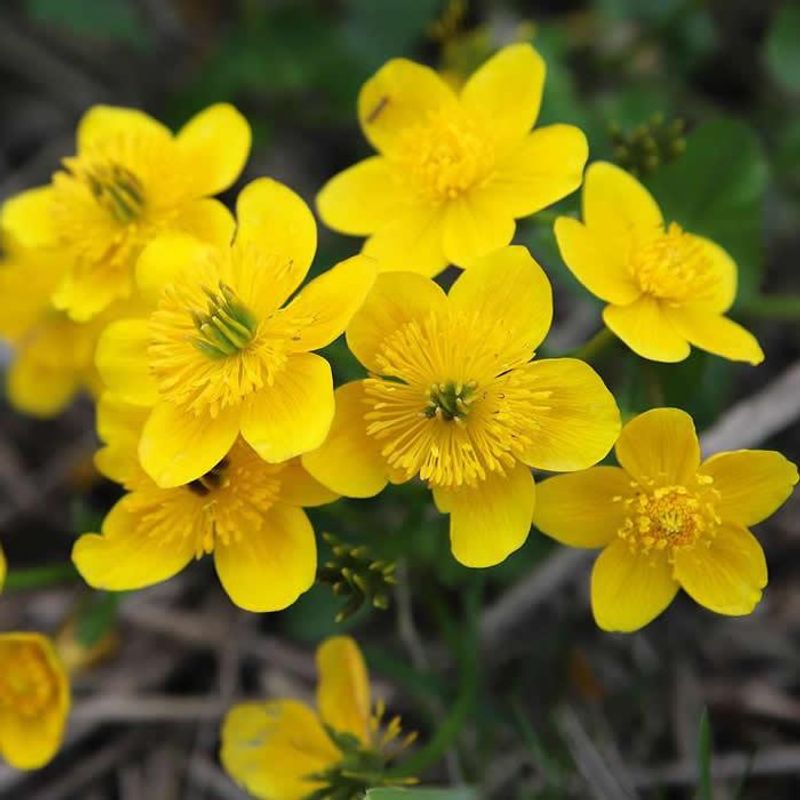
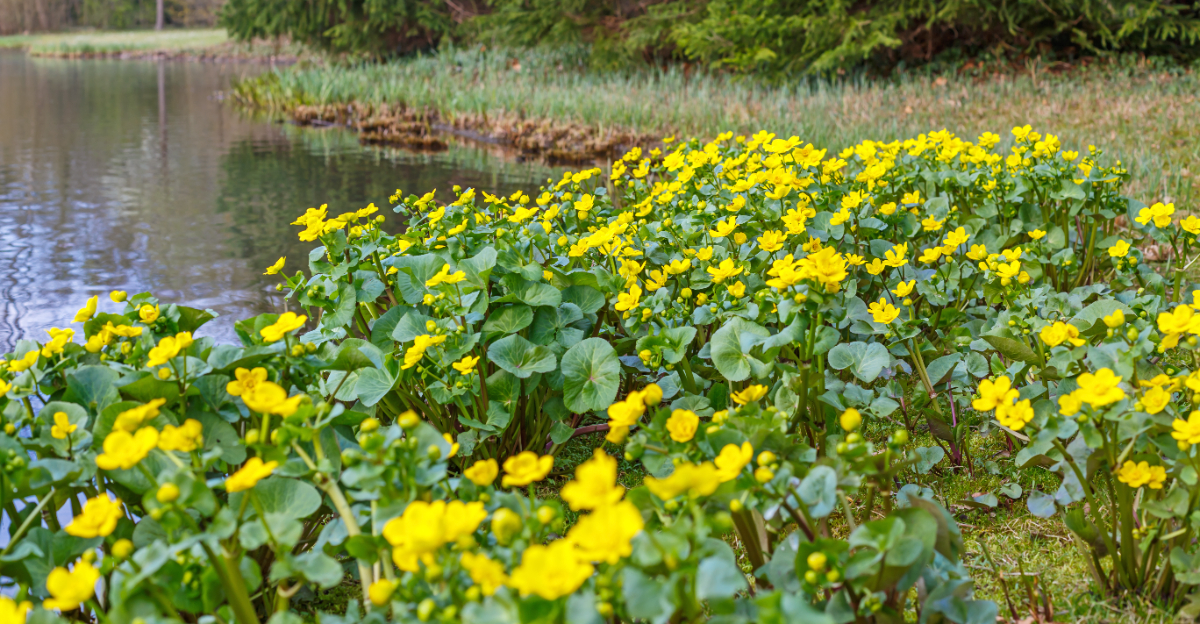
Spring arrives slowly in Michigan, and Marsh Marigold is one of the first plants to celebrate it. Caltha palustris bursts into bloom in April and early May with cheerful, buttercup-yellow flowers that practically glow against the still-bare woodland floor.
For anyone with a shaded pond or boggy woodland edge, this native wildflower is an absolute treasure.
Marsh Marigold thrives in shallow standing water, muddy pond margins, and consistently saturated soil. It prefers cool, moist conditions and grows naturally in Michigan’s forested wetlands and stream edges.
Partial shade suits it well, though it tolerates full sun as long as soil stays reliably wet throughout spring.
The rounded, glossy leaves are attractive in their own right, forming dense, low mounds that reach about one to two feet tall. After blooming wraps up in late spring, the foliage begins to yellow and the plant goes dormant for the summer.
That dormancy is completely normal and expected, so pairing Marsh Marigold with taller summer natives that fill in the gap works beautifully.
Plant Caltha palustris in groups for the strongest visual punch in spring. It spreads slowly by rhizomes and self-seeds in favorable wet conditions, gradually forming a wider colony over several years.
No special fertilizing or soil amendments are needed since this plant evolved in Michigan’s naturally rich, moist woodland soils. It is cold-hardy through all Michigan zones and completely dependable once established.
7. Sweet Flag
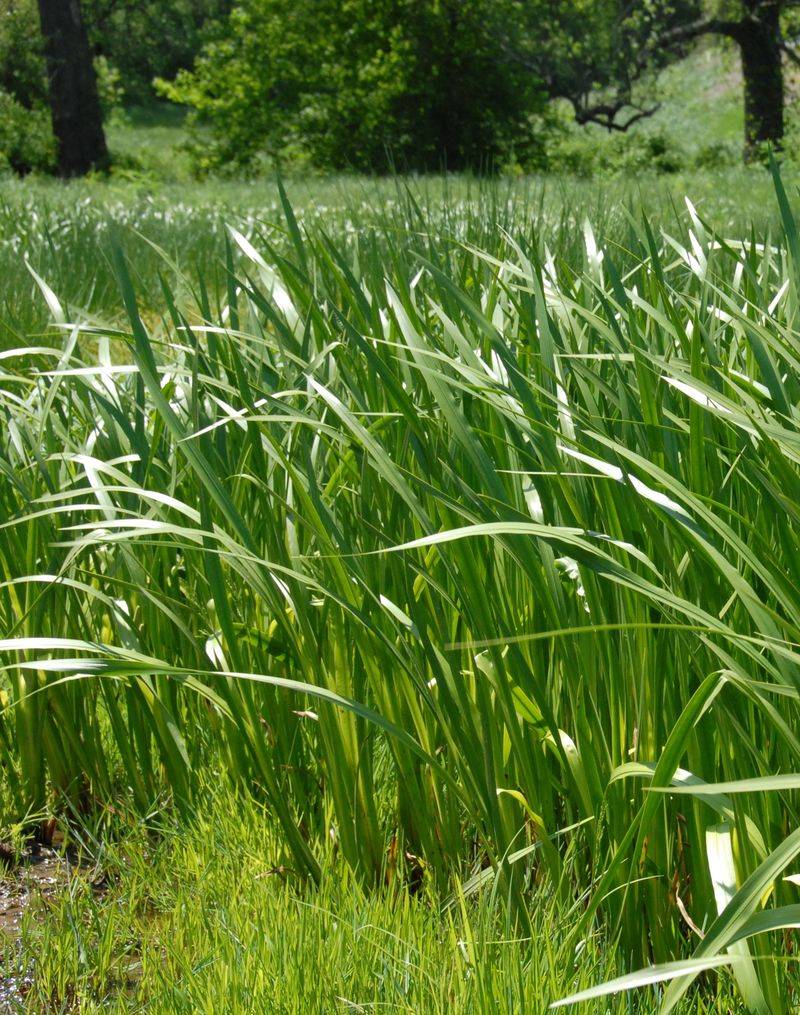
Not every plant around a pond needs to have flashy flowers to earn its place. Sweet Flag, known botanically as Acorus americanus, is all about texture, structure, and quiet reliability.
The upright, sword-shaped leaves grow in dense fans that reach two to three feet tall, creating a clean, architectural look at the water’s edge that complements flowering natives beautifully.
This Michigan native handles shallow standing water exceptionally well, making it ideal for planting directly at the pond margin where other plants might struggle. It also grows happily in consistently moist garden soil a few feet back from the water.
Full sun to partial shade both work well, giving gardeners flexibility in placement around shaded or open ponds.
Sweet Flag spreads by rhizomes at a moderate pace, gradually forming wider clumps over time. That spreading habit is actually useful for stabilizing pond edges and preventing erosion along muddy banks.
Dividing clumps every three to four years keeps the planting looking fresh and gives you extra plants to spread elsewhere in the garden.
One genuinely fun detail: crush a leaf between your fingers and you get a pleasant, spicy-sweet fragrance that gives this plant its common name. Native bees and other insects visit the small, inconspicuous flower spikes that appear in early summer.
Acorus americanus is fully cold-hardy across Michigan and requires almost no maintenance once it settles in, making it one of the most low-effort native plants available for wet landscapes.
8. Turtlehead
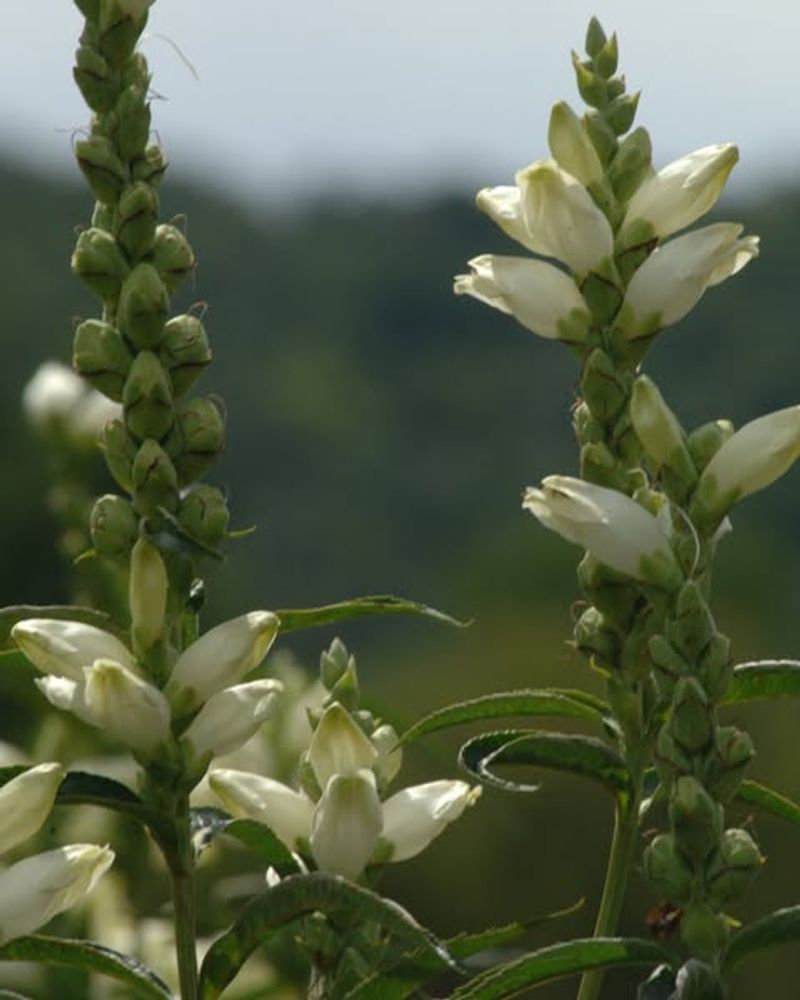
The name alone makes people curious, and the flower delivers on the promise. Turtlehead, or Chelone glabra, produces clusters of puffy, tubular white blooms that genuinely resemble a turtle’s head peeking out of its shell.
They appear in August and September, filling a late-season gap when many other native plants have already finished blooming.
Moist to wet soil is where Chelone glabra truly shines. It grows naturally along Michigan’s shaded stream banks and woodland pond edges, thriving in conditions that would stress sun-loving plants.
Partial to full shade suits it well, making it one of the rare native wildflowers that performs beautifully in the shadier corners of a pond planting.
Plants reach two to three feet tall with sturdy, upright stems that rarely need staking even in shadier spots. Space them about 18 inches apart to allow the clumps to fill in naturally.
Over time, established plants spread slowly into attractive colonies that provide consistent late-season color without becoming aggressive or difficult to manage.
Baltimore checkerspot butterfly caterpillars use Turtlehead as a host plant, which makes it a genuinely meaningful addition to any Michigan native garden focused on supporting wildlife.
Bumblebees are also frequent visitors, as their size makes them perfectly suited to push into the tubular flowers.
Chelone glabra is fully winter-hardy across Michigan and returns reliably each spring with minimal care required from the gardener.
9. Sensitive Fern
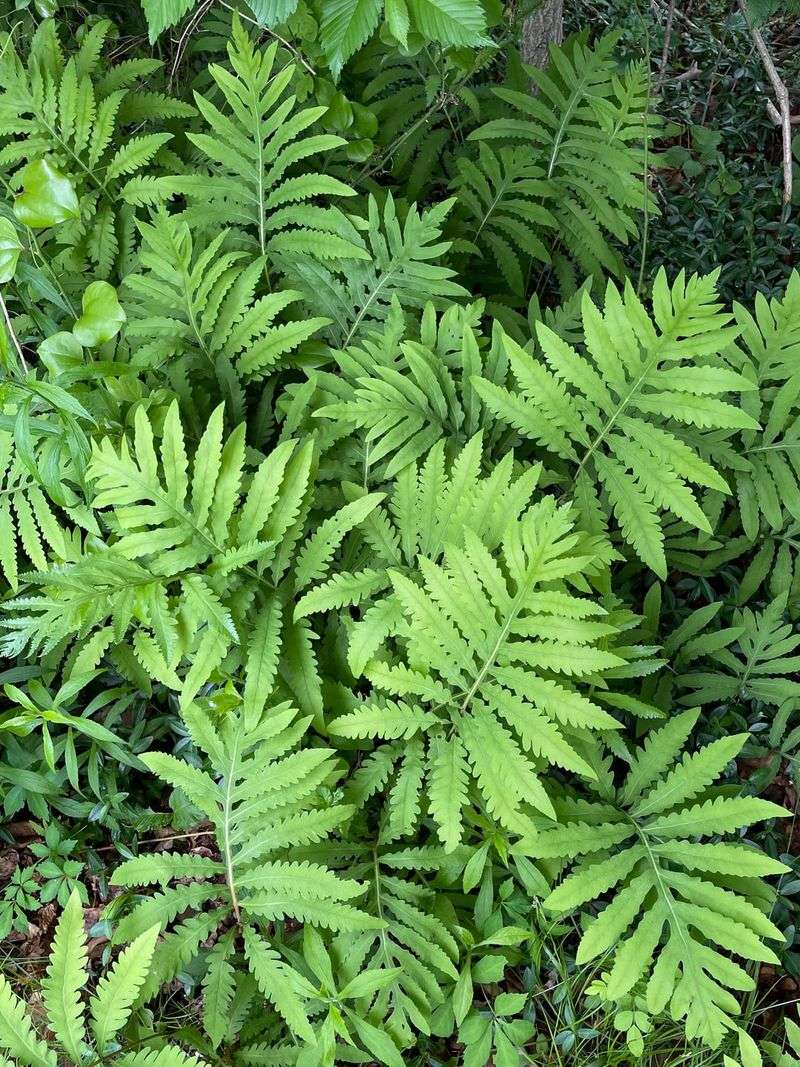
Sensitive Fern has one of the most misleading names in the native plant world. Onoclea sensibilis is actually one of the toughest, most adaptable ferns you can grow in Michigan’s wet landscapes.
The name comes from its sensitivity to early frost, but the plant itself handles flooding, shade, and heavy clay soil with impressive resilience.
This fern thrives in consistently moist to wet soil and tolerates periods of standing water better than most woodland ferns.
Partial to full shade suits it perfectly, making it an excellent choice for the shadier edges of a pond or beneath overhanging trees where few other plants want to grow.
The broad, triangular fronds reach about two feet tall and create a lush, layered look.
Sensitive Fern spreads by underground rhizomes and forms spreading colonies over time. That colony habit is genuinely useful for covering large areas of wet, shaded ground where erosion or bare soil is a problem.
Giving it room to spread rather than trying to contain it tightly leads to the most satisfying results in naturalized pond settings.
A separate set of upright, bead-like fertile fronds appears in late summer and persists through winter, adding interesting texture to the garden even after the green fronds have died back following frost. No fertilizing, deadheading, or special soil preparation is needed.
Onoclea sensibilis is fully cold-hardy across all Michigan zones and practically thrives on neglect once established in the right moist conditions.
10. Blue Vervain
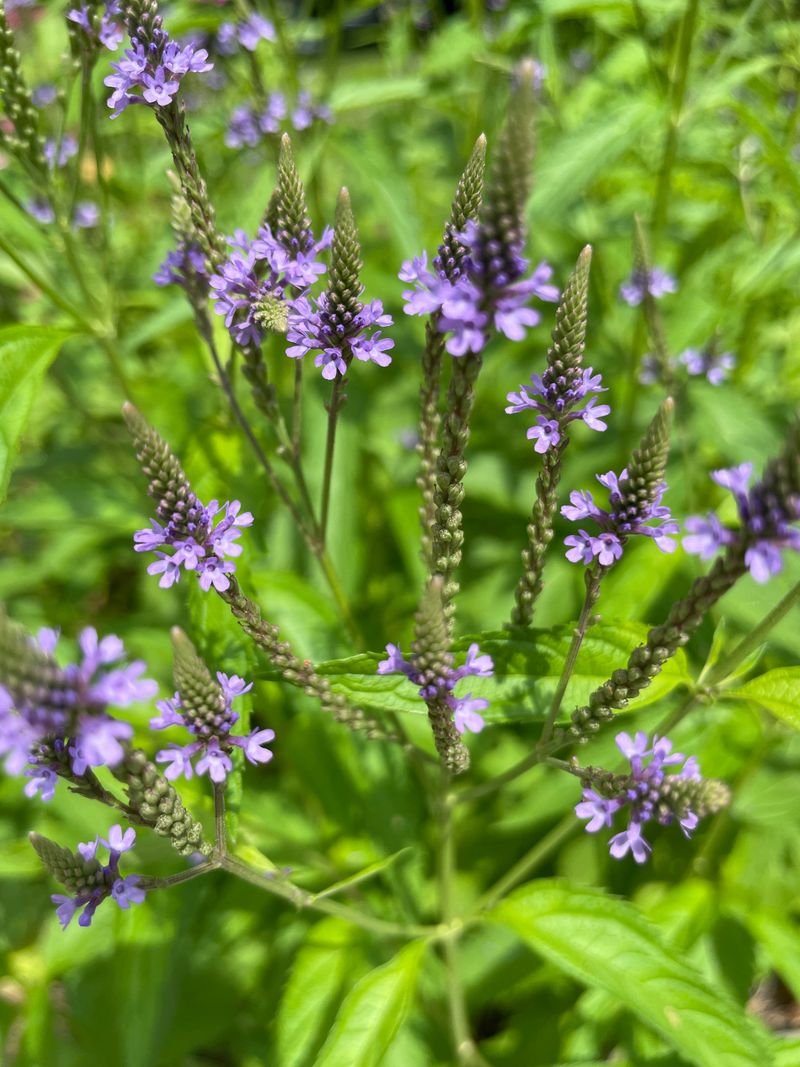
Blue Vervain is the kind of plant that earns admiration from every angle.
Verbena hastata sends up candelabra-like clusters of slender purple-blue flower spikes from July through September, creating a vertical element that looks striking against open water or a naturalized pond edge.
Up close, the tiny blooms are intricate and beautiful. From a distance, the effect is bold and wild in the best possible way.
Full sun is where Blue Vervain performs at its absolute best, though it tolerates light shade without much complaint.
Consistently moist to wet soil is essential, making it a natural fit for rain gardens, low-lying borders, and pond edges where moisture is reliable. Michigan’s wet spring seasons give it an ideal head start each year.
Plants grow three to five feet tall and benefit from spacing of about 18 to 24 inches to allow each one to develop fully. Native bees, including sweat bees and small bumblebees, work the flower spikes intensively during bloom.
Songbirds, particularly swamp sparrows and cardinals, seek out the small seeds in fall and winter, extending the plant’s wildlife value well beyond the growing season.
Blue Vervain self-seeds readily in moist soil, so a small initial planting can expand into a naturalistic grouping within a few years. Removing some spent flower spikes before seeds fully ripen gives you control over how much it spreads.
Verbena hastata is reliably cold-hardy across Michigan and comes back strong each spring from its established root system.