8 Rhododendron Growing Tips For Bigger Blooms In Georgia
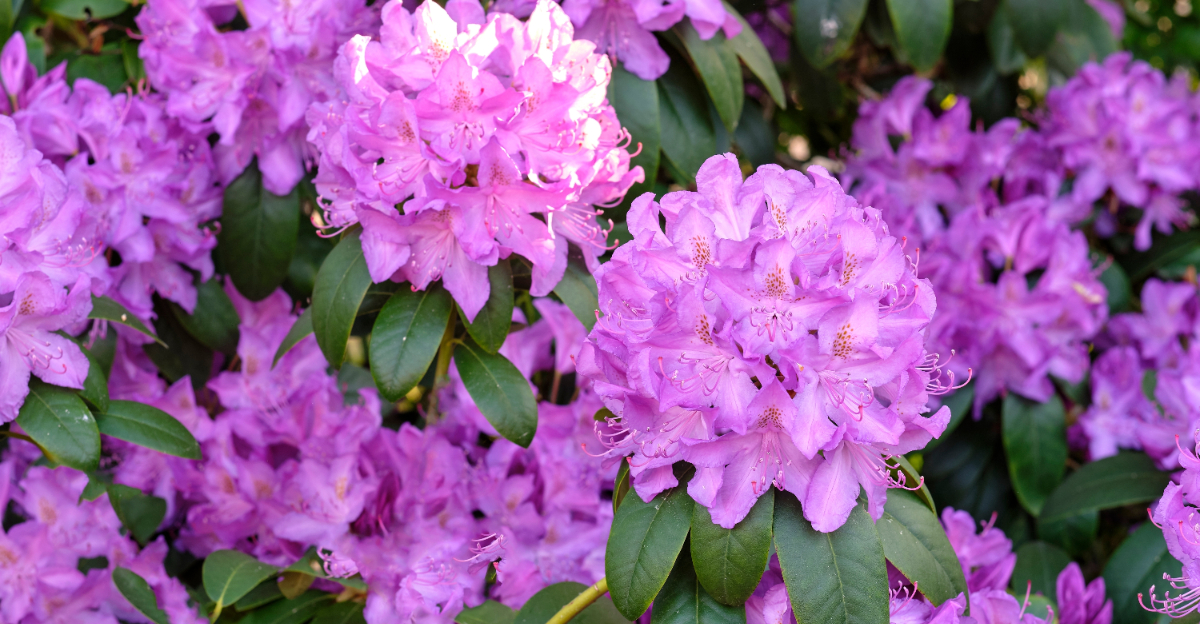
Rhododendrons can be surprisingly stubborn when bloom season arrives. One shrub fills up with flowers while another barely does anything, even though both looked healthy for months beforehand.
That mismatch gets frustrating quickly, especially after putting effort into watering, mulching, and protecting the plant through changing weather.
Small growing mistakes often show up during flowering season instead of right away. Too much afternoon sun can reduce blooms faster than expected.
Older shrubs also start slowing down when they go too long without attention. Plenty of gardeners do not realize next year’s flower buds are already forming long before summer even arrives.
Georgia yards can be great for rhododendrons, but bigger blooms usually come from timing and care habits that happen earlier in the season.
Once those pieces finally start lining up, the difference becomes hard to ignore during spring flowering.
1. Give Rhododendrons Morning Sun And Afternoon Shade
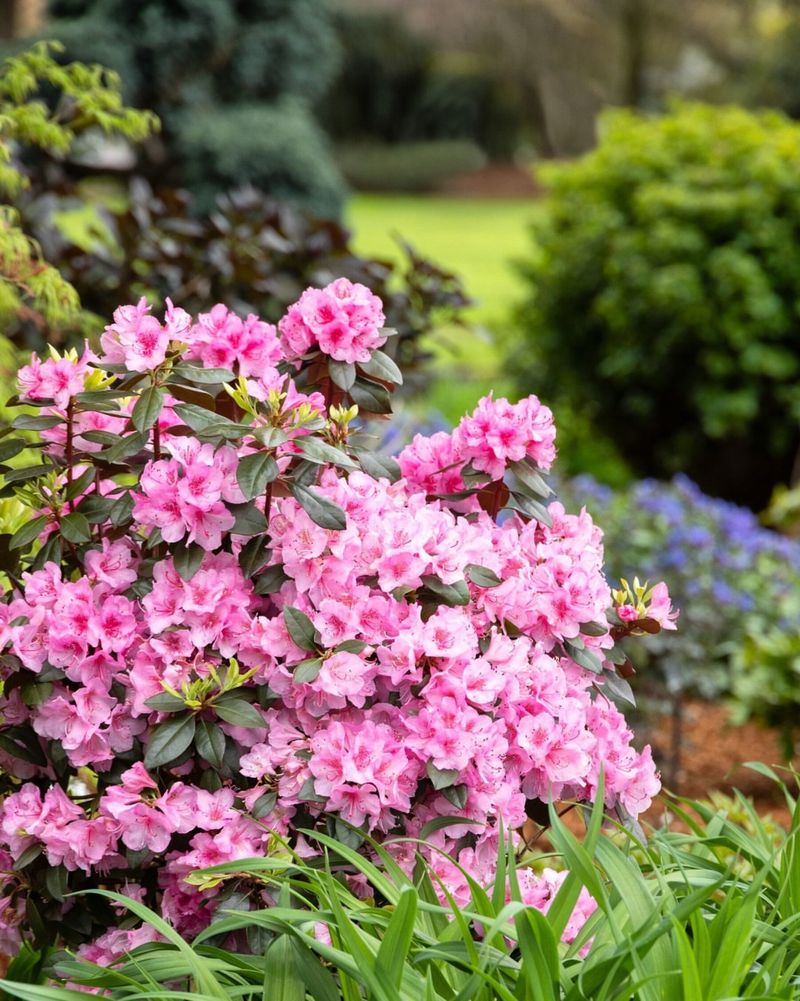
Sunlight placement can make or break a rhododendron. Too much direct afternoon sun scorches the leaves and stresses the plant before it even gets a chance to bloom well.
Morning sun is ideal. It warms the plant gently and helps dry any overnight moisture from the leaves.
That reduces the chance of fungal problems, which are common in humid Southern summers.
Afternoon shade from nearby trees or a fence gives the roots and foliage a break during the hottest part of the day.
Summer afternoons in the Atlanta area can get brutal. Rhododendrons simply do not handle that heat well without some protection.
A spot on the east side of a building or under a high tree canopy often works perfectly. You want filtered light, not deep shade.
Too little light and the plant gets leggy with sparse blooms.
Watch how sunlight moves across your yard throughout the day before you plant. Spending a few minutes observing can save you from moving a shrub later.
Rhododendrons do not love being transplanted once they settle in. Get the light right from the start and the blooms will follow naturally.
Strong afternoon exposure can also fade flower color faster, especially during long stretches of hot weather.
2. Keep The Soil Acidic And Rich In Organic Matter
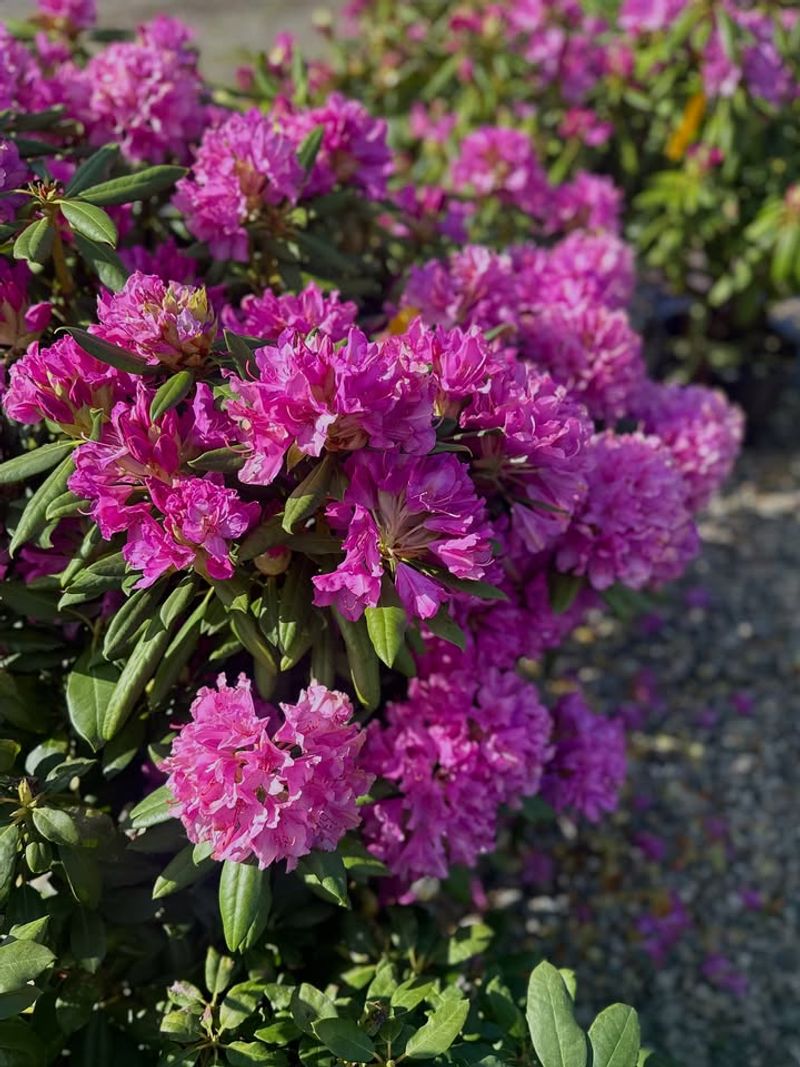
Soil pH is not just a detail for science class. For rhododendrons, it is everything.
These plants need acidic soil, ideally between 4.5 and 6.0 on the pH scale, to absorb nutrients properly.
Georgia’s native soil varies widely. Some areas have naturally acidic soil from pine forests, while others have clay that leans more neutral.
Test your soil before planting so you know exactly what you are working with.
If pH is too high, the plant cannot pull in iron or manganese no matter how much fertilizer you add. Leaves turn yellow between the veins, blooms shrink, and the whole plant looks tired.
Sulfur amendments can help lower pH over time, but results take several months.
Organic matter is equally important. Mix in aged compost, pine bark fines, or leaf mold when you prepare the planting hole.
These materials improve drainage, feed soil microbes, and keep roots cool during warm months.
Your Georgia Garden Changes Every Week. Your Plan Should Too.
Gardening in Georgia changes quickly throughout the season. Every Friday you’ll receive a simple weekly plan showing exactly what to plant, prune, fertilize, harvest, and protect so you never miss the right timing.
Avoid using peat moss as your only amendment. It works short term but breaks down fast and offers little long-term benefit.
A blend of pine bark and compost holds up much better in Southern gardens.
Retest your soil every two to three years. pH can drift over time, especially after heavy rain seasons. Staying on top of it keeps your rhododendrons healthy and blooming strong.
3. Water Deeply Without Letting Roots Stay Soggy
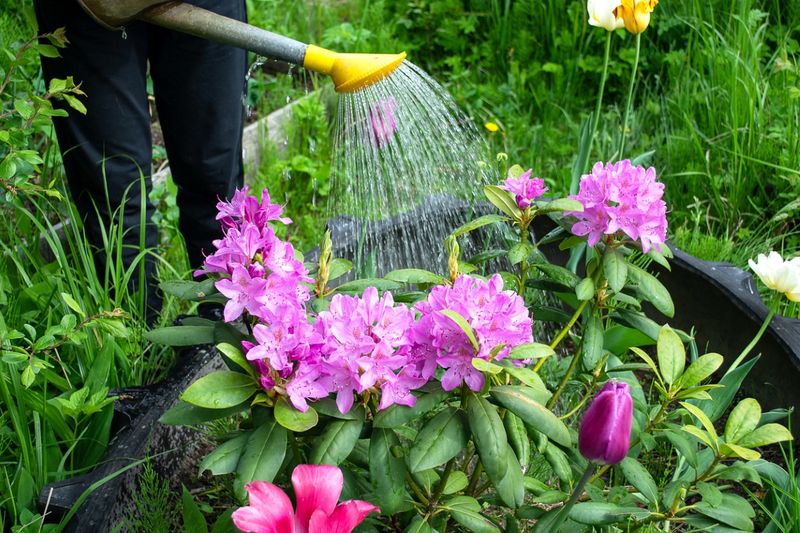
Rhododendrons are shallow-rooted plants, and that changes everything about how you water them. Roots sit close to the surface, so they dry out faster than you might expect during hot stretches.
Watering deeply once or twice a week is far better than light, frequent sprinkles.
A slow, deep soak encourages roots to spread outward and downward, building a stronger plant overall.
Standing water around the roots is a real problem. Wet roots for extended periods invite root rot, which moves fast and is hard to reverse.
Good drainage matters just as much as regular watering.
Stick your finger two inches into the soil near the base of the plant. If it feels dry, water.
If it still feels moist, wait another day. That simple test beats any watering schedule because conditions change with the weather.
During Georgia’s hot summer months, established plants may need water two or three times a week.
Newly planted shrubs need even more attention in their first season while roots are still getting established.
Drip irrigation or a soaker hose works well for rhododendrons. Overhead sprinklers wet the foliage and can encourage fungal leaf spots over time.
Keeping water at soil level protects the leaves and delivers moisture exactly where the roots need it most.
Mulch also plays a big role in keeping moisture levels steady since shallow roots can dry out surprisingly fast during long periods of heat and sun.
4. Add Mulch To Keep Shallow Roots Cool
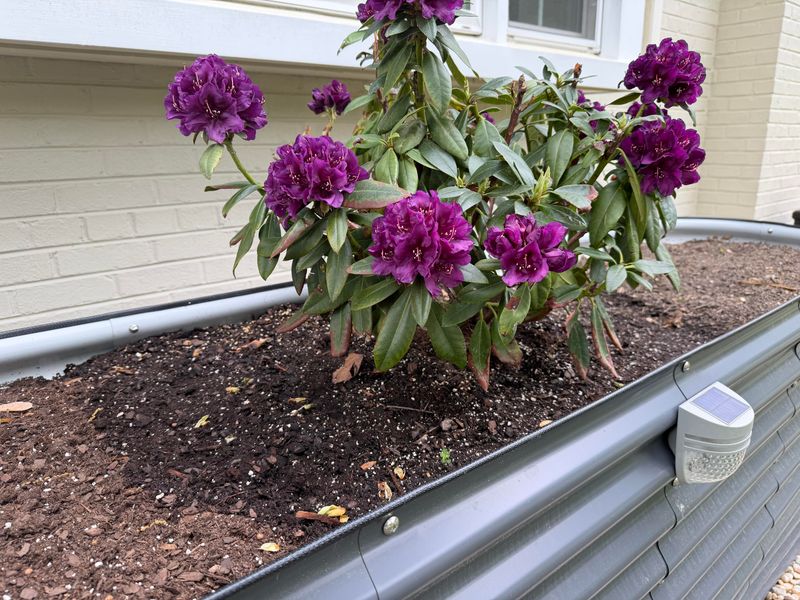
Mulch is one of the simplest upgrades you can make for a rhododendron. A three to four inch layer around the base does more work than most gardeners realize.
Shallow roots need insulation from temperature swings. In summer, bare soil heats up fast and stresses roots.
In winter, a hard freeze can damage unprotected roots near the surface. Mulch buffers both extremes.
Pine bark mulch is a top choice for rhododendrons in the Southeast. It breaks down slowly, adds a small amount of acidity to the soil over time, and looks clean in a landscape bed.
Pine straw is another solid option that works well in regional gardens.
Keep mulch pulled back two to three inches from the main stem. Piling it against the bark traps moisture and creates conditions where stem rot can develop.
A donut shape around the plant, not a volcano, is the right approach.
Refresh your mulch layer once or twice a year. It compacts and breaks down over time, losing its insulating power.
Spring is a great time to top it off before summer heat hits.
Mulch also suppresses weeds that compete with shallow roots for nutrients and water. Fewer weeds mean less hand-pulling and less disruption near roots that do not like being disturbed.
It is a small habit that pays off all season long.
5. Prune Right After Flowers Fade
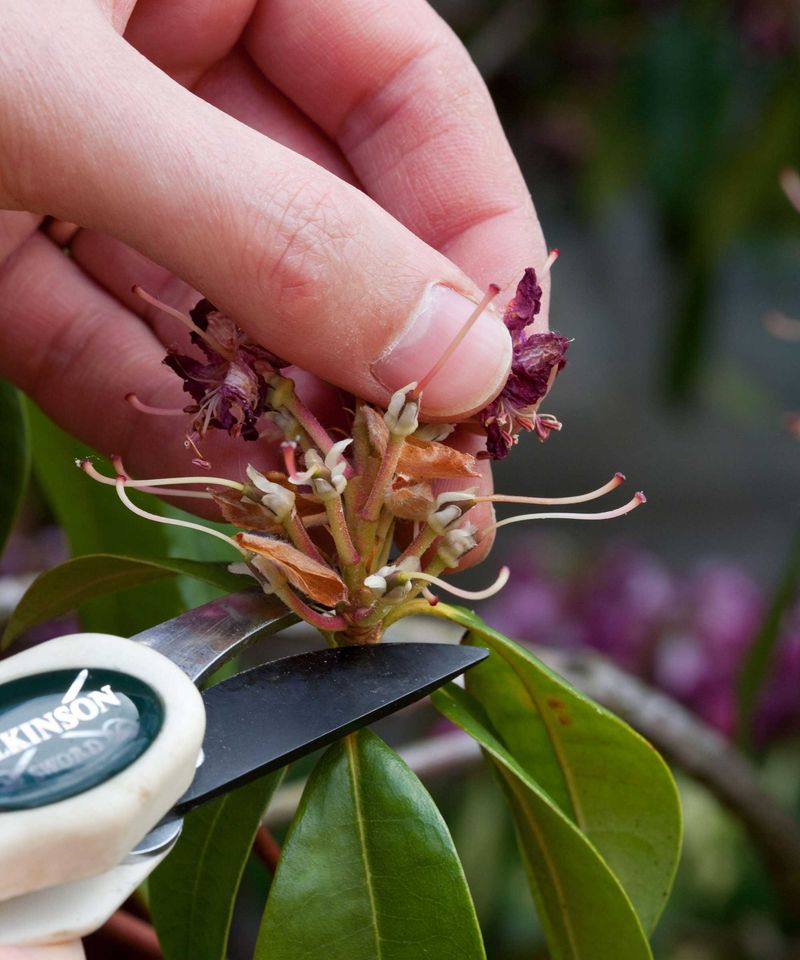
Timing your pruning wrong can cost you an entire season of blooms. Rhododendrons set next year’s flower buds in summer, so cutting branches too late removes those buds before they ever open.
Prune within two to four weeks after the flowers finish. That window gives the plant enough time to develop new buds for the following spring.
Wait too long into summer and you are snipping off next year’s show.
Start by removing spent flower clusters, called trusses. Snapping them off by hand works fine for small plants.
For larger shrubs, clean bypass pruners make cleaner cuts and reduce tearing on the stem.
Next, look for any damaged, crossing, or rubbing branches.
Remove those to improve airflow through the center of the plant. Better airflow means fewer fungal problems, which matters a lot in humid climates.
Avoid heavy shearing or cutting the plant into a tight ball shape. Rhododendrons do not respond well to that kind of aggressive pruning.
Hard cuts into old wood often result in slow regrowth and fewer blooms for a season or two.
Light, selective pruning done at the right time shapes the plant naturally and keeps it healthy. Sharp, clean tools make a real difference.
Dull blades crush stems instead of cutting cleanly, and that slows healing.
Healthy pruning habits usually lead to fuller growth and more reliable blooming over time.
6. Avoid Heavy Fertilizer That Pushes Leaf Growth
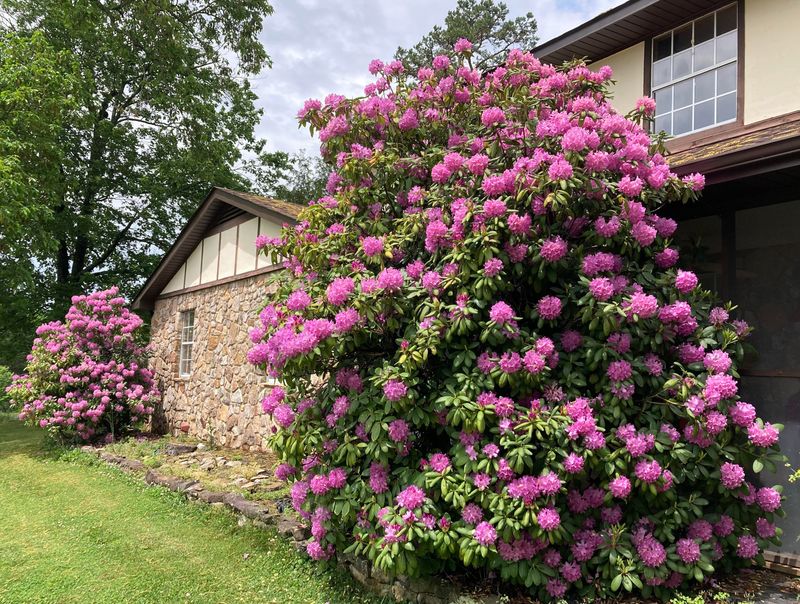
Fertilizer is easy to overdo with rhododendrons. Dumping on a high-nitrogen product might seem helpful, but it mostly pushes out thick, dark green leaves at the expense of flowers.
Nitrogen drives vegetative growth. Too much of it and the plant puts its energy into stems and foliage rather than producing buds.
You end up with a lush shrub that barely blooms, which defeats the whole purpose.
Choose a fertilizer formulated specifically for acid-loving plants. Products labeled for azaleas and rhododendrons are widely available and balanced to support both healthy foliage and strong blooming.
Look for a slow-release granular option.
Apply fertilizer once in early spring, just as new growth begins. A second light application in early summer is fine if the plant looks like it needs a boost.
Skip fall fertilizing entirely. Late feeding pushes soft new growth that gets damaged by cold snaps.
Less is genuinely more with these plants. A light application goes a long way.
Always follow the package directions and resist the urge to add extra. Fertilizer burn on shallow roots is a real setback.
If your soil is already rich in organic matter and properly acidic, you may not need to fertilize much at all.
Some well-established rhododendrons in good soil thrive with just an annual top-dressing of compost and very little else.
Watch the plant and let it guide you.
7. Protect Buds From Late Frost And Harsh Wind
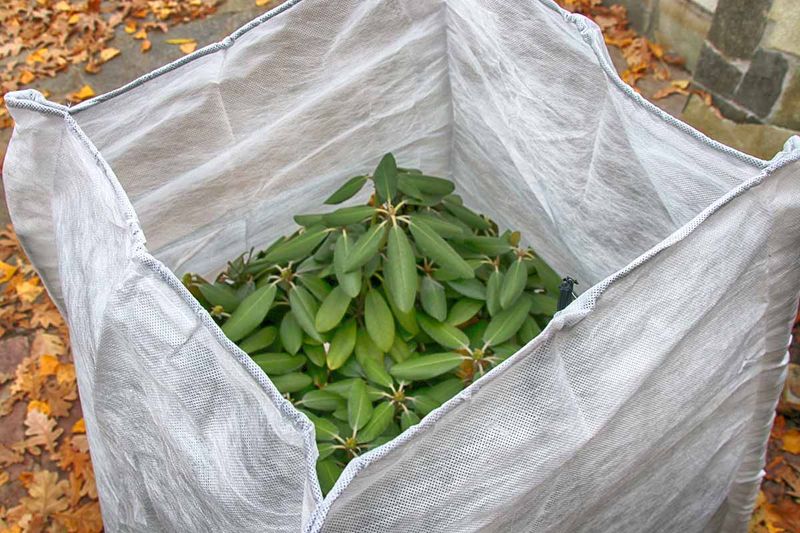
A late frost in March or April can wipe out an entire season of blooms overnight. Rhododendron buds are vulnerable once they start to swell, and a hard freeze hits them hard at that stage.
Keep an eye on the forecast from late winter through early spring.
When temperatures are expected to drop below 28 degrees Fahrenheit while buds are swelling, cover the plant with a breathable frost cloth.
Old bed sheets work in a pinch.
Remove the cover as soon as temperatures rise the next morning. Leaving it on during the day traps heat and can cause problems of its own.
The goal is just to get through the cold night safely.
Wind is another underrated threat. Cold, dry winds in winter pull moisture from leaves faster than roots can replace it.
This causes a condition called winterburn, where leaf edges turn brown and crispy. Planting near a windbreak like a fence, wall, or evergreen hedge helps reduce that damage.
Burlap screens work well for protecting plants from harsh winter winds without completely blocking airflow. Wrap three sides of the plant, leaving the south-facing side more open.
That setup blocks prevailing cold winds while still allowing some light and circulation.
Choosing rhododendron varieties suited to your local climate also reduces frost risk. Native or regionally adapted varieties generally handle temperature swings better than varieties bred for cooler northern climates.
8. Choose A Spot With Good Drainage Before Planting
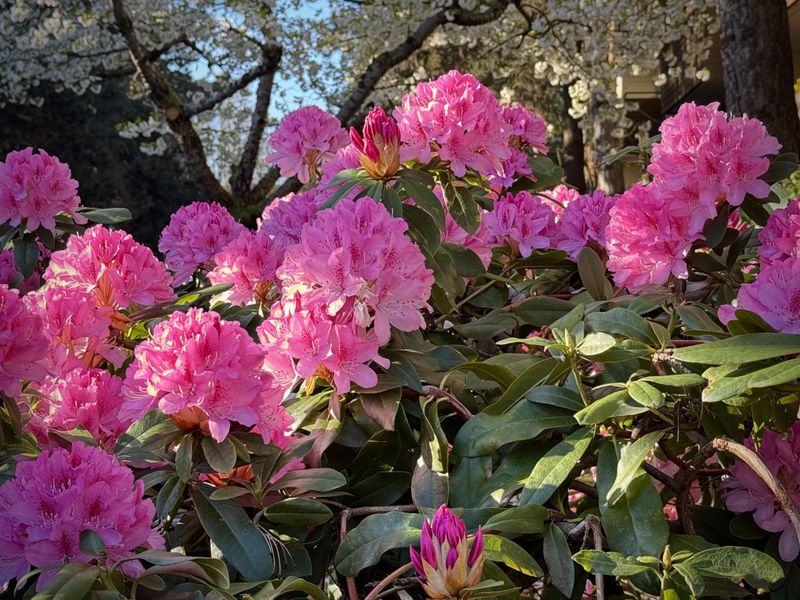
Before you ever put a rhododendron in the ground, drainage should be your first priority. Plant it in a spot where water pools after rain and you are setting yourself up for a frustrating experience.
Rhododendrons need moist soil, but roots sitting in waterlogged ground cannot breathe properly. Oxygen-starved roots become weak and susceptible to rot.
No amount of good care can fix a fundamentally bad planting location.
Test drainage before planting by digging a hole about twelve inches deep and filling it with water. If it drains within an hour, you are in good shape.
If water is still sitting there two hours later, that spot needs improvement or you need a different location.
Raised beds and berms are practical solutions for areas with poor drainage. Raising the planting area by eight to twelve inches above grade dramatically improves root zone drainage.
Many gardeners in the Piedmont region have had real success using this approach in clay-heavy yards.
Amending the soil with pine bark fines and coarse compost improves structure in clay soils. Avoid adding sand alone.
Sand mixed with clay creates a concrete-like texture that makes drainage worse, not better.
Slope also matters. A gentle slope away from the planting area helps water move on naturally after rain.
Flat spots with no outlet tend to hold water longer. Picking the right spot from the beginning saves a lot of trouble down the road.