What Florida Gardeners Should Do With Bird Of Paradise After Heavy Rain
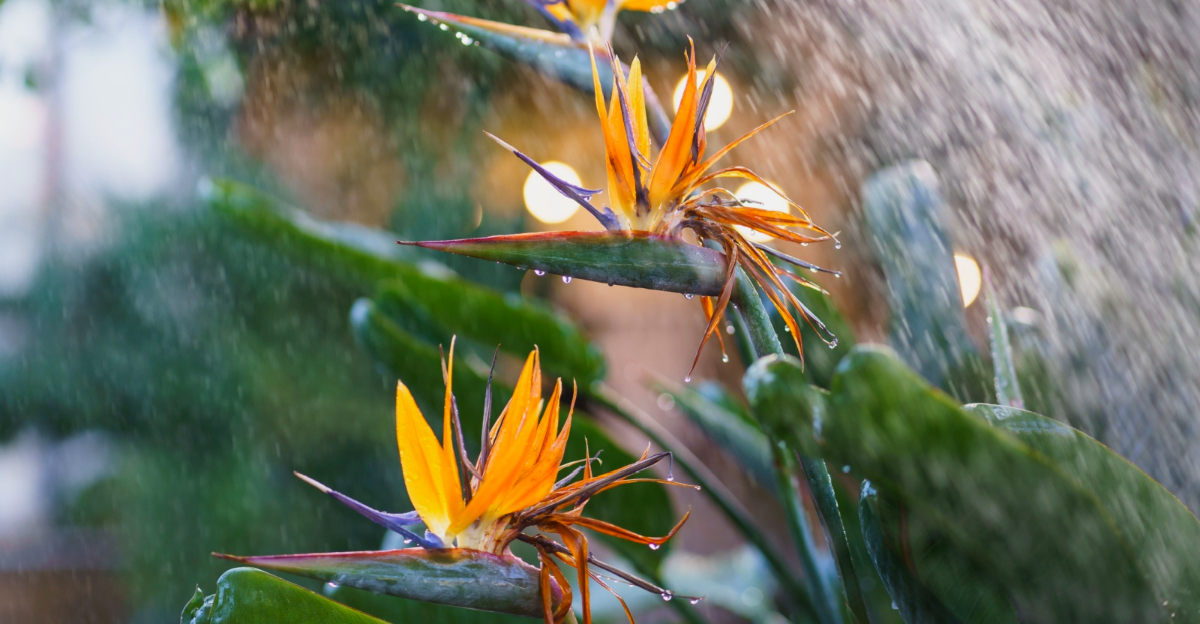
Florida rain does not mess around. One serious storm can leave your bird of paradise looking like it just survived something dramatic, torn leaves, mulch piled up against the base, and soil so saturated it needs a minute to recover.
The good news is that bird of paradise plants are tougher than they look, and they can handle the warm, humid conditions that come with rainy season pretty well when they are planted in the right spot.
That said, a big rain event is actually a great reminder to do a quick check around the base, assess your drainage situation, and take a fresh look at your irrigation schedule.
A little post-storm attention goes a long way toward keeping these stunning tropical plants looking their absolute best through the rest of the season.
1. Check For Standing Water Around The Plant
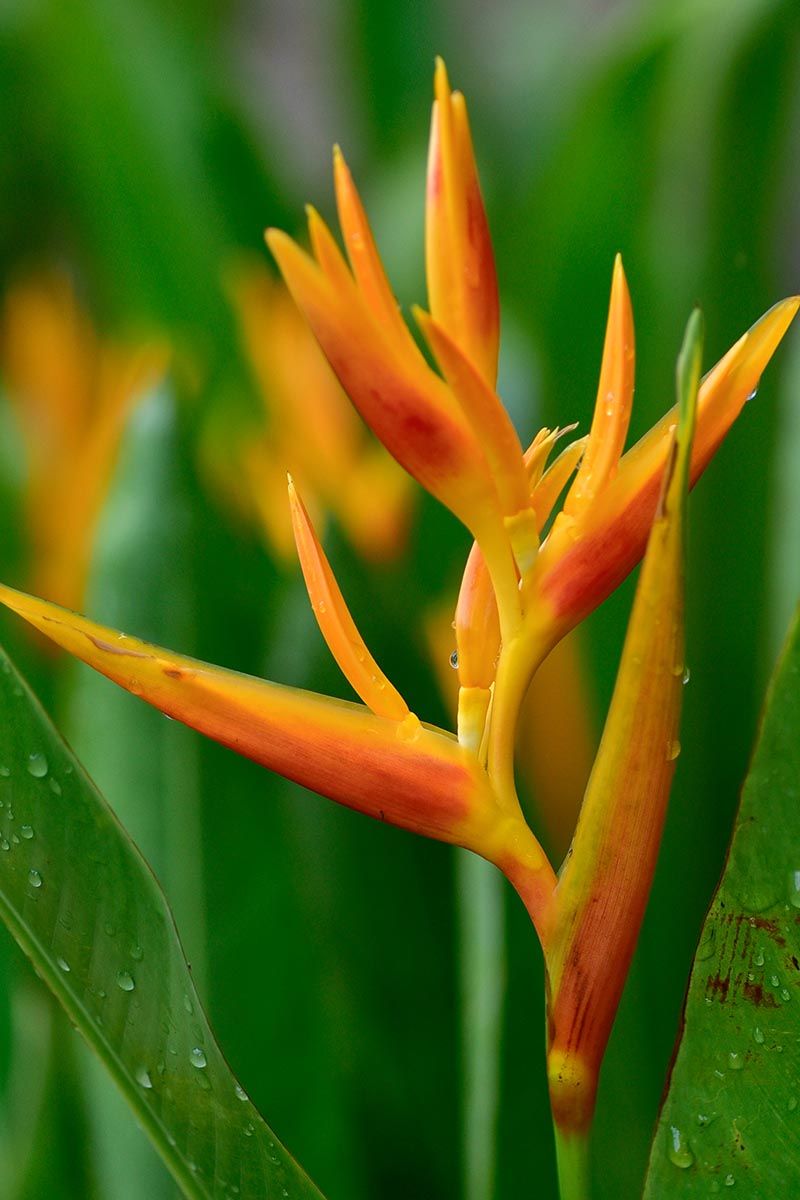
Puddles that linger around your bird of paradise for more than a day after heavy rain are worth paying attention to.
Bird of paradise grows best in fertile, organic soil with good drainage, and when water sits around the roots for an extended period, it can cause problems that are hard to reverse.
Florida soils vary widely, and some yards have spots where drainage is naturally slower than others.
Walk around the planting bed and look for low areas where water is collecting. If the soil feels spongy or muddy well after the rain has stopped, drainage in that area may be limited.
Pooling water near the base of the plant is especially worth noting because it can affect the roots more directly than surface wetness elsewhere in the yard.
Checking drainage after every significant Florida storm helps you understand how your landscape actually performs under pressure.
Some spots dry out quickly because of sandy soil, while others stay wet longer due to clay layers or compacted ground beneath the surface.
Knowing which category your planting area falls into helps you decide whether the current location is working for your bird of paradise or whether adjustments might be needed over time.
This kind of observation is one of the most practical things a Florida gardener can do after heavy rain moves through.
2. Pause Irrigation Until The Soil Starts To Dry
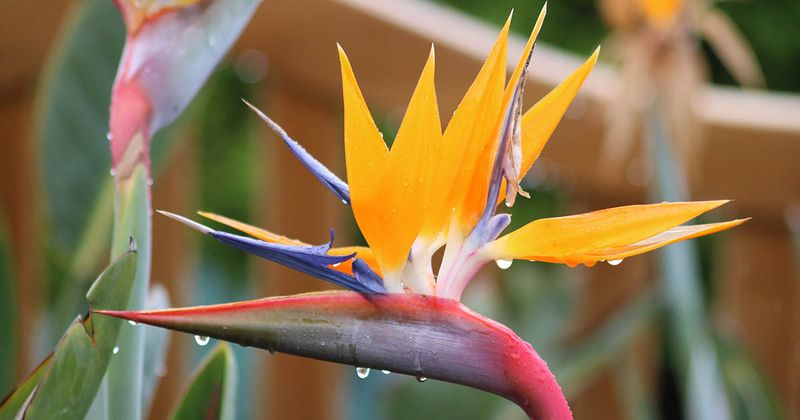
Irrigation timers do not know when it has been raining, and that is one of the most common issues Florida gardeners run into during the summer rainy season. After several days of heavy rain, the soil around your bird of paradise is likely already holding plenty of moisture.
Running your sprinkler or drip system on its regular schedule adds water that the plant simply does not need right now.
Established bird of paradise can appreciate consistent moisture during warm months, but rainfall counts toward that total. Leaving irrigation running at full frequency after a heavy rain event means the soil may stay wet longer than it should.
Soggy conditions around the roots can contribute to yellowing leaves and other stress signs, especially if drainage in the bed is already on the slower side.
Your Florida Garden Changes Every Week. Your Plan Should Too.
Gardening in Florida changes quickly throughout the season. Every Friday you’ll receive a simple weekly plan showing exactly what to plant, prune, fertilize, harvest, and protect so you never miss the right timing.
The simplest fix is to manually pause your irrigation system for a few days after significant rain and then check the soil before resuming. Push a finger or a small trowel a few inches into the soil near the plant.
If it still feels moist, wait another day or two before turning irrigation back on.
Florida’s rainy season often provides enough natural moisture to reduce how often you need to run your system, so adjusting your schedule seasonally rather than keeping the same year-round routine makes practical sense for your landscape and your water bill.
3. Pull Mulch Back From The Base
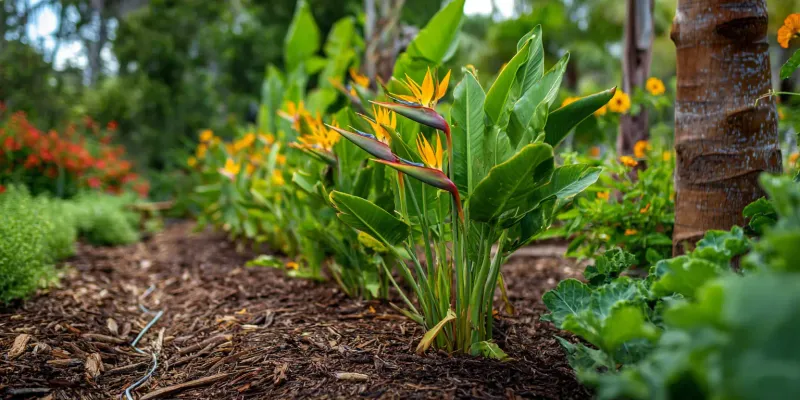
Heavy rain has a way of moving mulch around the garden bed, and after a strong Florida storm, it is common to find mulch piled up against the stems of your bird of paradise.
That may not seem like a big deal, but mulch that stays pressed against the base of the plant can trap moisture against the stems and create conditions that are not ideal for the plant’s health over time.
Mulch is genuinely helpful in a Florida landscape. It conserves soil moisture, moderates soil temperature during hot summer months, and helps reduce weed pressure in ornamental beds.
The key is keeping a bare space of roughly two to three inches around the base of the plant so the stems have some room to breathe. After heavy rain shifts things around, it only takes a minute to gently pull the mulch back to where it belongs.
Use your hands or a small garden tool to carefully move the mulch away from direct contact with the stems. Try not to dig into the soil or disturb the roots in the process.
Once the mulch is repositioned, it can continue doing its job without sitting against the plant itself.
This small adjustment after every significant Florida rain event is an easy habit to build and one that contributes to keeping your bird of paradise in good shape through the wet season.
4. Remove Spent Flower Stalks And Damaged Leaves
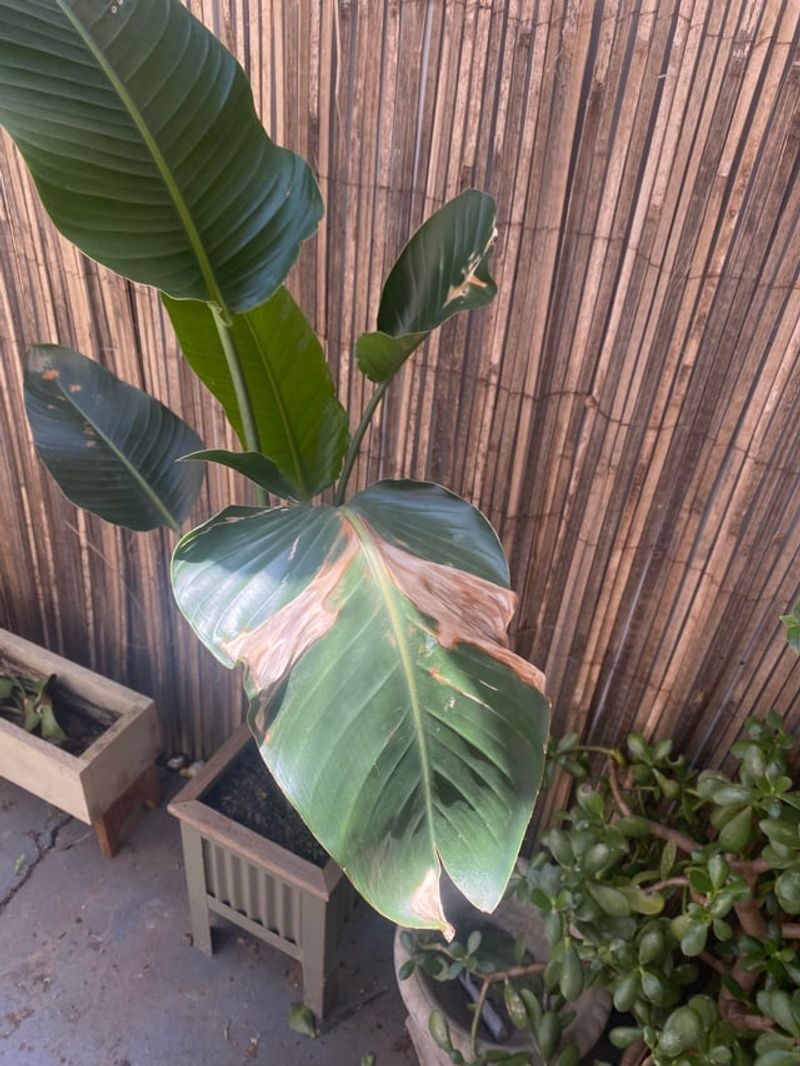
Storms have a way of leaving tropical plants looking rougher around the edges, and bird of paradise is no exception. After heavy Florida rain and wind, you may notice torn leaves, old flower stalks that have finished blooming, or foliage that looks limp and discolored.
Cleaning up this kind of damage is one of the most straightforward things you can do for the plant after a storm passes.
White bird of paradise, in particular, has large banana-like leaves that can shred along the edges when wind moves through. That tearing is mostly cosmetic and does not mean the plant is seriously injured.
However, leaves that are heavily damaged, yellowing, or completely brown can be removed to keep the planting area tidy and to reduce spots where fungal issues might develop in the warm, humid conditions that follow Florida rain events.
Use clean, sharp pruning shears when removing leaves or flower stalks. Cut the stalk or leaf as close to the base as you can without cutting into healthy tissue.
Spent flower stalks that have already finished blooming serve no further purpose on the plant, so removing them is a reasonable tidying step. Avoid cutting off healthy green leaves just because they look a little windswept.
Give the plant a few days to settle after the storm before deciding which foliage actually needs to come off versus what will recover on its own.
5. Watch For Yellowing Leaves After Wet Conditions
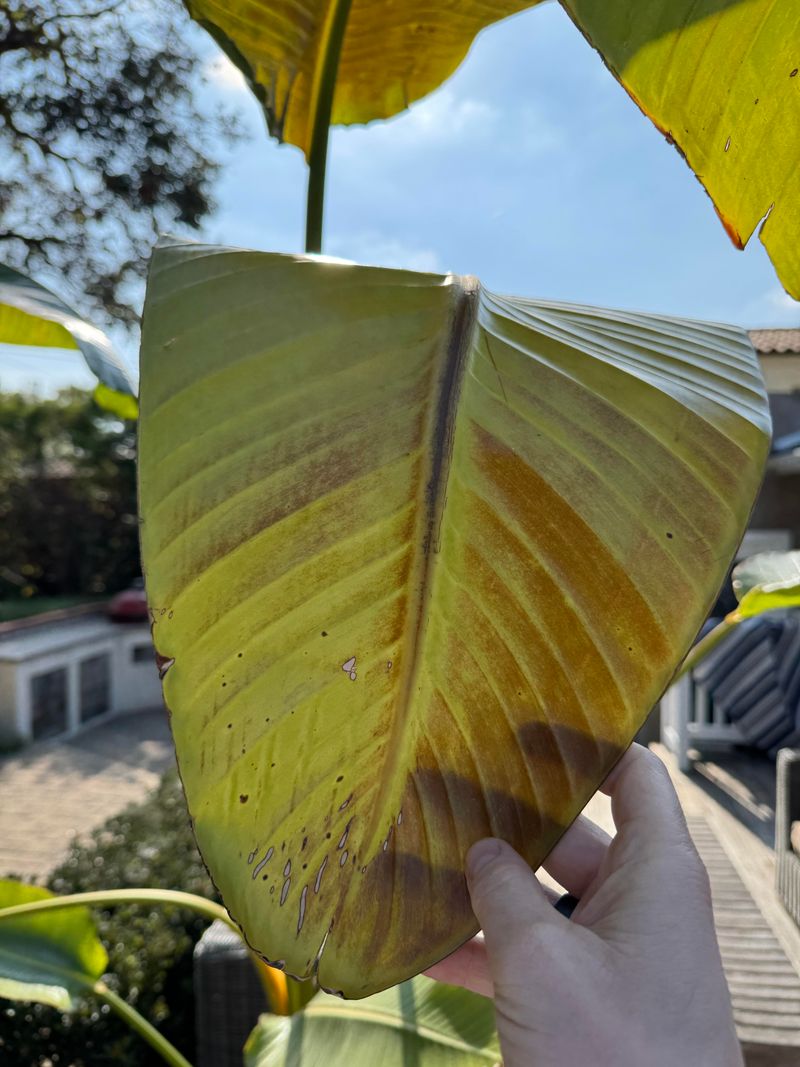
Yellowing leaves on a bird of paradise after heavy rain can mean a few different things, and figuring out which one applies to your plant takes a little observation.
In Florida’s rainy season, the most common culprit is soil that has stayed too wet for too long, especially in beds where drainage is not ideal.
Saturated soil limits how well roots can function, and that can show up as yellowing foliage within a few days of a prolonged wet stretch.
That said, yellowing leaves are not automatically a sign of trouble from too much water. Older leaves on the outer parts of the plant naturally yellow and drop over time as part of normal growth.
If the yellowing is limited to a few older leaves at the base and the newer growth looks healthy and green, the plant may simply be cycling through its normal leaf turnover.
The situation worth watching more closely is when yellowing spreads to newer leaves or appears alongside soggy soil and poor drainage. Before adding more water or making any changes, check the soil moisture a few inches down.
If the soil is still wet, hold off on irrigation and give the bed time to drain. Yellowing can also appear when soil is too dry, so the fix really depends on what the soil is actually doing rather than a guess based on the leaf color alone.
Observation matters more than assumptions here.
6. Avoid Fertilizing Around Heavy Rain
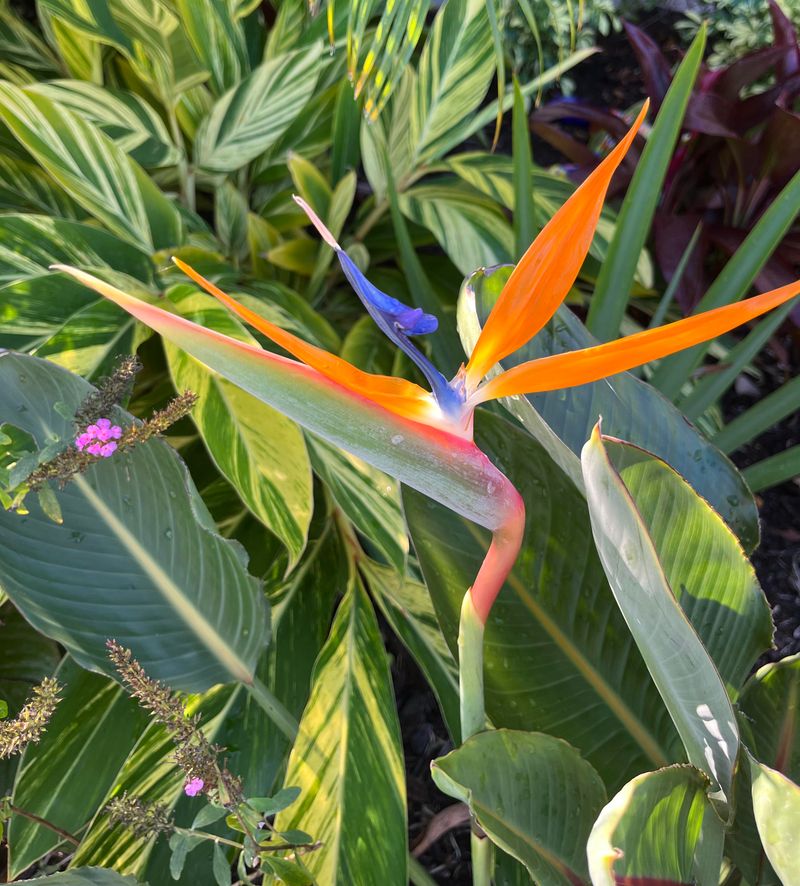
Reaching for fertilizer right after a storm is a tempting move, especially if your bird of paradise looks a little beaten up and you want to help it recover. Waiting is the better call, though.
Applying fertilizer to saturated soil is generally not effective and can contribute to nutrients washing out of the bed before the plant has any chance to use them.
In Florida, where heavy rain can arrive in waves during summer, timing fertilizer applications matters more than many gardeners realize.
Granular fertilizers need to break down in the soil before roots can take them up, and that process works best when soil moisture is balanced rather than excessive.
When soil is already waterlogged from days of rain, adding fertilizer can mean a good portion of it moves with the water rather than staying where the plant can access it.
That is not a great outcome for the plant or for the surrounding environment.
Florida gardeners should also be aware that local fertilizer ordinances may restrict the use of nitrogen and phosphorus during certain months, particularly during the rainy season.
These rules vary by county and municipality, so checking with your local extension office or municipality before fertilizing is a practical step.
Once the rainy stretch has passed, soil has dried to a more normal moisture level, and you are outside any restricted window, you can return to a regular fertilizer schedule following label directions.
7. Check Newly Planted Bird Of Paradise More Closely
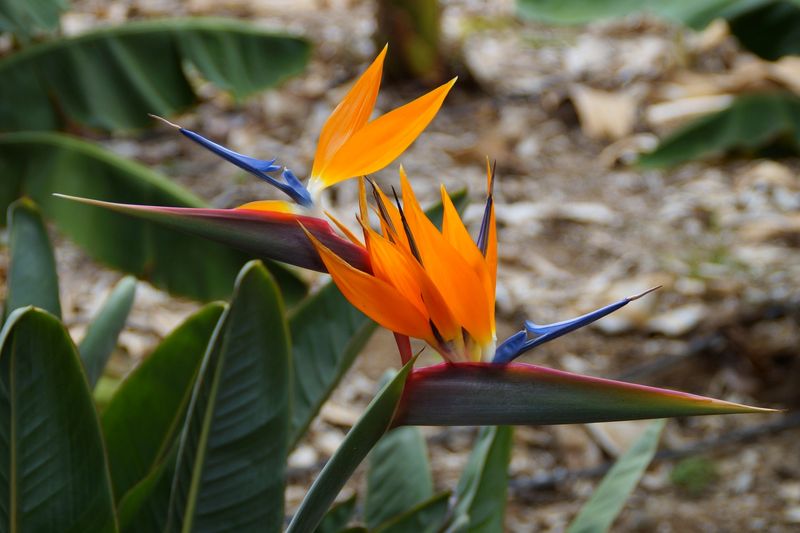
A newly planted bird of paradise needs more attention after a heavy Florida storm than an established one does.
Plants that have been in the ground for only a few months are still developing their root systems, and a stretch of heavy rain can create challenges that a well-rooted older plant would handle more easily.
Checking on a new planting after every significant storm is a straightforward habit that can make a real difference during the establishment period.
Heavy rain can shift soil around a young plant, and in some cases it may expose part of the root ball or wash away the soil that was carefully placed around the roots at planting time. Walk over and look at the base of the plant after the storm.
If soil has washed away and roots are visible, gently firm the soil back around the base and check that the plant is still sitting at the right depth. Adding a little fresh mulch to the area can help stabilize things, keeping that two to three inch gap around the stem in mind.
Water collecting in the planting hole is another concern for new plantings. The hole itself can sometimes act like a small basin, especially in yards where the surrounding soil drains faster than the loosened soil in the planting area.
If water pools right around the newly planted bird of paradise after every rain, that is a sign the drainage situation in that spot may need a closer look before the plant can settle in comfortably.
8. Improve Drainage If The Same Spot Stays Wet
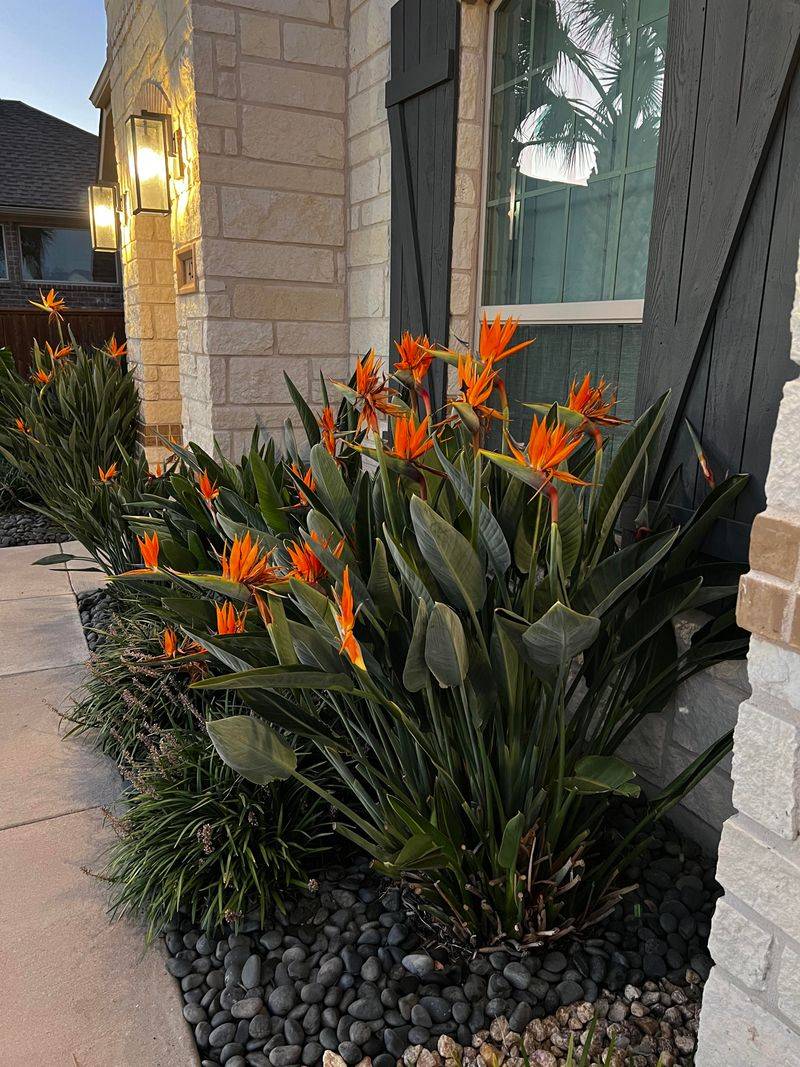
Some spots in a Florida yard just stay wet longer than others, and if you notice the same area around your bird of paradise collecting water after every significant storm, that pattern is worth addressing.
A single wet spell can happen to any garden bed, but when the same location stays soggy after repeated rain events, it suggests the drainage in that area is not keeping up with what Florida’s rainy season delivers.
One option is to raise the planting area slightly by adding organic material and building the bed up a few inches above the surrounding grade. This can help water move away from the root zone more readily rather than pooling at the base of the plant.
Incorporating compost or other organic matter into the soil can also improve how the bed handles moisture over time, since bird of paradise does best in fertile, well-drained soil rather than dense or compacted ground.
If raising the bed is not practical, relocating the plant to a better-drained spot in the yard is worth considering, particularly for younger plants that have not yet established deep root systems.
Florida landscapes vary a lot from one yard to the next, and sometimes the best long-term solution is simply finding a location where drainage matches what the plant needs.
A spot with morning sun, good airflow, and soil that drains reasonably well after rain tends to suit bird of paradise more reliably than a low-lying area that collects runoff.