The Meaning Behind Seeing Cardinals In Your Florida Yard
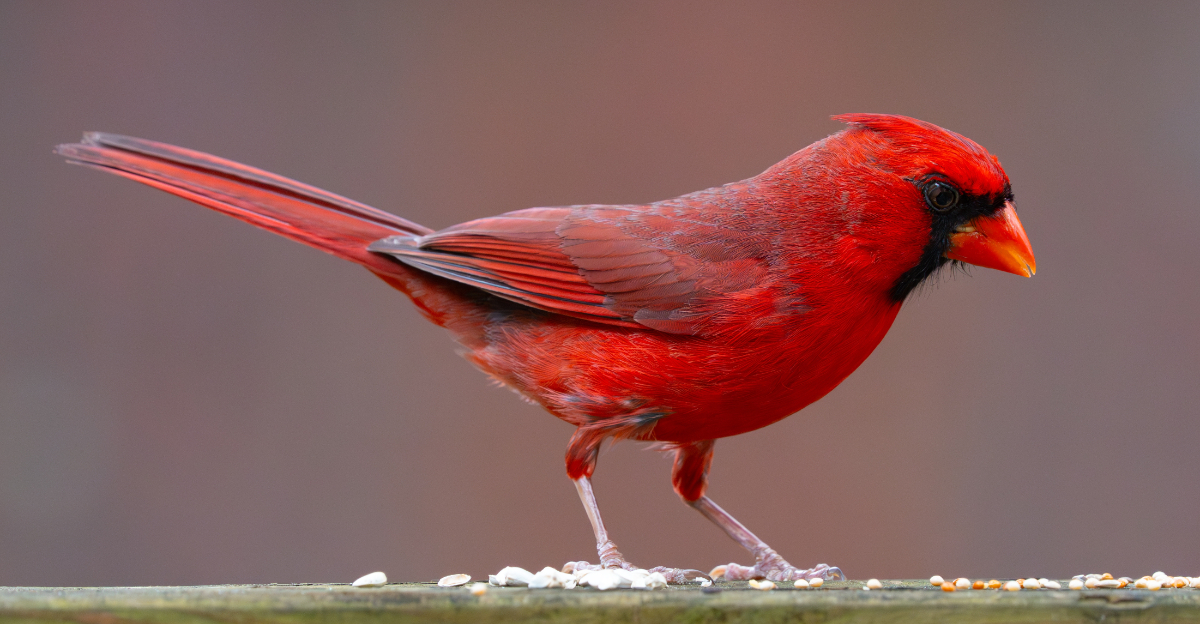
A cardinal in a Florida yard stops you the same way it does anywhere else in the country. That red is almost unreasonably vivid against green foliage, and the bird carries itself with a confidence that makes it hard to look away.
Florida residents who grew up further north often say the cardinal was the one bird they hoped would follow them here. It did.
Cardinals are year-round residents, and a yard that attracts them consistently is doing something right. But a cardinal sighting carries more than just bird-watching satisfaction.
Across cultures and generations, the cardinal has accumulated a weight of meaning that runs deeper than its color.
Indigenous tradition, folk belief, and the kind of quiet symbolism that passes through families without much explanation all attach something significant to this bird.
What a cardinal in your Florida yard actually means, naturally and symbolically, is a richer story than most people expect.
1. A Cardinal Visit Usually Means Your Yard Feels Safe
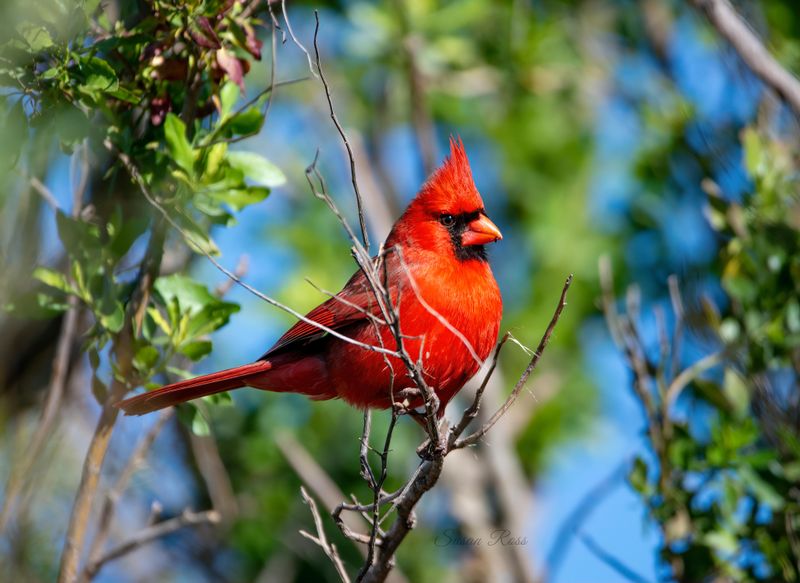
Spotting a cardinal near the patio edge or just inside the hedge line is a quiet kind of compliment. Cardinals are cautious birds by nature, and they tend to avoid wide-open spaces where they feel exposed.
When one shows up in a Florida yard, the most reliable explanation is that the yard feels safe enough to use.
Safety for a cardinal usually means cover. Shrubs, small trees, low-hanging branches, and thick hedges give the bird a place to retreat quickly if something startles it.
Yards with open lawn and very little planting rarely attract cardinals for long. A yard with layered plantings, a fence line with vines, or a mix of native shrubs near a feeding area is far more inviting.
Cardinals are year-round residents in this state, so a visit is not a rare event tied to migration. It reflects consistent habitat use.
That said, the emotional weight of a cardinal visit is real for many people. Feeling comforted by the bird’s presence is a deeply human response.
The natural explanation and the personal meaning do not cancel each other out. Noticing the bird, staying still, and letting it move freely is the best way to honor both the moment and the animal.
2. Bright Red Feathers Make The Moment Feel Personal
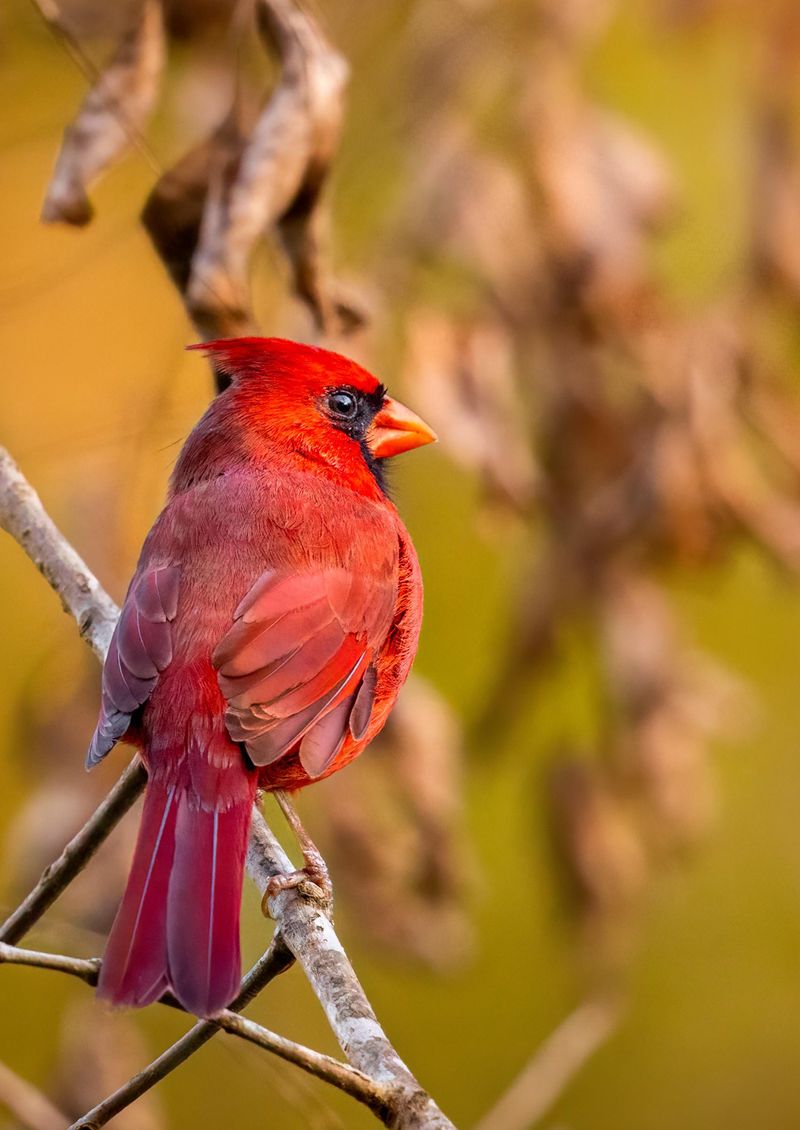
Few birds make an entrance quite like a male cardinal. His feathers are a deep, saturated red that stands out against green leaves, brown fence boards, and pale winter skies.
That color is not subtle. It grabs attention immediately, which is part of why a cardinal visit can feel so personal and deliberate.
Female cardinals are equally striking in their own way. Their warm brownish tones carry soft red highlights on the wings, tail, and crest, and their reddish-orange bill is easy to spot.
Both sexes have that signature raised crest, which gives the bird a distinctive silhouette even from a distance.
The bold appearance of cardinals connects naturally to the symbolism many people attach to them.
Across many cultures and personal belief systems, cardinals are associated with love, remembrance, encouragement, and the feeling that someone missed is somehow nearby.
Your Florida Garden Changes Every Week. Your Plan Should Too.
Gardening in Florida changes quickly throughout the season. Every Friday you’ll receive a simple weekly plan showing exactly what to plant, prune, fertilize, harvest, and protect so you never miss the right timing.
Those associations are not random. A bird this vivid and this willing to appear close to a home tends to leave a mark on memory.
Honoring that feeling is entirely valid. Watching quietly, without chasing or approaching, lets the moment stay peaceful for both you and the bird.
3. Cardinals Often Show Up Where Food Is Easy To Find
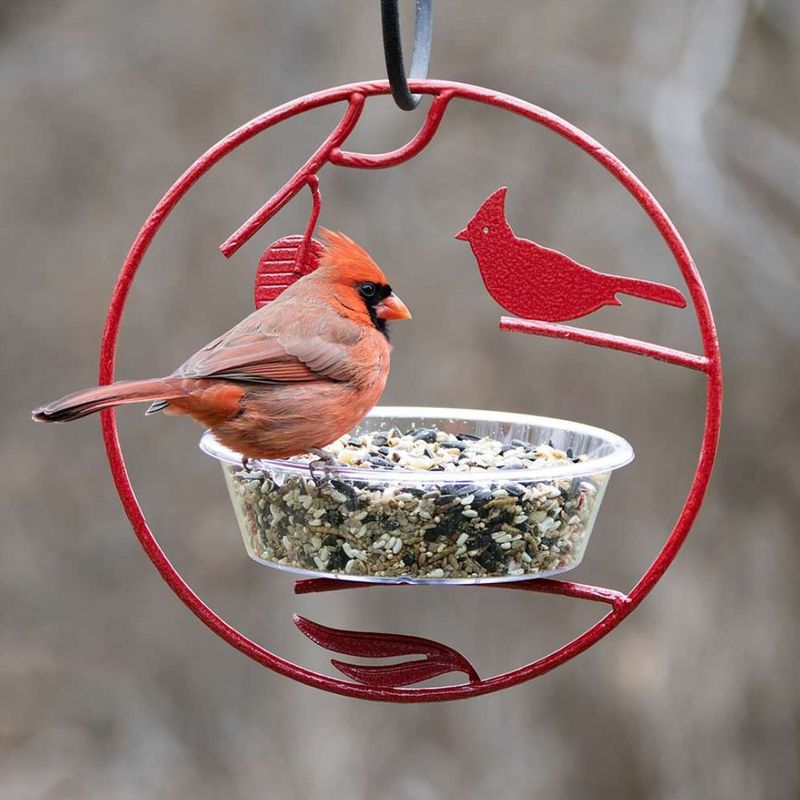
A cardinal that keeps returning to the same corner of a Florida yard is usually following a food source. Cardinals eat a wide variety of seeds, fruits, and insects.
Black-oil sunflower seeds and safflower seeds are among the most reliable feeder options, based on guidance from Cornell Lab of Ornithology and Audubon. Both seeds attract cardinals without drawing as many less desirable visitors as other seed mixes might.
Feeders should be cleaned regularly, at least once a week in warm weather, to prevent mold and bacterial buildup. Spilled seed on the ground should be raked up promptly to avoid attracting rodents.
Placing feeders within a few feet of shrubs or a fence gives cardinals a quick escape route and makes them more likely to use the feeder regularly.
Native fruiting shrubs are another excellent food source that works without any ongoing maintenance commitment. Beautyberry (Callicarpa americana) and wax myrtle (Morella cerifera) both produce fruit that cardinals and other birds eat.
During summer, cardinals also consume beetles, grasshoppers, and caterpillars, which makes reducing broad pesticide use an important part of supporting them.
A yard that offers natural food through plants and insects is one a cardinal will keep coming back to on its own terms.
4. Dense Shrubs Give Them The Cover They Prefer
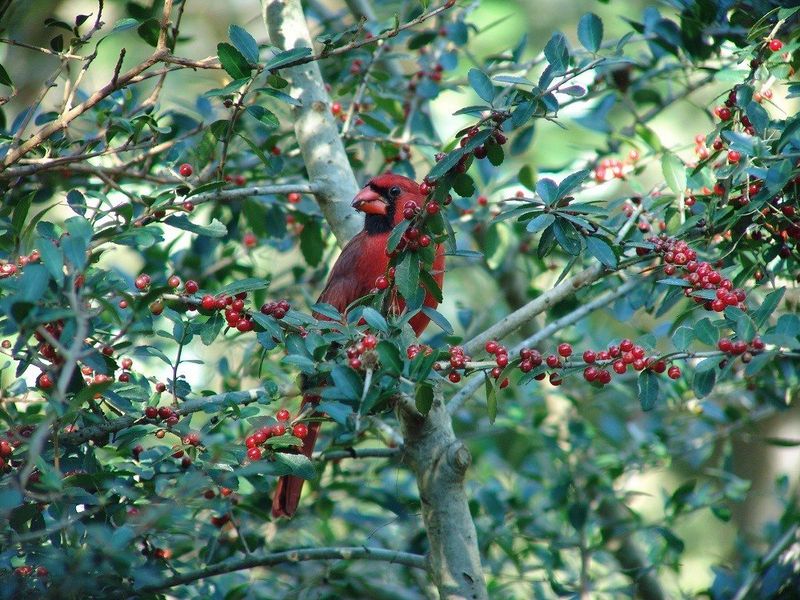
A cardinal moving quietly through a thick hedge is not lost. It knows exactly where it is going.
Dense shrubs are one of the most important habitat features a yard can offer. Cardinals use them for shelter, quick cover from predators, and resting between feeding trips.
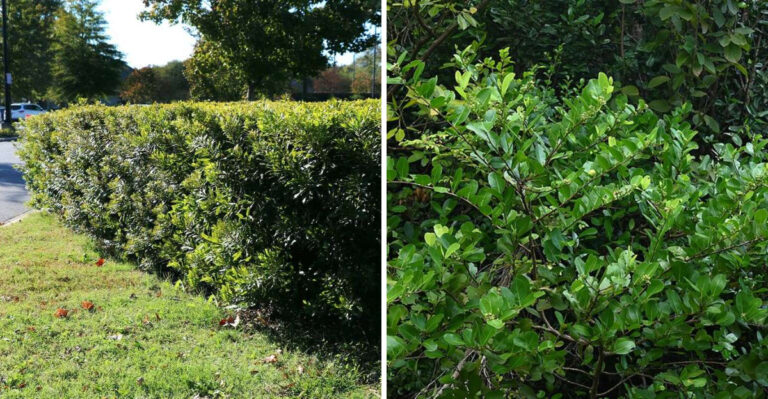
Native shrubs work especially well because they tend to grow in layered, multi-branched forms that provide interior space birds can move through safely. Wax myrtle (Morella cerifera) is a fast-growing native that forms dense thickets and produces fruit.
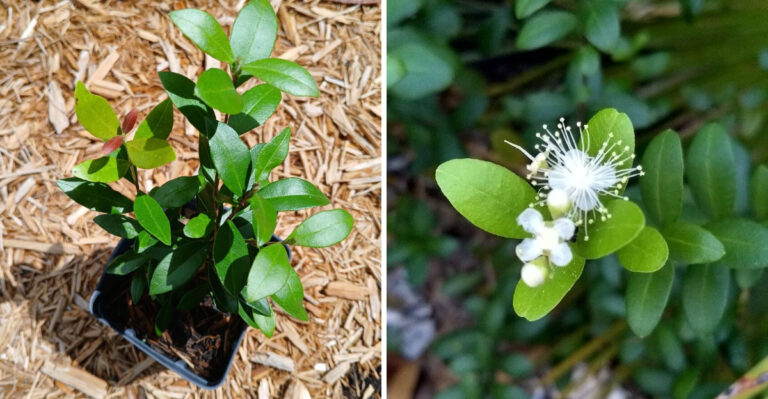
Simpson’s stopper (Myrcianthes fragrans) offers year-round cover and small berries. Firebush (Hamelia patens) attracts insects and hummingbirds and can also provide low cover near patio edges.
Beautyberry (Callicarpa americana) adds both food and structure.
A yard that is mostly open lawn with a few isolated plants gives cardinals very little reason to stay. Grouping shrubs along a fence line, near a feeder, or at the edge of a garden bed creates the kind of layered cover that makes a yard usable for birds year-round.
When a cardinal appears in the shrubs, it may well be signaling that the yard has exactly what birds need, not just open space, but real places to feel protected. That is worth more than any single feeder.
5. A Singing Cardinal May Be Marking Territory
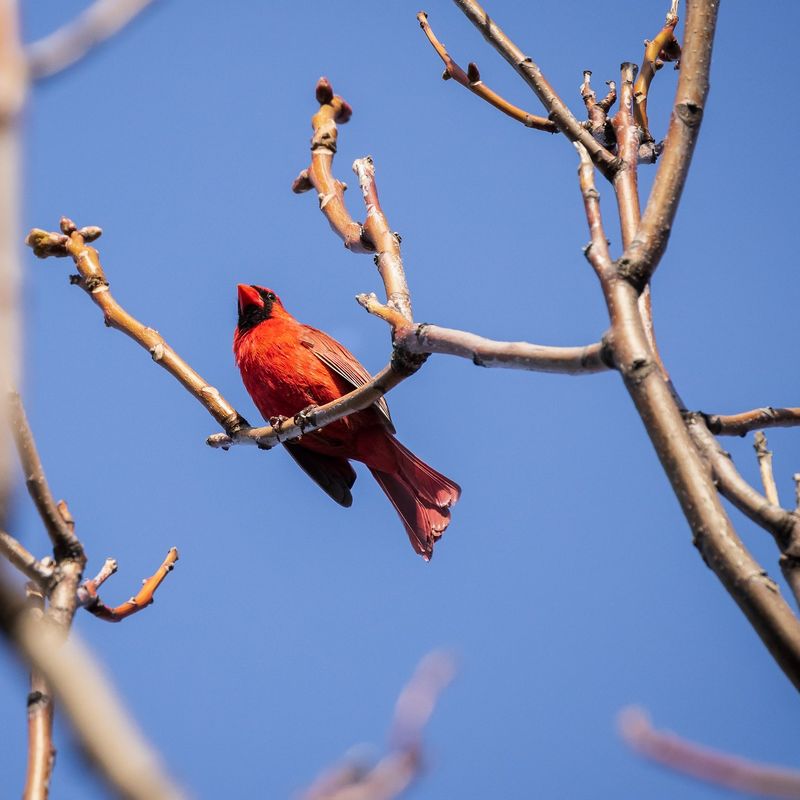
Hearing a clear, loud whistle from the fence or a nearby tree branch is often a cardinal announcing its presence. Cardinals sing to defend territory, maintain pair bonds, and communicate with other birds nearby.
Their songs are loud and musical, sometimes described as a series of clear slurred whistles that carry well across a yard or neighborhood.
One notable fact about cardinals is that females sing too. Among North American songbirds, female song is less common, which makes the cardinal a genuinely interesting species.
A female may sing while on the nest or while responding to her mate. Hearing a cardinal song does not always mean the singer is the bright red male perched in plain sight.
A singing cardinal near a porch, window, or garden edge is most likely responding to territory and the season. Spring and early summer are peak singing periods, though cardinals can be heard year-round in this state.
The sound can feel uplifting and personal, especially on a quiet morning when the yard is still. Enjoying that moment is easy to do without assigning it more weight than feels right.
Let the bird sing, stay still, and listen. That simple act of paying attention is its own kind of meaningful response.
6. Paired Cardinals Can Signal A Good Nesting Spot
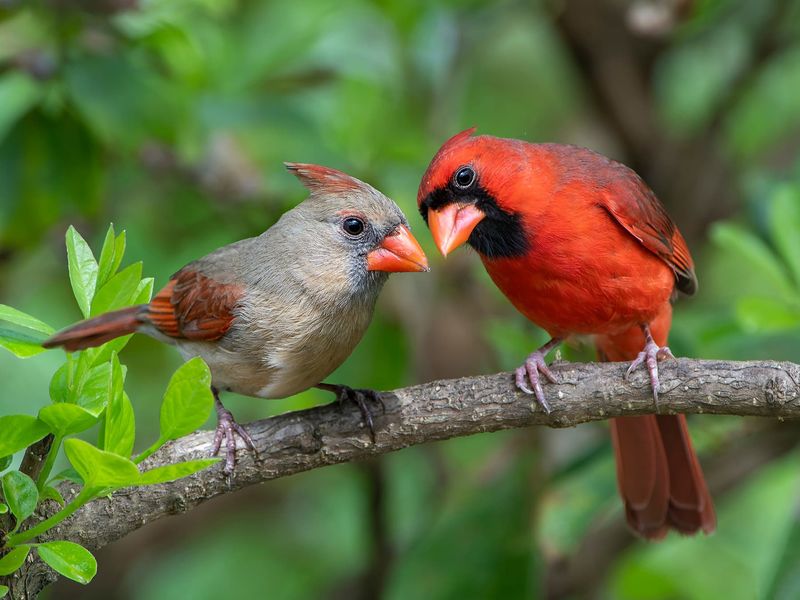
Two cardinals moving together through the Florida yard, a bright male and a softer-toned female, often means the space is offering more than food. During breeding season, pairs stay close to areas with suitable nesting cover.
Seeing a pair regularly near the same shrub cluster or vine tangle is a strong sign that nesting activity may be nearby or already underway.
Cardinals nest in dense shrubs, thick vines, and small trees, usually building a cup-shaped nest several feet off the ground in well-concealed spots.
Nesting season in this state can begin as early as late winter and extend into summer, with pairs sometimes raising more than one brood per season.
If a pair is visiting the same area repeatedly, that cover is worth protecting.
Readers who notice a pair using a specific shrub or vine should avoid trimming that area during the active season. Getting too close to a nest can cause the adults to abandon it.
Watching from a comfortable distance through a window or from a patio chair is the best approach. Many people find that a nesting pair visiting the yard feels like a gesture of trust.
In a practical sense, it absolutely is. The birds have decided the yard is safe and stable enough to raise young, and that says something genuinely good about the space.
7. Repeated Visits Often Point To A Reliable Habitat
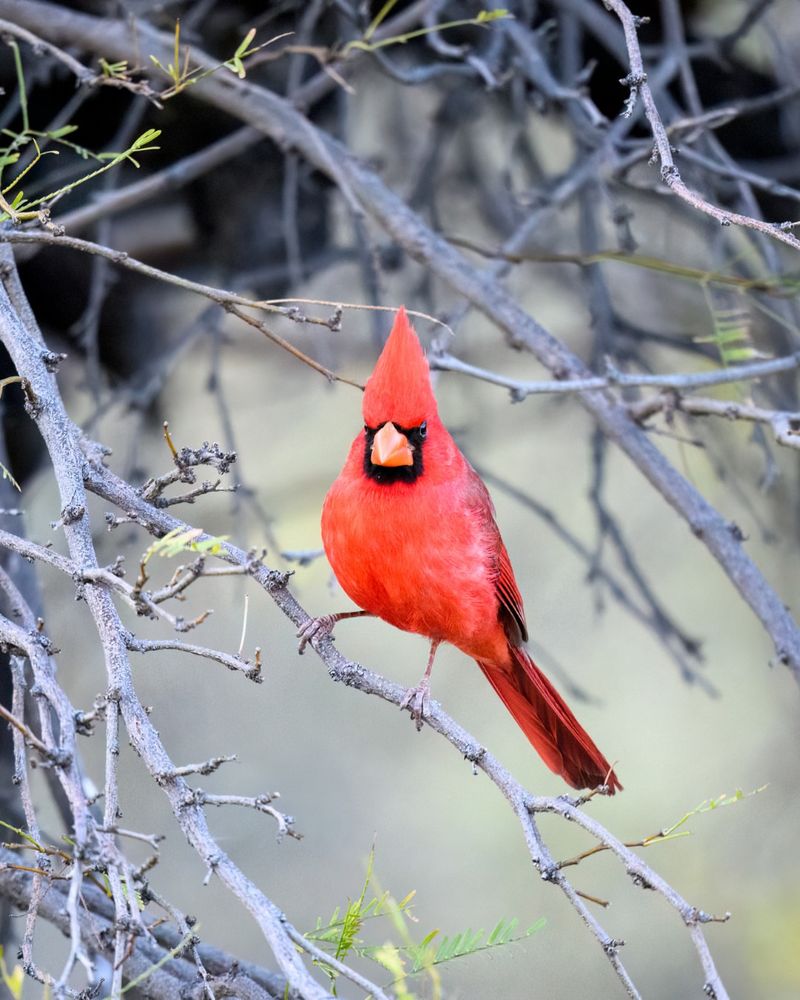
When a cardinal keeps showing up, morning after morning, in the same corner of the yard, it is not coincidence. Cardinals return to places that consistently meet their needs.
Food, cover, water, and low disturbance are the four things that turn a casual yard visit into a regular habit.
A clean birdbath is one of the simplest additions that increases repeat visits. Cardinals bathe and drink, and they prefer water that is shallow and refreshed often.
Birdbaths should be cleaned every few days and refilled with fresh water, especially in warm weather when stagnant water can grow algae and harbor mosquitoes. Placing the birdbath near shrubs gives birds a fast retreat if needed.
Keeping outdoor cats indoors or in a safely enclosed space is one of the most effective things a yard owner can do for visiting birds.
Cats are a leading cause of bird harm in residential areas, according to studies cited by the American Bird Conservancy and Audubon.
Reducing routine pesticide use also helps, since broad applications reduce the insect populations cardinals rely on during nesting season.
A yard that offers native plants, clean water, reliable seed, and minimal disturbance is one that earns a cardinal’s trust over time.
That kind of consistency is both a practical achievement and a quiet source of satisfaction.
8. The Deeper Meaning Comes From What You Notice
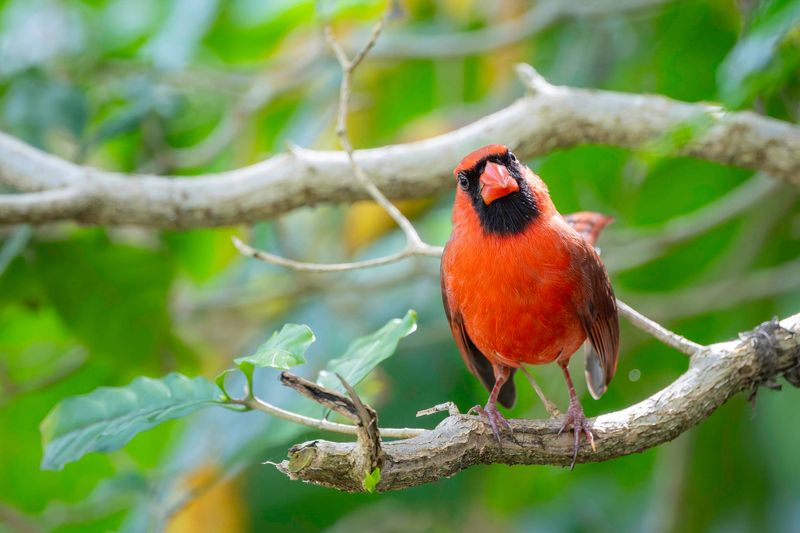
Some mornings a cardinal appears at exactly the moment you needed something to notice. Whether that timing feels like a message, a memory, or simply a lucky pause in the day depends on the person watching.
Both readings are honest. A cardinal can be a bird using a well-planted yard and a moment that feels like something more, at the same time.
Across many cultures, cardinals carry associations with remembrance, love, hope, and the sense that someone missed is somehow present. Those beliefs are personal, and they hold real comfort for a lot of people.
Holding that feeling while also understanding the bird’s natural behavior does not make either one less true. It makes the experience fuller.
The best response to a cardinal in the yard is to slow down and watch without disturbing it. Do not approach, chase, or attempt to hand-feed the bird.
Wild birds that become too comfortable around people can face increased risks. Appreciate the visit from where you are.
If the yard is offering food, cover, water, and safety, the cardinal will likely return on its own. Creating that kind of space, quietly and consistently, is its own form of care.
And paying attention, really stopping to look, may be the most meaningful thing the bird asks of you.